Drawings and Watercolor Paintings
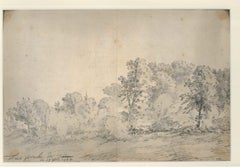
1740s Old Masters Drawings and Watercolor Paintings
Paper, Ink, Watercolor
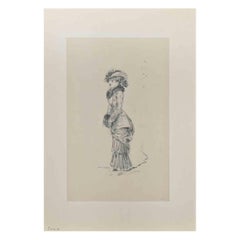
Late 19th Century Modern Drawings and Watercolor Paintings
Ink
21st Century and Contemporary Abstract Expressionist Drawings and Watercolor Paintings
Enamel
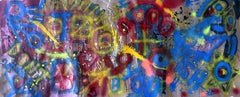
2010s Contemporary Drawings and Watercolor Paintings
Conté, Charcoal, Archival Paper, Graphite
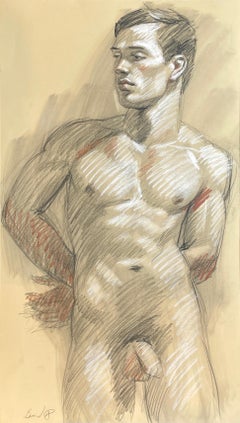
21st Century and Contemporary Contemporary Drawings and Watercolor Paintings
Paper, Color Pencil
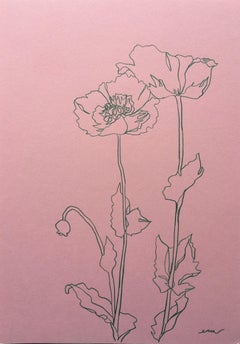
Early 1900s Impressionist Drawings and Watercolor Paintings
Charcoal
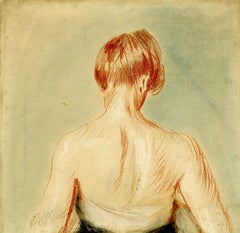
Early 1900s American Impressionist Drawings and Watercolor Paintings
Graphite
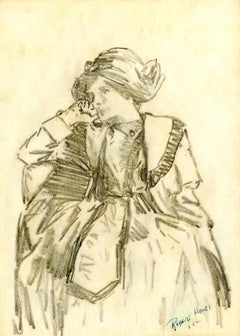
2010s Contemporary Drawings and Watercolor Paintings
Linen, Ink, Pen
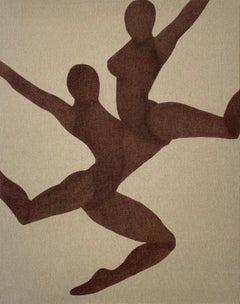
Mid-20th Century Impressionist Drawings and Watercolor Paintings
Oil Pastel
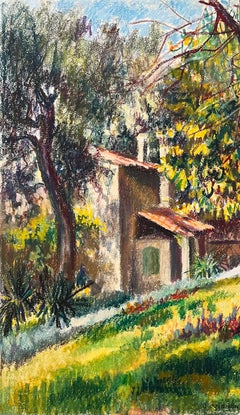
Mid-20th Century Impressionist Drawings and Watercolor Paintings
Gouache
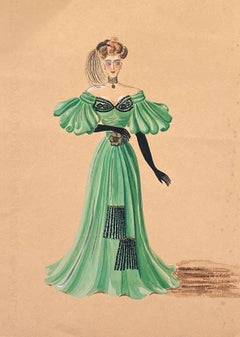
1970s Drawings and Watercolor Paintings
Watercolor
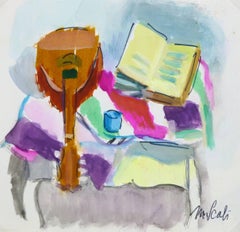
Mid-20th Century Post-Impressionist Drawings and Watercolor Paintings
Watercolor
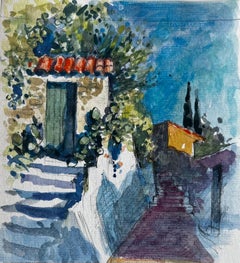
Mid-20th Century Post-Impressionist Drawings and Watercolor Paintings
Watercolor
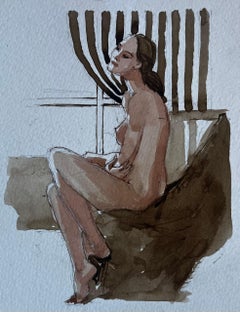
2010s Contemporary Drawings and Watercolor Paintings
Ink, Archival Paper, Color Pencil, Graphite
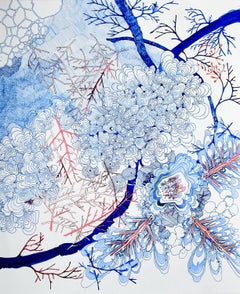
Early 20th Century English School Drawings and Watercolor Paintings
Watercolor
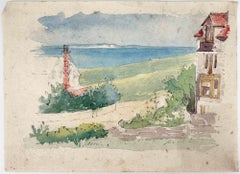
Mid-20th Century Drawings and Watercolor Paintings
Pencil
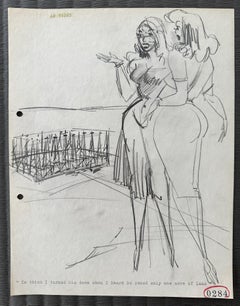

Late 19th Century English School Drawings and Watercolor Paintings
Watercolor, Pencil
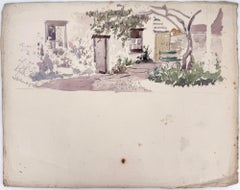
2010s Abstract Drawings and Watercolor Paintings
Gouache, Handmade Paper
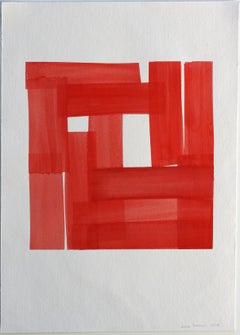
Mid-19th Century English School Drawings and Watercolor Paintings
Watercolor
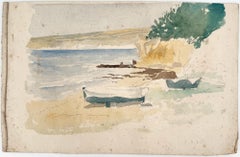
Early 20th Century Modern Drawings and Watercolor Paintings
Pencil
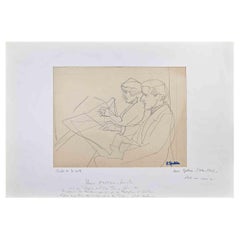
20th Century Modern Drawings and Watercolor Paintings
Acrylic Polymer, Pastel
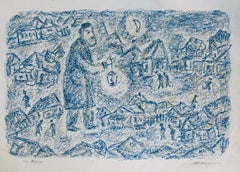
1950s American Modern Drawings and Watercolor Paintings
Paper, Graphite
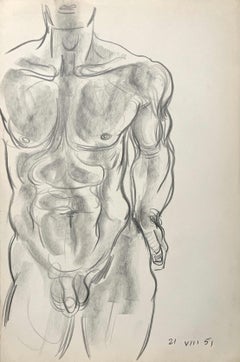
1950s Symbolist Drawings and Watercolor Paintings
Charcoal, Pastel
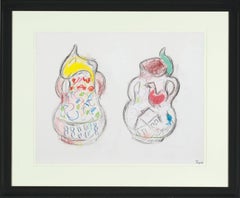
Mid-20th Century Realist Drawings and Watercolor Paintings
Charcoal, Gouache
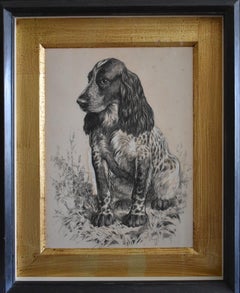
1990s Contemporary Drawings and Watercolor Paintings
Watercolor
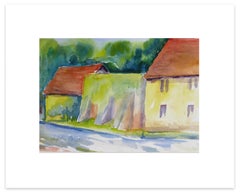
Mid-20th Century Impressionist Drawings and Watercolor Paintings
Oil Pastel
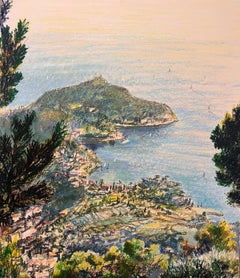
1880s Drawings and Watercolor Paintings
Chalk, Charcoal
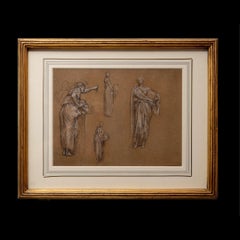
Mid-20th Century American Modern Drawings and Watercolor Paintings
Paper, Charcoal
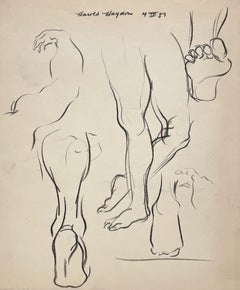
Early 20th Century Modern Drawings and Watercolor Paintings
Paper, Pencil
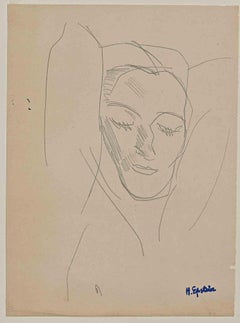
1960s Realist Drawings and Watercolor Paintings
Watercolor
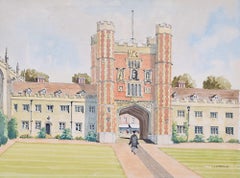
1960s American Modern Drawings and Watercolor Paintings
Watercolor, Gouache, Archival Paper, Acrylic
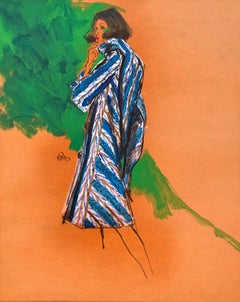
1920s Art Deco Drawings and Watercolor Paintings
Pastel
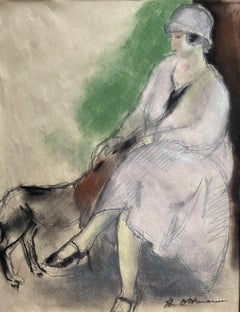
1970s Abstract Drawings and Watercolor Paintings
Monotype
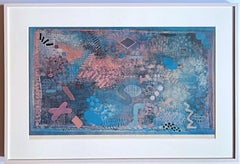
Mid-20th Century American Modern Drawings and Watercolor Paintings
Paper, Ink
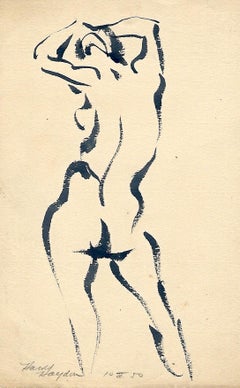
Mid-20th Century Abstract Drawings and Watercolor Paintings
Watercolor
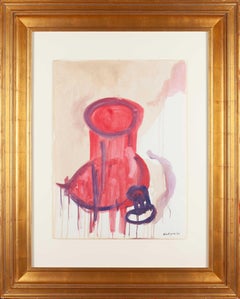
1980s Drawings and Watercolor Paintings
Permanent Marker
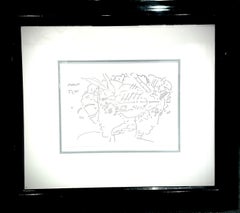
1970s Abstract Drawings and Watercolor Paintings
Paper, Gouache
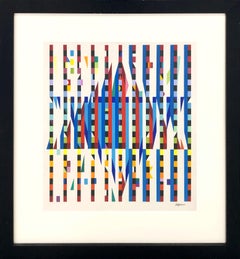
21st Century and Contemporary Contemporary Drawings and Watercolor Paintings
Paper, Gouache
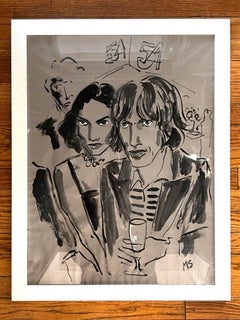
1920s American Modern Drawings and Watercolor Paintings
Graphite
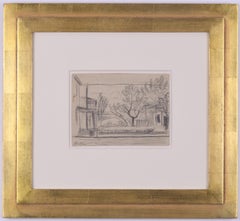
1950s Drawings and Watercolor Paintings
Paper, Gouache
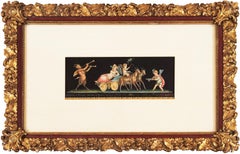
2010s Contemporary Drawings and Watercolor Paintings
Paper, Tempera
20th Century English School Drawings and Watercolor Paintings
Watercolor
2010s Contemporary Drawings and Watercolor Paintings
Rag Paper, Pigment

Early 1900s Art Nouveau Drawings and Watercolor Paintings
Paper
20th Century Post-Impressionist Drawings and Watercolor Paintings
Paper, Watercolor
2010s Surrealist Drawings and Watercolor Paintings
Paper, Mixed Media
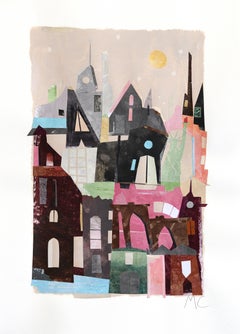
17th Century Old Masters Drawings and Watercolor Paintings
Oil, Laid Paper
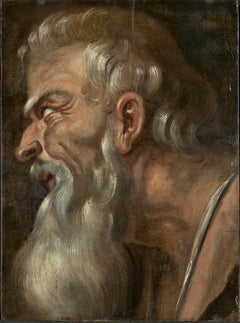
2010s Minimalist Drawings and Watercolor Paintings
Gold Leaf
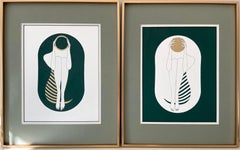
1930s Post-Modern Drawings and Watercolor Paintings
Gouache, Archival Paper, Board
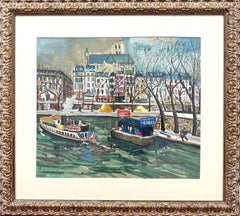
1960s Abstract Expressionist Drawings and Watercolor Paintings
Watercolor
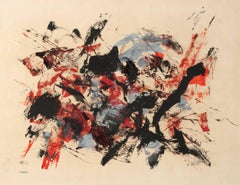
21st Century and Contemporary Abstract Drawings and Watercolor Paintings
Paper, Ink, Acrylic, Watercolor, Color Pencil
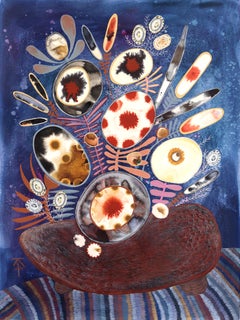
1980s Modern Drawings and Watercolor Paintings
Paper, Ink
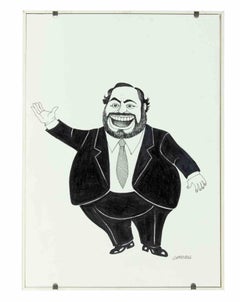
2010s Contemporary Drawings and Watercolor Paintings
Gold Leaf
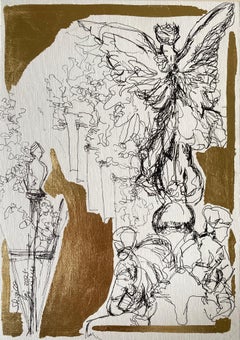
Mid-20th Century Post-Impressionist Drawings and Watercolor Paintings
Watercolor
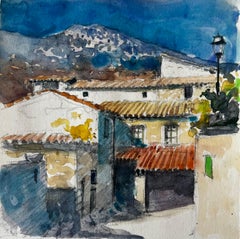
21st Century and Contemporary Contemporary Drawings and Watercolor Paintings
Wood, Paper, Charcoal, Pastel, Acrylic, Graphite
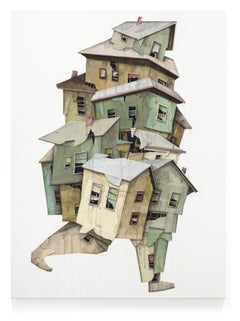
20th Century Drawings and Watercolor Paintings
Watercolor
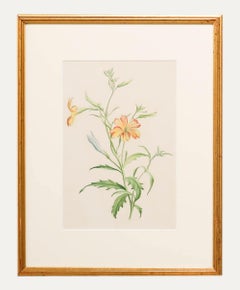
Mid-20th Century American Modern Drawings and Watercolor Paintings
Watercolor
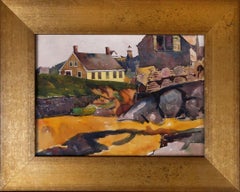
Mid-20th Century Impressionist Drawings and Watercolor Paintings
Ink

1980s Other Art Style Drawings and Watercolor Paintings
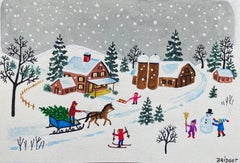
Watercolor, Gouache, Archival Paper
21st Century and Contemporary Realist Drawings and Watercolor Paintings
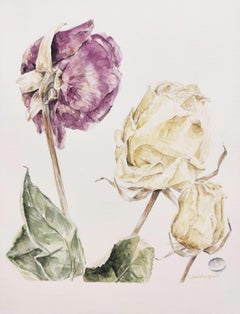
Watercolor
Drawings and Watercolor Paintings for Sale on 1stDibs
Revitalize your interiors — introduce drawings and watercolor paintings to your home to evoke emotions, stir conversation and show off your personality and elevated taste.
Drawing is often considered one of the world’s oldest art forms, with historians pointing to cave art as evidence. In fact, a cave in South Africa, home to Stone Age–era artists, houses artwork that is believed to be around 73,000 years old. It has indeed been argued that cave walls were the canvases for early watercolorists as well as for landscape painters in general, who endeavor to depict and elevate natural scenery through their works of art. The supplies and methods used by artists and illustrators to create drawings and paintings have evolved over the years, and so too have the intentions. Artists can use their drawing and painting talents to observe and capture a moment, to explore or communicate ideas and convey or evoke emotion. No matter if an artist is working in charcoal or in watercolor and has chosen to portray the marvels of the pure human form, to create realistic depictions of animals in their natural habitats or perhaps to forge a new path that references the long history of abstract visual art, adding a drawing or watercolor painting to your living room or dining room that speaks to you will in turn speak to your guests and conjure stimulating energy in your space.
When you introduce a new piece of art into a common area of your home — a figurative painting by Italian watercolorist Mino Maccari or a colorful still life, such as a detailed botanical work by Deborah Eddy — you’re bringing in textures that can add visual weight to your interior design. You’ll also be creating a much-needed focal point that can instantly guide an eye toward a designated space, particularly in a room that sees a lot of foot traffic.
When you’re shopping for new visual art, whether it’s for your apartment or weekend house, remember to choose something that resonates. It doesn’t always need to make you happy, but you should at least enjoy its energy. On 1stDibs, browse a wide-ranging collection of drawings and watercolor paintings and find out how to arrange wall art when you’re ready to hang your new works.
Read More
Al Hirschfeld’s Take on Judy Garland Stands out among His Many Love Letters to Broadway
The revered artist created delightful caricatures of stage and screen performers for more than 75 years. This one is a prime example.
This Tempting Wayne Thiebaud Watercolor Is the Perfect Summer Treat
Although he also produced pensive portraits and idyllic landscapes, the artist’s best-known images are of ice cream, cakes and other colorful sweets.
In This Surreal Painting, the Pink Foot of Patriarchy Squashes a Pumpkin Worshipped by Women
In ‘Gourd,’ Isabel Rock creates a mythic scene that looks fresh and contemporary but feels as old as Eden.
Mid-Century Americans Didn’t Know Antonio Petruccelli’s Name, but They Sure Knew His Art
The New York artist created covers for the nation’s most illustrious magazines. Now, the originals are on display as fine art.
Cecilia Vicuña Merges Politics, Science and Spirituality in Her Poetic Art
The Chilean creator, who has been living in exile in New York for decades, is having a major moment, receiving the biggest exhibitions, commissions and awards an artist could dream of.
Who Are the Most Popular Artists on 1stDibs?
Learn the stories of some of the world's most recognizable artworks and their makers.
Shantell Martin Finds Wonder in Sharing the Creative Process
The visual artist completed a new work in front of a crowd at the 1stdibs Gallery.