Framed Art
to
12,227
21,419
16,323
17,994
12,068
15,182
Overall Width
to
Overall Height
to
2,278
7,138
35,986
37,584
831
850
1,579
1,767
1,560
2,093
3,046
3,807
3,258
2,501
1,223
17,303
10,774
8,759
5,942
2,530
2,169
1,564
1,184
1,152
807
516
359
262
216
37,836
35,786
8,856
30,991
15,917
8,946
8,619
7,092
6,607
5,807
5,324
4,684
4,527
3,793
2,977
2,796
2,630
2,503
2,350
2,337
2,292
2,025
1,783
53,852
36,984
21,604
20,083
14,298
957
619
380
370
325
82,986
5,739
48,201
31,697
Frame Included
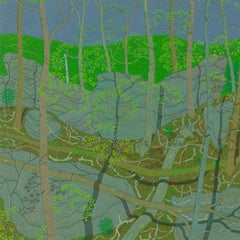
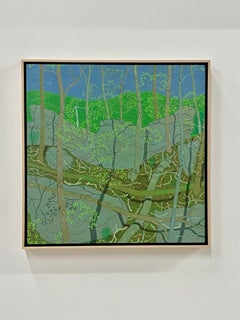
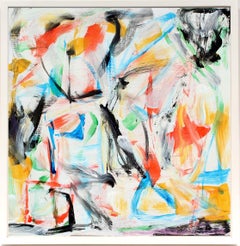
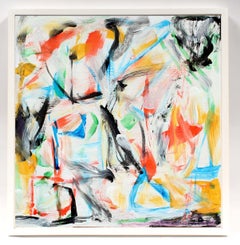
"Potential" Abstracted Landscape Oil Painting
Located in Westport, CT
Potential pulses with kinetic color and form, offering a vibrant abstraction of a forest path flooded with light. Bri Custer’s distinctive approach blends bold geometry with nuanced ...
Category
2010s Impressionist Abstract Paintings
Materials
Canvas, Oil
Damien Hirst - New Beginnings III (yellow)
By Damien Hirst
Located in London, GB
Damien Hirst,
New Beginnings III [yellow], 2011
Polymer gravure block print in colour on Zerkall paper
66 × 48 cm - sheet size
70.6 x 53.3 cm - Framed
Edition 14/55
hand-signed on th...
Category
2010s Contemporary Animal Prints
Materials
Etching
Signed "Bag One" 1970 Lithograph "Erotic #7"
By John Lennon
Located in Laguna Beach, CA
Rare Limited Edition Lithograph hand signed by John Lennon's in 1970, this is from the Bag One Portfolio first shown in 1970. The Bag One lithographs were ha...
Category
1970s Contemporary More Prints
Materials
Screen, Other Medium
Equestrial Nude Bareback Surreal Abstract Painting
Located in Douglas Manor, NY
3717 Equestrian Surreal painting on board
Set in a vintage wood frame
Category
Early 2000s Abstract Paintings
Materials
Acrylic
$300 Sale Price
55% Off
Fruits and Flowers, Impressionist Lithograph after Marc Chagall
By Marc Chagall
Located in Long Island City, NY
Marc Chagall, After, Russian (1887 - 1985) - Fruits and Flowers
Medium: Lithograph, facsimile signed and numbered in pencil
Edition of 375
Image Size: 18 x 15 inches
Frame Size: 3...
Category
Mid-20th Century Impressionist Still-life Prints
Materials
Lithograph
Fine Victorian English Rural Oil Painting Plough Team Horses & Figures in Field
Located in Cirencester, Gloucestershire
The Plough Team
Mid 19th Century English School
indistinctly signed with a monogram 'AS'
oil on canvas, gilt framed
framed: 22.5 x 32.5 inches
canvas : 16 x 26 inches
Provenance: pri...
Category
Mid-19th Century Victorian Animal Paintings
Materials
Oil
Eastern European Village Scene, Oil on Canvas, Framed, 1950s, 13x8.5"
Located in Douglas Manor, NY
6087 Eastern European village landscape
Set in a gilt wood frame
Image size 13x8.5"
Category
1950s Landscape Paintings
Materials
Oil
$350 Sale Price
28% Off
Antique American Pointillist Forest Landscape Signed Framed Early Oil Painting
Located in Buffalo, NY
Rare and wonderfully painted pointillist landscape by Carmelo Vegas. Thick impasto and a fine composition. Housed in a period giltwood frame. Ready to hang. Oil on board. Signed.
Category
1920s Impressionist Landscape Paintings
Materials
Canvas, Oil
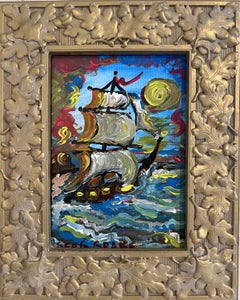
Travel to the Orient Figurative Nautical Scene 1940's
Located in Douglas Manor, NY
5-3494 Oil on canvas figurative traveling to orient.
Set in a silvered wood frame
Category
1940s Figurative Paintings
Materials
Oil
$350 Sale Price
64% Off
"Vineyard Haven Dinghy, " Framed Limited Edition Giclee Print, 45" x 60"
Located in Westport, CT
This realistic nautical limited edition print by Michel Brosseau captures a view of a small white dinghy boat tied to a dock. Two ores rest inside the small boat, which is surrounded...
Category
2010s Realist Landscape Prints
Materials
Digital, Giclée
Vintage American Modernist Interior Scene Signed Framed Portrait Oil Painting
Located in Buffalo, NY
Vintage American modernist interior scene with figures by Carol Lauttenbauch. Oil on canvas. Large scale work. Amazing detail and an intricate composition. Very impressive in per...
Category
1990s Modern Figurative Paintings
Materials
Canvas, Oil
Landscape with Artist. Mid-Century Chicago Modernist Oil Painting.
Located in Marco Island, FL
Chicago Modernist, William Schwartz, painted this dynamic landscape of an artist painting en plein air. He studied at the Art Institute of Chicago shortly after emigrating to the Un...
Category
Mid-20th Century American Modern Figurative Paintings
Materials
Board, Oil, Canvas
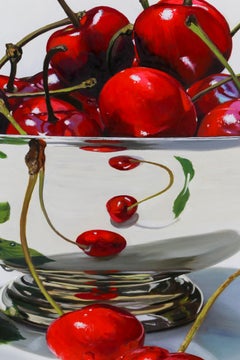
Gold Allure - original oil painting - contemporary still life realism artwork
By Sarah Eden
Located in London, Chelsea
We offer complimentary worldwide shipping and cover all tariffs and import taxes for this artwork. This exceptional artwork is currently on display and available for sale at Signet C...
Category
21st Century and Contemporary Photorealist Still-life Paintings
Materials
Oil, Board
Magnolia Blossoms and Blue Jay
Located in Pasadena, CA
Acquired by the gallery directly from the artist
Signed "Mary K. West" on back
UNFRAMED:30" x 20" FRAMED: 30" x 20" x 1.125"
Artist Statement
“The magnolia tree and I share common rots in the Southeast. The Carolinas, Georgia, and Tennessee are home to us both. This stately, ancient tree is native to the Southeast. Its large fragrant blossoms and dark, shiny leaves adorn the green lawns and line the streets of the small towns where I am from. So, when I moved to California, I was pleasantly surprised to see this icon from the South growing freely here as well! This paining, with its representatives from the Southeast (the Magnolia and Blue Jay) and the West (the Plums and Persimmons) shows how roots can expand and grow to embrace new beginnings.”
— Mary Kay West...
Category
2010s Realist Still-life Paintings
Materials
Oil, Panel
Beach Ocean Impressionistic Seascape Oil Painting Michael Budden Beach Day II
Located in Chesterfield, NJ
Beach Day II
oil/canvas
11 x 14 image unframed, 17.5 x 20.25 framed
Beach Day II is an oil painting on canvas by award winning contemporary artist Michael Budden that showcases a be...
Category
21st Century and Contemporary American Impressionist Landscape Paintings
Materials
Oil
German School Early 20th Century Oil - The Morning News
Located in Corsham, GB
A charming study of an older gentleman reading the newspaper. Signed illegibly to the lower right. Presented in a gilt frame with foliate strapwork. On canvas.
Category
20th Century Portrait Paintings
Materials
Oil
"Sailing at Sunset" Realist Oil Painting on Canvas Board of Sailboat in Open Sea
Located in New York, NY
George Nemethy finds his inspiration in moments of quiet and solitude. Where he finds himself one with the sea and the sky and the tranquil world which he freely escapes to. Trained from an early age by his father Albert Nemethy, a world-renowned painter known best for his large scale steamer boats, George found and nurtured his passion for miniature sailboats...
Category
Late 20th Century Realist Landscape Paintings
Materials
Oil, Board, Canvas
Escuela española (XVII) - Óleo sobre tabla - San Domingo Guzmán
Located in Sant Celoni, ES
La obra es de autor anónimo.
El retablo va muy bien enmarcado con un marco neogótico del siglo xix en madera estofada y policromada.
Medidas del retablo: 88 cm. altura x 56 cm. anc...
Category
17th Century Baroque Figurative Paintings
Materials
Oil
$2,892 Sale Price
20% Off
“Fleet Week”
Located in Southampton, NY
Original oil on masonite painting of Fleet Week with sailors flirting with young women on the dock by the American artist, Sarah Pace Carothers Rhode. ...
Category
1940s Ashcan School Figurative Paintings
Materials
Oil, Masonite
$2,400 Sale Price
33% Off
Haiku
Located in London, London
flowers in ochre tones
Still-life, flowers, floral, abstract, blue, ochre, modern, contemporary, abstract expressionism.
Artist: Katarina Joys
Painted in London, UK, in 2025
Fram...
Category
21st Century and Contemporary Abstract Expressionist Abstract Paintings
Materials
Canvas, Cotton Canvas, Oil, Acrylic
$7,714 Sale Price
20% Off
Antique Naples Rooftops Harbor Landscape 1920's
By Savino
Located in Douglas Manor, NY
3779 Oil on canvas applied to board
Set in a custom gilt wood frame
Signed Savino 58
Category
1950s Landscape Paintings
Materials
Oil
$250 Sale Price
71% Off
British School Hunt Scene traditional style, 20th century
Located in Hillsborough, NC
Traditional English hunt scene, this painting is in a beautifully grained wooden frame. Black and white horses are running with the hounds in a green landscape with blue sky.
Sign...
Category
20th Century English School Animal Paintings
Materials
Canvas, Oil
Woman with Red Flower oil on canvas painting
Located in Sitges, Barcelona
Francisco Sanchis Cortés – Woman with Red Flower
Medium: Oil on canvas
Canvas dimensions: 73 × 54 cm (28.7 × 21.3 in)
Framed dimensions: 91 × 72 cm (35.8 × 28.3 in)
Signature: Signe...
Category
1990s Impressionist Portrait Paintings
Materials
Oil
$1,928 Sale Price
20% Off
Painting of a Lynx in a Tree Charles Livingston Bull (American, 1874-1932)
Located in SANTA FE, NM
Painting of a Lynx in a Tree Charles
Livingston Bull (American, 1874-1932)
Oil on canvas
Signed on reverse
13 1/2 x 19 1/2 ( 20 3/4 x26 3/4 frame) inches
Charles Livingston Bull (1...
Category
1910s Art Nouveau Animal Paintings
Materials
Canvas, Oil
'Still Life of Pears', Carlisle, Philadelphia, Post-Impressionist Woman Artist
By Eleida Bosler Ashcraft
Located in Santa Cruz, CA
Signed lower right, 'Eleida Ashcraft' for Eleida Bosler Ashcraft (American, 1875-1940) and dated 1931/2.
Framed dimensions: 23.5 H x 2.5 D x 25.25 H inches
Displayed in a carved 22kt...
Category
1930s Still-life Paintings
Materials
Canvas, Oil
Beach Ocean Impressionistic Seascape Oil Painting Oxford Md Boat Michael Budden
Located in Chesterfield, NJ
Oxford Light
11 x 14 unframed and 17.25 x 20.25 framed
signed LR
Oxford Light is an oil painting on panel by award winning contemporary artist Michael Budden that showcases a beauti...
Category
21st Century and Contemporary Realist Landscape Paintings
Materials
Oil
Sunflowers
By Simon Kozhin
Located in Zofingen, AG
The artist painted this naturalistic study of sunflowers in Kolomenskoye Park in 2019. Sunflowers are symbolic; they reach for and symbolize the sun. The beauty and diversity of thei...
Category
2010s Impressionist Landscape Paintings
Materials
Canvas, Oil
Impressionist Signed Oil Painting Menton French Riviera Cote d'Azur Landscape
Located in Cirencester, Gloucestershire
Menton, South of France
signed by the Hungarian artist, Laslzo Ritter (1937-2003)
oil on canvas, framed
Framed: 22 x 28 inches
Canvas : 18 x 24 inches
Inscribed verso
Provenance: pri...
Category
Late 20th Century Impressionist Landscape Paintings
Materials
Oil
Unique portrait of Roy Lichtenstein, Authenticated by the Andy Warhol Foundation
By Andy Warhol
Located in New York, NY
Andy Warhol
Portrait of Roy Lichtenstein, 1975
Polaroid dye-diffusion print
Authenticated by the Andy Warhol Foundation for the Visual Arts, bears the Foundation stamp verso
Frame included: Framed in white wood frame with UV plexiglass; with die-cut window in the back to show official Warhol Foundation authentication stamp and text
Measurements:
9 9/16 x 8 9/16 x 9/16 inches (frame)
3 1/2 x 2 3/4 inches (window)
4.16 x 3.15 inches (Artwork)
Authenticated and stamped by the Estate of Andy Warhol/Warhol Foundation for the Visual Arts
An impressive piece of Pop Art history! A must-have for fans and collectors of both Andy Warhol and Roy Lichtenstein: This is a unique, authenticated color Polaroid taken by one Pop Art legend, Andy Warhol, of his most formidable contemporary and, in many respects, rival, Roy Lichtenstein. One of only a few portraits Andy Warhol took of Roy Lichtenstein, during one tense photo shoot. Both iconic artists, colleagues and, perhaps lesser known to the public, rivals, would be represented at the time by the renowned Leo Castelli Gallery. The truth is - they were really more rivals than friends. (the rivalry intensified when Warhol, who was working with Walt Disney, discovered that Lichtenstein painted Mickey Mouse before he did!!) Leo Castelli was committed to Roy Lichtenstein, and, it's easy to forget today, wasn't that interested in Warhol as he considered Lichtenstein the greater talent and he could relate better with Roy on a personal level. However, Ivan Karp, who worked at Castelli, was very interested in Warhol, as were some powerful European dealers, as well as many wealthy and influential American and European collectors. That was the start of Warhol's bypassing the traditional gallery model - so that dealers like Castelli could re-discover him after everybody else had.
Warhol is known to have taken hundreds of self-portrait polaroid photographs - shoe boxes full - and he took many dozens of images of celebrities like Blondie and Farrah Fawcett. But only a small number of photographic portraits of fellow Pop Art legend Roy Lichtenstein -- each unique,- are known to have appeared on the market over the past half a century - all from the same photo session. This is one of them. There is another Polaroid - from this same (and only) sitting, in the permanent collection of the Getty Museum in California.
There really weren't any other collaborations between these two titans, making the resulting portrait from this photo session extraordinary. It is fascinating to study Roy Lichtenstein's face and demeanor in this photograph, in the context of the great sense of competition, but perhaps even greater, albeit uneasy respect, these two larger than life Pop art titans had for each other: Like Leo Castelli, Roy Lichtenstein was Jewish of European descent; whereas Warhol was Catholic and quintessentially American, though also of European (Polish) descent. They were never going to be good friends, but this portrait, perhaps even arranged by Leo Castelli, represents an uneasy acknowledgement there would be room at the top for both of them.
Floated, framed with die cut back revealing authentication details, and ready to hang.
Measurements:
9 9/16 x 8 9/16 x 9/16 inches (frame)
3 1/2 x 2 3/4 inches (window)
4.16 x 3.15 inches (sheet)
Authenticated by the Estate of Andy Warhol/The Andy Warhol Foundation for the Visual Arts. Estate Stamped: Stamped with the Andy Warhol Estate, Warhol Foundation for the Visual Arts stamp, numbered "B 512536P", with the Estate of Andy Warhol stamp and inscribed UP on the reverse. Bears the Warhol Foundation unique inventory number.
Roy Lichtenstein Biography
Roy Lichtenstein was one of the most influential and innovative artists of the second half of the twentieth century. He is preeminently identified with Pop Art, a movement he helped originate, and his first fully achieved paintings were based on imagery from comic strips and advertisements and rendered in a style mimicking the crude printing processes of newspaper reproduction. These paintings reinvigorated the American art scene and altered the history of modern art. Lichtenstein’s success was matched by his focus and energy, and after his initial triumph in the early 1960s, he went on to create an oeuvre of more than 5,000 paintings, prints, drawings, sculptures, murals and other objects celebrated for their wit and invention.
Roy Fox Lichtenstein was born on October 27, 1923, in New York City, the first of two children born to Milton and Beatrice Werner Lichtenstein. Milton Lichtenstein (1893–1946) was a successful real estate broker, and Beatrice Lichtenstein (1896–1991), a homemaker, had trained as a pianist, and she exposed Roy and his sister Rénee to museums, concerts and other aspects of New York culture. Roy showed artistic and musical ability early on: he drew, painted and sculpted as a teenager, and spent many hours in the American Museum of Natural History and the Museum of Modern Art. He played piano and clarinet, and developed an enduring love of jazz, frequenting the nightspots in Midtown to hear it.
Lichtenstein attended the Franklin School for Boys, a private junior high and high school, and was graduated in 1940. That summer he studied painting and drawing from the model at the Art Students League of New York with Reginald Marsh. In September he entered Ohio State University (OSU) in Columbus in the College of Education. His early artistic idols were Rembrandt, Daumier and Picasso, and he often said that Guernica (1937; Museo Reina Sofía, Madrid), then on long-term loan to the Museum of Modern Art, was his favorite painting. Even as an undergraduate, Lichtenstein objected to the notion that one set of lines (one person’s drawings) “was considered brilliant, and somebody’s else’s, that may have looked better to you, was considered nothing by almost everyone.”i Lichtenstein’s questioning of accepted canons of taste was encouraged by Hoyt L. Sherman, a teacher whom he maintained was the person who showed him how to see and whose perception-based approach to art shaped his own.
In February 1943, Lichtenstein was drafted, and he was sent to Europe in 1945. As part of the infantry, he saw action in France, Belgium and Germany. He made sketches throughout his time in Europe and, after peace was declared there, he intended to study at the Sorbonne. Lichtenstein arrived in Paris in October 1945 and enrolled in classes in French language and civilization, but soon learned that his father was gravely ill. He returned to New York in January 1946, a few weeks before Milton Lichtenstein died. In the spring of that year, Lichtenstein went back to OSU to complete his BFA and in the fall he was invited to join the faculty as an instructor. In June 1949, he married Isabel Wilson Sarisky (1921–80), who worked in a cooperative art gallery in Cleveland where Lichtenstein had exhibited his work. While he was teaching, Lichtenstein worked on his master’s degree, which he received in 1949. During his second stint at OSU, Lichtenstein became closer to Sherman, and began teaching his method on how to organize and unify a composition. Lichtenstein remained appreciative of Sherman’s impact on him. He gave his first son the middle name of “Hoyt,” and in 1994 he donated funds to endow the Hoyt L. Sherman Studio Art Center at OSU.
In the late 1940s and early 1950s, Lichtenstein began working in series and his iconography was drawn from printed images. His first sustained theme, intimate paintings and prints in the vein of Paul Klee that poked lyrical fun at medieval knights, castles and maidens, may well have been inspired by a book about the Bayeux Tapestry. Lichtenstein then took an ironic look at nineteenth-century American genre paintings he saw in history books, creating Cubist interpretations of cowboys and Indians spiked with a faux-primitive whimsy.
As with his most celebrated Pop paintings of the 1960s, Lichtenstein gravitated toward what he would characterize as the “dumbest” or “worst” visual item he could find and then went on to alter or improve it. In the 1960s, commercial art was considered beneath contempt by the art world; in the early 1950s, with the rise of Abstract Expressionism, nineteenth-century American narrative and genre paintings were at the nadir of their reputation among critics and collectors. Paraphrasing, particularly the paraphrasing of despised images, became a paramount feature of Lichtenstein’s art. Well before finding his signature mode of expression in 1961, Lichtenstein called attention to the artifice of conventions and taste that permeated art and society. What others dismissed as trivial fascinated him as classic and idealized—in his words, “a purely American mythological subject matter.”ii
Lichtenstein’s teaching contract at OSU was not renewed for the 1951–52 academic year, and in the autumn of 1951 he and Isabel moved to Cleveland. Isabel Lichtenstein became an interior decorator specializing in modern design, with a clientele drawn from wealthy Cleveland families. Whereas her career blossomed, Lichtenstein did not continue to teach at the university level. He had a series of part-time jobs, including industrial draftsman, furniture designer, window dresser and rendering mechanical dials for an electrical instrument company. In response to these experiences, he introduced quirkily rendered motors, valves and other mechanical elements into his paintings and prints. In 1954, the Lichtensteins’ first son, David, was born; two years later, their second child, Mitchell, followed. Despite the relative lack of interest in his work in Cleveland, Lichtenstein did place his work with New York dealers, which always mattered immensely to him. He had his first solo show at the Carlebach Gallery in New York in 1951, followed by representation with the John Heller Gallery from 1952 to 1957.
To reclaim his academic career and get closer to New York, Lichtenstein accepted a position as an assistant professor at the State University of New York at Oswego, in the northern reaches of the state. He was hired to teach industrial design, beginning in September 1957. Oswego turned out to be more geographically and aesthetically isolated than Cleveland ever was, but the move was propitious, for both his art and his career. Lichtenstein broke away from representation to a fully abstract style, applying broad swaths of pigment to the canvas by dragging the paint across its surface with a rag wrapped around his arm. At the same time, Lichtenstein was embedding comic-book characters figures such as Mickey Mouse and Donald Duck in brushy, expressionistic backgrounds. None of the proto-cartoon paintings from this period survive, but several pencil and pastel studies from that time, which he kept, document his intentions. Finally, when he was in Oswego, Lichtenstein met Reginald Neal, the new head of the art department at Douglass College, the women’s college of Rutgers University, in New Brunswick, New Jersey. The school was strengthening and expanding its studio art program, and when Neal needed to add a faculty member to his department, Lichtenstein was invited to apply for the job. Lichtenstein was offered the position of assistant professor, and he began teaching at Douglass in September 1960.
At Douglass, Lichtenstein was thrown into a maelstrom of artistic ferment. With New York museums and galleries an hour away, and colleagues Geoffrey Hendricks and Robert Watts at Douglass and Allan Kaprow and George Segal at Rutgers, the environment could not help but galvanize him. In June 1961, Lichtenstein returned to the idea he had fooled around with in Oswego, which was to combine cartoon characters from comic books with abstract backgrounds. But, as Lichtenstein said, “[I]t occurred to me to do it by mimicking the cartoon style without the paint texture, calligraphic line, modulation—all the things involved in expressionism.”iii Most famously, Lichtenstein appropriated the Benday dots, the minute mechanical patterning used in commercial engraving, to convey texture and gradations of color—a stylistic language synonymous with his subject matter. The dots became a trademark device forever identified with Lichtenstein and Pop Art. Lichtenstein may not have calibrated the depth of his breakthrough immediately but he did realize that the flat affect and deadpan presentation of the comic-strip panel blown up and reorganized in the Sherman-inflected way “was just so much more compelling”iv than the gestural abstraction he had been practicing.
Among the first extant paintings in this new mode—based on comic strips and illustrations from advertisements—were Popeye and Look Mickey, which were swiftly followed by The Engagement Ring, Girl with Ball and Step-on Can with Leg. Kaprow recognized the energy and radicalism of these canvases and arranged for Lichtenstein to show them to Ivan Karp, director of the Leo Castelli Gallery. Castelli was New York’s leading dealer in contemporary art, and he had staged landmark exhibitions of Jasper Johns and Robert Rauschenberg in 1958 and Frank Stella in 1960. Karp was immediately attracted to Lichtenstein’s paintings, but Castelli was slower to make a decision, partly on account of the paintings’ plebeian roots in commercial art, but also because, unknown to Lichtenstein, two other artists had recently come to his attention—Andy Warhol and James Rosenquist—and Castelli was only ready for one of them. After some deliberation, Castelli chose to represent Lichtenstein, and the first exhibition of the comic-book paintings was held at the gallery from February 10 to March 3, 1962. The show sold out and made Lichtenstein notorious. By the time of Lichtenstein’s second solo exhibition at Castelli in September 1963, his work had been showcased in museums and galleries around the country. He was usually grouped with Johns, Rauschenberg, Warhol, Rosenquist, Segal, Jim Dine, Claes Oldenburg, Robert Indiana and Tom Wesselmann. Taken together, their work was viewed as a slap in the face to Abstract Expressionism and, indeed, the Pop artists shifted attention away from many members of the New York School.
With the advent of critical and commercial success, Lichtenstein made significant changes in his life and continued to investigate new possibilities in his art. After separating from his wife, he moved from New Jersey to Manhattan in 1963; in 1964, he resigned from his teaching position at Douglass to concentrate exclusively on his work. The artist also ventured beyond comic book subjects, essaying paintings based on oils by Cézanne, Mondrian and Picasso, as well as still lifes and landscapes.
Lichtenstein became a prolific printmaker and expanded into sculpture, which he had not attempted since the mid-1950s, and in both two- and three-dimensional pieces, he employed a host of industrial or “non-art” materials, and designed mass-produced editioned objects that were less expensive than traditional paintings and sculpture. Participating in one such project—the American Supermarket show in 1964 at the Paul Bianchini Gallery, for which he designed a shopping bag—Lichtenstein met Dorothy Herzka (b. 1939), a gallery employee, whom he married in 1968. The late 1960s also saw Lichtenstein’s first museum surveys: in 1967 the Pasadena Art Museum initiated a traveling retrospective, in 1968 the Stedelijk Musem in Amsterdam presented his first European retrospective, and in 1969 he had his first New York retrospective, at the Solomon R. Guggenheim Museum.
Wanting to grow, Lichtenstein turned away from the comic book subjects that had brought him prominence. In the late 1960s his work became less narrative and more abstract, as he continued to meditate on the nature of the art enterprise itself. He began to explore and deconstruct the notion of brushstrokes—the building blocks of Western painting. Brushstrokes are conventionally conceived as vehicles of expression, but Lichtenstein made them into a subject. Modern artists have typically maintained that the subject of a painting is painting itself. Lichtenstein took this idea one imaginative step further: a compositional element could serve as the subject matter of a work and make that bromide ring true.
The search for new forms and sources was even more emphatic after 1970, when Roy and Dorothy Lichtenstein bought property in Southampton, New York, and made it their primary residence. During the fertile decade of the 1970s, Lichtenstein probed an aspect of perception that had steadily preoccupied him: how easily the unreal is validated as the real because viewers have accepted so many visual conceptions that they don’t analyze what they see. In the Mirror series, he dealt with light and shadow upon glass, and in the Entablature series, he considered the same phenomena by abstracting such Beaux-Art architectural elements as cornices, dentils, capitals and columns. Similarly, Lichtenstein created pioneering painted bronze sculpture that subverted the medium’s conventional three-dimensionality and permanence. The bronze forms were as flat and thin as possible, more related to line than volume, and they portrayed the most fugitive sensations—curls of steam, rays of light and reflections on glass. The steam, the reflections and the shadow were signs for themselves that would immediately be recognized as such by any viewer.
Another entire panoply of works produced during the 1970s were complex encounters with Cubism, Futurism, Purism, Surrealism and Expressionism. Lichtenstein expanded his palette beyond red, blue, yellow, black, white and green, and invented and combined forms. He was not merely isolating found images, but juxtaposing, overlapping, fragmenting and recomposing them. In the words of art historian Jack Cowart, Lichtenstein’s virtuosic compositions were “a rich dialogue of forms—all intuitively modified and released from their nominal sources.”v In the early 1980s, which coincided with re-establishing a studio in New York City, Lichtenstein was also at the apex of a busy mural career. In the 1960s and 1970s, he had completed four murals; between 1983 and 1990, he created five. He also completed major commissions for public sculptures in Miami Beach, Columbus, Minneapolis, Paris, Barcelona and Singapore.
Lichtenstein created three major series in the 1990s, each emblematic of his ongoing interest in solving pictorial problems. The Interiors, mural-sized canvases inspired by a miniscule advertisement in an Italian telephone...
Category
1970s Pop Art Portrait Photography
Materials
Polaroid
Antique Black American Modern Artist Framed Interior Portrait Oil Painting
Located in Buffalo, NY
Incredible early American modernist portrait by Stephen H Booker (1933 - 2016). Oil on canvas. Signed verso. Finely framed. Measuring 24 by 28 inches overall and 16 by 20 paintin...
Category
1940s Modern Interior Paintings
Materials
Canvas, Oil
$1,980 Sale Price
20% Off
Alpine Mountain Hut Vintage Landscape Painting by 20th Century German Artist
Located in Preston, GB
Alpine Mountain Hut - Vintage Landscape Painting by 20th Century German Artist, Fritz Haupt
Art measures 11 x 9 inches
Frame measures 15 x 13 inches
This exquisite painting by F....
Category
20th Century Realist Landscape Paintings
Materials
Canvas, Cotton Canvas, Oil
“Portrait of a North African Man, 1872” Orientalist Portrait Black Model 19th C.
Located in Yardley, PA
“Portrait of a North African Man, 1872” by August Holmberg (1851-1911)
This striking oil painting by the German painter, August Holmberg, depicts a richly detailed and intimate port...
Category
1870s Realist Portrait Paintings
Materials
Oil, Paper, Canvas
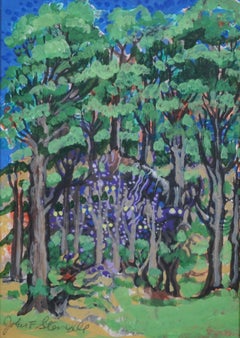
“Impressionist Landscape, c. 1915-1920” California Forest American Impressionist
Located in Yardley, PA
“Impressionist Landscape, c. 1915-1920” by Francis Stillwell Dixon (American, 1879-1967).
One of Dixon’s finest canvases, depicting a tranquil forest scene bathed in soft, dappled l...
Category
Early 20th Century American Impressionist Landscape Paintings
Materials
Canvas, Oil
J. Lazcano After Antonio Arellano - Framed Oil, Spring Flowers in a Wicker Vase
Located in Corsham, GB
This exquisite still life painting showcases a lush bouquet of vibrant flowers arranged in a wicker vase. The composition masterfully balances an array of colourful blooms, including...
Category
21st Century and Contemporary Still-life Paintings
Materials
Oil
Portrait of a senior naval officer, c. 1740s
Located in Henley-on-Thames, England
Thomas Hudson (Devon 1701 - London 1779)
Portrait of a senior naval officer, c. late 1740s
Probably a captain or admiral; half-length, holding a telescope, with a warship beyond
Oil on canvas
91.3 x 71.1 cm.; (within frame) 114.3 x 93.8 cm.
(Unsigned)
Provenance:
Christie’s, London, 22 November 1985, lot 105 (as Thomas Hudson);
Private collection, United Kingdom;
Haynes Fine Art, Broadway, Worcestershire;
Where acquired, private collection, United States, 16 August 1988;
Neal Auction, New Orleans, 14 September 2025, lot 302 (as Attributed to Thomas Hudson);
Where acquired by Haveron Fine Art.
Literature:
Bridgeman Art Library, The Bridgeman Art Library (London: The Library, 1995), p. 89
Christie’s, London, Important English Pictures (London: Christie’s, 22 November 1985)
Archival:
Witt Library, Courtauld Institute of Art (no. 061487);
Heinz Archive and Library, National Portrait Gallery, 1725-50, Thomas Hudson: Men Authentic (1) (Box)
This attractive and quintessential half-length is exemplary of Hudson’s leading portrait practice, produced in the years immediately preceding his decade-long dominance over the London market, beginning in 1749. The work is stylistically typical of Hudson's prime 1750s output, displaying a deliberate refinement of his technique: namely the emphasis of directional brushstrokes, which sensitively follow the contours of the facial features. However, since the sitter wears civilian dress and not a naval uniform (introduced officially in April 1748), a late 1740s date of creation is most likely. Displaying the merits of Hudson's evolving handling, a distinctive feathery quality is combined here with a striking chiaroscuro effect, which Hudson borrowed directly from Rembrandt. Amalgamating the rich colouring of the Rococo with a mannered Baroque posing, Hudson renders the senior naval officer with a characteristic presence.
Resting one hand assuredly at his hip, the finely worked telescope illustrates the officer’s seniority; the warship sailing on the horizon beyond provides further indication of his commanding rank. The telescope is held by a hand modelled with sculptural poise, and the typically Van Dyck manner (seen elsewhere, e.g. Princess Amelia Sophia Eleonore of Great Britain, YCBA B2001.2.246) further illustrates Hudson's studied grounding. The sitter wears civilian clothes, and not the naval uniform first introduced in 1748 (which officers afterwards invariably chose to be shown in). His red waistcoat is of a type popular amongst British officers before 1748, perhaps inspired by French naval uniforms. The officer has previously been suggested as Edward Henry Sartorius, of the prominent naval Sartorius family; however, this identification is improbable on biographical and documentary grounds.
Hudson was regularly commissioned by leading naval officers, and produced highly satisfactory portraits praised for their great likeness and genteel swagger. He charged 24 guineas for a standard 50 x 40 inch half-length in the 1750s period, and the present work (somewhat smaller in size) would have cost not much less. Comparable works include those of Admirals of the Fleet George Anson, 1st Baron Anson, and Sir John Norris; Admiral Sir George Pocock; Admiral Sir Peter Warren; Vice-Admiral The Honourable John Byng; and Rear-Admiral Richard Tyrrell. The present portrait is particularly similar in composition to Hudson’s Portrait of a Flag Officer of The White Squadron, which similarly employs the narrative device of a telescope held at a dynamic angle across the composition, with a warship to the left side of the officer’s retracted arm.
Thomas Hudson (Devon 1701 - London 1799)
Thomas Hudson rose to become the leading British portraitist of the mid-18th century, albeit in close competition with his Scottish counterpart Allan Ramsay. Born in Devon, Hudson studied alongside George Knapton under Jonathan Richardson the Elder (marrying his daughter in 1725, expressly against Richardson’s wishes), and inherited a dignified formality jointly derived from Van Loo. His work is first recorded in 1728, and between 1730-40 he practised in Bath and the West Country, where in addition to portrait commissions, he was employed to retouch and reline old pictures. He returned permanently to London thereafter, and devised a series of stock poses to which he would return with variation throughout his career. Beginning in 1745 with the death of Richardson and the departure of Van Loo, Hudson became the city’s most successful portraitist, and embarked on ambitious defining works such as his Portrait of Theodore Jacobsen ‒ not drastically unlike the continental heights of Pompeo Batoni in conception. Profiting from his success, he relocated from Lincoln’s Inn Fields to a house in Great Queen Street previously inhabited by Van Loo, and one door down from Kneller’s old rooms. An exceptionally productive period began in 1749 which lasted until the late 1750s. Among this output were highly praised portraits of the Prince and Princess of Wales, commissions for most of the preeminent aristocrats, and superlative group portraits including Benn’s Club of Aldermen, and those of the Thistlethwayte, Marlborough and Radcliffe families.
Hudson relocated to King Street, Covent Garden, operating a prolific studio operation which resulted in some four hundred paintings ‒ of which at least eighty were engraved. A prodigious assembly of young pupils included Sir Joshua Reynolds (1740-3), Joseph Wright of Derby (1751-3, 1756), Richard Cosway, John Hamilton Mortimer, and the drapery painters Joseph and Alexander van Aken (also employed by Ramsay). As one later reviewer expressed: ‘Hudson, his art may well display to sight / Who gave Mankind a Reynolds and a Wright’ (Miles, ‘Introduction’). The ambitious young Reynolds made many drawings from classical statuary under Hudson’s instruction, and wrote home that, ‘While doing this I am the happiest creature Alive (sic.)’ (Sweetser, p.12). However, he was later dismissed from his pupilage some two years prematurely for refusing to carry a painting to Van Aken’s studio in the rain. It was at this point that Reynolds returned to Plymouth (Devonport), and produced some thirty portraits of the local gentry (including one example presently owned by Haveron Fine Art).
Hudson was one of a number of artists who congregated in Old Slaughter’s Coffee House, alongside Hogarth, Ramsay, Hayman, and Rysbrack. Together they supported Thomas Coram’s Foundling Hospital, of which they each belonged to the 600 governors (in whom Hudson met many of his future clients), and promoted the building as London’s first public space of artistic exhibition. He visited the Netherlands and France for five weeks in 1748 accompanied by St Martin’s Lane colleagues, and was arrested with Hogarth for making drawings of the Bastille fortifications. He afterwards stayed in Rome and Naples in 1752 with Roubiliac, meeting Reynolds twice on the return journey. He returned to England and bought a house at Cross Deep, Twickenham (upstream from Pope’s villa), and made an effective museum of the space. He lived there with his second wife, a wealthy widow named Mrs Fynes. Having been involved with early attempts to establish a royal academy of the arts, Hudson exhibited at the Society of Arts in 1761 and 1766, although he had effectively retired from painting by the latter date. His last painting was in 1767, and he died at Twickenham in January 1779 aged seventy-eight.
Hudson was also exceptional for the extensive collection of artworks which he amassed during his lifetime. The collection was thoroughly impressive in extent, and included outstanding Old Masters: Breughel, Canaletto, van Dyck, Hals, Holbein, Kneller, Lely, Michelangelo, Parmigianino, Poussin, Raphael, Rembrandt, Rubens, Tintoretto, Titian, Vasari, and Velázquez. His earliest recorded purchase was in 1741, and he spent heavily at the sale of his father-in-law, even buying works jointly with Van Aken. Likewise, at the posthumous 1750 sale of Van Aken, Hudson spent £215 on the second day (nearly half that day’s sale total). As a pupil, Reynolds had been sent to bid for Hudson in Lord Oxford’s sale of 1742, and proudly recalled having been greeted with a handshake by Hudson’s friend Pope at another picture sale. Hudson also collected extensively from within his own generation, acquiring works by contemporaries including Gainsborough, Reynolds, Richardson, Rysbrack, Vanderbank, and his predecessor Van Loo. Following his death, the works were dispersed in two sales at Messrs. Langford, with the finer works sold at Christie’s in 1785 after the death of his second wife. However, his connoisseurship was not without flaw ‒ having outbid Benjamin Wilson for a Rembrandt drawing, Wilson etched and printed a new ‘Rembrandt’ plate...
Category
1750s Old Masters Portrait Paintings
Materials
Oil
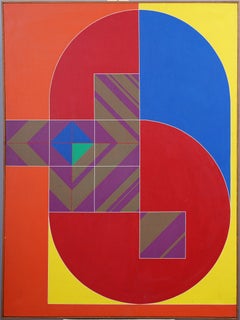
Abstract Modernist Oil Painting - noted Penn State Area Artist Ralph Dorn Hetzel
Located in Baltimore, MD
The name “Hetzel” has long been associated with Pennsylvania history. George Hetzel (1826-1899) was a French-born American painter who settled near Pitts...
Category
1970s Abstract Geometric Abstract Paintings
Materials
Oil
Early 19th-Century Dutch Oil Painting, Landscape With Father & Son
Located in Cheltenham, GB
This early 19th-century oil painting by Gerrit Hendrik Göbel (1786-1833) presents a tranquil rural landscape, plausibly in the region of Salland. Painted during the formative years o...
Category
Early 19th Century Baroque Landscape Paintings
Materials
Canvas, Oil
Nude Woman - Oil Paint attr. Edgar Stoebel - Mid-20th Century
Located in Roma, IT
Nude woman is an artwork attribuited to Edgar Stoebel (1909-2001).
81 x 45 cm; no frame.
Oil painting on canvas.
Good conditions.
Category
Mid-20th Century Modern Nude Paintings
Materials
Canvas, Oil
Lyngenfjord Mountain Landscape, Norway
Located in Stockholm, SE
The subject is a tranquil mountainous landscape from the Lyngenfjord region, framed by the dramatic peaks of the Lyngen Alps in the distance. In the center rises a distinctive double...
Category
1930s Landscape Paintings
Materials
Oil, Board
Le Pieton de Paris
Located in San Francisco, CA
Artist: Teo Tobiasse (French/Israeli, 1927-2012)
Title: "Le Pieton de Paris"
Year: c.1975
Medium: Color lithograph
Edition: Numbered 42/175 in pencil
Paper: Japan paper
Image ...
Category
Mid-20th Century Expressionist Figurative Prints
Materials
Lithograph
Fresh Flowers - contemporary, floral still life, acrylic and oil on canvas
By Pat Service
Located in Bloomfield, ON
A pretty, mixed floral bouquet fills the canvas with joyful colour in this still-life painting by Pat Service. The Canadian artist explored the traditional art form in the 1990’s but...
Category
1990s Contemporary Still-life Paintings
Materials
Canvas, Oil, Acrylic
"Sunny Day" Edward Dufner, American, Impressionist Clouds, Light Blue Sky
Located in New York, NY
Edward Dufner
Sunny Day
Signed lower right
Oil on board
8 x 10 inches
With a long-time career as an art teacher and painter of both 'light' and 'dark', Edward Dufner was one of the...
Category
1910s American Impressionist Landscape Paintings
Materials
Oil, Board
19th-Century French Marine Scene, The Iron Barque Polestar In Full Sail, Oil
Located in Cheltenham, GB
This charming late-19th-century oil painting by French artist Édouard Adam (1847-1929) depicts the Polestar, an iron barque, in full sail. Adam was a notable ‘pierhead painter’ of ma...
Category
19th Century English School Landscape Paintings
Materials
Canvas, Oil
W. Koniger - Framed 1912 Oil, At Full Moon
Located in Corsham, GB
Moonlight reflects on the white walls of the quiet village buildings and casts long shadows across the street in this evocative night scene. The dimly lit road stretches away into th...
Category
Early 20th Century Landscape Paintings
Materials
Oil
Meeting Figurative Surrealism Original oil Painting, Ready to Hang
Located in Granada Hills, CA
Tigran Hovumyan
Figurative Surrealist Oil Painter
Artwork Title: Meeting
Medium: Original Oil on Linen
Dimensions: 36" x 47" x 1" (91 x 120 x 3 cm)
Year: 2012
Unframed, Stretched o...
Category
2010s Surrealist Figurative Paintings
Materials
Canvas, Oil
"Up, " Limited Edition Giclee Print, 36" x 45"
Located in Westport, CT
This abstract landscape limited edition print by Elwood Howell features a high horizon line, and a light blue palette. The foreground portion of the composition beneath the horizon ...
Category
2010s Abstract Abstract Prints
Materials
Digital, Giclée
Escuela flamenca (siglo xviii) - Óleo sobre tela - Paisaje con figura a caballo
Located in Sant Celoni, ES
La obra no va firmada, es de autor anónimo
Se presenta enmarcada la pintura
El estado de la obra se puede ver, es aceptable, pero con algunas restauraciones antiguas y la tela está...
Category
Late 18th Century Old Masters Landscape Paintings
Materials
Oil
$1,205 Sale Price
20% Off
Huge 17thC Marine Battle Painting, An English Warship Engaging Barbary Corsairs
By Isaac Sailmaker, born circa 1633-1721
Located in Cheltenham, GB
This large and imposing late 17th-century oil painting depicts several British ships defeating the notorious Barbary Corsairs.
Amid the smoke, burning wreckage and carnage of a sink...
Category
17th Century Baroque Landscape Paintings
Materials
Canvas, Oil
Peony - 21st Century contemporary Hyper realistic oil painting of a peony flower
By JP Marsman
Located in Nuenen, Noord Brabant
Jean Paul Marsman (Dutch artist)
Peony
20 x 20 cm (framed, included in price 23 x 23 cm)
Oil paint on wood
Craftsmanship: The work is painted so realistically that everything seems...
Category
2010s Contemporary Still-life Paintings
Materials
Oil, Wood Panel
The Shepherd's friend
Located in Stoke, Hampshire
Robert L. Alexander R.S.A., R.S.W. (1840- 1923)
The shepherd's friend
signed 'R. ALEXANDER' (lower left)
Oil on canvas
Canvas Size - 24 x 35 in
Framed Size - 31 x 41 in
Provenance
w...
Category
19th Century Victorian Animal Paintings
Materials
Oil
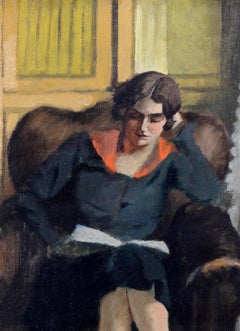
Antique American School Signed Modernist Woman Portrait Framed Oil Painting
Located in Buffalo, NY
Nicely painted American modernist interior portrait oil painting. Framed. Oil on canvas. Signed. Image size, 28H by 22L.
Category
1960s Modern Portrait Paintings
Materials
Canvas, Oil
$620 Sale Price
20% Off
"This One is Warmth" (2025) Abstracted Realist Female Portrait
By Karen Offutt
Located in Denver, CO
About the Artist:
Karen Offutt was born and raised in Dallas, Texas by a creative family who encouraged her to explore her artistic talent from an early age. Her father is an artist ...
Category
2010s Photorealist Portrait Paintings
Materials
Oil, Panel
"The Cubist Artist" Modern Maroon and Green Toned Seated Male Portrait Painting
Located in Houston, TX
Modern Cubist inspired portrait painting by the iconic Houston based artist David Adickes. The work features a seated male figure wearing a white jacket and maroon tie with a paint p...
Category
Early 2000s Modern Figurative Paintings
Materials
Acrylic
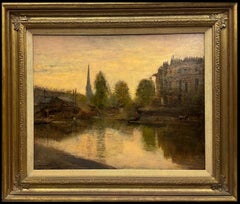
Large Traditional English Rural Oil Painting River Landscape Old Stone Bridge
Located in Cirencester, Gloucestershire
Golden Light across the River
E.J. Wilson ( English, 20th Century)
signed oil on board, framed
framed: 20 x 28 inches
board : 18 x 26 inches
Provenance: private collection
Condition:...
Category
Mid-20th Century Victorian Landscape Paintings
Materials
Oil
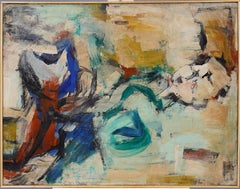
Minimalist Abstract Painting with Black Linear Forms by Alicia Gimeno 2025
Located in Barcelona, Barcelona
At Escat Gallery we are committed to maintaining the highest standards of trust and professionalism for our collectors. Every artwork in our collection comes with a Certificate of Au...
Category
2010s Abstract Abstract Paintings
Materials
Cotton Canvas, Ink, Acrylic
Blick aufs Meer, Impressionist Oil Painting by Gaston Sebire
Located in Long Island City, NY
Blick aufs Meer
Gaston Sebire, French (1920–2001)
Oil on Canvas, signed lower right
Size: 36 x 28 in. (91.44 x 71.12 cm)
Frame Size: 44 x 36.5 inches
Provenance: Wally Findlay Gallery
Category
1980s Impressionist Landscape Paintings
Materials
Canvas, Oil
Still Life of Fruit - Dutch 17th century art Old Master still life oil painting
By Jan Davidsz. de Heem
Located in Hagley, England
This stunning Dutch 17th century Old Master still life oil painting is attributed to the circle of Jan Davidsz de Heem. Painted circa 1660 it is a magnificent vibrant painting of gra...
Category
17th Century Old Masters Still-life Paintings
Materials
Oil
"Ship and Boats" Harbor Scene Impressionist Oil Painting Style of Emile Gruppe
Located in New York, NY
A powerful scene of a harbor depicting several colorful sailing boats with rich color tones and bold brushwork. An oil on canvas impressionist painting with much attention to detail....
Category
Mid-20th Century Post-Impressionist Landscape Paintings
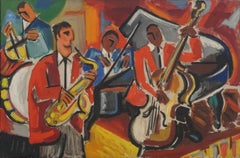
Materials
Canvas, Oil
Olga Awty (1928-2014) - 20th Century Oil, Still Life with Tulips
Located in Corsham, GB
A gentle still life study of tulips and crockery by the artist Olga Awty (1928-2014). Initialled to the lower left. Well presented in a wooden frame. On canvas board.
Category
20th Century Still-life Paintings
Materials
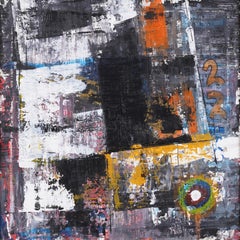
Oil
Werner Bronkhorst - Tip Of The Iceberg
Located in London, GB
Werner Bronkhorst
Sail Away, 2025
Giclée print on 310gsm Smooth Cotton Rag using Epson archival inks
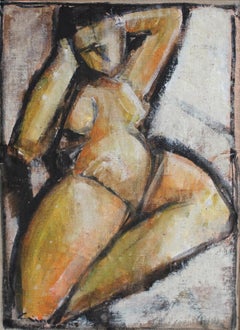
Shadow box framed in FSC certified timber with a smooth white finish and 3mm mu...
Category
2010s Contemporary Landscape Prints
Materials
Archival Ink, Giclée
$3,554 Sale Price
20% Off