Portrait More Art

21 Results
to
3
8
2
4
3
5
Overall Width
to
Overall Height
to
2
6
14
1
1
1
1
1
8
4
2
2
1
13
6
2
24,964
399
322
289
200
200
184
109
106
93
83
82
81
76
65
63
63
63
61
59
16
13
8
8
5
1
1
1
1
1
12
6
Art Subject: Portrait
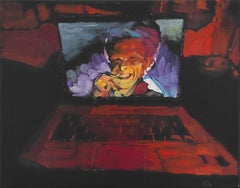
The Devil, Oil Painting

The Devil, Oil Painting

Located in San Francisco, CA

Artist Comments
A laptop displays a scene from Bram Stoker's Dracula, the 1993 vampire film starring Gary Oldman. The screen shows a close-up of a figure in a wicked laugh, exp...

Category

21st Century and Contemporary Impressionist More Art

Materials

Oil

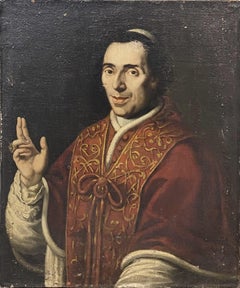
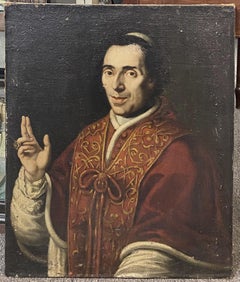
European Portrait of a Priest

European Portrait of a Priest

Located in Milford, NH

A fine European portrait of a priest, oil on canvas, probably dating to the 17th or 18th century, unsigned, with original stretcher, minor surface losses and damage, craquelure, edge...

Category

17th Century Portrait Paintings

Materials

Canvas, Oil

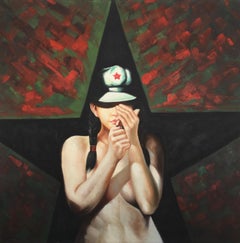
'Chinese Communist Female Nude', c. 1950-1960s, 36" x 36" Acrylic on Canvas

'Chinese Communist Female Nude', c. 1950-1960s, 36" x 36" Acrylic on Canvas

Located in Oklahoma City, OK

This 36" x 36" acrylic painting by an unknown artist depicts a female figure in front of a black five-point star, an adaptation of the "red star" of Communist China that generally re...

Category

20th Century Pop Art Figurative Paintings

Materials

Canvas, Acrylic

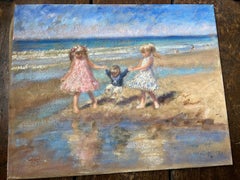
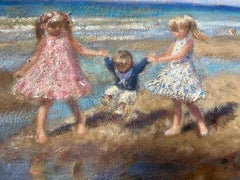
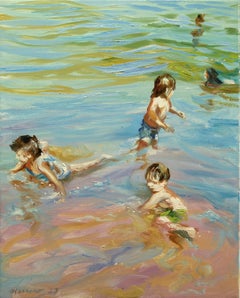
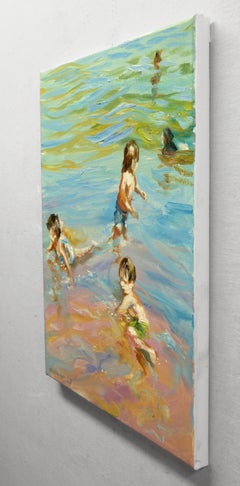
Contemporary Figurative Impressionist Textured Oil Painting of Children on Beach

Contemporary Figurative Impressionist Textured Oil Painting of Children on Beach

Located in ludlow, GB

Modern Impressionist Oil Painting on Canvas of Children playing by the Seaside on a Sandy Beach. It is mounted on stretchers and Signed and Framed. Framed in a simple distressed whit...

Category

21st Century and Contemporary Impressionist Figurative Paintings

Materials

Oil

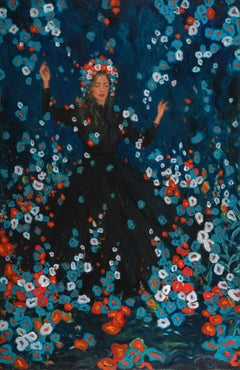
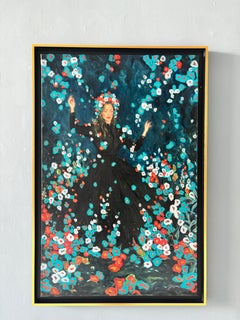
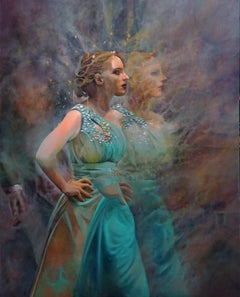
"Clair de Lune" Oil painting, figure in space with blue and red flora emanating

"Clair de Lune" Oil painting, figure in space with blue and red flora emanating

By Tina Orsolic Dalessio

Located in Sag Harbor, NY

Framed dimensions: 43.5 x 30.5 inches "Clair de Lune" is a contemporary oil painting on canvas. Orsolic is known for her melodic landscapes and precise attention to detail, however,...

Category

21st Century and Contemporary Contemporary Figurative Paintings

Materials

Canvas, Oil

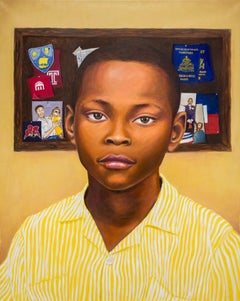
"Christian (Brother)" Haitian Boy Portrait in Yellow Shirt

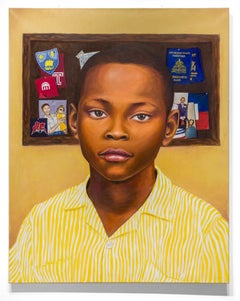
"Christian (Brother)" Haitian Boy Portrait in Yellow Shirt

Located in Philadelphia, PA

This piece titled "Christian (Brother)" is an original artwork by Alain Jean-Baptiste and measures 60"h x 48"w. This oil work on canvas reflects on the buildup and aftermath Jean-B...

Category

21st Century and Contemporary Contemporary Portrait Paintings

Materials

Canvas, Oil

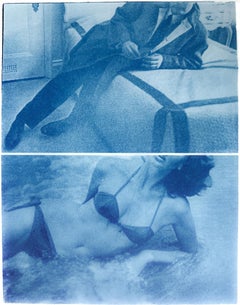
The Art of Seduction

The Art of Seduction

By Alexandra DeFurio

Located in Los Angeles, CA

The Art of Seduction, 2023 22 x 30" Edition of 7 Limited Edition, Cyanotype Unique Variant Print. This cyanotype diptych made from 1960's magazines, gives a contemporary edge to this vintage flirt...

Category

2010s Contemporary Figurative Photography

Materials

Film, Mixed Media, Watercolor, Magazine Paper, Color, Photogram

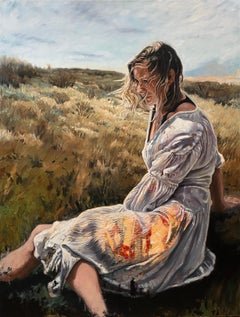
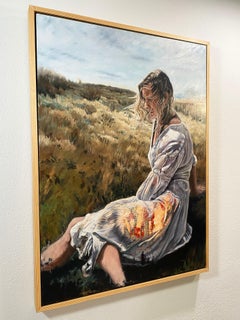
"Irreparable Damages" by April Dawes, 2021, Oil on Birch Panel; 50.25" x 37"

"Irreparable Damages" by April Dawes, 2021, Oil on Birch Panel; 50.25" x 37"

Located in Oklahoma City, OK

This 50.25" x 37" oil paint on birch wood panel work by Oklahoma-based artist April Dawes depicts a woman, contemplative in her body language, with her eyes cast to the ground as the...

Category

2010s Contemporary Portrait Paintings

Materials

Birch, Oil

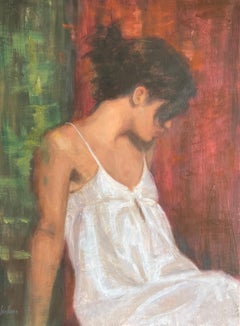
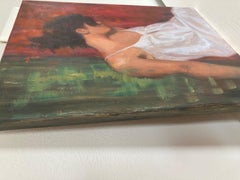
Messy Bun, Oil Painting

Messy Bun, Oil Painting

By Lisa Nielsen

Located in San Francisco, CA

Artist Comments
A woman in a white slip dress props herself on both arms, caught in a moment of waking or preparing to rest. Her brunette hair gathers loosely in a bun. The sce...

Category

21st Century and Contemporary Impressionist More Art

Materials

Oil

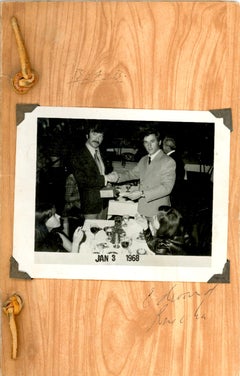
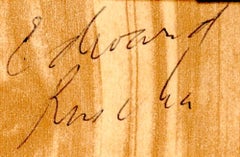
Lt. Ed. Artist Book: Business Cards (Signed by Ed Ruscha and Billy Al Bengston)

Lt. Ed. Artist Book: Business Cards (Signed by Ed Ruscha and Billy Al Bengston)

Located in New York, NY

Ed Ruscha, Billy Al Bengston Business Cards (hand signed by Ed Ruscha and Billy Al Bengston), 1968 Mixed Media Artist's Book: Softback monograph with a latigo leather thong, silver g...

Category

1960s Pop Art Portrait Prints

Materials

Leather, Paper, Ink, Mixed Media, Lithograph, Offset, Silver Gelatin

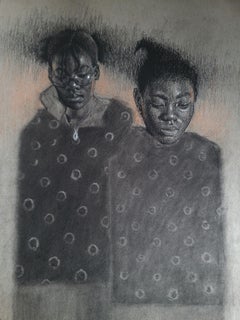
Quiet Time - 21st Century, Contemporary, Figurative Portrait Drawing, Two Women

Quiet Time - 21st Century, Contemporary, Figurative Portrait Drawing, Two Women

By Damilola Ilori

Located in Ibadan, Oyo

Shipping Procedure FREE Shipping Worldwide Ships in a well-protected tube from Nigeria This work is unique, not a print or other type of copy. Accompanied by a Certificate of Authent...

Category

21st Century and Contemporary Contemporary Figurative Drawings and Water...

Materials

Paper, Pencil

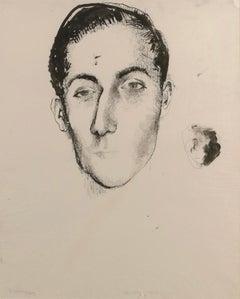
Jacques Stettiner

Jacques Stettiner

By Pavel Tchelitchew

Located in New York, NY

This work by Pavel Tchelitchew (1898-1957) is offered by CLAMP In New York City. Jacques Stettiner c. 1927 Signature stamp in purple ink, verso; Also titled in pencil, verso Ink o...

Category

1920s Contemporary Drawings and Watercolor Paintings

Materials

Paper, Ink

Mid Century Portrait Post Impressionist Oil of Henrietta Phipps artists daughter

Mid Century Portrait Post Impressionist Oil of Henrietta Phipps artists daughter

By Henry Lamb

Located in ludlow, GB

Mid Century Signed Portrait in Oils of artists daughter the renowned horticulturist Henrietta Phipps. Large oil painting on canvas mounted on stretchers of his beloved first daughte...

Category

Mid-20th Century Post-Impressionist Figurative Paintings

Materials

Oil

Untitled, Acrylic on Canvas, Colors by Contemporary Artist “In Stock”

Untitled, Acrylic on Canvas, Colors by Contemporary Artist “In Stock”

By Chandra Bhattacharya

Located in Kolkata, West Bengal

Chandra Bhattacharya - Untitled Acrylic on Canvas 20 x 30 inches (unframed size) ( Rolled & Delivered ) Style : In the last three to four years, he has engaged with the concept of a...

Category

2010s Contemporary Figurative Paintings

Materials

Canvas, Acrylic

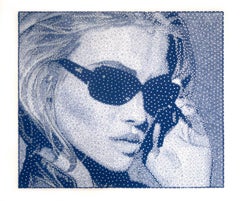
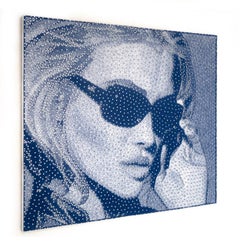
Blue String Sunglasses Portrait

Blue String Sunglasses Portrait

By Nemo Jantzen

Located in Singapore, SG

* Exclusive Original Artwork : A one-of-a-kind artwork by Nemo Jantzen * Innovative Nail and Thread Technique: Handmade artwork with nails and thread on wood. Each nail is carefully ...

Category

2010s Portrait Paintings

Materials

Thread

Related Items
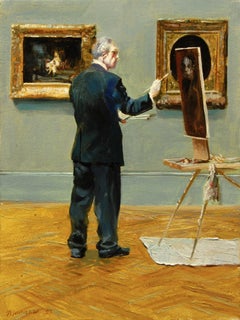
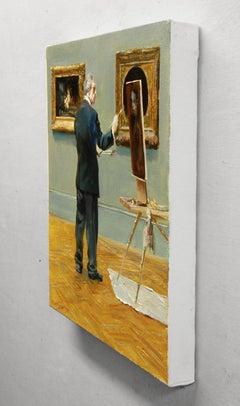
Learning from Rembrandt, Oil Painting

Learning from Rembrandt, Oil Painting

By Onelio Marrero

Located in San Francisco, CA

Artist Comments
This painting combines two of artist Onelio Marrero's interests: his love for the Metropolitan Museum of Art in New York City and his fascination with observi...

Category

21st Century and Contemporary Impressionist More Art

Materials

Oil

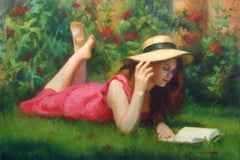
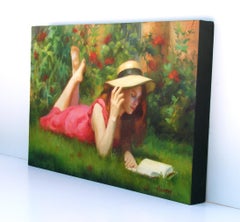
Summer Reading, Oil Painting

Summer Reading, Oil Painting

By Sherri Aldawood

Located in San Francisco, CA

Artist Comments
In a beautiful, sunlit garden, a young woman immerses herself in the world of literature. Surrounded by flowers, she enjoys the company of words. Bathed in a hazy glow, the scene exudes a timeless and romantic aura.


About the Artist
Sherri Aldawood didn't intend to always paint flowers, but over time her love of gardens started to permeate her art. She focuses on the light and color of the flowers on the canvas. Sherri prefers alla prima, working with wet layers of paint instead of letting them dry. She keeps the paint as wet as possible by using walnut and clove oil...

Category

21st Century and Contemporary Impressionist More Art

Materials

Oil

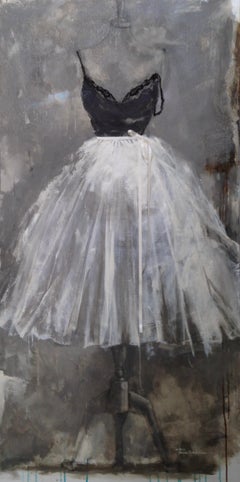
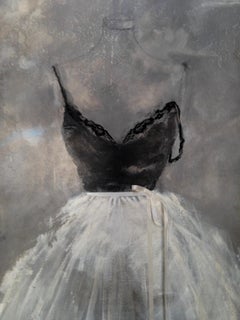
Drinks With Degas, 60"x30" Still Life Painting, Dress, Lace, Black White Grey

Drinks With Degas, 60"x30" Still Life Painting, Dress, Lace, Black White Grey

By Andrea Stajan-Ferkul

Located in Mississauga, Ontario

DRINKS WITH DEGAS - This dress painting features an interplay of paint, lace collage and ribbon creating an outcome both expressive and refined. Through the process of adding and sub...

Category

2010s Contemporary Figurative Paintings

Materials

Mixed Media, Acrylic, Fabric, Canvas

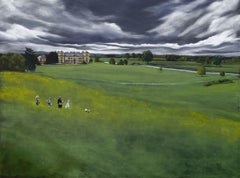
Chasing Lancelot, Oil Painting

Chasing Lancelot, Oil Painting

By Mandy Main

Located in San Francisco, CA

Artist Comments
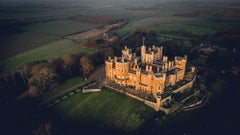
"Traveling in England's Cotswolds region, I sought out a number of impressive gardens designed by Lancelot 'Capability' Brown," shares artist Mandy Main. "This estate, Croome Court, has a colorful history, including its 1979 purchase by John Lennon for use as a Hare Krishna...

Category

21st Century and Contemporary American Realist Landscape Paintings

Materials

Oil

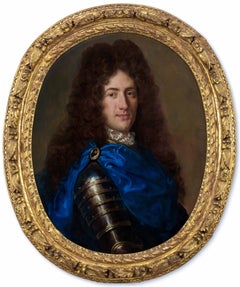
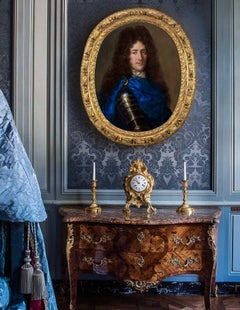
Portrait Gentleman Armour, Blue Cloak, Diamond Brooch c.1700 French Carved Frame

Portrait Gentleman Armour, Blue Cloak, Diamond Brooch c.1700 French Carved Frame

By Joseph Vivien

Located in London, GB

Portrait of a Gentleman in Armour and Azure Cloak with Diamond Brooch c.1700 Attributed to Joseph Vivienne (1657-1735) The sitter in this superb portrait, offered by Titan Fine Art...

Category

17th Century Old Masters Portrait Paintings

Materials

Oil, Cotton Canvas

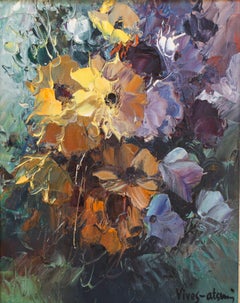
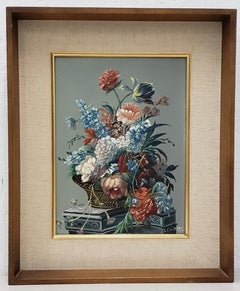
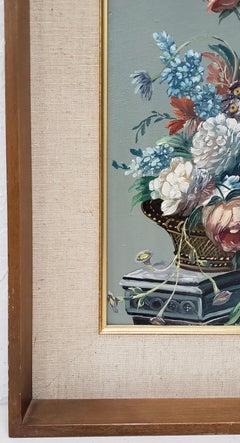
Louis Emiel Chappel (1888-1963) "Floral Still Life II" Original Painting c.1950

Louis Emiel Chappel (1888-1963) "Floral Still Life II" Original Painting c.1950

By Louis Emiel Chappel

Located in San Francisco, CA

Louis Emiel Chappel (1888-1963) floral still life II oil painting, circa 1950s Beautiful full basket bouquet of flowers on a pedestal by listed artist Louis Chappel. Original oil o...

Category

Mid-20th Century Impressionist Still-life Paintings

Materials

Canvas, Oil

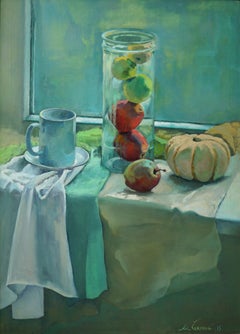
Autumn Goodies
Autumn Goodies

Maria MatveyevaAutumn Goodies, 2015

$1,770

H 34.65 in W 25.6 in D 0.79 in

Autumn Goodies

By Maria Matveyeva

Located in Zofingen, AG

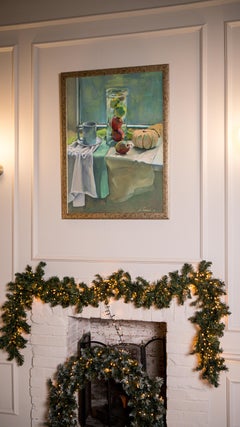
Autumn Goodies This still life was painted from life. Soft, diffused daylight fills the space, gently interacting with transparent glass, matte surfaces, and textured fabric. The r...

Category

2010s Impressionist Still-life Paintings

Materials

Canvas, Oil

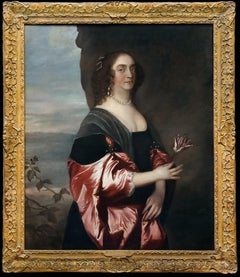
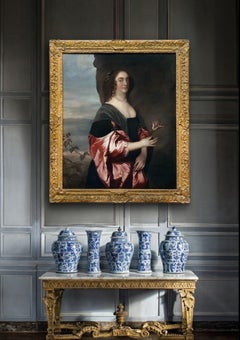
Portrait of a Lady, in Black Dress with Red Satin Sleeves and Pearls c.1660-1680

Portrait of a Lady, in Black Dress with Red Satin Sleeves and Pearls c.1660-1680

By Sir Peter Lely

Located in London, GB

Portrait of a Lady, in a Black Dress with Red Satin Sleeves and Pearls English School c.1660–1680 Circle of Sir Peter Lely (1618-1680) This striking portrait is a compelling exampl...

Category

17th Century Old Masters Portrait Paintings

Materials

Canvas, Oil

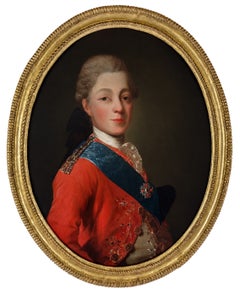
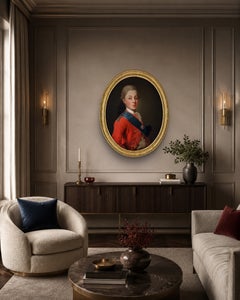
Portrait Painting Grand Duke Pavel Petrovich, Later Emperor Paul I, 18th century

Portrait Painting Grand Duke Pavel Petrovich, Later Emperor Paul I, 18th century

Located in London, GB

Portrait of Grand Duke Pavel Petrovich (1754–1801), later Emperor Paul I of Russia After Alexander Roslin (1718–1793) Oil on canvas, oval, late 18th century This is an exceptionally handsome and historically resonant eighteenth-century portrait, uniting the immediacy of an intimate likeness with the authority of one of the defining dynastic images of Imperial Russia. Grand Duke Pavel Petrovich, the future Emperor Paul I, turns towards the spectator with a composed, almost conversational expression, his youthful face emerging softly from the restrained brown background. The rich scarlet of his coat, the deep blue of the sash and the flashes of gold, lace and jewelled decoration give the picture remarkable visual distinction, while the oval format concentrates attention upon the sitter’s face and magnificent ceremonial attire. Painted during the eighteenth century, the present work is a contemporary reduced version of Alexander Roslin’s monumental state portrait of 1777, now in the State Hermitage Museum, St Petersburg. Roslin’s full-length original measures approximately 265 by 168 centimetres; here, its essential elements have been reformulated as a more intimate portrait suitable for display within an aristocratic residence, diplomatic household or private cabinet. Pavel is dressed in the height of European court fashion of the later 1770s. His scarlet habit à la française comprises a close-fitting coat and elaborately embroidered waistcoat, enriched with scrolling metallic ornament, floral motifs and a sequence of large decorative buttons. The shoulder is finished with a densely worked epaulette-like band, while a white linen stock and delicate lace jabot frame the face. His powdered hair is dressed in the fashionable bag-wig, drawn back and tied with a broad black silk ribbon. Although the costume is unmistakably Russian in its dynastic significance, its cut and ornament belong to the international language of court dress then prevailing from Versailles and Vienna to Stockholm and St Petersburg. In Roslin’s original full-length composition, the costume was completed by matching scarlet breeches, silk stockings, buckled shoes, a sword and a plumed tricorne, all identifying Pavel as both a prince of the blood and a cultivated participant in the ceremonial life of Europe’s great courts. Across his breast passes the broad blue watered-silk sash of the Imperial Order of St Andrew the First-Called, the senior Russian order of chivalry established by Peter the Great. The sash, conventionally worn from the right shoulder towards the left hip, proclaimed the sitter’s position at the summit of the imperial hierarchy. Superimposed upon it is the red-enamelled cross of the Order of St Anna, surrounded in the portrait by scintillating, jewel-like highlights. The cross had a particular dynastic resonance: the order had been founded by Pavel’s paternal grandfather, Duke Karl Friedrich of Holstein-Gottorp, in memory of his wife Anna Petrovna, daughter of Peter the Great. Pavel’s display of the two orders therefore asserted not only rank and honour, but his descent from the founder of Imperial Russia and his inheritance through the Romanov and Holstein-Gottorp lines. Contemporary portraits similarly identify Pavel through the blue sash and star of St Andrew and the red cross of St Anna. Born in St Petersburg in 1754, Pavel Petrovich was the only son of Grand Duke Peter Fyodorovich, later Emperor Peter III, and Grand Duchess Catherine Alexeyevna, the future Catherine the Great. Through his father he was a great-grandson of Peter the Great and inherited the Romanov and Holstein-Gottorp bloodlines; through his mother, born Princess Sophie of Anhalt-Zerbst, he was connected to the extensive network of German princely houses that shaped eighteenth-century European dynastic politics. His childhood was dominated by the uncertainties of imperial succession. Soon after his birth, the Empress Elizabeth removed him to her own household and assumed control of his upbringing. Educated under the statesman Nikita Panin, Pavel studied history, geography and mathematics and became fluent in Russian, French and German. He was eight when his father ascended the throne in 1762, only to be deposed by Catherine within months and to die shortly afterwards in confinement. Although Pavel remained the acknowledged heir, Catherine ruled for another thirty-four years and excluded him from meaningful political authority. He was therefore publicly honoured as the future sovereign while being denied the practical experience of government. In 1773 he married Princess Wilhelmina Louisa of Hesse-Darmstadt, who converted to Orthodoxy as Grand Duchess Natalia Alexeievna. She died in April 1776 after a prolonged labour, together with her stillborn child, leaving Pavel widowed and the succession unsecured. A second marriage was arranged within months. His new bride was Duchess Sophie Dorothea of Württemberg, daughter of Friedrich Eugen, later Duke of Württemberg, and Friederike Dorothea of Brandenburg-Schwedt. Raised at Montbéliard in a cultivated German princely household, she converted to Orthodoxy as Maria Feodorovna and married Pavel in October 1776. The union strengthened Russia’s links with Württemberg and Brandenburg-Prussia, but also became an enduring domestic and cultural partnership. Maria was intelligent and artistically gifted, practising drawing, embroidery, ivory carving and hardstone work, while collecting books and decorative art and later supporting charitable and educational institutions. The couple had ten children, nine of whom survived childhood. Their eldest son, Alexander, succeeded Pavel as Emperor Alexander I and ruled during the Napoleonic era; their younger son Nicholas later became Emperor Nicholas I. Constantine Pavlovich became a prominent military figure and briefly stood at the centre of the succession crisis of 1825. Their daughters married into leading European dynasties: Alexandra into the Austrian imperial family, Elena into Mecklenburg-Schwerin, Maria into Saxe-Weimar-Eisenach, Catherine into Württemberg and Anna into the Dutch royal house. Through their children, Pavel and Maria extended Romanov influence across much of Europe. The birth of Alexander in 1777 secured the succession and prompted Catherine to give the couple the estate that became Pavlovsk, south of St Petersburg. Its Neoclassical palace, begun by Charles Cameron in the early 1780s, became closely associated with Maria’s artistic interests, family life and refined sociability. Gatchina, by contrast, reflected Pavel’s more martial character. There he developed his own court and pursued his interests in military organisation, ceremony and administrative discipline. In 1781–82 Pavel and Maria travelled through Europe as the Count and Countess of the North, visiting royal courts, artists, manufactories and antiquities collections. They acquired paintings, furniture, bronzes, sculpture, textiles and porcelain, helping to make Pavlovsk one of Russia’s most sophisticated expressions of international Neoclassical taste. Yet Catherine continued to restrict their independence, taking charge of the upbringing of Alexander and Constantine just as Empress Elizabeth had once removed Pavel from his own parents. This repetition deepened the estrangement between mother and son. Pavel finally succeeded Catherine in 1796, aged forty-two. His reign lasted little more than four years, but his Act of Succession of 1797 established male-line primogeniture and ended much of the uncertainty surrounding the Russian imperial succession. His attempts to regulate the court, army and administration, and to reverse elements of Catherine’s policies, alienated powerful members of the nobility and officer corps. In March 1801 he was assassinated during a palace coup at the Mikhailovsky Castle and was succeeded by Alexander. This knowledge lends the portrait particular poignancy: Pavel appears not as the embattled emperor of his final years, but as the elegant young heir at a moment when marriage, dynasty and the anticipated birth of a son seemed to promise stability and renewal. Roslin’s portrait should be understood within this urgent dynastic context. The Swedish painter had travelled to St Petersburg in 1775 at the personal invitation of Catherine II and was commissioned to paint monumental state portraits of the Empress, Pavel and Maria Feodorovna. The pendant portraits of the young couple presented the heir and his new wife as the polished, fertile and internationally connected future of the Romanov dynasty. Roslin recorded in 1777 that the ruling family had ordered multiple copies. At least six versions of Pavel’s portrait and twelve of Maria’s are known, and such replicas were distributed as courtly and diplomatic gifts. A pair was presented to James Harris, later First Earl of Malmesbury, then the British ambassador to Russia. The existence of numerous eighteenth-century replicas was therefore not accidental or merely commercial: repetition was integral to the commission’s political purpose. Each version extended the official image of succession from the imperial palace into allied courts, embassies and aristocratic collections. The present portrait belongs to that wider culture of dynastic dissemination. Rather than reproducing Roslin’s entire monumental setting, with its architectural balustrade, extensive Neva prospect, sword, hat and full ceremonial costume, the painter has selected the head and upper body and adapted them to an oval. This transformation changes the character of the image. The grandeur of the original remains legible in the orders, costume and confident turn of the figure, but the reduced composition produces a greater sense of proximity to Pavel himself. The face becomes dominant, and the future emperor appears less as a remote emblem of state than as a recognisable young man. The type also circulated through prints: an oval engraved version published in 1781 and now represented in the British Museum demonstrates how rapidly Roslin’s conception entered the broader visual culture of late-eighteenth-century Europe. The artistic economy in which the portrait was created differed substantially from the modern open market. In Catherine’s Russia, the most prestigious portrait production was sustained by imperial commissions, aristocratic patronage and diplomatic gift-giving. Roslin’s success was extraordinary: during approximately two years in Russia he received around seventy-five commissions, many of which had to be completed after his return west. The appetite for his work reflected both the wealth of the Russian court and its determination to present itself through the most polished international style available. Alongside imported masters such as Roslin, Russia was developing its own institutional artistic culture. The Academy of the Three Noble Arts had been founded in St Petersburg in 1757 and was elevated by Catherine in 1764 to the Imperial Academy of Arts. It recruited European teachers, trained Russian...

Category

18th Century Old Masters Portrait Paintings
Materials

Oil, Canvas

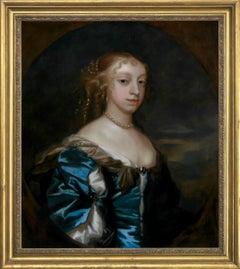
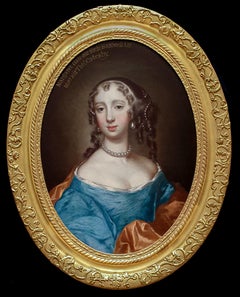
Portrait of Lady Diana Bruce in Blue Dress & Cut Sleeves c.1660-1670, Peter Lely

Portrait of Lady Diana Bruce in Blue Dress & Cut Sleeves c.1660-1670, Peter Lely

By Sir Peter Lely

Located in London, GB

Portrait of Lady Diana Bruce in a Blue Dress with Cut Sleeves c.1660-1670 Circle of Sir Peter Lely (1616-1680) Presented by Titan Fine Art is a captivating portrait of the noble Lad...

Category

17th Century Old Masters Portrait Paintings
Materials

Oil, Canvas

Previously Available Items
Mid Twentieth Century Impressionist Style Watercolour Portrait of Young Man

Mid Twentieth Century Impressionist Style Watercolour Portrait of Young Man

By Edward Seago

Located in ludlow, GB

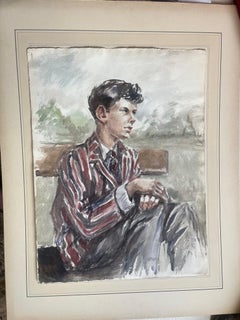
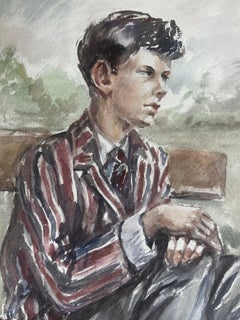
Mid Twentieth Century Impressionist Style Watercolour Portrait of the Young Child Actor Jeremy Spenser by Edward Seago. Edward Seago is most likely the most famous Twentieth Century...

Category

Mid-20th Century Post-Impressionist Figurative Drawings and Watercolors

Materials

Watercolor

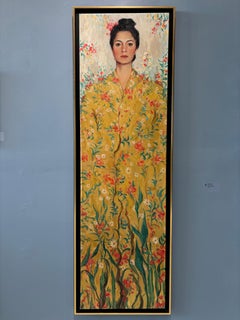
"Chrysalis" oil painting, self portrait, realist meets art nouveau, yellow flora

"Chrysalis" oil painting, self portrait, realist meets art nouveau, yellow flora

By Tina Orsolic Dalessio

Located in Sag Harbor, NY

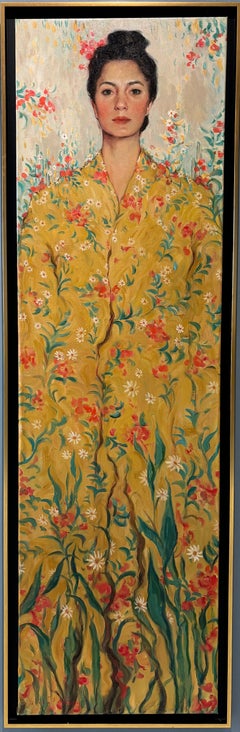
"Chrysalis" is a contemporary oil painting on canvas. Orsolic is known for her melodic landscapes and precise attention to detail, however, in this painting, she branches away from r...

Category

21st Century and Contemporary Realist Figurative Paintings

Materials

Canvas, Oil

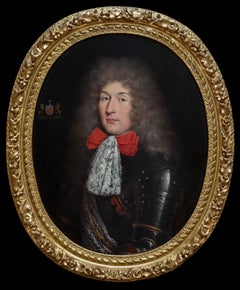
Portrait of Gentleman in Lace Cravat & Armour 1680’s Painting, Fine Carved Frame

Portrait of Gentleman in Lace Cravat & Armour 1680’s Painting, Fine Carved Frame

By (circle of) Pierre Mignard

Located in London, GB

Titan Fine Art presents this portrait of a brave and chivalrous character. The gentleman has been depicted in armour, an elaborate full wig, and in accordance with the latest French fashion, an elaborate type of Venetian Gros point lace cravat and large silk bow (also called a cravat-string) – a type that were popular across Europe in the 1680’s. Point lace was fabulously expensive - a cravat was equivalent to six weeks income for a gentleman - and therefore indicative of a wearer's wealth and social class. A nobleman riding onto the battlefield would wear a lace cravat over his armour to demonstrate his status. The attire, along with the coat-of-arms, help to proclaim to every onlooker that the gentleman is a superior being. The depiction of the lace, apart from denoting the wealth of the sitter, was a deliberate way for the artist to demonstrate his own artistic ambition and technical skills Argent seasoned gule with three lozenges sable are those of the Crois family, who were minor nobility, originating from the Boulogne region in the north of France. The fact that the sitter is a high ranking noble excludes him as a member of the Crois family. As is so commonly the case, the coat of arms was a later addition, probably in the nineteenth century, by a family who sought to glorify their pedigree by adding their arms to the portrait. These arms are now an interesting part of the portraits history. The artist has captured a sense of the sitter’s character and the features of the sitter’s face have been rendered with great sensitivity. His confident gaze perhaps reflecting the near invincibility afforded by this steel suit. The work is a very good example of French portraiture from the period. Presented in an exquisite hand-carved and gilded seventeenth century frame - which is an exceptional work of art in itself. Pierre Mignard, known as le Romain, was a French painter of the court of the French King Louis XIV and was, with Charles Le Brun (1619-90), one of the most successful painters during the reign of Louis XIV. After training in Troyes, where he was born, and in Bourges, Mignard joined the studio of Simon Vouet in Paris in 1627. He went to Italy in 1636 and remained there until 1657. He studied the work of Correggio and Pietro da Cortona in Rome as well as copying Annibale Carracci's frescoes in the Palazzo Farnese. On Le Brun's death in 1690 he succeeded him as its Director and as First Painter to the King painting...

Category

17th Century Old Masters Portrait Paintings
Materials

Canvas, Oil

Fine Portrait of a Lady, Margaret Catesby, circa 1660, Manor House Provenance

Fine Portrait of a Lady, Margaret Catesby, circa 1660, Manor House Provenance

Located in London, GB

Titan Fine Art are pleased to present this beautiful work, which descended from the sitter through the Catesby family. The Catesby family seat was Ecton Hall, an ancient building that is believed to have been in the hands of just three families since the Norman Conquest. The portrait is an outstanding example by one of England’s most successful native 17th century artists, John Michael Wright...

Category

17th Century Old Masters Portrait Paintings
Materials
Canvas, Oil