Julien Celos
1884 – Antwerp – 1953
Belgian Painter
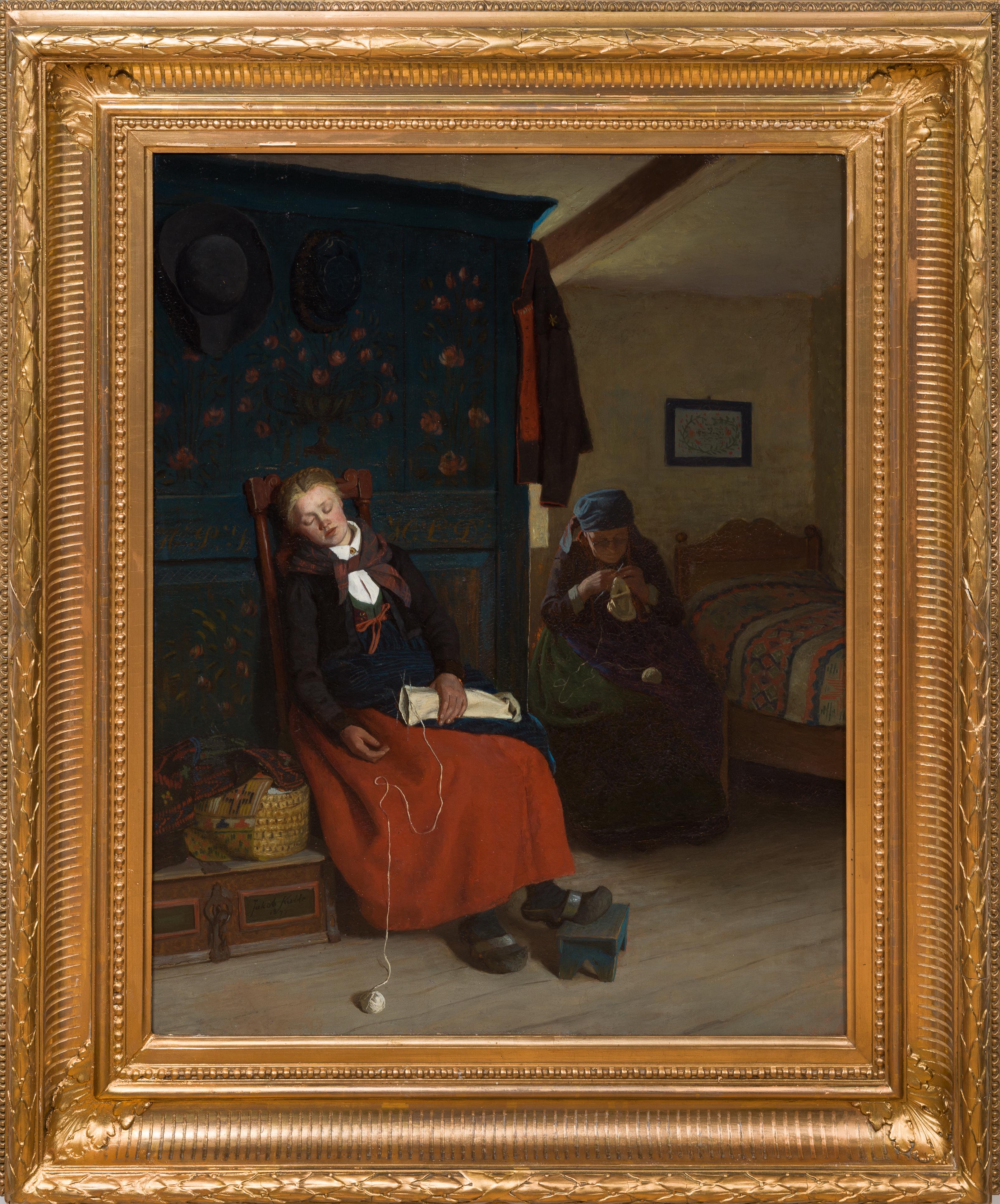
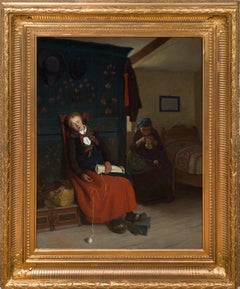
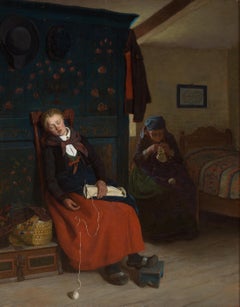
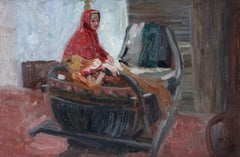
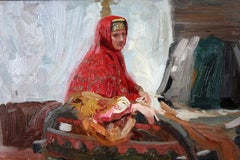
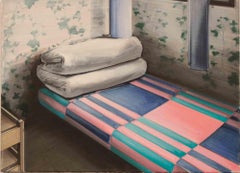
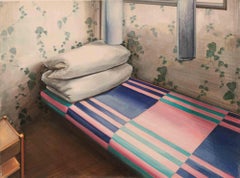
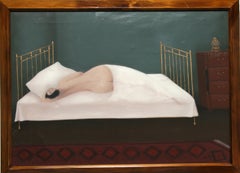
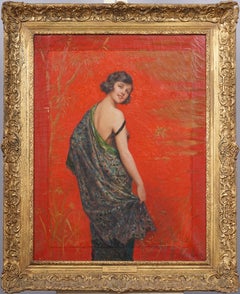
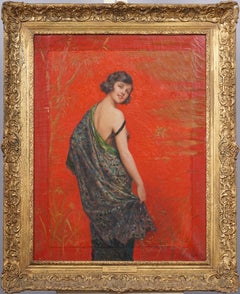
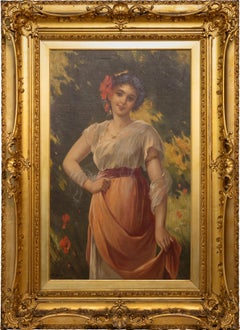
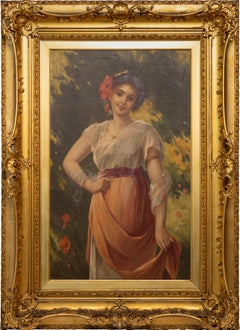
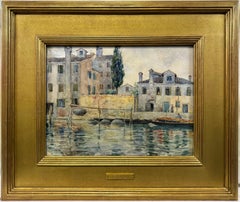
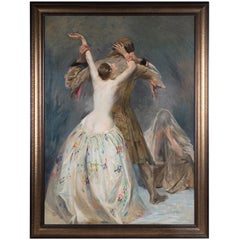
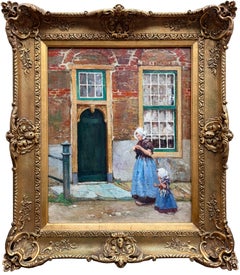
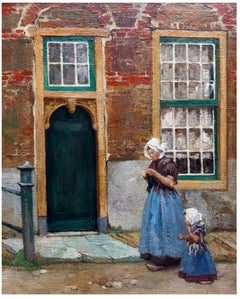
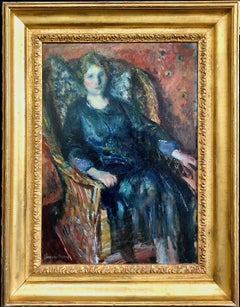
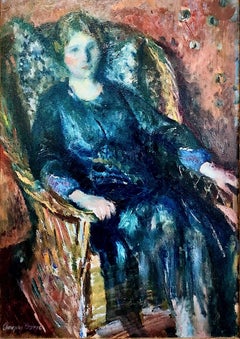
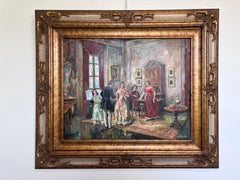
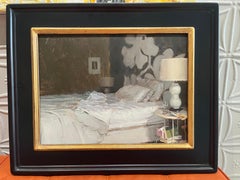
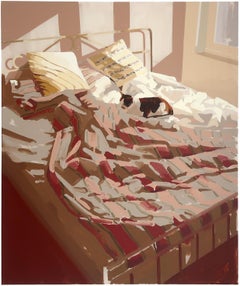
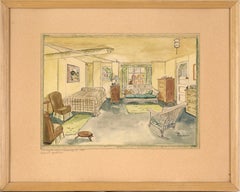
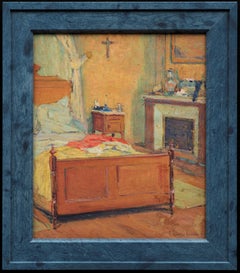
'Mother and Child in Zeeland'
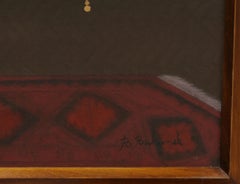
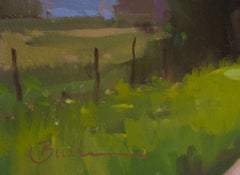
Signature: signed lower middle left 'Julien Célos'
Medium: oil on canvas
Dimensions: image size 64 x 52 cm; frame size 84 x 73 cm
Biography: Julien Célos (Antwerp, 30 September 1884 – 8 September 1953) was a Belgian painter and etcher, born to a French father, celebrated for his poetic views of Flemish towns and his remarkable colour prints.
He trained at the Royal Academy of Fine Arts in Antwerp under Franz Courtens and also benefited from the teaching of Albert Baertsoen, whose influence is evident in his taste for urban atmospheres, misty canals and subtle tonalities. Working at a time when luminism shaped much Belgian painting, Célos adopted certain aspects of its research into light and atmospheric effects while maintaining a distinctive, calm and lyrical sensibility.
The greater part of his output was devoted to rural landscapes and the towns of Belgian Flanders—Bruges, Mechelen, Ghent and Antwerp—as well as Zeeland in the Netherlands and various regions of France. Bruges and Mechelen occupied a privileged place in his iconography: beguinages, narrow alleys, silent quays and ancient squares became the motifs of an intimate and timeless painting. He also travelled in Brittany and spent several months in Tunisia on a study trip.
Alongside his painting, Julien Célos developed an important body of graphic work, notably colour etchings published by prestigious firms such as Georges Petit in Paris, Dietrich in Brussels and Caspers in Berlin. In both technique and subject matter, his work is comparable to that of artists such as Emmanuel Viérin.
Highly active in Belgian artistic circles, he was a member of the Antwerp artists’ association Als Ik Kan, founded in 1883 and active until 1952, as well as of the committee of La Gravure Originale Belge.
Even before the First World War, Julien Célos enjoyed notable critical recognition. In 1907 he took part in the Exposition Générale des Beaux-Arts in Brussels, presenting oils, etchings, pastels and drawings, including En ville morte, Automne and L’Église à Veere. The following year he received an honourable mention at the Salon des Artistes Français. In 1914 he again exhibited in Brussels and at the Cercle Artistique et Littéraire, where the press praised the poetry of his urban views and the excellence of his colour etchings.
Like many Belgian artists, he lived in exile in England and the Netherlands during the First World War. This period was marked by intense exhibition activity: in 1915 he participated in a major exhibition in Brighton devoted to the new Belgian painting, alongside James Ensor, Félicien Rops, Emile Claus, Albert Baertsoen and Théo van Rysselberghe, where he was described as “one of the finest artists in interpreting the picturesque character of small Flemish towns.” That same year his works were shown at the Royal Institute in London and in a solo exhibition of forty-five pieces at the Goupil Gallery. In 1917 he exhibited in Amsterdam with Alfred Van Neste...
Category
Early 20th Century Impressionist Portrait Paintings