By Jedediah Morfit
Located in Philadelphia, PA
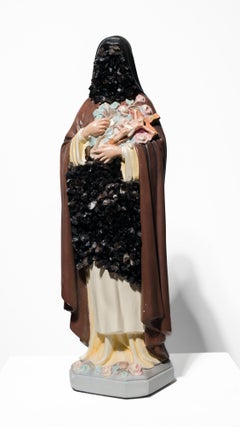
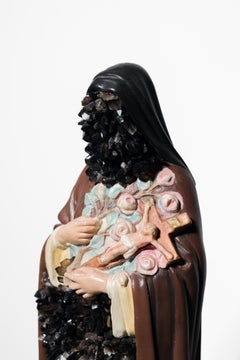
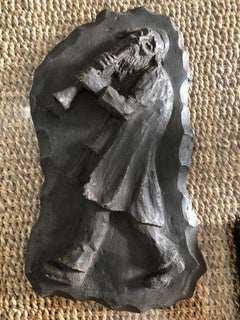
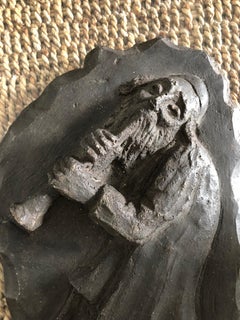
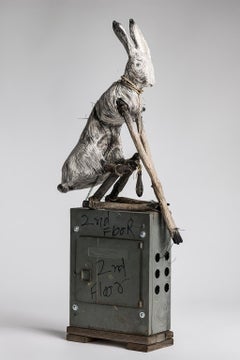
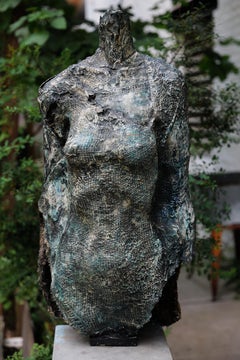
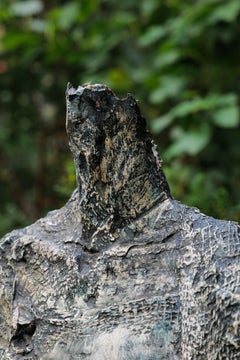
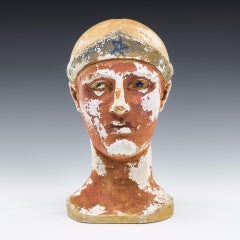
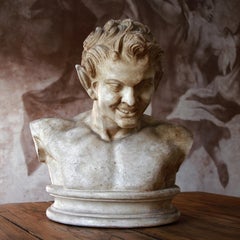
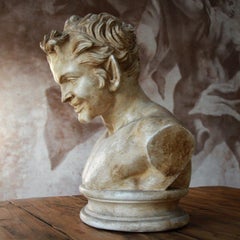
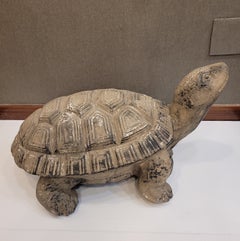
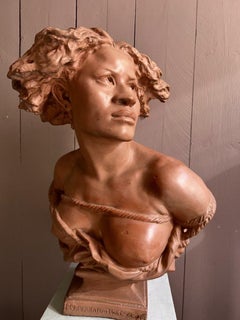
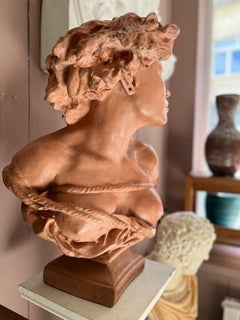
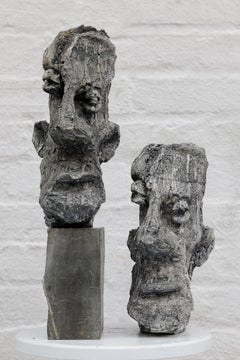
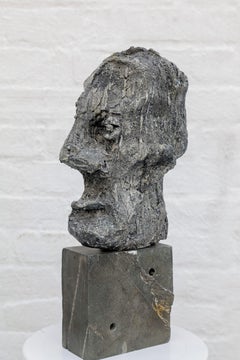
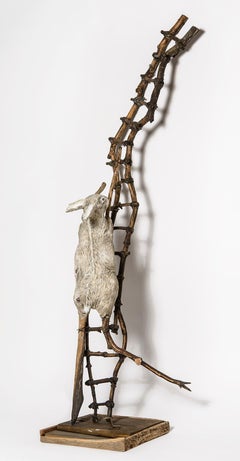
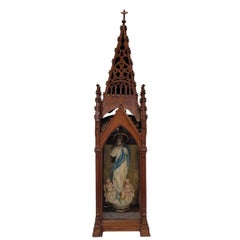
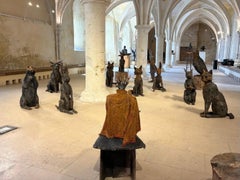
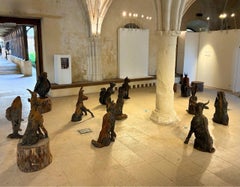
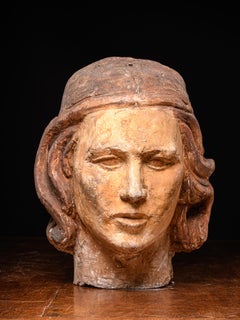
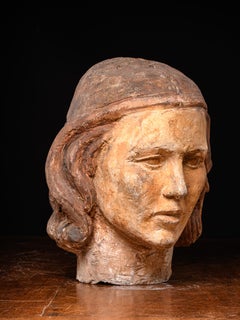
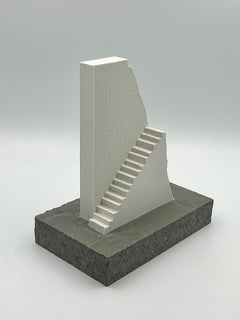
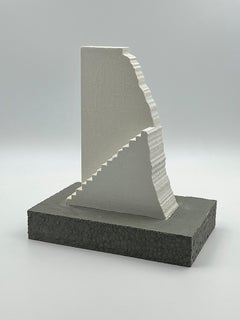
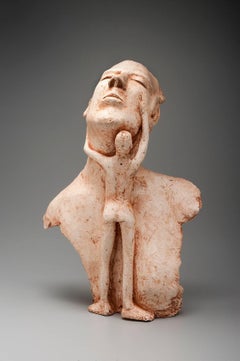
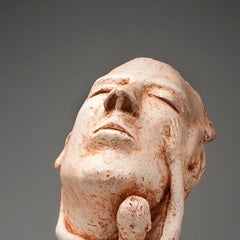
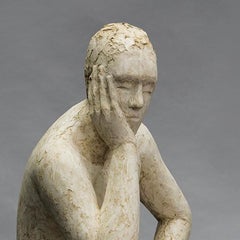
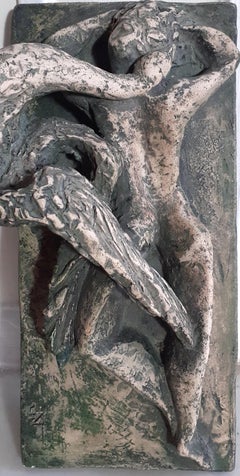
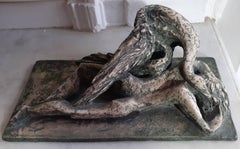
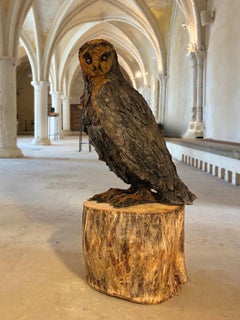
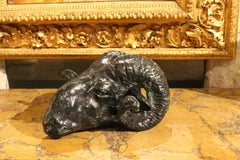
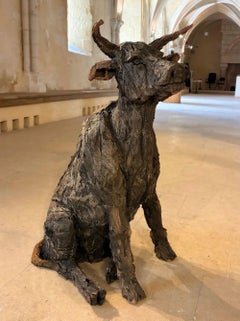
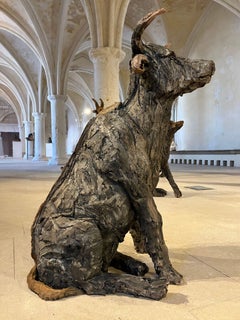
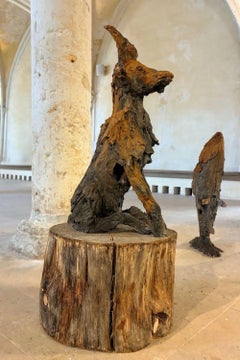
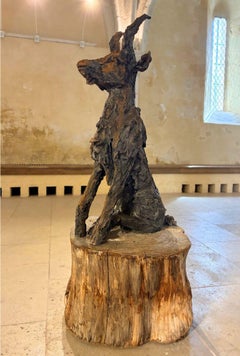
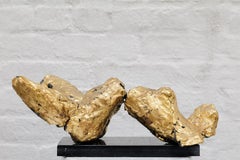
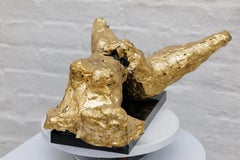
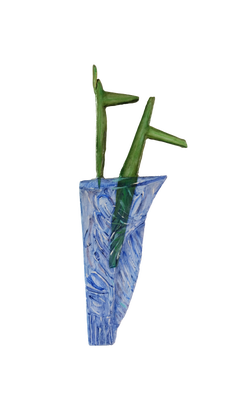
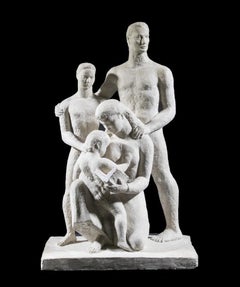
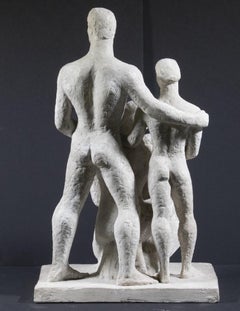
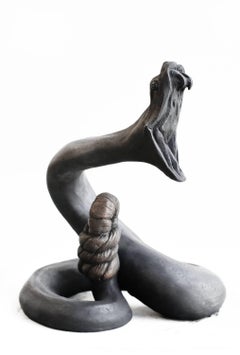
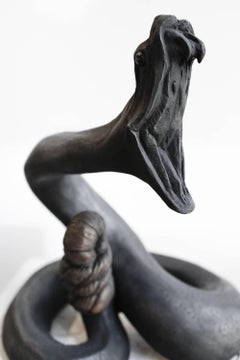
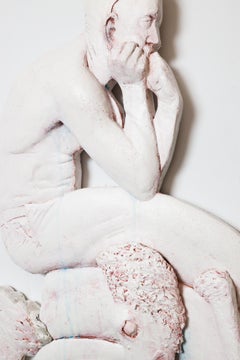
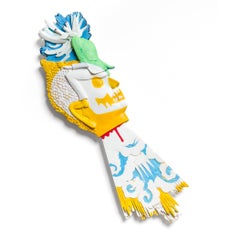
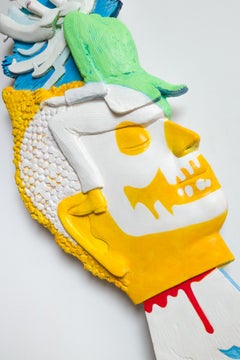
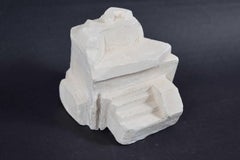
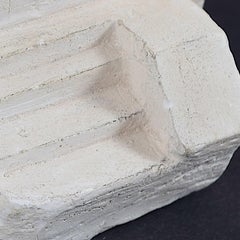
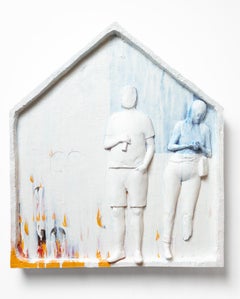
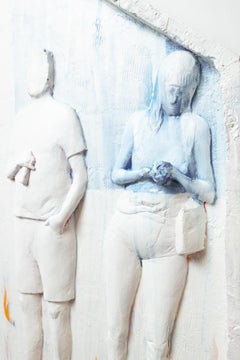
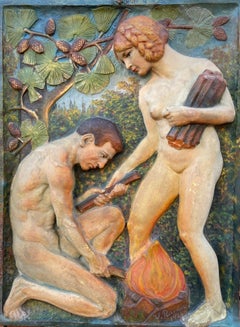
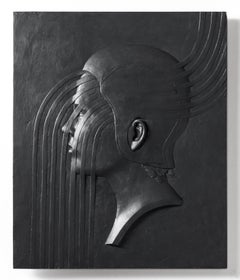
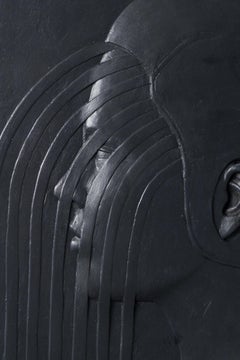
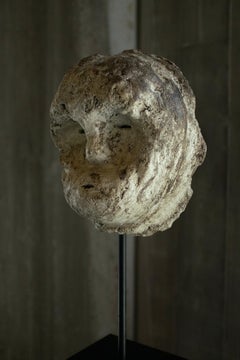
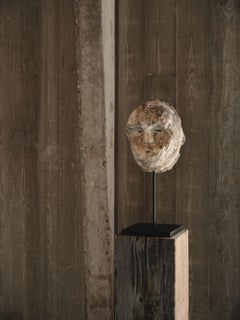
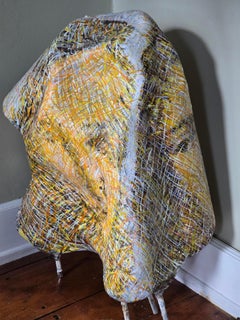
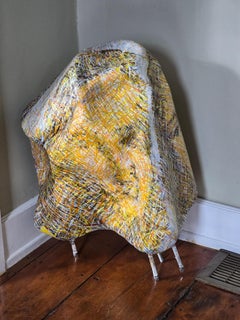
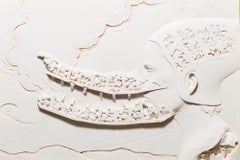
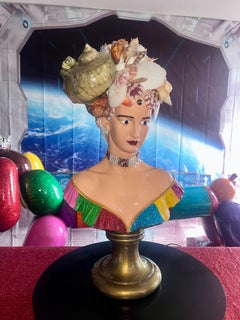
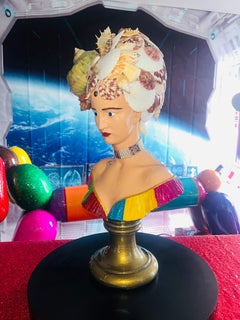
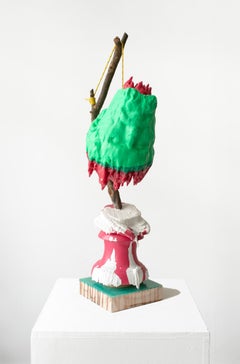
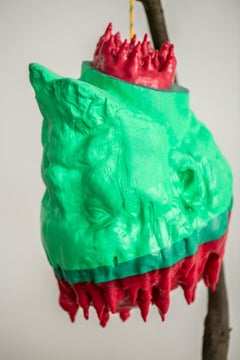
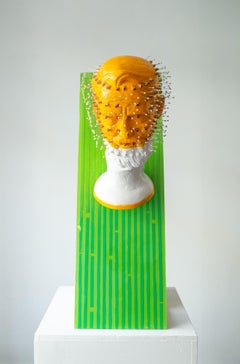
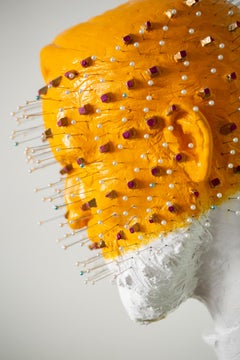
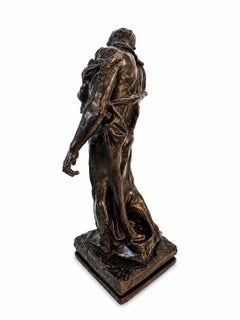
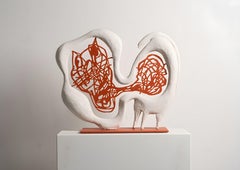
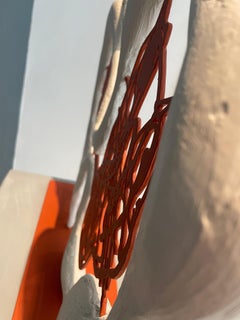
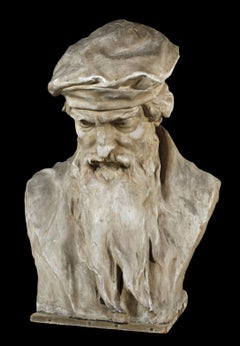
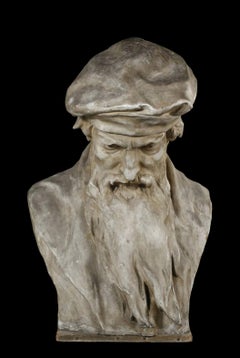
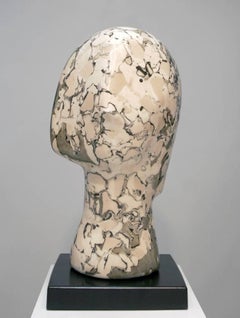
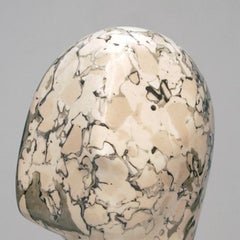
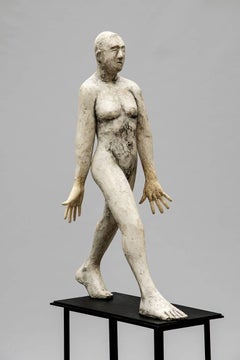
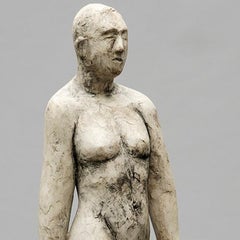
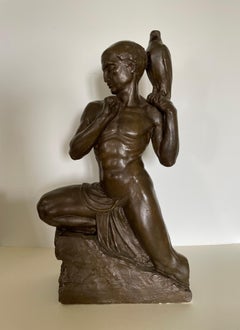
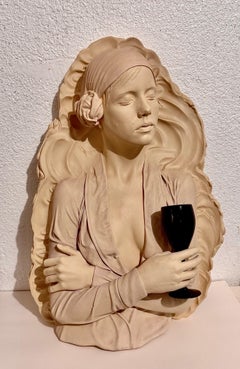
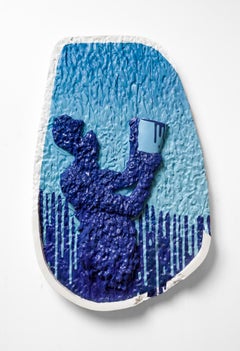
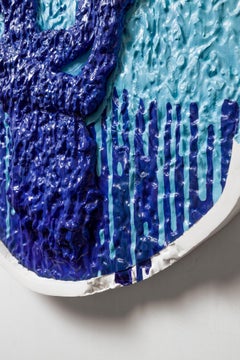
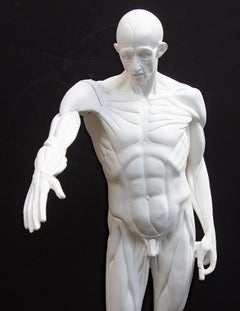
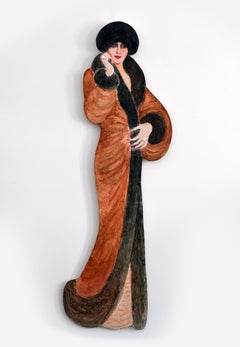
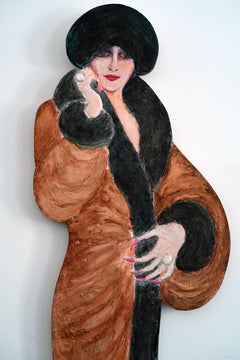
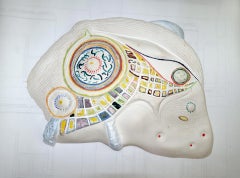
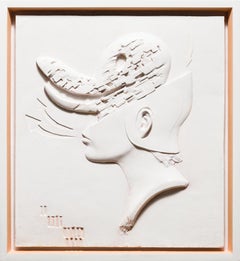
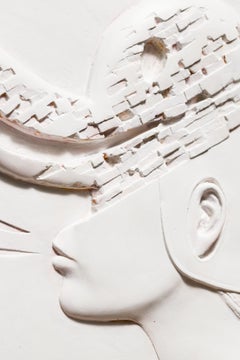
This figurative sculpture titled "Deepfake National Monument" is an original artwork by Jedediah Morfit made of plaster, paint, pins, epoxy, adhesive, wood, rope, and hardware. This piece measures 32"h x 11"w x 27”d.
BIO Jedediah Morfit received his MFA in sculpture from the Rhode Island School of Design in 2005, where he was awarded the Sylvia Leslie Herman Young Scholarship and the Award Of Excellence. He was a Fellow at the Center For Emerging Visual Artists from 2007-2009, and received a New Jersey Council On the Arts Fellowship for sculpture in 2009. He received the Louise Kahn Award for Sculpture from the Woodmere Art Museum in 2006, and was awarded the Dexter Jones Award for Bas Relief from the National Sculpture Society in 2011 and 2012. In 2013, he was commissioned to create a series of new work for Artlantic:Wonder, which was named one of the 50 best...
Category
21st Century and Contemporary Contemporary Plaster Figurative Sculptures
MaterialsPlaster, Paint, Adhesive, Wood, Pins