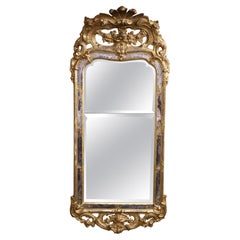
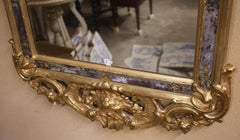
18th Century Rococo Mirror
Located in Ljungby, SE
A high-quality gilded rococo mirror made in Stockholm, Sweden in the 1760s. The mirror's frame
Category
Antique 18th Century Swedish Rococo Wall Mirrors
Materials
Mercury Glass, Pine
18th Century Rococo Mirror
Located in Ljungby, SE
A high-quality gilded rococo mirror made in Stockholm, Sweden in the 1760s. The mirror's frame
Mercury Glass, Pine
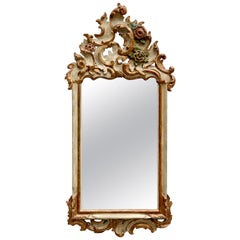
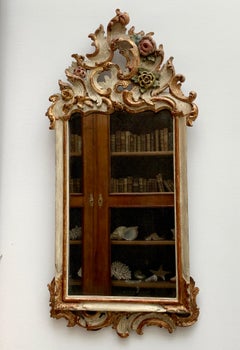
German 18th Century Rococo Mirror, Bavaria, White Painted
Located in Worpswede / Bremen, DE
Very charming German 18th century period Rococo mirror. Beautifully carved with c-scrolls and
Wood
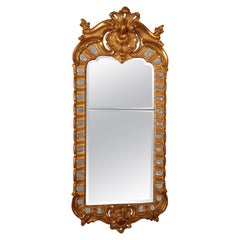
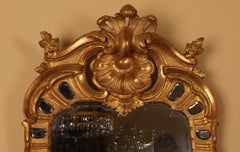
18th Century Rococo Mirror with Lenses, Faceted Mercury Glass & Gilded Frame
Located in Ljungby, SE
An exquisite high-class Rococo mirror made in Stockholm in the 1760s. The frame is intricately
Gold Leaf
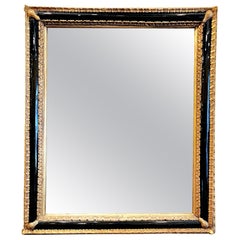
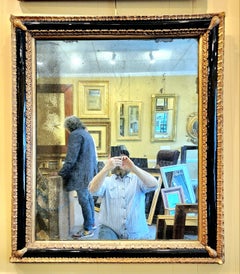
18th Century Rococo Mirror in Glass And Gilded Gesso Ireland Circa 1740
Located in Hudson, NY
18th century Irish looking glass made with gilded gesso and glass moldings. It is a highly unusual
Gold Leaf
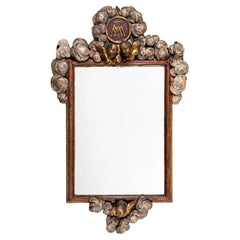
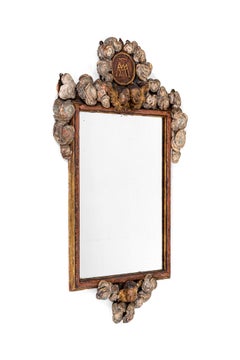
Italian 18th Century Painted Rococo Mirror
Located in Faversham, GB
An outstanding and rare Italian 18th century Rococo mirror expertly hand carved from oak panels
Glass, Oak, Giltwood, Paint
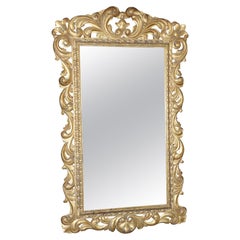
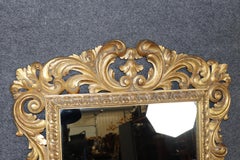
Large Scale Carved French or Italian Rococo Giltwood Wall Mirror
Located in Swedesboro, NJ
perimeter, creating a lively, almost musical rhythm. Unlike earlier 18th-century Rococo mirrors that can
Walnut
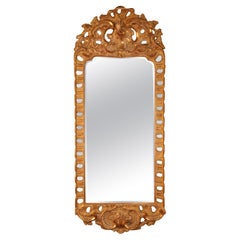
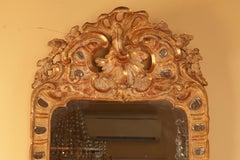
$20,000
Rococo Mirror, 18th Century
Located in Ljungby, SE
A gilded and bronzed Rococo mirror with lenses from the 18th century. The mirror features a richly
Pine
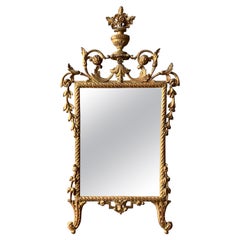
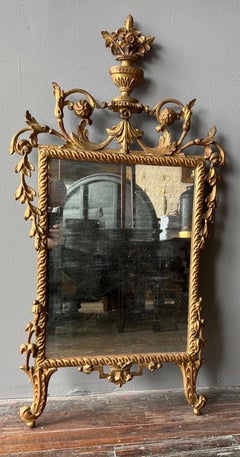
Fine 18th Century Italian Rococo Giltwood Mirror
Located in Richmond, VA
Fine 18th century Italian rococo pierced Giltwood mirror.
Mirror, Giltwood
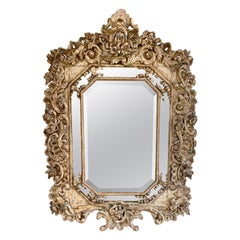
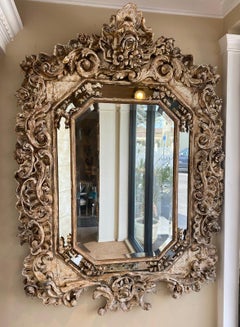
Elaborately Hand-Carved 18th Century Rococo Wall Mirror
Located in West Palm Beach, FL
Incredibly articulated mirror, in the Rococo style; having an octagonal mirrorplate, surrounded by
Mirror, Wood
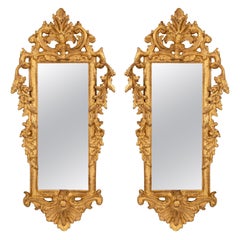
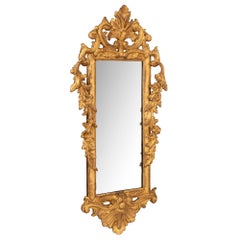
Pair of Italian 18th Century Rococo Style Giltwood Mirrors
Located in West Palm Beach, FL
A very attractive pair of Italian 18th century Rococo st. giltwood mirrors. Each uniquely scaled
Mirror, Giltwood
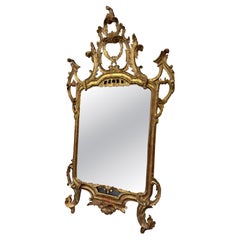
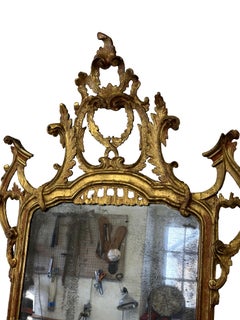
18th Century Louis XVI Rococo Giltwood Mirror
Located in Solebury, PA
An exquisite 18th-century Louis XVI Rococo giltwood mirror, intricately carved with an ornate
Mirror, Giltwood
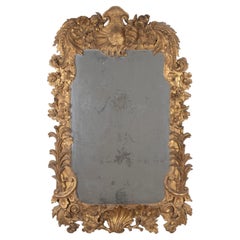
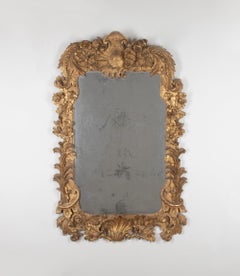
Mid-18th Century Irish Rococo Giltwood Mirror
Located in Gloucestershire, GB
Mid-18th Century Irish Rococo giltwood mirror. Of rectangular form, the carved giltwood frame
Mirror, Giltwood
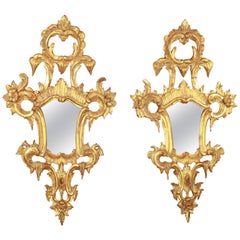
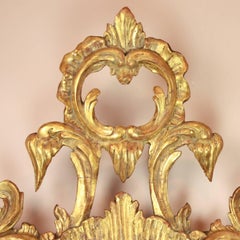
Pair of 18th Century North Italian Rococo Giltwood Mirrors
Located in Berlin, DE
A pair of 18th century North Italian giltwood mirrors and former girandoles or sconces. Elaborately
Mirror, Giltwood
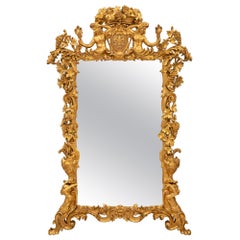
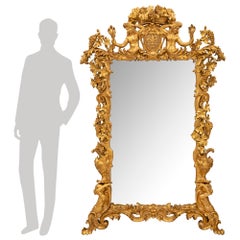
Italian 18th Century Rococo Period Giltwood Mirror
Located in West Palm Beach, FL
A spectacular and extremely high quality Italian 18th century Rococo period giltwood mirror. The
Mirror, Giltwood
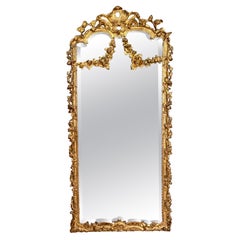
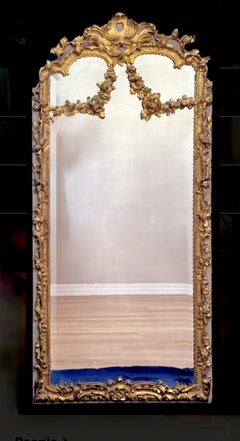
18th Century French Rococo Carved Giltwood Mirror
Located in Bradenton, FL
Regal 18th Century French Rococo Painted Giltwood Wall Mirror. Mirror is styled in the Rococo
Mirror, Giltwood
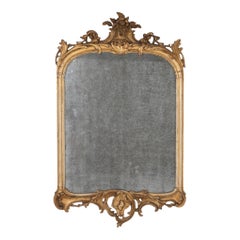
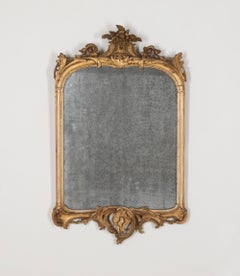
Mid-18th Century French Rococo Carved Giltwood Mirror
Located in Gloucestershire, GB
A charming mid-18th Century French Rococo carved giltwood mirror. With a softly rounded
Mirror, Giltwood
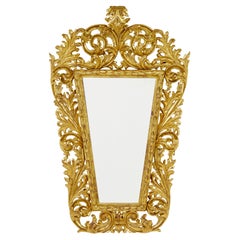
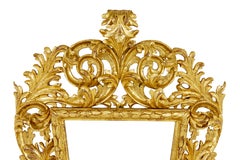
18th century carved Italian rococo gilt mirror
Located in Debenham, Suffolk
18th century carved Italian rococo gilt wood mirror, circa 1730. Superb quality rococo period gilt
Mirror, Wood, Giltwood
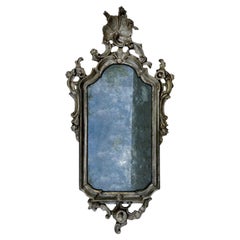
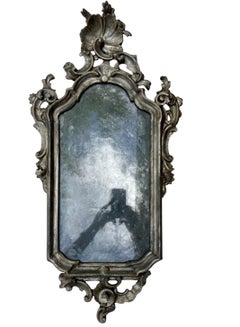
18th Century Period Rococo Venetian Carved and Silvered Mirror
Located in Vero Beach, FL
18th Century Period Rococo Venetian Carved and Silvered Mirror Antique hand carved mirror, from
Mercury Glass, Wood
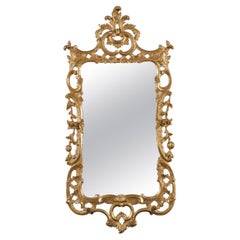
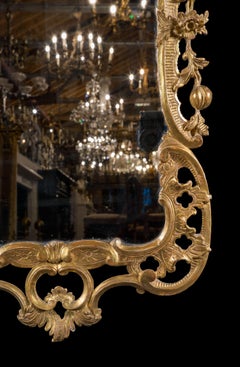
Fine 18th Century Rococo Giltwood Wall Mirror
Located in London, GB
A fine 18th century giltwood Rococo wall mirror. The mirror frame is confidently and finely carved
Giltwood
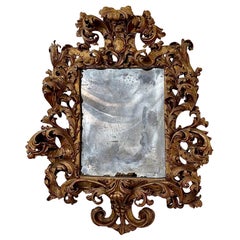
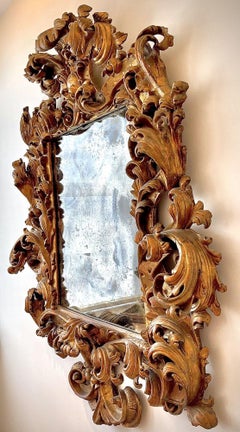
Carved Wood and Polychromed Gold Gilded Mirror, 18th Century, Rococo
Located in North Miami, FL
A Palatial and Museum quality Italian 18th century Florentine Rococo gilt wood carved mirror frame
Gold Leaf
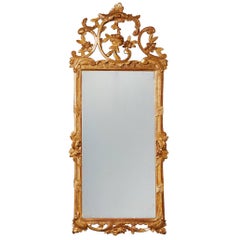
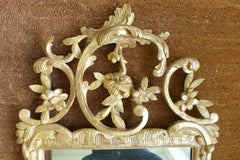
Danish 18th Century Giltwood Rococo Mirror
Located in Worpswede / Bremen, DE
The rectangular plate within a moulded frame carved with flower heads, surmounted by an elaborate pierced C-scroll cresting.
Wood

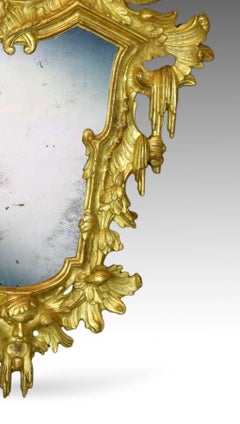
Pair of Giltwood Mirrors with Porcelain, Rococo, 18th Century
By Matthias Lock
Located in Madrid, ES
introduction of that color in China at the beginning of the 18th century by the Jesuits and it continued with
Other
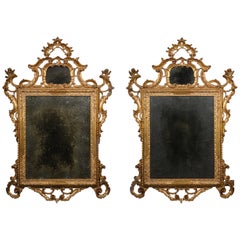
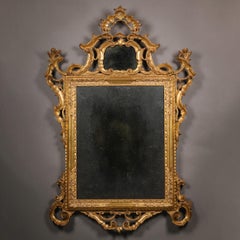
18th Century Venetian Rococo Carved Giltwood Wall Mirrors, Italy
Located in Brighton, West Sussex
A Pair of Venetian Rococo Carved Giltwood Mirrors. These mirrors have elaborate pierced
Giltwood
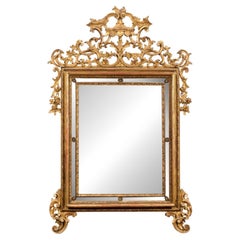
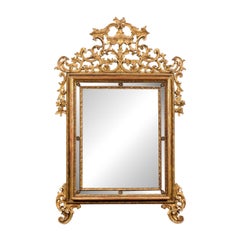
Large 18th Century Italian Rococo Giltwood Mirror with Pagoda Top
Located in Atlanta, GA
Large 18th Century Italian Rococo Giltwood Mirror with Pagoda Top
Giltwood
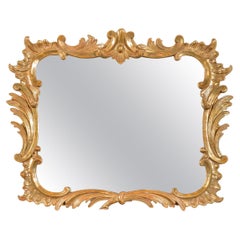
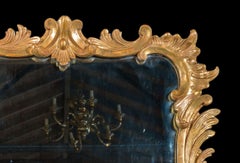
18th Century George III Rococo Wall Mirror
Located in London, GB
A fine George III English Rococo period giltwood wall mirror, the frame carved with scrolling
Giltwood
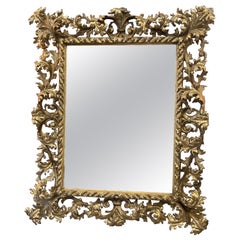
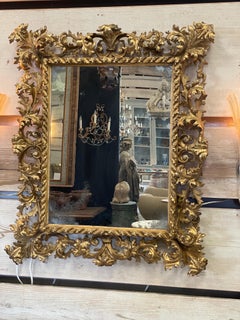
18th Century Italian Carved Rococo Gilt Mirror
Located in Round Top, TX
Elegant hand carved masterpiece of a mirror from the 18th century Italy. It’s a great size about a
Giltwood
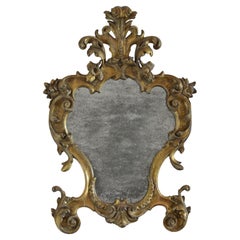
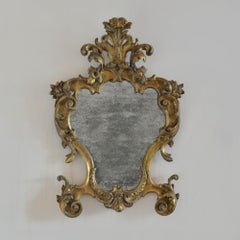
18th century antique Italian gilt rococo mirror of cartouche form
Located in Castle Douglas, GB
, over gilded rococo C-scrolls and S-scrolls, framing the original foxed mirror plate. The carved back
Giltwood
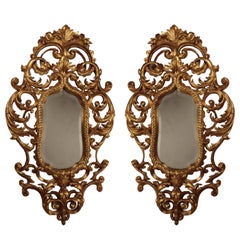
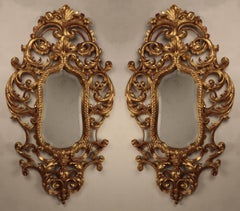
Italian Giltwood Rococo Wall Mirrors, Early 18th Century Pair, Antique
Located in Montreal, QC
We have taken some photos of the backs of both mirrors to try to convey their age . Clearly, they
Mirror, Wood
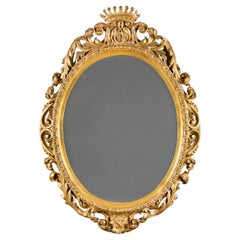
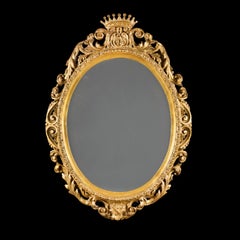
An 18th Century English Rococo Coronet Giltwood Mirror
Located in London, GB
England, circa 1780 A late eighteenth century English Rococo giltwood mirror, the frame with
Giltwood

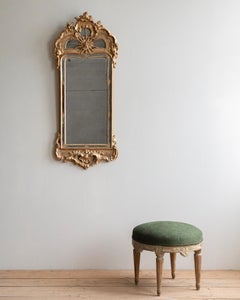
Exceptional and Rare 18th Century Swedish Rococo Mirror
Located in Allerum, SE
18th century Rococo Swedish gilt-wood mirror with mirror frame and the Northern Star. In It's
Giltwood
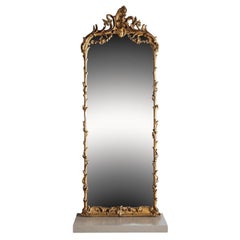
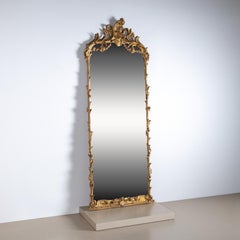
18th Century Large Rococo Wall Mirror with Gilded Wood Frame
Located in Greding, DE
Large wall mirror in a gilded wood and stucco frame, designed in a vegetal style. The asymmetrical
Glass, Wood
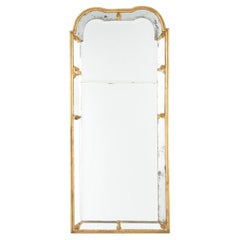
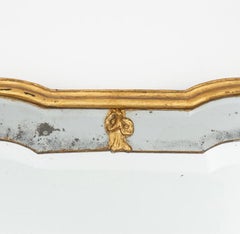
18th century rococo Swedish mirror with gilt decoration
Located in London, GB
Charming and understated Swedish C18th rococo mirror edged and framed in gilt with faceted border
Giltwood
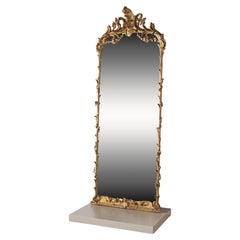
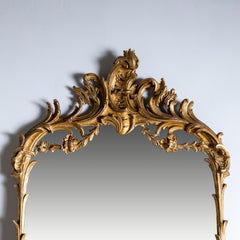
18th Century Rococo Wall Mirror with Giltwood Frame and Crest
Located in Greding, DE
Large wall mirror in a gilded wood and stucco frame, designed in a vegetal style. The asymmetrical
Giltwood, Glass, Wood
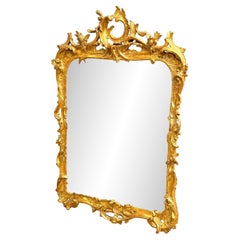
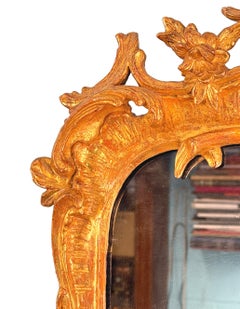
18th Century Chippendale Rococo Giltwood Wall Mirror
Located in Bedfordshire, GB
Plate. A lovely 18th century mirror which features many of the well known and highly regarded designs
Giltwood
$4,400Sale Price|36% Off
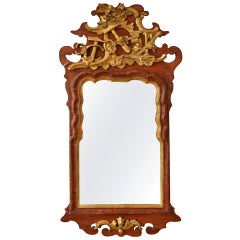
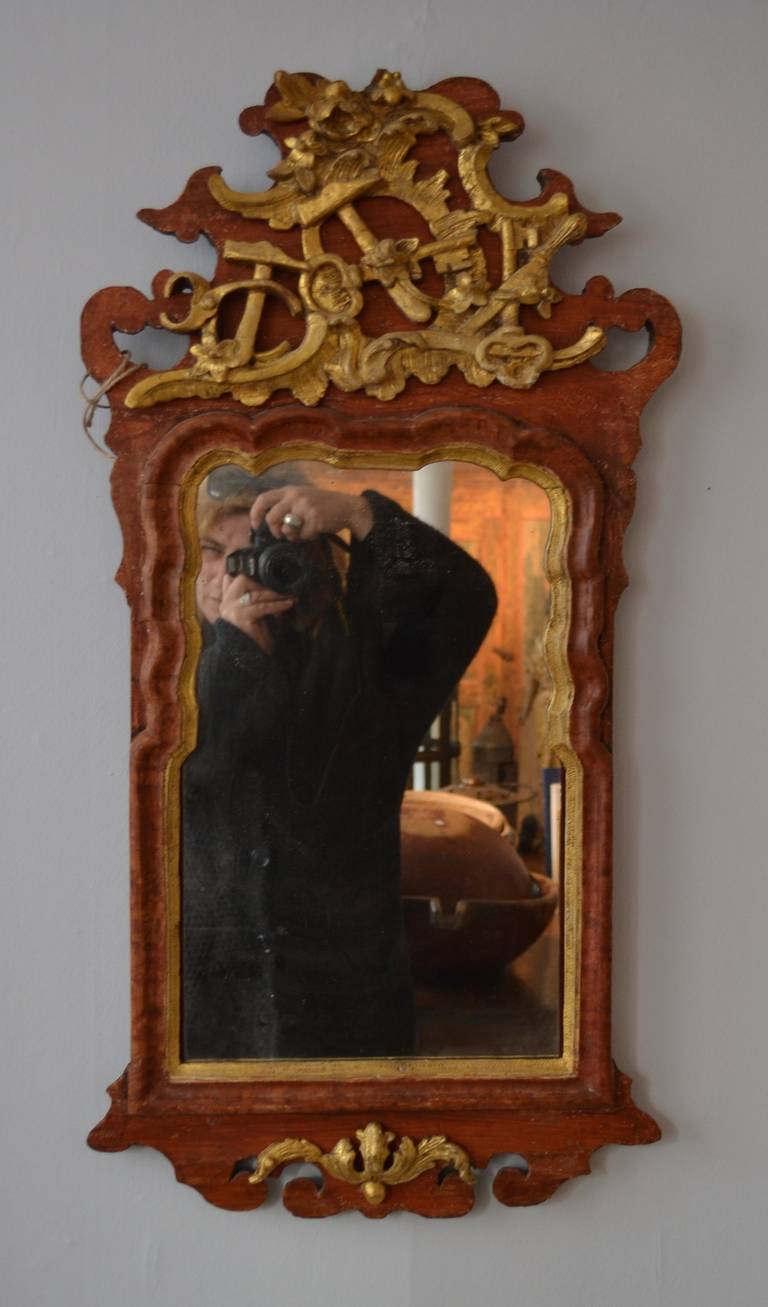
Danish 18th Century Gilded Freemason Guild Rococo Mirror
Located in Copenhagen, K
Fantastic Rococo Ealdorman mirror, with incredible gilded carvings of carpenters tools. Made for or
Wood
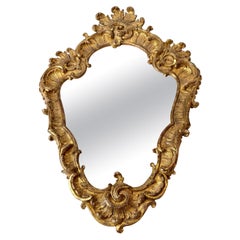
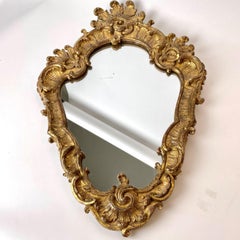
Elegant French Rococo Mirror with original gilding from Mid-18th Century
Located in Knivsta, SE
middle of the 18th Century. Beautiful original gilding with nice patina. The mirror glass is probably
Gold Plate
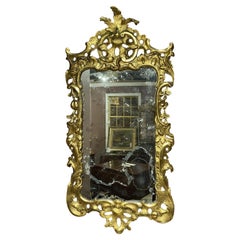
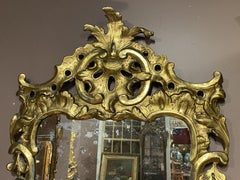
18th Century English Rococo Wall Mirror with Scroll Carved Giltwood Frame
Located in Milford, NH
An impressive example of an English Rococo wall mirror with hand carved pierced giltwood frame
Glass, Giltwood
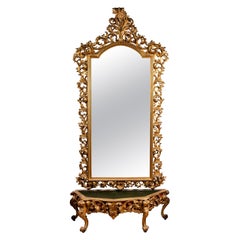
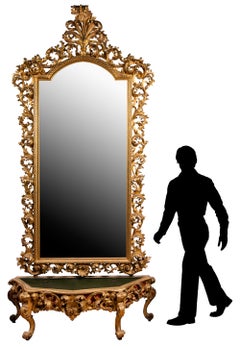
Very Large 18th Century Florentine Rococo Giltwood Mirror with Matching Planter
Located in Madrid, ES
This monumental, 18th century Florentine Italian carved giltwood mirror with matching floor
Mirror, Giltwood
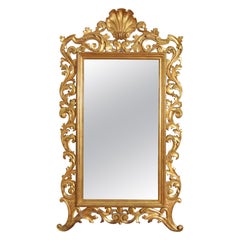
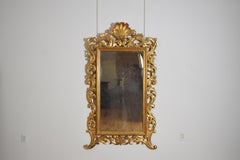
Italian, Bologna, Rococo Period Giltwood Shell-Carved Mirror, mid 18th century
Located in Atlanta, GA
retaining its original brilliant 23K gold leaf with a central rectangular antique mirrorplate within a molded edge frame, the frame surrounded by leaf-form scrolls, the top surmounte...
Giltwood
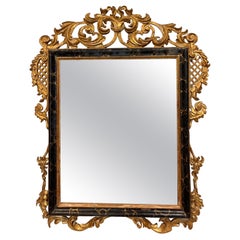
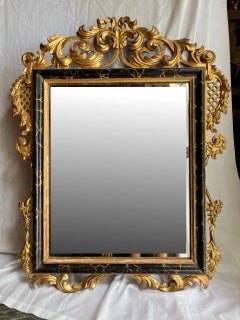
18th Century French Louis XV Period Rococo Giltwood Mirror
Located in Vero Beach, FL
18th Century French Louis XV Period Rococo Giltwood Mirror. Elegant, circa 1760 Rococo wall
Glass, Giltwood
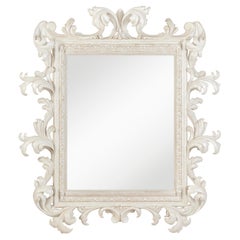
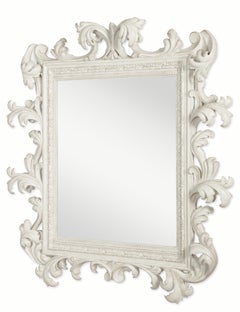
Italian Rococo Mirror - French Painted Blanc
By Tara Shaw, Century Furniture
Located in New Orleans, LA
The 18th-century inspired Italian Rococo mirror exemplifies the exuberant and ornate style of the
Wood
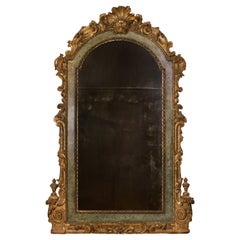
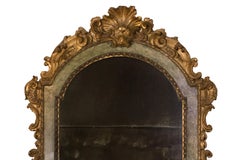
Italian 18th Century Rococo Archtop Painted and Gilded Mirror
By Interi
Located in Dublin, Dalkey
Italian 18th century Rococo archtop painted and gilded mirror. The frame is decorated with gold
Gold Leaf
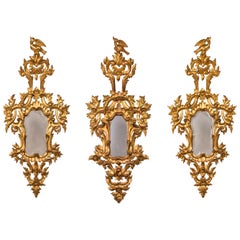
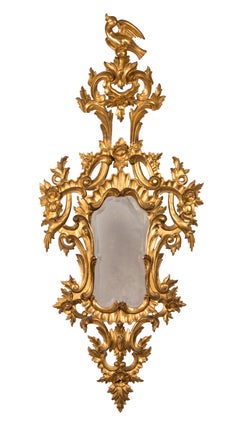
Matching Set of Three 18th Century Elegant French Rococo Carved Giltwood Mirrors
Located in Madrid, ES
Trio of 18th century French Rococo mirrors, with finely carved and gilded wood frames. Design
Mirror, Giltwood
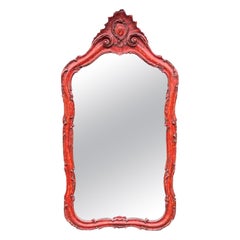
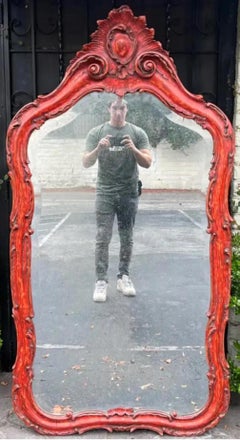
18th Century Style Rococo Wall Mirror With Antiqued Beveled Glass
Located in LOS ANGELES, CA
18th Century Style Rococo Wall Mirror W Antiqued Beveled Glass.
Mirror, Wood
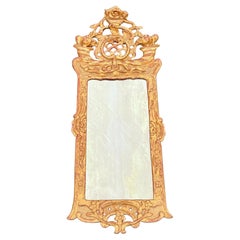
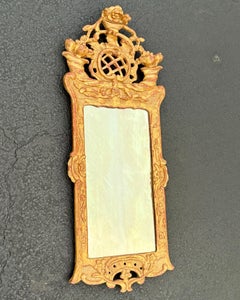
Danish Rococo Gilt Wood Wall Mirror, Hand-Crafted, 18th Century
Located in Haddonfield, NJ
Ornate and intricate best describe this elegant classic Danish Rococo design from the late 18th
Wood, Giltwood

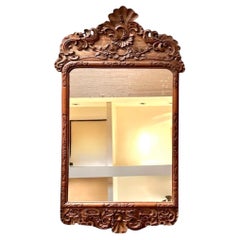
French Rococo Carved Oak Mirror
Located in Bradenton, FL
18th Century French Carved Oak Mirror. Mirror features deeply carved scrolling foliage, acanthus
Mirror, Oak
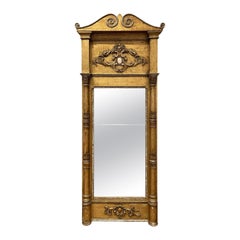
18th - 19th Century French Rococo Style Gilded Pinewood Wall Glass Mirror
Located in West Palm Beach, FL
A 18th century - 19th century, gold antique French Rococo style wall mirror made of handcrafted
Mirror, Pine, Giltwood
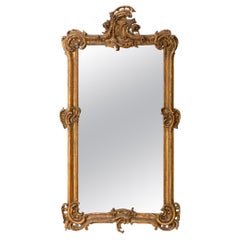
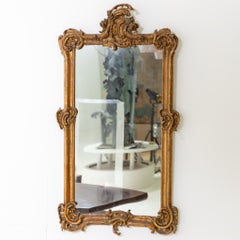
Rococo Wall Mirror, Wood Carved Frame, Southern Germany, 18th Century
Located in Greding, DE
Wall mirror in wood carved rococo frame with rich rocaille decoration. Label on the back indicates
Wood
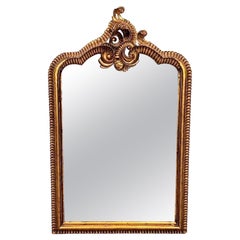
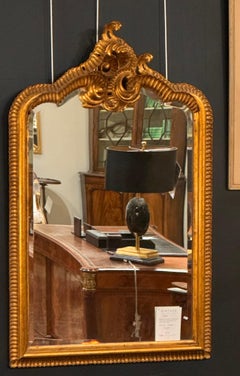
18th Century Style Rococo Gold Mirror with Bevel Glass
By Thomas Chippendale
Located in Toronto, CA
18th Century Style Rococo Gold Mirror with Bevel Glass and deep gold finish. Good proportions
Gesso
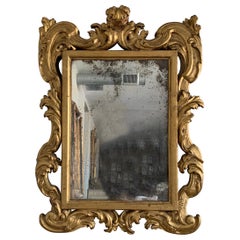
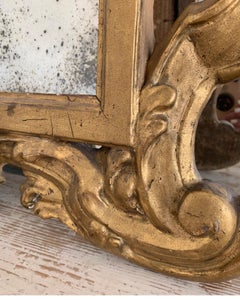
18th Century Rococo Italian Hand Carved Gilt Pair Of Mirrors
Located in Round Top, TX
Incredible, rare, small size Rococo gold gilt pair of carved wood mirrors. These are so much more
Wood
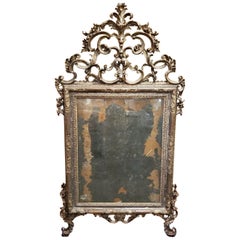
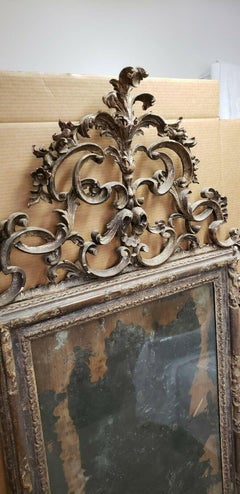
18th Century Italian Rococo Silver Gilt Mirror
Located in Essex, MA
Italian silver gilt mirror retaining its original Mecca silver gilding and original mirror plate
Giltwood
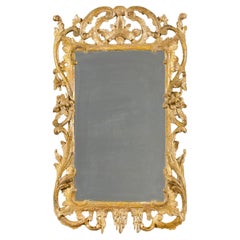
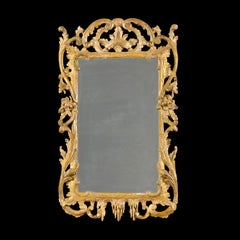
An 18th Century Rococo Giltwood Mirror of Small Scale
Located in London, GB
England, circa 1760. A fine mid-eighteenth century giltwood Rococo mirror of well drawn foliate
Giltwood
$4,500
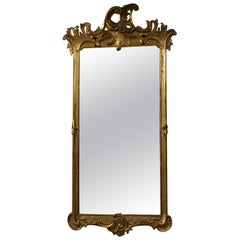
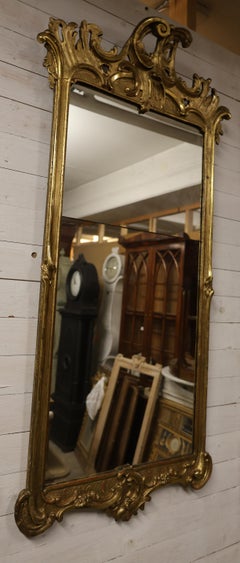
Rococo Mirror
Located in Ljungby, SE
The mirror is from Northern Germany or Denmark. It was made during the Rococo period. The mirror is
Wood
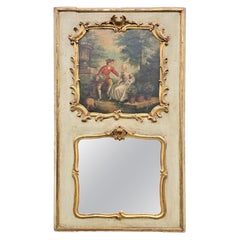
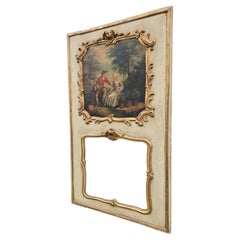
18th Century French Rococo Trumeau with Original Panel Painting
Located in Antwerp, BE
A refined mid-18th century French Rococo trumeau with its original painting on wooden panel, richly
Mirror, Wood, Giltwood
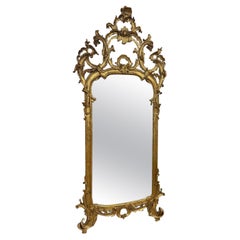
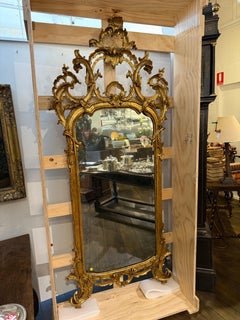
An Italian Giltwood Rococo Mirror, Late 18th Century
Located in ARMADALE, VIC
An Italian Giltwood Rococo Mirror, Late 18th Century Description: The central rectangular plate in
Giltwood
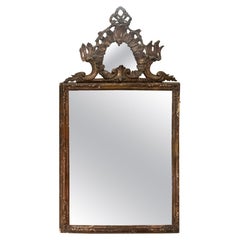
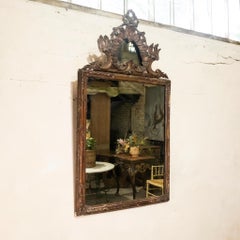
Large 18th Century Italian Painted Rococo Overmantel Wall Mirror
Located in Basingstoke, Hampshire
A remarkable 18th-century Italian Rococo period mirror. Displaying a carved giltwood, and original
Giltwood, Fruitwood
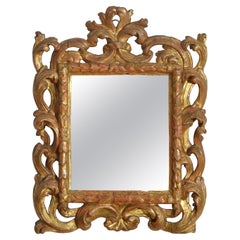
Italian, Emiliana, Rococo Period Carved Giltwood Mirror, mid 18th century
Located in Atlanta, GA
the frame carved with open scrollwork forming a finial at the top and an understated sell-form at the base, now with a modern mirrorplate
Giltwood
Vintage and antique wall mirrors add depth and openness to a space — they can help create the illusion that a narrow hallway isn’t so narrow. But you don’t need hundreds of enormous arched French or Italian mirrors framed in gilded bronze to dress up your home (maybe just a few).
A few well-placed large wall mirrors and other types of mirrors can amplify lighting and help showcase the decorative and architectural features of your home. For the Palace of Versailles during the 17th century, French King Louis XIV ordered the construction of the Hall of Mirrors after spending millions of dollars importing expensive Venetian mirrors from the revered glass-blowing factories on the island of Murano. A mirror-manufacturing rivalry between Paris and Venice took shape, and soon, across from 17 large windows that open out over the adjacent Palace Gardens on one side of the Hall, more than 350 mirrors — large mirrors made of groupings of small panes — were installed, effectively bringing the radiant colors of the outdoors into the opulent corridor.
Wall mirrors for your living room can work miracles — pull your landscaping’s colors and textures indoors, Louis XIV–style, by covering the length of an interior wall across from your living-room windows with wall mirrors.
For a similar effect, surrounding your mid-century modern wall mirror with leafy air plants and fern floor plants can amplify the sense of serenity that greenery offers in your home. Choose wall mirror frame styles to match your home’s decor, or shop for a frameless, organically shaped mirror that’s cut or beveled for a clean yet distinctive showpiece. For a free-spirited Bohemian feel, create a cluster of mismatched antique wall mirrors — an arrangement of circular Art Deco wall mirrors, Rococo-style silver leaf mirrors and decorative oval Victorian mirrors could add spice to an otherwise unadorned dining-room wall.
Elsewhere, there’s nothing vain about buying a full-length mirror for your bedroom, bathroom or walk-in closet to help you perfect your look for the day. Another may be needed in your entryway for a last-minute ensemble inspection. In fact, a shimmering 18th-century hall of mirrors awaits visitors behind the steel door of Stephen Cavallo’s atelier in Manhattan.
“We like to see the look on people’s faces when they walk in,” says Cavallo.
Decorating your home and office with wall mirrors is an art form in and of itself — get started today with the variety of antique and vintage wall mirrors on 1stDibs.