

Vintage White Porcelain Lamps
$5,400 / set
Vintage White Porcelain Lamps
Located in New York, NY
Pair of 1920's Chinese pierced porcelain lamps with scrolling motif.
Category
1920s Chinese Antique Chinese Scroll
Materials
Porcelain
$5,400 / set
Vintage White Porcelain Lamps
Located in New York, NY
Pair of 1920's Chinese pierced porcelain lamps with scrolling motif.
Porcelain


19th Century Qing Dynasty Red Painted Paper Bound Trunk with Brass Lock
Located in Yonkers, NY
A Chinese Qing Dynasty period red painted paper bound trunk from the 19th century with traditional brass medallion hardware and lateral C-scroll handles.
Brass
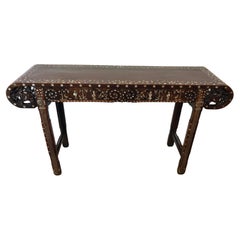

19th Century Late Qing Dynasty Altar Table with Mother-of-Pearl Inlay
Located in Toronto, CA
This is a gorgeous late Qing Dynasty Chinese altar table. Scroll ends carved with dragons and beautiful mother-of-pearl inlay on all sides, including top, back, legs and even inner r...
Mother-of-Pearl, Rosewood
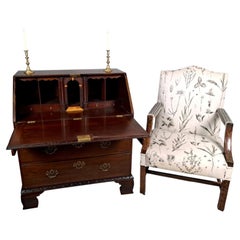
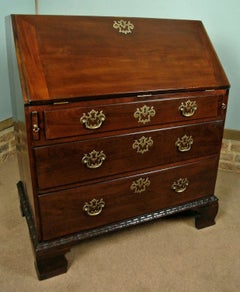
Rare Antique 18th Century Padauk Bureau in the Chippendale Manner
Located in Nottingham, GB
The bureau terminates in a beautifully carved plinth incorporating a distinctive Chinese-inspired scrolling profile, reinforcing the Anglo-Asian character of its design.
Brass
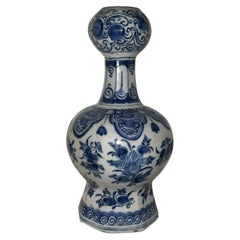
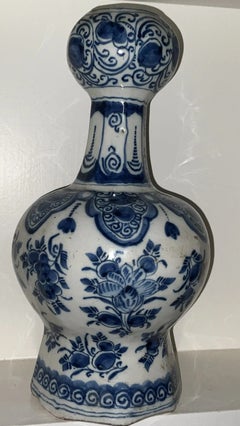
Rare 17th Century Dutch Delft Blue & White Octagonal Knobbed Vase ca. 1670 12”
Located in Nottingham, GB
Hand-painted in cobalt blue on a tin-glazed white ground, it features richly decorative Chinese-inspired floral and scroll motifs characteristic of early Delftware.
Ceramic
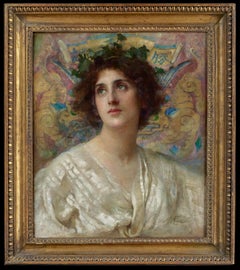
Her Eyes Are Homes of Silent Prayer
Located in London, GB
The background of the work is based on Chinese paintings with auspicious clouds (Xiangyun 祥云; 祥雲) scrolls with Chinese-esque characters and two Chinese lion dogs (shíshī 石獅) flanking...
Oil, Canvas
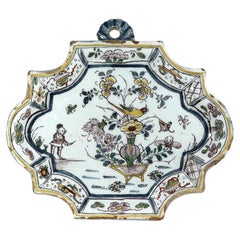
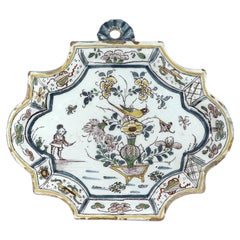
18th-century Dutch Delft Shaped Chinoiserie Polychrome Plaque
Located in Downingtown, PA
The shaped plaque features a raised, molded border decorated with alternating painted panels of flowers and Chinese auspicious objects (such as scrolls and ribbons).
Delft, Faience


Georgian Opulence: Henry Clay's Lacquered Papier-mâché Tray on Faux Bamboo Stand
By Henry Clay
Located in Downingtown, PA
While the tray's decorative style is based on Chinese/Japanese lacquer, the scrolling acanthus leaves are firmly rooted in the European Rococo and its later revival, blending Eastern...
Other


French 19th Century Silver & Gold Gilt Oval Mirror
Located in Baton Rouge, LA
A splendid Ho-oh bird (or Chinese Phoenix) grips scrolling acanthus leaves on the crown of an elegant oval frame.
Wood, Giltwood


Classical George I Console Table
Located in Greenwich, CT
Fine and elegant early Georgian oak marble top console table in the Chinese taste, the original veined marble top with ogee edge, over a similarly molded base, the square cabriole le...
Marble
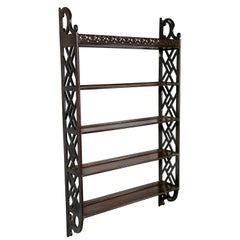
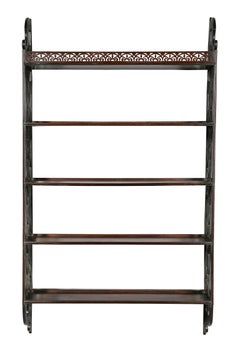
George III Mahogany Hanging Shelf
Located in Essex, MA
Four shelves over a fret carved gallery, sides with Chinese style open trellis work, scrolled volutes brackets top and bottom.
Mahogany
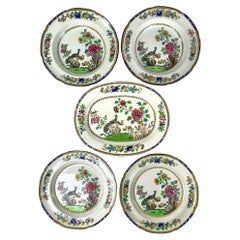
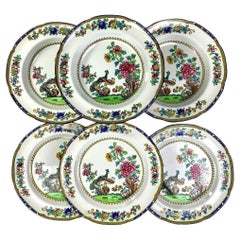
Set 15 English Antique Dinner Plates Soup Dishes & One Platter Circa 1860
By Copeland Spode
Located in Katonah, NY
The wide border is decorated with flowers on scrolling vines. Chinese export porcelains from the 18th century influenced this chinoiserie pattern.
Ironstone
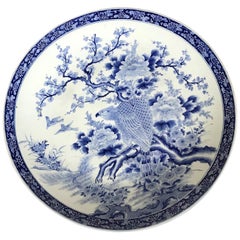
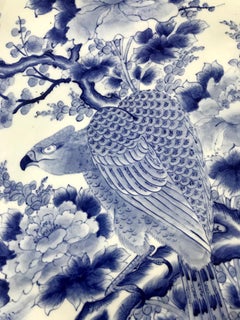
A Massive Antique Japanese Arita Porcelain Plate by Kajiwara Kiln
Located in Atlanta, GA
The border of the plate is richly decorated with the Chinese inspired scroll design. On the back, three bundles of the chrysanthemums bundles are found.
Ceramic

A Chinese scroll is a painting or calligraphy painted on silk or rice paper that has been mounted onto a heavier paper or silk with wooden rollers at both ends. They can be rolled up for easy storage, and can be viewed hung on the wall, or unrolled along a long table.
The best way to know is to take it to an expert, such as an appraiser, reputable dealer or auction house, or museum

To determine the age of a Chinese furniture piece, look carefully at the joinery and finish. Natural expansion and contraction of the wood over time will cause a joint to protrude or retract, distorting a once-seamless fit. Antique lacquer finishes become crackled and worn over time. Areas of exposed wood, such as the underside of a table, the footrest of a chair, or the back of a cabinet should appear raw and dry compared to the finished surface. With use, the legs of tables and chairs become weathered near the bottom from precipitation and use.