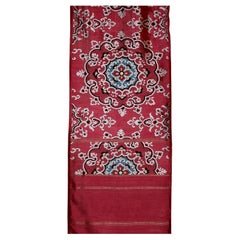
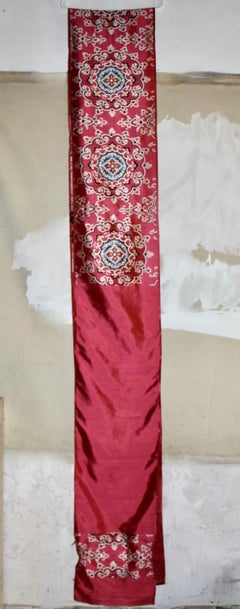
Signed Silk Brocade Obi
$2,500
Signed Silk Brocade Obi
Located in Sharon, CT
Very large (188") hand woven silk brocade Obi.
Category
Late 19th Century Japanese Meiji Antique Obi
Materials
Silk
$2,500
Signed Silk Brocade Obi
Located in Sharon, CT
Very large (188") hand woven silk brocade Obi.
Silk
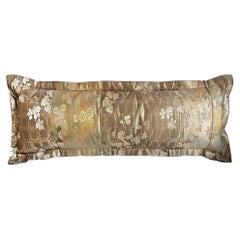
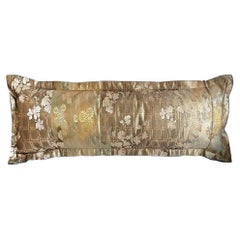
Japanese Silk Bolster Pillow, Gold Brocade, 1920s Obi
Located in New York, NY
A rectangular bolster pillow, made out of an early 20th century Japanese Silk Obi. The Obi is the long sash that wraps around a kimono to fasten it to the body, which through histor...
Brocade, Silk
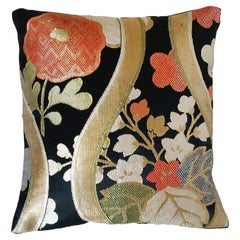
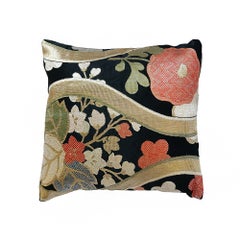
Early 20th Century Japanese Silk Obi Accent Pillow
Located in New York, NY
A knife-edge rectangular accent pillow, made out of an Early 20th century Japanese Silk Obi. The Obi is the long sash that wraps around a kimono to fasten it to the body.
Brocade, Silk
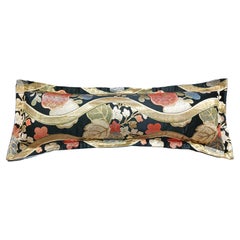
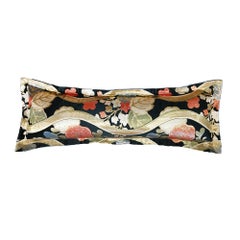
Japanese Silk Obi Bolster Pillow, Floral Brocade, 1920s
Located in New York, NY
A knife-edge rectangular bolster pillow, made out of an Early 20th century Japanese Silk Obi. The Obi is the long sash that wraps around a kimono to fasten it to the body.
Silk, Brocade
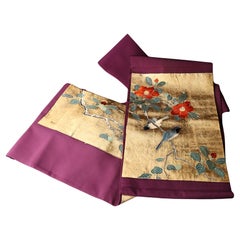
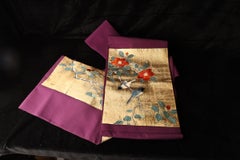
Antique Japanese Silk Obi Fragment, Hand-Embroidered, Meiji Period
Located in Fukuoka, JP
A magnificent antique Japanese silk obi fragment from the Meiji period (1868–1912), showcasing exceptional hand embroidery and gold leaf overlay.
Silk
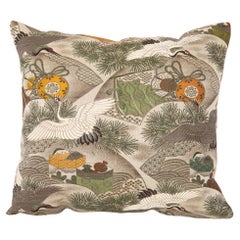
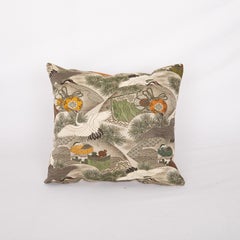
Pillow Cover Made from a Vintage Obi, Japan
Located in Istanbul, TR
It does not come with an insert. Linen in the back. Zipper Closure. Dry Cleaning is reccommended.
Metallic Thread
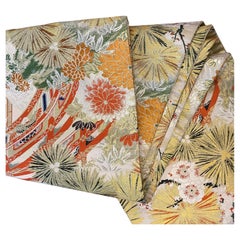
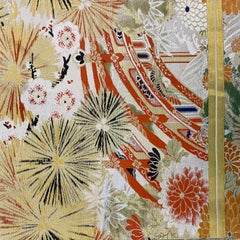
Japanese Vintage Kimono Silk Belt Gold flowers Maru-obi 1920s
By Japanese Studio
Located in Paris, FR
This is a Maru Obi made in Japan around 1920s. Obi is a belt of varying size and shape worn with both traditional Japanese clothing like Kimono.Obi are categorised by their design,...
Silk
$5,560Sale Price|20% Off
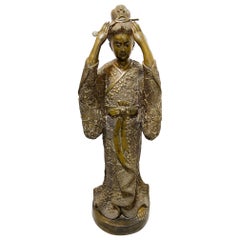
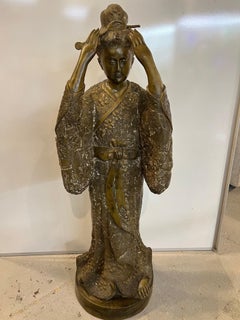
Early 20th Century Standing Bronze Japanese Geisha with Kimono & Obi
Located in Stamford, CT
Beautiful bronze figure of a standing Japanese geisha in a traditional kimono with an obi. The geisha's susohiki kimono is laced with an intricate pattern of flowers, leaves and vines.
Bronze
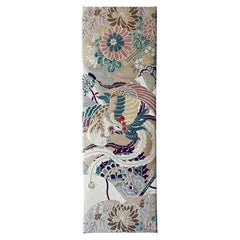

Vintage Obi textile art " From the Ashes ~ Serendipity ~" by ikasu Beige Japan
By Kimono ikasu, Lena Okamoto
Located in Setagaya City, JP
It is specifically made from a maru-obi, the most formal and labor-intensive type of obi, with patterns fully woven across both sides from end to end.
Canvas, Silk, Fabric, Textile, String, Thread, Yarn
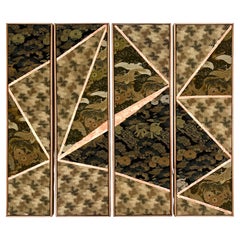

19th Century obi textile art " Pine forest ~ Longevity ~ " by ikasu Green Japan
By Lena Okamoto, Kimono ikasu
Located in Setagaya City, JP
[Characteristics of the fabric] A fukuro obi is a type of sash or belt worn with a traditional Japanese kimono.
Gold Leaf
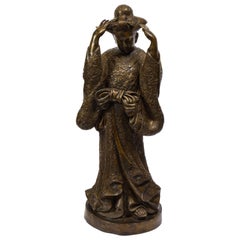
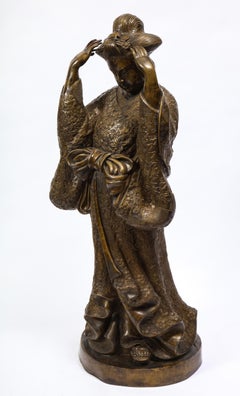
French Patinated Bronze Figure of a Standing Japanese Geisha with Kimono & Obi
Located in New York, NY
Wrapped around the mid-section of her kimono is an obi tied in a bow, completing the Traditional design, France, circa 1920.
Bronze
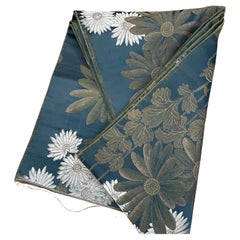
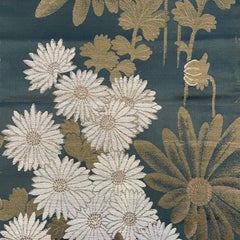
Japanese Vintage Kimono Silk Belt Flowers Navy and Silver 1920s
By Japanese Studio
Located in Paris, FR
This is a Fukuro Obi made in Japan around 1920s. Obi is a belt of varying size and shape worn with both traditional Japanese clothing like Kimono.Obi are categorised by their desig...
Silk
$2,471Sale Price|25% Off
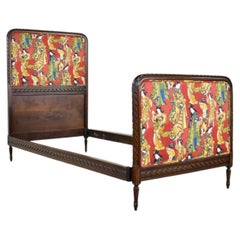
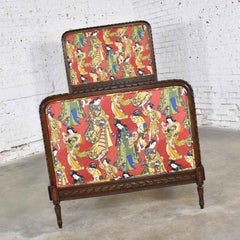
Antique French Carved Walnut and Upholstered Twin Bed With Asian Figural Fabric
Located in Topeka, KS
It wears a lovely cotton chintz with a red background adorned with Asian figures in striking positions and dressed in jewel toned heavily patterned kimono, obi, and robes. I imagine ...
Fabric, Walnut
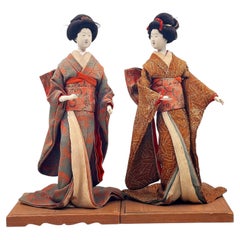
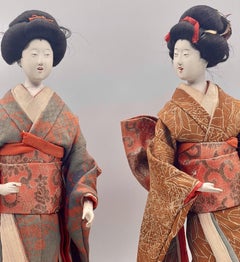
Pair of Japanese Female Court Figures (Bijin Ningyō) Meiji Period, circa 1890
Located in New York, NY
Their richly layered silk kimono are executed in harmonious shades of muted blue-gray and warm coral, embellished with bold floral and arabesque motifs. The beautifully woven obi (sa...
Fabric, Wood
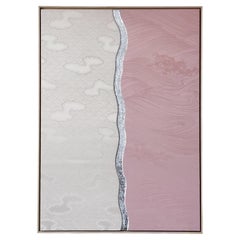
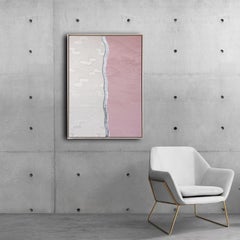
Antique kimono textile art "Pink waves ~Endlessness~" by ikasu Japan
By Kimono ikasu, Lena Okamoto
Located in Setagaya City, JP
One-of-a-kind Japanese textile art made from vintage obi fabrics. Sustainable artwork for modern interiors, collectors, boutique hotels, and lovers of Japanese aesthetics.
Silver Leaf
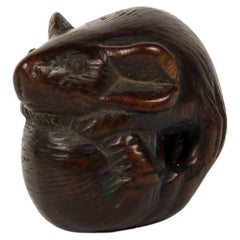
Boxwood nestuke of a mice depicted curled up on itself forming a sphere
Located in PARIS, FR
The highly realistic rendering of the fur and the deep, worn patina emphasize the naturalistic treatment of this subject, typical of the mid-Edo period.Since traditional kimonos have...
Boxwood
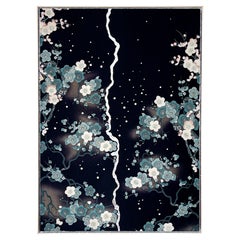

Antique kimono textile art " Plum Blossom Night ~ Resilience ~ " by ikasu Japan
By Kimono ikasu, Lena Okamoto
Located in Setagaya City, JP
One-of-a-kind Japanese textile art made from vintage obi fabrics. Sustainable artwork for modern interiors, collectors, boutique hotels, and lovers of Japanese aesthetics.
Silver Leaf
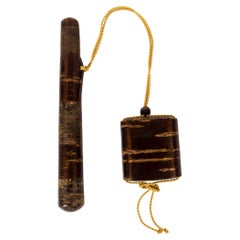
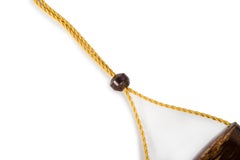
Japanese Tobacco smoking set made from cherry bark marquetry (Kabazaiku)
Located in PARIS, FR
It was typically worn suspended from the obi, attached by a cord to another small object, the netsuke.
Fruitwood
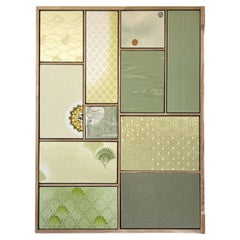
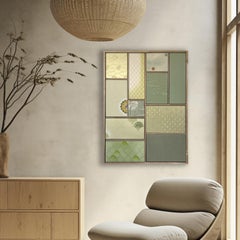
Antique kimono textile art " Kobachi ~ Green Collection ~" by ikasu Japan
By Lena Okamoto, Kimono ikasu
Located in Setagaya City, JP
One-of-a-kind Japanese textile art made from vintage obi fabrics. Sustainable artwork for modern interiors, collectors, boutique hotels, and lovers of Japanese aesthetics.
Silk, Wood, Fabric, Textile, String, Thread, Yarn, Reclaimed Wood, Compo...
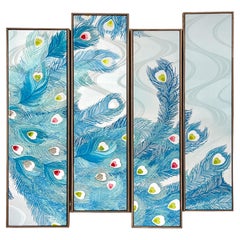

Antique kimono textile art " Peacock Feathers ~ Royalty ~" by ikasu Blue Japan
By Kimono ikasu, Lena Okamoto
Located in Setagaya City, JP
One-of-a-kind Japanese textile art made from vintage obi fabrics. Sustainable artwork for modern interiors, collectors, boutique hotels, and lovers of Japanese aesthetics.
Gold Leaf, Silver Leaf
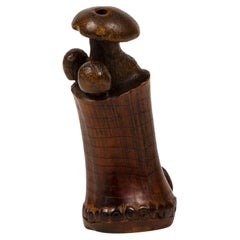
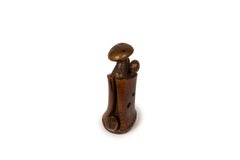
Netsuke in bamboo in the form of a mushroom
Located in PARIS, FR
Since traditional kimonos do not have pockets, everyday items were carried in small boxes (sagemono) attached to the sash (obi). To prevent these from slipping, a netsuke, a small fi...
Bamboo
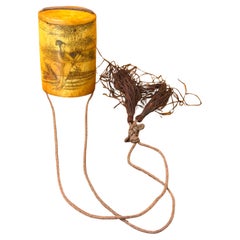
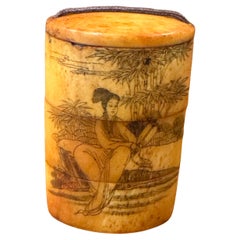
Japanese Scrimshaw Carved Bone Sectional Container (Inrō Style), Meiji Period
Located in San Diego, CA
About Japanese Inrō Inrō were traditional Japanese containers worn suspended from the obi (kimono sash) and were used to carry small personal belongings.
Bone
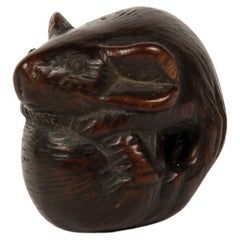
Boxwood nestuke in the form of a curled up mouse forming almost a pearl
Located in PARIS, FR
The highly realistic rendering of the fur and the deep, worn patina emphasize the naturalistic treatment of this subject, typical of the mid-Edo period.Since traditional kimonos have...
Boxwood
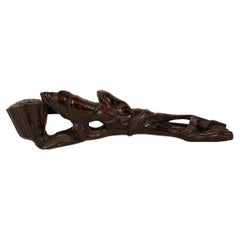
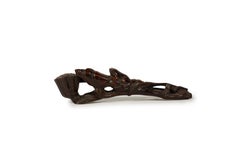
Netsuke in lacquered boxwood of a toad resting on a waterlily plant
Located in PARIS, FR
Since traditional kimonos have no pockets, everyday objects were carried in small boxes (sagemono) attached to the sash (obi). To prevent these from slipping, a netsuke, a small figu...
Boxwood
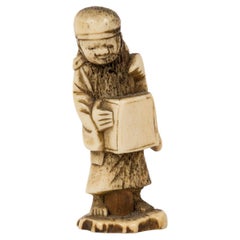
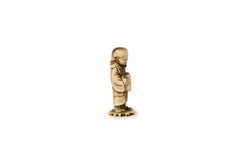
Netsuke in deer antler in the form of a feminine figure in traditionnal clothing
Located in PARIS, FR
In order to be kept firmly in place a netsuke was notch into the belt (obi) of the kimono, this would secure any type of sagemono and help tighten the link between social status and ...
Antler
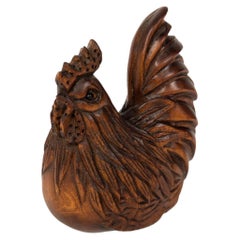
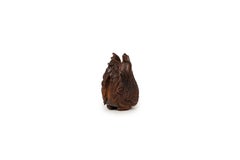
Netsuke in Boxwood in the form of a seated rooster
Located in PARIS, FR
In order to be kept firmly in place a netsuke was notch into the belt (obi) of the kimono, this would secure any type of sagemono and help tighten the link between social status and ...
Boxwood
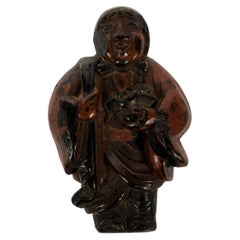
Lacquered Netsuke in the form of an old Lady carrying an Oni in her back
Located in PARIS, FR
In order to be kept firmly in place a netsuke was notch into the belt (obi) of the kimono, this would secure any type of sagemono and help tighten the link between social status and ...
Boxwood, Lacquer
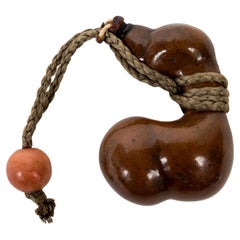
Nestuke in the form of a calabash gourd realised from an unmature cucurbitacea
Located in PARIS, FR
In order to be kept firmly in place a netsuke was notch into the belt (obi) of the kimono, this would secure any type of sagemono and help tighten the link between social status and ...
Fruitwood
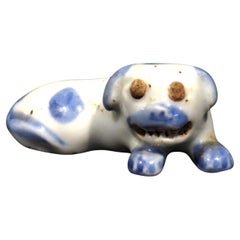
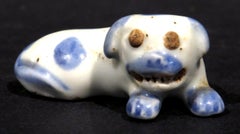
A Rare Edo Period Hirado Porcelain Netsuke, Japan Circa 1850
Located in Ottawa, Ontario
The recumbent white porcelain figure of a pug dog shown baring its teeth, decorated by hand with spot painted cobalt detail, the underside with twin holes intended for a cord to pass...
Porcelain
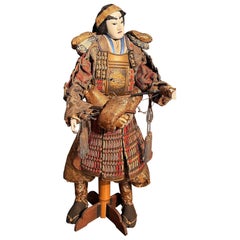
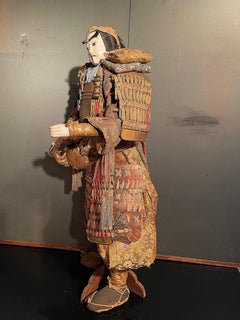
Japanese Meiji Period Elaborate Bunraku Puppeta, 19th Century
Located in New York, NY
DIMENSION Height: 33 inches Width: 18 inches Depth: 9 inches ABOUT Bunraku (puppet) depicting the warrior Minamoto Yoshistune his head carved of wood and covered in a fine white g...
Wood
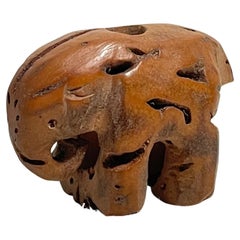
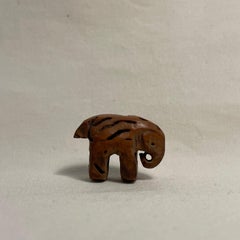
Antique Japanese Wooden Netsuke 'Small Elephant' 1920s Taisho era
Located in Paris, FR
Though the sleeves of the kimono could be used to store small items, the men who wore kimono needed a larger and stronger container in which to store personal belongings, such as pip...
Wood
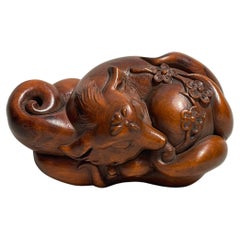
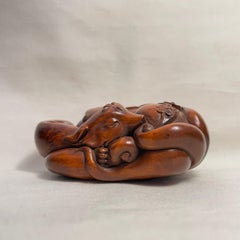
Japanese Antique Wooden Netsuke 'Buffalo' 1920s Taisho
Located in Paris, FR
Though the sleeves of the kimono could be used to store small items, the men who wore kimono needed a larger and stronger container in which to store personal belongings, such as pip...
Wood
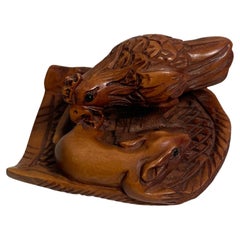
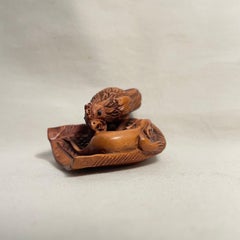
Japanese Antique Wooden Netsuke 'mouse and rooster' 1920s Taisho era
Located in Paris, FR
Though the sleeves of the kimono could be used to store small items, the men who wore kimono needed a larger and stronger container in which to store personal belongings, such as pip...
Wood
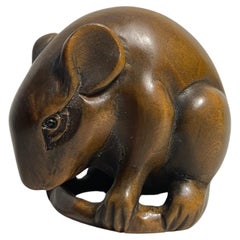
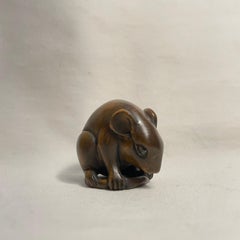
Antique Japanese Wooden Netsuke 1920s 'Mouse' Taisho era
Located in Paris, FR
Though the sleeves of the kimono could be used to store small items, the men who wore kimono needed a larger and stronger container in which to store personal belongings, such as pip...
Wood
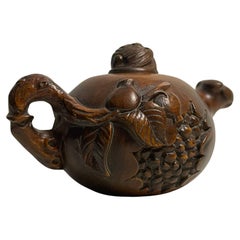
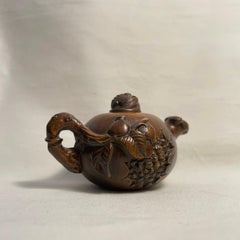
Antique Japanese Wooden Netsuke 'Tea pot and Bat' 1920s Taisho era
Located in Paris, FR
Though the sleeves of the kimono could be used to store small items, the men who wore kimono needed a larger and stronger container in which to store personal belongings, such as pip...
Wood
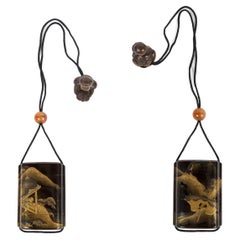
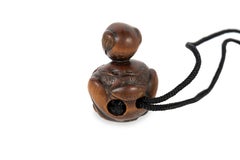
Japanese inro box in black and gold lacquer with a decor of snowy landscape
Located in PARIS, FR
Since the kimono had no pockets, everyday objects were carried in small boxes (sagemono) hung on the belt (obi). To prevent them from slipping, a netsuke, a small wooden or ivory fig...
Gold
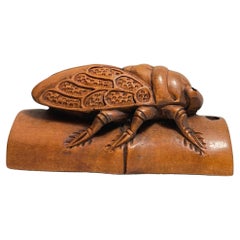
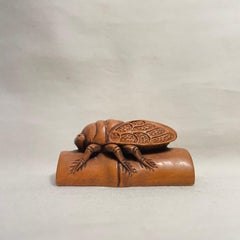
Japanese Wooden Netsuke Cicada 1900 Meiji Sekisen
Located in Paris, FR
Though the sleeves of the kimono could be used to store small items, the men who wore kimono needed a larger and stronger container in which to store personal belongings, such as pip...
Wood
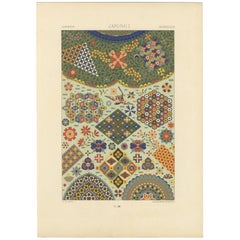
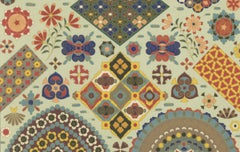
Japanese Ornament Print – Antique Lithograph of Geometric & Floral Patterns 1869
Located in Langweer, NL
The placement of patterns around natural forms reflects Japanese textile traditions, such as those seen in kimono and obi sashes. This plate was produced in Paris around 1869 by the...
Paper
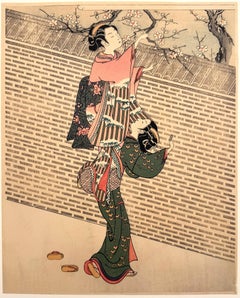
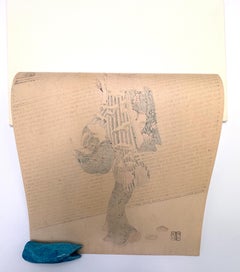
Plucking a Branch from a Neighbor's Plum Tree
By Suzuki (Hozumi) Harunobu
Located in Middletown, NY
The young woman wears a kimono (furisode) with hanging sleeves and a design of snow-clad bamboo. Her elaborately tied obi, or sash, has a scrolling floral pattern. –Metropolitan Muse...
Watercolor, Handmade Paper, Woodcut
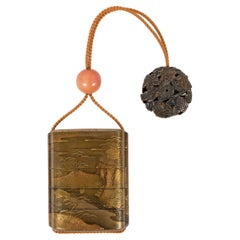
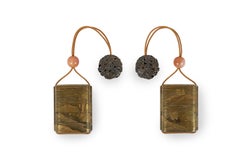
Japanese inro of the edo period adorned with a landscape houses near a lake
Located in PARIS, FR
Since the kimono had no pockets, everyday objects were carried in small boxes (sagemono) hung on the belt (obi). To prevent them from slipping, a netsuke, a small wooden or ivory fig...
Gold
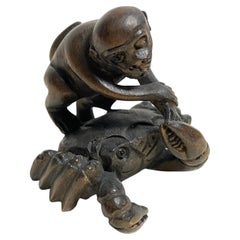
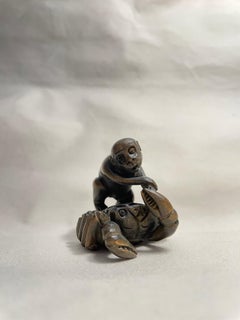
$420Sale Price|20% Off
Antique Japanese Wooden Netsuke 'Crab and Monkey' 1920s
Located in Paris, FR
Though the sleeves of the kimono could be used to store small items, the men who wore kimono needed a larger and stronger container in which to store personal belongings, such as pip...
Wood
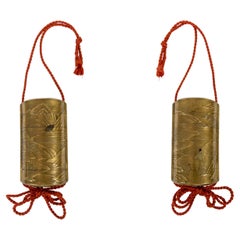
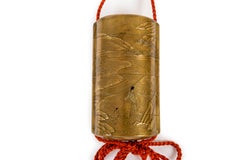
Japanese Sagemono Inro box with a maki-e decor of a Samuari in a lake landscape
Located in PARIS, FR
To prevent them from slipping, a netsuke, a small wooden or ivory figurine, was used to hold the cord of inrō or other types of sagemono passed around the belt (obi). Inrō are often ...
Gold
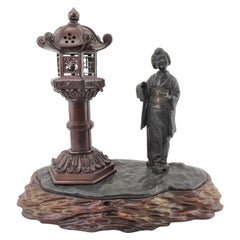
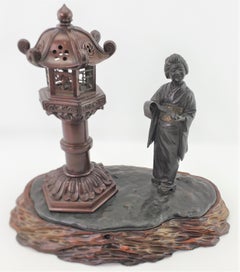
Antique Meiji Signed Japanese Figural Woman & Lantern Incense Burner with Base
Located in Hamilton, Ontario
The figural bronze figure shows considerable detail from her hair and face, down to the grain in the platforms she is standing on. Her obi is also done with a green polychrome with g...
Bronze
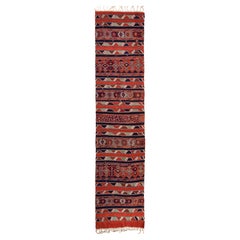
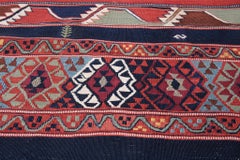
Antique Malatya Runner Kilim Rug Anatolia Turkish Natural Carpet
Located in Tokyo, JP
The wavy horizontal striped pattern, plain pattern, and lined motif pattern are woven together to create a kilim that looks like an obi. The pattern of the motif and the pattern of ...
Wool, Natural Fiber
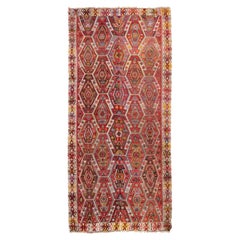
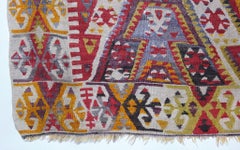
Antique Malatya Kilim Rug Old South Eastern Anatolian Turkish Carpet
Located in Tokyo, JP
The wavy horizontal striped pattern, plain pattern, and lined motif pattern are woven together to create a kilim that looks like an obi. The pattern of the motif and the pattern of t...
Wool, Natural Fiber
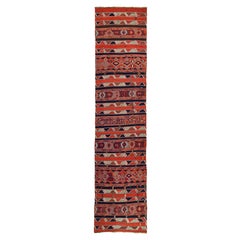
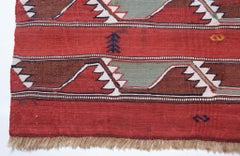
Antique Malatya Runner Kilim Rug South Eastern Anatolia Turkish Natural Carpet
Located in Tokyo, JP
The wavy horizontal striped pattern, plain pattern, and lined motif pattern are woven together to create a kilim that looks like an obi. The pattern of the motif and the pattern of ...
Wool, Natural Fiber
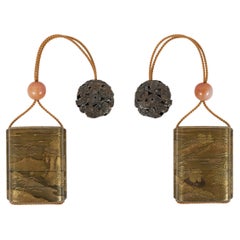
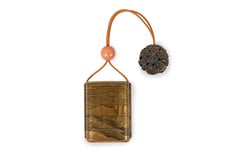
Gold Lacquer Inro Decorated with a Lake Landscape
Located in PARIS, FR
Since the kimono had no pockets, everyday objects were carried in small boxes (sagemono) hung on the belt (obi). To prevent them from slipping, a netsuke, a small wooden or ivory fig...
Lacquer
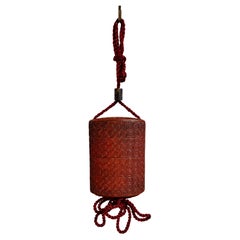
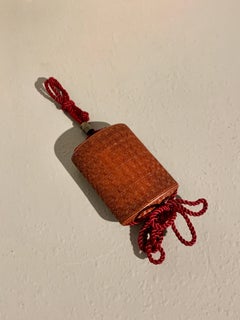
Japanese Carved Cinnabar Lacquer Inro, Meiji Period, late 19th c, Japan
Located in Austin, TX
They were hung from the obi, and secured with netsuke and ojime. While functional, they also served as symbols of status, wealth, and power.
Silver, Copper
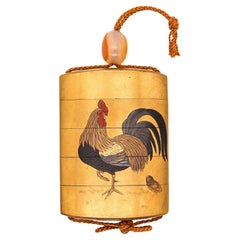
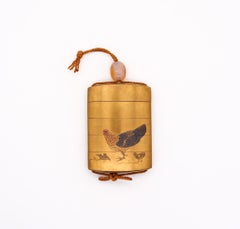
Japan 1810 Kajikawa Edo Period Five Drawer Inro Lacquered Gilt Wood With Rooster
Located in Miami, FL
Inro Is a traditional Japanese case for holding small objects, suspended from the obi (sash) worn around the waist when wearing a kimono.
Agate, Gold
$292Sale Price|20% Off
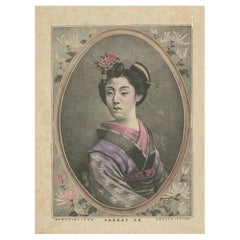
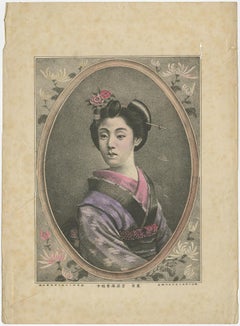
Exceptional Rare Lithograph of Kōnu Genzou from Kyoto in Japan, circa 1880
Located in Langweer, NL
Her kimono features soft pastel colors, primarily in shades of purple and pink, contrasted with a darker obi (sash) tied around her waist. The lithograph has a decorative oval frame,...
Paper
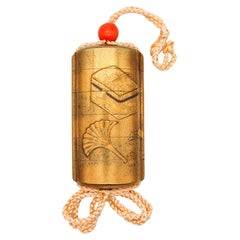
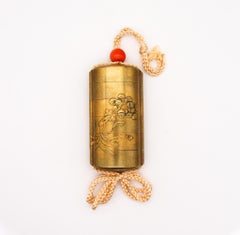
Japan 1800 Edo Period Six Drawer Inro In Lacquered Gilt Wood With Utensils
Located in Miami, FL
Inro Is a traditional Japanese case for holding small objects, suspended from the obi (sash) worn around the waist when wearing a kimono.
Coral
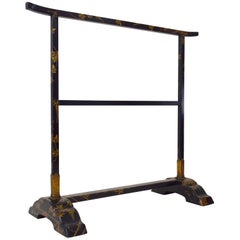
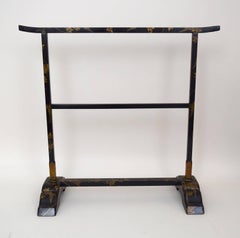
Elegant Japanese Edo Period Rack
Located in New York, NY
This refined object dates to the first half of the 19th century, and was probably used for obi, kimono sashes, which were hung over it. The gold decorations on the black-lacquered g...
Lacquer
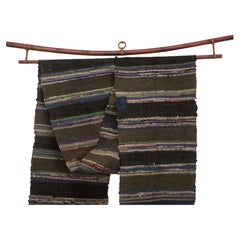
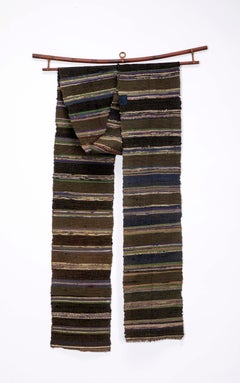
Japanese Sakiori Obi
Located in Santa Cruz, CA
This Sakiori Obi is a combination of cotton and silk strips that are rewoven into this colorful Obi (Sash) - understated colors include green, purple, dark brown and dashes of orange.
Cotton
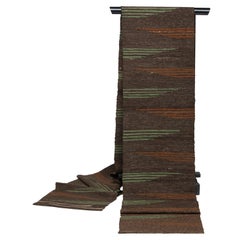
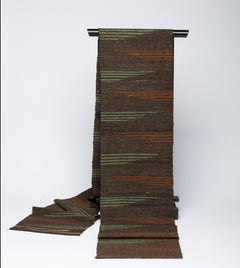
Japanese Silk Obi
Located in Santa Cruz, CA
Japanese Silk Obi (Sash) with a background of Dark Brown with Rust and Green wovern through the entire length.
Silk
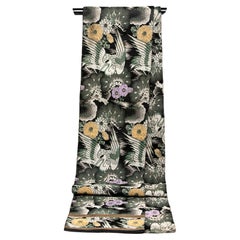
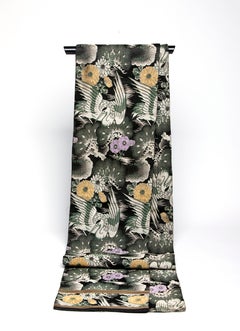
Japanese Silk Brocade Obi
Located in Santa Cruz, CA
Japanese Silk Brocade Obi (Sash) that would be used as a sash on a Kimmo.
Brocade, Silk
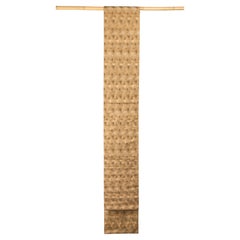
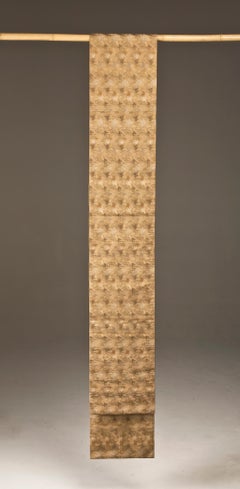
Japanese Gold Maru Silk Obi
Located in Santa Cruz, CA
Gold Maru Silk Obi Lovely Japanese Obi (sash) Gold, Black, and Cream Silk woven into a Mountain and Pine-needle Scene Fabulous as runner on table as shown in close-up image or, ...
Silk
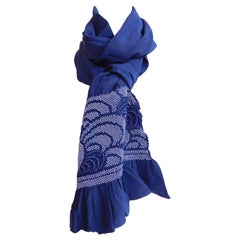
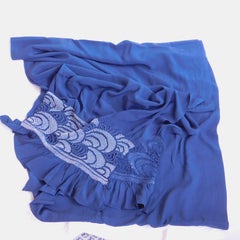
Vintage Japanese Indigo Blue Silk Shibori Obi Scarf
Located in Antwerp, BE
Over 13 feet long (404 cm) vintage 1920 Japanese hand dyed shibori men's obi. Used for men as a waist tie obi, but makes a very lush luxurious scarf!
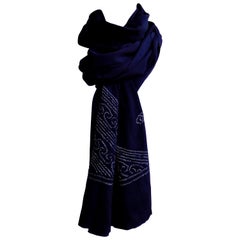
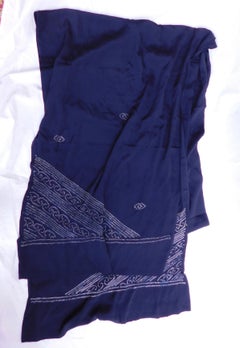
Vintage Japanese Blackish Blue Silk Shibori Obi Scarf
Located in Antwerp, BE
Over Eleven feet long (356 cm) vintage 1920 Japanese hand dyed shibori men's obi. Used for men as a waist tie obi, but makes a very lush luxurious scarf!
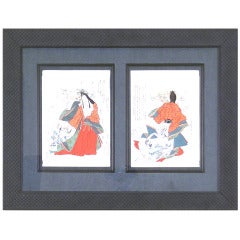
Kimono Design for Women Green and Red with Silver Obi
By Matsui Yuoko
Located in Florham Park, NJ
REISHIN GACHO Japanese Kimono Designs Matsui Yuoku, Painter Japan, 1900 (Meiji 33) Honda Ichijirou, Publisher Woodblock Prints Celebrated as much for color as pattern, the...
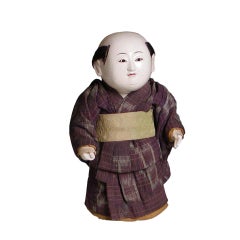
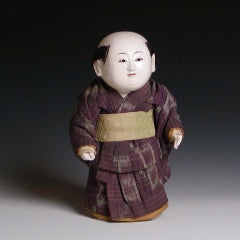
Japanese Tachiko Gosho Ningyo, Edo Period
Located in New York, NY
Japanese Tachiko Gosho Ningyo, standing male figure with ikat patterned purple chirimen silk kimono with tea green lining and brocade obi costume. All carved of Kiri wood (Paulownia)...
Wood
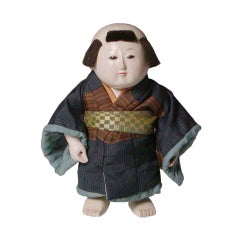
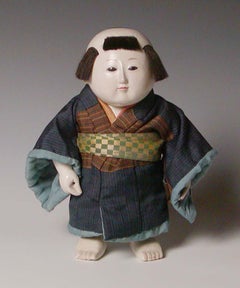
Japanese Kuge Tachiko Gosho Ningyo, Edo Period
Located in New York, NY
Japanese Kuge Tachiko Gosho Ningyo, a standing young prince figure holding a compass, wearing a striped dark blue kimono with brown mid-section and light blue silk lining, tied toget...
Wood
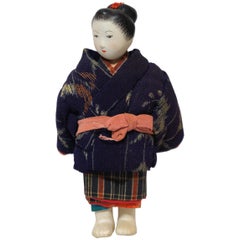
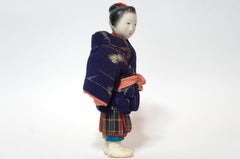
Unavailable
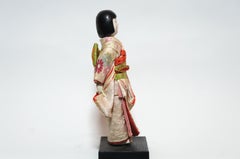
H 6.3 in W 3.55 in D 2.37 in
Japanese Kimekomi Child Doll Wearing Silk Kimono, Style of Taisho Romence, 1920s
Located in Paris, FR
The child girl doll wear a silk kimono and pink colored obi that is decorative Japanese sash worn with a kimono.
Silk, Wood
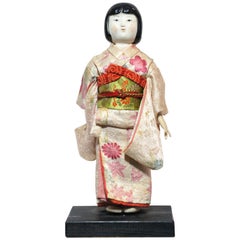
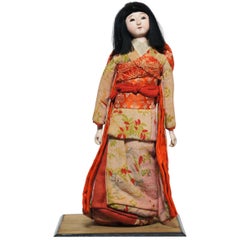
Unavailable
H 10.63 in W 4.73 in D 3.55 in
Japanese Kimekomi Girl Doll Wearing Silk Kimono, Style of Taisho Romence, 1920s
Located in Paris, FR
The doll wear a beautiful silk kimono and green colored obi that is decorative Japanese sash worn with a kimono.
Silk, Wood
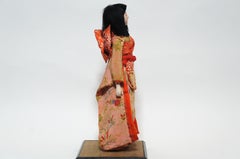
Unavailable
H 11.82 in W 6.3 in D 5.12 in
Japanese Kimekomi Girl Doll Wearing Silk Kimono, Style of Taisho Romence, 1920s
Located in Paris, FR
The doll wear a beautiful silk kimono and orange colored obi that is decorative Japanese sash worn with a kimono.
Silk, Wood
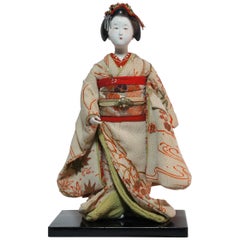
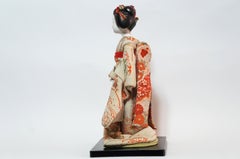
Unavailable
H 12.41 in W 7.09 in D 5.91 in
Japanese Kimekomi Girl Doll Wearing Silk Kimono, Style of Taisho Romence, 1920s
Located in Paris, FR
The doll wear a beautiful silk kimono and obi that is decorative Japanese sash worn with a kimono, and put beautiful hair ornaments.
Silk, Wood
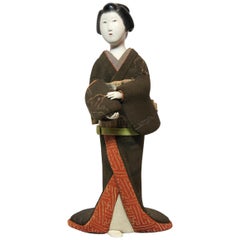
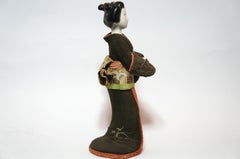
Unavailable
H 11.03 in W 5.32 in D 4.14 in
Japanese Kimekomi Woman Doll Wearing Silk Kimono, Style of Taisho Romance, 1920s
Located in Paris, FR
The woman doll wear a silk kimono and obi which is a Japanese decorative sash worn with a kimono, and has a hand bag whose fabric is the same as kimono.
Silk, Wood
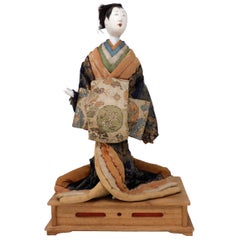

Antique Japanese Takeda Ningyo of an Oiran, Edo Period
Located in New York, NY
Antique Japanese Takeda ningyo of an Oiran or a kabuki actor in the role of a legendary high ranking courtesan, a standing figure costumed in layered kimono, descending on her slopin...
Fabric
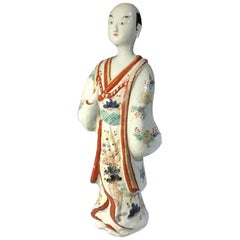

Japanese Arita Porcelain Figure of a Man, circa 1700
Located in Geelong, Victoria
Large Rare Japanese Arita porcelain figure of an actor, modelled standing in an alert manner with a quizzical expression, dressed in flowing robes with multi-layers each decorated in...
Unavailable
H 17.13 in W 10.91 in D 0.04 in
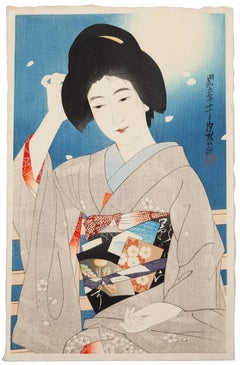
Ito Shinsui, Original Japanese Woodblock Print, Shin Hanga, Moon, Beauty Ukiyo-e
By Ito Shinsui
Located in London, GB
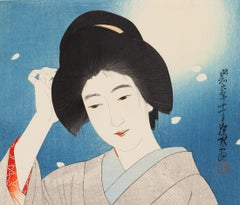
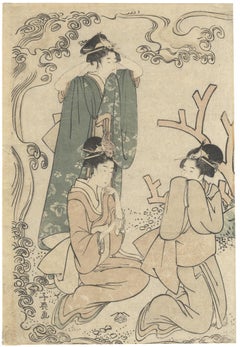
The protagonist calls her this name because of the imagery of the fan she gives to him, and is echoed here by the fan cartouche on the model's obi sash. Shinsui was renowned for his ...
Handmade Paper, Mulberry Paper, Washi Paper, Pigment, Woodcut
Unavailable
H 12.84 in W 26.58 in D 0.04 in
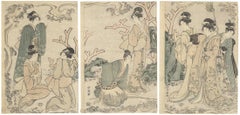
Choki Eishosai, Parody, Kimono, Courtesan, Japanese Woodblock Print, Edo Period
Located in London, GB
The lady playing Princess Otohime wears a striking kimono decorated with an array of shells and abstract waves. Her obi sash bears embossed seigaiha ripples and a coiling dragon to s...
Handmade Paper, Washi Paper, Pigment, Woodcut
Unavailable
H 16.15 in W 6.7 in D 8.27 in
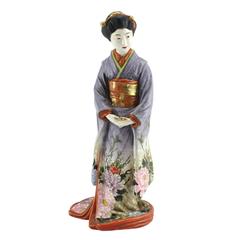
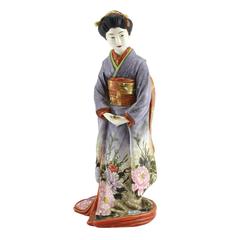
Important Hand-Painted Japanese Meiji Porcelain Geisha by Kinkozan Sobei
By Kinkozan
Located in Brisbane, Queensland
The folds, trim, cuffs, and neck of the kimono are highlighted with a red Vermillion, matched in the Geishas head piece and gilt gold decorated Obi. This piece displays several Class...
Porcelain
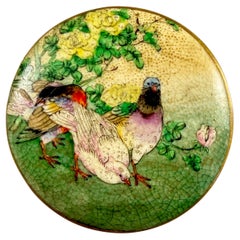
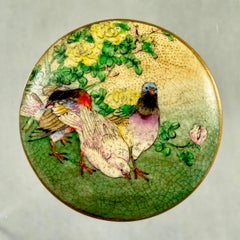
19th Century Satsuma Porcelain Pigeon Obi Button
By Satsuma
Located in Philadelphia, PA
This button is a piece of jewelry-like art that would have been used to dress up a kimono obi. Satsuma buttons are desirable to Western collectors of Japonism.
Porcelain
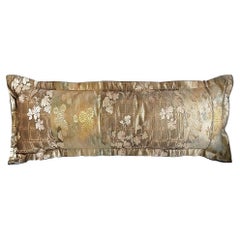
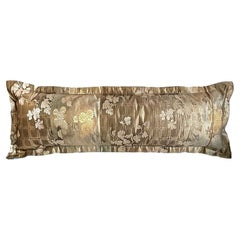
Japanese Silk Bolster Pillow, Gold Brocade, 1920s Obi
Located in New York, NY
A rectangular bolster pillow, made out of an early 20th century Japanese Silk Obi. The Obi is the long sash that wraps around a kimono to fasten it to the body, which through histor...
Silk, Brocade
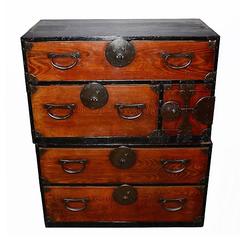

Chest of Drawers in Elm Wood Isho Kasame Dansu
Located in Paris, FR
Chest of Drawers in Elm Wood, Isho Kasame Dansu, for Kimonos & Obis. Meiji Period, 1868/1912Tokyo Area.
Elm
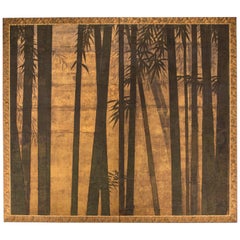

Japanese Two-Panel Screen "Bamboo Forest on Gold"
Located in Hudson, NY
Screen was originally fusuma doors, mineral pigments on gold leaf with 18th century obi brocade boarder, late Edo period painting.
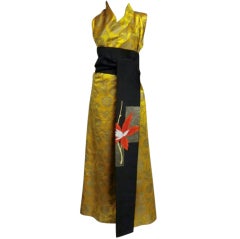
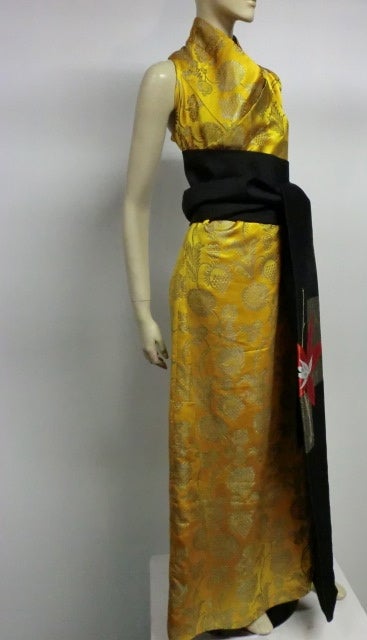
1920s Chinese Jacquard Silk Robe
Located in Gresham, OR
An incredible 1920s silk jacquard 1920s ceremonial gown from Mongolia with floral and pineapple pattern and contrasting floral lining. Sold with Japanese obi.
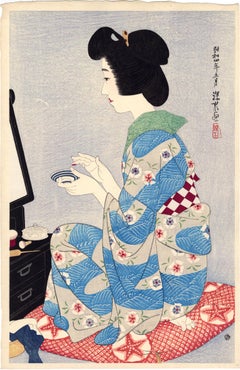

A Beauty Applies "Rouge" (Kuchibeni)
By Ito Shinsui
Located in Burbank, CA
There is soft silver mica on the mirror and on her obi. From the first edition, with a limited edition seal verso 207?
Color
Sold
H 14.57 in W 9.41 in
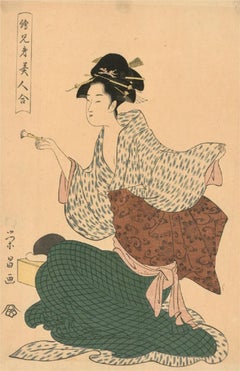
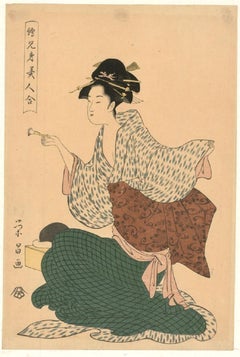
ChÅkÅsai EishÅ (fl.1790) - 18thC Japanese Woodblock, Geisha With A Makeup
Located in Corsham, GB
This image shows a slender, elegant geisha in a loose and flowing kimono and yakata, tide with a silk obi belt. She is holding a makeup brush aloft. The inscription translates roughl...
Woodcut
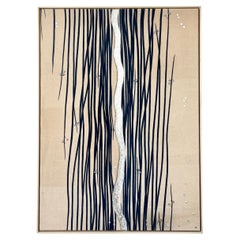

Antique kimono textile art "River ~Flow~" by ikasu Japan
By Kimono ikasu
Located in Setagaya City, JP
The artwork uses obi textile from Taisho era, around 1910-1920ies.
Silver Leaf

Sold
H 18.9 in W 14.57 in
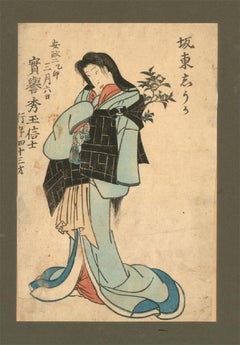
Utagawa Hiroshige (1826-1869) - Mid 19th Century Japanese Woodblock, Coy Geisha
By Utagawa Hiroshige
Located in Corsham, GB
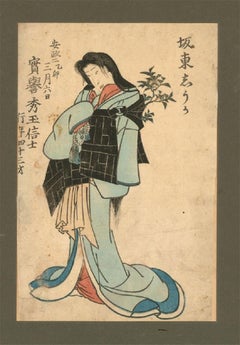
She is in a traditional kimono tied with an obi and is carrying a string of tasseled beads.
Woodcut

Sold
H 18.9 in W 14.57 in
Utagawa Hiroshige (1826-1869) - Mid 19th Century Japanese Woodblock, Coy Geisha
By Utagawa Hiroshige
Located in Corsham, GB
She is in a traditional kimono tied with an obi and is carrying a string of tasseled beads.
Woodcut
1920's Lame Broche Opera Coat
Located in New York, NY
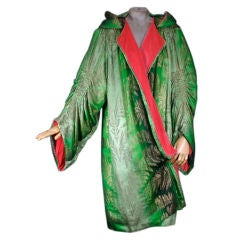
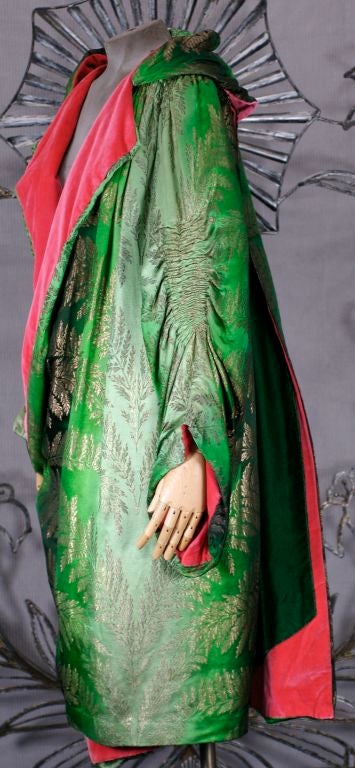
This is a lovely opera coat circa 1920 of lame broche in ombred shades of green with gilt lame leafy fern motifs reminiscent of Chanel's kimono coats of obi silk. It is lined in a vi...
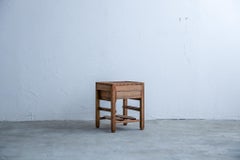
Japanese Antique flower stand Ⅰ , side table
Located in Katori-Shi, 12
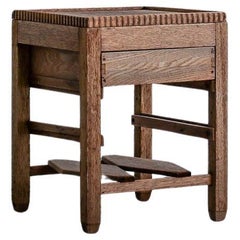
An elegant flower stand with an obi decoration design. The aged lauan wood has a rich expression.
Wood
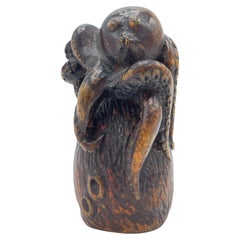

Antique Japanese Wooden Netsuke 'Octopus' Edo Era 1800s
Located in Paris, FR
Though the sleeves of the kimono could be used to store small items, the men who wore kimono needed a larger and stronger container in which to store personal belongings, such as pip...
Wood
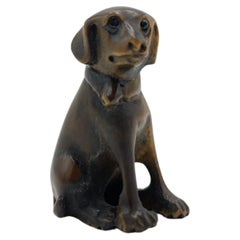

Antique Japanese Wooden Netsuke 'Dog' Meiji Era 1900s
Located in Paris, FR
Though the sleeves of the kimono could be used to store small items, the men who wore kimono needed a larger and stronger container in which to store personal belongings, such as pip...
Wood
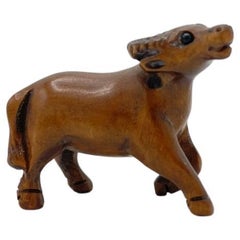

Antique Japanese Wooden Netsuke 'Deer' Meiji Era 1900s
Located in Paris, FR
Though the sleeves of the kimono could be used to store small items, the men who wore kimono needed a larger and stronger container in which to store personal belongings, such as pip...
Wood
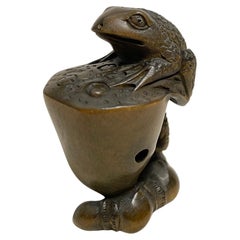
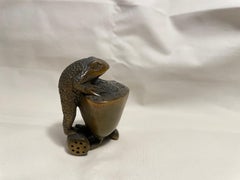
Antique Japanese Wooden Netsuke 'Flog and Lotus' Meiji Era, 1900s
Located in Paris, FR
Though the sleeves of the kimono could be used to store small items, the men who wore kimono needed a larger and stronger container in which to store personal belongings, such as pip...
Wood
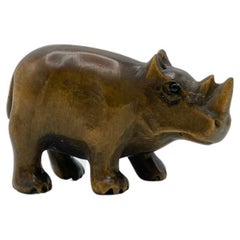

Antique Japanese Wooden Netsuke 'Rhinoceros' Meiji Era, 1900s
Located in Paris, FR
Though the sleeves of the kimono could be used to store small items, the men who wore kimono needed a larger and stronger container in which to store personal belongings, such as pip...
Wood
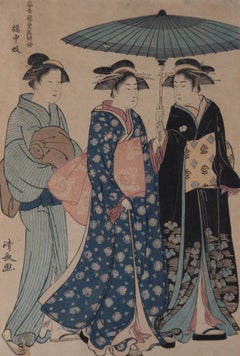
Sold
H 14.18 in W 9.85 in
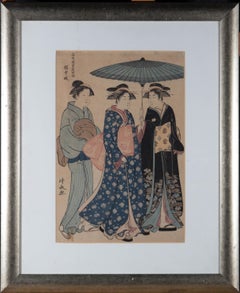
Torii Kiyonaga (1752–1815) - c. 1788 Japanese Woodblock, Geisha Strolling
By Torii Kiyonaga
Located in Corsham, GB
The geisha have wonderfully elaborate yakata and kimono, tied with richly patterned obi belts. The number of wooden hairpins denotes their high rank as woman of society. This scene...
Woodcut
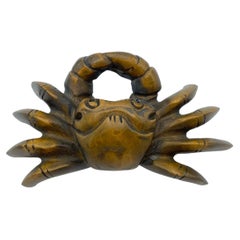

Antique Japanese Wooden Netsuke 'Crabe' Edo Era 1800s
Located in Paris, FR
Though the sleeves of the kimono could be used to store small items, the men who wore kimono needed a larger and stronger container in which to store personal belongings, such as pip...
Wood
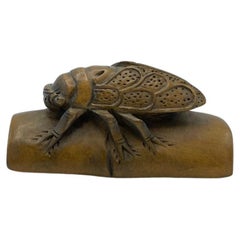

Antique Japanese Wooden Netsuke 'CICADA' Edo Era 1800s
Located in Paris, FR
Though the sleeves of the kimono could be used to store small items, the men who wore kimono needed a larger and stronger container in which to store personal belongings, such as pip...
Wood
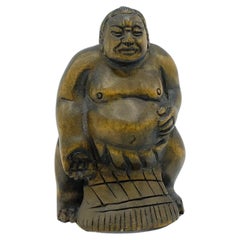
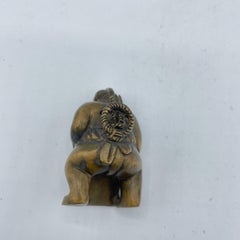
Antique Japanese Wooden Netsuke 'Sumo wrestler' Edo Era, 1800s
Located in Paris, FR
Though the sleeves of the kimono could be used to store small items, the men who wore kimono needed a larger and stronger container in which to store personal belongings, such as pip...
Wood
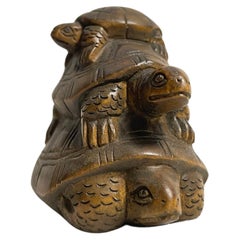
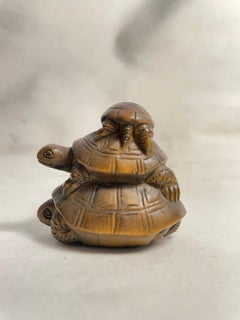
Antique Japanese Wooden Nestuke 'Three Turtles' 1900s Meiji Era
Located in Paris, FR
Though the sleeves of the kimono could be used to store small items, the men who wore kimono needed a larger and stronger container in which to store personal belongings, such as pip...
Wood
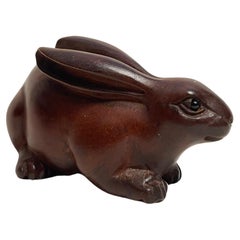
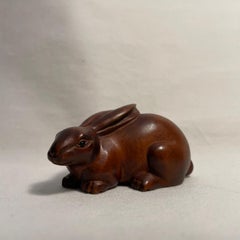
Japanese Antique Wooden Netsuke 'Rabbit' 1920s Taisho era
Located in Paris, FR
Though the sleeves of the kimono could be used to store small items, the men who wore kimono needed a larger and stronger container in which to store personal belongings, such as pip...
Wood
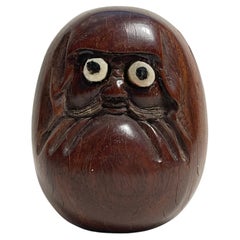
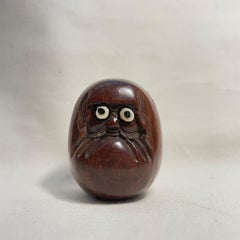
Japanese Antique Wooden Netsuke 'Daruma' 1920s Taisho era
Located in Paris, FR
Though the sleeves of the kimono could be used to store small items, the men who wore kimono needed a larger and stronger container in which to store personal belongings, such as pip...
Wood
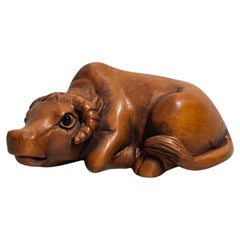
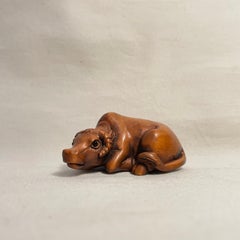
Japanese Antique Wooden Netsuke 'Cow' 1900s Meiji
Located in Paris, FR
Though the sleeves of the kimono could be used to store small items, the men who wore kimono needed a larger and stronger container in which to store personal belongings, such as pip...
Wood

Sold
H 18.12 in W 13.51 in
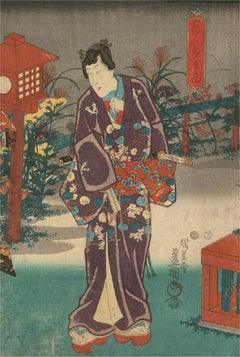
Utagawa Toyokuni III - Late 19th Century Japanese Woodblock, Onna-Bugeisha
Located in Corsham, GB
She is wearing beautiful patterned kimono and obi and she is surrounded flowers and a fence. The glimpse of another patterned kimono on the left hand side and a section of some sort ...
Woodcut
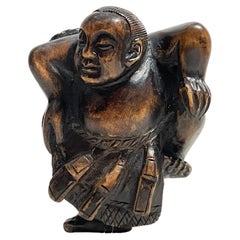
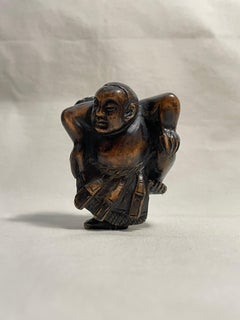
Antique Japanese Wooden Nestuke 'Sumo Wrestler' 1900s Meiji Era
Located in Paris, FR
Though the sleeves of the kimono could be used to store small items, the men who wore kimono needed a larger and stronger container in which to store personal belongings, such as pip...
Wood
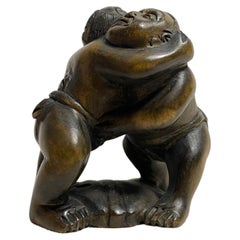
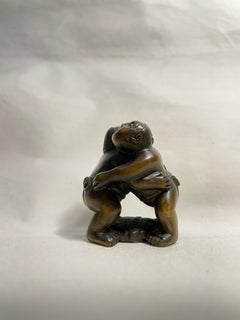
Antique Japanese Wooden Netsuke 'Sumo Wrestlers Fighting' 1920s
Located in Paris, FR
Though the sleeves of the kimono could be used to store small items, the men who wore kimono needed a larger and stronger container in which to store personal belongings, such as pip...
Wood
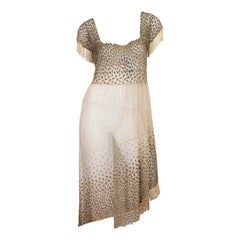
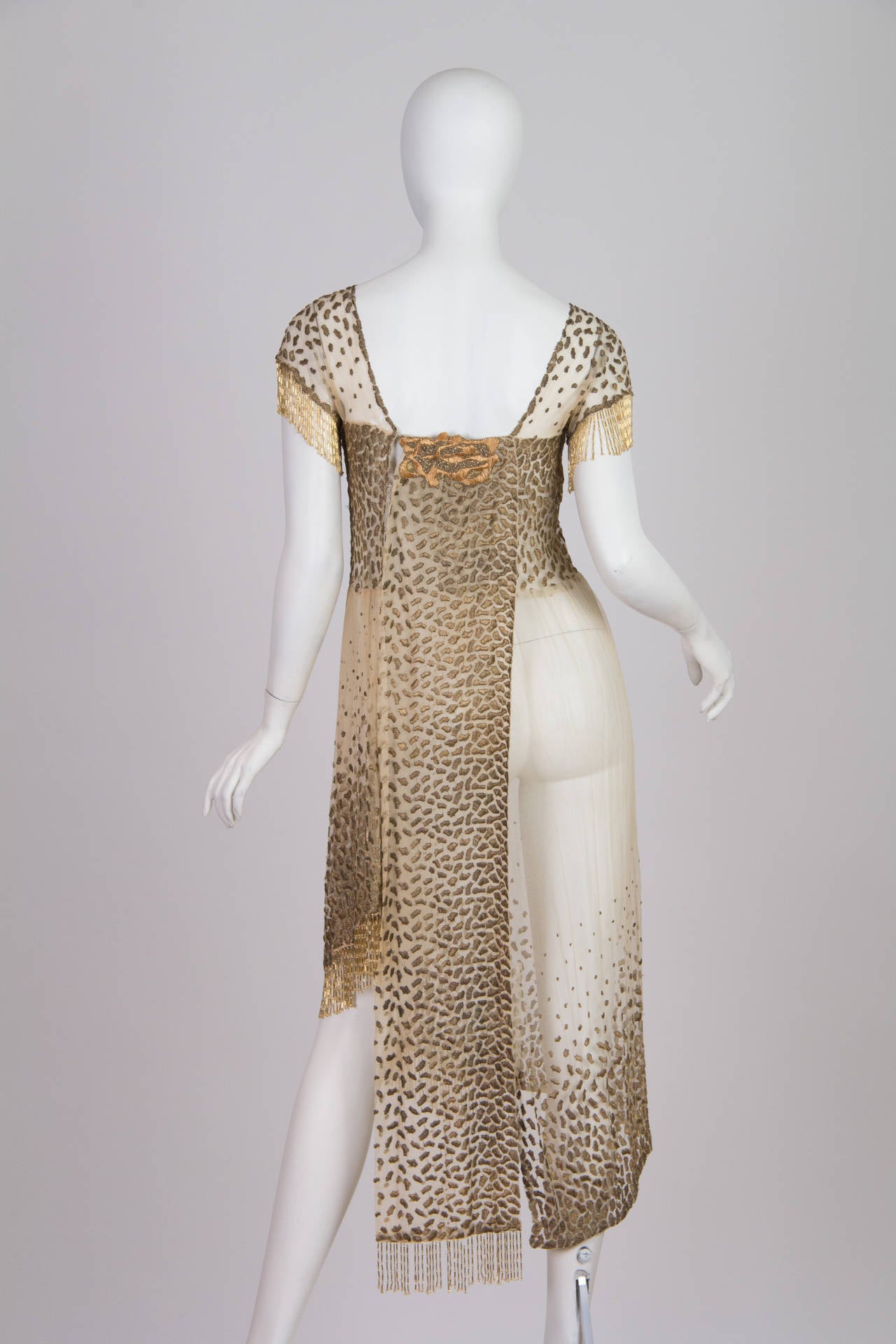
Metal Embroidered Edwardian Tunic
Located in New York, NY
The styling of this train, as well as the beaded fringes on the sleeves and hem are reminiscent of traditional design elements from parts of Asia, such as the Japanese obi and the Ko...
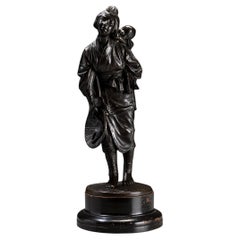
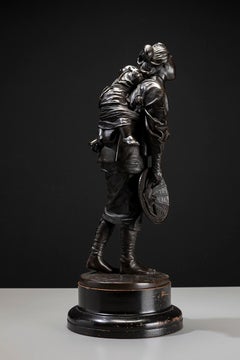
A Tokyo school bronze okimono depicting a young mother with child
Located in Milano, IT
The woman wears a soft kimono fastened at the waist with an obi. Her torso leans slightly forward to support the child, who reaches toward her and gently touches her face with one ha...
Bronze
Sold
H 1.5 in W 1.5 in D 0.75 in
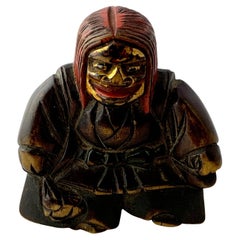
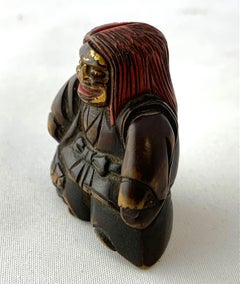
Netsuke of an Oni, a Demon in Japanese Folklore, Wood, Early 20th Century
Located in Point Richmond, CA
The first netsuke were created in late sixteenth-century Japan as simple button fasteners for pouches and other containers that were hung on the sash (obi 帯) of a kimono. As time pro...
Boxwood
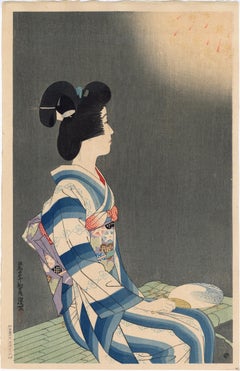
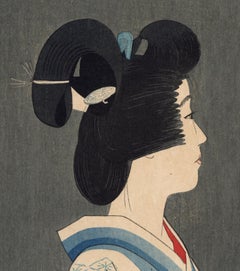
Beauty Enjoying Summer Fireworks
By Ito Shinsui
Located in Burbank, CA
She holds a summer fan on her lap, and her kimono features large blue stripes and is tied with a colorful obi that features a morning glory pattern. The summer evening sky is a soft...
Woodcut
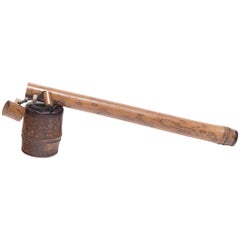
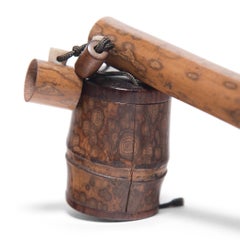
Japanese Spotted Bamboo Tobacco Inro, circa 1850
Located in Chicago, IL
Because traditional Japanese kimono didn't include pockets, men and women carried their belongings in small compartments known as inro. Hung from the obi sash belted around the waist...
Bone, Bamboo, Hardwood
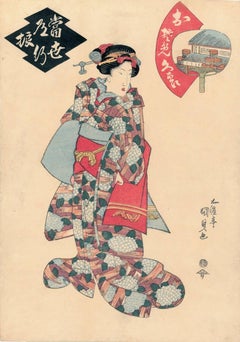
Sold
H 14.97 in W 10.4 in
The beautiful Osome wearing a kimono decorated with hydrangeas (Osome Hisamatsu)
By Utagawa Kunisada (Toyokuni III)
Located in Burbank, CA
She wears a kimono decorated with hydrangea blossoms and a double obi with butterflies and dragonflies. On the left above of this print the work title is written in red and a cartouc...
Mulberry Paper, Woodcut

Sold
H 38 in W 42 in D 18 in
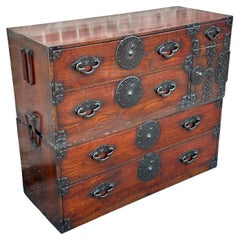
Antique Japanese Meiji Era c1880's Yonezawa Clothing Tansu Chest Keyaki Wood 42"
Located in Portland, OR
Ishodansu were used to store precious kimono, obi and accessories. It features the distinctive hardware of tansu made in the Yonezawa region.
Wrought Iron
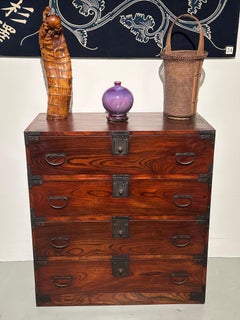
Sold
H 36 in W 33.5 in D 16.5 in
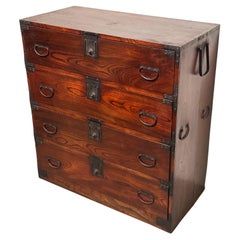
Antique Japanese Meiji Era c1880 Clothing Kimono Tansu Chest Keyaki Wood 36"H
Located in Portland, OR
Ishodansu were used to store precious kimono, obi and accessories. This tansu chest is made with pegged-tenon open-mortise corner box joint construction.
Wrought Iron
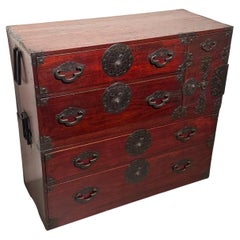
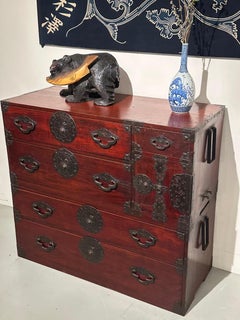
Sold
H 38 in W 42 in D 18 in
Antique Japanese Meiji Era c1880's Yonezawa Clothing Tansu Chest Keyaki Wood 42"
Located in Portland, OR
Ishodansu were used to store precious kimono, obi and accessories. It features the distinctive hardware of tansu made in the Yonezawa region.
Wrought Iron
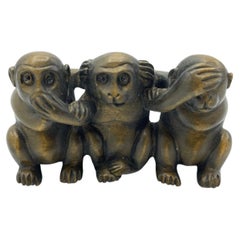
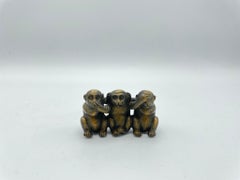
Antique Japanese Wooden Netsuke 'Three Monkeys' Edo Era 1800s
Located in Paris, FR
Though the sleeves of the kimono could be used to store small items, the men who wore kimono needed a larger and stronger container in which to store personal belongings, such as pip...
Wood
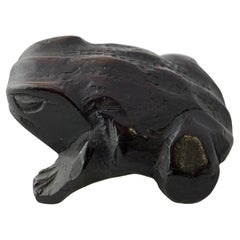
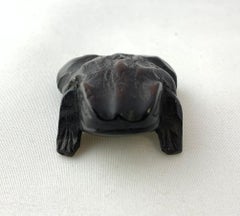
Japanese Carved Wood Netsuke of a Frog, Taisho Period
Located in Point Richmond, CA
The first netsuke were created in late sixteenth-century Japan as simple button fasteners for pouches and other containers that were hung on the sash (obi 帯) of a kimono. As time pro...
Boxwood
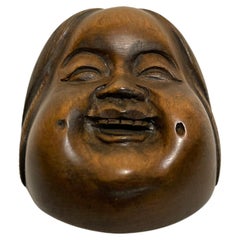
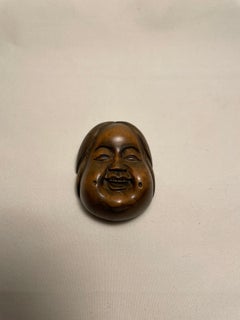
Antique Japanese Wooden Netsuke 'Onnamen' 1920s
Located in Paris, FR
Though the sleeves of the kimono could be used to store small items, the men who wore kimono needed a larger and stronger container in which to store personal belongings, such as pip...
Wood
Sold
H 1.25 in W 1.25 in D 0.75 in
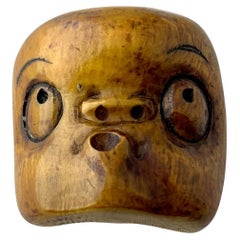
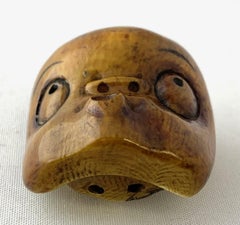
Japanese Netsuke of Hyottoko, Depicted through a Mask in Noh Play as an Idiot
Located in Point Richmond, CA
The first netsuke were created in late sixteenth-century Japan as simple button fasteners for pouches and other containers that were hung on the sash (obi 帯) of a kimono. As time pro...
Boxwood
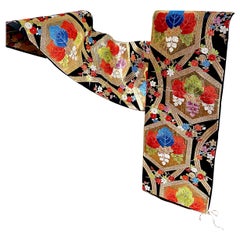
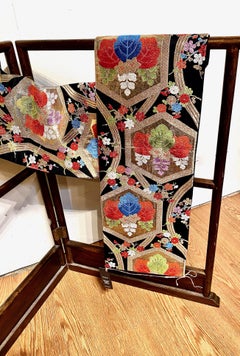
Vintage Japanese Obi Textile, Woven Floral Design, Silk, Circa 1970s
Located in Pasadena, CA
Superb example of a c. 1970s Obi. The obi is beautifully woven with multi-colored florals reserves and interlaced cherry blossoms. The reserves are delineated by woven metallic silve...
Silk
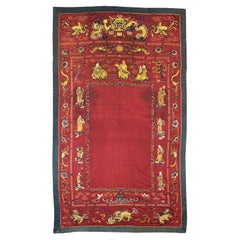
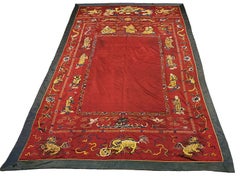
Antique Chinese Textile Silk Foo dogs
Located in Ferrara, IT
This is an extremely unique and beautiful antique Chinese silk and metal threaded embroidery woven during the end of the 19th century and measures 320 x 188 CM in size. This piece’s ...
Metal
$159Sale Price|20% Off
H 15 in W 21 in D 3 in
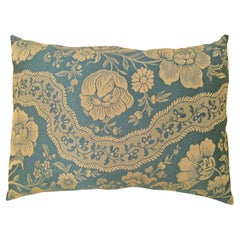
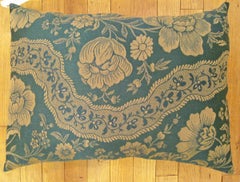
Decorative Vintage European Chinoiserie Fabric Pillow with Floral Design
Located in New York, NY
Vintage Decorative Pillow with Floral Chinoiserie; size 1’9" x 1’3”. A vintage decorative pillow with floral chinoiserie, size 1'9" x 1'3". This lovely decorative pillow features a ...
Fabric
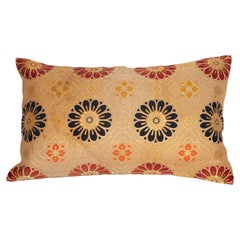
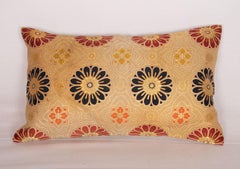
Obi Pillow Cover, Japan, Mid 20th C.
Located in Istanbul, TR
It does not come with an insert. Cotton in the back. Zipper closure. Dry cleaning is recommended.
Silk
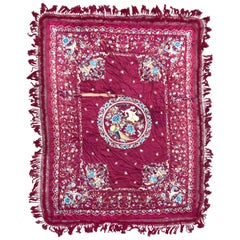
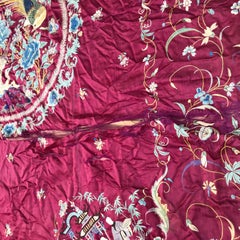
Antique Chinese Embroidery Tapestry
Located in Saint Ouen, FR
Beautiful antique embroidery from China late 19th century with very nice Chinese design with birds, flowers and personages, and beautiful purple color silk foundation, entirely hand ...
Silk
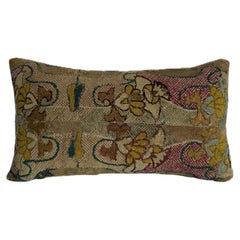
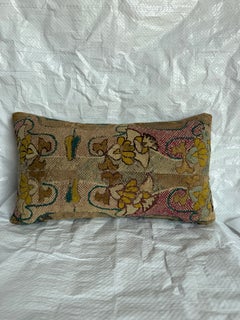
Antique Italian Florentine Floral Scroll Tapestry Pillow - 17th Century
Located in Los Angeles, US
Dating to the 17th century, this Italian Florentine tapestry pillow preserves a decorative textile whose elaborate botanical ornament reflects the importance of textiles in early Eur...
Wool, Silk, Feathers
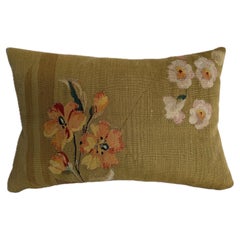
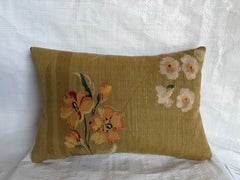
19th Century French Aubusson Floral Pillow in Gold
Located in Los Angeles, US
Fashioned from an antique mid-19th-century French Aubusson tapestry, this circa 1850 pillow showcases a charming botanical composition of scattered flowers against a muted golden-oli...
Wool, Cotton, Feathers
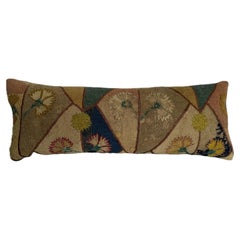
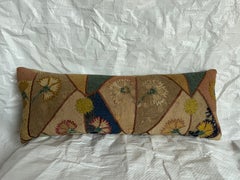
17th Century Antique Italian Florentine Floral Baroque Tapestry Pillow
Located in Los Angeles, US
Created from an antique 17th-century Florentine wool and silk textile, this elongated Italian pillow preserves a substantial section of an early furnishing fabric associated with the...
Wool, Cotton, Silk, Feathers
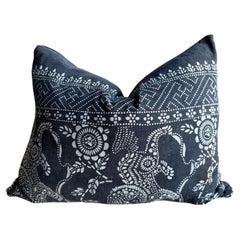
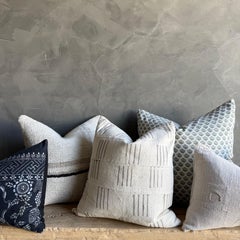
Vintage Japanese Boro Cloth Pillow
By Bloom Home Inc
Located in Old Town Orange, CA
Vintage Japanes Boro cloth pillow. Size 16 x 20 Back side is a black washed linen Zipper closure Down insert is included.
Cotton, Linen, Down
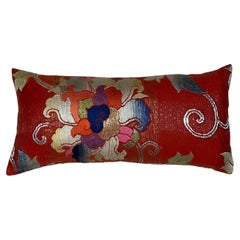
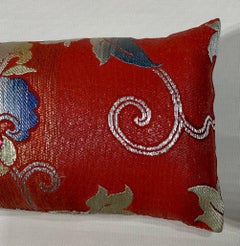
Vintage Double-Sided Pillow, Hand-Crafted Silk & Cotton, Japan, 1960
Located in Delray Beach, FL
Beautiful pillow made of silk gold and silver metallic threads, exceptional double side floral motif. New quality insert.
Metallic Thread
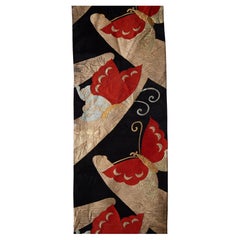

Vintage Japanese Obi Textile, Mid 20th C
Located in Istanbul, TR
An obi in very good condition that can be utilized as a table runner, wall hanging.
Silk
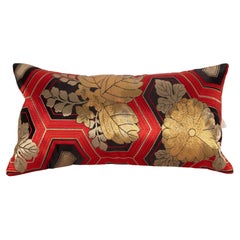
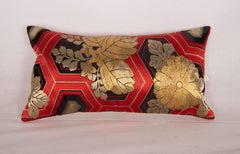
Obi Pillow Cover, Japan, Mid 20th C.
Located in Istanbul, TR
It does not come with an insert. Cotton in the back. Zipper closure. Dry cleaning is recommended.
Silk
$969Sale Price|63% Off
H 4.7 in W 31.5 in D 15 in
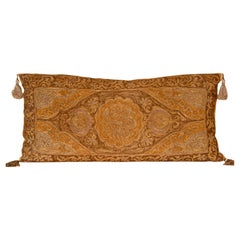
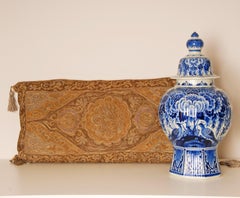
19th c Ottoman Pillow Cushion Gold Metallic Thread Silk Embroidery Islamic Art
By Turkoman, Eastern Artisans, Les Ottomans
Located in Wommelgem, VAN
Large 19th century Ottoman Cushion pillow Finest quality Ottoman cushion opulent hand crafted silk and metal thread embroidery. Finished with 4 silver color tassels Cushion with a ri...
Metallic Thread
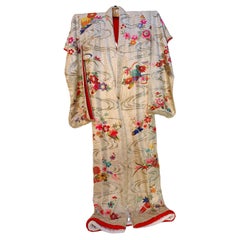
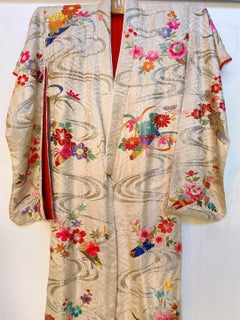
$2,544Sale Price|20% Off
H 75 in W 52 in D 1 in
Rare Spectacular Hand-Embroidered Silk Japanese Kimono
Located in Brea, CA
This highly collectable spectacular rare kimono has detailed hand-embroidery throughout accented . This ceremonial Japanese kimono is hand sewn and hand-quilted throughout.
Silk
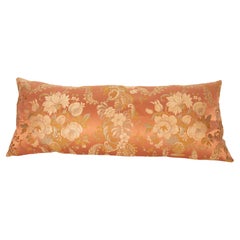
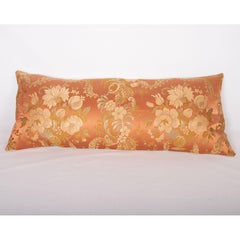
Antique Pillow Case Made from an Early 20th C. Silk Brocade
Located in Istanbul, TR
It does not come with an insert but a bag made to the size to accommodate insert materials. Linen in the back. Zipper closure. Dry Cleaning is reccommended.
Silk
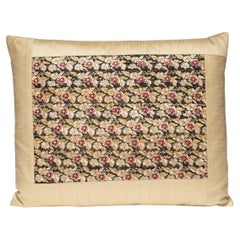
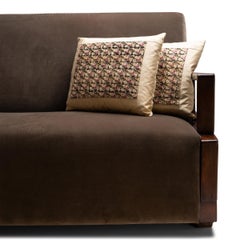
Vintage Chinese Silk Embroidery Pillow
Located in Chicago, IL
This hand-crafted pillow was designed by a local Chicago artist and textile historian who lovingly repurposes the vintage fabrics, garments and embroidery fragments she collects duri...
Silk
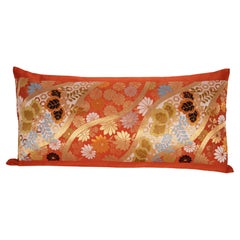
Obi Pillow Cover, Japan, Mid 20th C
Located in Istanbul, TR
It does not come with an insert. Cotton in the back. Zipper closure. Dry cleaning is recommended.
Silk