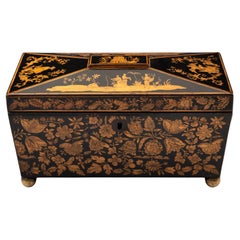
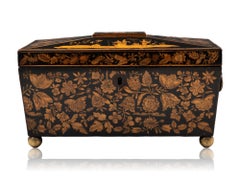
Regency Chinoiserie Penwork Tea Chest
Located in Northampton, GB
From our Tea Caddy collection, we are delighted to offer this Regency Chinoiserie Penwork Tea Chest
Category
Early 19th Century English Regency Antique Tea Chest
Materials
Sycamore
Regency Chinoiserie Penwork Tea Chest
Located in Northampton, GB
From our Tea Caddy collection, we are delighted to offer this Regency Chinoiserie Penwork Tea Chest
Sycamore
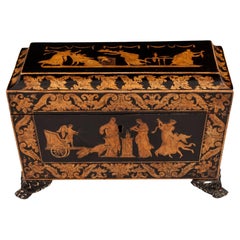
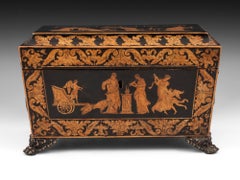
Regency Penwork Tea Chest
Located in Northampton, GB
Sycamore Tea Chest Circa 1815 From our Tea Caddies collection, we are delighted to offer this
Sycamore
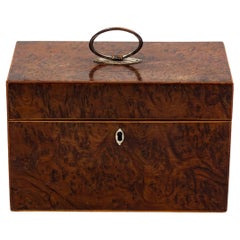
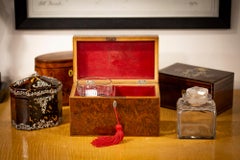
George III Burr Yew Tea Chest
Located in Northampton, GB
Georgian Burr Yew Wood Tea Chest. The Tea Chest of rectangular form featuring quadrant Boxwood stringing to
Cut Glass, Yew
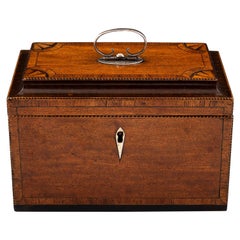
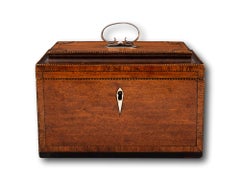
Georgian Satinwood Tea Chest with Secret Compartments
Located in Northampton, GB
Georgian Tea Chest with Boxwood & Ebony Checkered Stringing From our Tea Caddy collection, we are
Silver
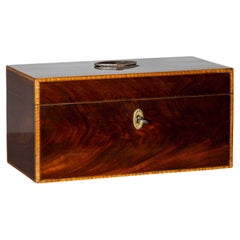
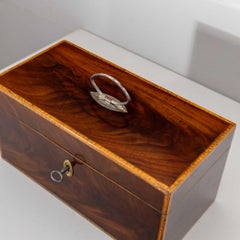
Mahogany Tea Chest, probably England, circa 1830
Located in New York, NY
Elegant mahogany tea chest featuring a decorative edge in light wood grain and a handle on the lid
Wood
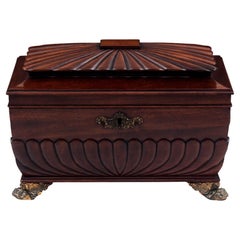
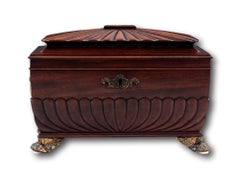
Antique English Regency Mahogany Tea Chest Robert Wright
Located in Northampton, GB
offer this rare Regency Cuban Mahogany Tea Chest by Robert Wright. The Tea Chest of sarcophagus shape
Metal, Brass
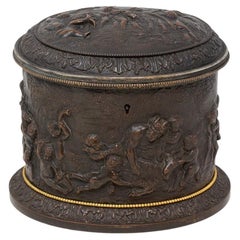
English Classical Repousse Tea Chest by Grinsell and Bourne
By John Grinsell & Sons
Located in Newark, England
removable gilded tea caddies one of semi-circle shape and the other of oval shape. The Repousse Tea Chest is
Metal, Bronze
$18,885
H 14.5 in W 22 in D 14 in
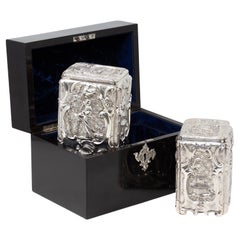
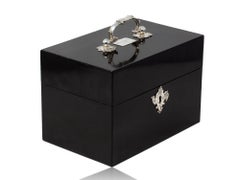
Antique Victorian Royal Horse Racing Prize Tea Chest with Silver Tea Caddies
By Sebastian Crespel II
Located in Northampton, GB
Ebonised Tea Chest given as a Royal Prize is 1843. The Tea Chest of rectangular form with an Ebonised body
Silver
$2,360
H 13.19 in W 15.95 in D 10.04 in
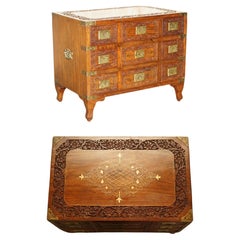
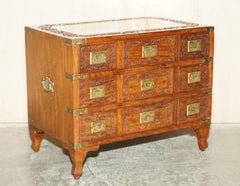
Small Antique Anglo Indian Military Campaign Brass Side Table Tea Chest Drawers
Located in West Sussex, Pulborough
1880-1900 small side table tea chest of drawers or large table top jewellery cabinet A good looking
Brass
$1,694Sale Price|20% Off
H 7.09 in W 9.06 in D 5.91 in
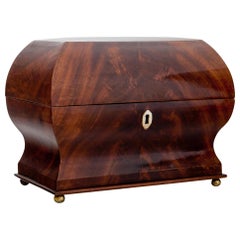
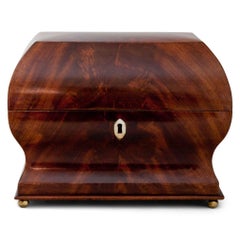
Biedermeier Tea Chest, Mahogany and Brass, Germany, Early 19th Century
Located in Greding, DE
Lidded chest with a curved lid and a concave belly, standing on brass ball feet. The escutcheon is
Brass
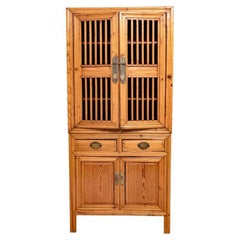
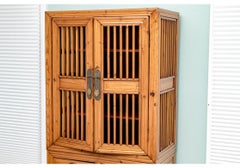
Chinese Qing Dynasty Tall Carved Elm Tea Chest, Ca. 1860
Located in Bridgeport, CT
An antique Chinese Qing dynasty tall carved elm wood tea chest made in two sections. The top case
Brass
$1,145
H 4.73 in W 9.06 in D 5.91 in
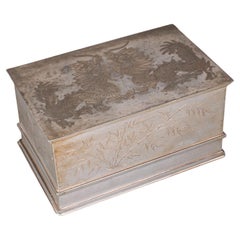
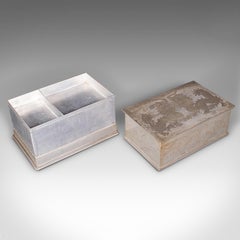
Vintage Hotel Tea Chest, Chinese, Pewter Alloy, Chá Caddy, Art Deco, Circa 1930
Located in Hele, Devon, GB
This is a vintage hotel tea chest. A Chinese, pewtered alloy chá caddy, dating to the Art Deco
Metal
$37,648 / set
H 20.87 in W 24.02 in D 16.15 in
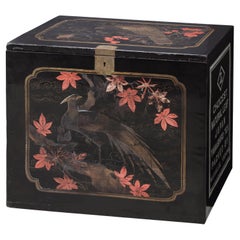
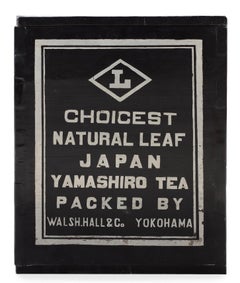
Japanese American Cypresswood or Hirohi ‘Walsh, Hall & Co, Yokohama’ Tea Chest
Located in Amsterdam, NL
A Japanese Cypresswood or hirohi ‘Walsh, Hall & Co, Yokohama’ tea chest Yokohama, 1862-1897
Wood
$1,440Sale Price|20% Off
H 45 in W 11 in D 26.5 in
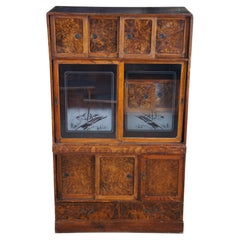
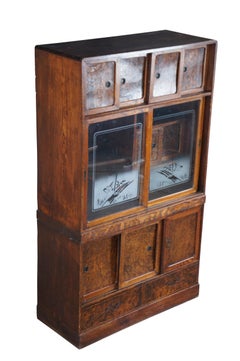
Late Meiji Japanese Cha Tansu Tea Chest Display Cabinet Cupboard 45"
Located in Dayton, OH
An antique Meiji era Cha Tansu Tea Cabinet. Features a burled frame. Features a central display
Hardwood, Burl
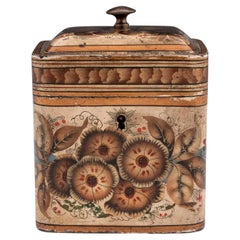
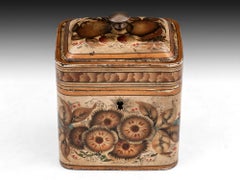
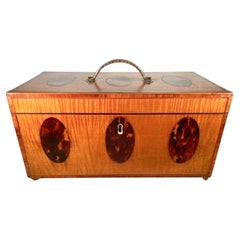
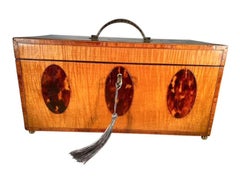
Tinwear Tea Caddy Possibly American
Located in Northampton, GB
working lock and tasselled key. Featured in The Story of British Tea Chests and Caddies, Social History
Tin
$5,850
H 5.75 in W 11.25 in D 5.5 in
Exceptional Georgian Crossbanded Satinwood Tea Caddy w/ Oval Inlaid Shell Panels
Located in Chapel Hill, NC
A fine tea chest or tea caddy in satinwood with crossbanded edges on the lid and all four sides
Satinwood
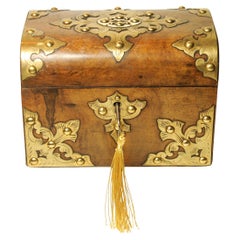
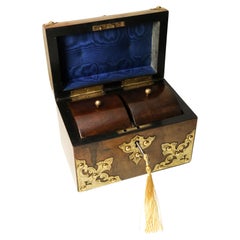
$1,746Sale Price|30% Off
H 5.12 in W 7.01 in D 4.45 in
Victorian Decorative Brass Bound Burr Walnut Domed Tea Caddy Chest With Key
Located in Reading, Berkshire
An Exquisite 19th Century Victorian Decorative Brass Bound Burr Walnut Domed Tea Caddy Chest
Brass
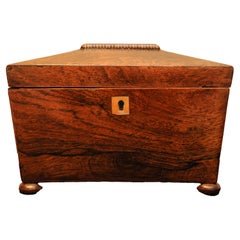
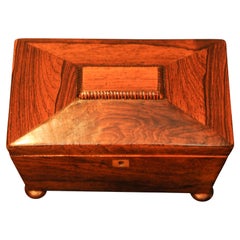
$1,621Sale Price|35% Off
H 5.12 in W 7.88 in D 4.73 in
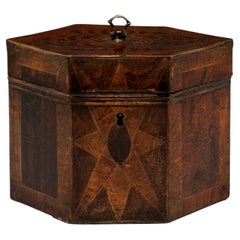
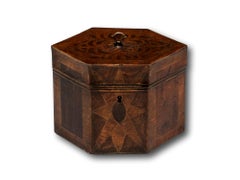
Antique Regency Rosewood Sarcophagus Tea Caddy With Separate Tea Compartments
Located in Reading, Berkshire
receptacles for green and black tea was abandoned, and the wooden tea chest or caddy, with a lid and a lock
Brass
Antique Tinware Tea Caddy
Located in Northampton, GB
. To keep it safe, people would store it in a lockable Tea Chest or Tea Box, which eventually became
Tin
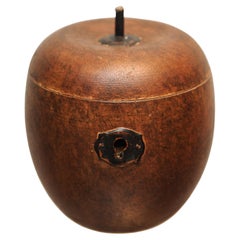
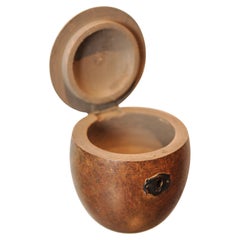
A Hand Painted Apple Shaped Tea Caddy
Located in Reading, Berkshire
receptacles for green and black tea was abandoned, and the wooden tea chest or caddy, with a lid and a lock
Wood
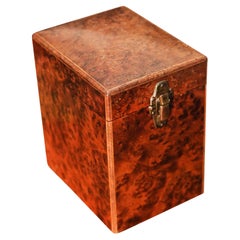
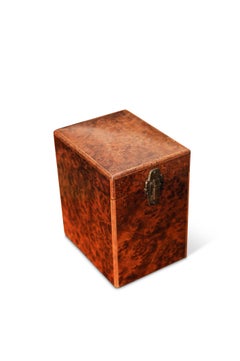
Handmade Victorian Burr Walnut & Inlay Tea Caddy With Brass Hinges
Located in Reading, Berkshire
was abandoned, and the wooden tea chest or caddy, with a lid and a lock, was made with two and often
Brass, Zinc
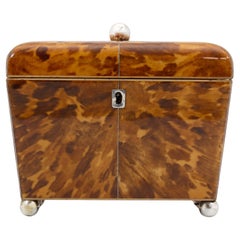
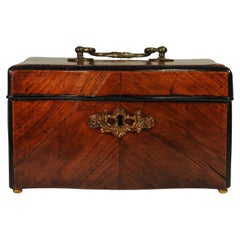
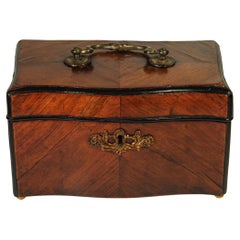
Antique English Georgian Blonde Tortoiseshell Tea Caddy
Located in Northampton, GB
Tortoiseshell Tea Caddy. The Tea Chest of tapered rectangular shape with silver stringing, a silver ball finial
Silver Plate
$971Sale Price|40% Off
H 4.73 in W 8.27 in D 4.73 in
Antique 19th Century English Victorian Walnut Veneer Parquetry Tea Caddy
Located in Reading, Berkshire
was abandoned, and the wooden tea chest or caddy, with a lid and a lock, was made with two and often
Brass
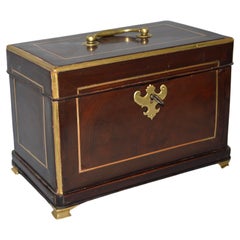
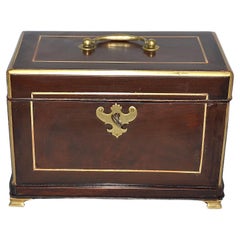
Abraham Röntgen's casket (1711–1793)
Located in Berlin, DE
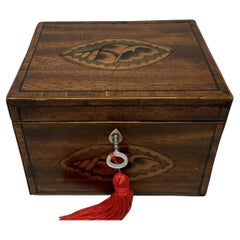
and tea chests of this type appear to have been a popular smaller item for the Roentgens, and they are
Rosewood
$570
H 4.5 in W 5.5 in D 4 in
Antique English Mahogany Wooden Georgian Regency Double Tea Caddy 18h Century
Located in Dublin, Ireland
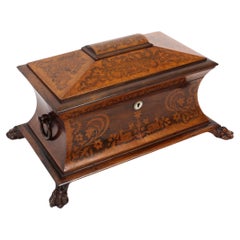
from the practice of merchants including a real scallop shell in tea chests for sampling, which
Mahogany, Satinwood
$2,090
H 9.45 in W 16.15 in D 9.45 in
Antique George IV Gonçalo Alves & Amboyna Marquetry Tea Caddy C1825 19th Century
Located in London, GB
. The larger varieties were known as tea chests. As tea grew cheaper there was less concern with the
Amboyna
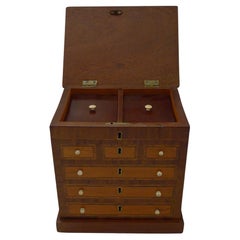
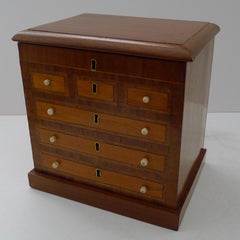
Rare English Mahogany Tea Caddy - Form of Chest of Drawers c.1880
Located in Bath, GB
A very handsome and rare large Victorian tea caddy created in the form of a chest of drawers. Made
Wood
$3,000 / set
H 22 in W 20.1 in D 20 in
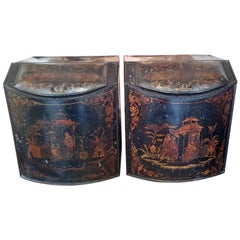
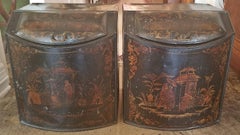
Pair of 19th Century American Henry Troemner Philadephia Pa Chinoiserie Tea Bins
By Henry Troemner
Located in Dallas, TX
, probably tin, each tea tin/chest has a different oriental scene painted on the front in gold paint. Both
Tin
$7,419
H 4.14 in W 3.59 in D 3.59 in
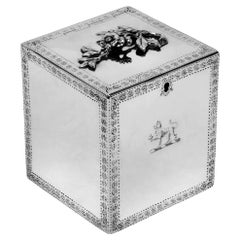
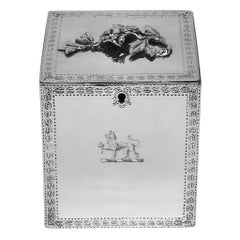
Antique Georgian Sterling Silver Tea Caddy Box London, England 1773
By John Carter
Located in London, GB
A beautiful Antique George III Sterling Silver Tea Caddy in the style of a Tea Chest. Each Panel of
Sterling Silver
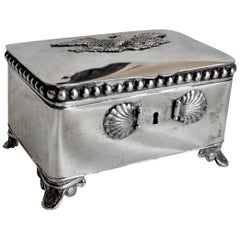
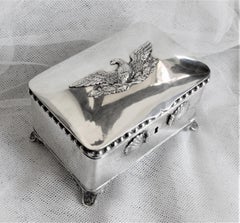
Antique German Biedermeier Footed Silver Sugar Chest or Box
Located in Hamilton, Ontario
This antique German sugar box is composed of .875 silver and dates to circa 1850 in the Biedermeier style. The box sits on ornately crafted feet and features clam shell relief decora...
Silver
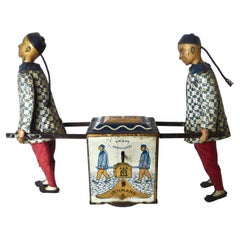
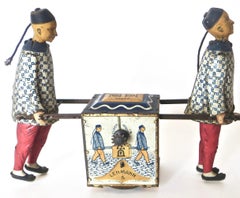
"Kadi" Pre-war Wind-Up Toy by Lehman Company. Germany Circa 1905
By E.P. Lehman Co.
Located in Incline Village, NV
turn of the century Chinese men with pigtails walking along, while carrying a large tea chest for
Tin
$2,500
H 5.5 in W 5 in D 3.5 in
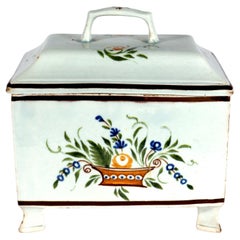
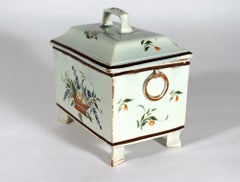
Unusual Swansea Prattware Pearlware Pottery Covered Botanical Tea Caddy Box
Located in Downingtown, PA
a tea caddy (or tea chest) to prevent servants from pilfering the costly leaves. A double caddy was
Pearlware, Pottery
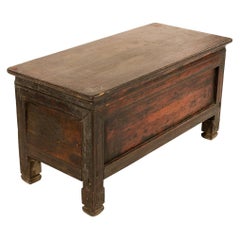
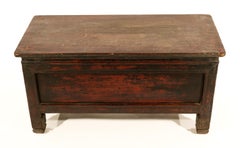
$1,540Sale Price|30% Off
H 15 in W 29 in D 13 in
Antique Tibetan Wooden Tea Table, Storage Box or Chest
Located in New York, NY
Totally handmade from beautiful hardwood with lots of patina, surface markings and cool vibe from over a century's use in Tibet. This piece is beautifully crafted with all dovetails ...
Wood
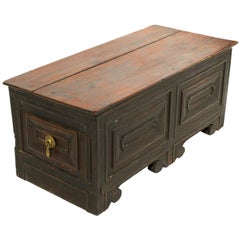
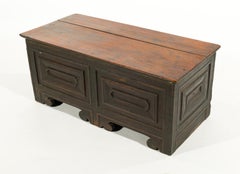
Antique Tibetan Wooden Tea Table or Chest or Storage Box
Located in New York, NY
Completely handmade Tibetan chest made from beautiful hardwood with lots of patina, surface
Wood
$960Sale Price|20% Off
H 20 in W 16 in D 0.25 in
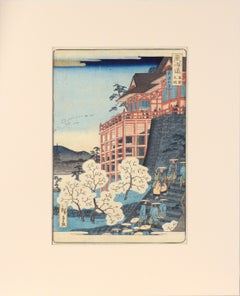
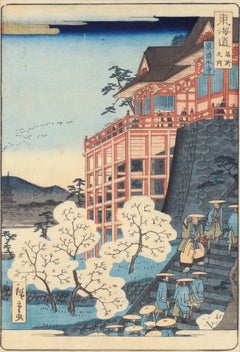
Kiyomizu Temple, Scenes of Famous Places along Tôkaidô Road - Woodblock on Paper
By Utagawa Hiroshige II
Located in Soquel, CA
. In his final years he turned mainly to decorating works intended for export, such as tea chests
Ink, Rice Paper, Woodcut
$3,995
H 17 in W 19.5 in D 17 in
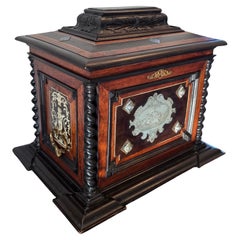
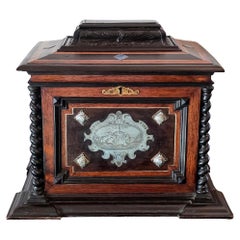
18th Century Baroque Period Italian German Guild Chest Cabinet Jewelry Casket
By Ferdinando Pogliani
Located in Forney, TX
altar tabernacle ballet box tea caddy marriage dowry apothecary chest of drawers architecture model
Lapis Lazuli, Metal, Brass, Bronze, Ormolu, Pewter
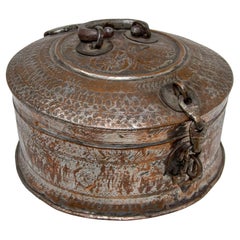
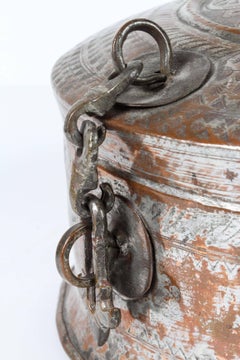
Antique South Asian Round Copper Bronze Box with Lid from India 19th C.
Located in Moreno Valley, CA
Chapatis or rotis made of wheat flour bread. Could be used as a tea caddy or treasure chest. Tinned copper
Metal, Copper
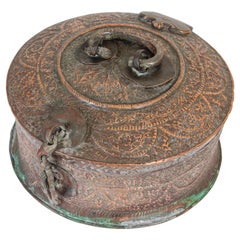
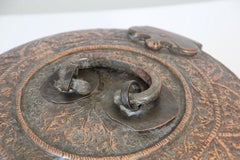
Antique South Asian Mughal Round Tinned Copper Box with Lid India 19th Century
By Rajhastani
Located in Moreno Valley, CA
bread. Could be used as a tea caddy or treasure chest. Tinned copper lidded box with brass handle
Metal, Copper
Unavailable
H 6 in W 12 in D 6 in
Georgian Satinwood Tea Chest with Glass Tea Caddy Bowl, 19th Century
Located in Northampton, United Kingdom
Satinwood tea chest with coconut wood mitred edging on all sides along with a framed amboyna inlay
Satinwood, Coconut, Amboyna
Chinese export tea chest with etched pewter insert
Located in Summerland, CA
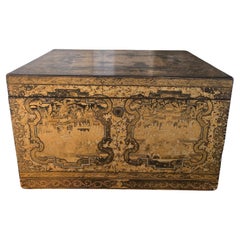
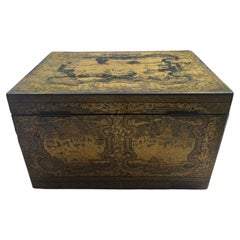
This is a rare early 19th-century (c.1820) Chinese antique large lacquered gilt tea chest
Lacquer
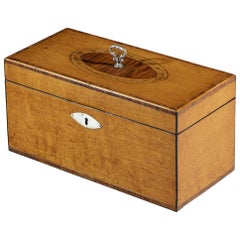
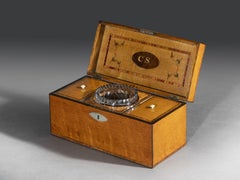
George III 18th Century Satinwood Inlaid Tea Chest
Located in Bradford on Avon, GB
caddy chest is fitted with a silver escutcheon above a satinwood crossbanding at the bottom of the tea
Unavailable
H 6.75 in W 12 in D 6 in
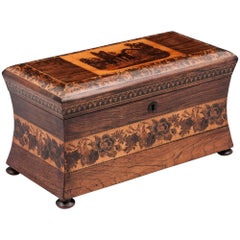
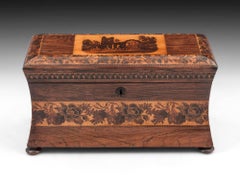
Antique Mahogany Tunbridge Ware Tea Chest Muckross Abbey 19th Century
Located in Northampton, United Kingdom
Tunbridge ware mahogany tea chest with a view of Muckross Abbey surrounded by floral borders and
Mahogany
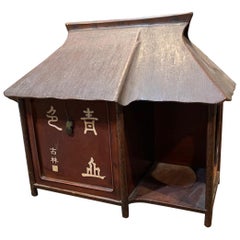
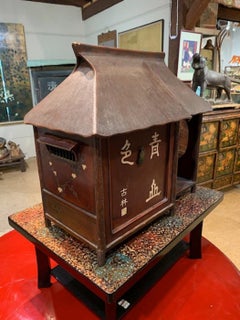
Taisho Period '1912-1926' Lacquered Minka Tea Chest
Located in Stockbridge, MA
This tea chest is lacquered and inlayed with shell decorations. In the shape of a Japanese Minka or
Wood, Lacquer
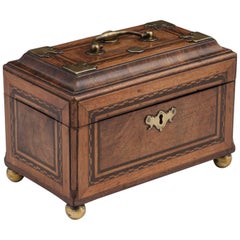
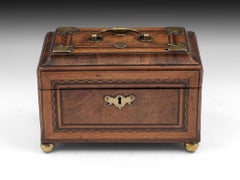
Antique Walnut and Brass Tea Chest Caddy 18th Century
Located in Northampton, United Kingdom
Antique tea caddy with brass handle, decorative edges, escutcheon and ball feet. Each side has
Brass
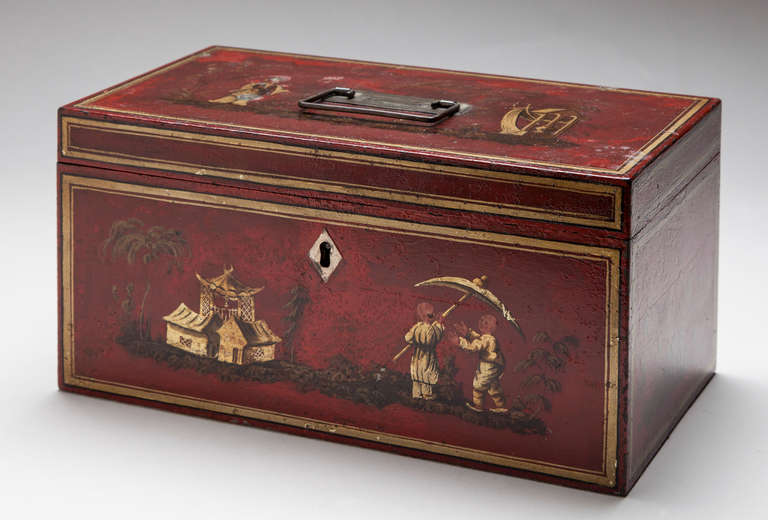
Red Japanned Metal Tea Chest Mid 19thc
Located in Houston, TX
Mid 19th century red tole tea caddy Chinoisserie decoration with a pair of canisters, glass bowl
Metal

18th Century Tea Caddy, Attributed to Landall & Gordon
Located in Richmond, London
complimenting brass-mounted tea chests. The present tea caddy belongs to a small group enriched with brass
Brass
18th Century George III Mahogany Tea Caddy
Located in Alexandria, VA
Fine English Chippendale bombe-form tea chest in beautifully figured mahogany veneer over deal, the
Mahogany
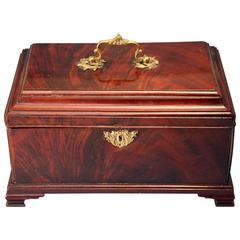

18th Century George III Tea Caddy in Mahogany
Located in Alexandria, VA
Large Georgian Tea Chest in nicely figured mahogany; rectangular with quarter column corners
Mahogany
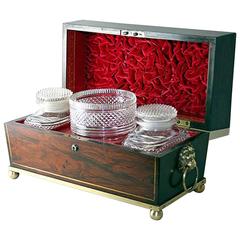
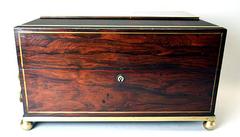
Regency Tea Caddy with Cut Crystal Caddies, English, circa 1810
Located in Alexandria, VA
Exceptional English Regency tea chest in rosewood with brass inlay, feet and carrying handles and
Crystal
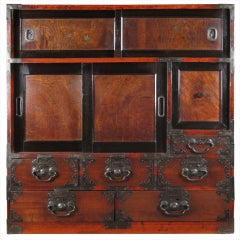
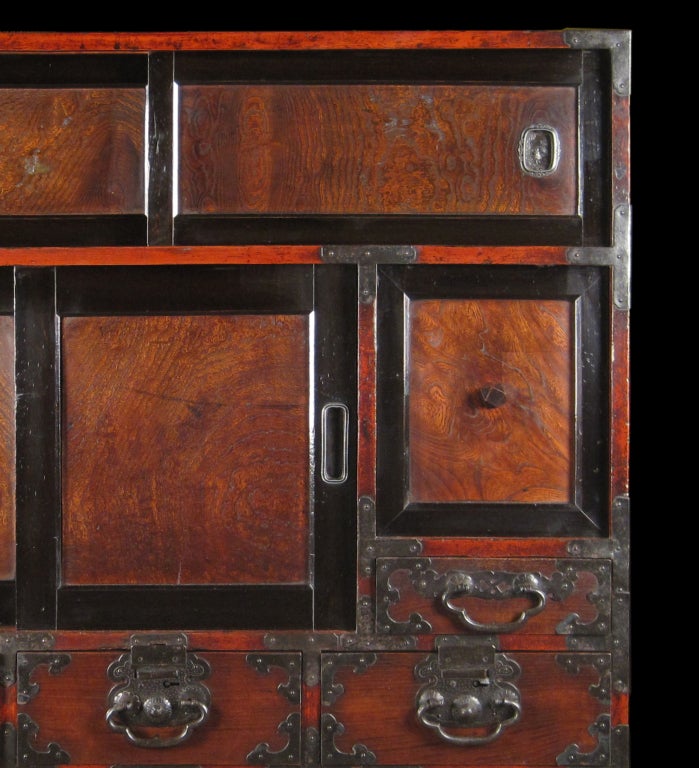
Chest from Matsumoto Japan.
By Matsumoto Fuko
Located in New York, NY
Merchant's or tea chest with hardware distinctive to Matsumoto Japan.
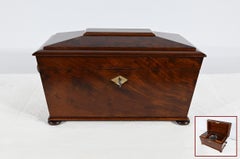
Rare English Mahogany Tea Caddy – Mid 19th Century
Located in HÉRIC, FR
An antique tea chest, a treasured possession in the early Victorian era. This locked mahogany box
Mahogany
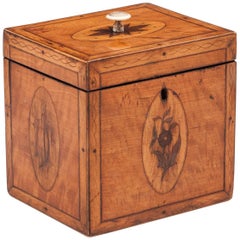
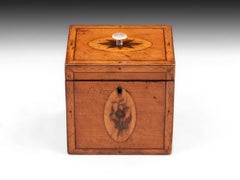
Georgian Antique Single Satinwood Tea Caddy, 18th Century
Located in Northampton, United Kingdom
commodity. To keep it safe, people would store it in a lockable Tea Chest or Tea Box, which eventually
Bone, Satinwood
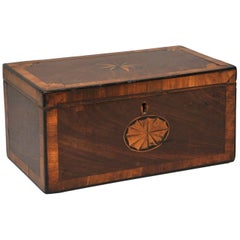
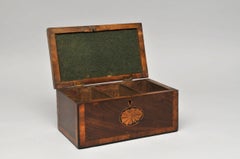
Unavailable
H 5.12 in W 10.63 in D 0.04 in
Mahogany 3 Portioned Satinwood Inlaid Tea Caddy, circa 1850
Located in Lincoln, GB
lockable tea chest or tea box, which eventually became known as a Tea Caddy. As tea was too expensive to
Mahogany, Satinwood
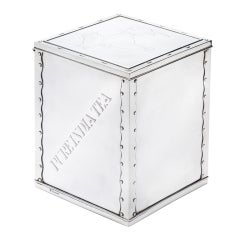
HAMILTON & CO Tea Caddy
Located in Greenwich, CT
A colonial silver tea caddy, designed as a replica model of a tea Chest, with the map of India
Sterling Silver
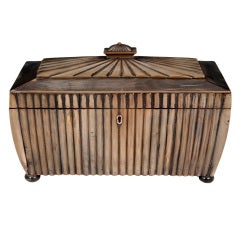
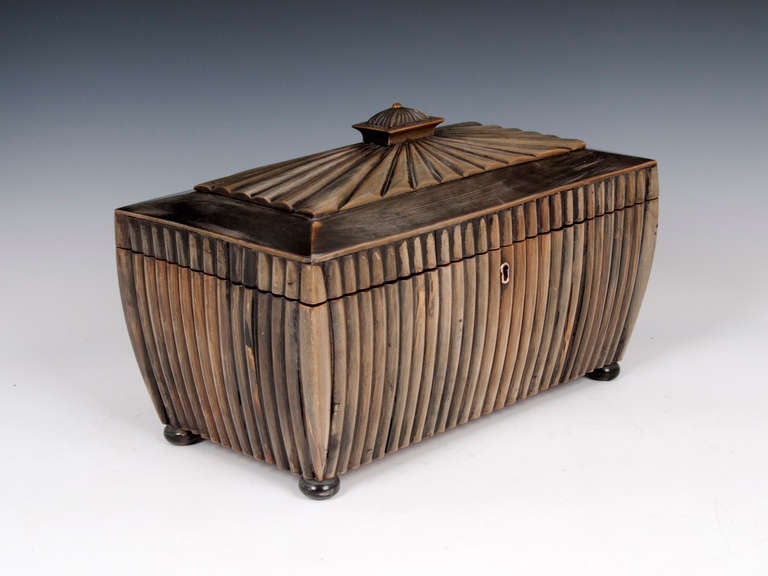
19th Century Anglo Indian Vizagapatam Horn Tea Caddy
Located in Northampton, United Kingdom
Bombe shaped Anglo Indian Buffalo Horn Tea Chest. Anglo Indian Vizagapatam Buffalo Horn Tea
Horn, Glass, Wood
Unavailable
H 29.5 in W 58 in D 26.5 in
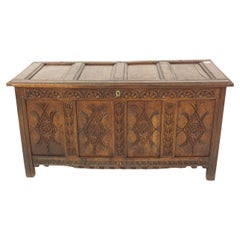
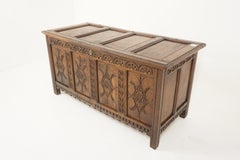
18th Carved Oak Panelled Coffer, Trunk, Chest, Freestanding, Scotland 1780, H666
Located in Vancouver, BC
18th carved oak panelled coffer, trunk, chest, freestanding, Scotland 1780, H666 Scotland 1780
Oak
Unavailable
H 46 in W 41.5 in D 21 in
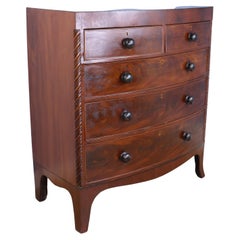
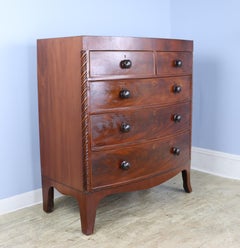
Regency Mahogany Bowfront Chest of Drawers, Tea Caddy Top, Original Feet
Located in Port Chester, NY
A handsome early bowfront chest of drawers with spiral carved corner columns. The glowing mahogany
Mahogany
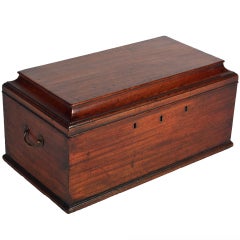
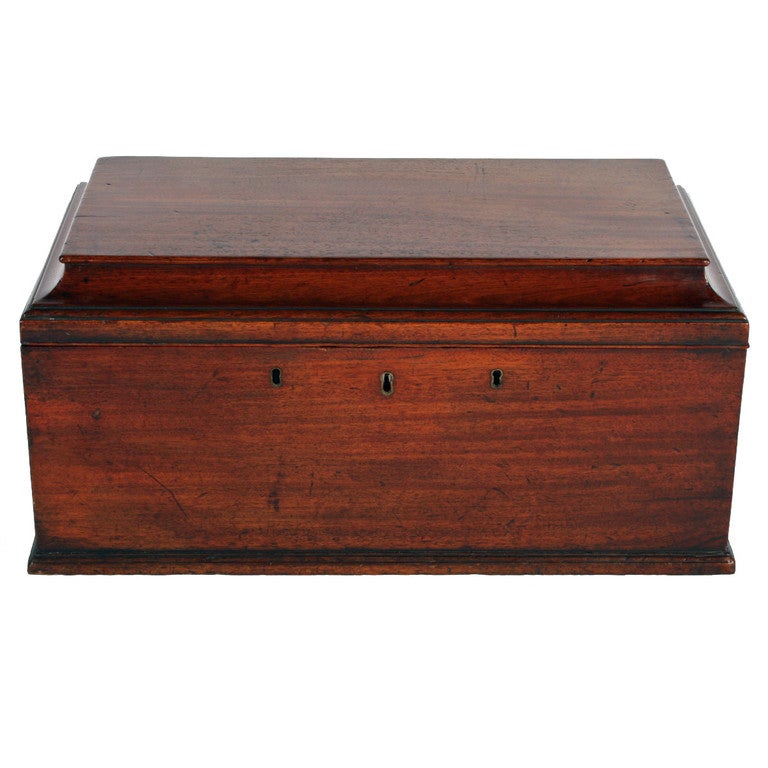
18th Century Chippendale Community Chest.
Located in Newcastle upon Tyne, GB
An 18th century Chippendale mahogany tea caddy shaped community chest. The chest has three locks
Mahogany
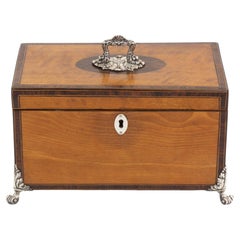
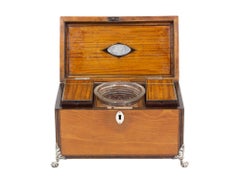
Georgian Silver Mounted Satinwood Tea Chest
Located in Northampton, GB
Georgian Tea Chest with Rosewood Cross Banding From our Tea Caddy collection, we are delighted to
Silver
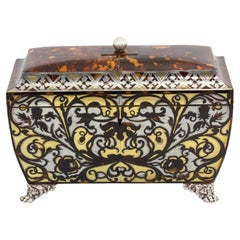
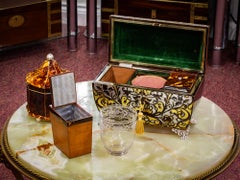
Antique Regency Boulle Tortoiseshell Tea Chest
Located in Northampton, GB
Tortoiseshell Tea Chest. The Tea Chest of sarcophagus shape with a gently tapering body and a domed lid with a
Brass, Pewter
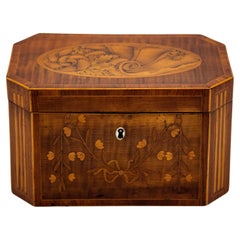
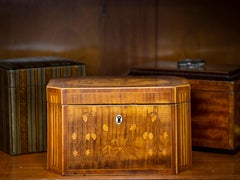
Antique George III Harewood Inlaid Tea Chest
Located in Northampton, GB
Tea Chest. The Tea Chest of rectangular form veneered in Harewood with inlaid Boxwood fluted cants
Boxwood, Harewood
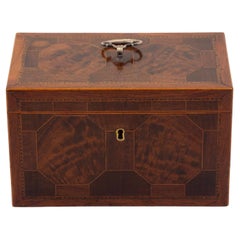
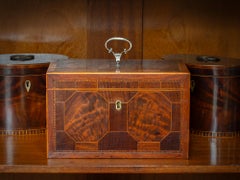
Antique Georgian Mahogany Antique Tea Chest
Located in Northampton, GB
inlaid Antique Mahogany Tea Chest. The Tea Chest of rectangular shape beautifully veneered in several
Wood, Boxwood, Satinwood
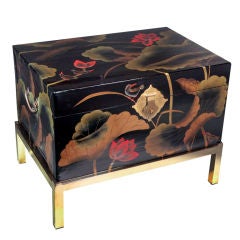
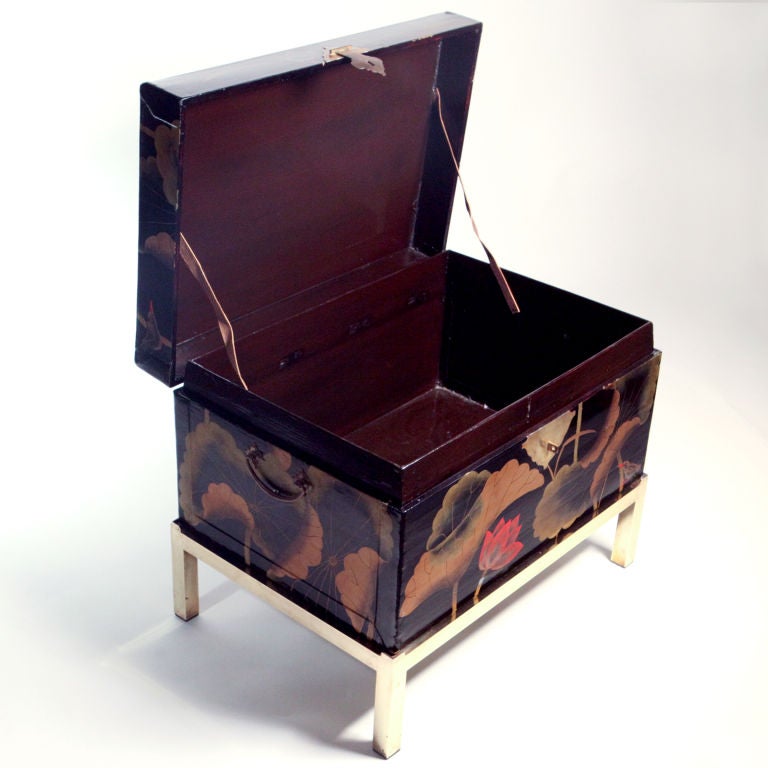
Chinese Tea Chest
Located in New York, NY
Black lacquer Chinese tea chest with red and gold lotus flowers detailed with birds. Brass handles
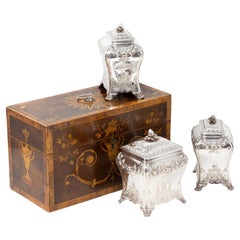
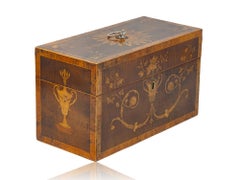
George II Harewood Inlaid Tea Chest Pierre Gillois
Located in Northampton, GB
Harewood Inlaid Tea Chest. The Tea Chest of rectangular form veneered in Harewood and edged Boxwood. Each
Silver
Sold
H 4.34 in W 3.55 in D 3.55 in
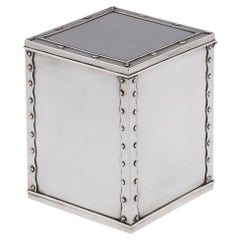
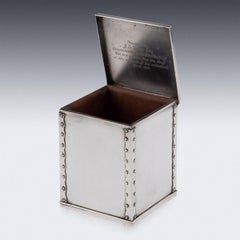
19th Century Indian Solid Silver Tea Chest Shaped Caddy, Hamilton & Co, c.1860
By Hamilton & Co., Calcutta
Located in Royal Tunbridge Wells, Kent
19th Century Indian colonial silver tea caddy shaped as a tea chest. Of square form, imitating a
Silver
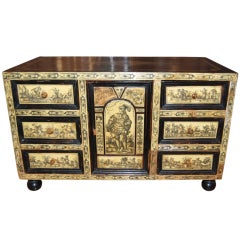

19thc. Ebony and Ivory Tea Chest
Located in New Orleans, LA
Beautifully decorated Tea Chest
Ebony, Ivory
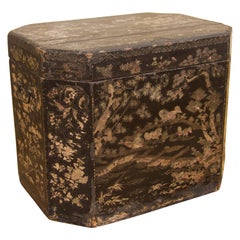
18th Century Chinese Export Mother Of Pearl Tea Chest
Located in Basingstoke, Hampshire
An 18th century Chinese Export Lac de Bergaute tea chest, of octagonal shaped form with hinged lid
Mother-of-Pearl

Sold
H 3.6 in W 3.6 in D 3.6 in
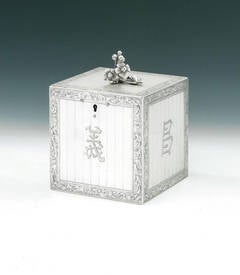
A rare George III Tea Caddy modelled as a Tea Chest. Made by Augustin Le Sage.
Located in London, GB
The Tea Caddy, which is cube shaped in form, is modelled to simulate the chests in which tea was
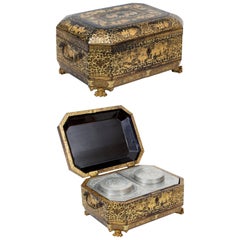
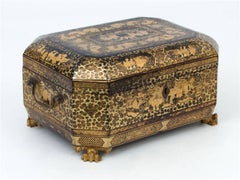
Chinese Export Lacquer Double Tea Caddy Chest, circa 1840
Located in Downingtown, PA
Chinese Export lacquer double tea caddy chest, circa 1840. A large rectangular-shaped footed
Lacquer
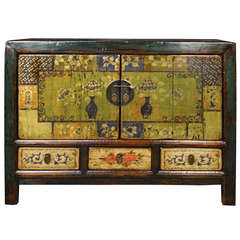
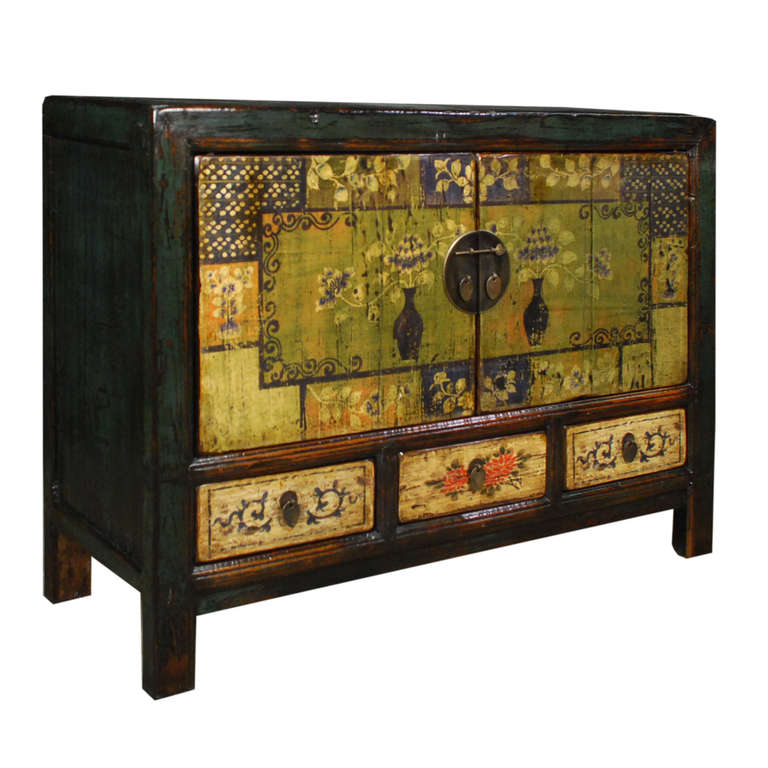
Early 20th Century Chinese Floral Painted Tea Chest
Located in Chicago, IL
A painted chest from Northern China. This pine chest has been painted with various floral motifs
Pine
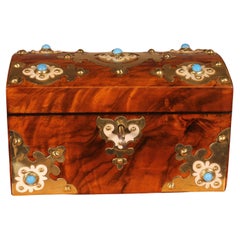

19th Century Walnut Tea Box / Box
Located in Brussels, Brussels
19th century walnut tea box or chest from England with its working key Lovely tea chest with two
Walnut
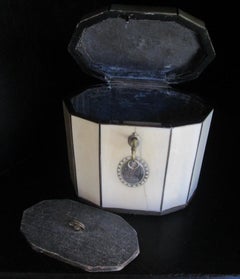
Sold
H 4.75 in W 4.5 in D 2.75 in
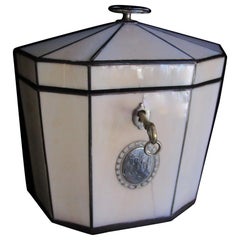
Georgian Decagonal Ivory, Tortoiseshell & Silver Tea Caddy w/ Tented Top 18thc
Located in Savannah, GA
: The Story of British Tea Chests and Caddies by Anne Stevens."
Sterling Silver
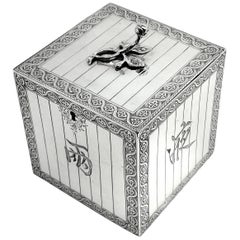
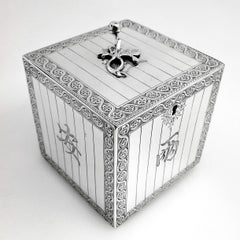
Sold
H 4.26 in W 3.67 in L 4.26 in
Antique George III Sterling Silver Tea Caddy 1771 Georgian Chinese Design
By Aaron Lestourgeon
Located in London, GB
style of a traditional Chinese tea chest. Each of the exterior surfaces features an engraved silver
Sterling Silver
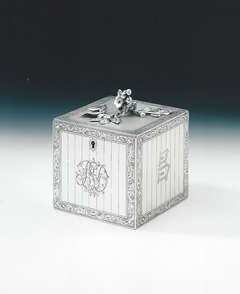
Sold
H 3.6 in W 3.9 in D 3.9 in
An important George III Tea Caddy modelled as a Tea Chest made in London in 1769 by Parker & Wakelin.
Located in London, GB
The Tea Caddy, which is cube shaped in form, is modelled to simulate the chests in which tea was
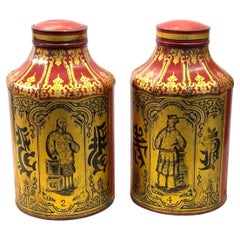
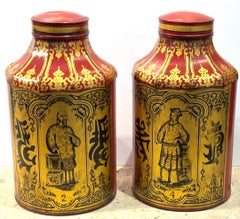
Pair of English Regency Red Tôle & Gilt Chinoiserie Tea Caddies, Nos. 2 & 4
Located in West Palm Beach, FL
beside stacked tea chests—an explicit visual reference to the tea trade—framed by ornate scrolling
Metal
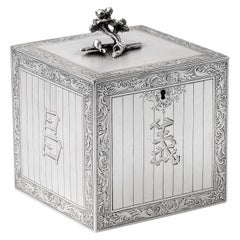
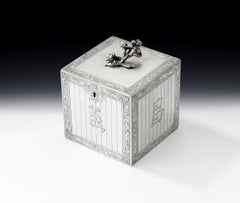
Rare George III Tea Caddy Made in London in 1767 by Augustin Le Sage
By Augustin Le Sage
Located in London, GB
An important & extremely rare George III tea caddy modelled as a tea chest. Made in London in 1767
Sterling Silver
Sold
H 6.7 in W 8.67 in D 4.73 in
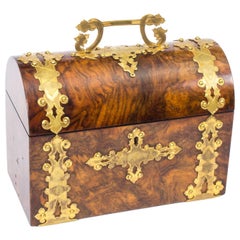
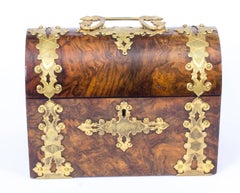
19th Century Victorian Walnut Domed Topped Cut Brass Mounted Tea Caddy
Located in London, GB
rosewood were popular. The larger varieties were known as tea chests. As tea grew cheaper there was less
Brass

Sold
H 8.27 in W 13.98 in D 7.68 in
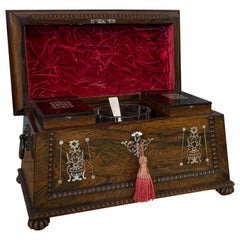
Ornate Antique Tea Caddy, English, Rosewood, Sarcophagus, Chest, Regency
Located in Hele, Devon, GB
This is an ornate antique tea caddy. An English, rosewood sarcophagus chest with mother of pearl
Rosewood


Sold
H 7.88 in W 13.78 in D 7.68 in
Antique Tea Caddy, English, Rosewood, Chest, Thomas of London, Regency
Located in Hele, Devon, GB
This is an antique tea caddy. An English, rosewood chest with mother of pearl inlay by Thomas of
Rosewood
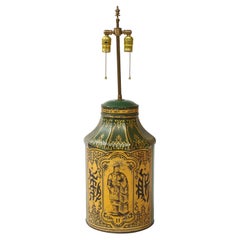
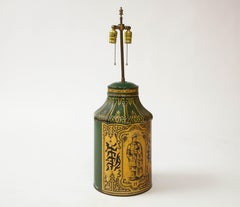
Chinese Export Green Painted and Gilt Tôle Tea Canister Lamp
Located in New York, NY
Mandarin figure leaning against tea chests set above the number 11, flanked by pseudo-Chinese characters
Metal, Brass
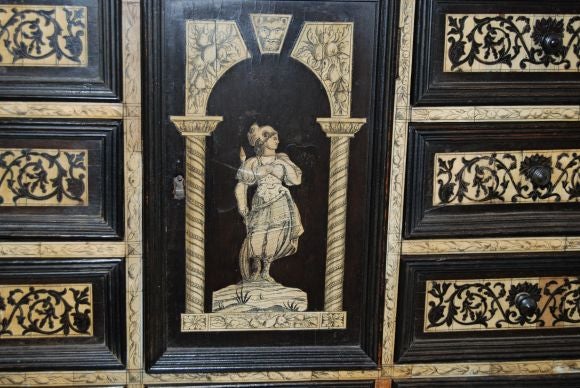
17th c. Ebony and Ivory Tea Cabinet
Located in New Orleans, LA
Beautifully designed tea cabinet with ivory inlay
Ebony, Ivory
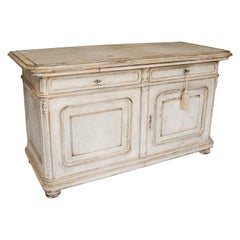

19th C Italian Enfilade with Tea Tray
Located in Houston, TX
Beautiful 19th century Italian commode with pull out tea tray. Great for entertaining or everyday
Wood
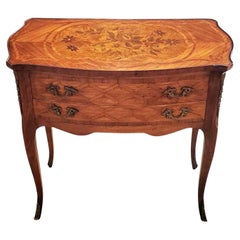

Antique French Louis XV Style Chest of Drawers
Located in Forney, TX
An exquisite French chest of three drawers side table from the early 20th century. The uniquely
Wood
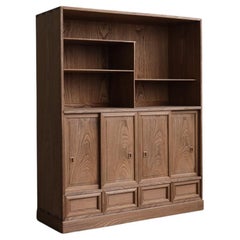

Japanese Antique Cabinets, Tansu Storage, Wabi Sabi, Japandi
Located in Katori-Shi, 12
used as a tea chest placed in a tea room. This furniture was produced using traditional Japanese
Wood
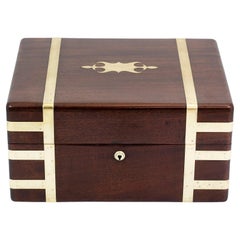

Georgian Scottish Mahogany Jewellery Box
Located in Northampton, GB
Scotland. During their time in business they also manufactured Tea Chests, fire screens and drawing
Brass
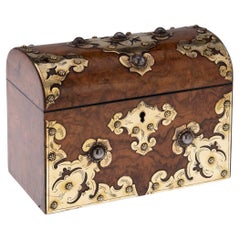

Sold
H 5.71 in W 7.88 in D 4.34 in
19th Century Victorian Brass & Burr Walnut Double Tea Caddy Chest, c.1860
Located in Royal Tunbridge Wells, Kent
A superb antique Victorian burr tea caddy with elaborate decorative pierced cut brass mounts, circa
Brass
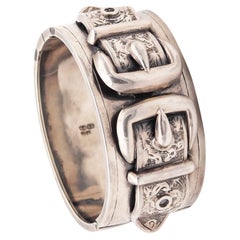
SAUNDERS & SHEPERD 1883 Birmingham Victorian Buckles Bangle In .925 Sterling
Located in Miami, FL
henceforth known as Saunders and Shepherd Ltd. The firm had offices in India, Canada and Australia and tea
Sterling Silver, Silver
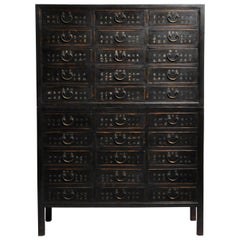

Chinese Medicine Chest with Drawers
Located in Chicago, IL
Chinese doctors used chests like this to store medicinal herbs, extracts, and powdered minerals
Brass
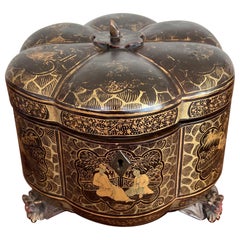
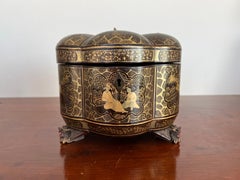
19th Century, Chinese Export Gilt Black Lacquer Melon Form Tea Caddy Box
Located in Atlanta, GA
Chinese, 19th century. Chinese lacquer and gilt decorated melon form tea caddy chest or box. The
Giltwood, Lacquer
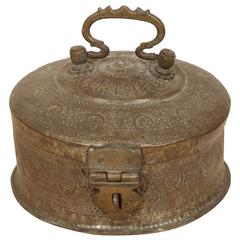
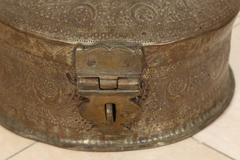
Large Decorative Round Bronze Box with Lid
Located in Moreno Valley, CA
Delicately and intricately hand-hammered with floral and geometric designs. Probably used as a tea caddy or
Brass, Copper, Tin
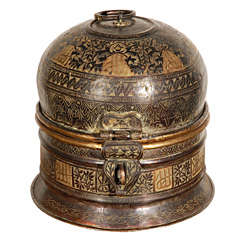
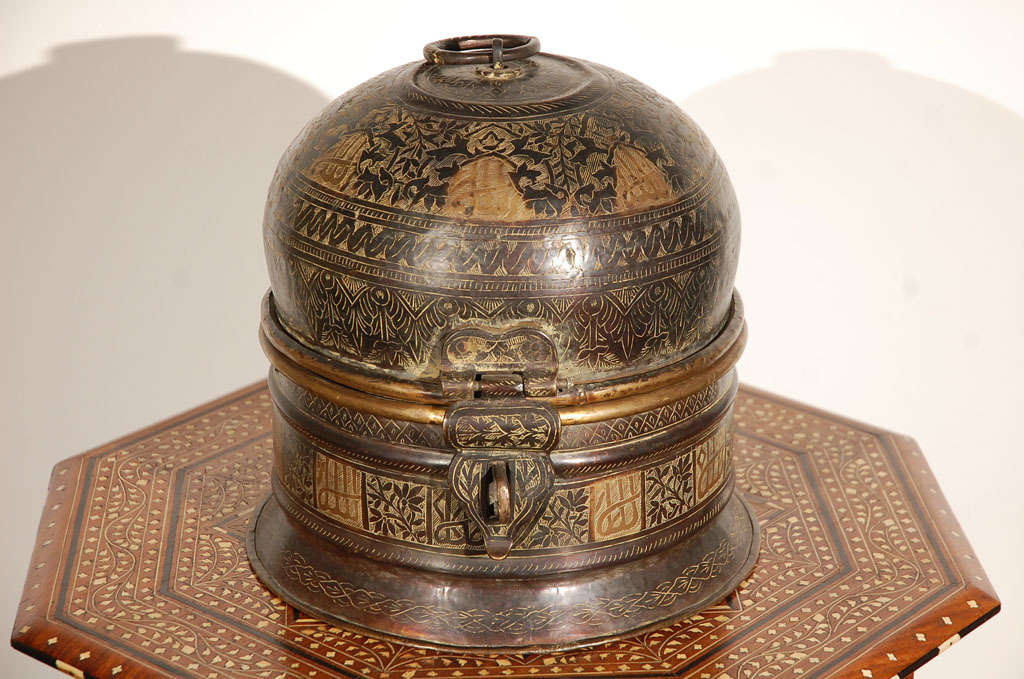
Decorative round Turkish Bronze Box with Lid
Located in Moreno Valley, CA
/> Probably used as a tea caddy or Ottoman treasure chest. Mosaik provides Antiques
Brass
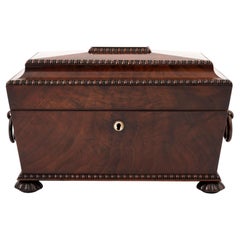

19th Century Antique Mahogany Tea Chest
Located in Northampton, GB
Antique Sarcophagus-shaped tea chest with the original sugar bowl, veneered in stunning flame
Mahogany
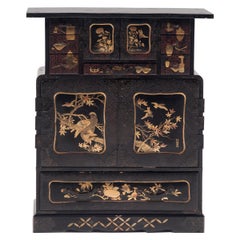
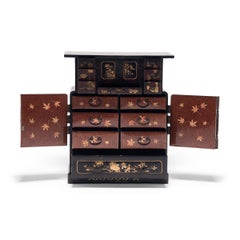
Fine Japanese Gilt Black Lacquer Tea Chest, c. 1850
Located in Chicago, IL
With intricate construction and exquisite decoration, this fine tabletop tea chest is a true
Wood
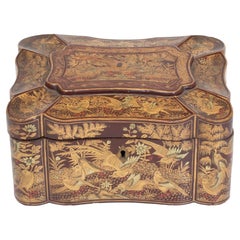
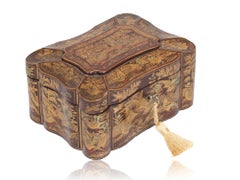
Chinese Export Antique Lacquer Tea Caddy
Located in Northampton, GB
escutcheon. When opened the Tea Chest reveals a pitch black lacquer interior with gilt decoration to the face
Lacquer
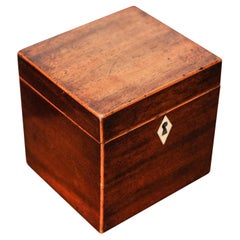
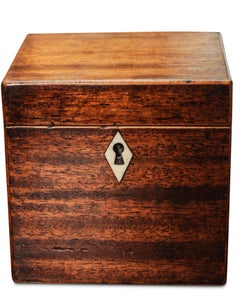
A Handmade Victorian Fruitwood & Inlay Tea Caddy
Located in Reading, Berkshire
was abandoned, and the wooden tea chest or caddy, with a lid and a lock, was made with two and often
Zinc
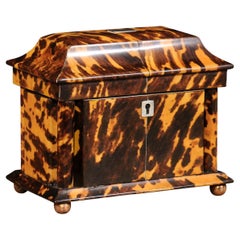
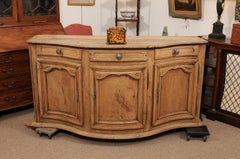
English Tortoiseshell Pagoda Form Tea Caddy, Early 19th Century
Located in Atlanta, GA
English Tortoiseshell Pagoda Form Tea Caddy, Early 19th Century
Tortoise Shell
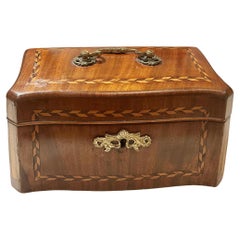
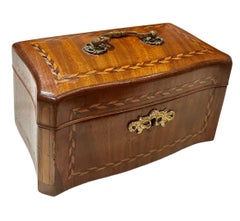
19th Century Regency Trinket Box
Located in Tampa, FL
19th century English regency trinket box or jewelry box. The interior tray is covered in original pink velvet, the velvet is in great condition. Has no key.
Velvet, Wood
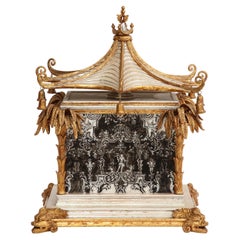
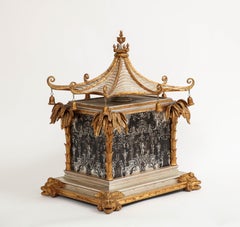
$9,850
H 20 in W 16 in D 12 in
A 1930's French Gilt Lacquered Wood Pagoda Form Chinoiserie Platinum Painted Box
By Maison Jansen
Located in New York, NY
A 1930's French Gilt Lacquered Wood Pagoda Form Chinoiserie Platinum Painted Box, Attributed to Jansen. At first glance, the box's visual allure is simply breathtaking. Adorned with ...
Wood
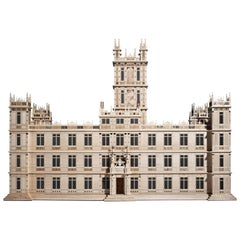
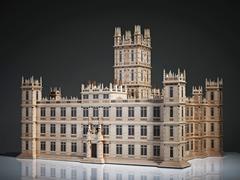
Highclere Castle Jewellery Box
By LINLEY London
Located in London, GB
Over the years, British design company Linley has developed expertise in creating scaled versions of famous architectural buildings including the Metropolitan Museum of Art, the R...
Maple
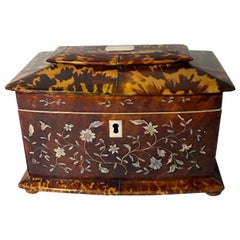
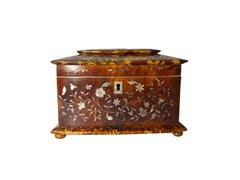
English Tortoiseshell Tea Caddy
Located in Dallas, TX
A lovely bow front tortoiseshell tea caddy inlaid with mother of pearl flowers and topped with a silver badge. English, circa 1870.
Silver
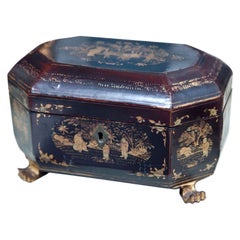
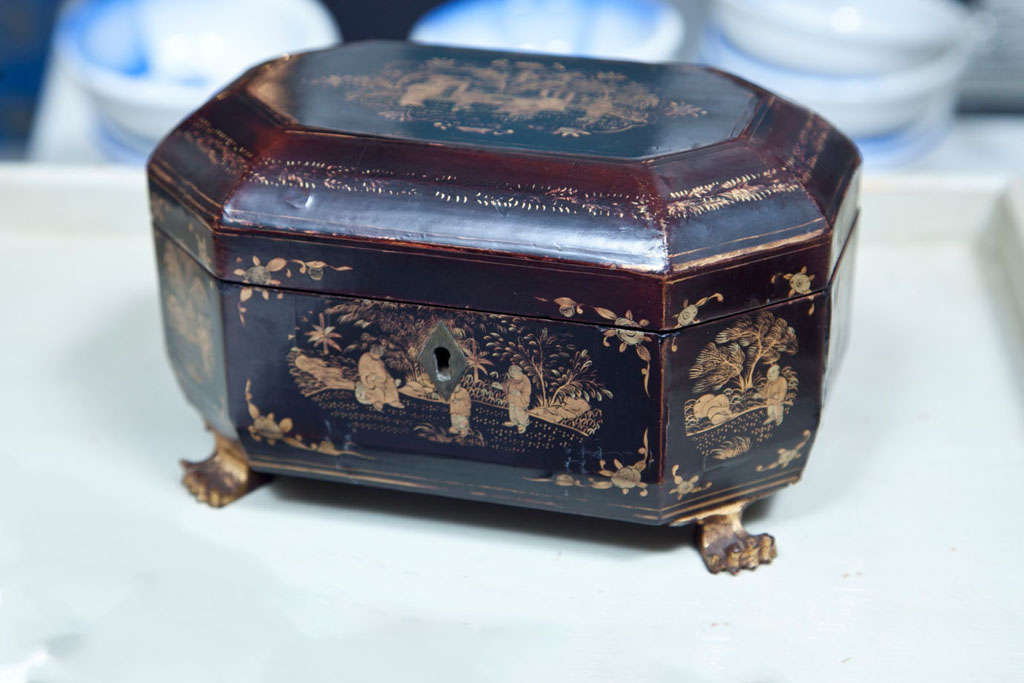
19th Century Chinese Export Lacquer Tea Caddy
Located in Mt Kisco, NY
The burgundy / brown lacquer is decorated with gold depicting figures and buildings in a landscape. The caddy stands on four carved wooden feet in the shape of claws. The interior co...
Paper
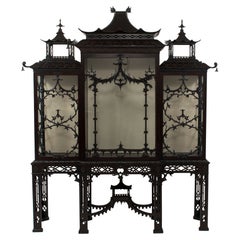
$187,500
H 102 in W 84.5 in D 22.5 in
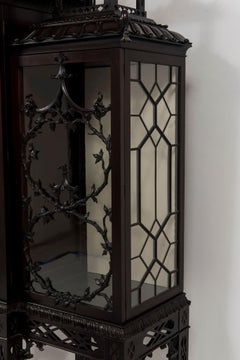
Exceptional 19th Century English Chinoiserie Pagoda Display Cabinet
Located in Houston, TX
Large-scale 19th century English display cabinet executed in the Chinoiserie tradition. Constructed in carved mahogany and conceived as a tripartite architectural façade, each glazed...
Glass, Mahogany
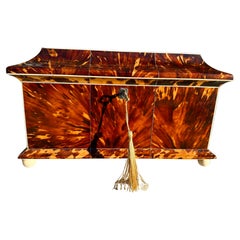
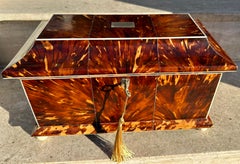
Beautiful Tortoiseshell Tea Caddy
Located in GB
A fine Regency period rectangular tea caddy, veneered in panels divided by fine metal stringing. Silver metal escutcheon and key. Complete with an initialled plaque on the lid and ro...
Ivory, Tortoise Shell
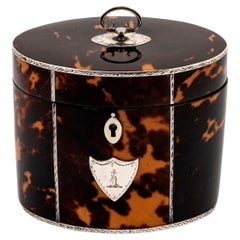
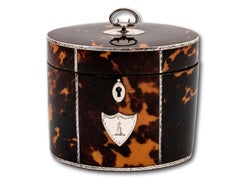
Georgian Tortoiseshell Tea Caddy
Located in Northampton, GB
Oval Tea Caddy with Silver Mounts From our Tea Caddy collection, we are delighted to offer this Georgian Silver and Tortoiseshell Tea Caddy. The Tea Caddy is of oval shape with a To...
Silver
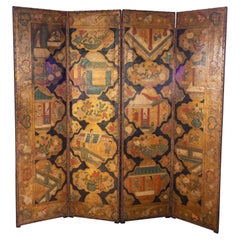
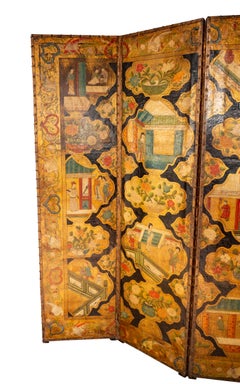
Dutch Four Panel Chinoiserie Decorated Leather Screen
Located in Essex, MA
With four well painted chinoiserie panels of household scenes. Beautiful colors. In the 17th and 18th century this form of leather was used to line walls like wallpaper.
Leather
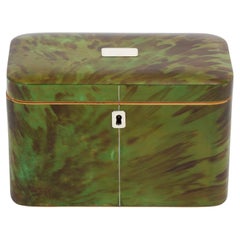
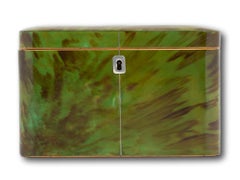
Antique George III Green Tortoiseshell Tea Caddy
Located in Northampton, GB
Georgian Period Circa 1790 From our Tea Caddy collection, we are delighted to offer this Georgian Green Tortoiseshell Tea Caddy. The Tea Caddy is finished in vibrant green Tortoises...
Silver
$270,600
H 6.3 in W 9.69 in D 6.34 in
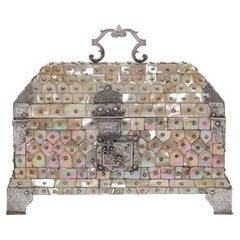
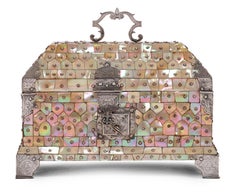
16th-Century Indo-Portuguese Colonial Mother-of-pearl Gujarat Casket
Located in Amsterdam, NL
An exceptional Indo-Portuguese colonial mother-of-pearl veneered casket with silver mounts India, Gujarat, 2nd half of the 16th century, the silver mounts Goa or probably Lisbon ...
Silver
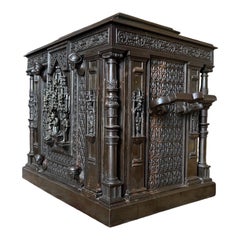
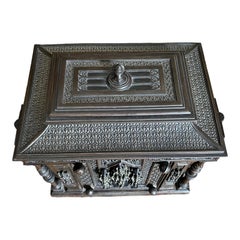
$6,767Sale Price|20% Off
H 13.39 in W 13.78 in D 9.85 in
Bronze Jewelry Chest In Neo-gothic Style From The Napoleon III Period
Located in NICE, FR
We present you with a large jewellry chest crafted in bronze with medal patina in the neo-gothic style and hailing from the Napoleon II period. It boasts practical dimensions (34cm ...
Metal, Bronze
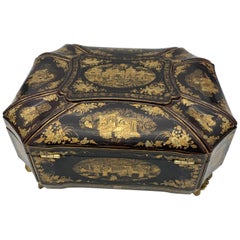
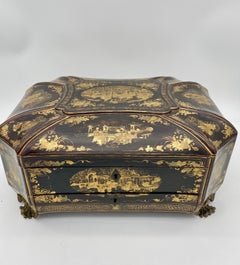
19th Century Chinese Lacquer Sewing Box
Located in Brea, CA
19th century Chinese lacquer sewing box from the Qing Dynasty. Decorated all over beautifully with intricate designs and images of ancient Chinese people and structures.
Lacquer
$695
H 4.625 in W 7.5 in D 4.5 in
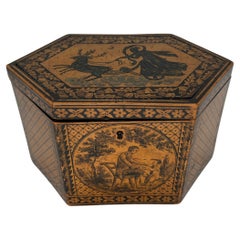
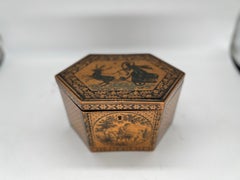
C. 1870 Antique English Tunbridge Ware & Penwork Regency Tea Caddy Box
Located in Atlanta, GA
English, circa 1870. A Regency Tunbridge Ware & Penwork Tea Caddy Box of Hexagonal form. Featuring a decorated Neo Classical taste top centering the goddess Ceres recumbent upon her...
Walnut
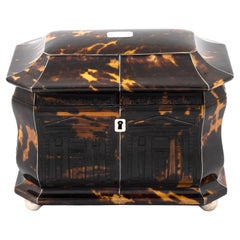
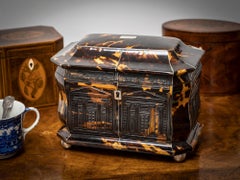
Rare Regency Architectural Pressed Tortoiseshell Tea Caddy
Located in Northampton, GB
Pressed Tortoiseshell Design From our Tea Caddy collection, we are delighted to offer this Regency Architectural Tortoiseshell Tea Caddy. The Tea Caddy of bombe form with flared bas...
Shell
The French sculptor shaped dense blocks into tactile forms meant to be used and held.
After synthetic dyes changed fashion, home goods and printed matter, it was only a matter of time till glass caught up.
The brilliantly simple design turns a modest bouquet into a major statement.
The Greek tragedian is said to have been handsome in his day.
Even for those who don’t indulge, elegant smoking accessories and audacious art portraying cigar enthusiasts hold a nostalgic allure.
It’s an excellent example of the sought-after ceramics coming out of South Africa’s KwaZulu-Natal province.
Thanks to its new leadership, the Spanish maker of figurines, busts and lighting is on a mission to update the art of porcelain for the 21st century.
The free-form stoneware piece is inspired by the magnolia tree and its associations with home.