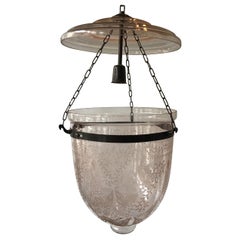
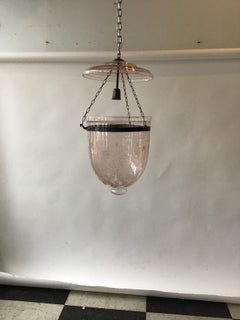
Pink Bell Jar Lantern
Located in Tarrytown, NY
Pink bell jar lantern. Hand blown. Made in India.
Category
2010s Lanterns
Materials
Blown Glass
Pink Bell Jar Lantern
Located in Tarrytown, NY
Pink bell jar lantern. Hand blown. Made in India.
Blown Glass
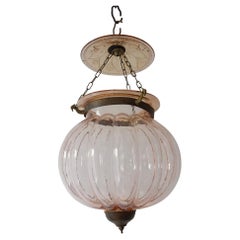
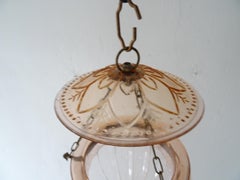
19th Century Peach Pink English Bell Jar Lantern Chandelier
Located in Firenze, Toscana
Rare peach pink color. Made for candles, but this will be wired using certified UL US socket for
Bronze
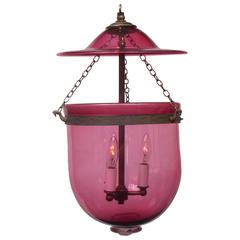
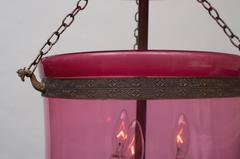
Cranberry Bell Jar Lantern
Located in Alexandria, VA
Beautiful color handblown glass - original brass band and smoke bell - blown glass pontil (finial
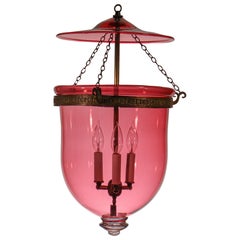
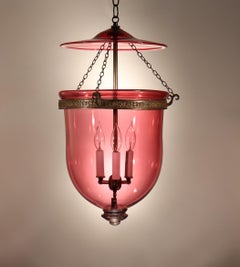
Antique Cranberry Glass Bell Jar Lantern
Located in Heath, MA
An exquisite cranberry glass bell jar lantern with its original embossed brass band, smoke bell/lid
Brass
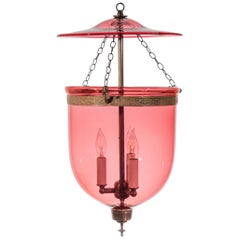

Antique Cranberry Glass Bell Jar Lantern
Located in Heath, MA
An exceptional cranberry-colored hand blown glass bell jar lantern from England. Adorned with its
Brass
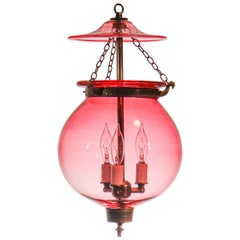

Antique Cranberry Globe Bell Jar Lantern
Located in Heath, MA
An exceptional lantern in our bell jar collection, this circa 1870 globe pendant has pleasing form
Brass
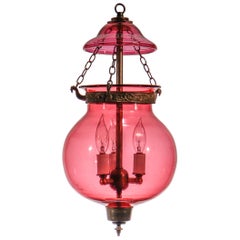

19th Century Belgian Cranberry Glass Globe Bell Jar Lantern
Located in Heath, MA
A charming and rare cranberry-colored hand blown glass globe bell jar lantern from Belgium, circa
Brass
Whether you’re in search of a functional fixture to help illuminate a room or just a minimalist ornamental touch, the choice of lighting is important. Selecting the perfect vintage, new or antique lanterns can transform an otherwise monotonous space in your home.
In the 1700s, lanterns became widely popular when accessibility broadened for whale oil, as fuel for lamps was one of its earliest uses. Lantern design evolved considerably during the mid- to late 19th century, when a powerful, adaptable fuel came into play: kerosene. Portable and immediately sought after, kerosene lamps were traditionally surrounded by a glass globe or tube that sat on a metal frame to protect the flame from spreading or extinguishing. (While reproductions abound, antique kerosene lanterns have since become collector's items.)
Later, in 1862, John H. Irwin created coil oil lamps, which were designed for coal oils as well as kerosene and lessened the risk of fire. They required plentiful oxygen to remain lit, and with refinements, the lamps could be used indoors. Lanterns increasingly came to be part of commercial spaces such as museums and theaters, and over time, lighting artisans worked to refine and perfect these innovative fixtures so that they weren’t only practical but also elegant, sophisticated additions to home decor.
Antiques inject a touch of classical chic into any space. With the right lantern, you could also deepen the impact of the collection of vases and vessels, sculptures or other decorative objects in a living room or dining room. It’s essential to find a balance between utility and aesthetics when choosing the perfect vintage–style lantern for your space, and the right lighting decisions can determine the underlying mood of a room as well as enhance the choices you’ve made for your home’s decor. While old-time charm is something to be cherished, there is lots to love in modern lanterns from today’s top furniture designers.
On 1stDibs, search by creator to find lanterns crafted by the likes of Woka Lamps, Barovier & Toso and Material Lust or browse the collection by style. From today’s standouts to mid-century modern classics to Art Deco–era innovations, find the best vintage, new or antique lantern for you now.
Working with resin, a tricky material, has created moments of failure — and enlightenment.
Commissioned for the lakeside villa of a Finnish industrialist, it illuminated visits with dignitaries.
Across New York, there’s no shortage of statement lighting on view.
The 1920s design is a thrilling combination of saturated colors, ancient motifs and modern aesthetics.
Designed by a giant of Swedish lighting, the large-scale fixtures bring major drama.
The alluring pendant light exemplifies the designer’s winsome mid-career work.
Before founding the Memphis Group, Sottsass bent the rules of lighting design with the wonderfully wavy Cometa.
Warm chalet style meets cool Bauhaus functionality in Pietro Cascella’s cleverly carved creation.