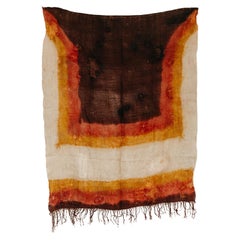
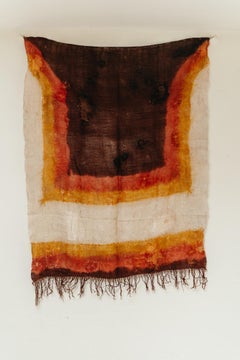
19th Century Berber Scarf
Located in Brecht, BE
A very rare find this mid 19th century unique berber scarf, sublime natural dye colors.
Category
Antique Mid-19th Century Moroccan Tribal Art
Materials
Wool
19th Century Berber Scarf
Located in Brecht, BE
A very rare find this mid 19th century unique berber scarf, sublime natural dye colors.
Wool
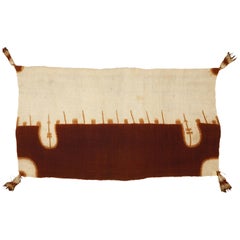
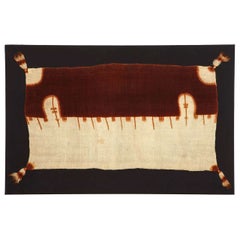
Antique Berber Henna-Dyed Woman's Ceremonial Head Scarf
Located in Milan, IT
Berber people of the Moroccan Anti Atlas region. The pattern is obtained with the resist-technique using
Wool
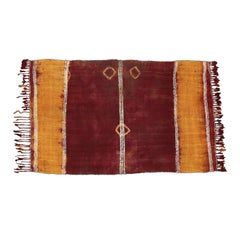
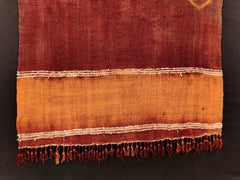
$3,773
H 21.26 in W 35.04 in D 0.79 in
Antique Moroccan Berber Henna-Dyed Woman's Ceremonial Head Scarf
Located in Milan, IT
among the Moroccan Berber people inhabiting the region of Fouim Zguid, located south of the central
Wool, Cotton
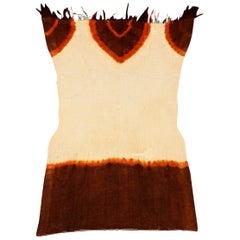
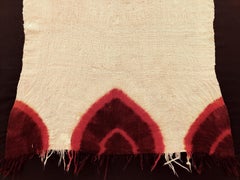
Antique Moroccan Berber Henna-Dyed Woman's Ceremonial Head Scarf
Located in Milan, IT
, used as a head cover in the wedding ceremony among the Ait Abdallah Berber people of the Moroccan Anti
Wool
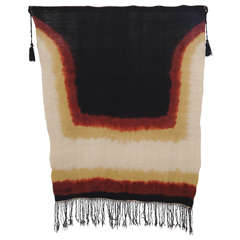
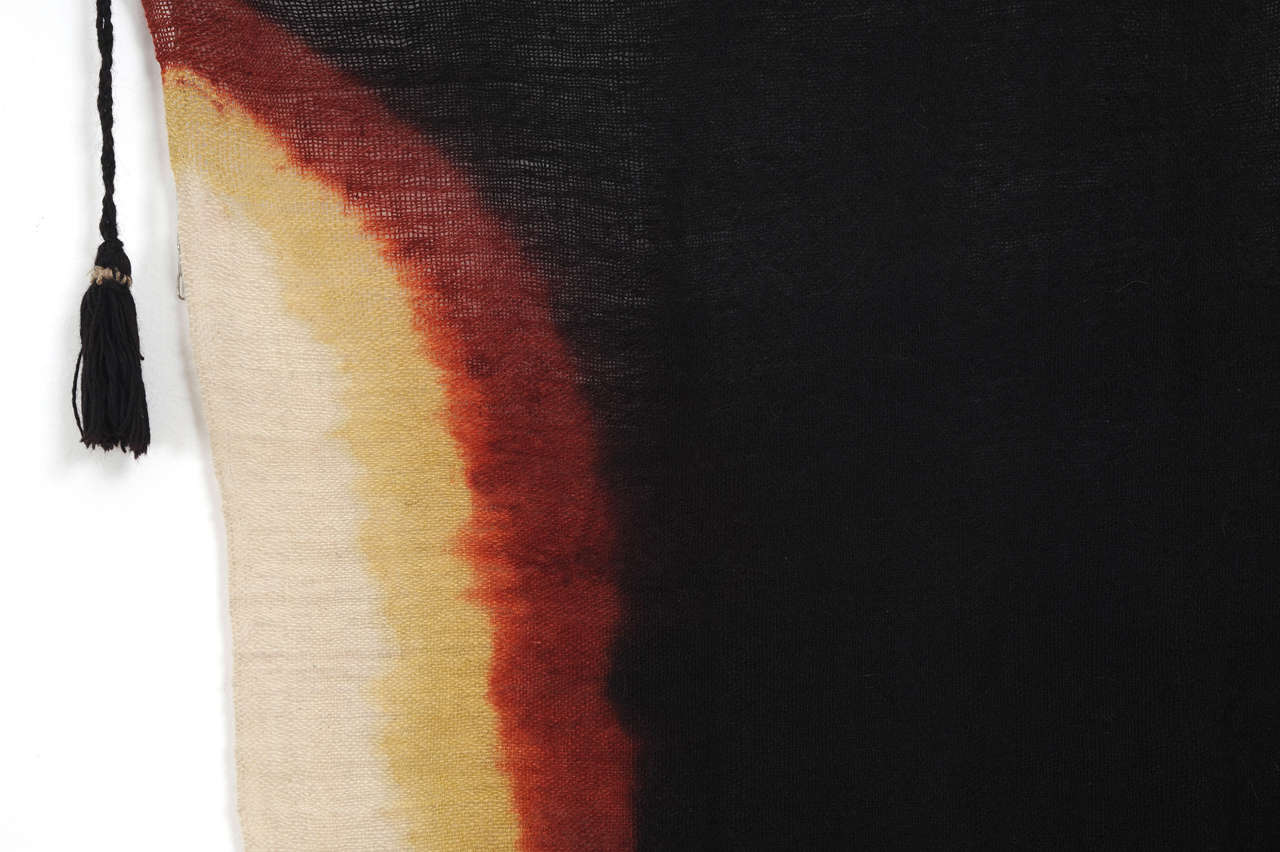
Berber Woman's Head Scarf
Located in Milan, IT
Finely woven in wool and dyed with henna pigments by means of the reserve technique, this rare textile is attributed to the IDA ou Zeddoute tribe located in the Moroccan Anti-Atlas. ...
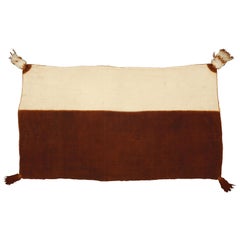
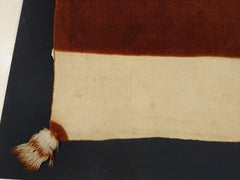
Antique Moroccan Berber Henna-Dyed Woman's Ceremonial Head Scarf
Located in Milan, IT
Berber people of the Moroccan Anti Atlas region. The pattern is obtained with the resist-technique using
Wool
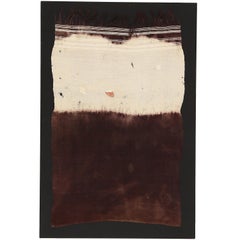
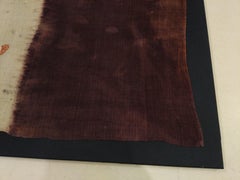
Antique Moroccan Berber Henna-Dyed Woman's Ceremonial Head Scarf
Located in Milan, IT
, used as a head cover in the wedding ceremony among the Ait Abdellah Berber people of the Moroccan Anti
Wool
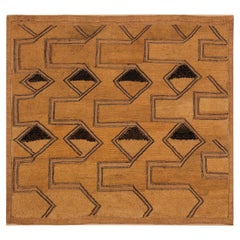
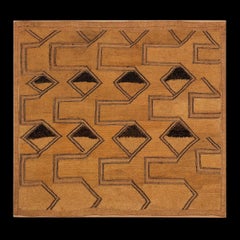
20th Century Prestige Cloth, Shoowa, Kuba Kingdom, D. R. Congo
Located in Point Richmond, CA
20th century Prestige cloth, Shoowa people, Kuba Kingdom, D. R. Congo A syncopated pattern of opposing forces lends this prestige cloth a sense of movement both horizontally and v...
Natural Fiber
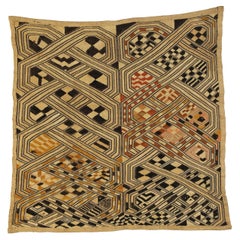
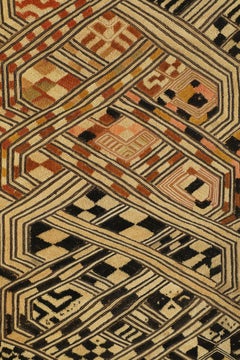
Kuba Shoowa Textile 20th Century
Located in Point Richmond, CA
Shoowa Prestige Cloth Kuba Shoowa peoples DR Congo, Kasai Region Raffia palm fiber, natural and chemical dyes, cut-pile and stem stitch embroidery 24.5 x 24.5 inches (62 x 62 cm) ...
Natural Fiber
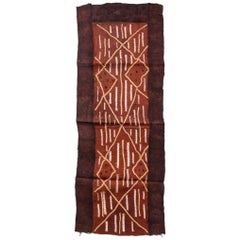
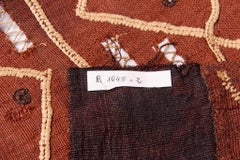
Vintage African Kuba Textile, Handmade Raffia Fabric, Circa 1940
Located in Alessandria, Piemonte
Vintage African Kuba textile, suitable for a modern wall panel, on a long table or to make pillows. an IDEA: use this item as backrest covering of a sofa or a bedspread. Handmade and...
Raffia
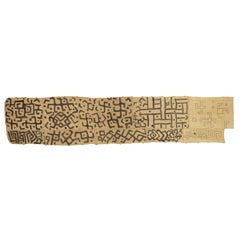
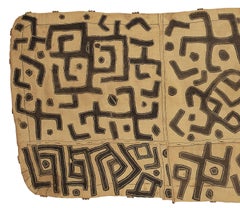
Kuba Woman's Ceremonial Skirt, D.R. Congo
Located in Point Richmond, CA
Noblewoman's Skirt. Kuba People, DR Congo. Raffia palm fiber, appliqué, embroidery. Measures: 146 x 31 inches (371 x 79 cm).
Raffia
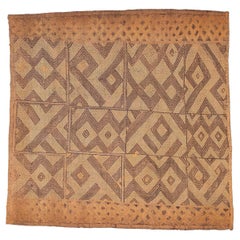
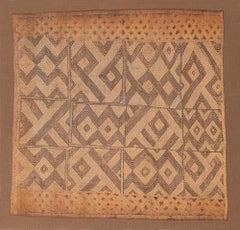
Tribal Textile, Kuba Shoowa 20th Century
Located in Point Richmond, CA
A late 19th or early 20th century Kuba Prestige cloth, mostly embroidered with cut pile borders.
Natural Fiber
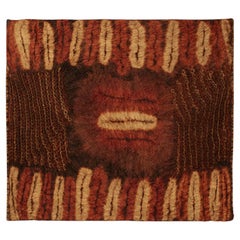
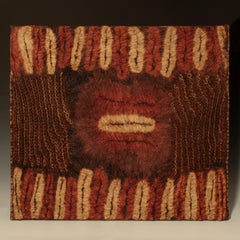
Early 20th Century Prestige Cloth, Dida People, Ivory Coast
Located in Point Richmond, CA
Early 20th century prestige cloth, Dida people, Ivory Coast Raffia, natural dyes An engaging example of resist-dyed prestige cloths, this raffia fragment is professionally mounted o...
Raffia
Folk art refers to a genre of art that shares the creator’s traditions, offering not just an artistic display but an opportunity to learn about a culture. Vintage, new and antique folk art typically reflects a heritage or location. It can include utilitarian objects and handmade art as diverse as weather vanes, portraiture and paintings, carnival art, quilts and duck decoys.
American folk art is frequently valued because of the traditional skills involved, like weaving, hand-carving wood and even stonework. Many folk artists are self-taught, while some train as apprentices within their community. By using available materials and taking a personal approach to their creations, artists ensure each piece is unique and conveys a story. Native American folk art includes functional objects reflecting their heritage, such as baskets, textiles and wooden pieces.
During the Great Depression, artistic materials in America were hard to come by, so artisans used discarded wood from cigar boxes and shipping crates to make highly stylized, notched pieces — most often picture frames and boxes — that are today sought after by collectors. This folk art style is called tramp art and was popular from roughly 1870 until the 1940s.
Folk art brings vibrant culture and traditions into your home. Browse an extensive collection of folk art on 1stDibs.