Located in Coeur d'Alene, ID
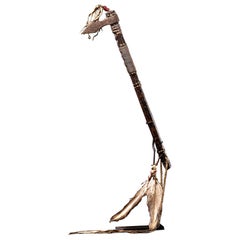
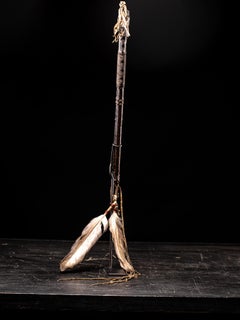
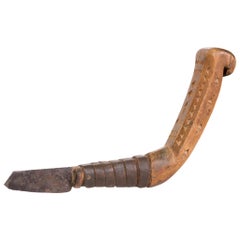
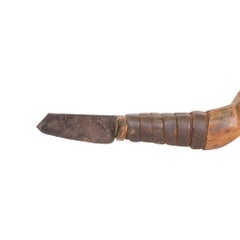
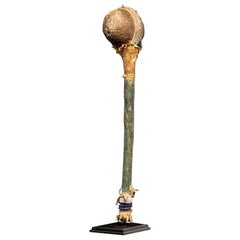
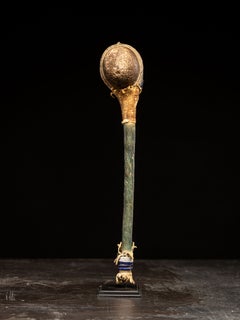
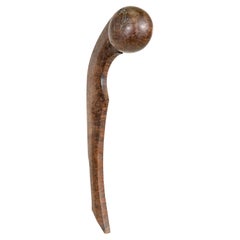
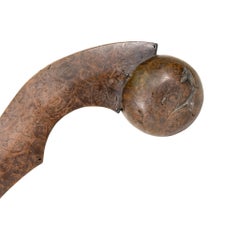
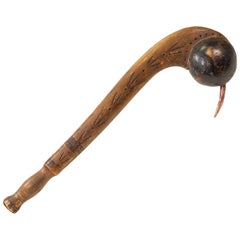
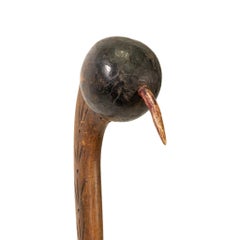
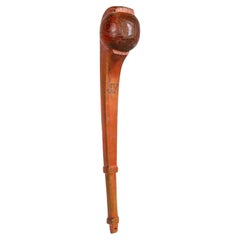
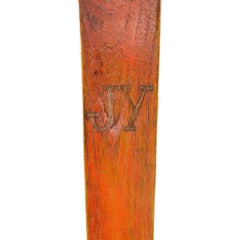
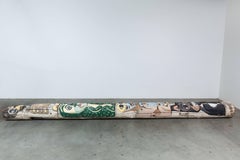
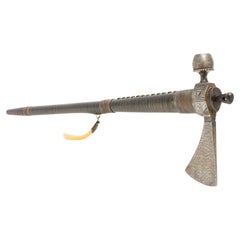
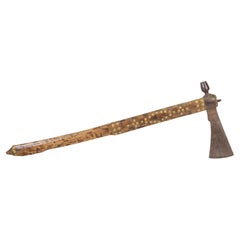
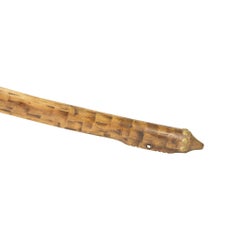
Eastern (most probably Mohawk), circa 1880-1890, ball headed war club with antler spike. Still shows file rasp marks from carving. Decorated with dots and bird tracks. Made of fir. Guaranteed to be last quarter 19th Century. Ex. Lockwood Family, Cincinnati. Acquired from the 3 million dollar lifetime Ostuw Collection. A very neat piece on display in our 14,000 square foot gallery in Coeur d'Alene, Idaho.
Period: 19th century
Origin: Eastern, US
Size: 24" L, ball 4" D, spike 3" L.
Family Owned & Operated
Cisco’s Gallery deals in the rare, exceptional, and one-of-a-kind pieces that define the history of America and the Old West. Our pieces range from American Indian to Cowboy Western and include original items of everyday life, commerce, art, and warfare that tamed America’s frontier. Our 14,000 square foot gallery opened in 1996 in beautiful Coeur d’Alene, Idaho.
Personal Service
Cisco’s operates on old fashioned values – honesty and integrity, and all of our items are backed by our money back guarantee. We appreciate the opportunity to earn your business. Whether you desire assistance with a jewelry purchase, choosing a gift, identification, or even selling – we hope to be your trusted source.
Native American...
Category
Mid-19th Century American Native American Antique Wood Native American Objects