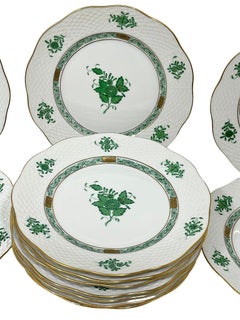
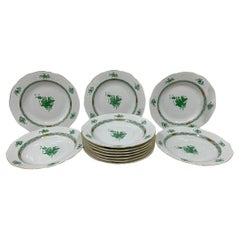
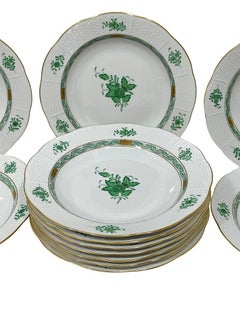
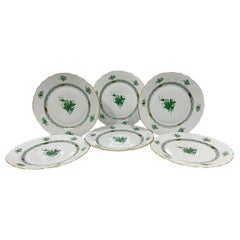
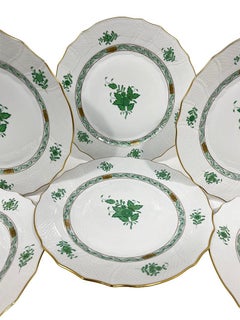
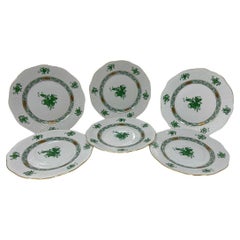
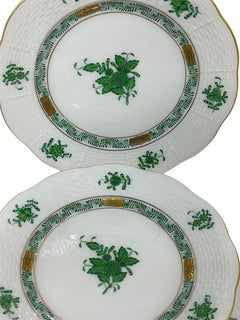
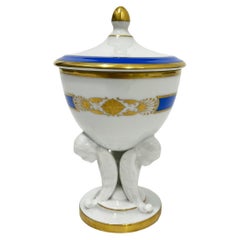
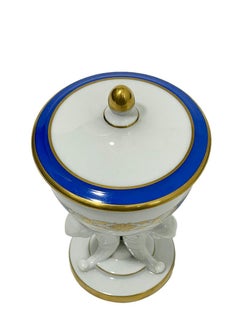
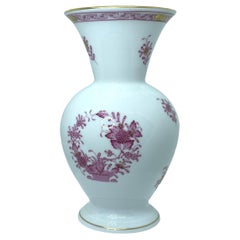
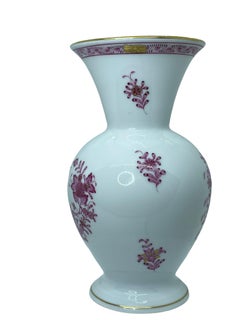
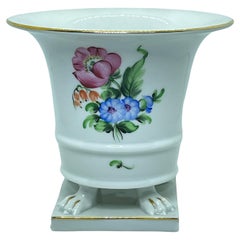
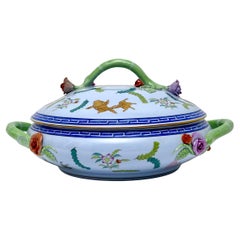
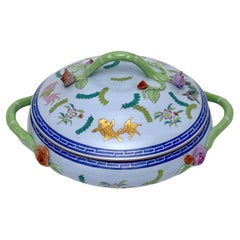
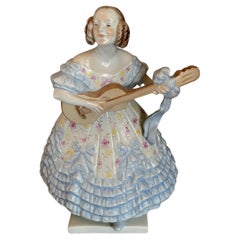
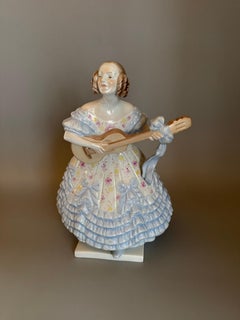
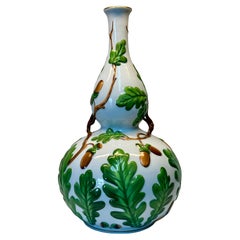
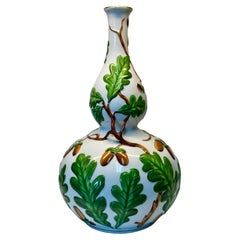
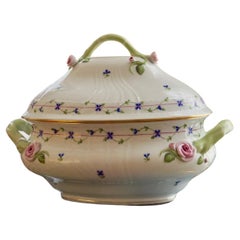
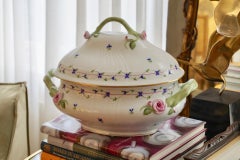
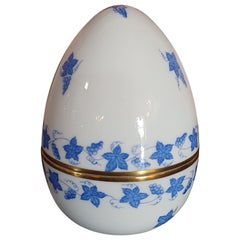
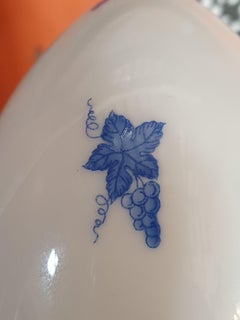
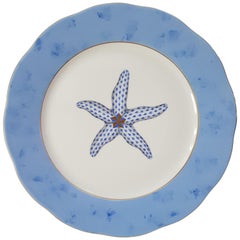
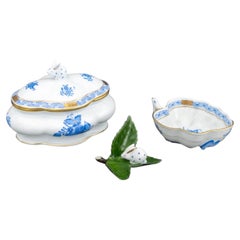
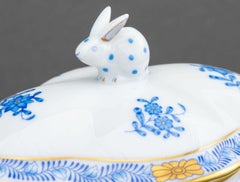
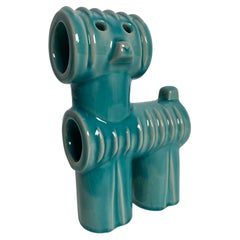
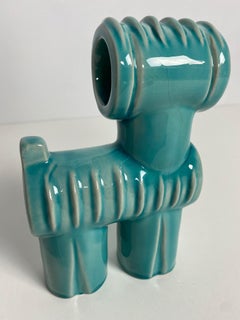
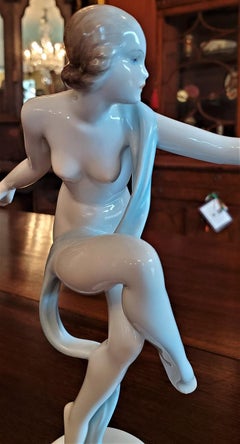
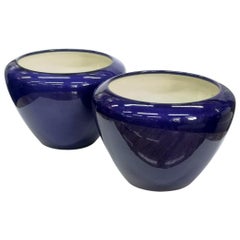
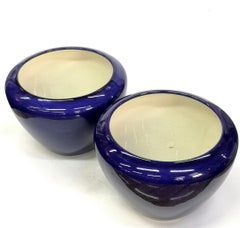
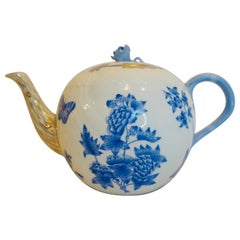
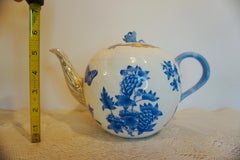
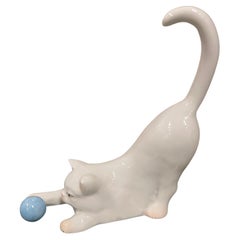
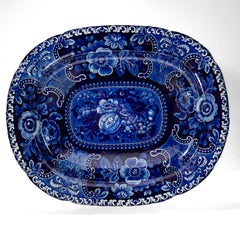
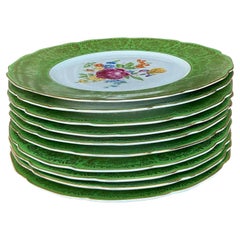
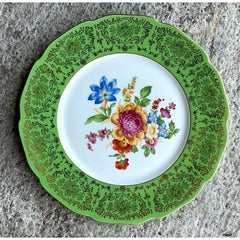
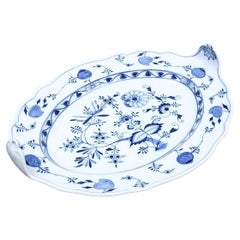
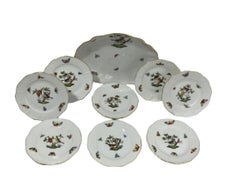
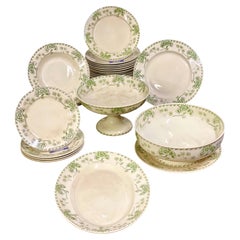
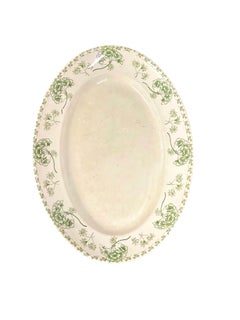
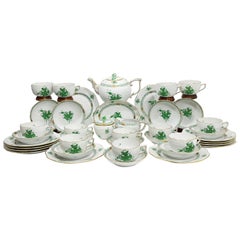
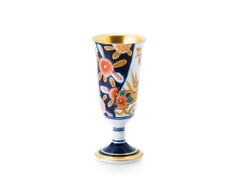
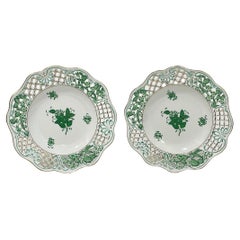
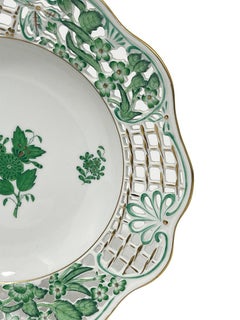
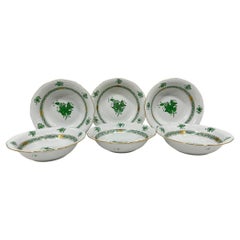
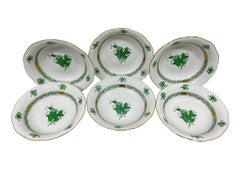
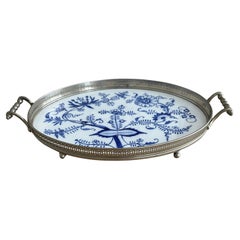
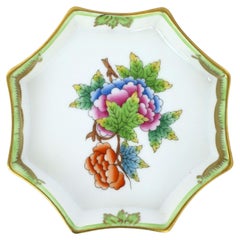
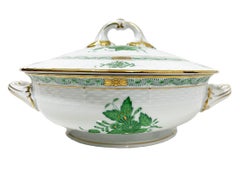
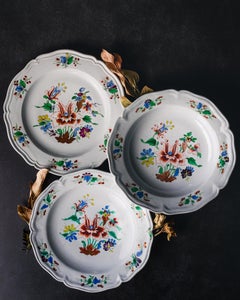
Choose from an assortment of styles, material and more in our collection of blue Hungarian porcelain on 1stDibs. A piece of blue Hungarian porcelain — often made from
ceramic,
porcelain and
metal — can elevate any home. There are 157 variations of the antique or vintage item from our selection of blue Hungarian porcelain you’re looking for, while we also have 14 modern editions of this piece to choose from as well. Your living room may not be complete without a choice in our collection of blue Hungarian porcelain — find older editions for sale from the 19th Century and newer versions made as recently as the 21st Century. Each object in our assortment of blue Hungarian porcelain bearing
Art Deco,
modern or
industrial hallmarks is very popular.
Herend,
Zsolnay and
Theodore Deck each produced at least one beautiful option in this array of blue Hungarian porcelain that is worth considering.
Prices for a piece of blue Hungarian porcelain can differ depending upon size, time period and other attributes — at 1stDibs, they begin at $76 and can go as high as $42,031, while the average can fetch as much as $874.
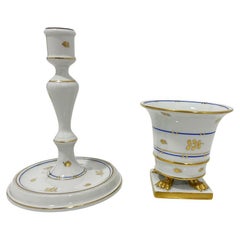
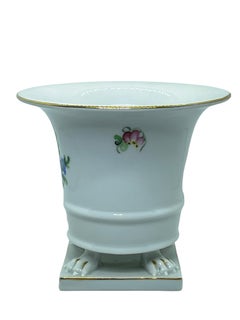
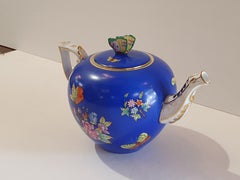
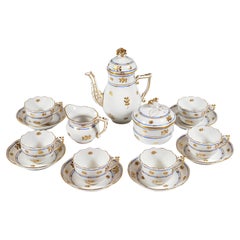
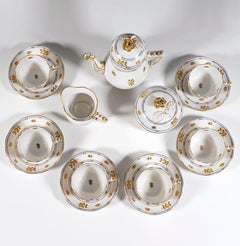
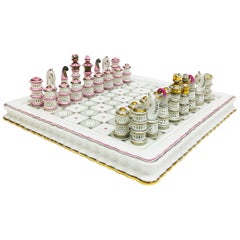
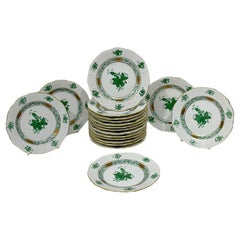
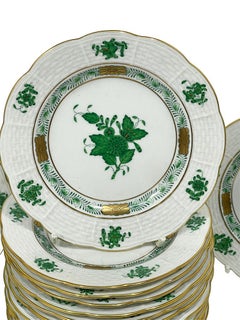
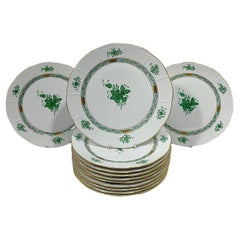
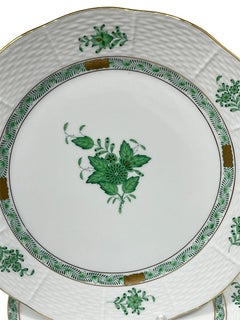
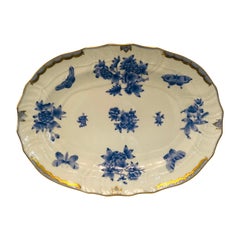
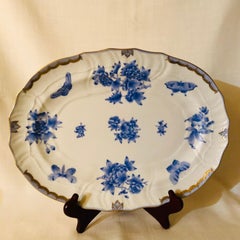
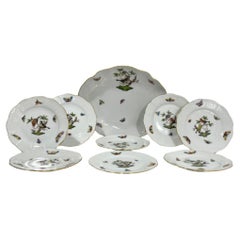
Herend Porcelain occupies a singular place in the world of luxury European ceramics. The firm's vast range of figurines and distinctive patterns are visually striking and notably different from those of other major porcelain producers like Meissen or Sèvres. Whereas the latter tend to feature discrete decorative elements that appear to float on a white background, Herend favors large, bold designs for its porcelain, with its serving pieces, dishes and other works incorporating historical scenes, animals or vegetation.
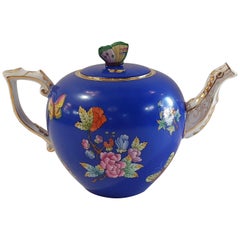
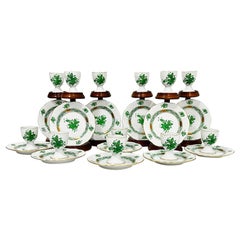
Vince Stingl established what would become the Herend Porcelain Manufactory in 1826 in the town of Herend, Hungary, to produce earthenware. When he went bankrupt in the late 1830s, Mór Fischer, who took over, switched the focus from earthenware to porcelain to take advantage of the growing European market for fine china.
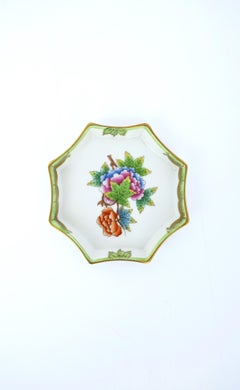
By 1849, Herend counted among its clients members of the Habsburg dynasty and the Hungarian aristocracy. Thanks to its participation in several important international exhibitions and fairs — including the 1851 Crystal Palace Exhibition in London, the 1853 Exhibition of the Industry of All Nations in New York and the 1855 Exposition Universelle in Paris — its wares became a popular choice for courtly dining in the middle of the 19th century, and its patrons included Francis Joseph I of Austria and Queen Victoria of England, for whom its Viktória pattern was named.
The company foundered in the latter half of the 19th century under the leadership of Fischer’s two sons. But it was given new life, artistically and financially, when Fischer’s grandson, Jenő Farkasházy, himself a trained ceramist, took the helm around 1900. Farkasházy designed new patterns and revived classic ones. After World War II, Herend was nationalized by the Communist government but kept alive its tradition of skilled craftsmanship by continuing to produce its classic patterns. In 1993, after the fall of the Iron Curtain, the factory was privatized once again and today is owned by its management and workers.
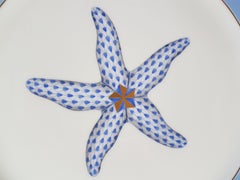
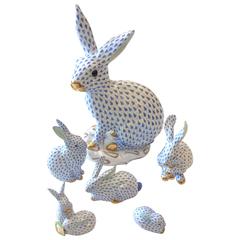
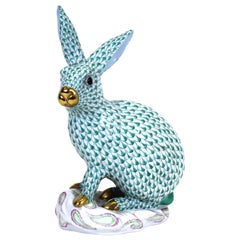
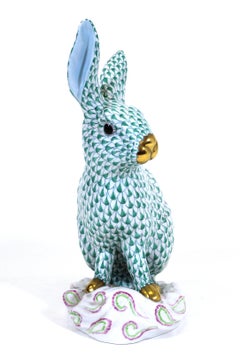
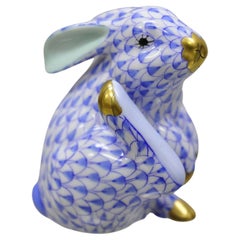
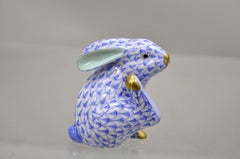
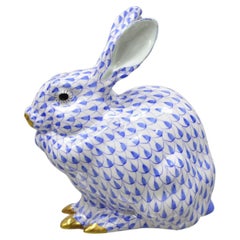
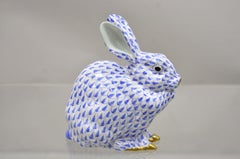
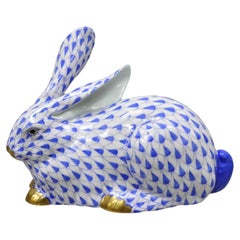
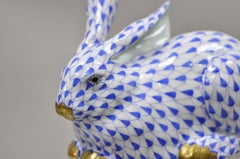
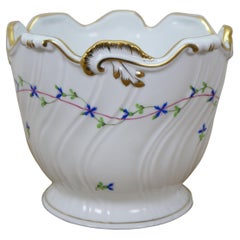
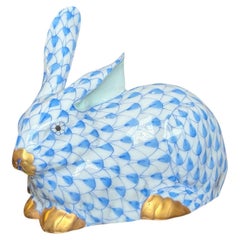
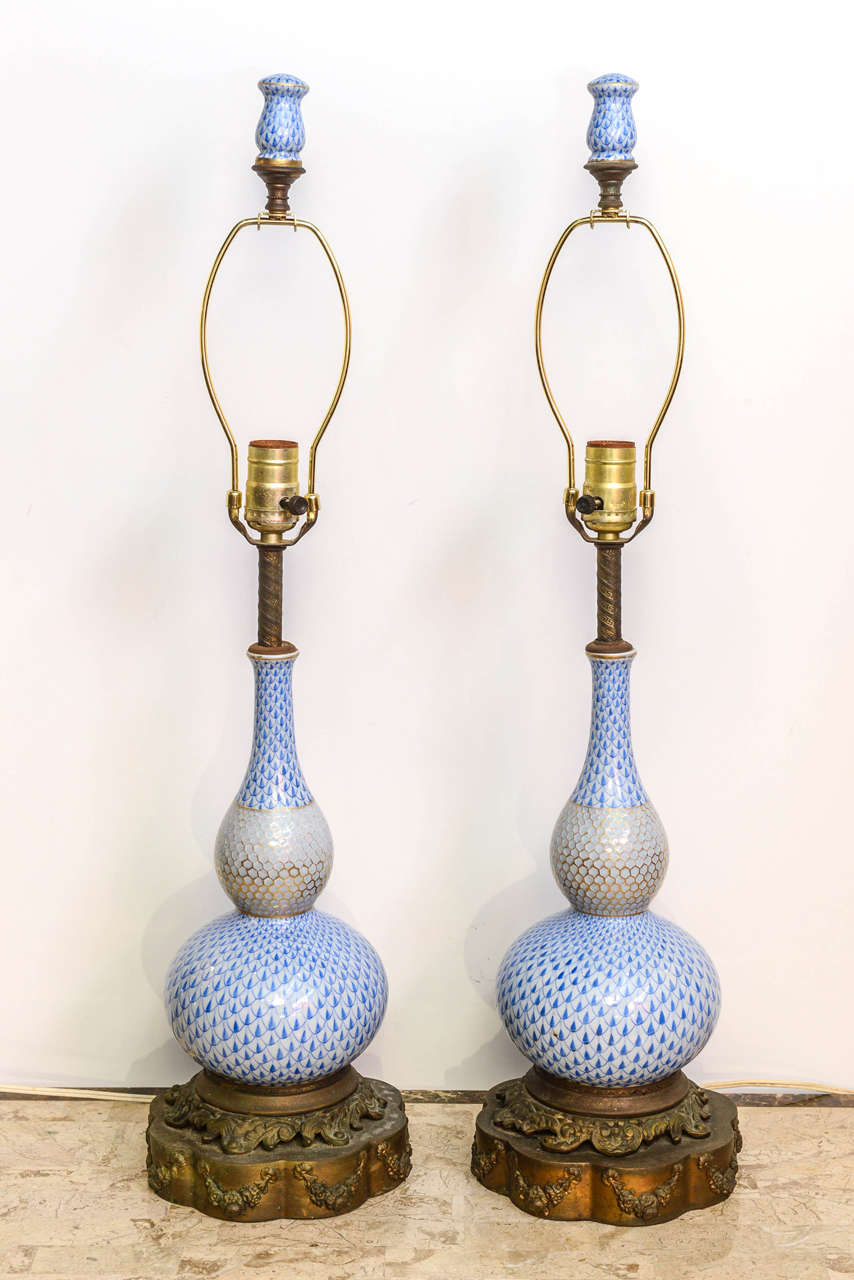
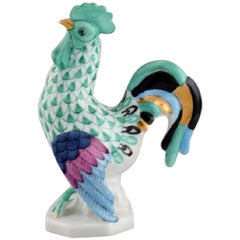
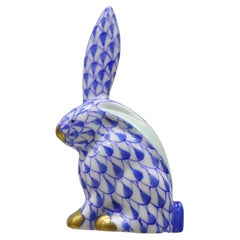
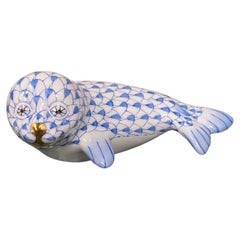
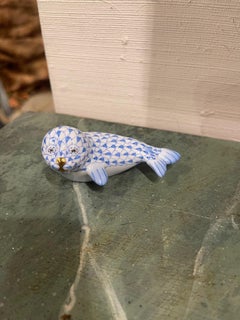
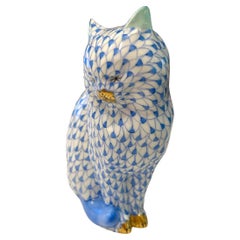
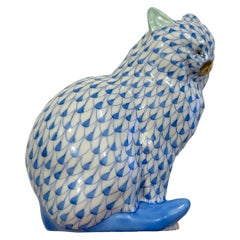
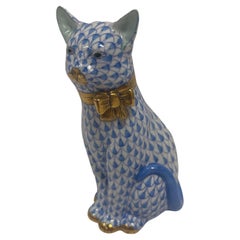
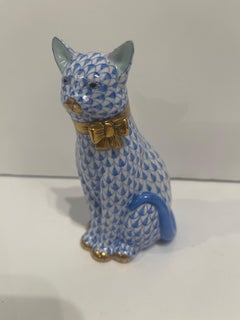
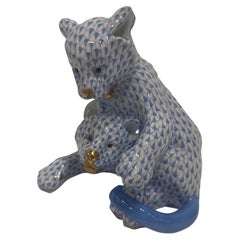
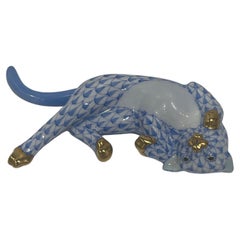
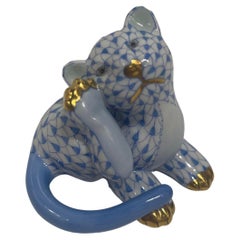
Authentic Herend animal figurines — their groupings of white rabbits, cats or pheasants — are often covered head to toe with the factory’s famed “fish-scale” pattern, also known as Vieux Herend, which produces the effect of a dense coat of feathers or fur. The fish-scale pattern also appears on this chocolate cup and saucer decorated in the Cornucopia pattern.
Find antique Herend porcelain on 1stDibs.