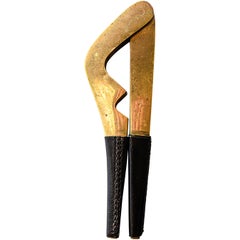
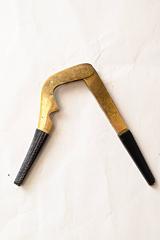
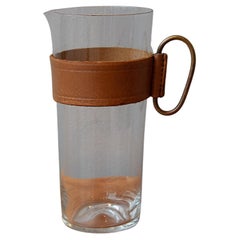
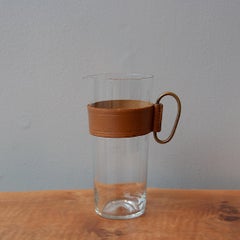
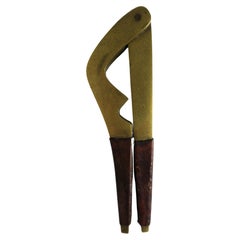
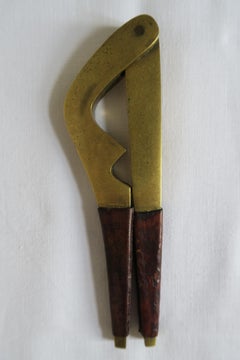
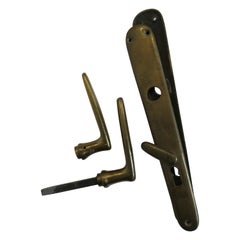
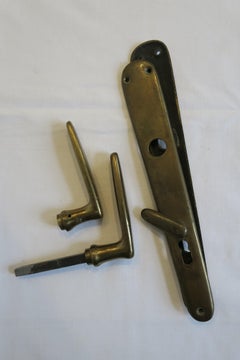
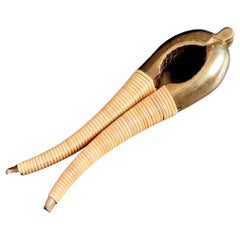
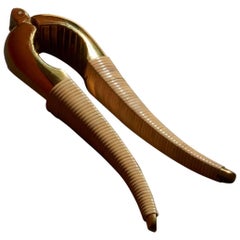
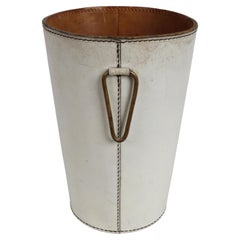
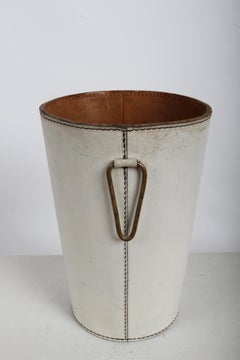
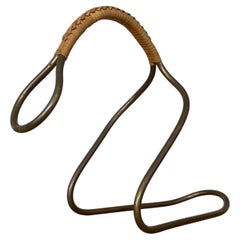
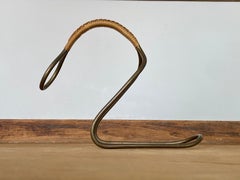
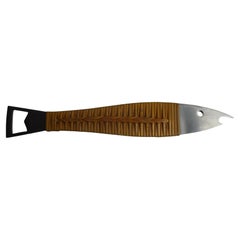
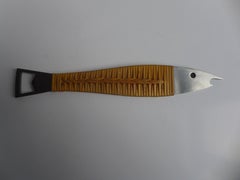
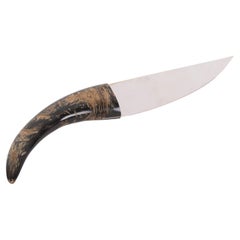
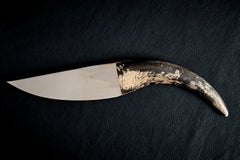
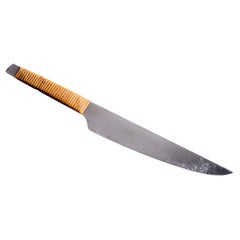
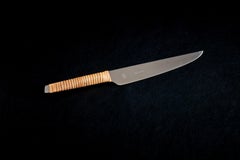
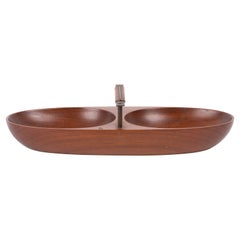
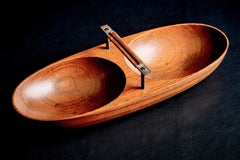
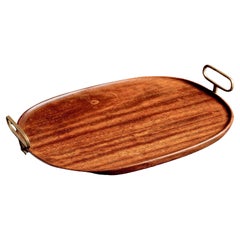
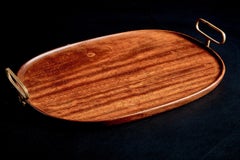
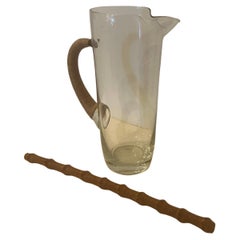
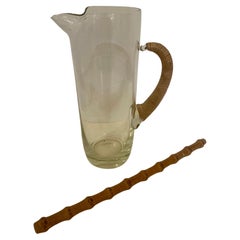
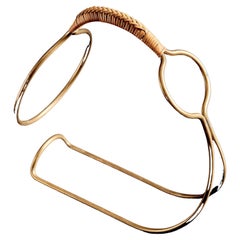
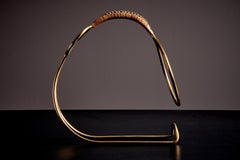
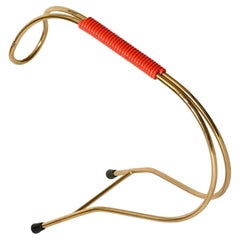
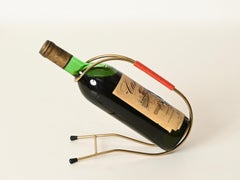
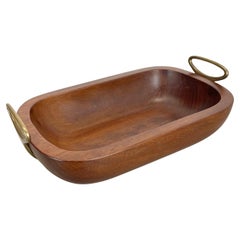
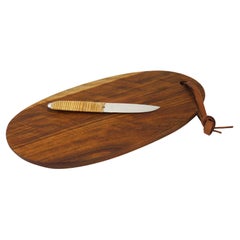
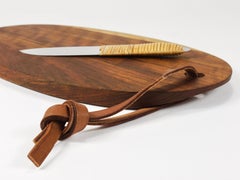
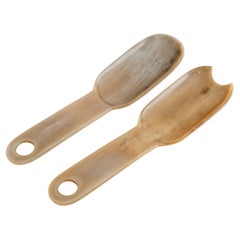
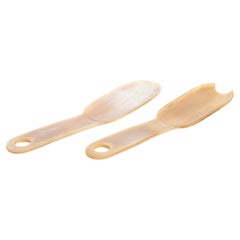
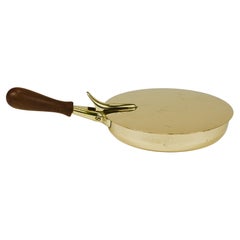
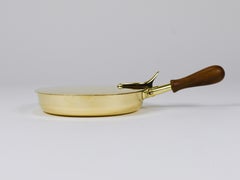
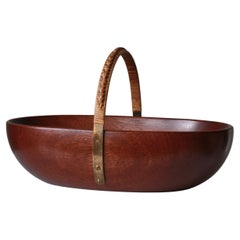
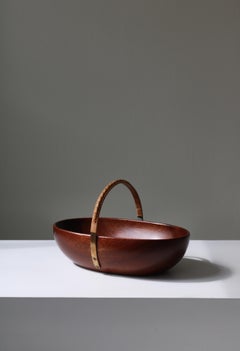
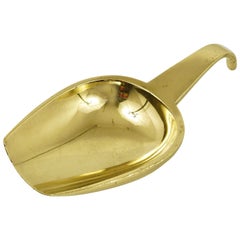
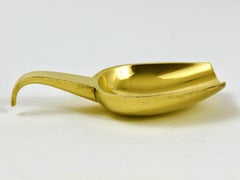
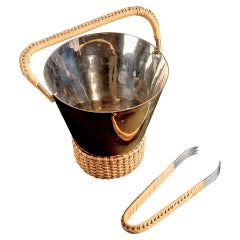
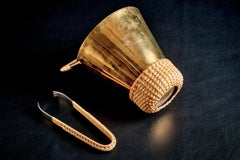
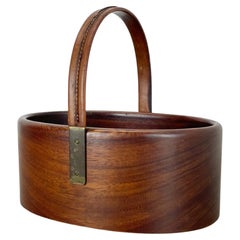
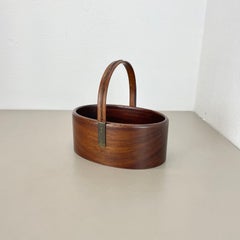
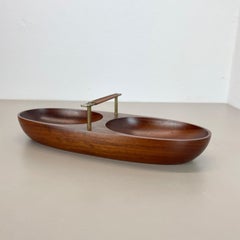
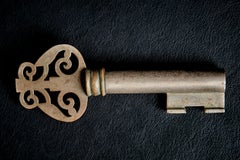
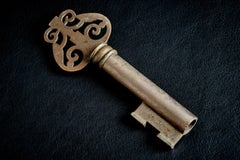
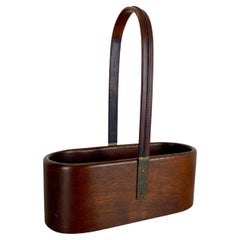
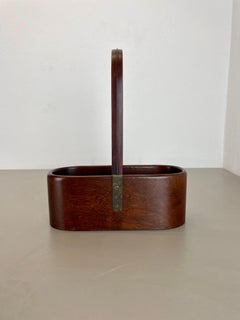
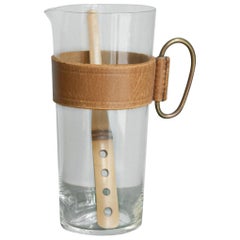
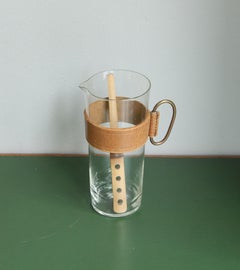
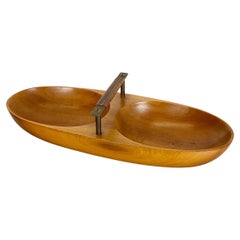
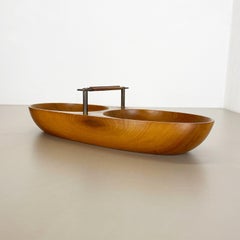
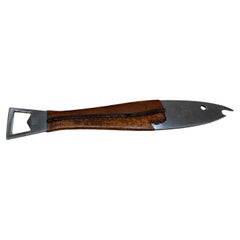
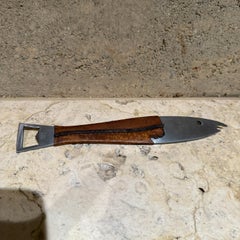
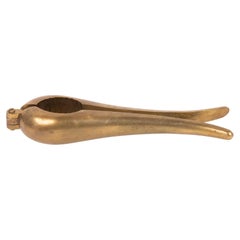
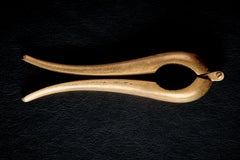
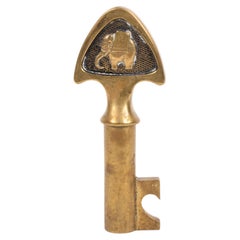
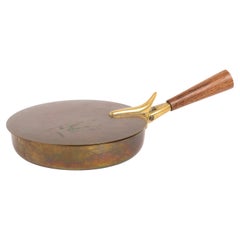
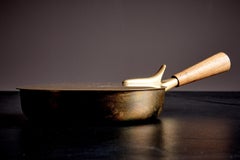
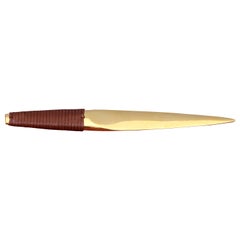
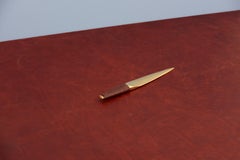
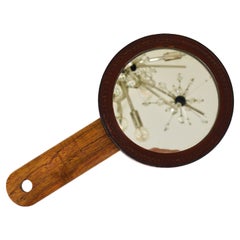
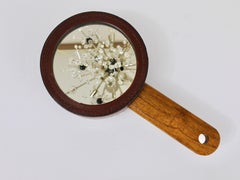
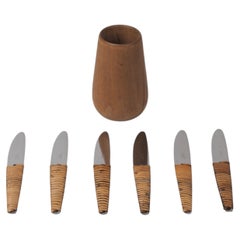
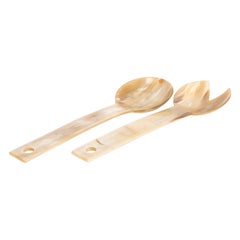
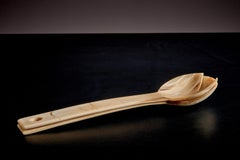
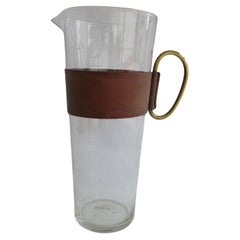
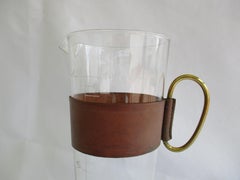
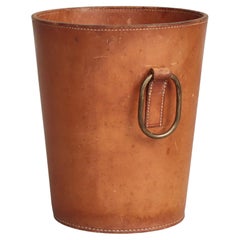
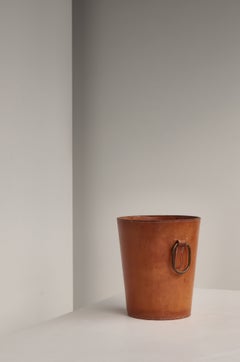
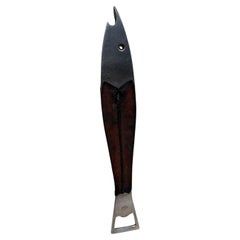
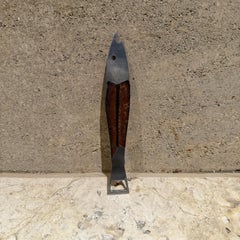
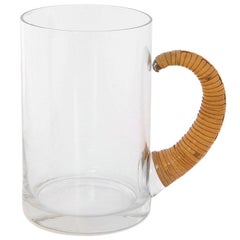
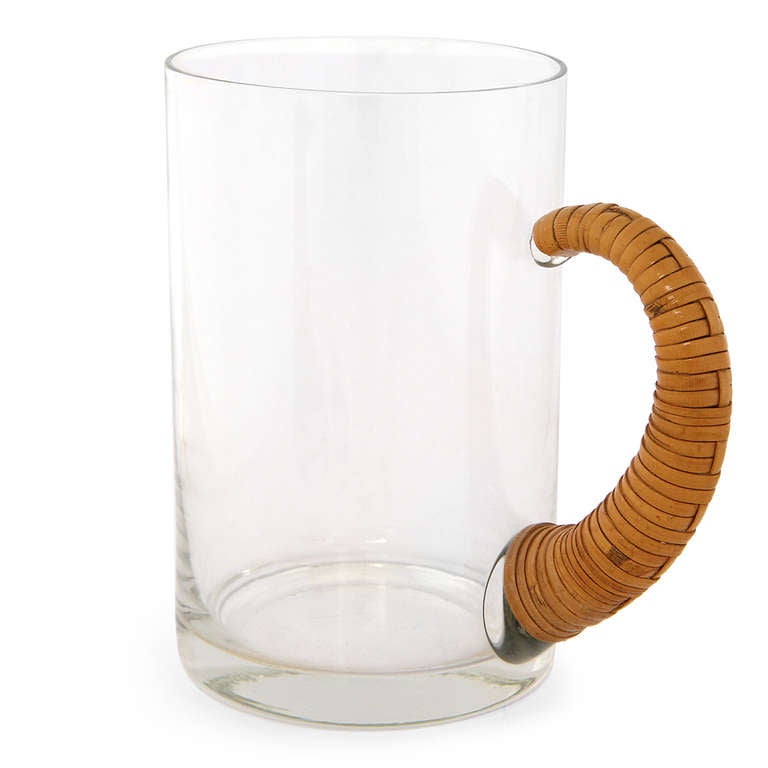
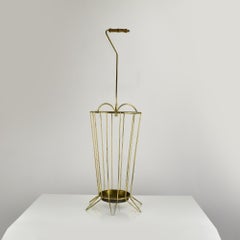
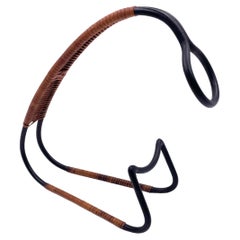
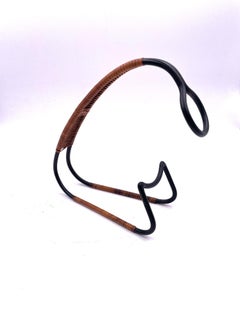
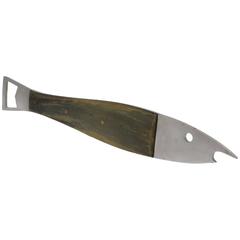
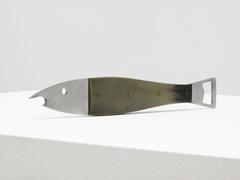
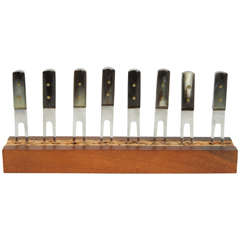
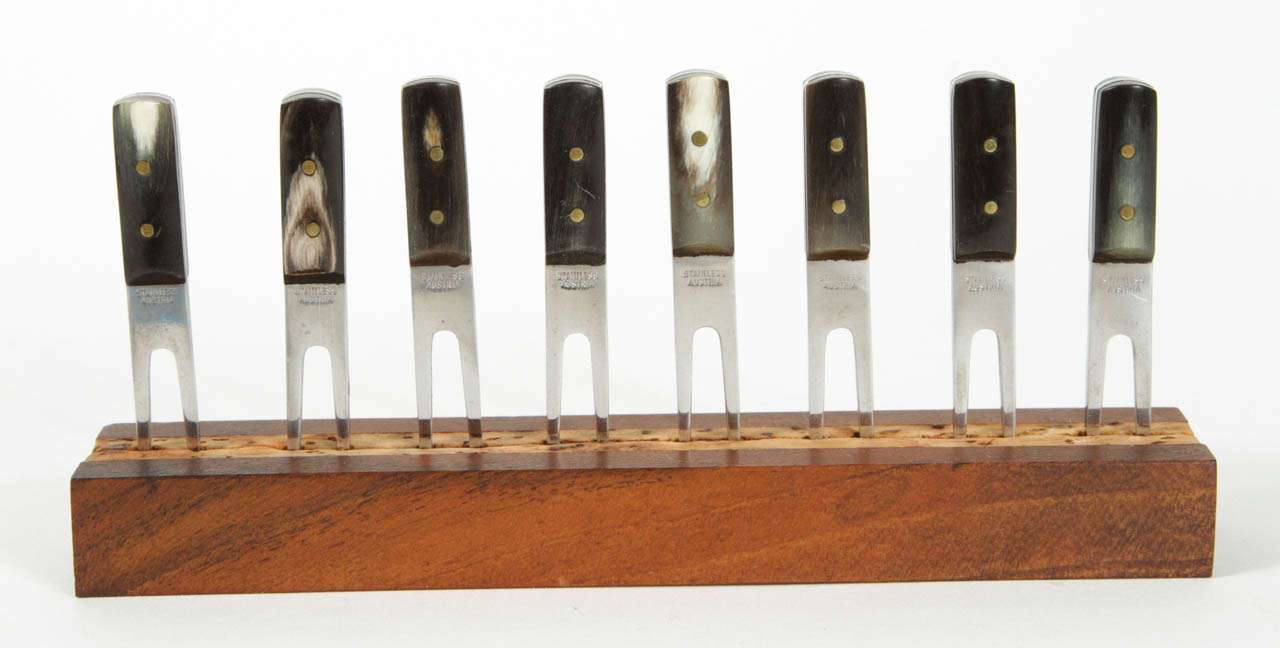
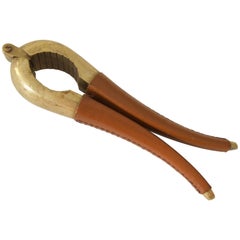
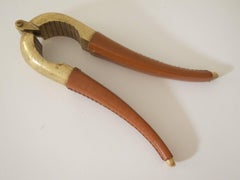
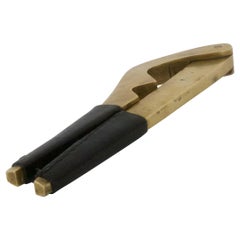
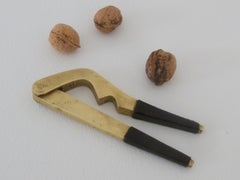
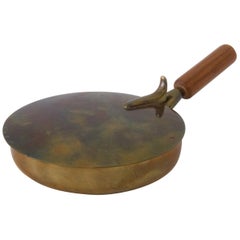
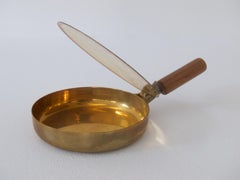
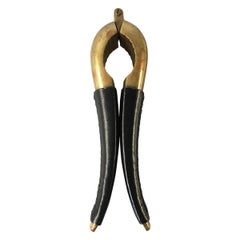
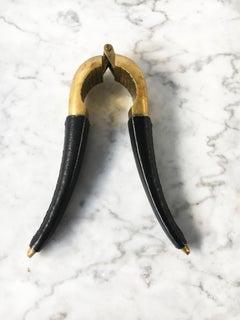
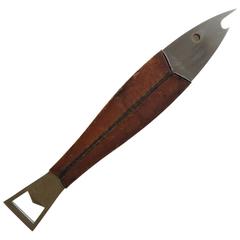
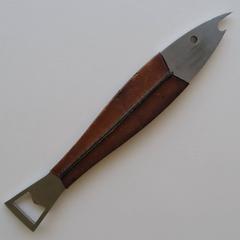
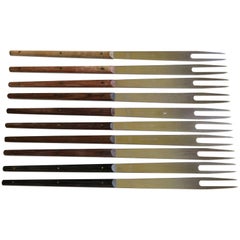
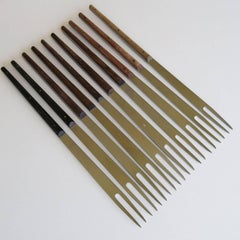
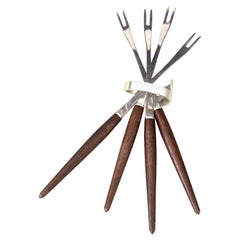
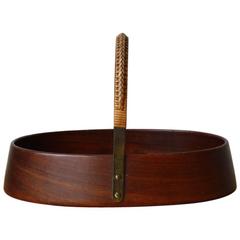
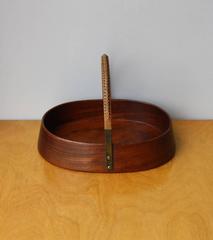
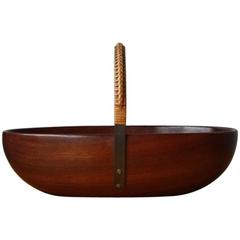
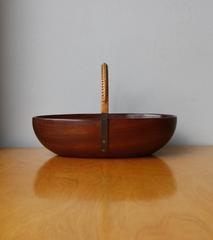
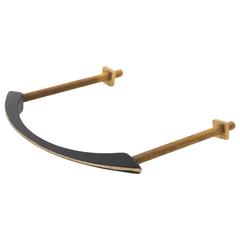
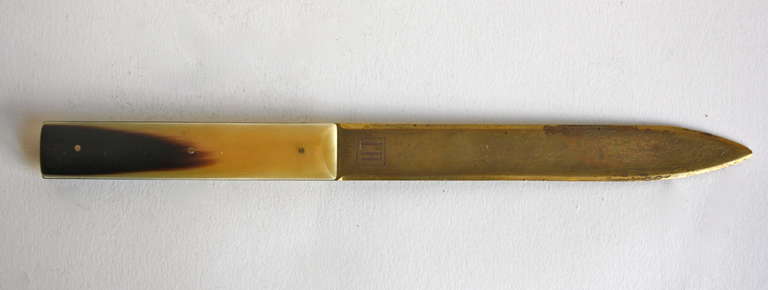
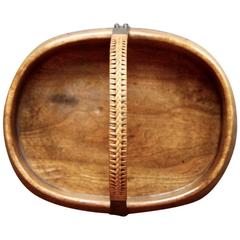
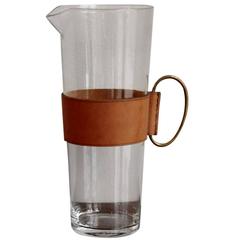
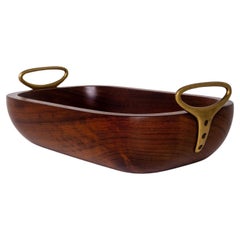
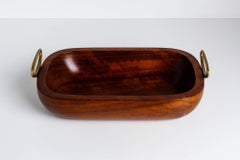
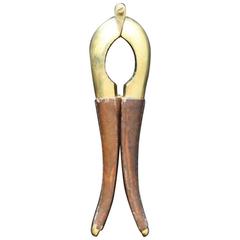
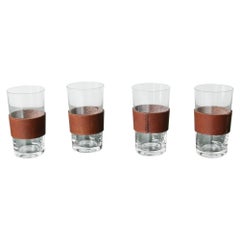
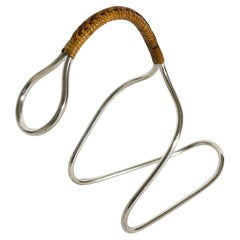
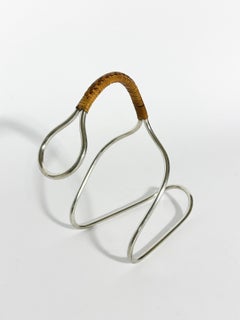
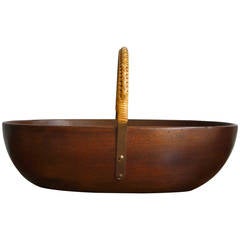
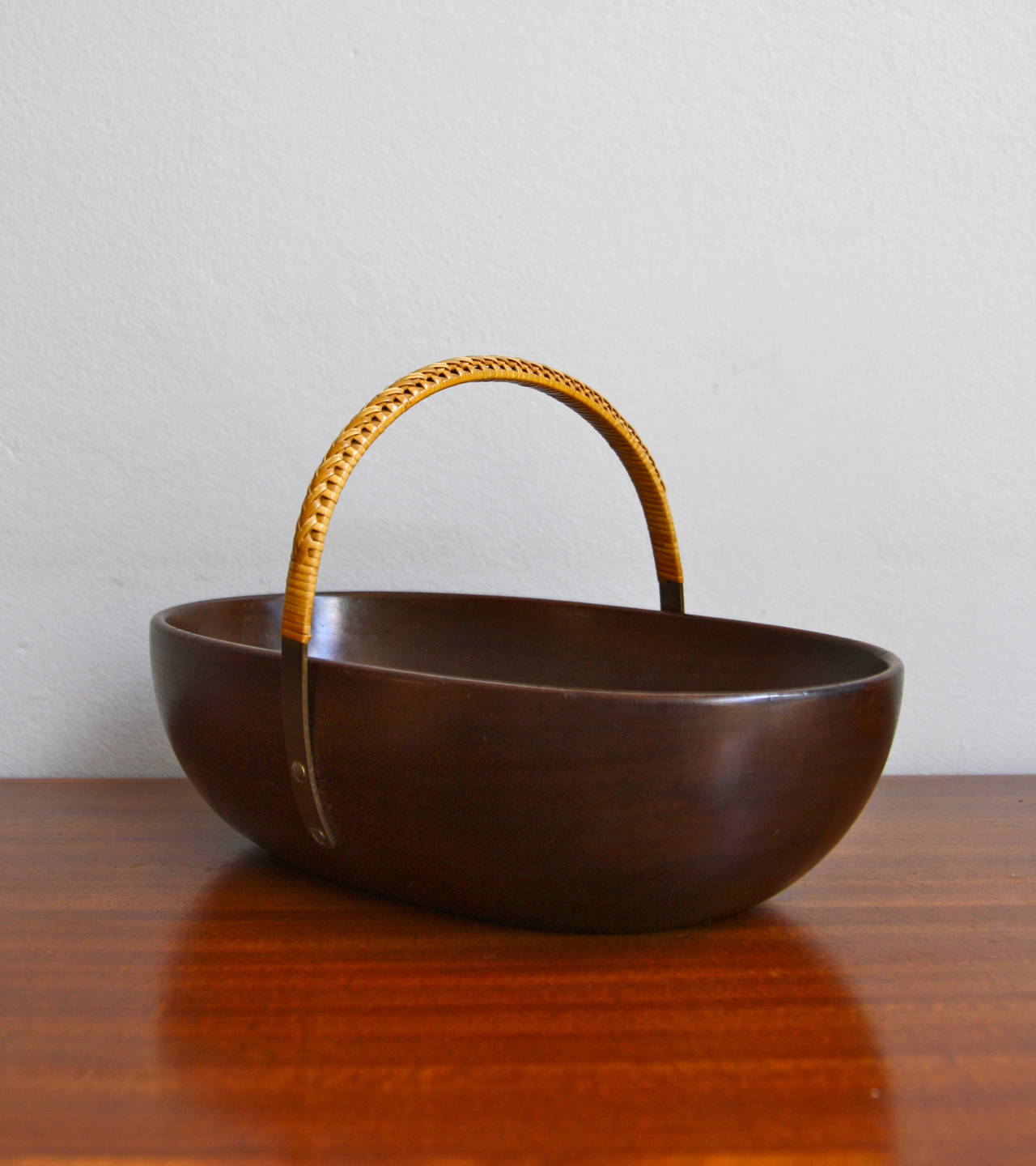
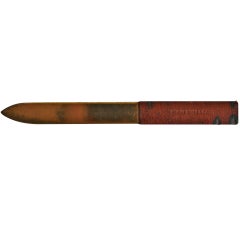
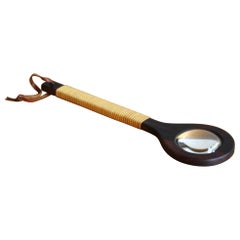
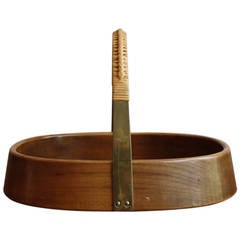
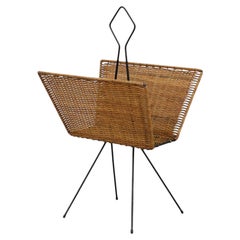
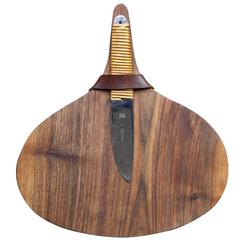
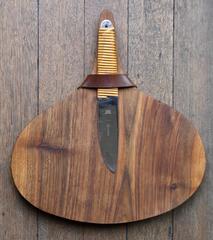
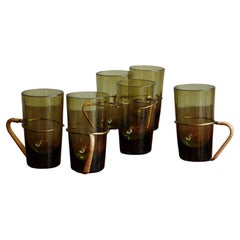
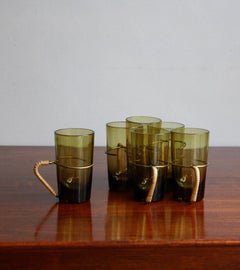
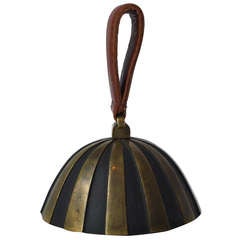
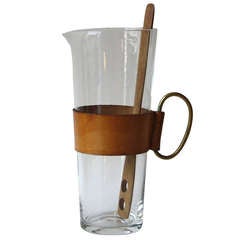
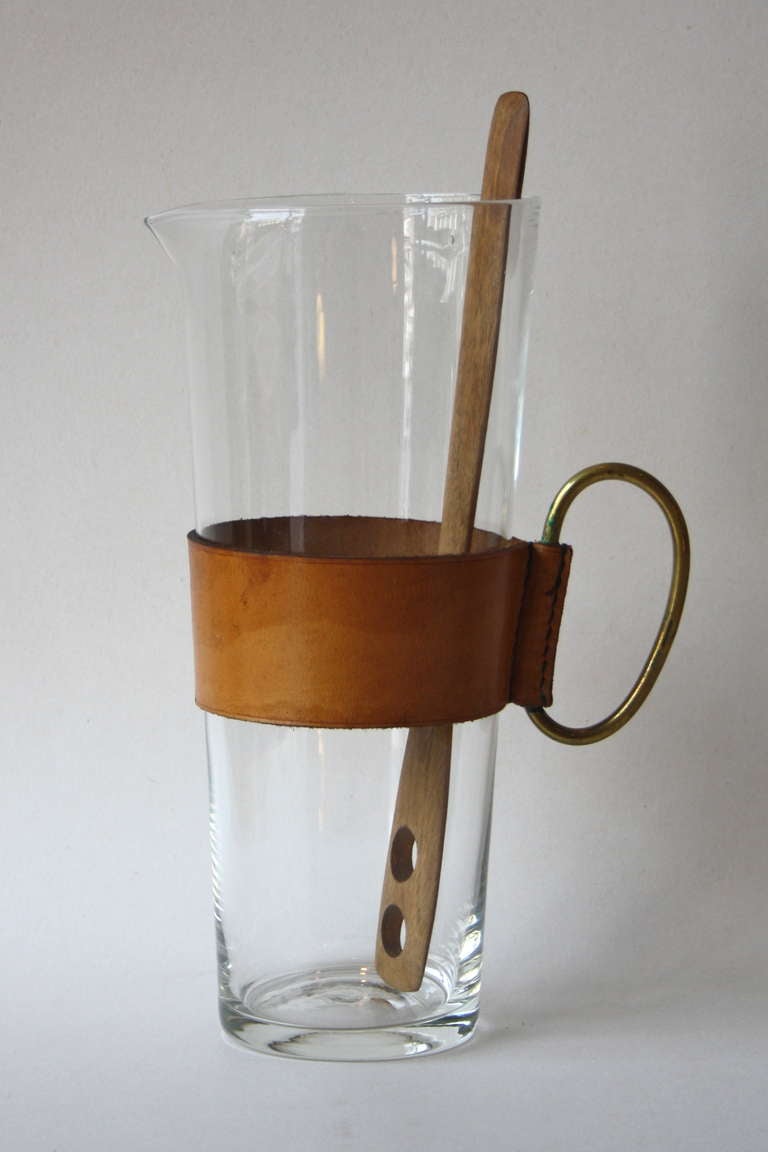
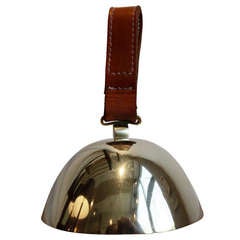
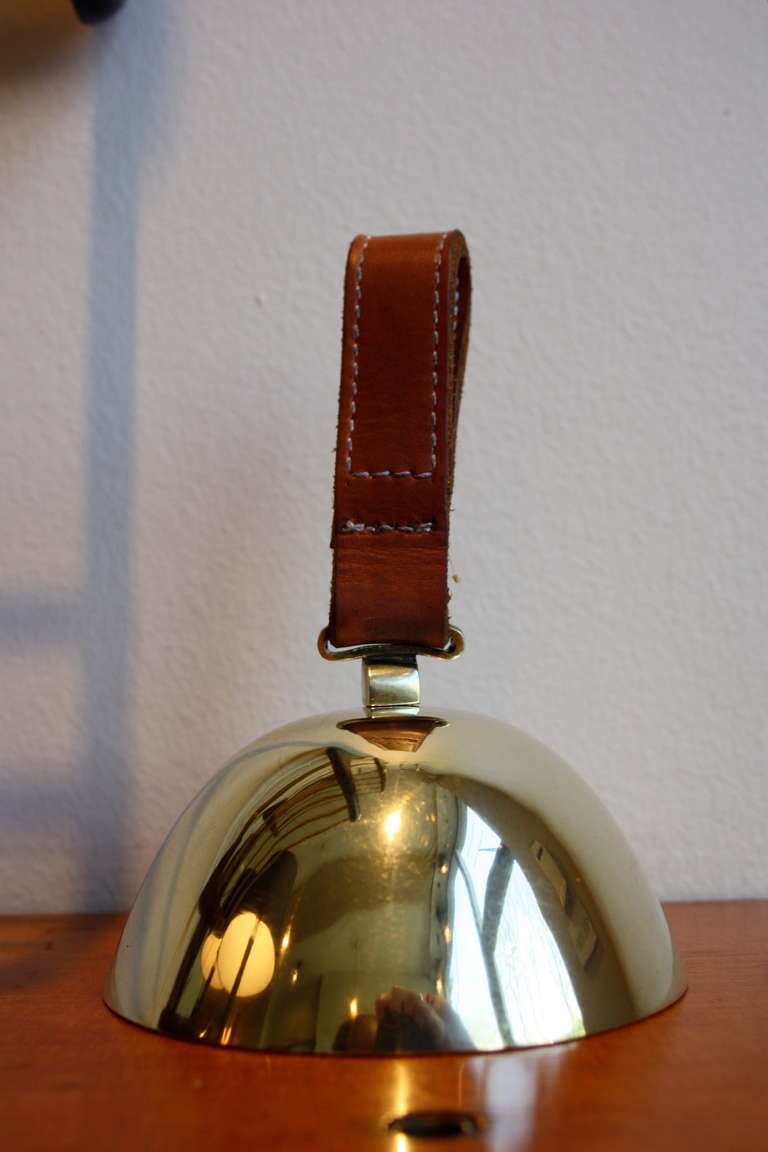
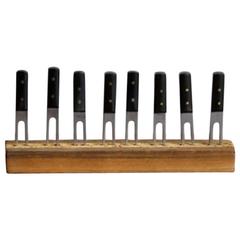
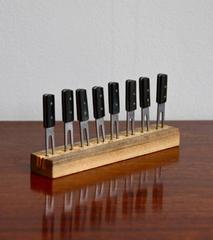
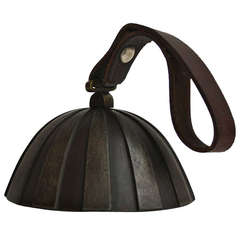
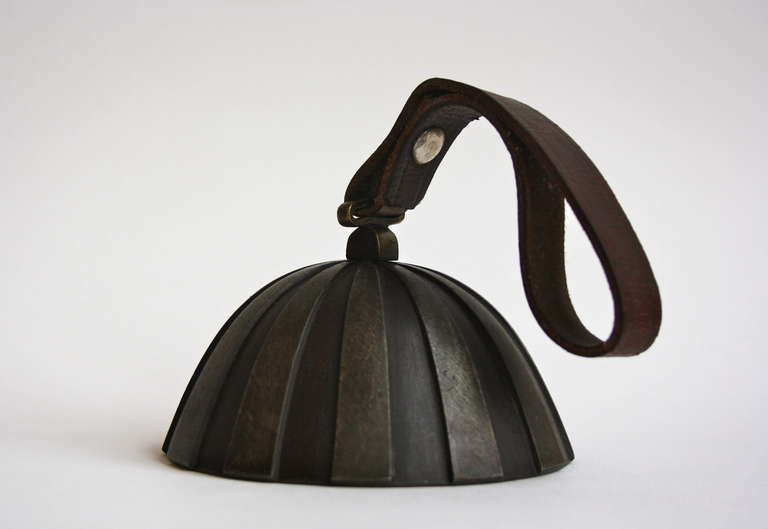
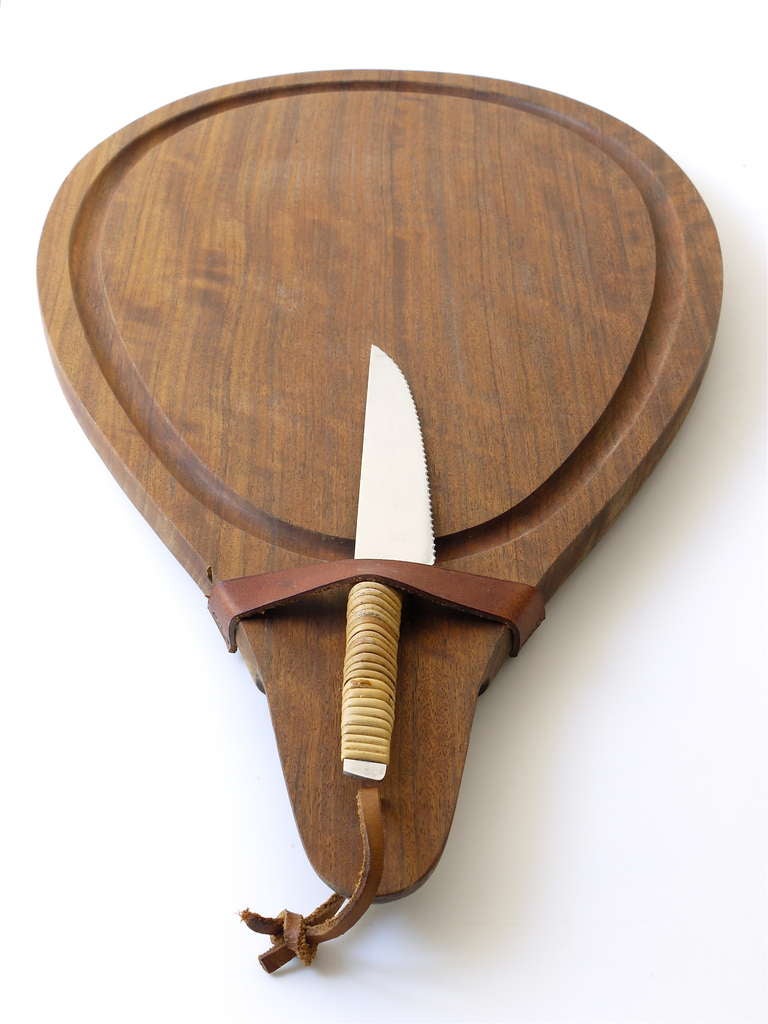
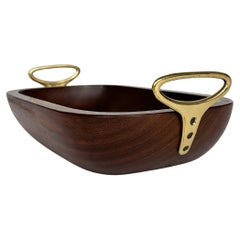
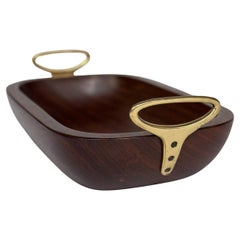
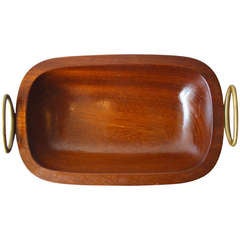
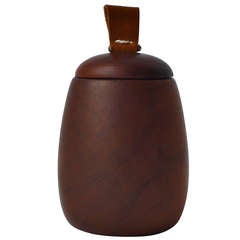
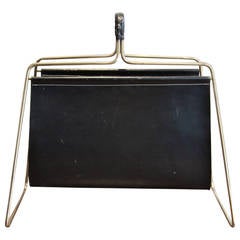
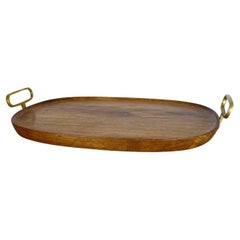
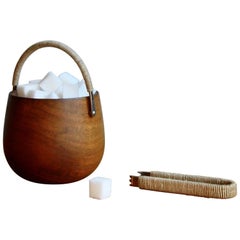
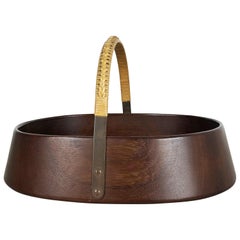
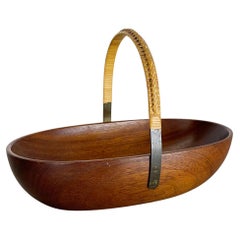
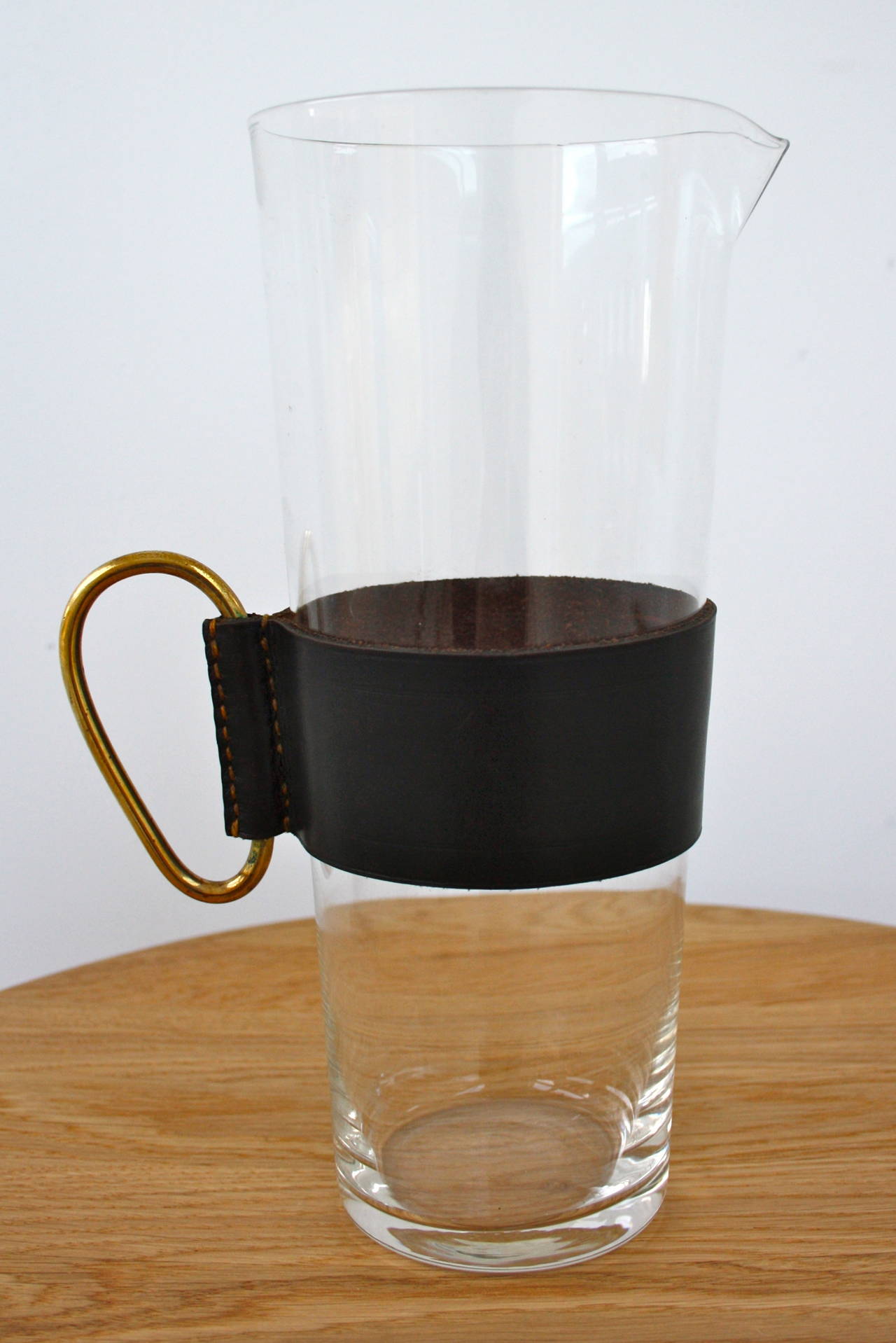
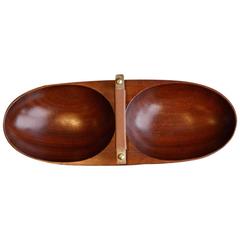
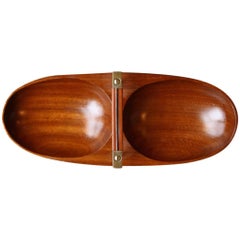
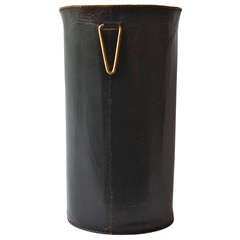
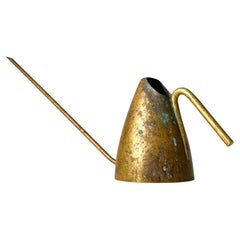
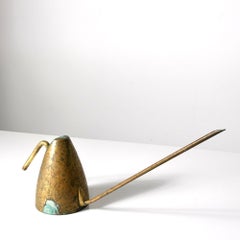
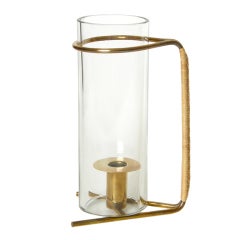
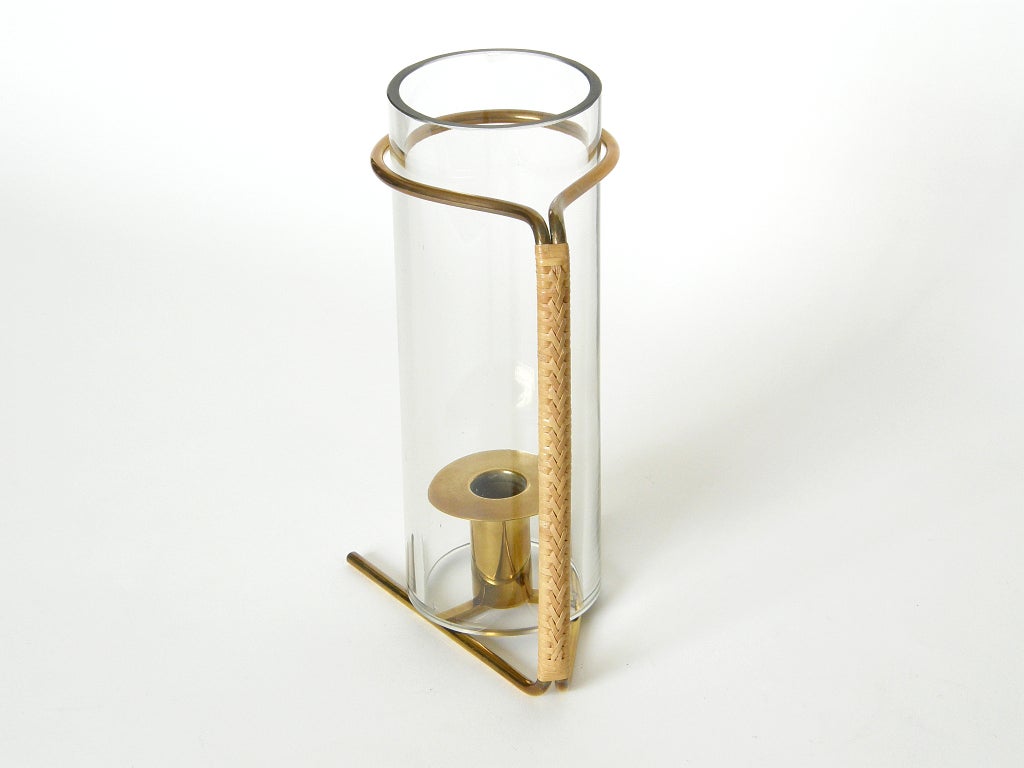
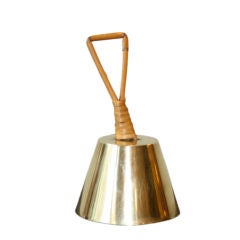
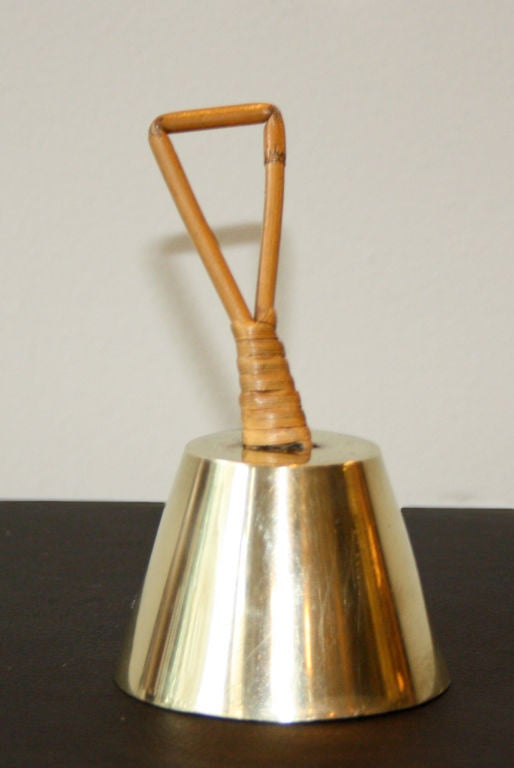
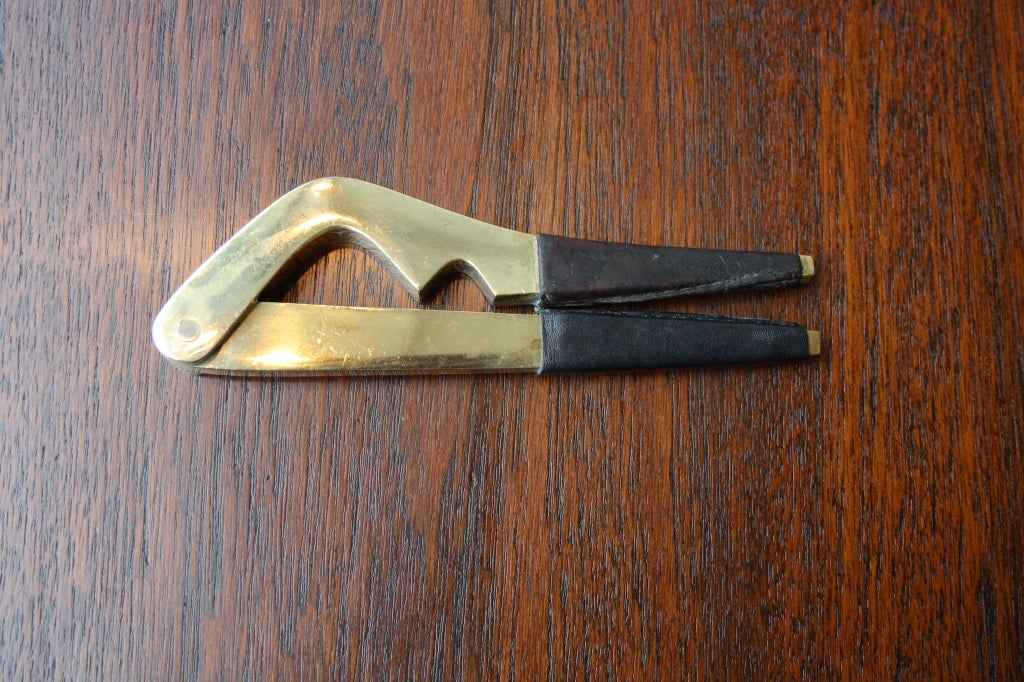
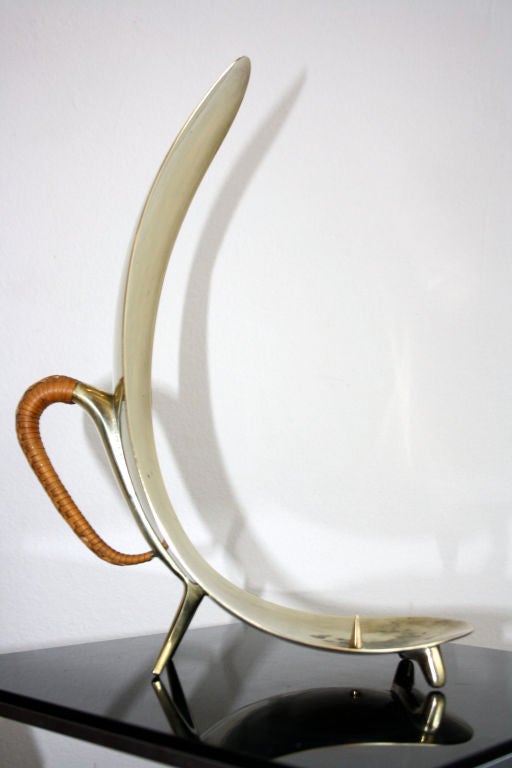
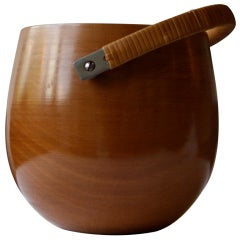
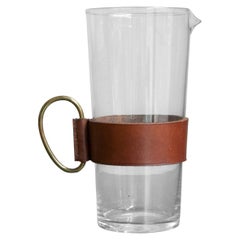
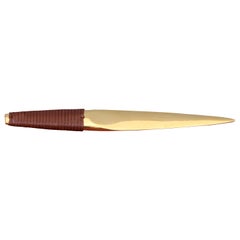
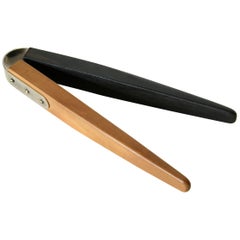
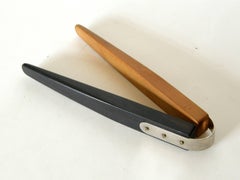
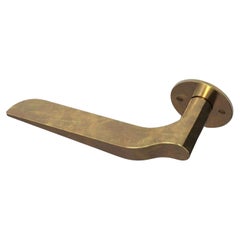
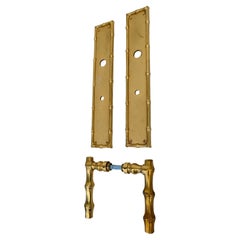
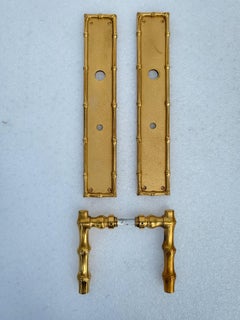
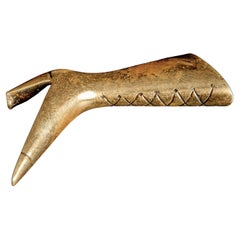
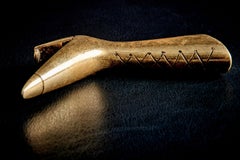
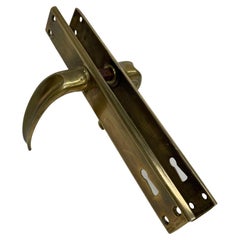
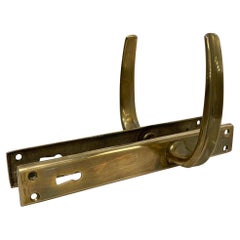
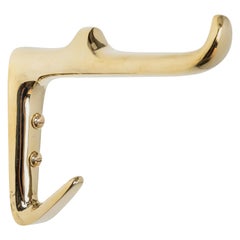
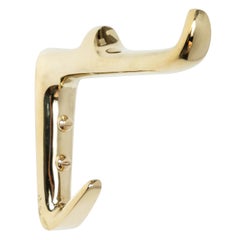
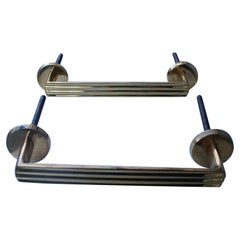
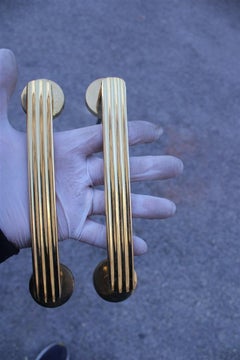
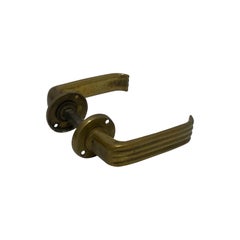
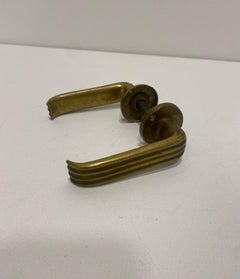
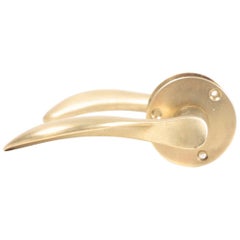
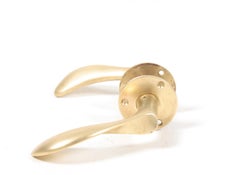
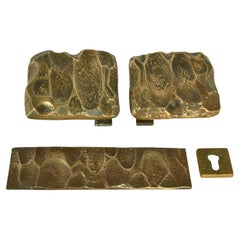
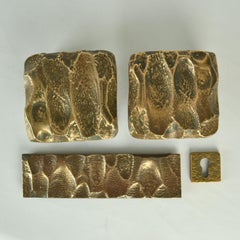
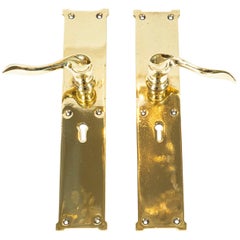
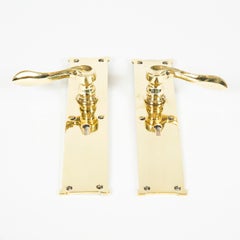
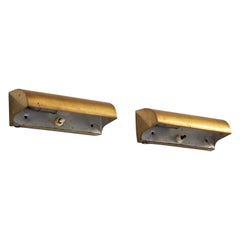
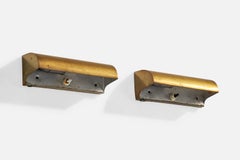
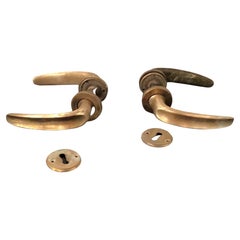
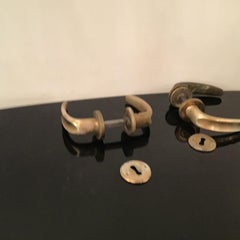
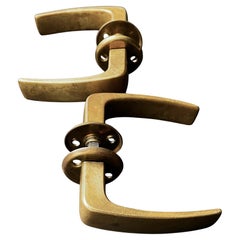
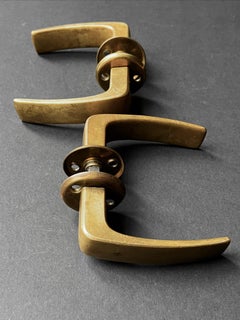
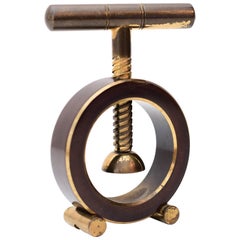
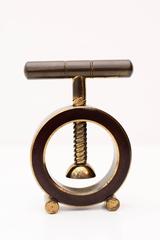
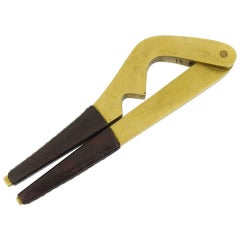
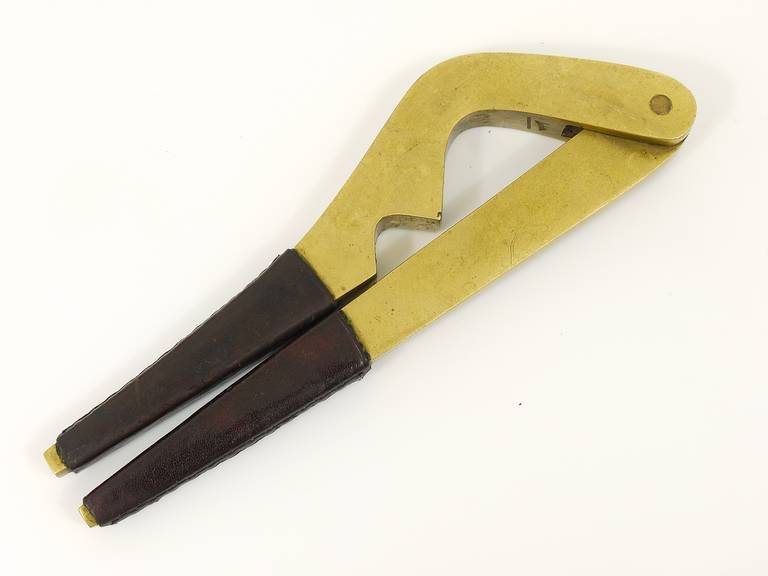
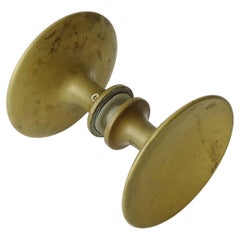
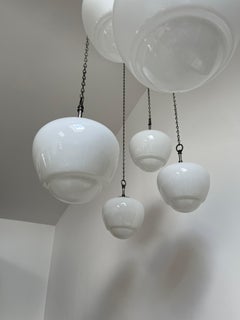
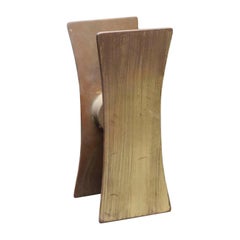
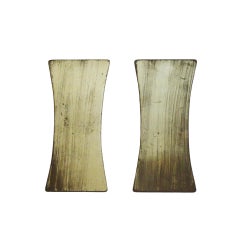
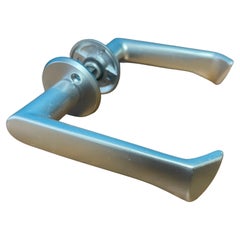
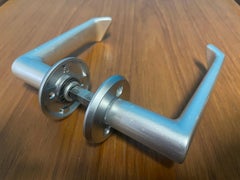
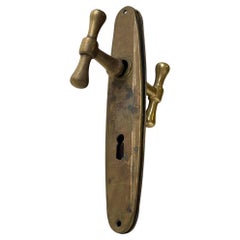
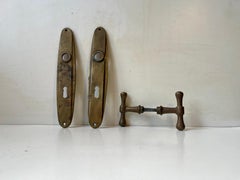
With a vast inventory of beautiful furniture at 1stDibs, we’ve got just the carl aubock handle you’re looking for. Each carl aubock handle for sale was constructed with extraordinary care, often using
metal,
brass and
wood. Whether you’re looking for an older or newer carl aubock handle, there are earlier versions available from the 20th Century and newer variations made as recently as the 20th Century. A carl aubock handle made by
Mid-Century Modern designers — as well as those associated with
Modern — is very popular. A well-made carl aubock handle has long been a part of the offerings for many furniture designers and manufacturers, but those produced by
Carl Auböck and
Werkstätte Carl Auböck are consistently popular.
A carl aubock handle can differ in price owing to various characteristics — the average selling price 1stDibs is $1,150, while the lowest priced sells for $200 and the highest can go for as much as $3,500.
In Vienna’s Neubau district, a beautiful Biedermeier townhouse has been home to the Werkstätte Carl Auböck for more than 100 years. Inside the workshop, where production continues to this day, countless objects line the shelves, walls, tabletops and desktops.
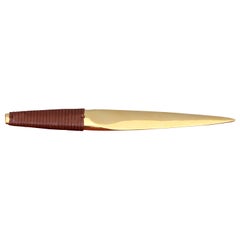
The Viennese artist and designer Carl Auböck II was one of the quirkiest and most delightful and collectible of modern designers. A rather odd duck in the world of decorative arts, he was a peculiar talent whose specialties included smaller desk accessories and tabletop pieces such as corkscrews, paperweights, letter openers, bookends and bottle stoppers. He rendered these pieces in a combination of metal — most often brass — and such elemental materials as leather, knobby wood and animal horn, creating forms that could be almost Surrealist, from hands and feet to keys, birds and amoebae.
As a boy, Auböck was precocious and artistic. He studied drawing and at the same time trained in the workshop of his father, Karl Heinrich Auböck, a popular maker of traditional bronze figurines and collectibles. In 1919, Carl II went to Germany to study at the Bauhaus, where he was a pupil of the progressive artist and theorist Johannes Itten. While the Bauhaus is most associated with the rigidly ordered, functionalist architecture of its directors Walter Gropius and Ludwig Mies van der Rohe, the school was in reality a liberal, spirited place — a crucible for imaginative, playful and avant-garde art and design. It was this spirit that imbued Carl II’s work from the time he left in 1921.
In 1922 or ’23, Carl Auböck II returned to Vienna to help care for his ailing father, and he took over the business. He created the Werkstätte Carl Auböck and a legacy that earned his objects cult status among collectors. The business was passed on to his descendants, who run the atelier that is still in operation today. Today, objects designed by Carl II make up 90 percent of Werkstätte Carl Auböck’s production, joined by the creations of architect and designer Carl IV, his grandson.
Vintage Auböck designs have a special character, a patina that only emphasizes how much the pieces have been loved and used. Carl Aubock II’s small furniture items — leather- or caned-sling magazine racks; free-edge wooden side tables with tubular bronze legs; wicker serving trolleys with turned beechwood wheels — are elegant and purposeful. His bijoux desktop objects, library tools, ashtrays and barware pieces evince a kind of mirthful practicality. They seem to ask: “If you need a corkscrew, or a paperweight, or a candlestick, why not make it fun as well as functional?” And indeed, why not?
Find a collection of vintage Werkstätte Carl Auböck mirrors, seating, tables, decorative objects and other furniture on 1stDibs.