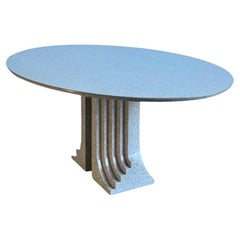
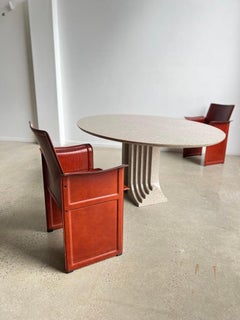
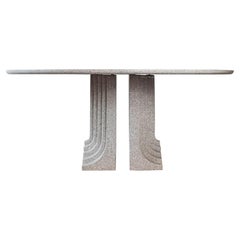
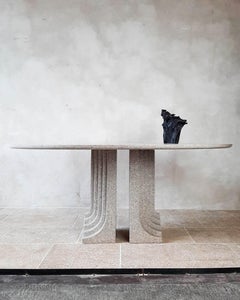
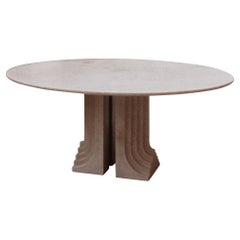
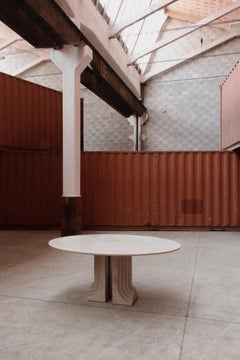
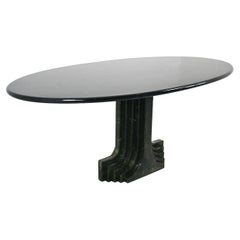
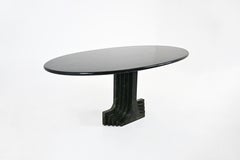
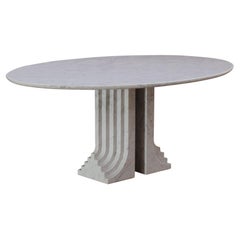
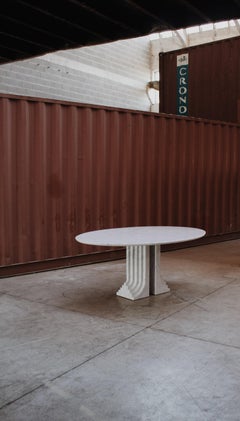
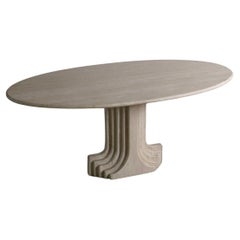
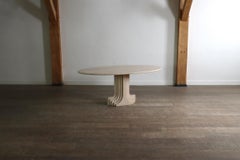
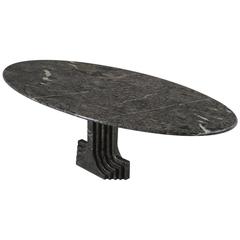
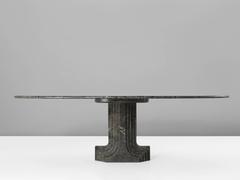
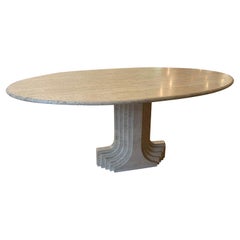
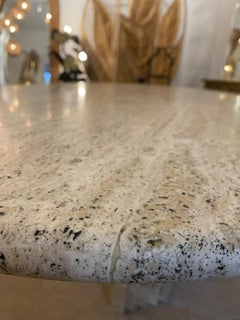
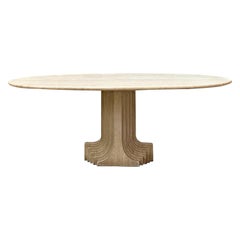
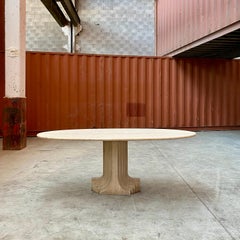
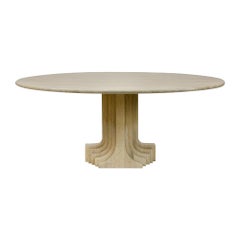
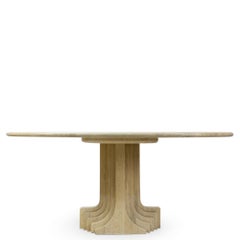
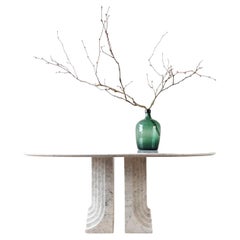
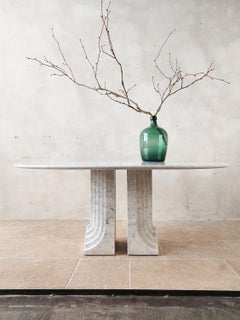
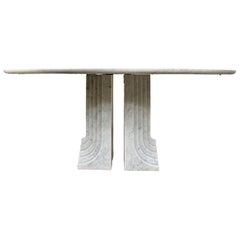
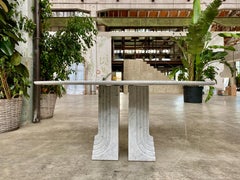
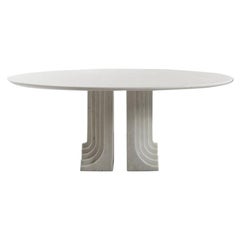
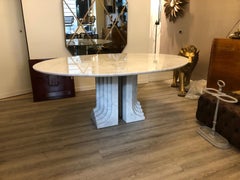
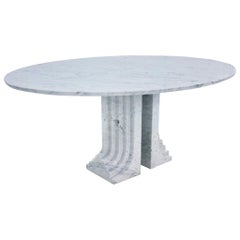
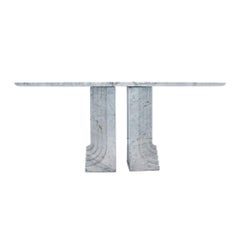
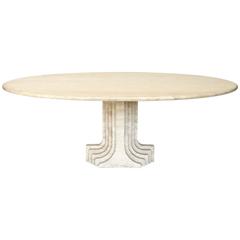
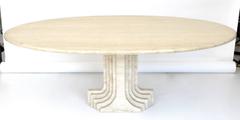
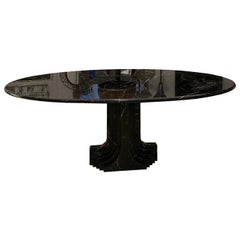
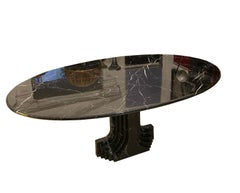
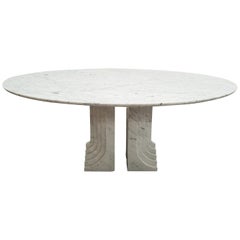
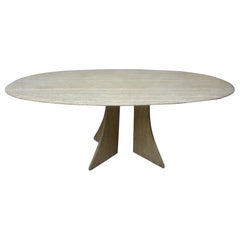
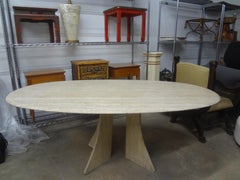
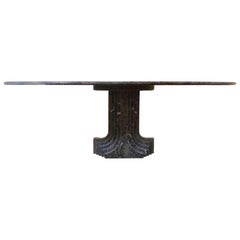
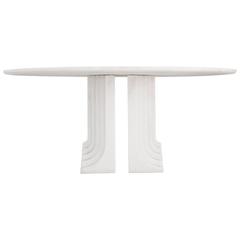
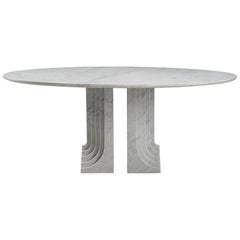
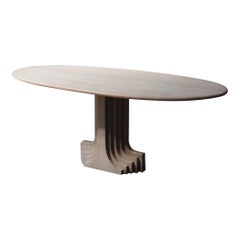
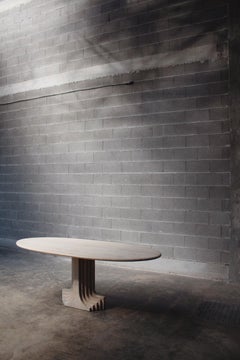
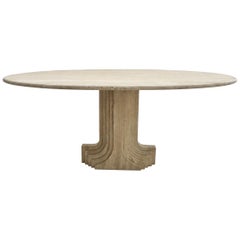
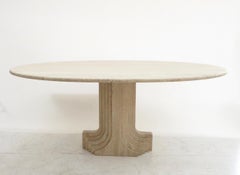
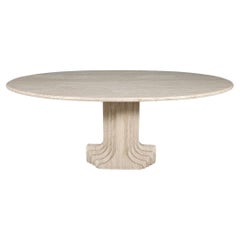
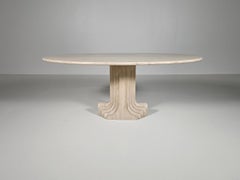
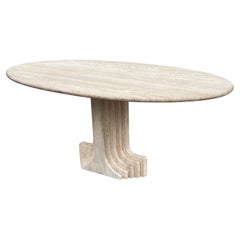
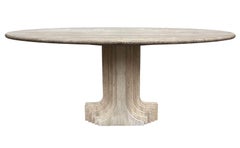
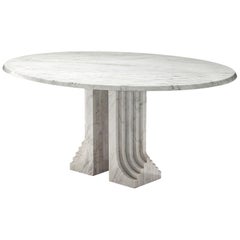
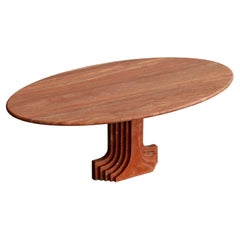
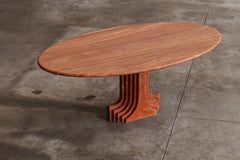
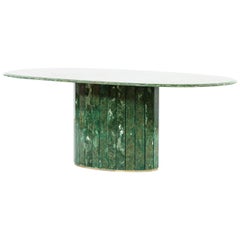
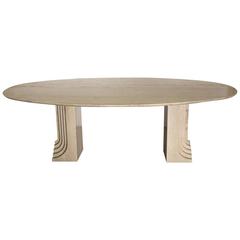
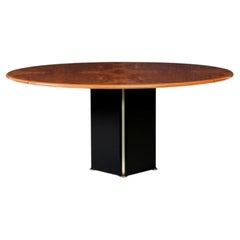
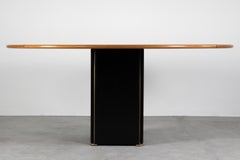
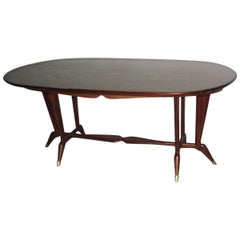
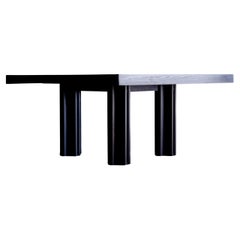
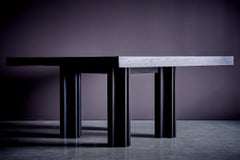
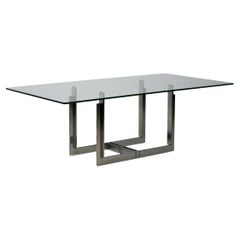
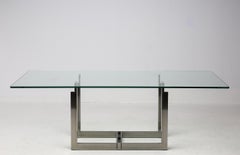
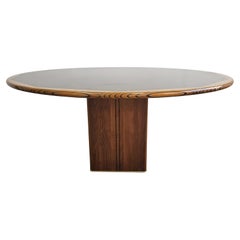
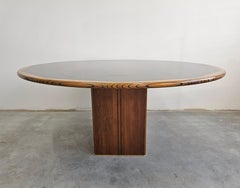
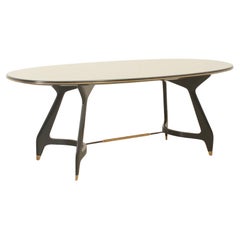
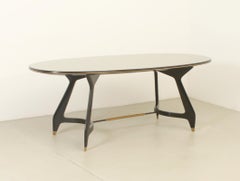
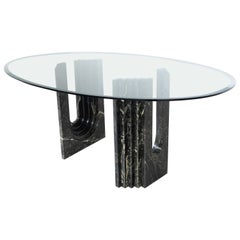
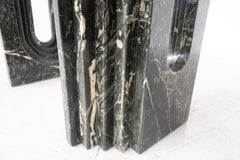
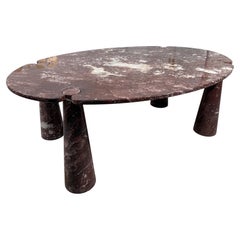
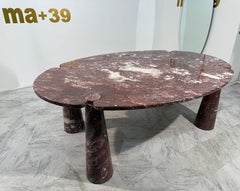
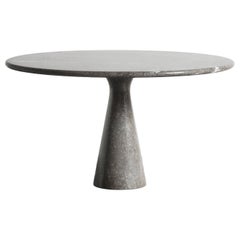
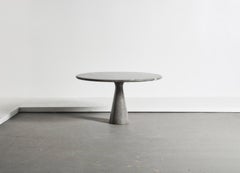
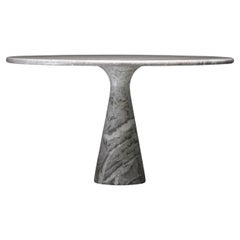
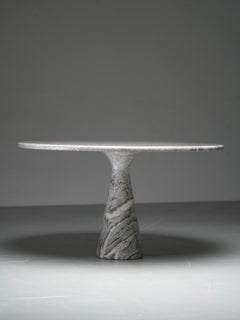
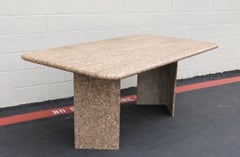
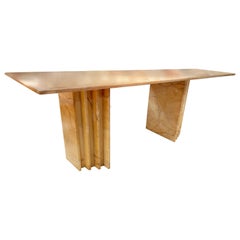
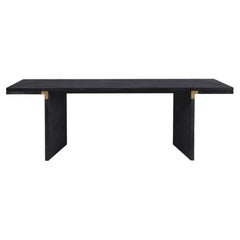
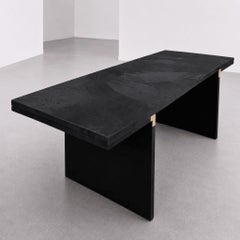
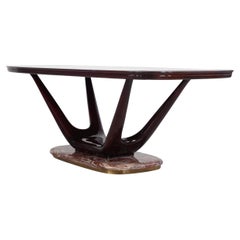
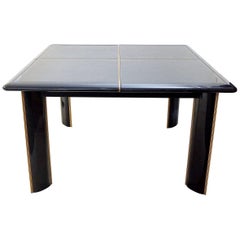
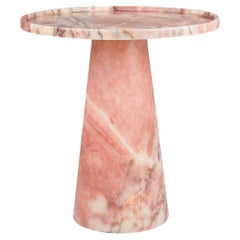
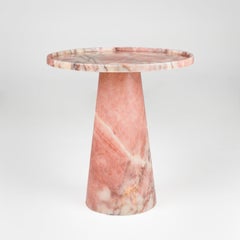
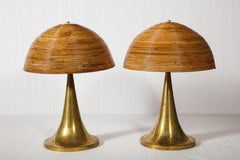
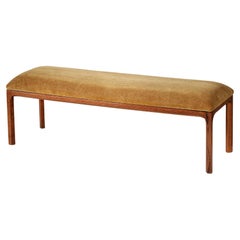
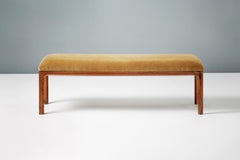
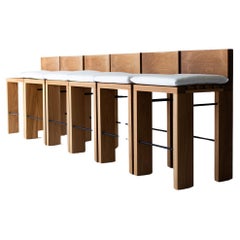
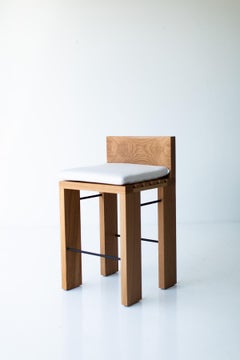
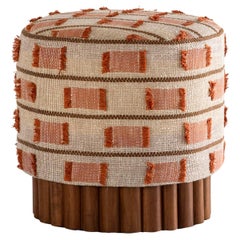
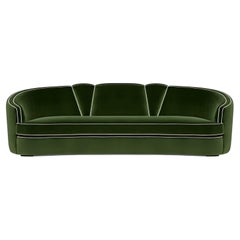
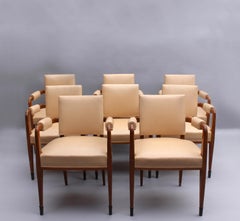
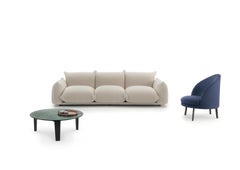
Choose from an assortment of styles, material and more with respect to the carlo scarpa oval table you’re looking for at 1stDibs. Frequently made of
stone,
marble and
limestone, every carlo scarpa oval table was constructed with great care. Whether you’re looking for an older or newer carlo scarpa oval table, there are earlier versions available from the 20th Century and newer variations made as recently as the 20th Century. A carlo scarpa oval table is a generally popular piece of furniture, but those created in
Mid-Century Modern and
Modern styles are sought with frequency. A well-made carlo scarpa oval table has long been a part of the offerings for many furniture designers and manufacturers, but those produced by
Carlo Scarpa,
Simon Furniture and
Roche Bobois are consistently popular.
Carlo Scarpa was born in Venice in 1906 and became one of the leading figures of architecture and international design during the 20th century. At merely 21 years old — and still a student at the Academy of Fine Arts — Scarpa began working as a designer for master Murano glassmaker M.V.M. Cappellin. Within a few years, he completely revolutionized the approach to art glass.
In a short time, under the guidance of Scarpa, the Capellin furnace not only established itself as the top glass company, but above all it introduced modernity and international fame to Murano glassmaking. Scarpa created a personal style of glassmaking, a new vision that irreversibly changed glass production.
The young Scarpa experimented with new models and colors: his chromatic combinations, impeccable execution and geometric shapes became his modus operandi. Thanks to Scarpa’s continuous research on vitreous matter, Cappellin produced a series of high-quality glass objects, that saw the company revisiting ancient processing techniques such as the watermark and Phoenician decoration.
When he encountered the challenge of opaque glass, Scarpa proposed introducing textures of considerable chromatic impact, such as glass pastes and glazed glass with bright colors. Scarpa also collaborated in the renovation of Palazzo da Mula in Murano, the home of Cappellin. At the academy, he obtained the diploma of professor of architectural design and obtained an honorary degree from the Venice University Institute of Architecture of which he was director.
In 1931, Scarpa's collaboration with Cappellin ended, following the bankruptcy of the company because it was not able to withstand the economic crisis linked to the Great Depression. But Scarpa did not go unnoticed by Paolo Venini — in 1933, the young designer became the new artistic director of the biggest glass company in Murano.
Master glassmakers thought Scarpa's projects and sketches were impossible, but the passionate and curious designer always managed to get exactly what he wanted. Until 1947 he remained at the helm of Venini & Co., where he created some of the best known masterpieces of modern glassmaking. Scarpa’s work with Venini was characterized by the continuous research on the subject, the use of color and techniques that he revisited in a very personal way, and the development of new ways of working with master glassmakers.
At the beginning of the 1930s, "bubble", "half filigree" and "submerged" glass appeared for the first time on the occasion of the Venice Biennale of 1934. A few years later, at the Biennale and the VI Triennale of Milan, Venini exhibited its lattimi and murrine romane pieces, which were born from a joint idea between Scarpa and Paolo Venini.
In 1938 Scarpa increased production, diversifying the vases from "objects of use" to sculptural works of art. In the same year he laid the foundation for the famous "woven" glass collection, exhibited the following year. In the subsequent years, Scarpa–Venini continued to exhibit at the Biennale and in various other shows their the "black and red lacquers," the granulari and the incisi, produced in limited series, and the "Chinese," which was inspired by Asian porcelain.
Scarpa's creations for Venini garnered an international response and were a great success, leaving forever an indelible mark on the history of glassmaking. The last Biennale in which Carlo Scarpa participated as artistic director of Venini was in 1942. He left the company five years later.
The time that Scarpa spent in the most important glass factory in Murano would attach a great artistic legacy to the company. His techniques and styles were resumed in the postwar period under the guidance of Tobia Venini, Paolo's son. In the 1950s, after the departure of Scarpa, Fulvio Bianconi was the new visionary at the Biennials with Venini.
On 1stDibs, vintage Carlo Scarpa glass and lighting are for sale, including decorative objects, tables, chandeliers and more.
(Biography provided by Ophir Gallery Inc.)
Antique and vintage dining room tables have long been the anchor of the home's most social room. The round pedestal and long banquet forms most collected today trace back to the 18th and 19th centuries, when the dining room itself first came into fashion.
Styles to Know
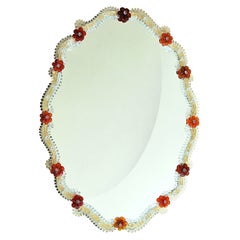
Round and oval tables suit smaller or open-plan rooms, while rectangular pedestal and trestle tables remain the standard for larger, more formal spaces. A credenza adds extra serving storage nearby, and a vintage wall mirror overhead opens up the room. For layout ideas, browse 20 dining rooms arranged for entertaining.
How to Choose the Right Vintage Dining Table
A dining table is usually the largest piece in the room, which makes delivery details worth confirming: White Glove service, disassembly options, and the table's full length, leaves included, measured against the space you have. Every table comes from a vetted 1stDibs seller, with era, designer and condition detailed, backed by the 1stDibs Promise.