Pair Antique Chinese "Clobbered" Porcelain Covered Vases Made into Lamps.
Located in New Orleans, LA
Pair Antique Chinese "Clobbered" Porcelain Covered Vases Made into Lamps, Circa 1880-1890.
Antique 19th Century Chinese Table Lamps
Porcelain
Pair Antique Chinese "Clobbered" Porcelain Covered Vases Made into Lamps.
Located in New Orleans, LA
Pair Antique Chinese "Clobbered" Porcelain Covered Vases Made into Lamps, Circa 1880-1890.
Porcelain
19th Century Painted Chinese Export Clobbered Ware
Located in Dallas, TX
19th Century Painted Chinese Export Clobbered Ware with gold gilt accents of beautiful Chinese figures and colorful floral motifs purchased in Paris
Porcelain
19th Century Painted Chinese Export Clobbered Ware
Located in Dallas, TX
19th Century Painted Chinese Export Clobbered Ware with gold gilt accents of beautiful Chinese figures and colorful floral motifs and lion head motif with lid purchased in Paris
Porcelain
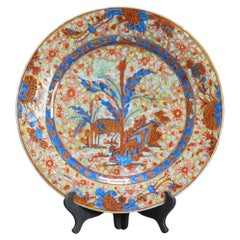
Large Antique 18th Century Clobbered Porcelain Charger Flowers Rock Deer Dragon
Located in Amsterdam, Noord Holland
A very nicely made piece of 18th century porcelain decorated with Flowers. Underglaze blue and overglaze other enamels done in Europe. This is an example of British overdecoration. ...
Porcelain
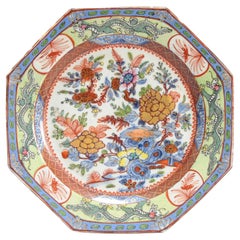
Antique 18th Century Chinese Porcelain Plate with Regency Style Overdecorating
Located in Amsterdam, Noord Holland
This trend extended to the decorative arts, where clobbered Chinese porcelain—originally blue-and-white pieces—was reimagined with bright reds, golds, greens, and dragons to cater to...
Porcelain

True porcelain ware was developed in the 11th century at the imperial kilns of Jingdezhen, Jiangxi province, China. These early porcelains of the Song and Yuan dynasties are known as Qingbai or Yingqing ware, defined by a light blue-grey glaze. Later forms of Chinese porcelain include blue and white underglaze ware, Celadon ware, Jun ware, Famille Verte ware, Wucai (Five Color) ware, and Dehua ware, also known as Blanc de Chine.


Chinese porcelain can usually be dated by form and decoration. However, copies and forgeries abound, so you should have an expert such as an appraiser, reputable dealer or auction house, or museum examine your porcelain to accurately date it.

The best way to know is to take it to an expert, such as an appraiser, reputable dealer or auction house, or museum

For thousands of years, China’s court-sponsored porcelain industry has been at the forefront of technical innovation and aesthetic refinement. Exquisite finishes and precision of form gave China an international reputation for fine ceramic wares. Age, shape, glaze, motif, and reign mark are all factors contributing to the value of a ceramic piece, indicative of the maker and the dynastic reign under which the object was created.