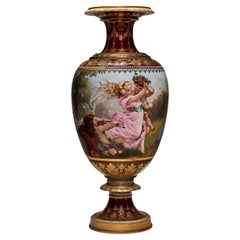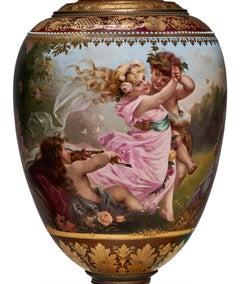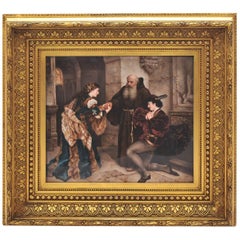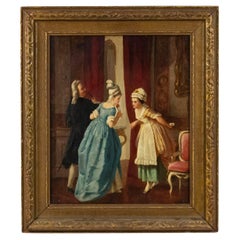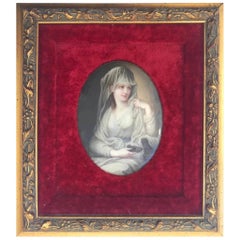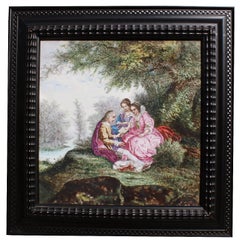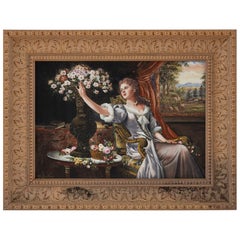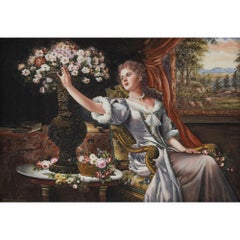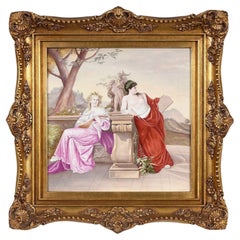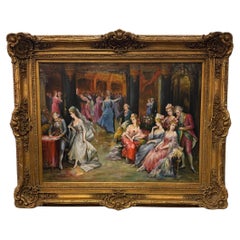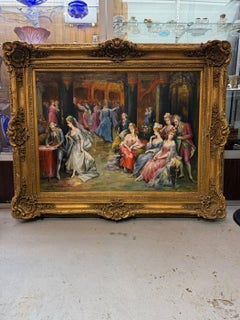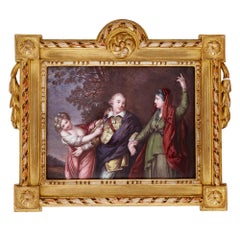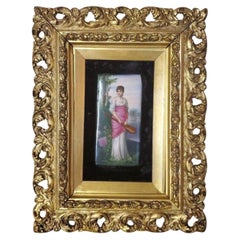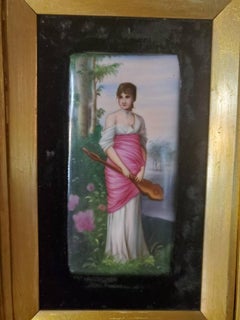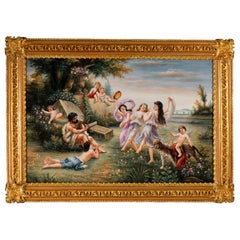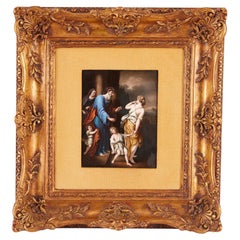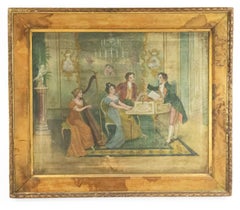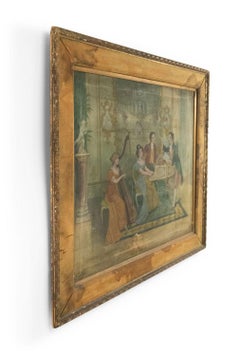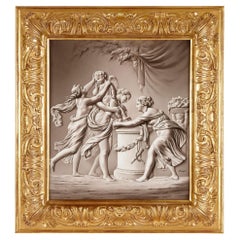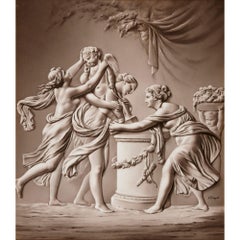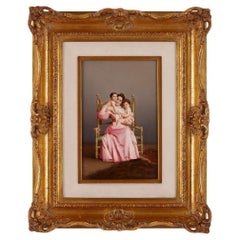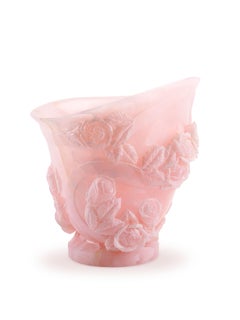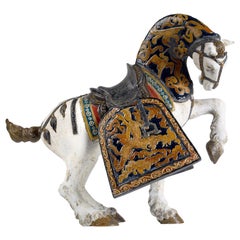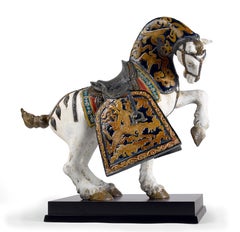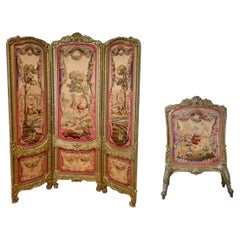

Known by just KPM, the Königliche Porzellan-Manufaktur company has been synonymous with exquisite porcelain works fit for nobility and royalty for over 200 years. KPM porcelain plates, centerpieces and sculptures are painstakingly formed through ages-old techniques and meticulously painted by hand, producing one-of-a-kind quality.

KPM began in Berlin in 1763, founded by King Frederick II of Prussia, after two other entrepreneurs had been unsuccessful in establishing porcelain manufacturing companies in Germany. In 1878, KPM developed a relationship with the Chemical-Technical Research Institute and its director, Hermann Seger. This partnership gave KPM early access to advances in porcelain production and coloration.

KPM flourished under the banner of royal ownership until 1918, when it became a state-run entity after the monarchy was disbanded following Germany’s loss in World War I. With the rise of the Nazi Party in the 1930s, many of the company’s top designers and directors were dismissed, denied exhibitions or forced to flee Germany due to Jewish heritage or loyalty to Jewish colleagues. In 1943, an Allied bombing raid destroyed the KPM factory, and the company was not reestablished until after the war.
KPM reopened in Franconia and began producing porcelain wares. Some staff also worked on reconstructing the historic KPM site in Berlin. In 1957, manufacturing returned to the original company premises.
KPM rebounded over the next few decades. In 2006, in a step to privatize companies throughout the country, German financier Jörg Woltmann bought the organization.
Since its privatization, the company has opened many galleries and shops around Germany and has worked in collaboration with notable brands like Bottega Veneta and Bugatti motor company in recent years.
Although rooted in the Rococo style, KPM has adapted its craft to meet the current trends, all while maintaining the highest levels of excellence throughout its centuries of operation. It continues to produce lavish, elegant porcelain works for elite clientele the world over.
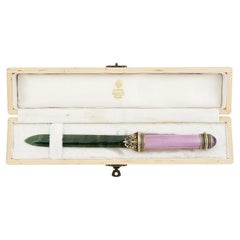
On 1stDibs, browse a vast selection of Königliche Porzellan-Manufaktur serveware, decorative objects, lighting and more.
Whether it’s a Chinese Han dynasty glazed ceramic wine vessel, a work of Murano glass or a hand-painted Scandinavian modern stoneware piece, a fine vase brings a piece of history into your space as much as it adds a sophisticated dynamic.
Like sculptures or paintings, antique and vintage vases are considered works of fine art. Once offered as tributes to ancient rulers, vases continue to be gifted to heads of state today. Over time, decorative porcelain vases have become family heirlooms to be displayed prominently in our homes — loved pieces treasured from generation to generation.
The functional value of vases is well known. They were traditionally utilized as vessels for carrying dry goods or liquids, so some have handles and feature an opening at the top (where they flare back out). While artists have explored wildly sculptural alternatives over time, the most conventional vase shape is characterized by a bulbous base and a body with shoulders where the form curves inward.
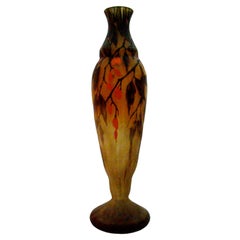
Owing to their intrinsic functionality, vases are quite possibly versatile in ways few other art forms can match. They’re typically taller than they are wide. Some have a neck that offers height and is ideal for the stems of cut flowers. To pair with your mid-century modern decor, the right vase will be an elegant receptacle for leafy snake plants on your teak dining table, or, in the case of welcoming guests on your doorstep, a large ceramic floor vase for long tree branches or sticks — perhaps one crafted in the Art Nouveau style — works wonders.
Interior designers include vases of every type, size and style in their projects — be the canvas indoors or outdoors — often introducing a splash of color and a range of textures to an entryway or merely calling attention to nature’s asymmetries by bringing more organically shaped decorative objects into a home.
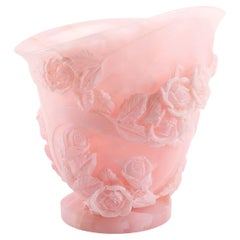
On 1stDibs, you can browse our collection of vases by material, including ceramic, glass, porcelain and more. Sizes range from tiny bud vases to massive statement pieces and every size in between.