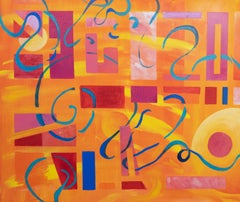
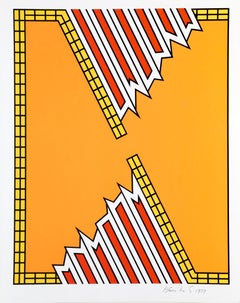
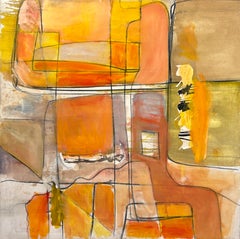
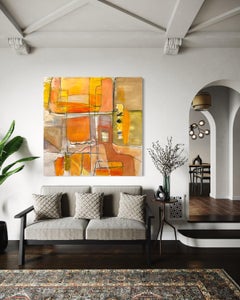
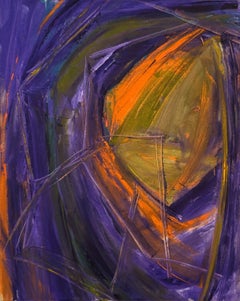
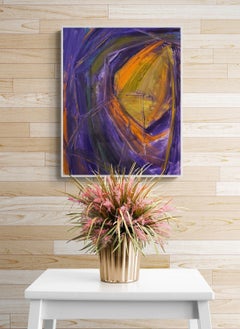
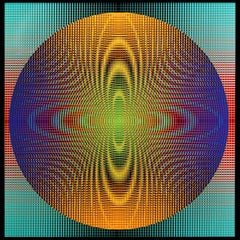
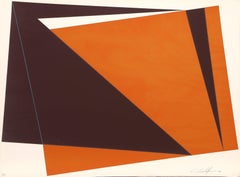
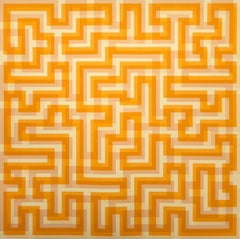
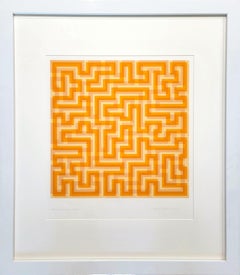
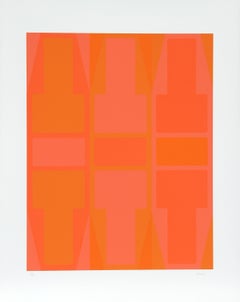
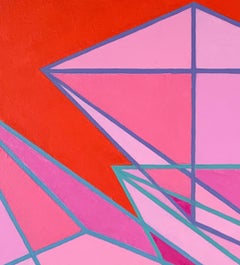
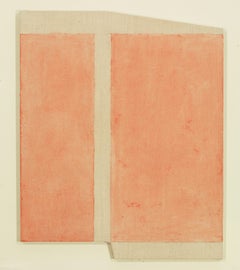
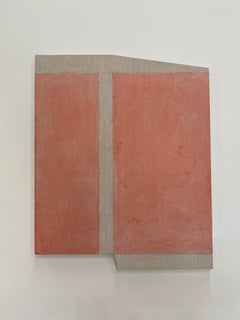
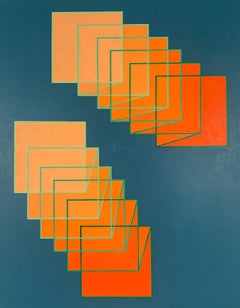
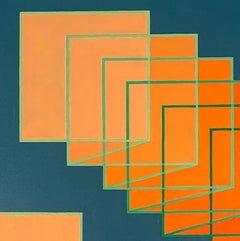
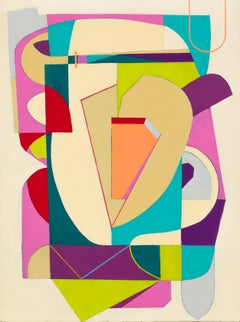
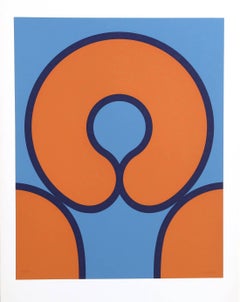
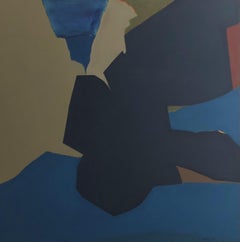
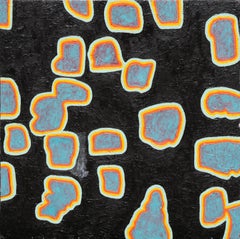
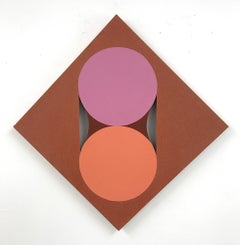
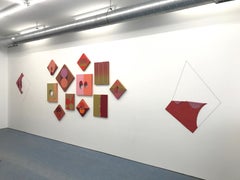
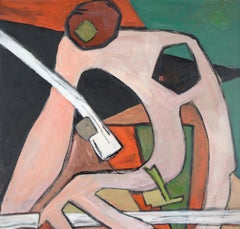
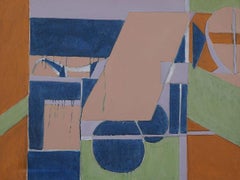
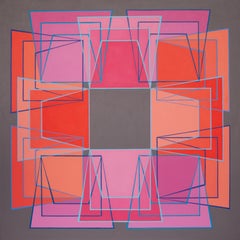
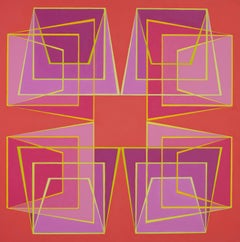
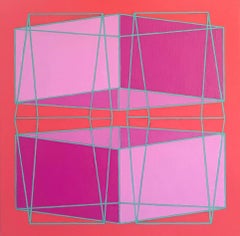
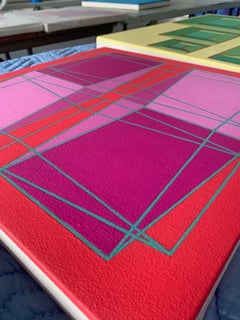
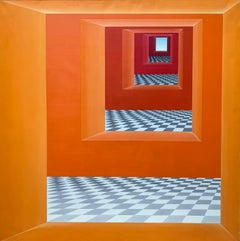
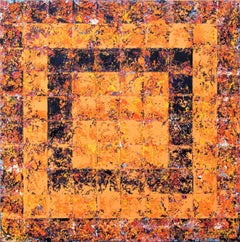
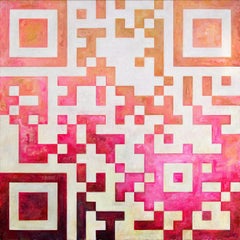
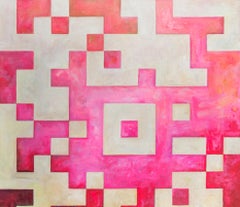
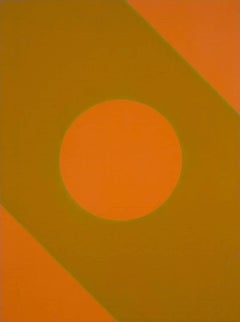
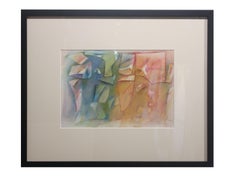
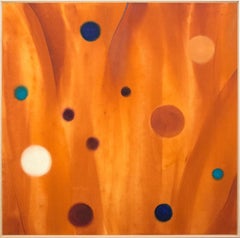
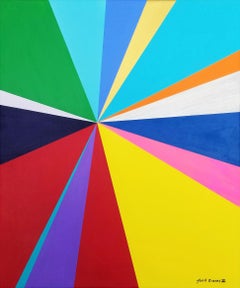
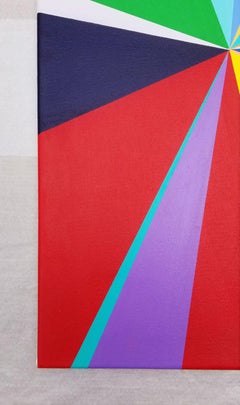
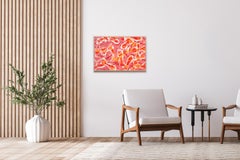
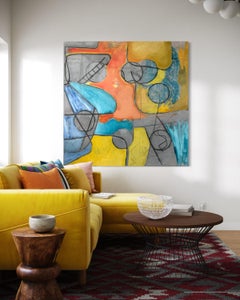
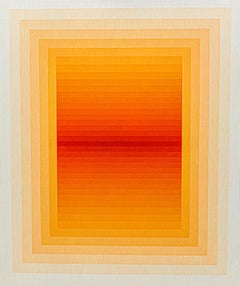
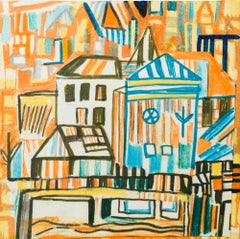
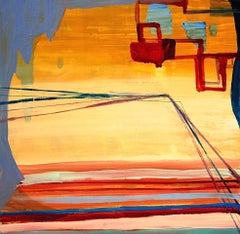
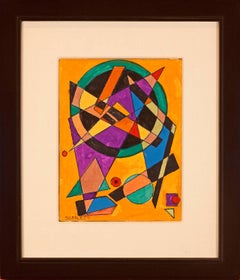
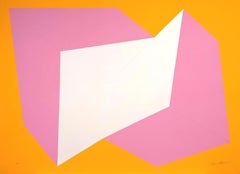
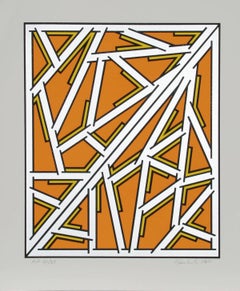
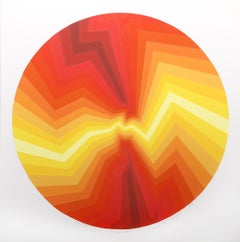
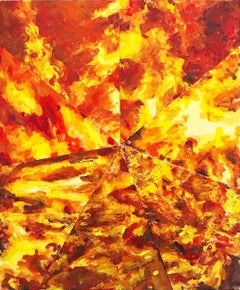
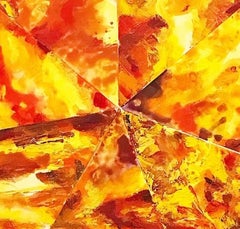
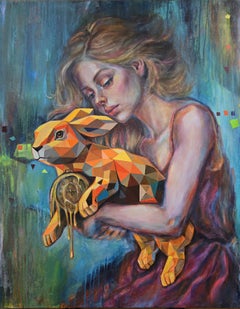
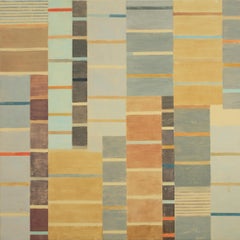
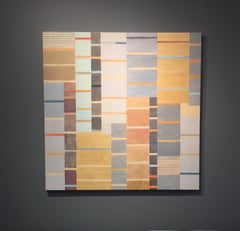
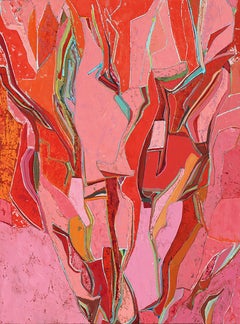
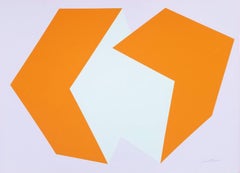
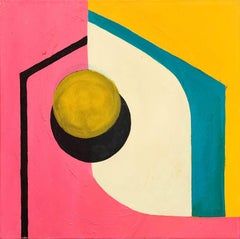
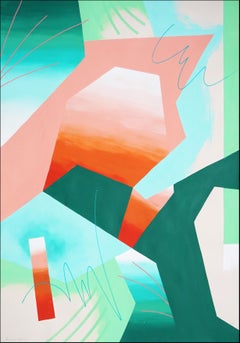
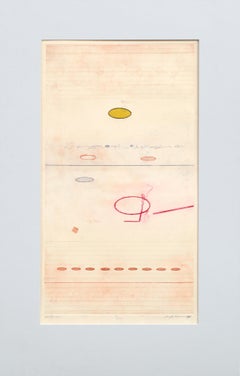
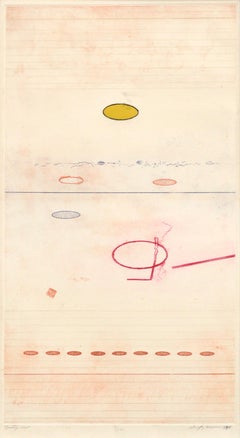
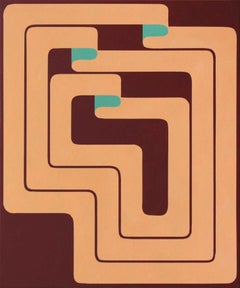
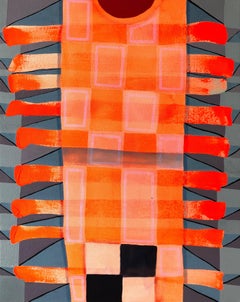
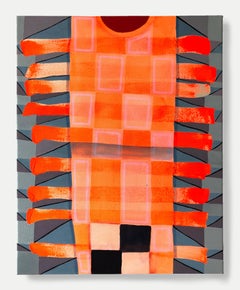
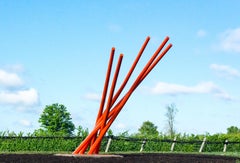
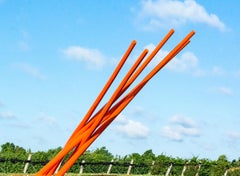
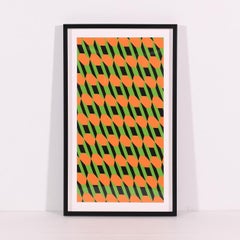
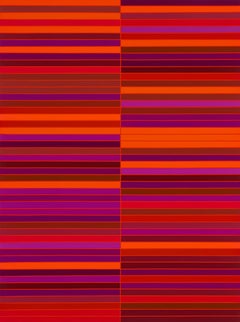
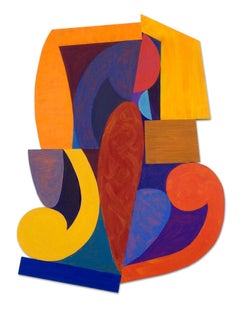
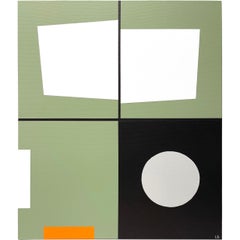
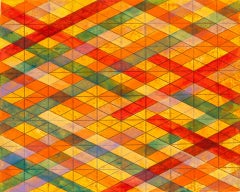
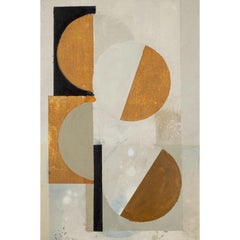
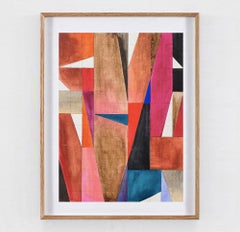
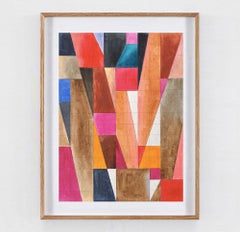
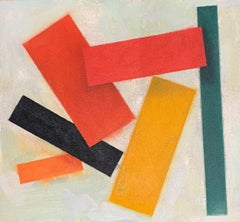
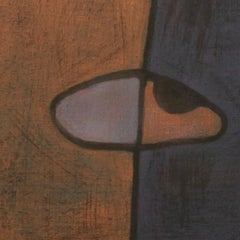
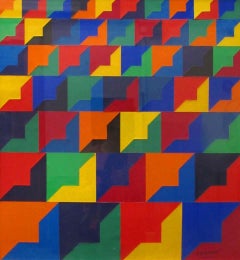
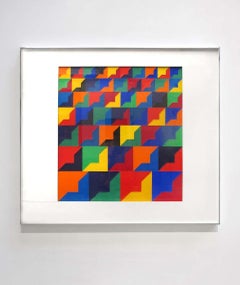
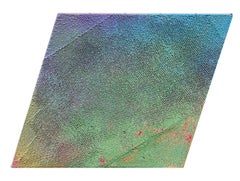
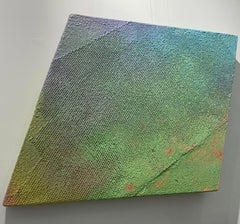
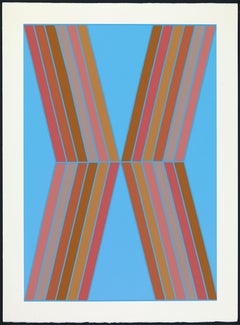
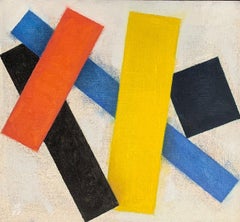
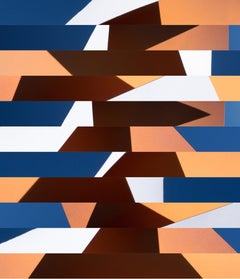
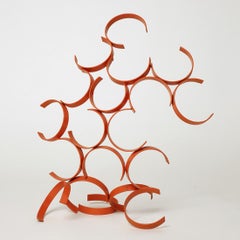
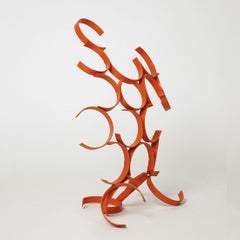
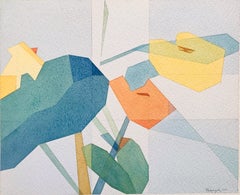
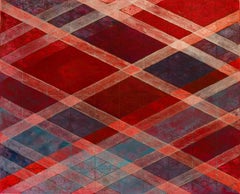
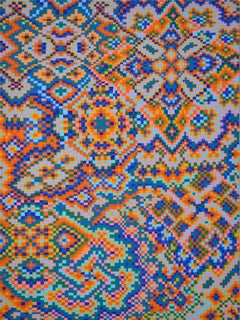
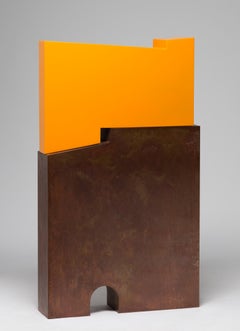
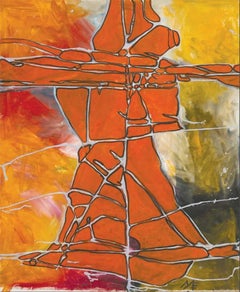
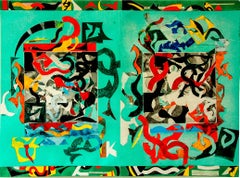
You are likely to find exactly the piece of geometric orange art you’re looking for on 1stDibs, as there is a broad range for sale. In our selection of items, you can find
Abstract examples as well as a
Contemporary version. Making the right choice when shopping for an item from our selection of geometric orange art may mean carefully reviewing examples of this item dating from different eras — you can find an early iteration of this piece from the 20th Century and a newer version made as recently as the 21st Century. When looking for the right choice in our collection of geometric orange art for your space, you can search on 1stDibs by color — popular works were created in bold and neutral palettes with elements of
orange,
gray,
brown and
black. Creating an object in our assortment of geometric orange art has been a part of the legacy of many artists, but those crafted by
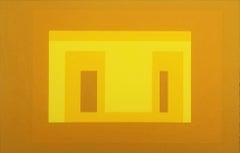
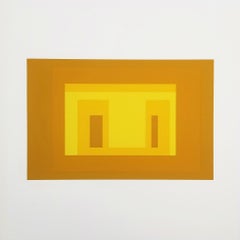
Josef Albers,
Véronique Gambier,
Arthur Boden,
Mitchell Funk and
Nicholas Krushenick are consistently popular. Artworks like these of any era or style can make for thoughtful decor in any space, but a selection from our variety of those made in
paint,
synthetic resin paint and
acrylic paint can add an especially memorable touch. If space is limited, you can find a small option in this array of geometric orange art measuring 2 high and 0.1 wide, while our inventory also includes works up to 186 across to better suit those in the market for a large piece of geometric orange art.
The price for an artwork of this kind can differ depending upon size, time period and other attributes — a piece of geometric orange art in our inventory may begin at $100 and can go as high as $116,682, while the average can fetch as much as $2,200.
Beginning in the early 20th century, abstract art became a leading style of modernism. Rather than portray the world in a way that represented reality, as had been the dominating style of Western art in the previous centuries, abstract paintings, prints and sculptures are marked by a shift to geometric forms, gestural shapes and experimentation with color to express ideas, subject matter and scenes.
Although abstract art flourished in the early 1900s, propelled by movements like Fauvism and Cubism, it was rooted in the 19th century. In the 1840s, J.M.W. Turner emphasized light and motion for atmospheric paintings in which concrete details were blurred, and Paul Cézanne challenged traditional expectations of perspective in the 1890s.
Some of the earliest abstract artists — Wassily Kandinsky and Hilma af Klint — expanded on these breakthroughs while using vivid colors and forms to channel spiritual concepts. Painter Piet Mondrian, a Dutch pioneer of the art movement, explored geometric abstraction partly owing to his belief in Theosophy, which is grounded in a search for higher spiritual truths and embraces philosophers of the Renaissance period and medieval mystics. Black Square, a daringly simple 1913 work by Russian artist Kazimir Malevich, was a watershed statement on creating art that was free “from the dead weight of the real world,” as he later wrote.
Surrealism in the 1920s, led by artists such as Salvador Dalí, Meret Oppenheim and others, saw painters creating abstract pieces in order to connect to the subconscious. When Abstract Expressionism emerged in New York during the mid-20th century, it similarly centered on the process of creation, in which Helen Frankenthaler’s expressive “soak-stain” technique, Jackson Pollock’s drips of paint, and Mark Rothko’s planes of color were a radical new type of abstraction.
Conceptual art, Pop art, Hard-Edge painting and many other movements offered fresh approaches to abstraction that continued into the 21st century, with major contemporary artists now exploring it, including Anish Kapoor, Mark Bradford, El Anatsui and Julie Mehretu.
Find original abstract paintings, sculptures, prints and other art on 1stDibs.