By Émile Gallé
Located in West Sussex, Pulborough
Royal House Antiques
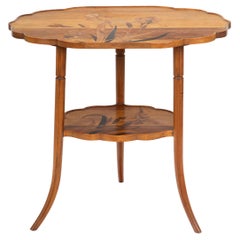
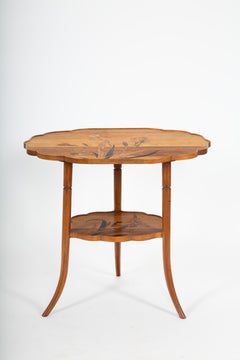
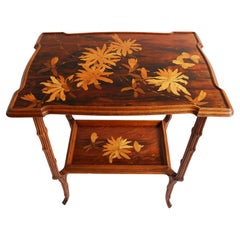
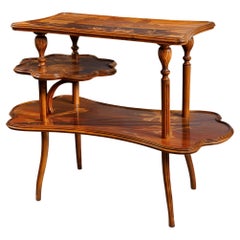
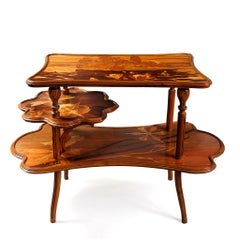
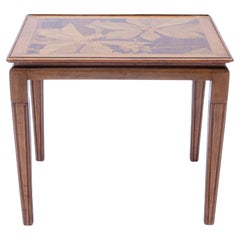
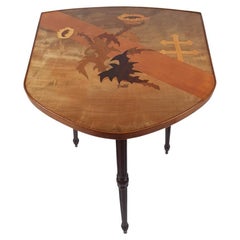
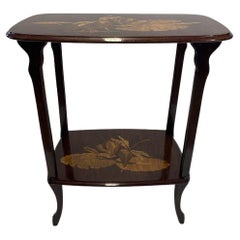
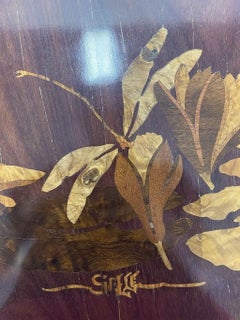
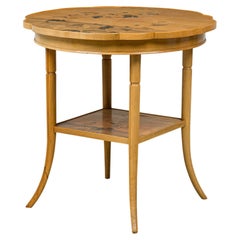
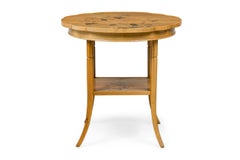
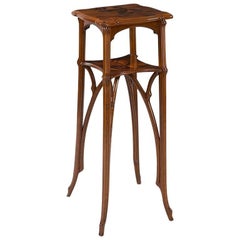
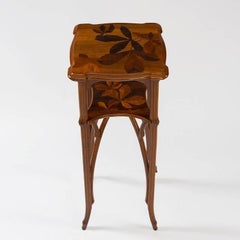
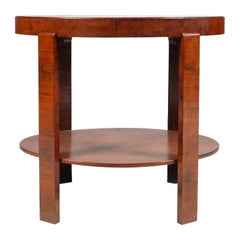
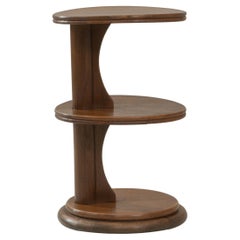
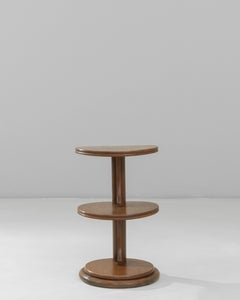
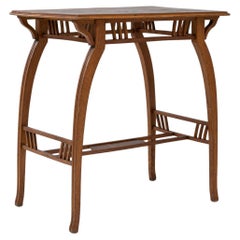
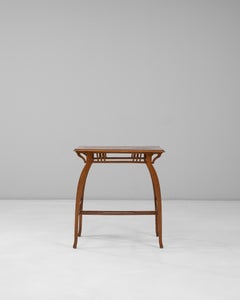
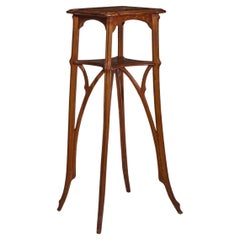
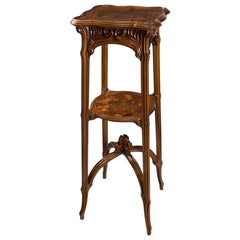
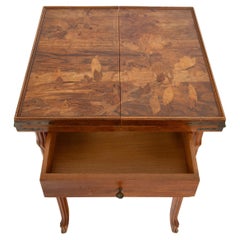
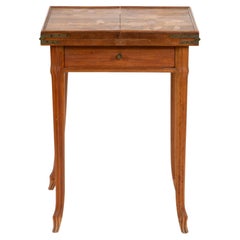
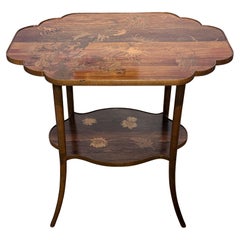
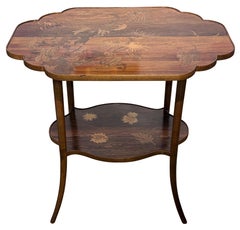
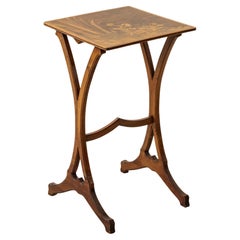
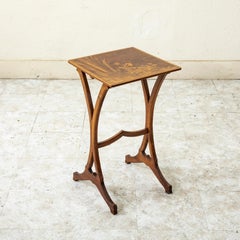
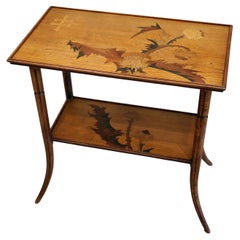
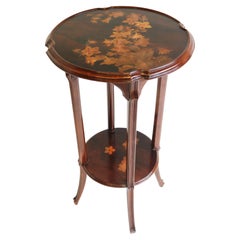
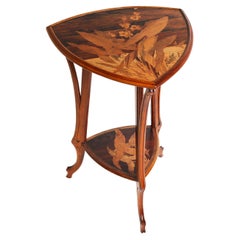
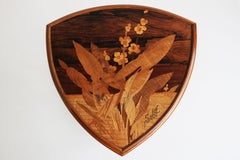
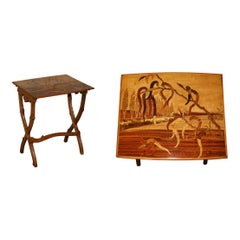
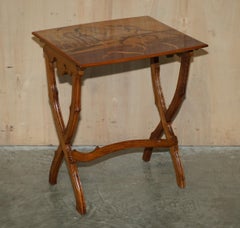
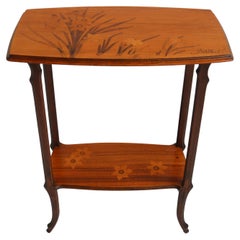
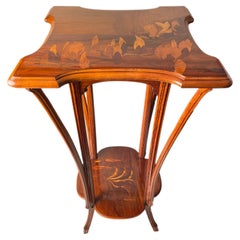
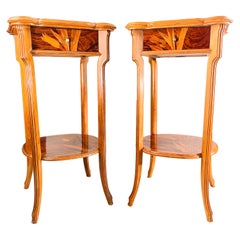
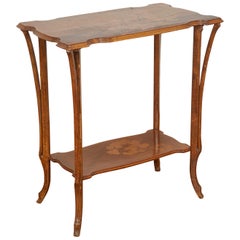
Royal House Antiques is delighted to offer for sale this exceptionally rare Emile Galle signed side table
Please note the delivery fee listed is just a guide, it covers within the M25 only for the UK and local Europe only for international, if you would like an accurate quote, please send me your postcode and I’ll provide you with the exact price.
If you are looking at this listing then the chance are you know who Galle is and are familiar with his work, if not please find below a brief history on the great man.
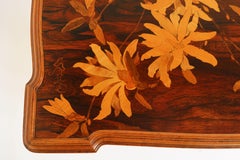
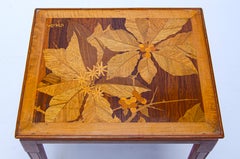
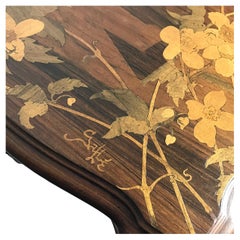
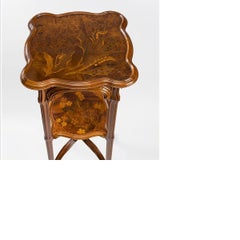
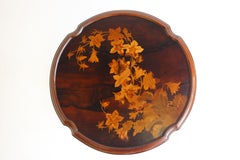
The table depicts a lovely woodland scene with trees in the background and branches in the foreground
In terms of the condition, it is sublime, it really is sublime
Dimensions
Height 51.5cm
Width 43.5cm
Depth 38.5cm
Please note all measurements are taken at the widest point, if you would like any additional or specific measurements please ask.
Gallé was the son of a faience and furniture manufacturer and studied philosophy, botany, and drawing in his youth. He later learned glassmaking at Meisenthal and came to work at his father's factory in Nancy following the Franco-Prussian War. His early work was executed using clear glass decorated with enamel, but he soon turned to an original style featuring heavy, opaque glass carved or etched with plant motifs, often in two or more colours as cameo glass.
His friend and patron Robert de Montesquiou sent him to Bayreuth with a recommendation to Cosima Wagner, which led to a great enthusiasm for Parsifal. In 1875, he married Henriette Grimm (1848-1914). In 1877, he then assumed his father’s role as director of the Maison Gallé-Reinemer. In that same year, he was elected Secretary-General for the Société centrale d’horticulture de Nancy.
His career took off after his work received praise at the Paris Exhibition of 1878. Within a decade of another successful showing at the Paris Exhibition of 1889, Gallé had reached international fame and his style, with its emphasis on naturalism and floral motifs, was at the forefront of the emerging Art Nouveau movement.
He continued to incorporate experimental techniques into his work, such as metallic foils and air bubbles, and also revitalized the glass industry by establishing a workshop to mass-produce his, and other artists', designs.
The factory would employ 300 workers and artisans at its height, including the notable glassmaker Eugène Rosseau, and remained in operation until 1936.
Gallé wrote a book on art...
Category
19th Century European Victorian Antique Émile Gallé Side Tables