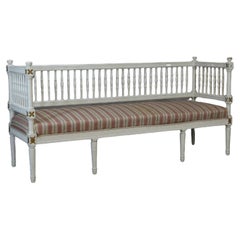
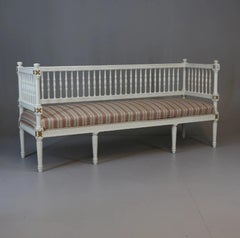
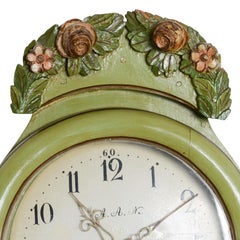
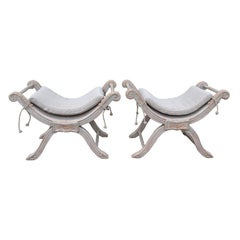
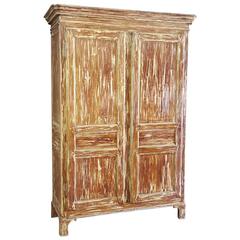
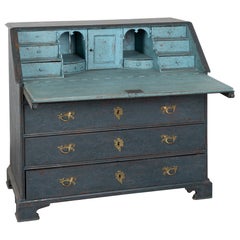
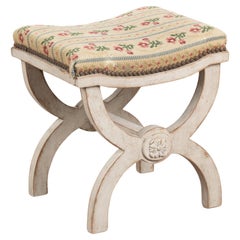
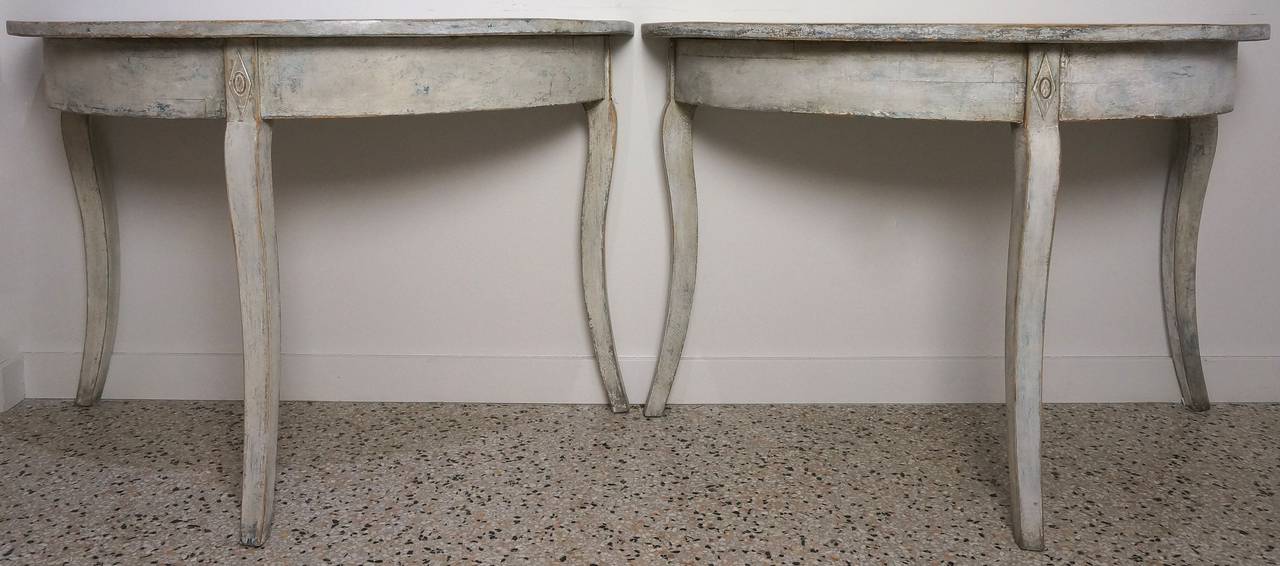
There is a range of Swedish gustavian antiques for sale on 1stDibs. Frequently made of
wood,
pine and
softwood, all Swedish gustavian antiques available were constructed with great care. Swedish gustavian antiques have been produced for many years, with earlier versions available from the 18th Century and newer variations made as recently as the 20th Century. There are many kinds of Swedish gustavian antiques to choose from, but at 1stDibs,
Victorian,
Neoclassical and
Louis XVI Swedish gustavian antiques are of considerable interest.
Swedish gustavian antiques can differ in price owing to various characteristics — the average selling price at 1stDibs is $4,550, while the lowest priced sells for $991 and the highest can go for as much as $16,500.
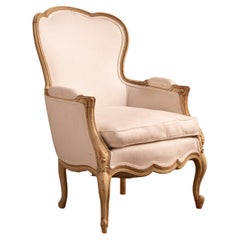
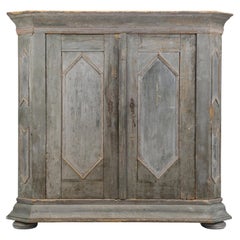
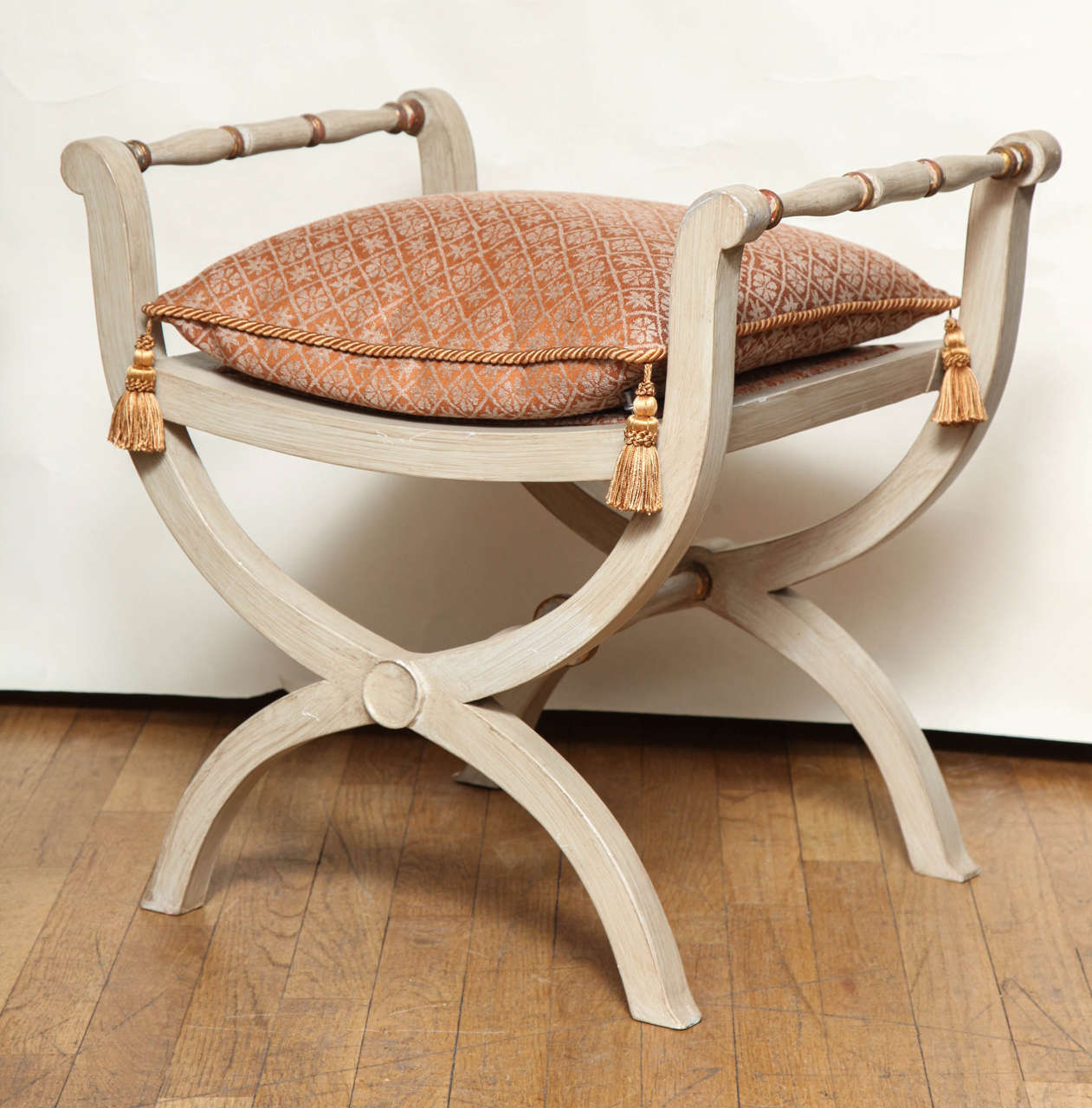
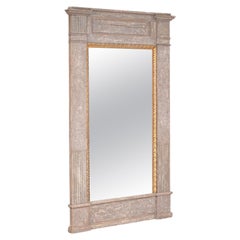
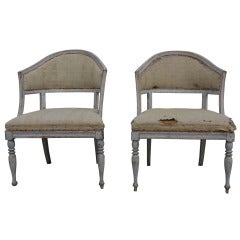
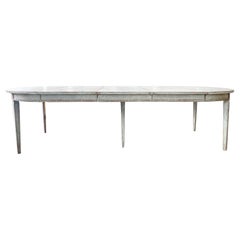
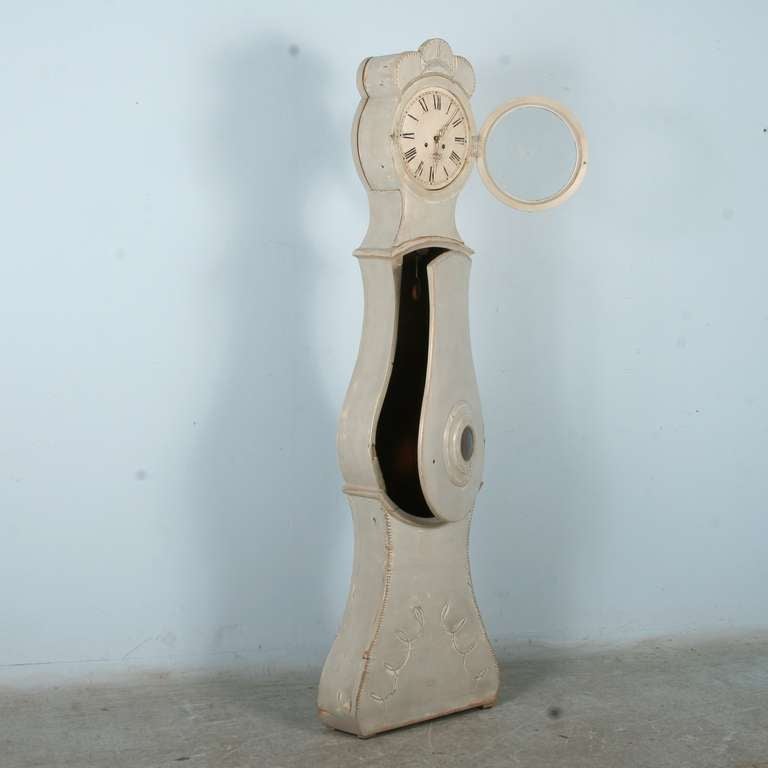
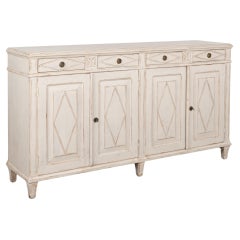
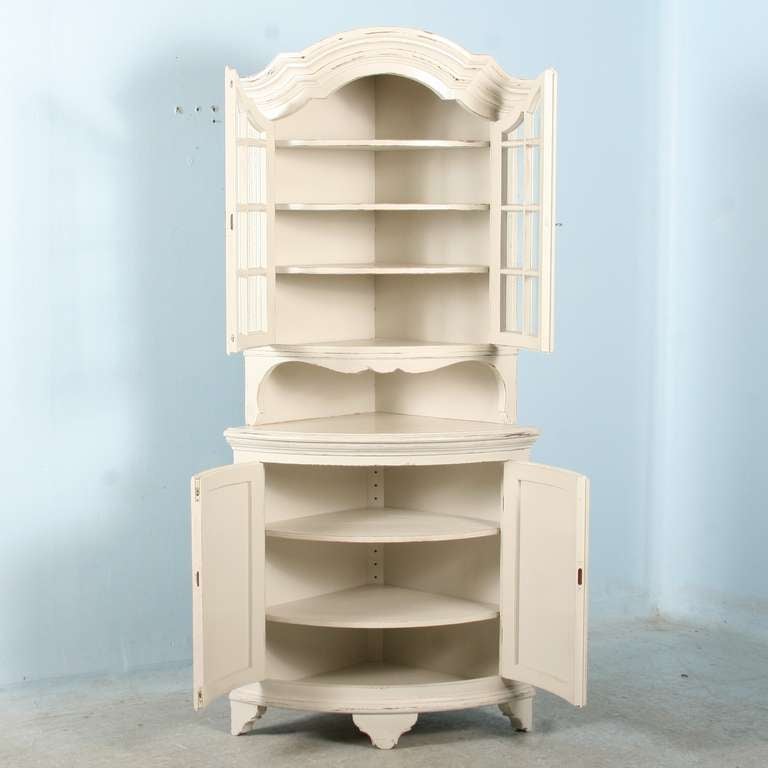
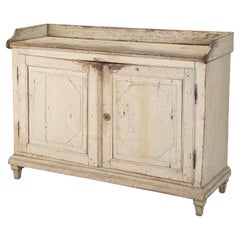
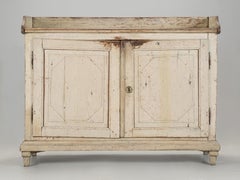
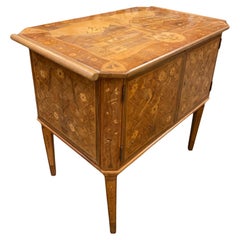
With clean lines and muted colors, antique Gustavian furniture is understated and elegant. It represents a more restrained version of the transition from Rococo to neoclassicism that was happening in France under Louis XVI. The style developed under Swedish King Gustav III, who reigned from 1771 until his assassination in 1792, and his son Gustav IV, who ruled until 1809. Although Gustavian furniture is mostly used to refer to pale painted cabinets, commodes, armchairs and other items, it involved a range of influences.
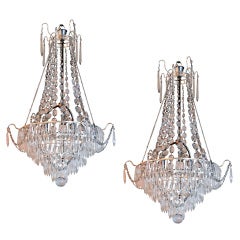
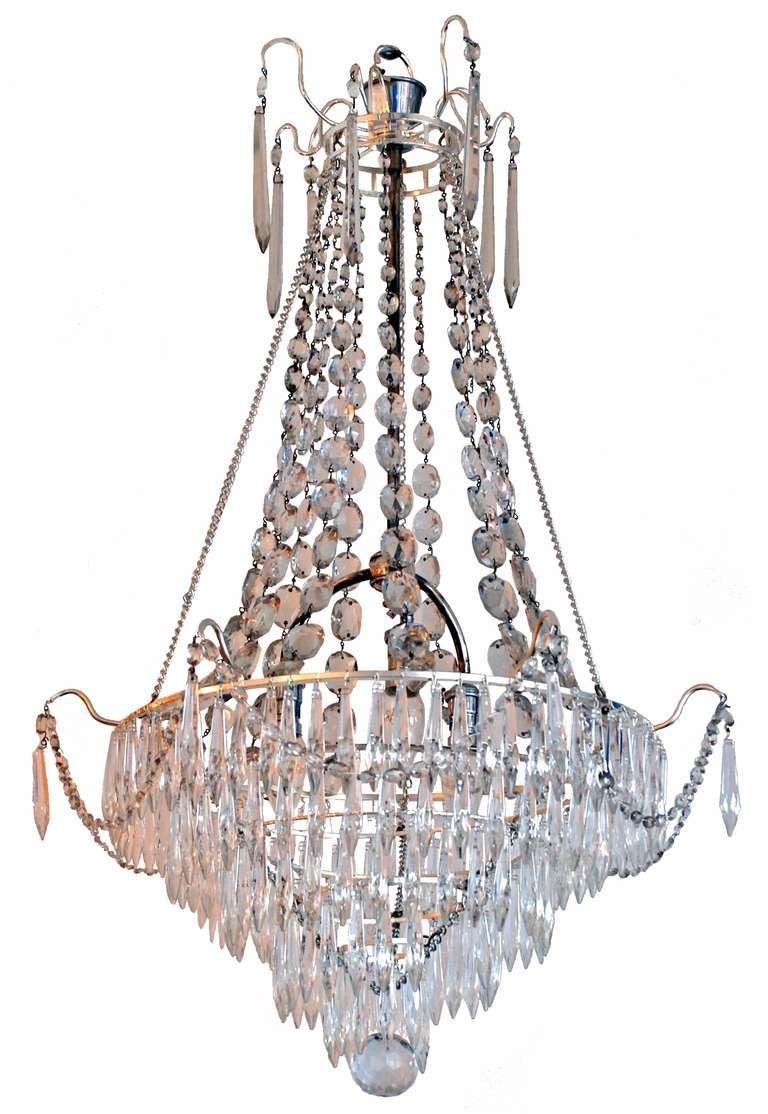
Gustavian-style furniture was inspired by discoveries at Pompeii and Herculaneum as well as the grandeur of European palaces like Versailles, with local softwoods such as pine and birch. There was also an emphasis on natural light; crystal chandeliers and large mirrors played a role in radiating the fleeting daylight of winter, giving it a distinctive aesthetic.
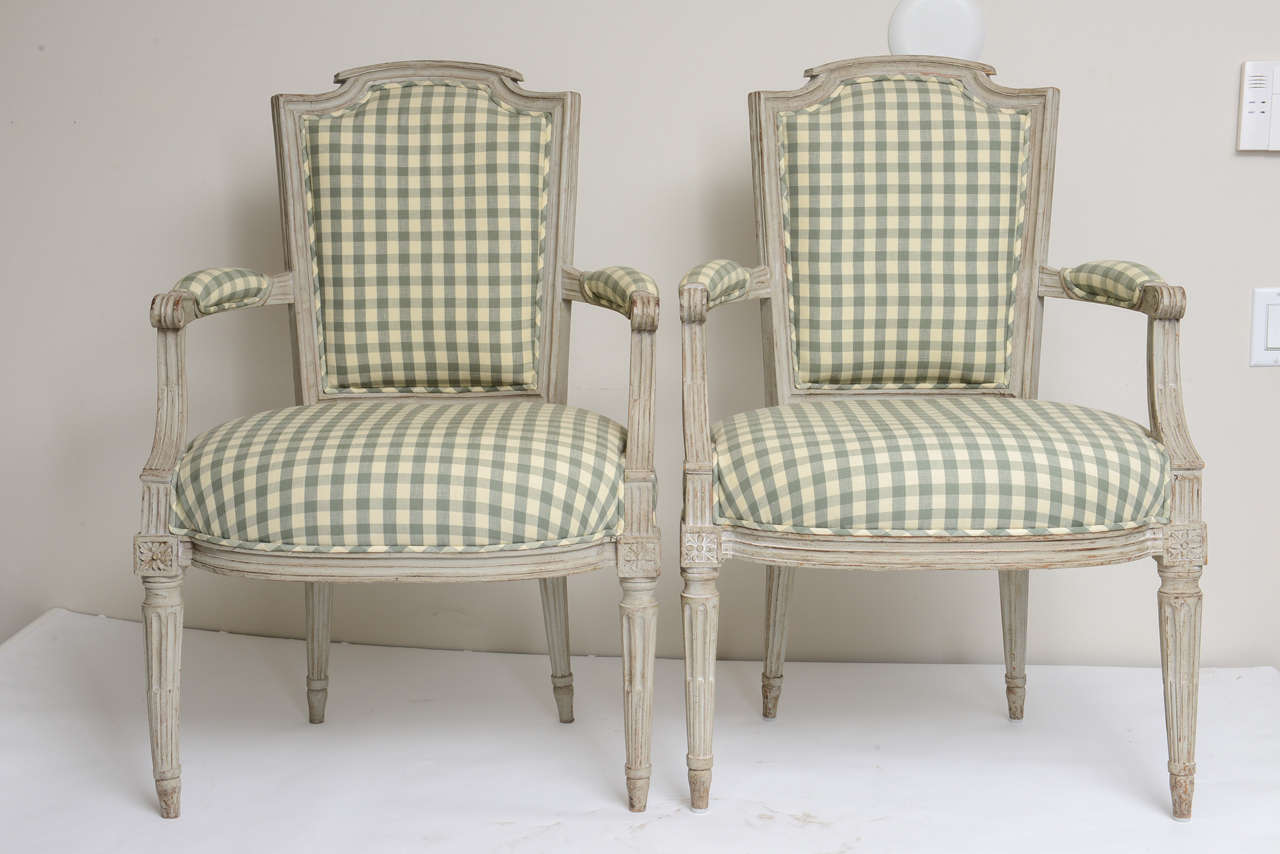
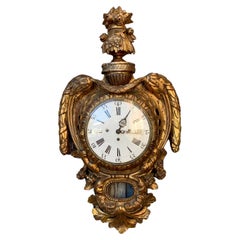
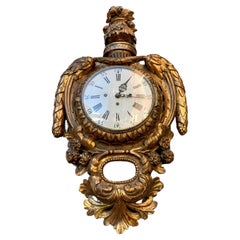
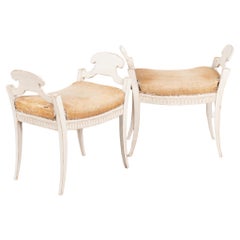
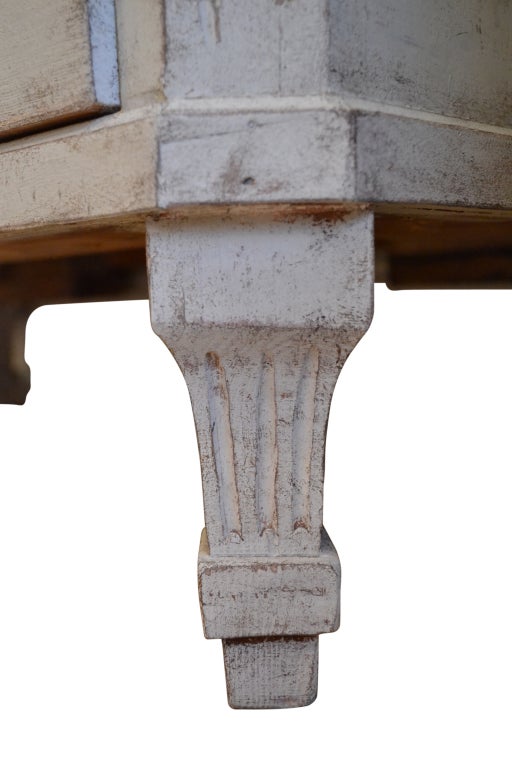
Where earlier furniture was curvy and florid, this new era was more architectural, with tapered and fluted legs and rectangular and oval shapes. Luminous gilt contrasted with the palette of soft blues on upholstery and painted surfaces. Leading furniture builders included Gottlieb Iwersson, Louis Masreliez and Erik Öhrmark. The latter, a French-born Swedish decorator, designed the Sulla chair, a seat that was demonstrative of technical skill and precise craftsmanship and drew on Greek klismos chairs. Masreliez’s Sulla chair was made by Öhrmark and featured decorative ornamentation produced by Jean-Baptiste Masreliez, Louis’s younger brother.
While the wealthy had furniture carved with neoclassical details like scallops and rosettes, more affordable options were adorned with faux finishes that mimicked marble and stenciled patterns. The simple elegance of Gustavian furniture would have a long impact on Swedish design, informing the 20th-century appreciation for function and form. In the 1950s, IKEA mass-produced copies of a Gustavian commode designed by cabinetmaker Georg Haupt, who created pieces for the Royal Palace, making the furniture a fixture of everyday Swedish life.
Find a collection of antique Gustavian seating, tables, decorative objects and other furniture on 1stDibs.