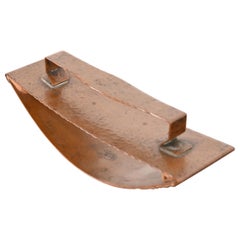
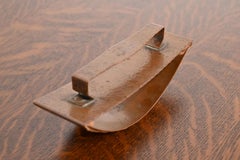
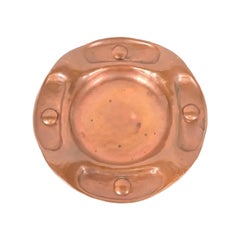
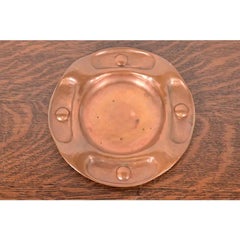
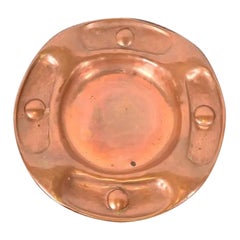
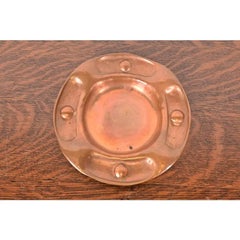
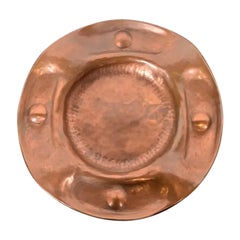
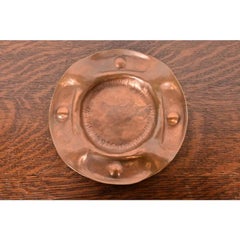
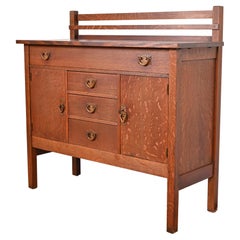
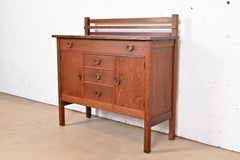
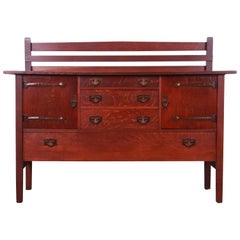
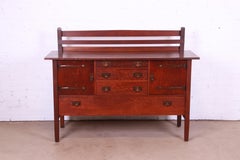
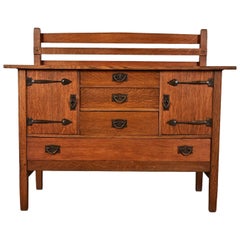
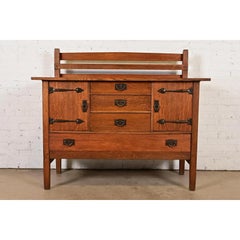
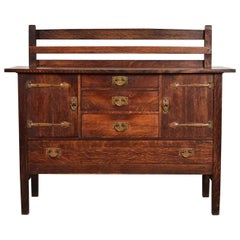
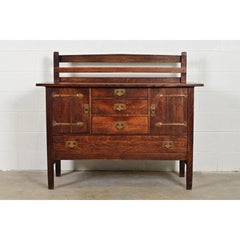
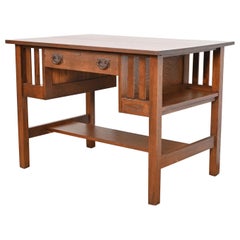
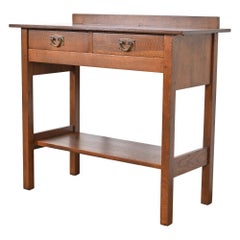
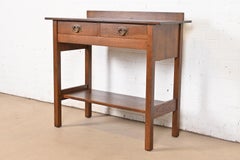
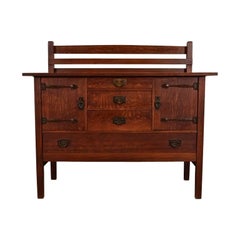
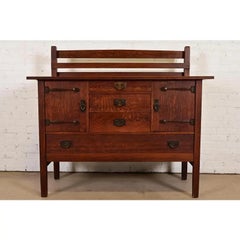
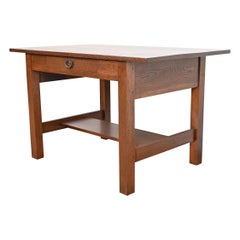
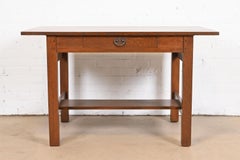
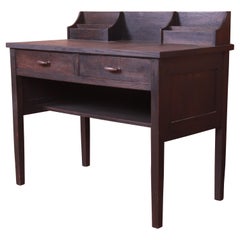
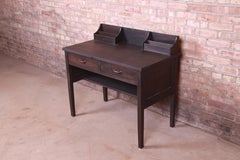
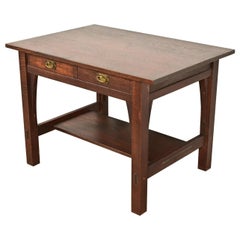
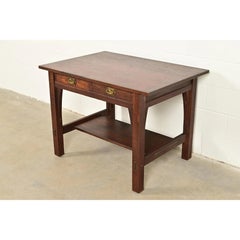
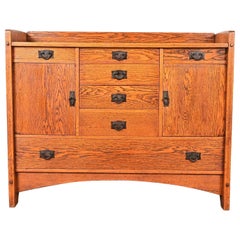
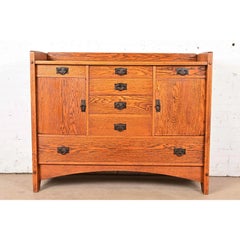
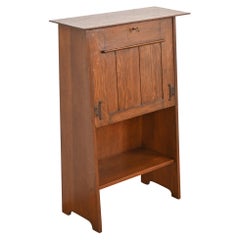
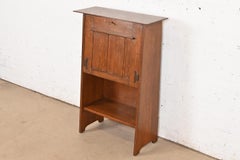
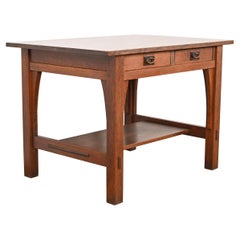
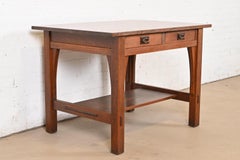
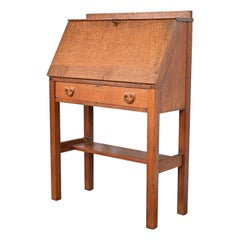
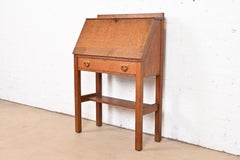
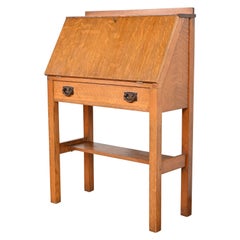
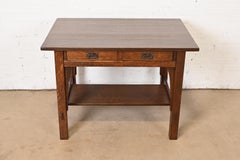
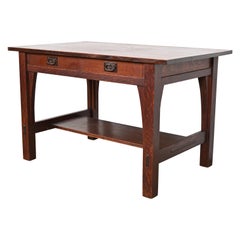
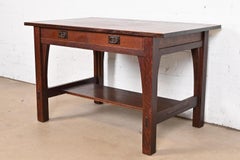
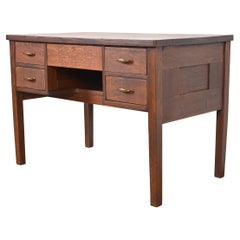
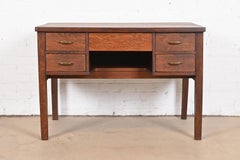
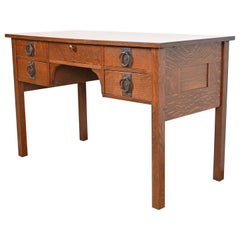
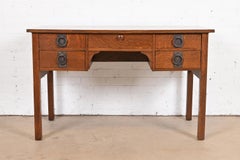
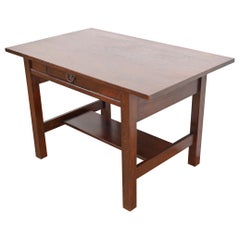
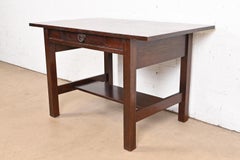
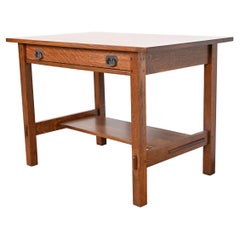
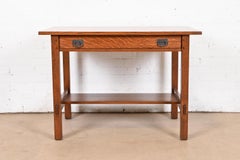
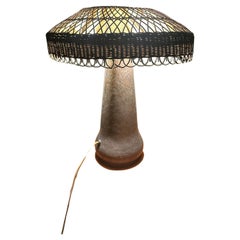
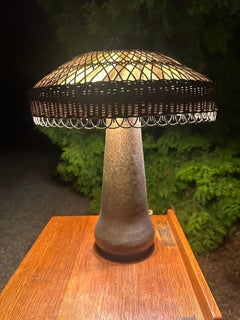
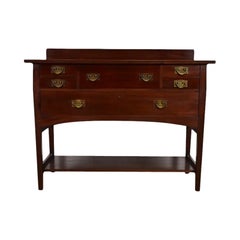
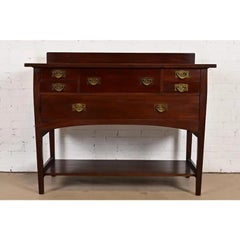
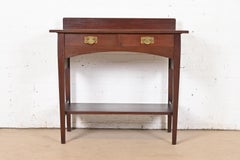
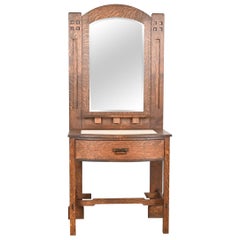
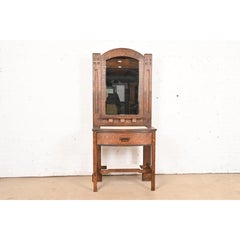
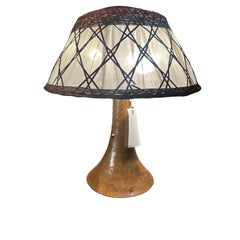
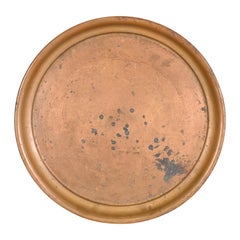
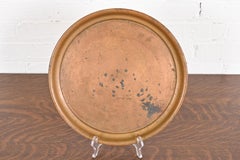
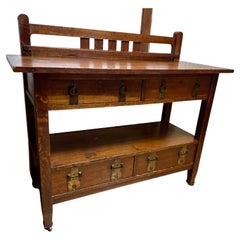
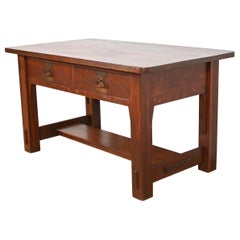
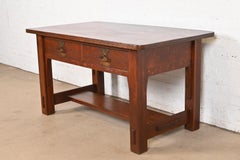
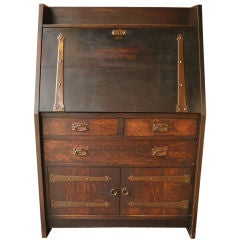
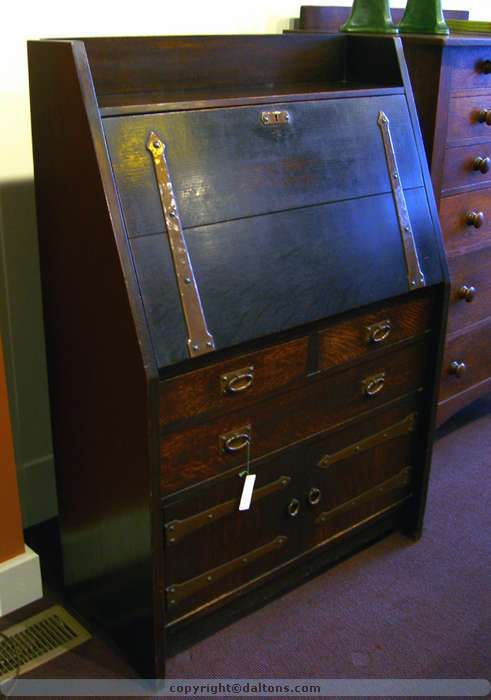
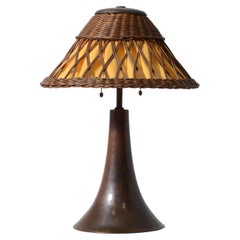
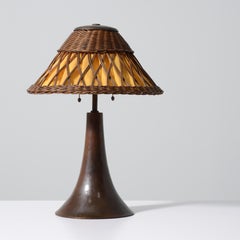
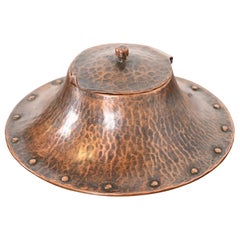
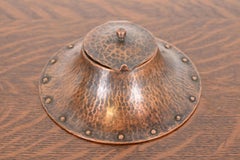
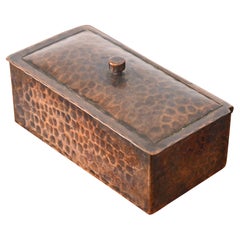
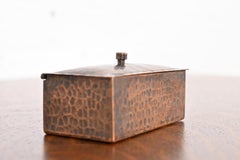
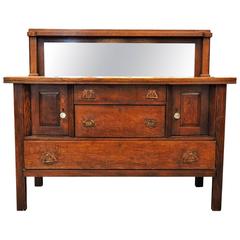
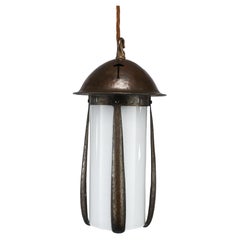
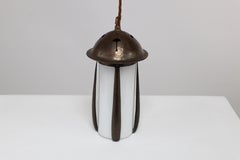
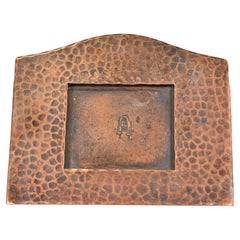
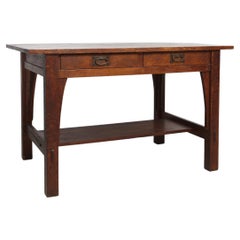
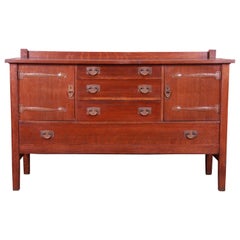
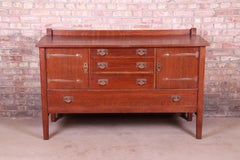
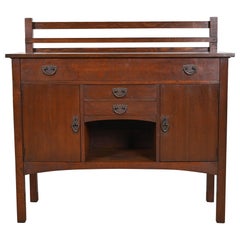
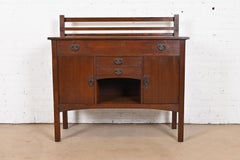
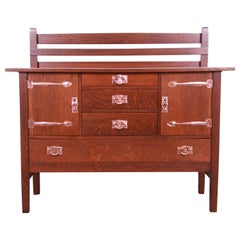
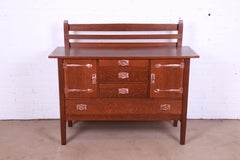
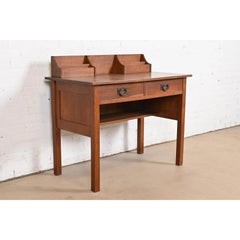
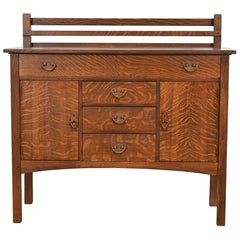
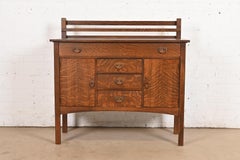
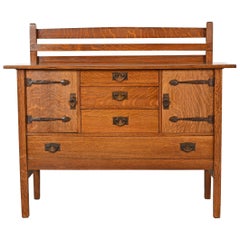
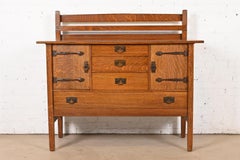
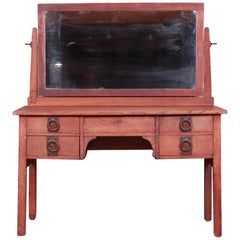
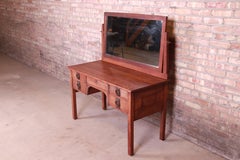
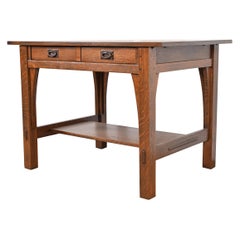
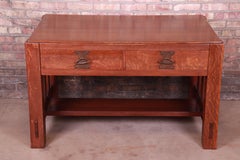
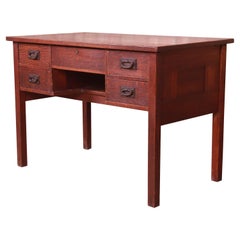
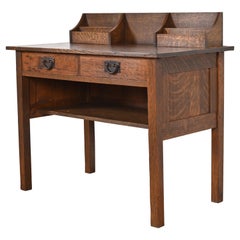
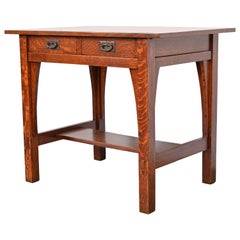
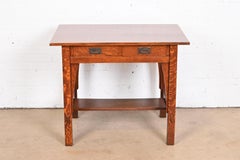
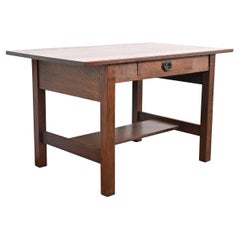
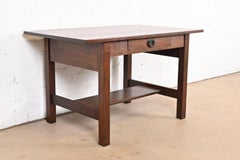
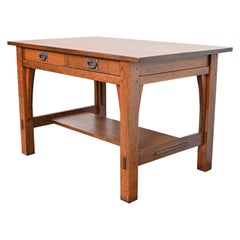
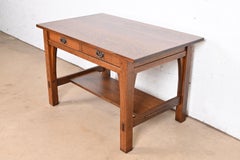
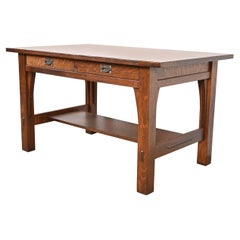
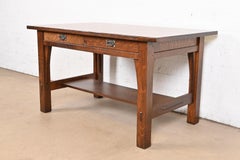
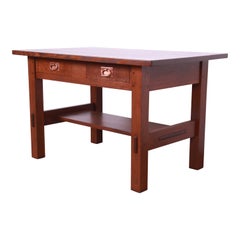
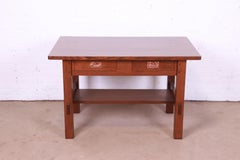
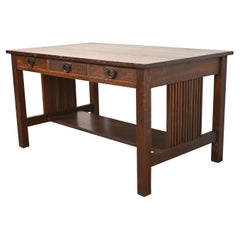
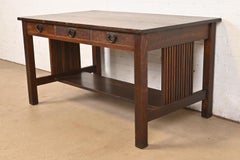
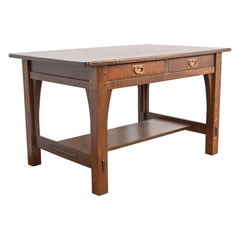
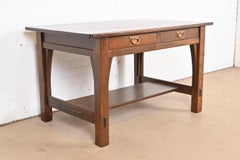
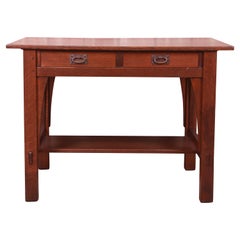
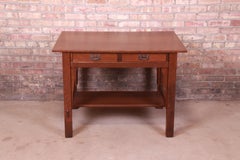
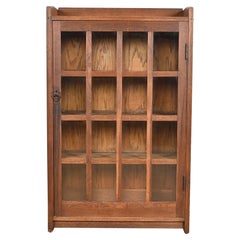
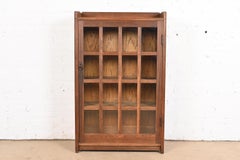
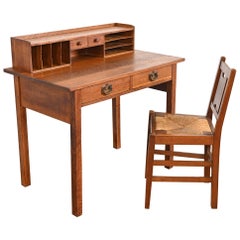
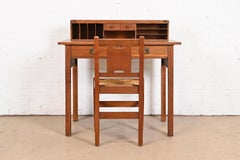
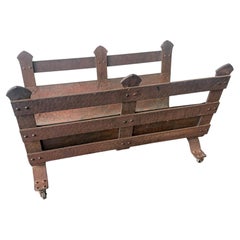
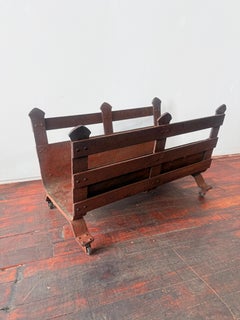
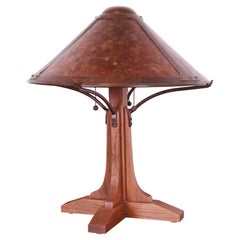
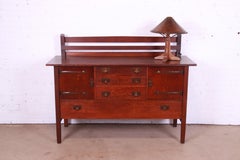
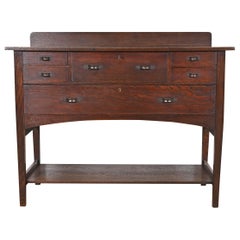
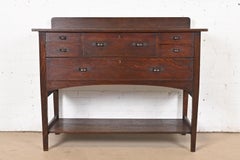
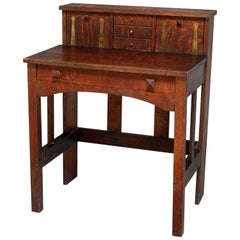
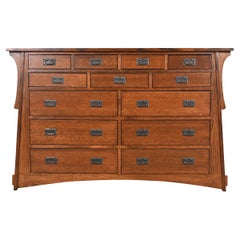
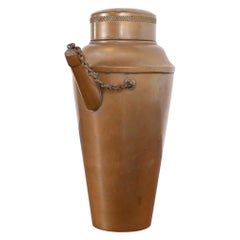
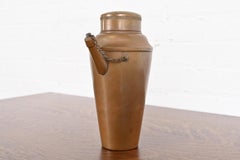
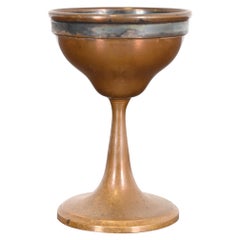
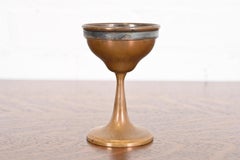
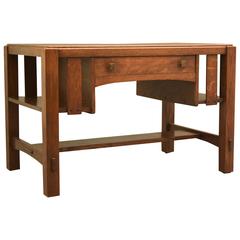
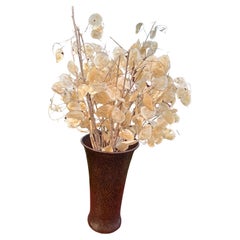
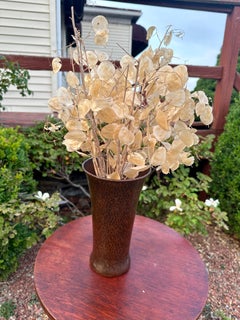
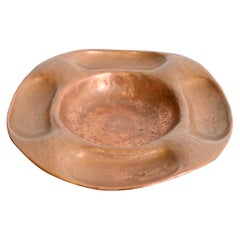
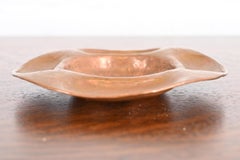
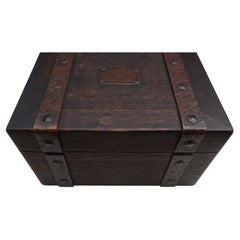
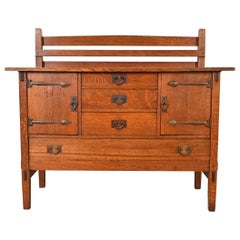
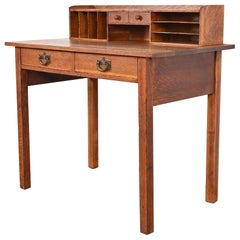
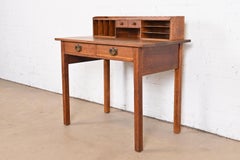
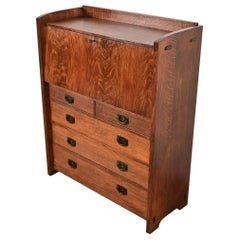
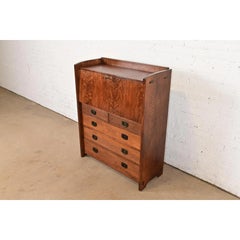
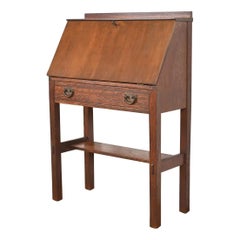
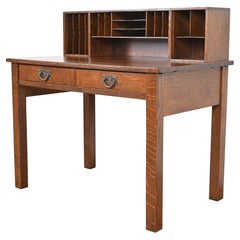
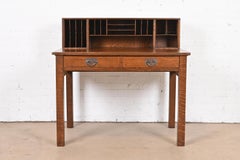
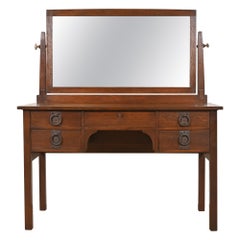
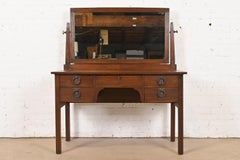
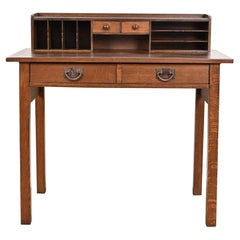
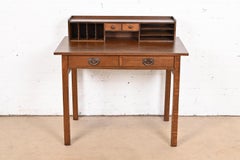
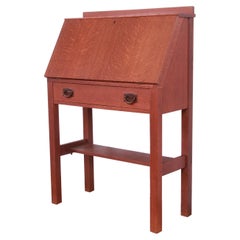
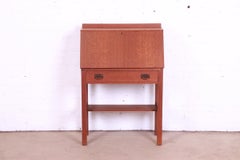
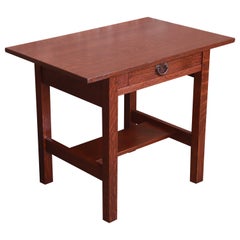
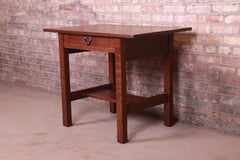
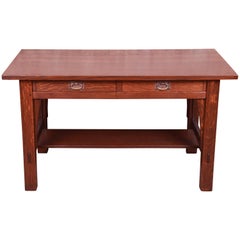
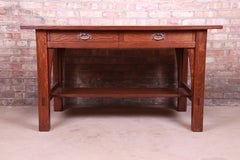
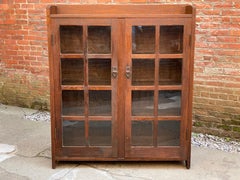
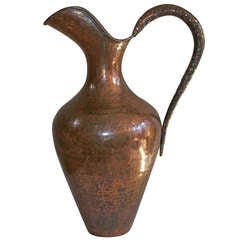
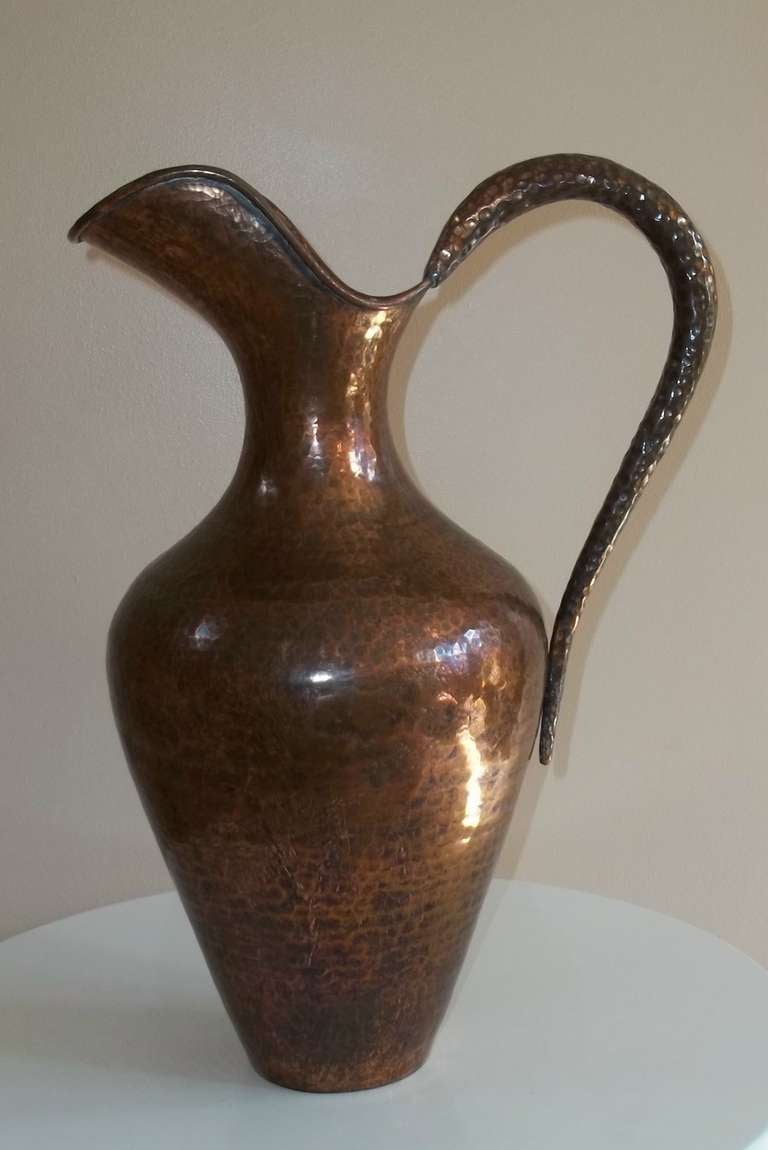
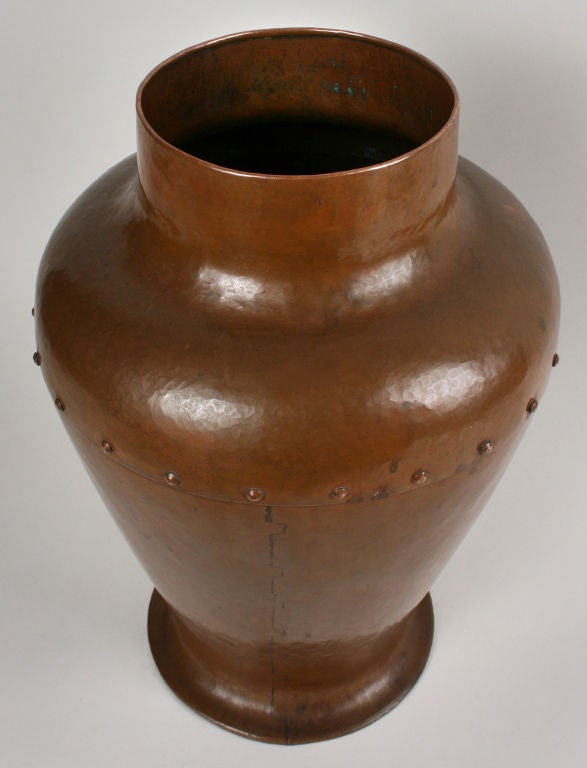
At 1stDibs, there are many versions of the ideal gustav stickley copper for your home. Frequently made of
copper,
metal and
oak, every gustav stickley copper was constructed with great care. Whether you’re looking for an older or newer gustav stickley copper, there are earlier versions available from the 20th Century and newer variations made as recently as the 20th Century. A gustav stickley copper, designed in the
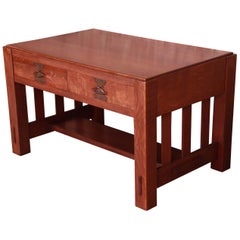
Arts and Crafts style, is generally a popular piece of furniture. You’ll likely find more than one gustav stickley copper that is appealing in its simplicity, but
Gustav Stickley and
Charles Limbert produced versions that are worth a look.
Gustav Stickley was one of the principal figures in the American Arts and Crafts movement and the creator of the Craftsman style. As a furniture designer and publisher of the magazine The Craftsman, he adopted many of the ideals of the British design reform movement and popularized both its philosophy and its aesthetics in the United States.
Born in Wisconsin, Stickley moved with his family to Pennsylvania when he was a teenager and began working in his uncle’s chair factory in the town of Brandt. There, he learned the techniques of late-19th-century furniture making at a time when the vogue was for Victorian revival furniture, which was characterized by extensive ornamentation.
In 1883, Stickley established a furniture company called Stickley Brothers with two of his brothers, Albert and Charles (Gustav’s other siblings, Leopold and John George, would later form L & J.G. Stickley Inc.). When Stickley Brothers foundered, he partnered five years later with salesman Elgin Simonds to form a new firm, Stickley & Simonds, which produced traditional furniture that appealed to the burgeoning American middle class. The success of this venture enabled Stickley to travel to Europe, where he discovered the writings of John Ruskin and William Morris, the two preeminent thinkers of the British Arts and Crafts movement. Stickley also traveled to France, where the Art Nouveau movement impressed him with its imaginative designs and skilled craftsmanship.
Stickley parted ways with Simonds at the turn of the 20th century and decided to focus his creative energies on producing furniture in what became known as the Craftsman style, incorporating some of the elements of the designs and movements he had encountered in Europe.
The pieces Stickley created, which he stamped with the logo of a joiner’s compass, were rectilinear, largely free of ornament, made of oak, and built in such a way that the nature of their construction was plainly visible — all reflections of the tenets of the Arts and Crafts movement. While some people referred to Stickley’s furniture as Mission furniture — a term that references the furnishings of the Spanish missions in California — Gustav commonly called his work “Craftsman” owing to the inspiration he found in the British Arts and Crafts movement.
Stickley benches and rocking chairs were popular, and his leather-upholstered armchairs combine practicality, comfort and an understated silhouette. He also made side tables — an unusual example designed during the early 20th century was adorned with an octagonal Grueby Pottery tile in a cool shade of green, which made it an ideal piece for an art pottery collector.
In 1901, Stickley launched The Craftsman magazine, which contained articles on all manner of domestic topics, from gardening and cooking to art and design, as well as poetry and fiction. In addition to popularizing Stickely’s own designs, the magazine acquainted Americans with the Arts and Crafts style in all its forms through its graphic design and the bungalows, art pottery, and hammered-copper lamps pictured in its pages. It also encouraged readers to practice craft themselves, promoting an early form of the do-it-yourself ethos.
In 1904, Stickley founded the Craftsman Home Builders' Club, which allowed subscribers to his magazine to order architectural plans for the Arts and Crafts–style structures that were featured in its pages; eventually, this became one of its most popular features.
An ill-timed attempt to set up a New York showroom led to Stickley’s filing for bankruptcy in 1915. The outbreak of World War I, waning interest in the Arts and Crafts style, and increased competition all conspired to thwart Stickley's efforts. The Craftsman ceased publication a year later. When he died, in 1942, Arts and Crafts had been replaced by modernism as the favored aesthetic. It enjoyed a resurgence, however, in the 1970s, and Stickley is now regarded as one of the most important American designers in the first half of the 20th century.
Find antique Gustav Stickley tables, seating and other furniture on 1stDibs.
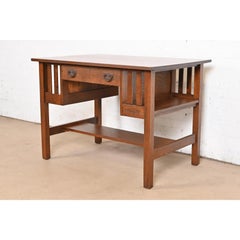
Emerging in reaction to industrialization and mass production, the Arts and Crafts movement celebrated handcrafted design as a part of daily life. The history of Arts and Crafts furniture has roots in 1860s England with an emphasis on natural motifs and simple flourishes like mosaics and carvings. This work is characterized by plain construction that showcases the hand of the artisan.
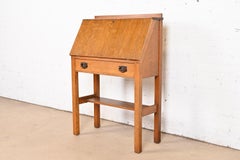
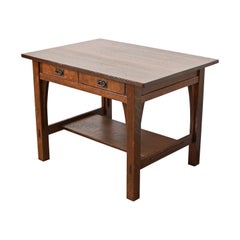
The earliest American Arts and Crafts furniture dates back to the start of the 20th century. Designers working in this style in the United States initially looked to ideas put forth by The Craftsman, a magazine published by Wisconsin native Gustav Stickley, a furniture maker and founder of the Craftsman style. Stickley’s furniture was practical and largely free of ornament. His Craftsman style drew on French Art Nouveau as well as the work he encountered on his travels in England. There, the leading designers of the Arts and Crafts movement included William Morris, who revived historical techniques such as embroidery and printed fabrics in his furnishings, and Charles Voysey, whose minimal approach was in contrast to the ornamentation favored in the Victorian era.
American Arts and Crafts work would come to involve a range of influences unified by an elevation of traditional craftsmanship. The furniture was often built from sturdy woods like oak and mahogany while featuring details such as inlaid metal, tooled leather and ceramic tiles. The style in the United States was led by Stickley, whose clean-lined chairs and benches showcased the grain of the wood, and furniture maker Charles Rohlfs, who was informed by international influences like East Asian and French Art Nouveau design.
Hubs in America included several utopian communities such as Rose Valley in Pennsylvania and the Byrdcliffe Arts and Crafts Colony in New York, where craftspeople made furniture that prioritized function over any decoration. Their work would influence designers and architects including Frank Lloyd Wright, who built some of the most elegant and iconic structures in the United States and likewise embraced a thoughtful use of materials in his furniture.
Find antique Arts and Crafts chairs, tables, cabinets and other authentic period furniture on 1stDibs.