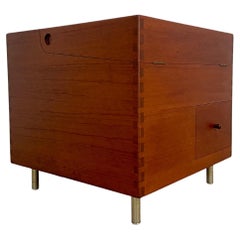
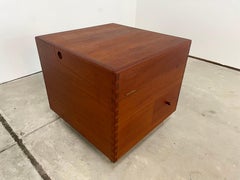
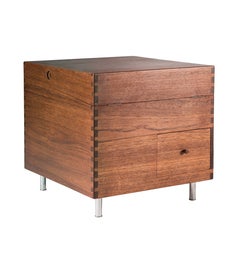
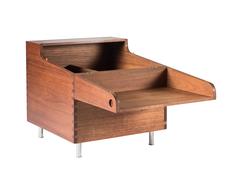
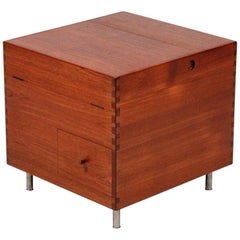
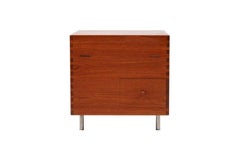
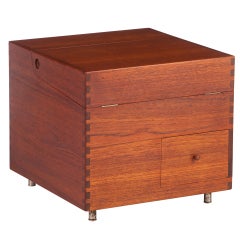
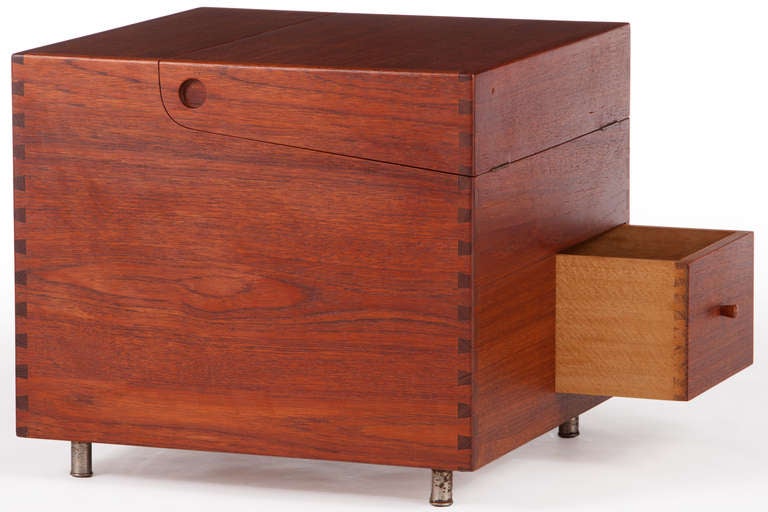
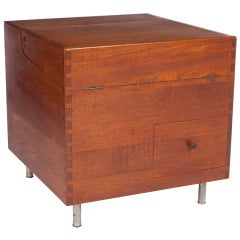
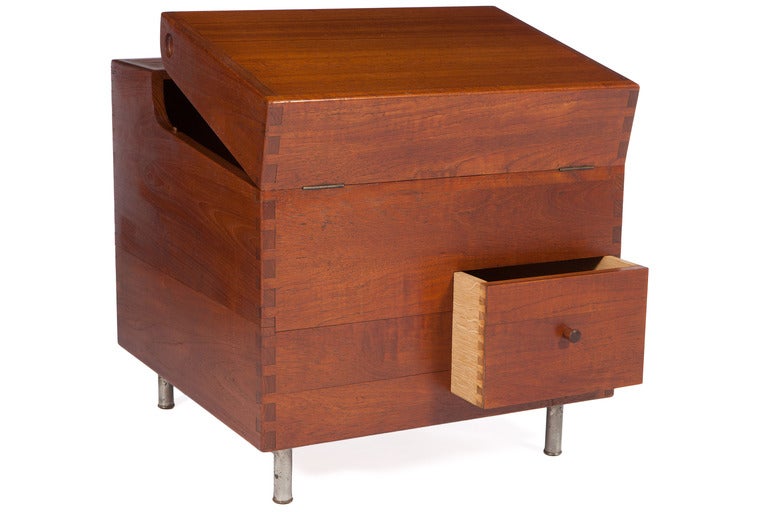
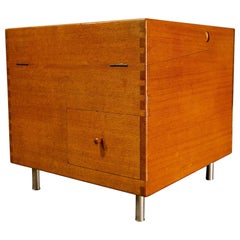
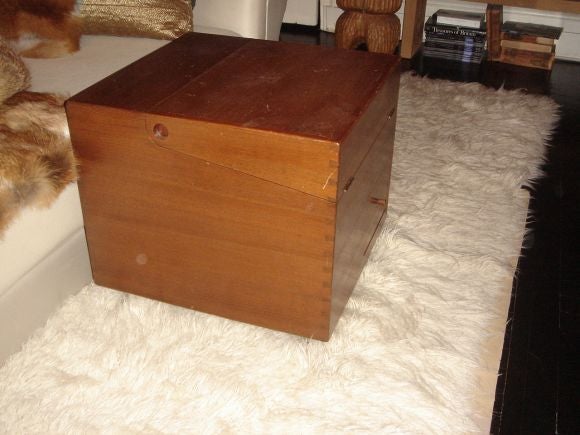
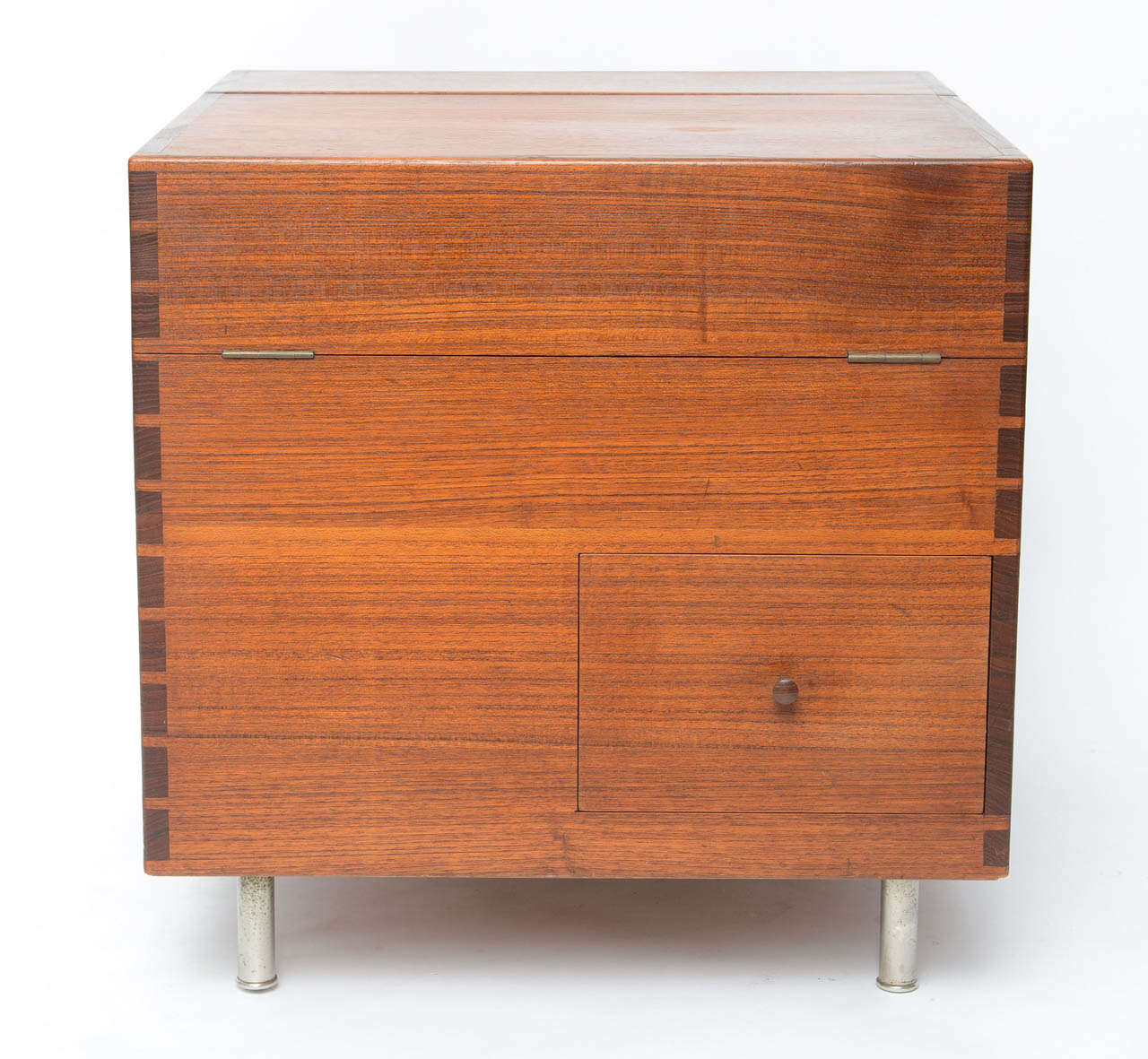
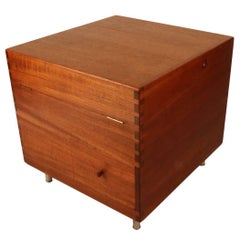
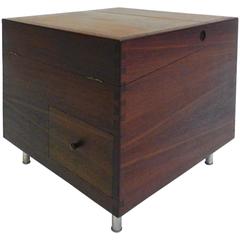
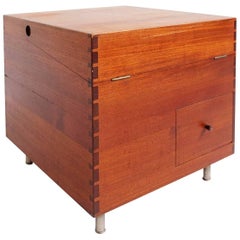
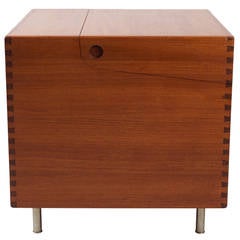
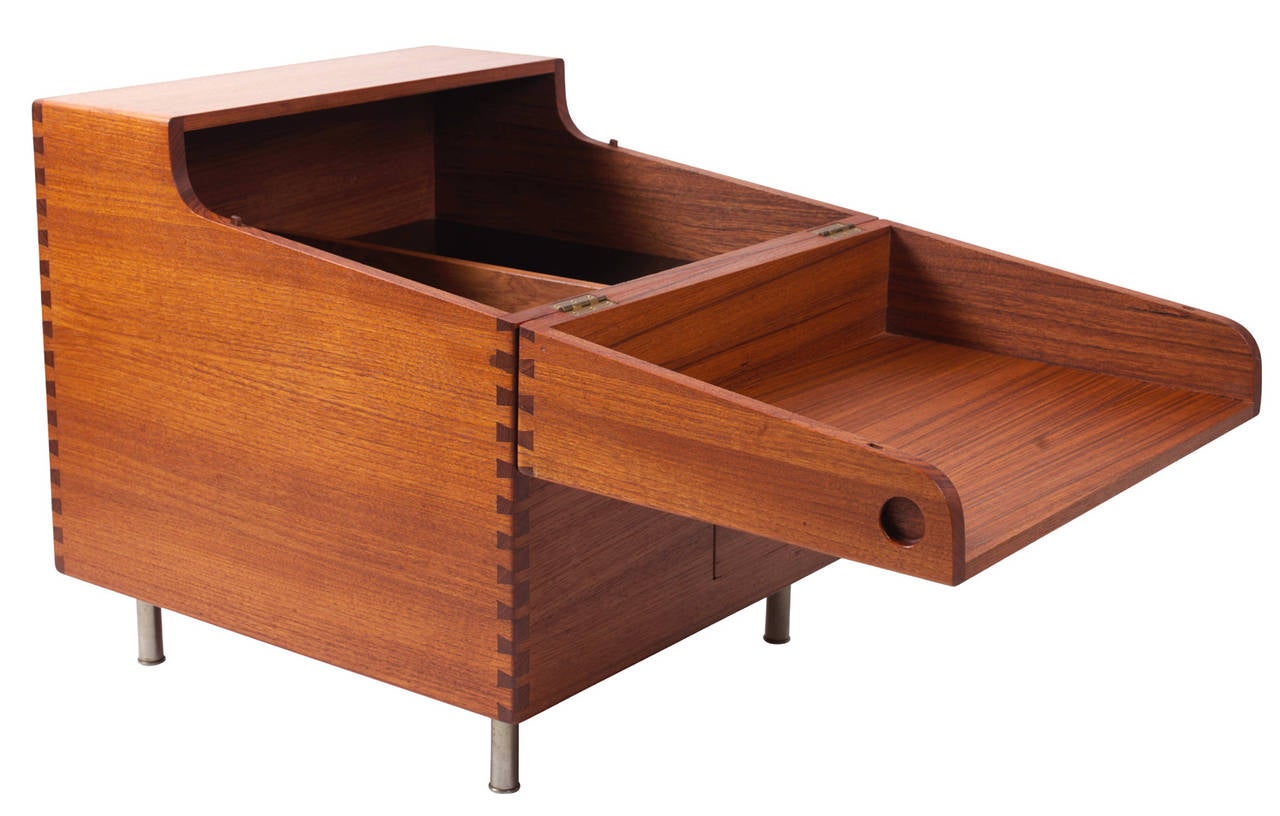
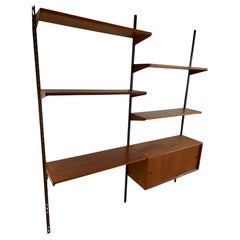
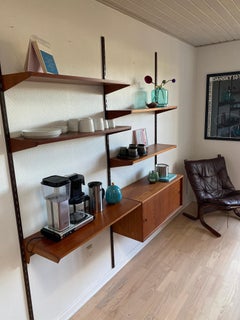
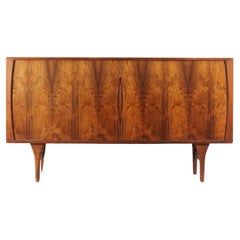
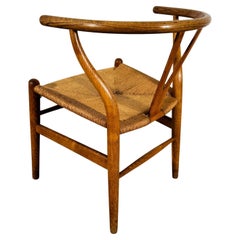
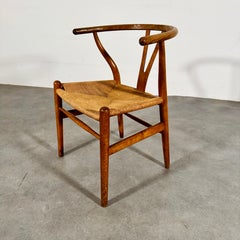
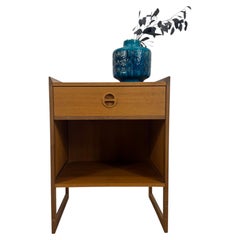
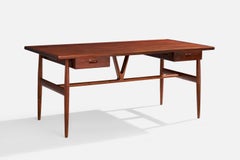
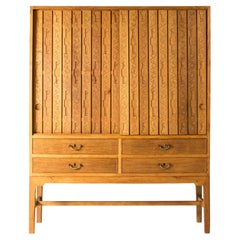
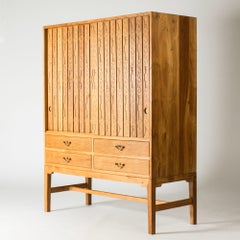
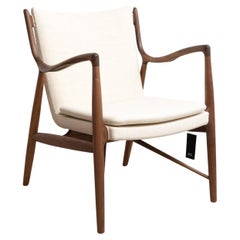
With a vast inventory of beautiful furniture at 1stDibs, we’ve got just the hans wegner bar cube you’re looking for. Each hans wegner bar cube for sale was constructed with extraordinary care, often using
wood,
hardwood and
teak. You’ve searched high and low for the perfect hans wegner bar cube — we have versions that date back to the 20th Century alongside those produced as recently as the 20th Century are available. When you’re browsing for the right hans wegner bar cube, those designed in
Scandinavian Modern and
Mid-Century Modern styles are of considerable interest. Many designers have produced at least one well-made hans wegner bar cube over the years, but those crafted by
Hans J. Wegner and
Andreas Tuck are often thought to be among the most beautiful.
The name “dry bar” can be a bit of a misnomer. After all, the last thing you would want a bar to do is run dry. In this case, the “dry” descriptor in your antique or vintage dry bar doesn’t refer to a lack of drinks. Instead, it serves to differentiate dry-bar furniture from wet-bar installations. The latter is typically a permanent fixture in a home, requiring plumbing to support a built-in sink.
In short, a dry bar is a piece of furniture or tabletop area that you’ve built into your space for mixing cocktails and storing everything needed —bottles, barware and other accessories — for the intoxicating in-home bar you’ve designed.
Some dry bars were built with minimalism in mind. Those crafted by designers associated with mid-century modernism or Scandinvanian modern, for example, likely looked to these as practical furnishings to serve as a cabinet or case piece. But there have been decorative and even outwardly sculptural interpretations by Art Deco furniture makers and those working in the Hollywood Regency style over the years.
No matter what kind of antique, new or vintage dry bar fits your space, these versatile furnishings can definitely elevate your home bar area as well as your hosting. We’ll toast to that!
Find your dry bar as well as all the barware you need on 1stDibs.