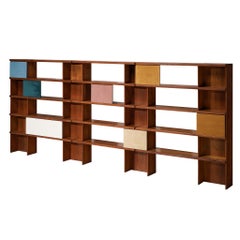
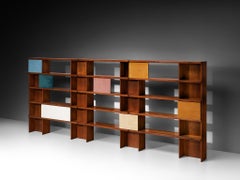
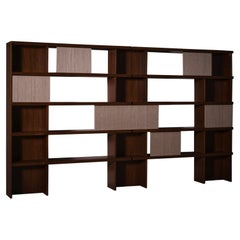
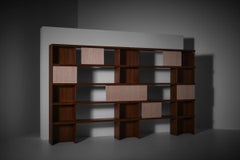
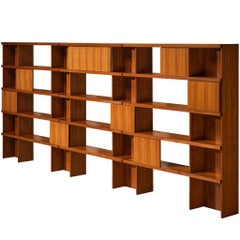
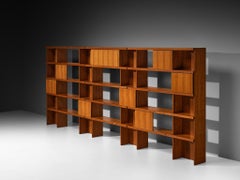
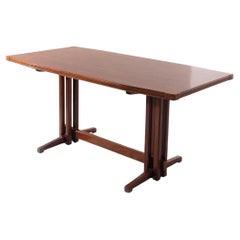
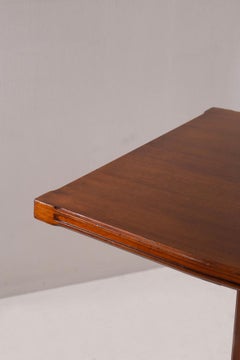
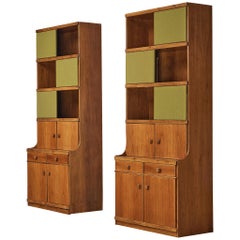
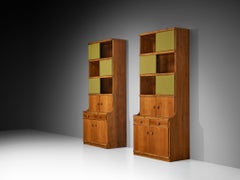
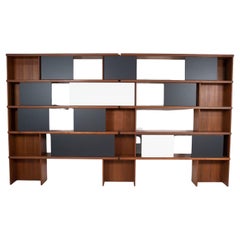
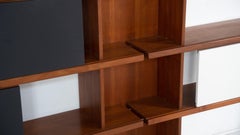
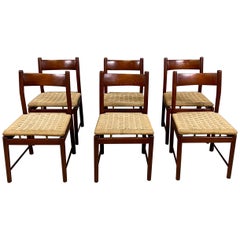
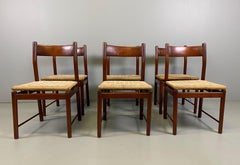
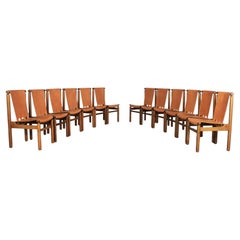
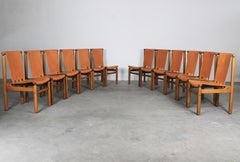
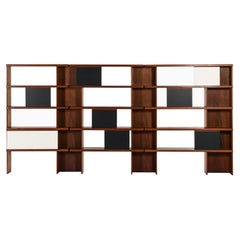
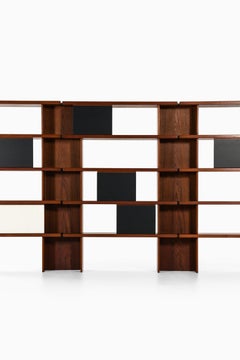
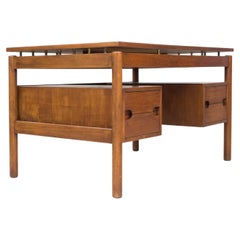
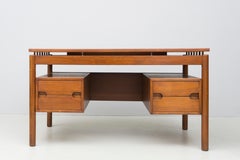
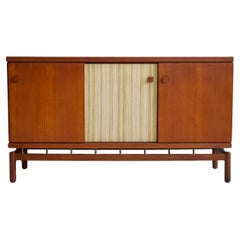
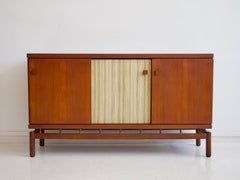
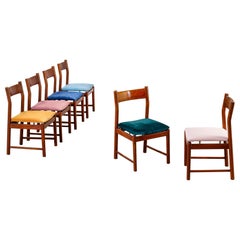
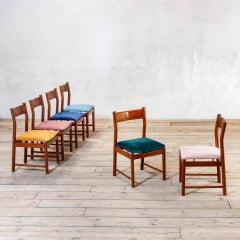
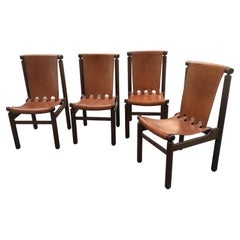
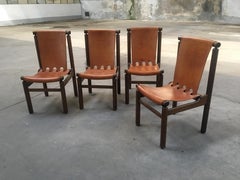
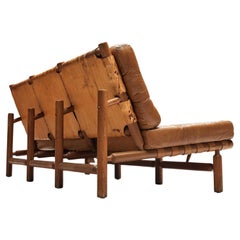
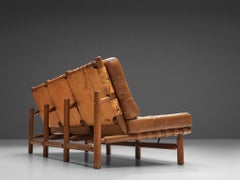
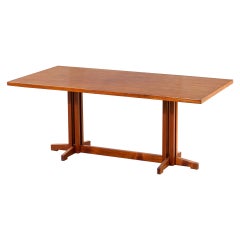
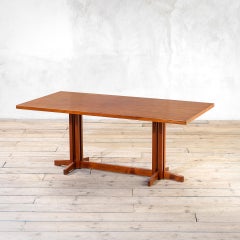
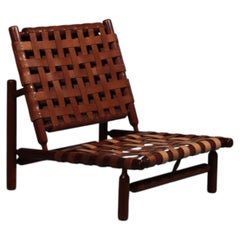
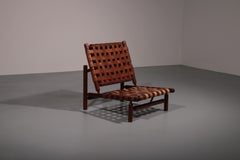
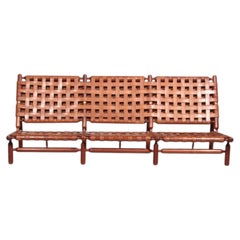
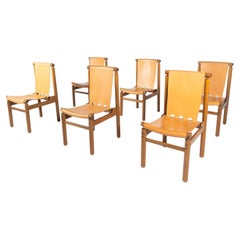
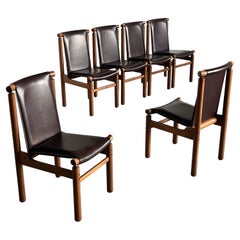
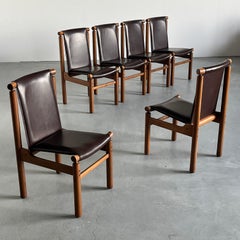
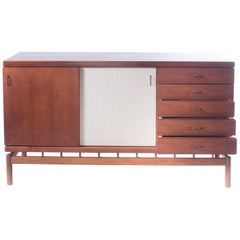
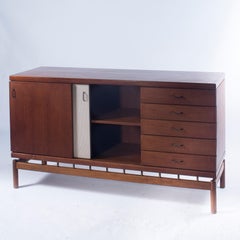
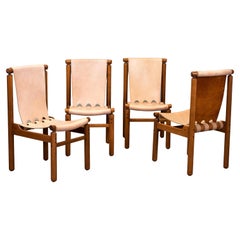
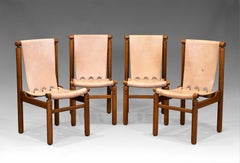
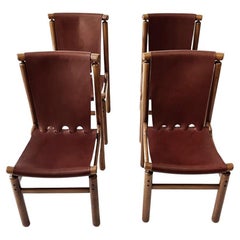
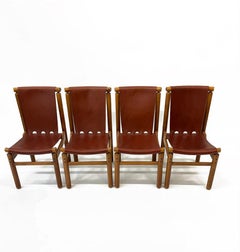
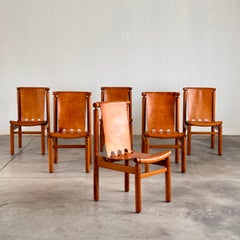
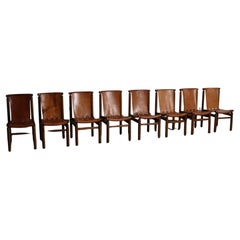
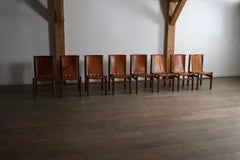
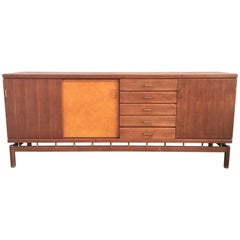
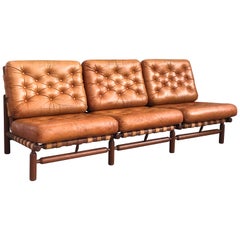
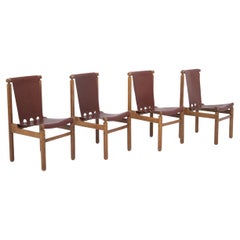
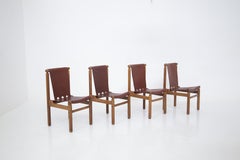
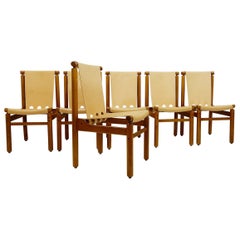
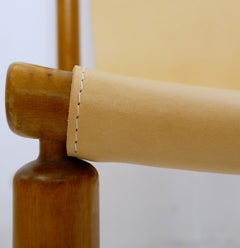
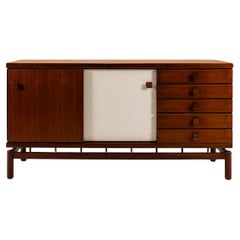
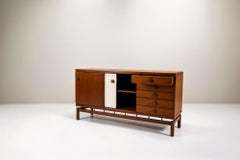
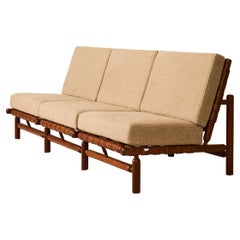
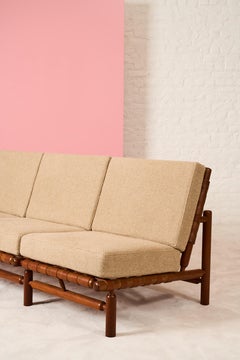
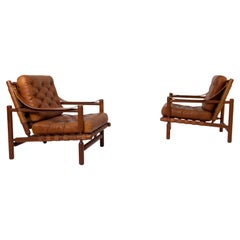
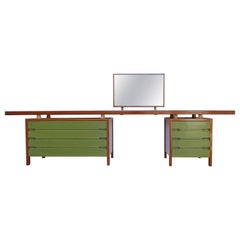
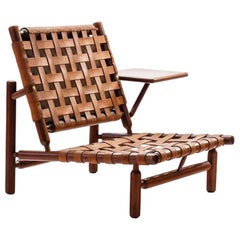
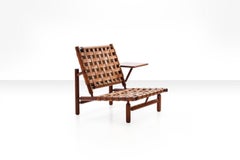
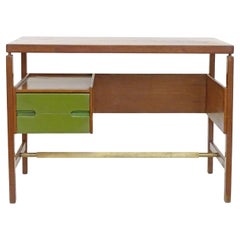
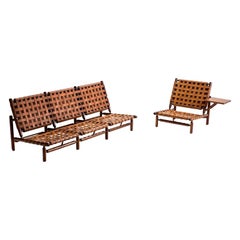
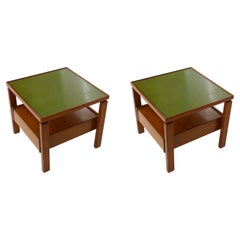
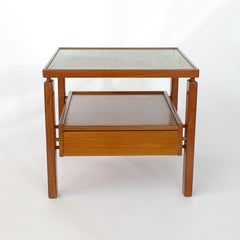
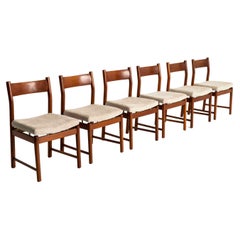
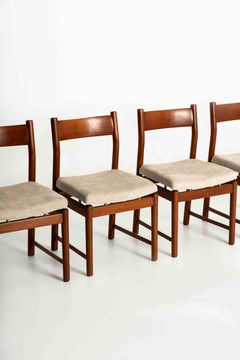
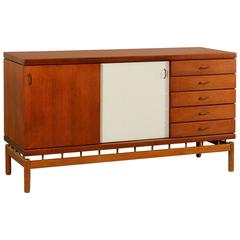
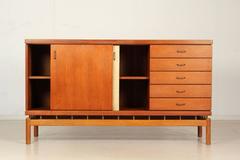
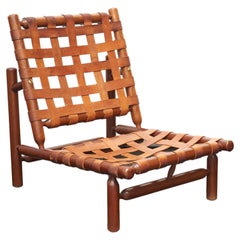
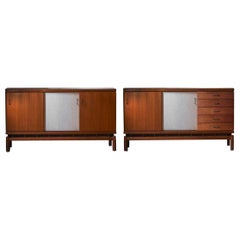
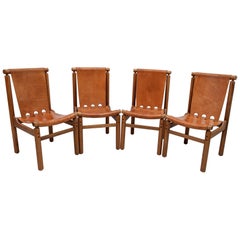
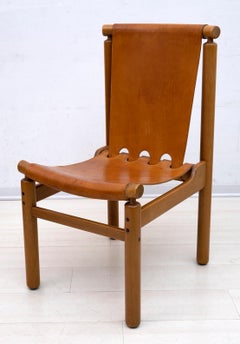
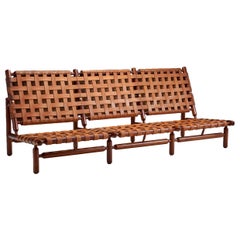
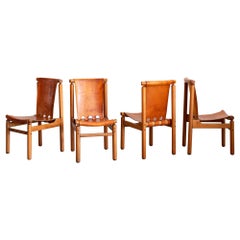
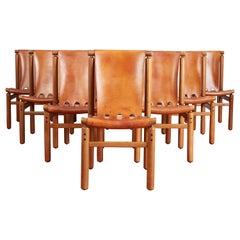
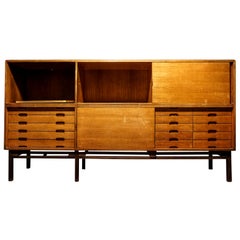
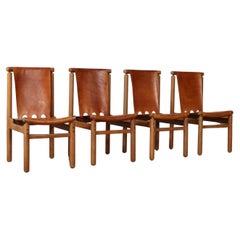
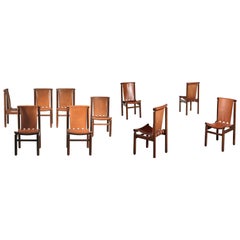
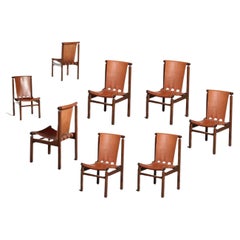
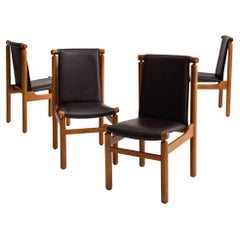
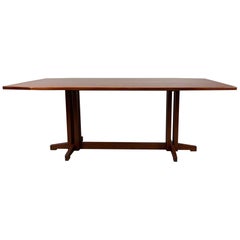
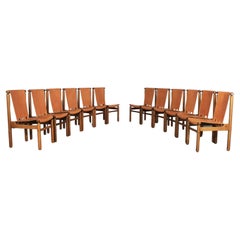
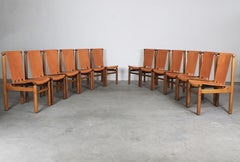
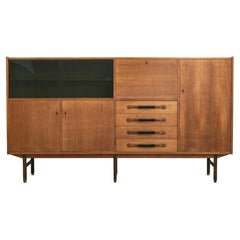
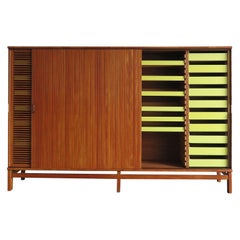
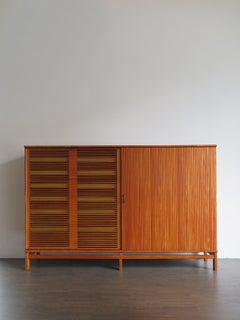
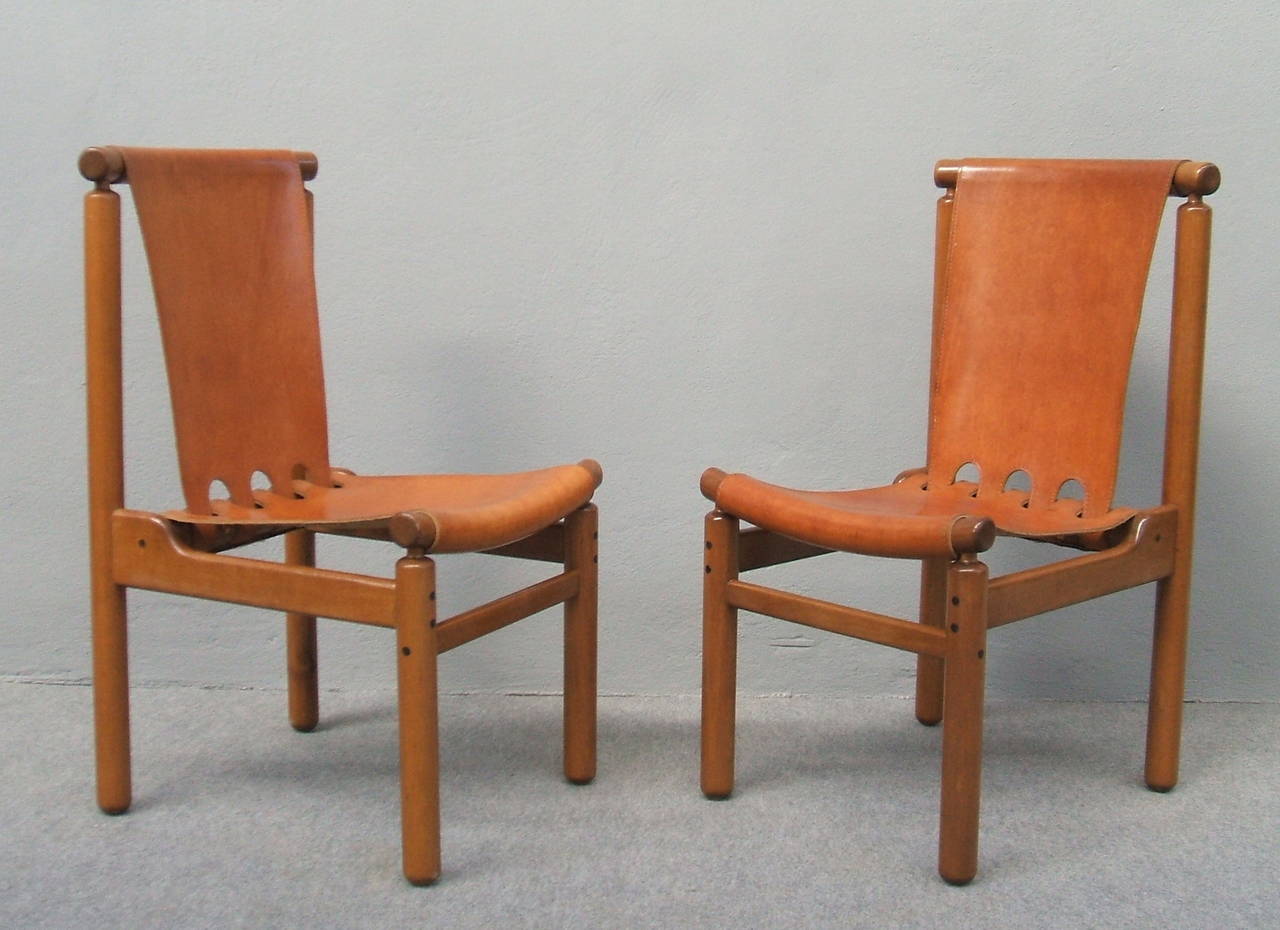
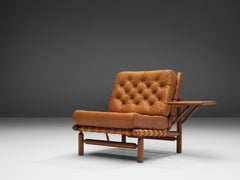
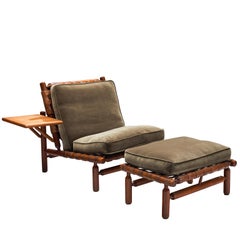
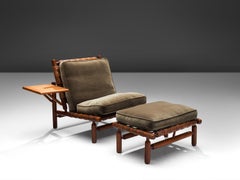
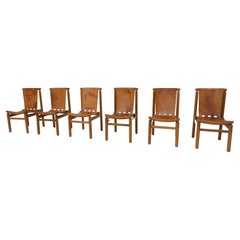
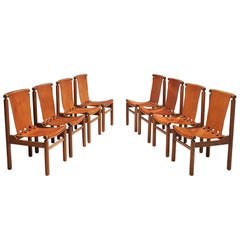
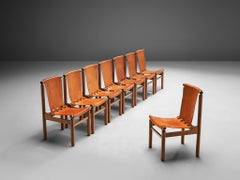
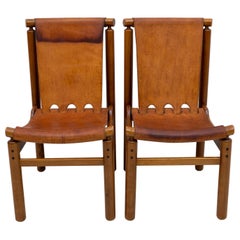
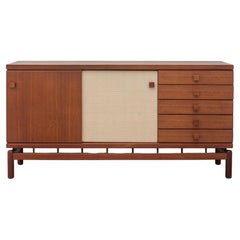
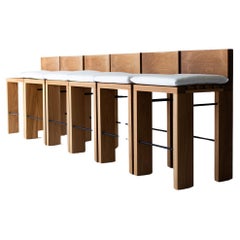
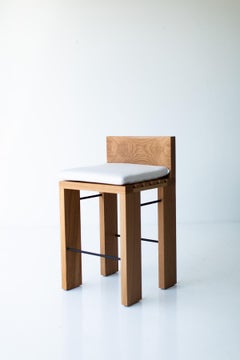
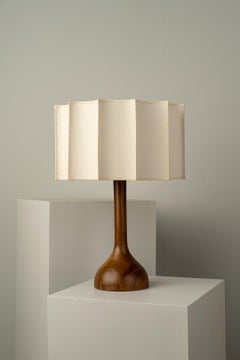
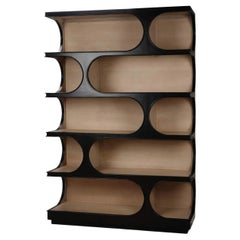
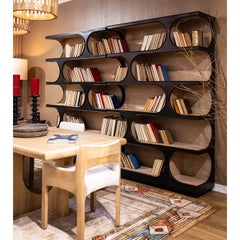
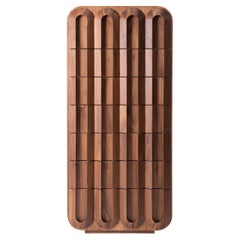
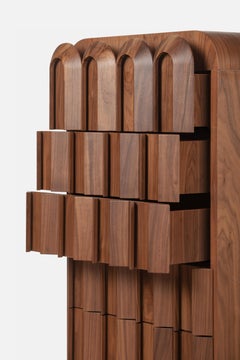
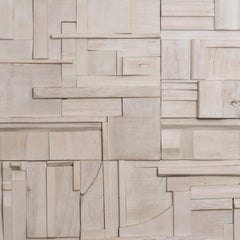
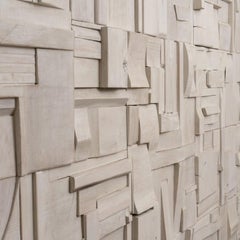
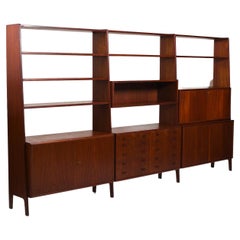
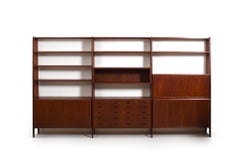
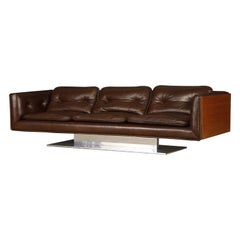
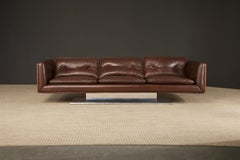
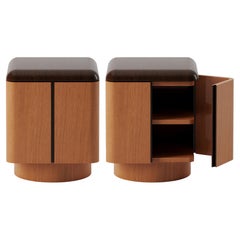
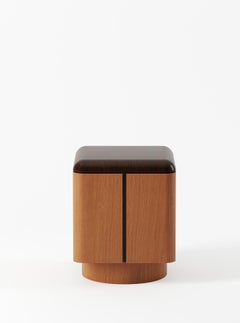
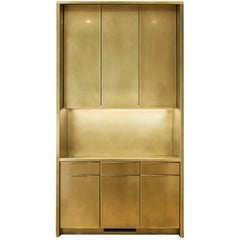
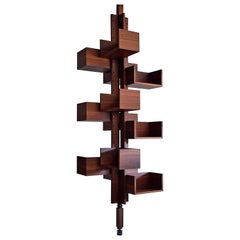
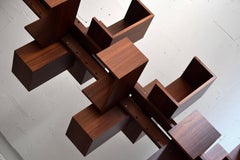
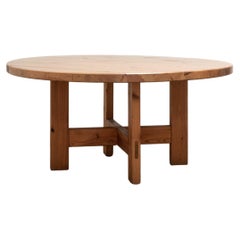
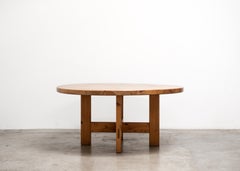
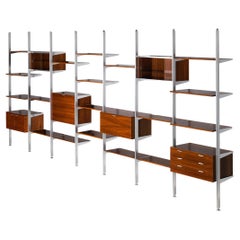
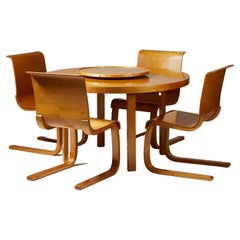
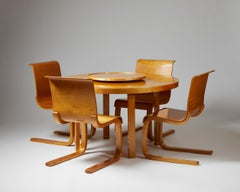
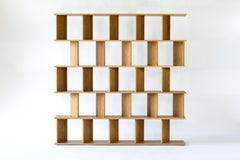
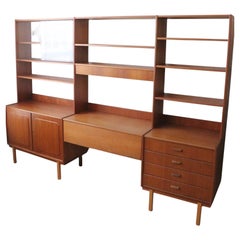
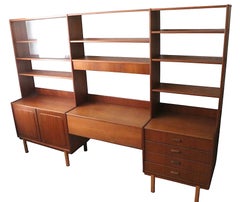
With a vast inventory of beautiful furniture at 1stDibs, we’ve got just the ilmari tapiovaara la permanente cantu you’re looking for. Each ilmari tapiovaara la permanente cantu for sale was constructed with extraordinary care, often using
wood,
animal skin and
hardwood. Your living room may not be complete without a ilmari tapiovaara la permanente cantu — find older editions for sale from the 20th Century and newer versions made as recently as the 20th Century. Each ilmari tapiovaara la permanente cantu bearing
Mid-Century Modern hallmarks is very popular.
A ilmari tapiovaara la permanente cantu can differ in price owing to various characteristics — the average selling price 1stDibs is $4,957, while the lowest priced sells for $1,514 and the highest can go for as much as $15,560.
During the mid-20th century, Finnish furniture designer Ilmari Tapiovaara worked with pine, teak and his country’s native birch to create sleek and sculptural chairs, dining room tables and bookcases in the Scandinavian modern style. Tapiovaara’s areas of expertise expanded beyond furniture to include interior architecture, wooden sculptures, film posters and cutlery.
After completing his studies at the Central School of Applied Arts in Helsinki, Tapiovaara embarked on a design career that would envelop his entire life. As a young man, Tapiovaara idolized revered architect and furniture designer Alvar Aalto — whom, with his wife, Aino Aalto, cofounded Artek, the company that would eventually manufacture the majority of Tapiovaara’s creations. The budding designer had one of Aalto’s chairs in his apartment while he was a student. After graduating, he worked as an assistant in an office at Le Corbusier, then as a designer and artistic director at Asko.
By 1951, Tapiovaara and his wife, Annikki, had established their own studio. A few years previous, the pair had designed the now-legendary Domus chair while creating interiors and furnishings for a new student housing complex in Helsinki. Made of molded plywood and easily stackable, the ergonomic Domus chair, with its slender form, featured a modest silhouette — its lightweight structure allowed for easy exporting, and iconic mid-century modern furniture manufacturer Knoll added a low-backed version to its offerings in the early 1950s. (It was marketed as the Finn chair in the United States.)
Tapiovaara went on to design pieces for Pihlgren ja Ritola and Santa and Cole. His experience earned him teaching positions at the Institute of Applied Arts, the Helsinki University of Technology and the Illinois Institute of Technology. While in Chicago for the latter, he worked in the office of Mies van der Rohe.
Tapiovaara centered his passion for design on social responsibility. He wanted his creations to be accessible to everyone, which was the concept behind his democratic approach. In Finland’s postwar era, the goal was exemplary, affordable designs. With this in mind, he created products such as stackable chairs and “knock-down” pieces packed flat, so they shipped efficiently and cost less.
An influential champion of his profession, he spent two decades as a United Nations ambassador, working to improve design’s contribution to society. His lasting, collectible furniture is a testament to the designer’s goal to create humane, radiant and intimate spaces. The United Nations project included traveling to Paraguay to create much-needed furniture. A similar project followed in Mauritius.
Tapiovaara’s success as an industrial and mass producer of everyday furniture was widely recognized and awarded. He received six gold medals for his chairs alone at the Milan Triennials. He also accepted a Good Design award, the Finnish State Design Award, a prize from the Finnish Culture Foundation and the Furniture Prize of the SIO Interior Architects’ Association of Finland.
Find vintage Ilmari Tapiovaara seating, tables and lighting on 1stDibs.