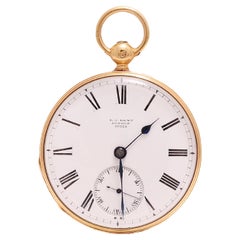
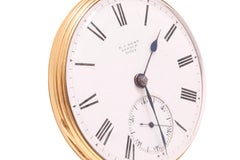
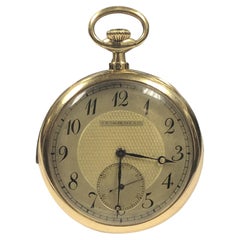
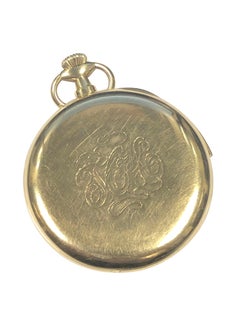
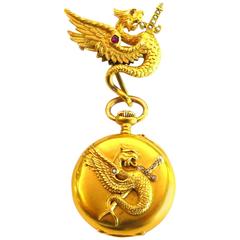
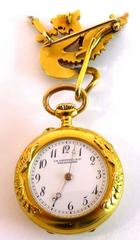
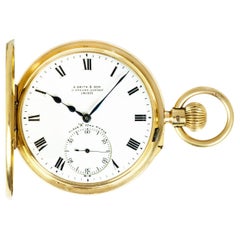
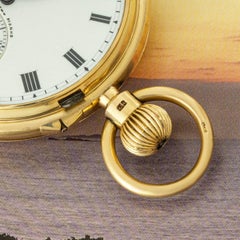
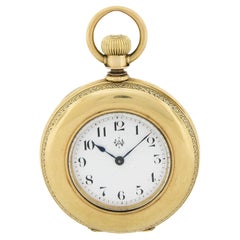
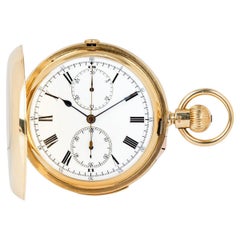
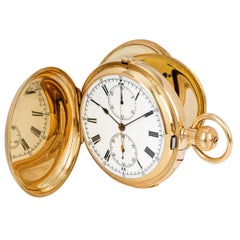
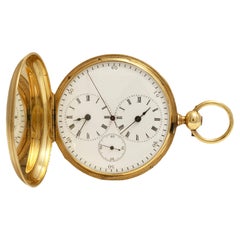
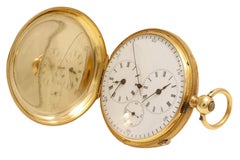
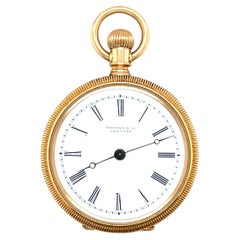
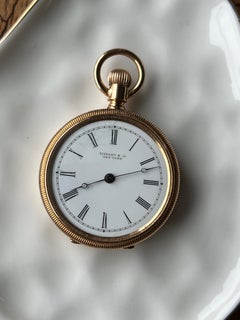
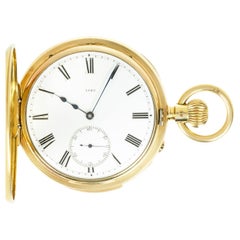
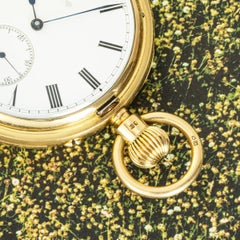
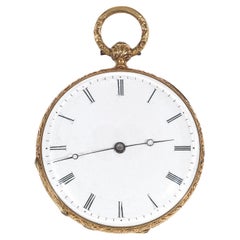
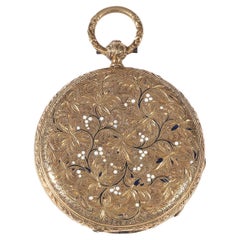
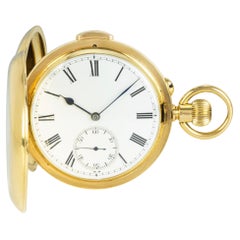
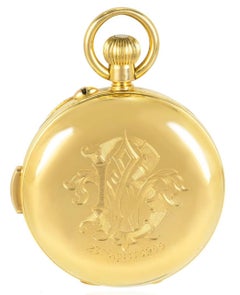
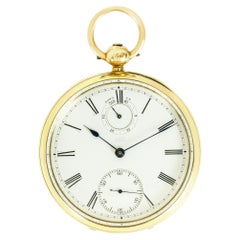
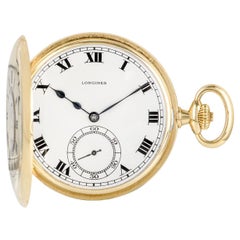
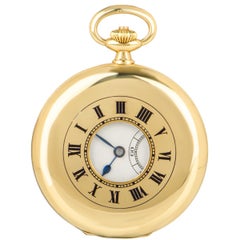
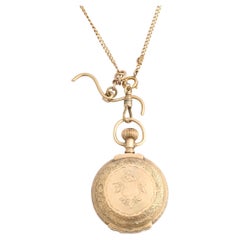
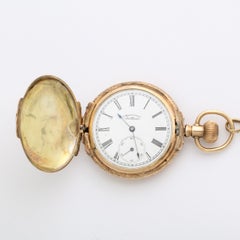
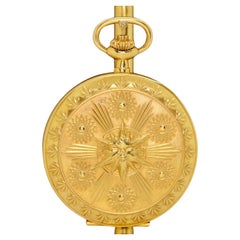
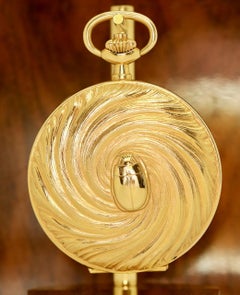
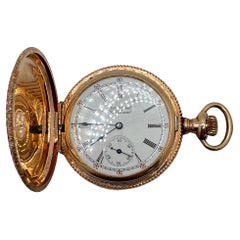
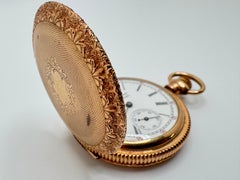
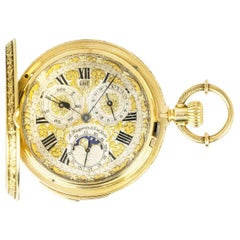
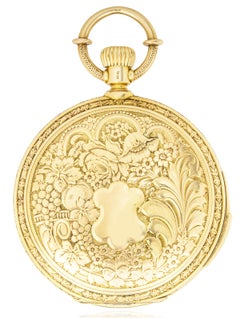
On 1stDibs, you can find the most appropriate j e watch 18k for your needs in our varied inventory. Frequently made of
Gold,
18k Gold and
Yellow Gold, this item was constructed with great care. Find an antique version now, or shop for 12197 vintage or 5994 modern creation for a more contemporary example of these cherished accessories. Finding the perfect j e watch 18k may mean sifting through those created during different time periods — you can find an early version that dates to the 18th Century and a newer variation that were made as recently as the 21st Century. As it relates to this specific piece, our collection includes designs that are universally popular, but
.5 Carat and
1 Carat carat weights, specifically, are sought with frequency. There have been many well-made iterations of the classic j e watch 18k over the years, but those made by
Rolex,
Cartier and
Patek Philippe are often thought to be among the most beautiful. While most can agree that any j e watch 18k from our collection can easily elevate most outfits, but the choice of a
Diamond version from the 3894 available is guaranteed to add a special touch to your ensemble. Today, if you’re looking for a
round cut version of this piece and are unable to find the perfect match, our selection also includes
brilliant cut and
rose cut alternatives. If you’re browsing our inventory for a j e watch 18k, you’ll find that many are available today for
women, but there are still pieces to choose from for unisex and
men.
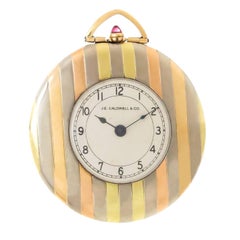
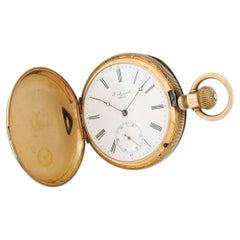
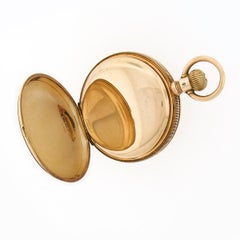
With intricate and refined artistry, the jewelers at J.E.Caldwell & Co. have been handcrafting illustrious watches and adornments — including cocktail rings, engagement rings and link bracelets — for nearly two centuries. The American firm, which is among the oldest silver and jewelry companies in the United States, has found acclaim with collectors and buyers worldwide.
Born in Poughkeepsie, New York, J.E. Caldwell & Co. founder James Emmott Caldwell (1813–81) apprenticed as a silversmith and subsequently trained in watchmaking under the esteemed watchmaker Samuel Ward Benedict in New York City. Following his apprenticeships, Caldwell sought work in Philadelphia, initially securing a position with a wholesale jeweler before importing watches for a jewelry manufacturer. In the late 1830s, he established a storefront of his own, in a stately marble building on Chestnut street. Caldwell partnered with James M. Bennett thereafter in order to launch a jewelry shop nearby that they called Bennett & Caldwell. With the passing of Bennett, Caldwell partnered with a former employer, John C. Farr, and changed the company name, establishing the J.E. Caldwell & Co. of today.
In 1876, Philadelphia hosted the first World’s Fair held in the United States. Alongside the Gorham Manufacturing Company — a legendary but largely overlooked American silver firm — J.E. Caldwell showcased an array of stunning jewelry and silver objects at the event’s Centennial International Exhibition. In the early 1900s, J.E. Caldwell was contracted to fashion a presentation silver tea service — more than 160 pieces — for a newly commissioned battleship, the U.S.S. Pennsylvania. The brand’s exquisite silver wares traveled at sea aboard this battleship — and later, on the U.S.S. Valley Forge — for decades.
J.E. Caldwell & Co. became known for exquisite Art Nouveau and Art Deco jewelry. Ownership of the firm passed through the family over the years before changing hands to business interests outside of the family. Today a J.E. Caldwell & Co. retail location continues to operate in Philadelphia.
Find antique and vintage J.E. Caldwell & Co. jewelry on 1stDibs.
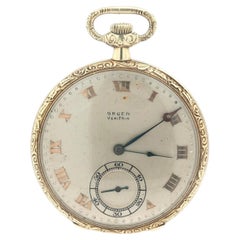
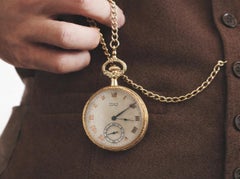
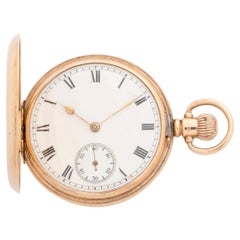
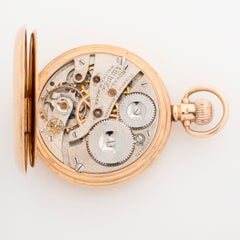
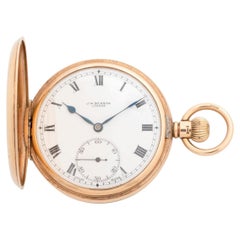
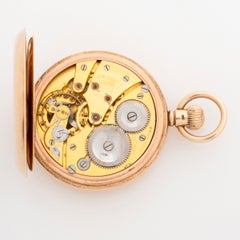
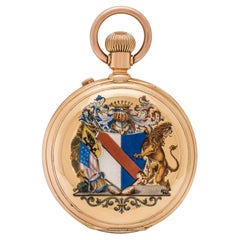
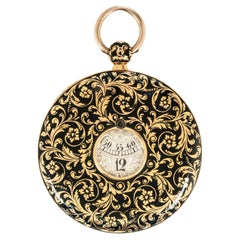
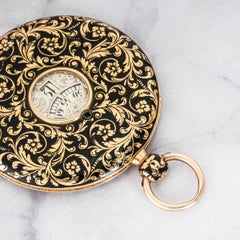
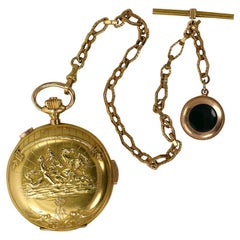
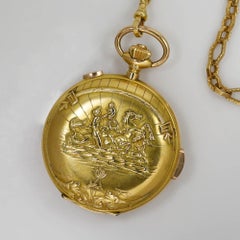
Can you pull off a vintage pocket watch? Of course you can. With a suit and a waistcoat, a pocket watch can be a refreshing alternative to a wristwatch.
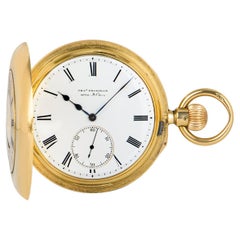
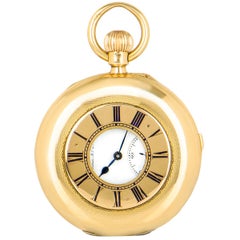
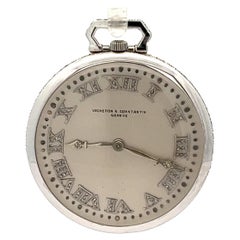
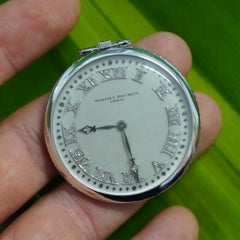
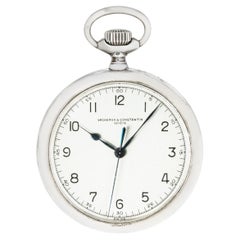
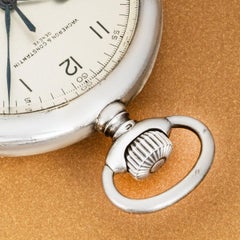
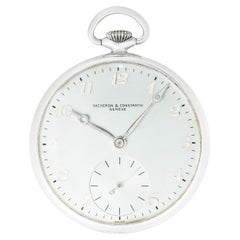
The earliest pocket watches were luxury items, and, owing to cost, they weren’t commonplace until the 19th century. Artfully crafted pocket watches were a symbol of wealth, and manufacturers such as Vacheron Constantin and Patek Philippe became known for theirs. (Today, they’re among the most sought after by collectors and enthusiasts.)
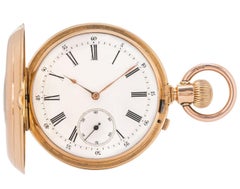
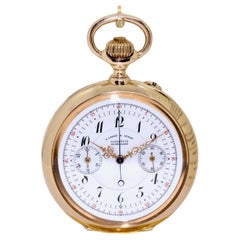
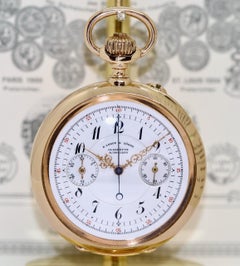
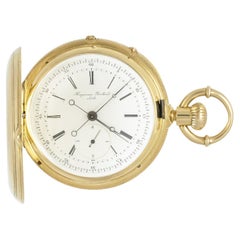
At the onset, pocket watches resembled small round table clocks, and pulling your small round table clock — perhaps of the silver variety — out of your breast pocket in front of someone else demonstrated unequivocally that you cared about punctuality. For collectors, pocket watches are big, and that means a larger canvas provided for functions without crowding the dial. For example, the Marius Lecoultre pocket watch — made circa 1890 — does everything but uncork your wine.
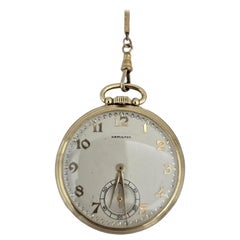
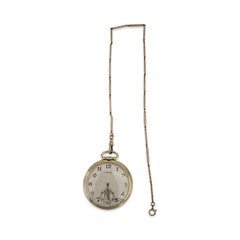
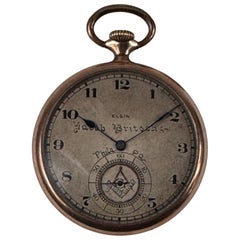
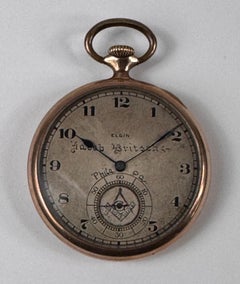
In the late 1800s, the open-face pocket watch became a staple on the American railroad. It was a requirement for railway workers to wear a pocket watch, as the timepieces were responsible for keeping conductors on schedule. This was a boon to the watchmaking industry, with companies like Hamilton, the Elgin National Watch Company and the Waltham Watch Company producing high-grade and workingman’s watches.
By the 1930s, wristwatches comprised the bulk of watch manufacturing in America, superseding the pocket watch. Suddenly, if you wanted to know the time, you merely glanced at your wrist. But given their vintage charm and our general appetite for good design, pocket watches are a piece of statement-making jewelry and today can prove complementary to your formal attire in a manner that is stylish and unconventional.
Let time take its course — browse a vast selection of antique and vintage pocket watches available on 1stDibs designed by legendary brands such as IWC, Cartier and more.