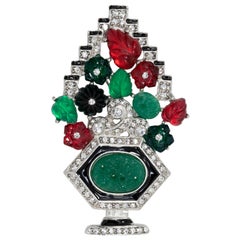
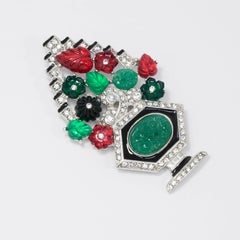
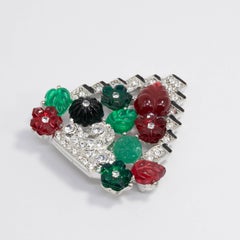
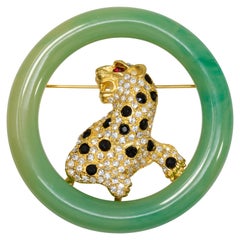
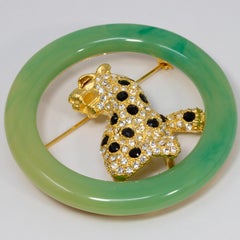
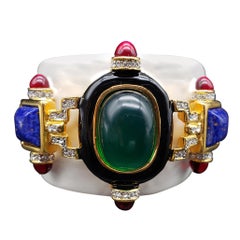
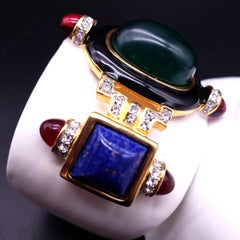
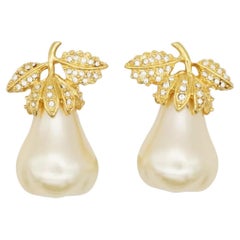
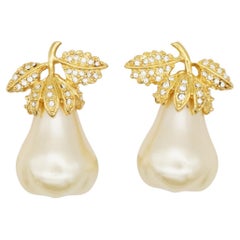
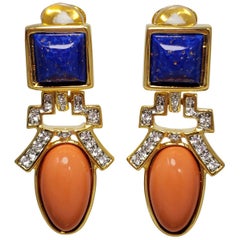
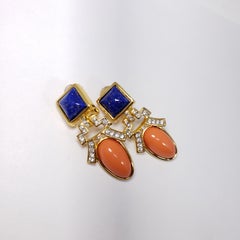
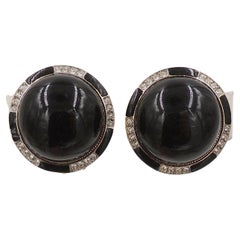
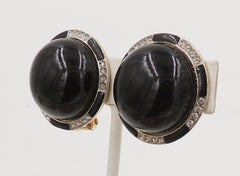
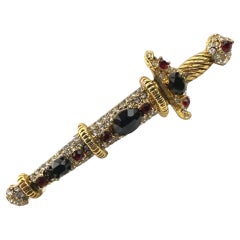
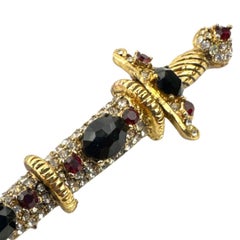
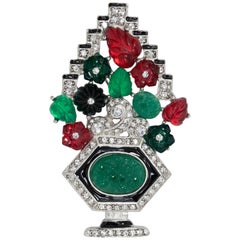
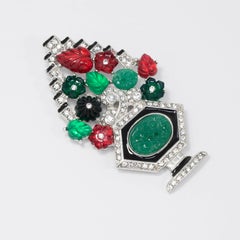
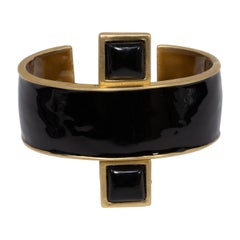
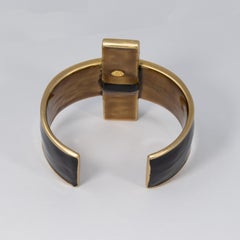
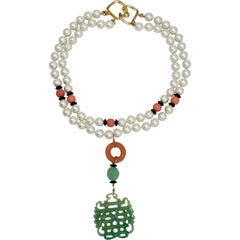
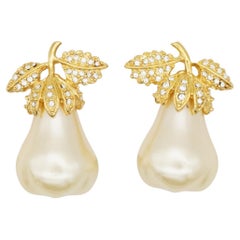
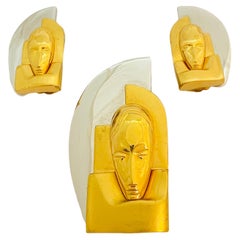
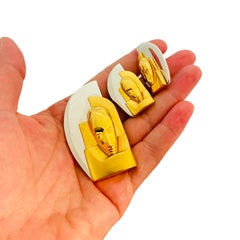
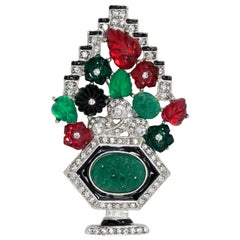
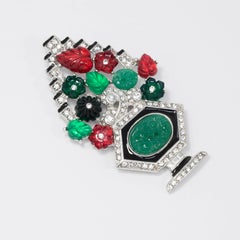
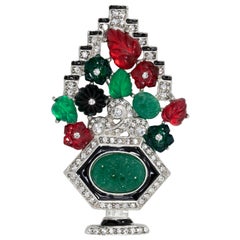
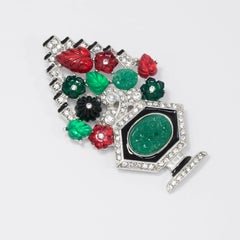
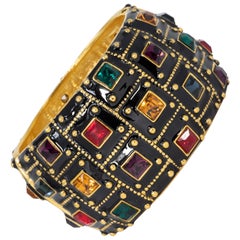
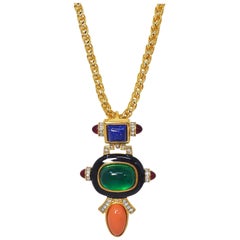
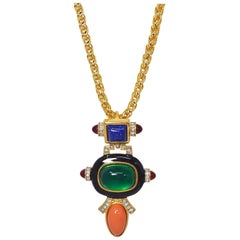
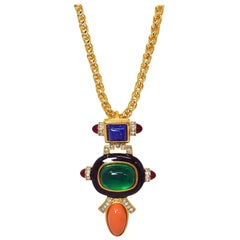
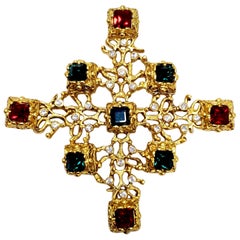
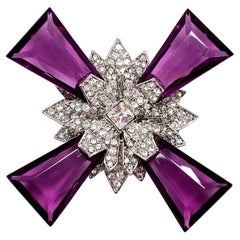
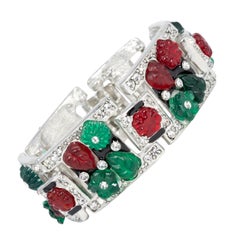
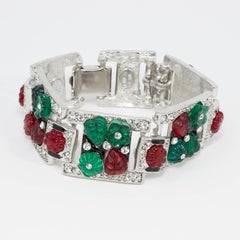
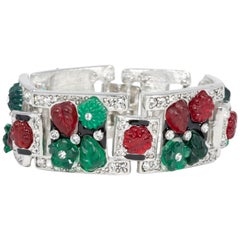
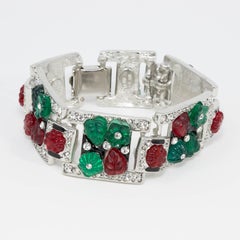
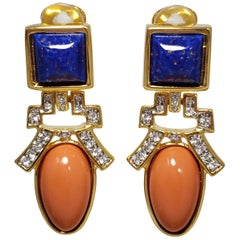
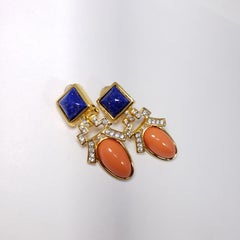
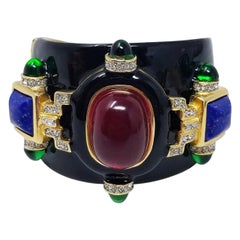
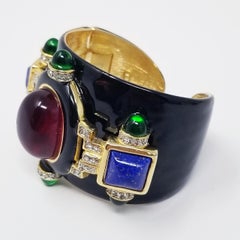
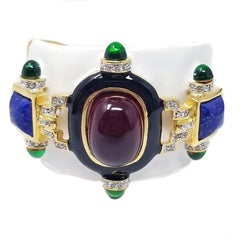
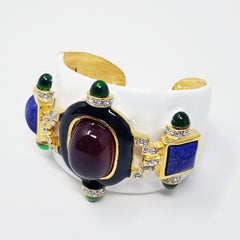
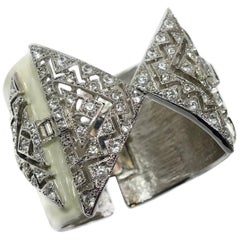
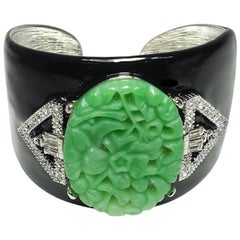
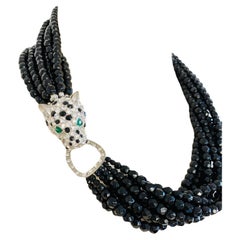
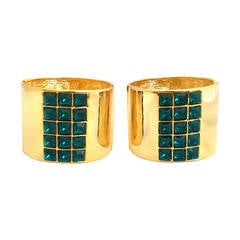
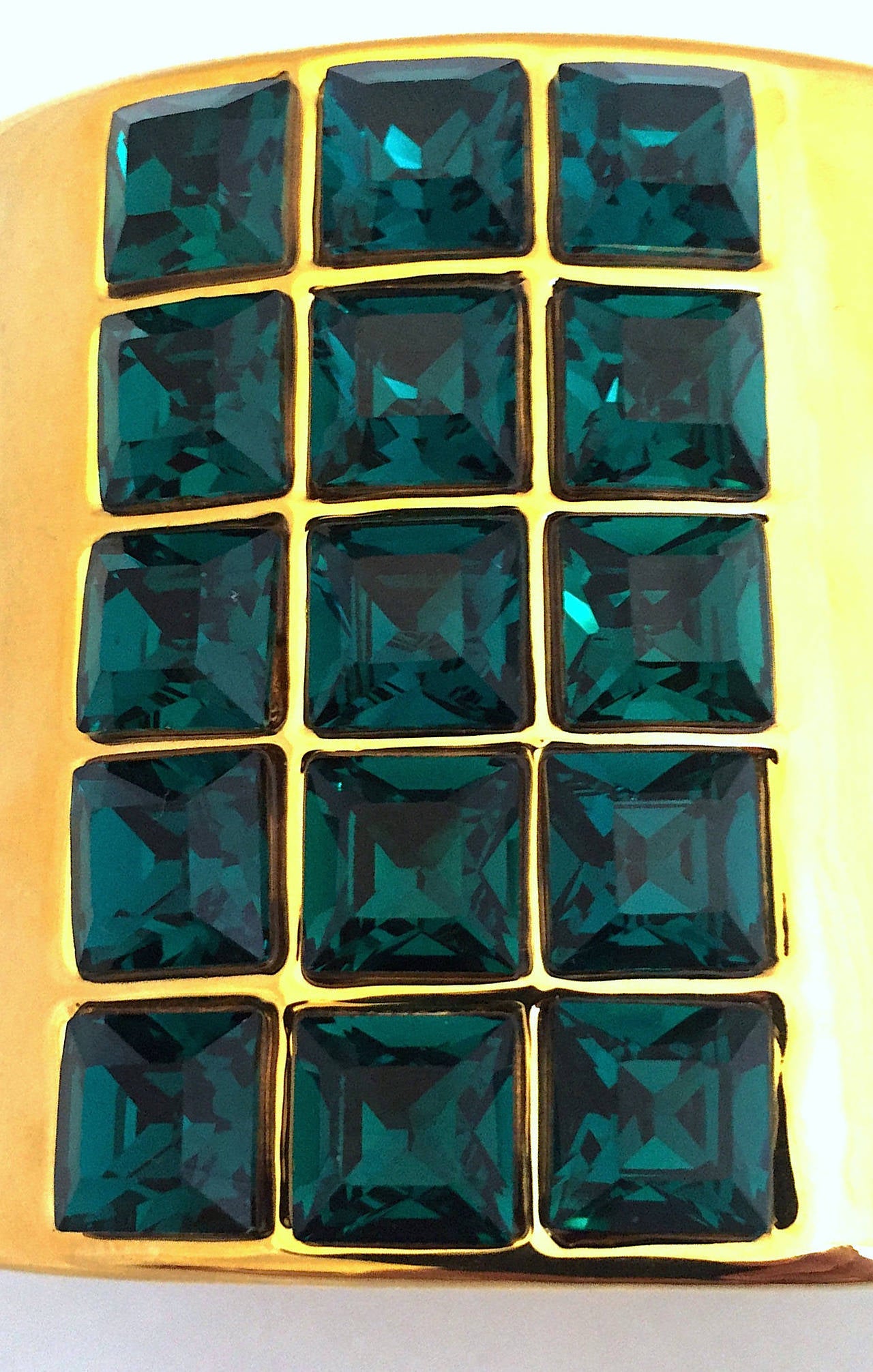
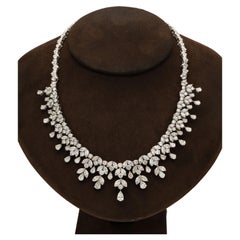
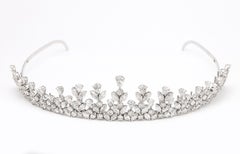
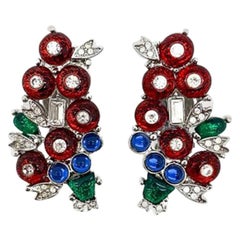
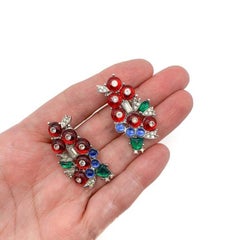
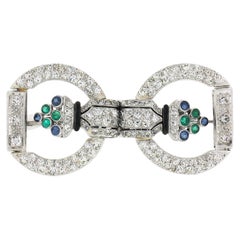
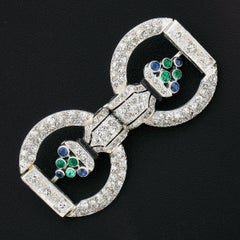
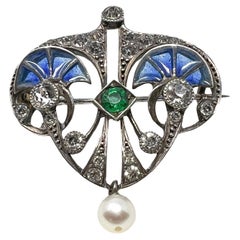
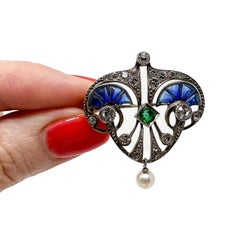
Surely you’ll find the exact kjl deco you’re seeking on 1stDibs — we’ve got a vast assortment for sale. Every item for sale was constructed with extraordinary care, often using
Gold Plate,
Gold and
Yellow Gold. Find an antique version now, or shop for 8 vintage or 20 modern creation for a more contemporary example of these cherished accessories. If you’re looking for a kjl deco from a specific time period, our collection is diverse and broad-ranging, and you’ll find at least one that dates back to the 20th Century while another version may have been produced as recently as the 21st Century. A kjl deco can make for a versatile accessory, but a selection from our variety of 19
Crystal versions can add an especially stylish touch. Today, if you’re looking for a
mixed cut version of this piece and are unable to find the perfect match, our selection also includes
baguette cut alternatives. Most of our kjl deco for sale are for
women, but there are 15 pieces available to browse for
men.
The father of so-called “fabulous fakes,” Kenneth Jay Lane was a spirited innovator within the jewelry industry, designing elegant and luxurious pieces without the use of real jewels. And while Lane aspired to create classic designs for earrings, bracelets and necklaces intended for everyday wear, his pieces caught the attention of celebrities, royalty and socialites.
From a young age, the Detroit, Michigan-born Lane was a lover of fashion. He studied at the Rhode Island School of Design and the University of Michigan. He pursued a design career in New York City, and a failed start in the art department of Vogue magazine led to a decade of designing shoes for the likes of Delman and Christian Dior.
Lane would occasionally develop shoe designs for friends he had in the fashion world such as Bill Blass and Arnold Scaasi. A show for the latter afforded him the opportunity to beautify shoes with rhinestones and create bangles and earrings to pair with the footwear — he found plastic bracelets at discount variety store and had them embellished by craftspeople at a shoe factory.
A love for costume jewelry design emerged thereafter. Lane created his own collection and admirers such as Jackie Kennedy and Elizabeth Taylor showered him with praise. A pearl necklace he designed was worn by Audrey Hepburn in Breakfast at Tiffany’s. In the early 1960s, ready-to-wear pioneer Hattie Carnegie purchased Lane’s jewelry line. Lane was given the position of design director for Carnegie but he soon changed course, moving instead into a small studio and pursuing his own path.
Lane worked with milk glass, gilded silver hardware, faux coral and other materials, and sold pendant necklaces, dangle earrings and modern bracelets to private customers. He was fond of renowned fine jewelry houses Cartier and Van Cleef & Arpels and designers such as Jean Schlumberger, and cited having found inspiration in Egyptian and Indian jewelry over the years as well as Art Deco jewelry. Lane’s designs, which he called “faque” and “junque,” became well-known for their distinctive color combinations and clever characteristics such as embroidery. By the time he purchased a small jewelry factory in Providence, Rhode Island, where his accessories would be made during the 1960s, Lane had secured relationships with top Manhattan boutiques and his work had caught the attention of fashion magazines.
Directed by the filmmaker Gisèle Roman, a 2018 documentary about Lane’s life and work called Fabulously Fake: The Real Life of Kenneth Jay Lane features interviews with legendary fashion designers Carolina Herrera, Tory Burch and Diane von Furstenberg.
On 1stDibs, find a collection of vintage Kenneth Jay Lane brooches, rings and other accessories.