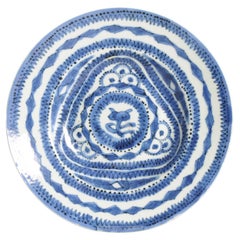
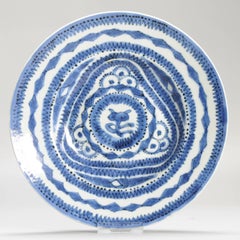
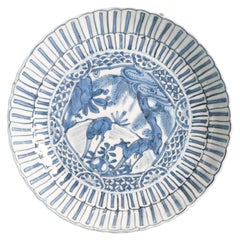
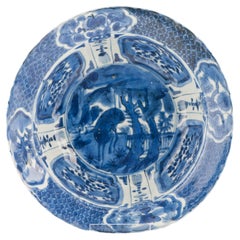
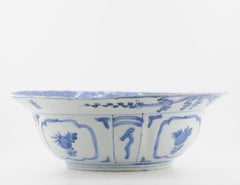
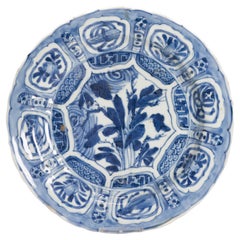
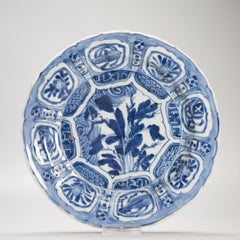
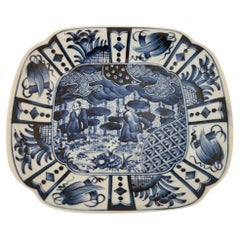
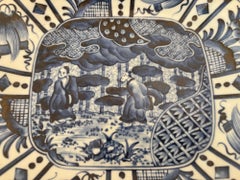
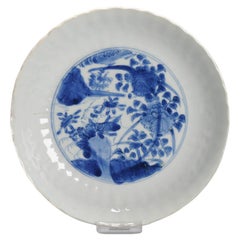
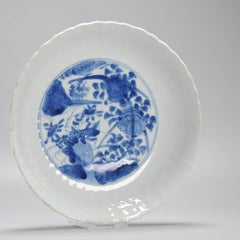
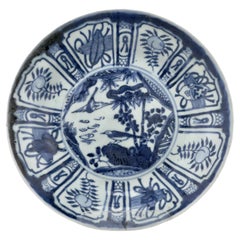
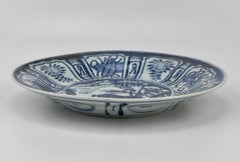
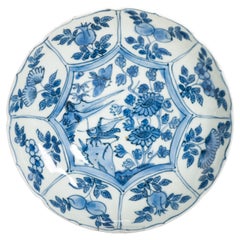
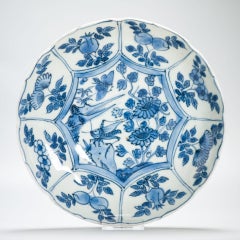
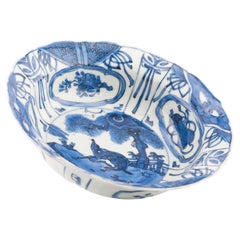
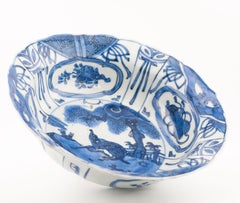
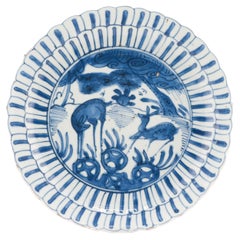
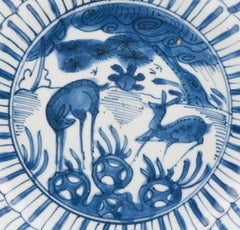
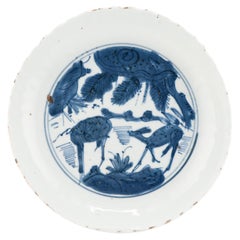
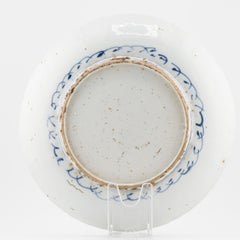
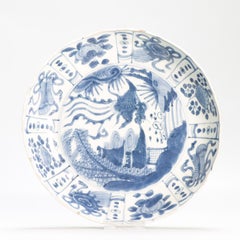
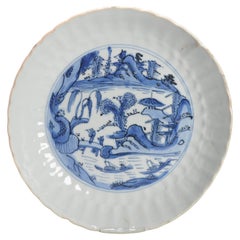
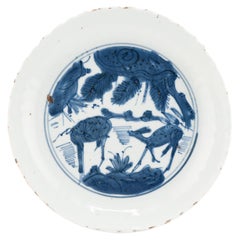
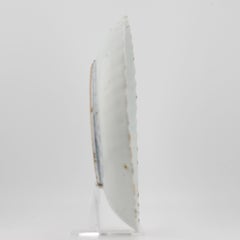
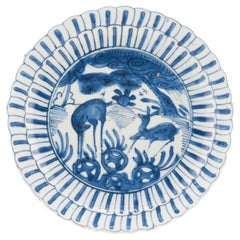
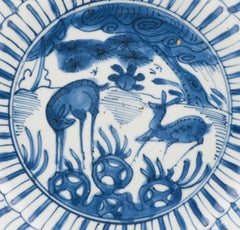
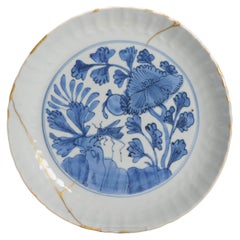
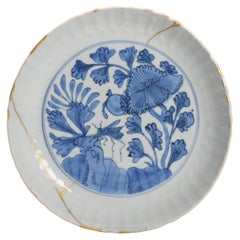
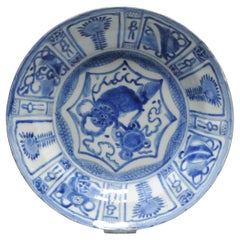
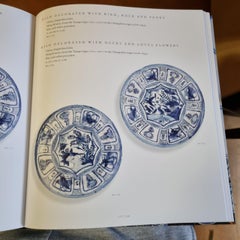
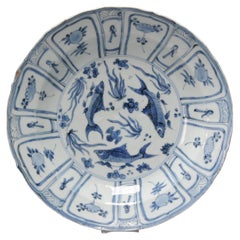
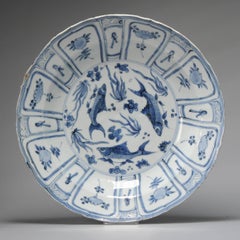
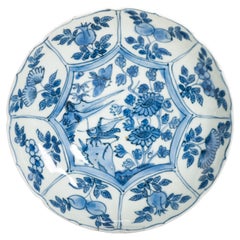
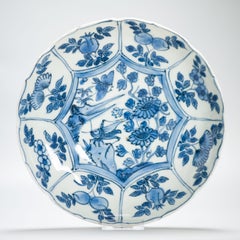
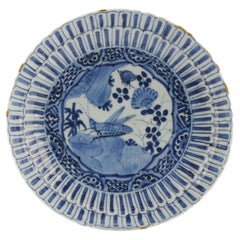
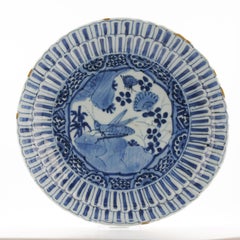
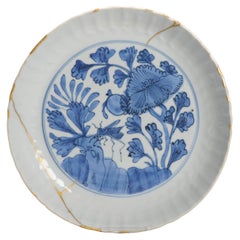
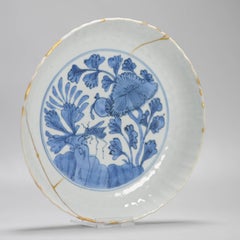
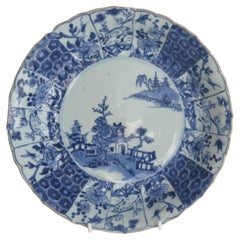
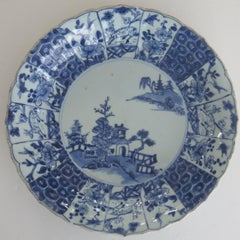
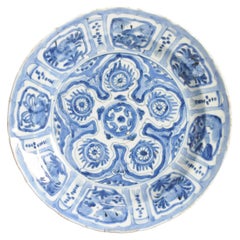
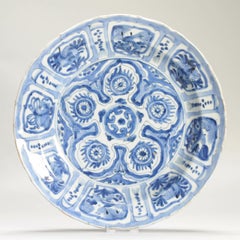
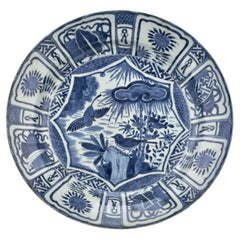
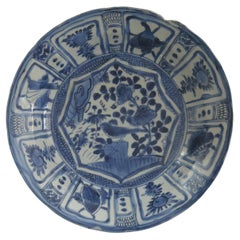
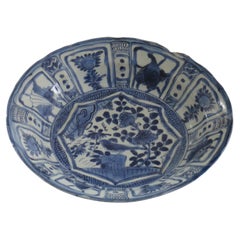
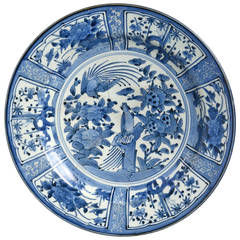
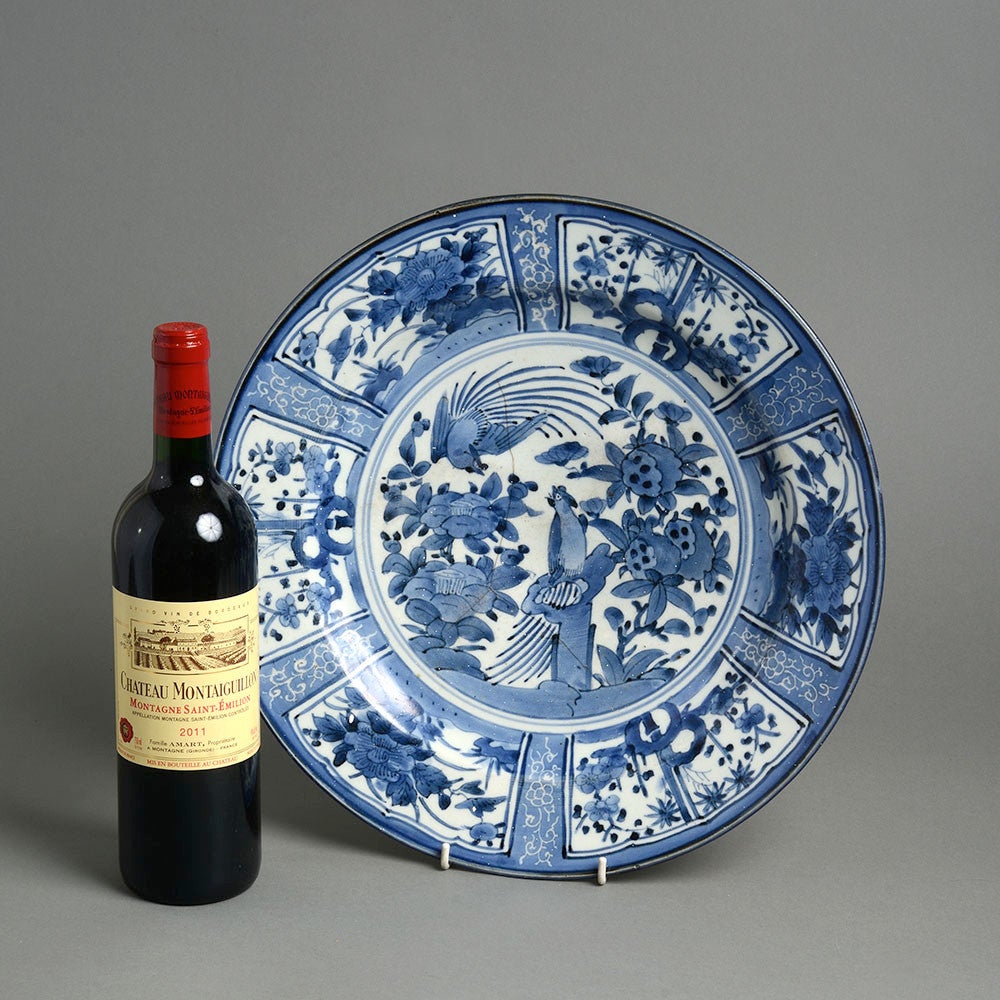
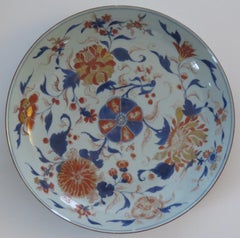
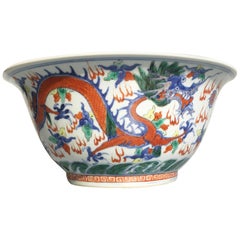
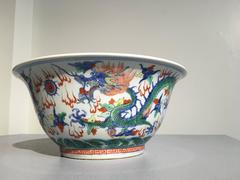
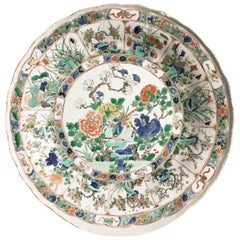
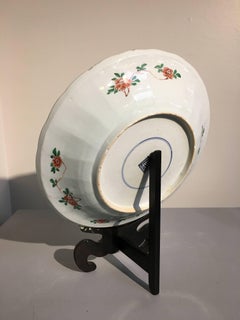
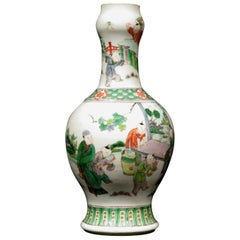
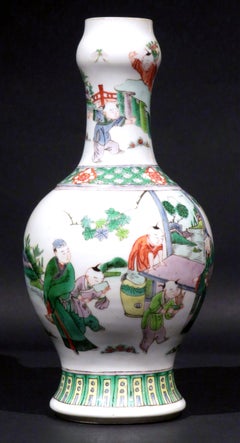
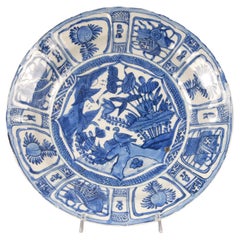
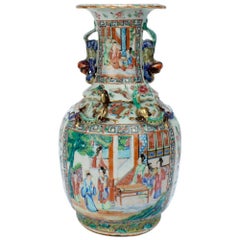
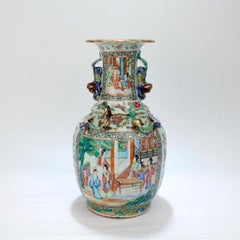
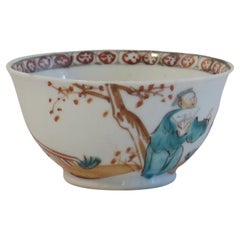
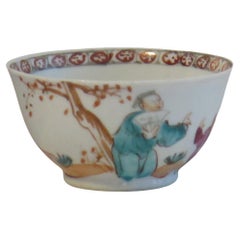
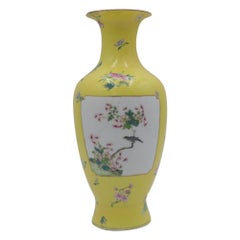
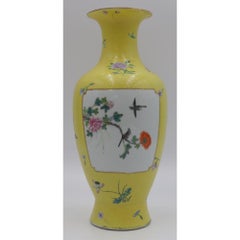
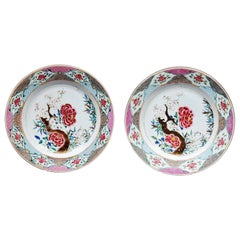
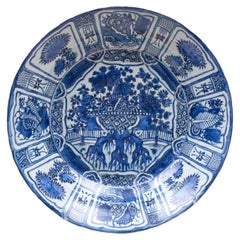
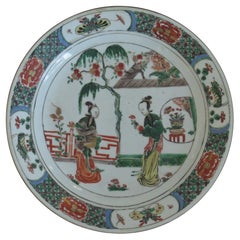
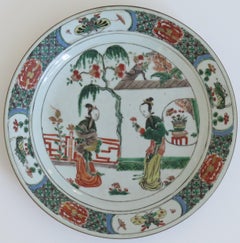
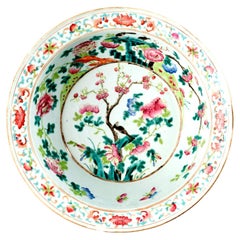
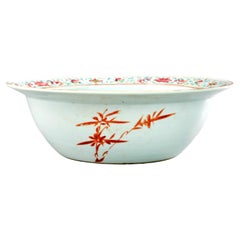
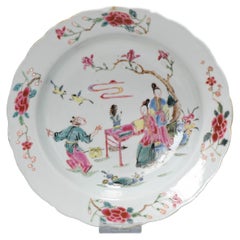
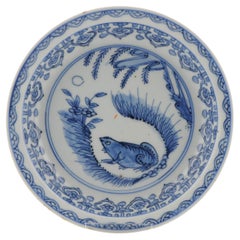
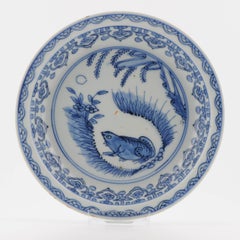
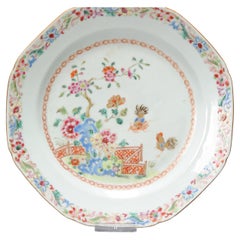
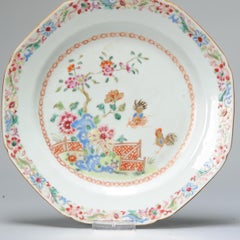
With a vast inventory of beautiful furniture at 1stDibs, we’ve got just the kraak ware you’re looking for. Frequently made of
ceramic and
porcelain, every kraak ware was constructed with great care. Your living room may not be complete without a kraak ware — find older editions for sale from the 18th Century and newer versions made as recently as the 20th Century.
Prices for a kraak ware can differ depending upon size, time period and other attributes — at 1stDibs, they begin at $425 and can go as high as $6,450, while the average can fetch as much as $1,200.
In what’s considered a golden age of Chinese furniture, Ming dynasty artisans produced expertly made designs that married elegance and function. Ming furniture was versatile, such as tables that doubled as writing desks and dining spaces. But it was also beautiful, enhancing a room with clean lines, soft curves and sophisticated decoration.
Dating from 1368 to 1644, the Ming dynasty was a vibrant time for international trade and culture. Especially for scholars and the wealthy, there was an emphasis on a home’s design to promote a good life. From large wardrobes to angular sofas, Ming-style furniture was defined by its joinery, which, instead of nails, involved meticulously designed interlocking elements of wood. This material was carefully selected and positioned to make the grain part of the design. The slow-growing huanghuali, a yellowish rosewood, was particularly valued for its bright color.
Although ornamentation was minimal, Ming dynasty furniture often featured carved or painted details of flowers, insects, dragons, fruits and other motifs. Chairs crafted for scholars could include calligraphic brush writing. As overseas trade expanded, techniques from the West, like cloisonné enamel painting, adorned table screens and other pieces.
Ming furniture influenced styles abroad such as Queen Anne in England and Hollywood Regency in the United States. The curved shape of Ming armchairs had a profound impact on legendary Scandinavian modernist furniture designer Hans Wegner. The Danish cabinetmaker shared the Ming artisans’ interest in creating streamlined, functional furnishings, and his China chair, Round chair and Wishbone chair are inspired by Ming dynasty seating. Today, the Ming-style horseshoe chair is a graceful and sought-after type of seat, and contemporary Chinese designers such as Jerry Chen and Gan Erke are also drawing on this heritage for a new era of style.
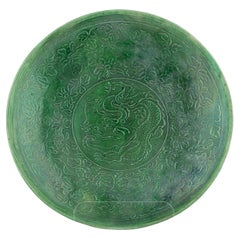
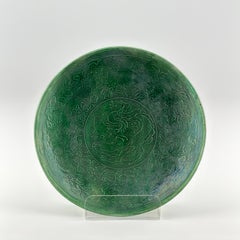
Find a collection of Ming cabinets, decorative objects, lounge chairs and other furniture on 1stDibs.