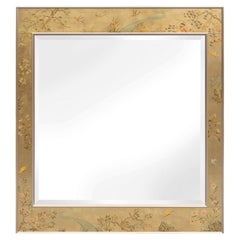
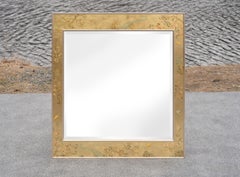
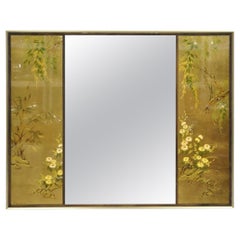
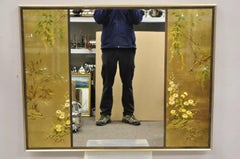
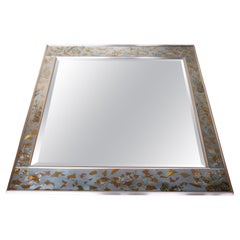
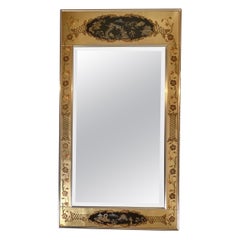
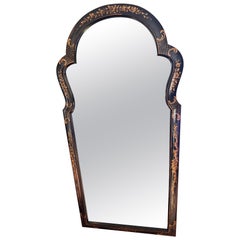
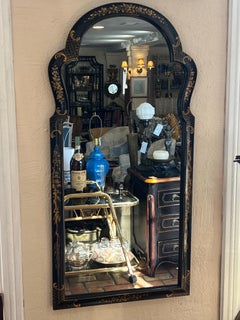
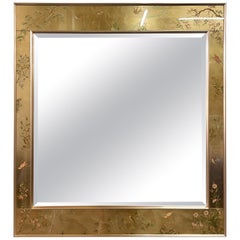
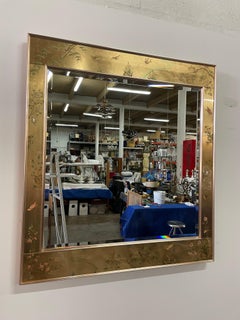
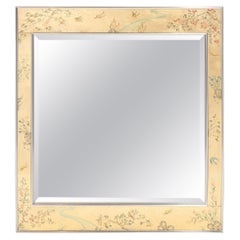
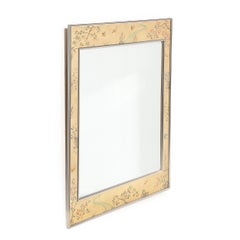
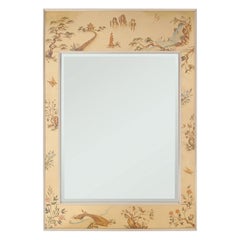
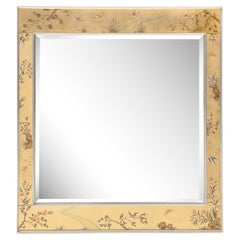
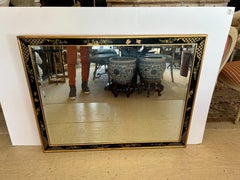
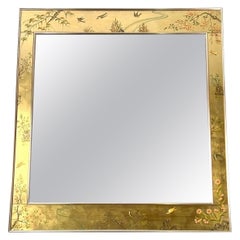
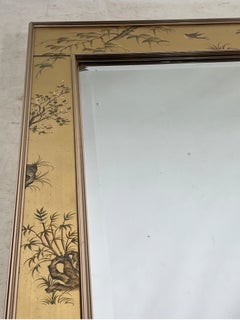
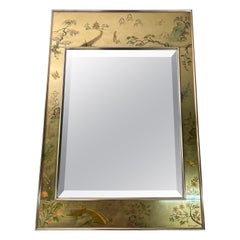
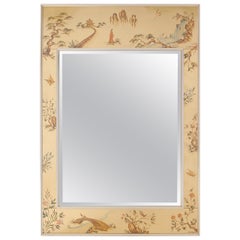
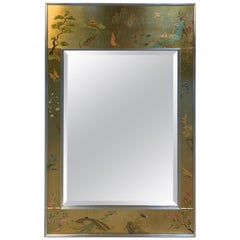
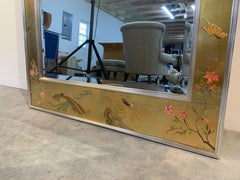
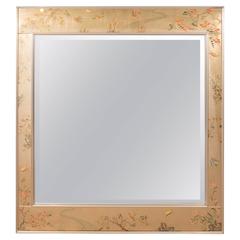
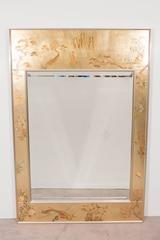
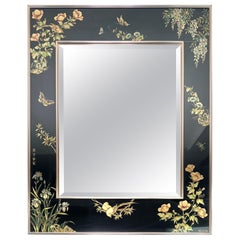
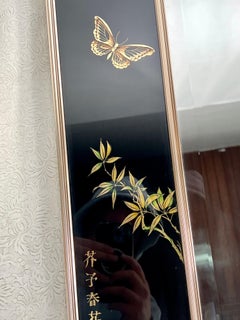
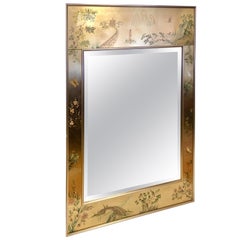
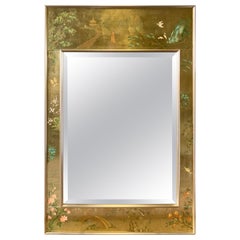
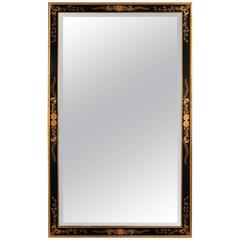
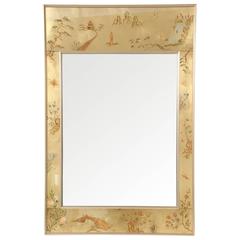
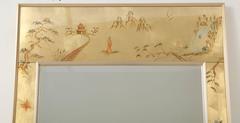
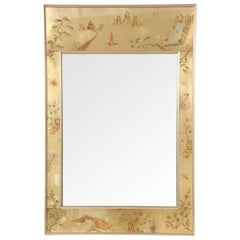
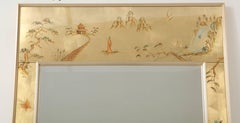
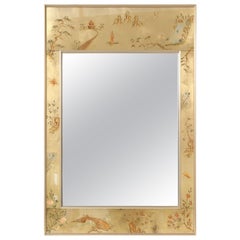
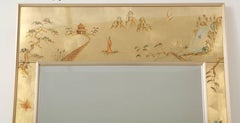
Labarge Chinoiserie Mirror For Sale on 1stDibs
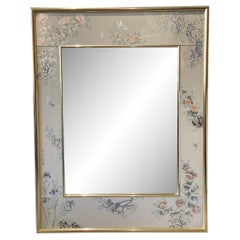
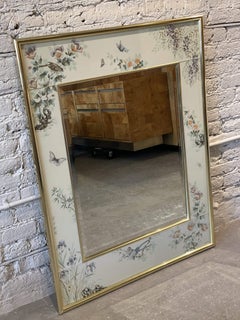
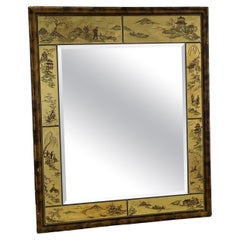
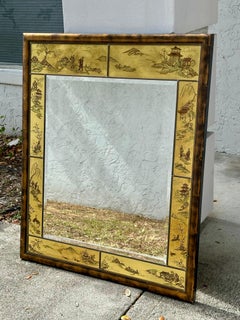
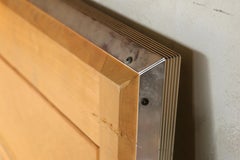
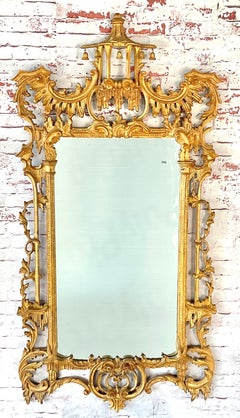
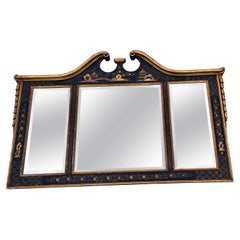
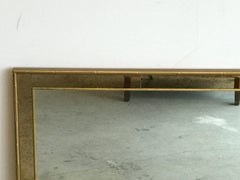
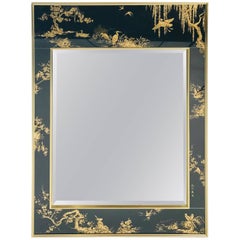
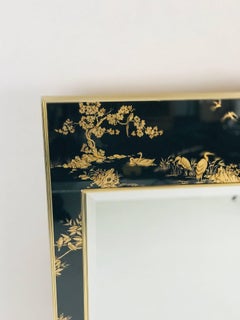
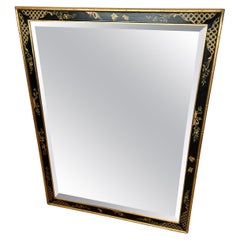
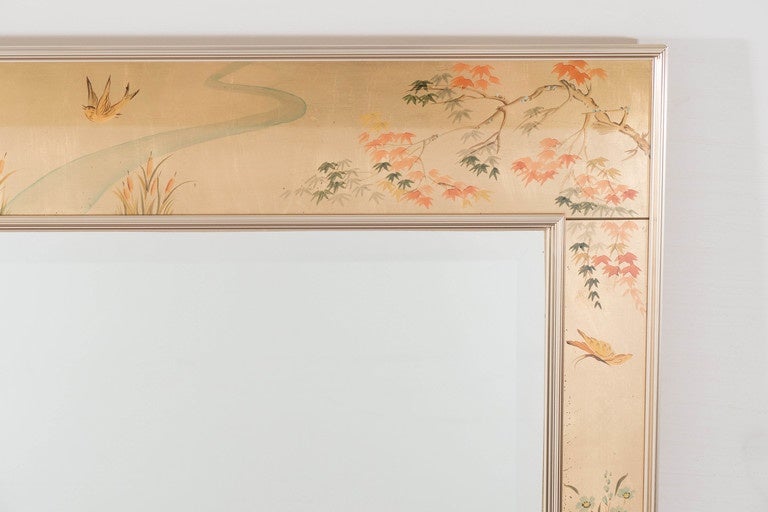
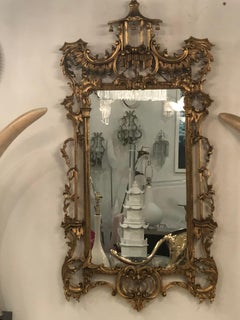
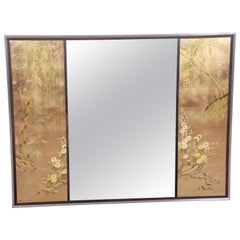
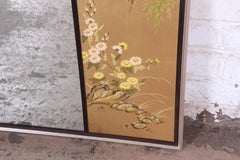
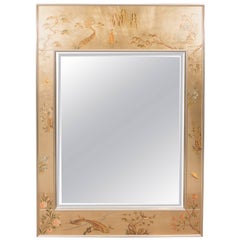
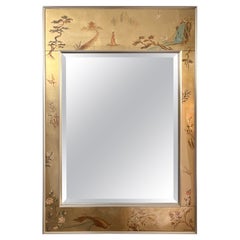
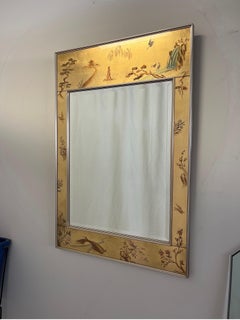
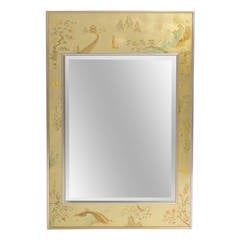
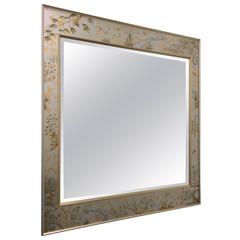
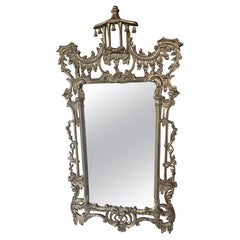
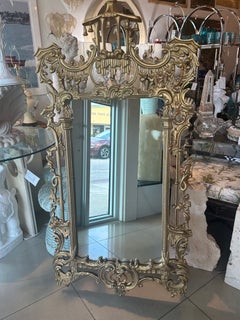
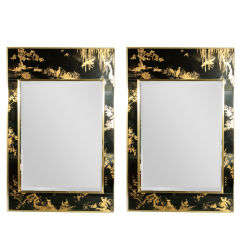
With a vast inventory of beautiful furniture at 1stDibs, we’ve got just the labarge chinoiserie mirror you’re looking for. Each labarge chinoiserie mirror for sale was constructed with extraordinary care, often using
glass,
mirror and
metal. There are many kinds of the labarge chinoiserie mirror you’re looking for, from those produced as long ago as the 20th Century to those made as recently as the 20th Century. Each labarge chinoiserie mirror bearing
Art Deco,
Hollywood Regency or
Mid-Century Modern hallmarks is very popular. Many designers have produced at least one well-made labarge chinoiserie mirror over the years, but those crafted by
Labarge,
La Barge and
Mary Spyker are often thought to be among the most beautiful.
How Much is a Labarge Chinoiserie Mirror?
Prices for a labarge chinoiserie mirror start at $200 and top out at $4,200 with the average selling for $1,873.
LaBarge for sale on 1stDibs
Renowned in the world of interior design, American furniture manufacturer LaBarge specializes in elegant, handcrafted mirrors and glass top tables that complement a multitude of decorating styles. Its pieces draw on the timelessness of mid-century modernism, the glamour of Hollywood Regency, traditional European classicism and more.
While the company is based in North Carolina, LaBarge has long looked to cultures all over the world for inspiration, relying on techniques such as carving, gilding, molding and hand-rubbed finishing to create their distinctive contemporary designs and antique reproductions.
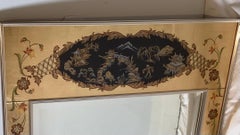
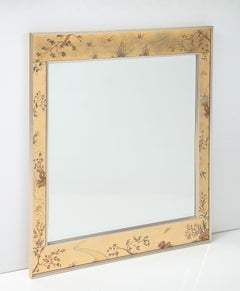
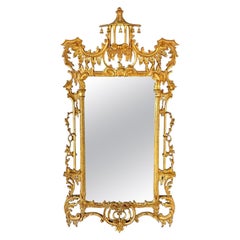
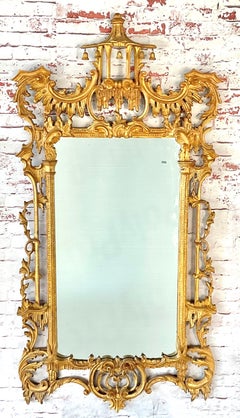
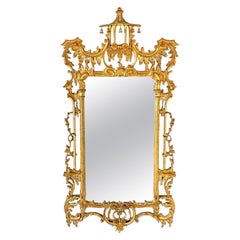
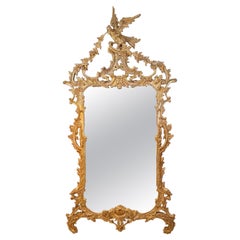
LaBarge’s celebrated furnishings include sunburst mirrors outfitted with heavy brass detailing or Italian-style giltwood wall mirrors that feature hand-painted birds adorning the glass panels or chinoiserie patterns that dot the frames. Vintage LaBarge coffee tables, with their unconventional shapes, sleek glass tops and signature hooved feet in brass, are always in demand, while the brand’s dramatic, Louis XVI-style console tables with black lacquer and intricate gilding make a statement in any space.
LaBarge Mirrors Inc. was founded in 1962 by Chicago-born furniture salesman William LaBarge Sr., who purchased the residential mirror division of Holland, Michigan’s Donnelly Mirrors — formerly Donnelly-Kelley Glass Company.
LaBarge’s founder, who had moved to Michigan in the late 1940s, sold the company to Masco Corporation in 1987, which had entered the furniture manufacturing business earlier in the decade and had by then owned widely loved brands Henredon, Drexel and others. A company called Heritage Home Group, LLC purchased LaBarge and a range of other brands in 2013.
In 2015, furniture designer Susan Hable created a new line of mirrors for LaBarge inspired by the likes of Italian architect Gio Ponti and modernists such as Belgian sculptor Georges Pelletier and German-American designer Karl Springer. North Carolina’s Rock House Farm (RHF Investments) acquired LaBarge and other manufacturers from Heritage Home Group in 2018.
Find vintage LaBarge mirrors, tables and other furniture on 1stDibs.
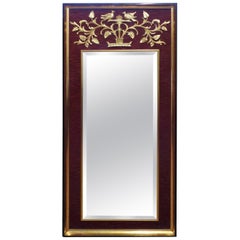
A Close Look at Chinoiserie Furniture
Emerging in the 17th century, chinoiserie appropriated the aesthetics and imagery of popular East Asian design for European-made versions. Reflecting the exoticization of China, Japan and other countries in this era, the word directly translates from French to “Chinese-esque,” which reveals its shortcomings as a style of furniture and decor that often stereotypically and reductively mimics Asian culture rather than showcasing and paying tribute to its artistic traditions.
The enthusiastically decorative chinoiserie style was propelled by influential tastemakers including French King Louis XIV, whose Trianon de Porcelaine in 1670 was inspired by Chinese architecture. Expanded trade between the East and West led to a demand for porcelain, lacquer objects, silk and other goods, which further informed the fanciful furniture being crafted in Europe.
Artisans working in the chinoiserie style used materials and elements like pagoda shapes, bamboo, lacquer surfaces, bird and flower motifs and other interpretations of Asian design on pieces that were frequently set against vibrant wallcoverings. This whimsical approach yielded chinoiserie furniture that boasted dramatic flourishes drawing on the natural world and reflected the dominance of Rococo during the 18th century.
As chinoiserie was shaped by approximations of Asian design by European creators, it had regional variations, such as Chinese Chippendale in England where cabinets, chairs and tea tables had wooden fretwork designs and “japanned” surfaces intended to resemble lacquer work that was created in East Asia. In North America, furniture makers in Boston and New York integrated chinoiserie-painted scenes into Queen Anne furniture.
Antique chinoiserie furniture has continued to be fashionable, from its popularity with decorators of the Hollywood Regency era — James Mont, Tommi Parzinger, William Haines and Samuel Marx favored the style — to contemporary interior designers, although it brings with it a complex history.
Find a collection of chinoiserie bedroom furniture, cabinets, decorative objects and more on 1stDibs.
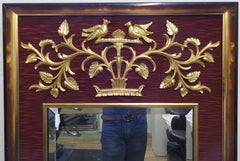
Finding the Right Wall-mirrors for You
Vintage and antique wall mirrors add depth and openness to a space — they can help create the illusion that a narrow hallway isn’t so narrow. But you don’t need hundreds of enormous arched French or Italian mirrors framed in gilded bronze to dress up your home (maybe just a few).
A few well-placed large wall mirrors and other types of mirrors can amplify lighting and help showcase the decorative and architectural features of your home. For the Palace of Versailles during the 17th century, French King Louis XIV ordered the construction of the Hall of Mirrors after spending millions of dollars importing expensive Venetian mirrors from the revered glass-blowing factories on the island of Murano. A mirror-manufacturing rivalry between Paris and Venice took shape, and soon, across from 17 large windows that open out over the adjacent Palace Gardens on one side of the Hall, more than 350 mirrors — large mirrors made of groupings of small panes — were installed, effectively bringing the radiant colors of the outdoors into the opulent corridor.
Wall mirrors for your living room can work miracles — pull your landscaping’s colors and textures indoors, Louis XIV–style, by covering the length of an interior wall across from your living-room windows with wall mirrors.
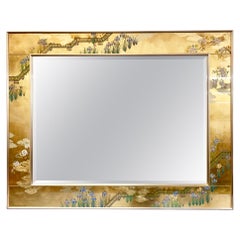
For a similar effect, surrounding your mid-century modern wall mirror with leafy air plants and fern floor plants can amplify the sense of serenity that greenery offers in your home. Choose wall mirror frame styles to match your home’s decor, or shop for a frameless, organically shaped mirror that’s cut or beveled for a clean yet distinctive showpiece. For a free-spirited Bohemian feel, create a cluster of mismatched antique wall mirrors — an arrangement of circular Art Deco wall mirrors, Rococo-style silver leaf mirrors and decorative oval Victorian mirrors could add spice to an otherwise unadorned dining-room wall.
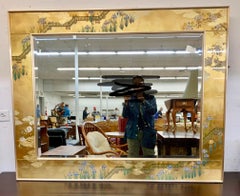
Elsewhere, there’s nothing vain about buying a full-length mirror for your bedroom, bathroom or walk-in closet to help you perfect your look for the day. Another may be needed in your entryway for a last-minute ensemble inspection. In fact, a shimmering 18th-century hall of mirrors awaits visitors behind the steel door of Stephen Cavallo’s atelier in Manhattan.
“We like to see the look on people’s faces when they walk in,” says Cavallo.
Decorating your home and office with wall mirrors is an art form in and of itself — get started today with the variety of antique and vintage wall mirrors on 1stDibs.