Lithograph With Frame

to
89
426
212
426
211
144
119
88
75
74
54
54
50
49
29
29
29
27
24
21
14
10
9
8
7
6
4
4
4
3
3
2
1
1
1
1
1
1
41
30
16
12
12
Sort By
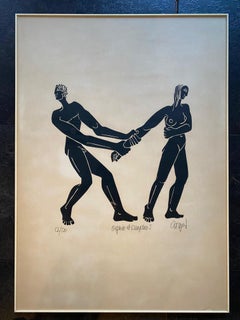
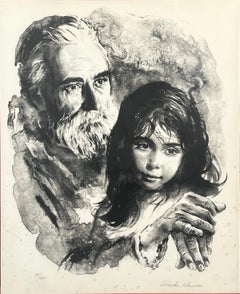
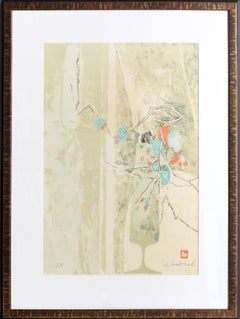
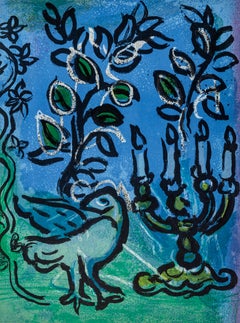
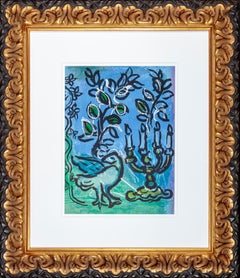
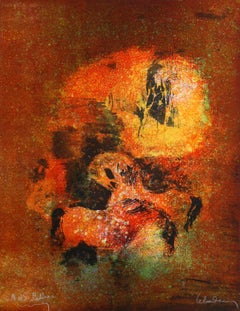
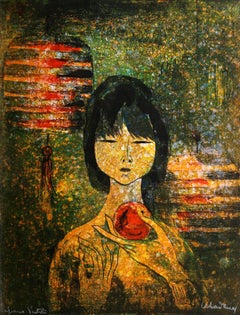
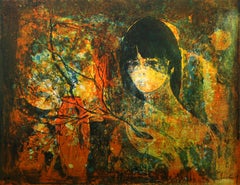
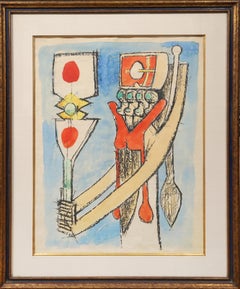
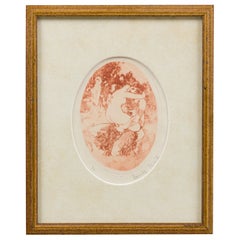
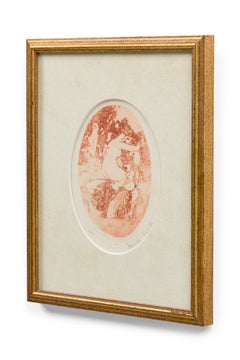
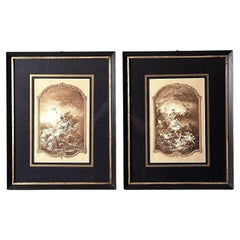
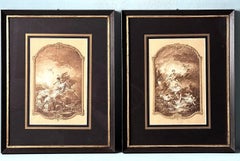
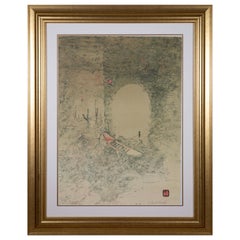
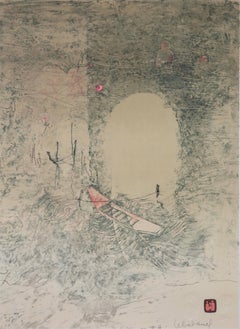
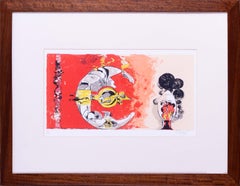
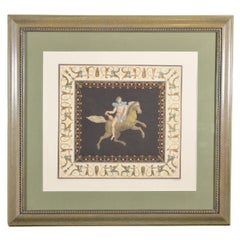
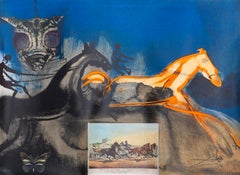
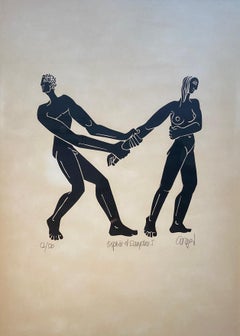
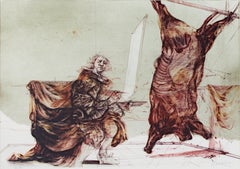
"Orphée et Eurydice" Lithograph 50x70 cm

"Orphée et Eurydice" Lithograph 50x70 cm

Located in Geneva, CH

Lithograph with frame and glass Signed, artist unknown from the gallery

Category

20th Century Baroque Portrait Prints

Materials

Lithograph

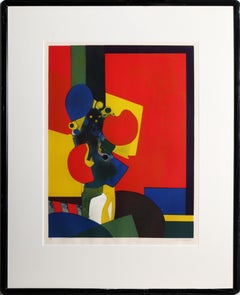
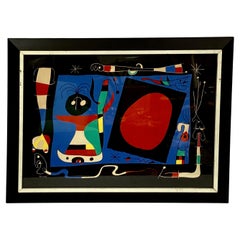
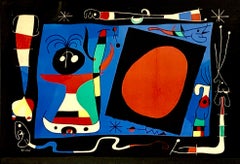
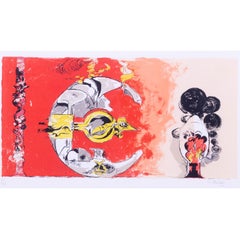
Joan Miró Lithograph, "Woman With A Mirror", Framed

Joan Miró Lithograph, "Woman With A Mirror", Framed

By Joan Miró

Located in Bradenton, FL

Joan Miro (1893-1983, Catalan) print titled, " Woman With A Mirror" Lithograph. Abstract style has

Category

Early 20th Century Spanish Modern Prints

Materials

Paper

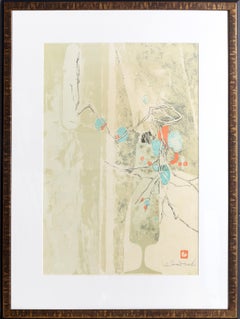
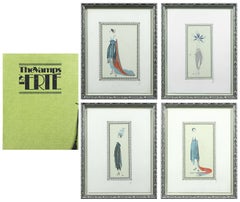
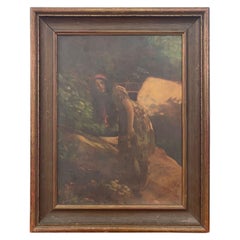
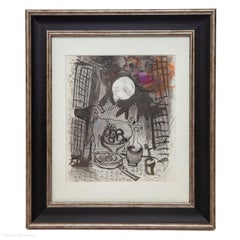
Vintage Framed Lithograph of Woman With Hand Painted Highlights.

Vintage Framed Lithograph of Woman With Hand Painted Highlights.

Located in Seattle, WA

Approximately Circa 1925. Beautiful Petina on the Art, as well as the Frame. Vintage Condition

Category

Vintage 1920s Mid-Century Modern Paintings

Materials

Wood

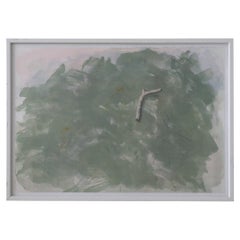
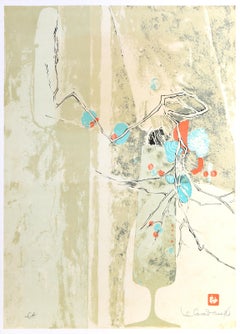
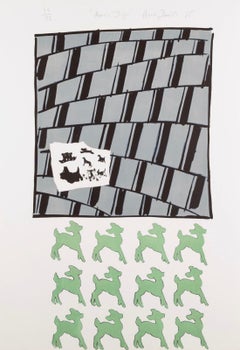
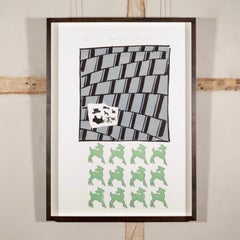
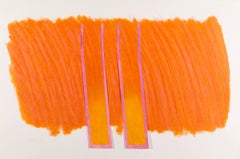
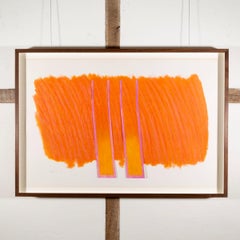
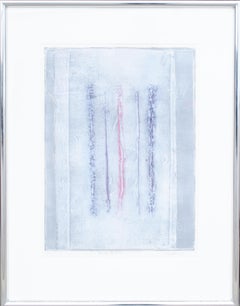
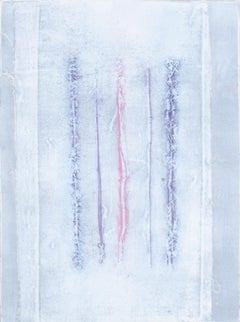
Lennart Aschenbrenner, Composition with stick, Color Lithograph, 1986, Framed

Lennart Aschenbrenner, Composition with stick, Color Lithograph, 1986, Framed

Located in Warszawa, Mazowieckie

signed by the artist, has date and an individual number (pencil) Sheet dimensions 49/68 Framed work

Category

Vintage 1980s Swedish Mid-Century Modern Decorative Art

Materials

Paper

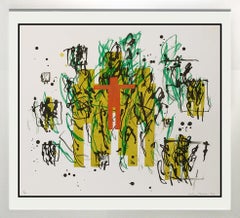
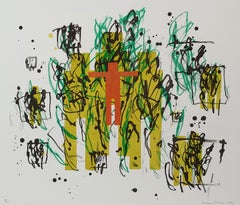
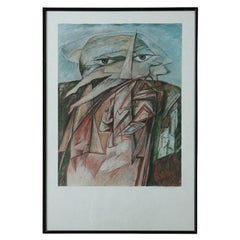
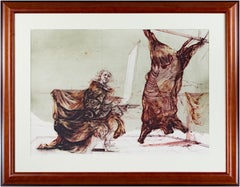
Color Lithograph by Cyr Frimout, Man with two heads, Framed

Color Lithograph by Cyr Frimout, Man with two heads, Framed

Located in Warszawa, Mazowieckie

Cyr Frimout, Man with two heads, 1990s Color lithograph The work is signed by the artist (pencil

Category

1990s Belgian Mid-Century Modern Decorative Art

Materials

Paper

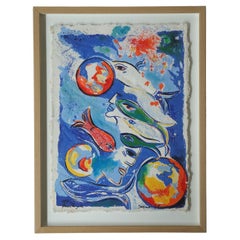
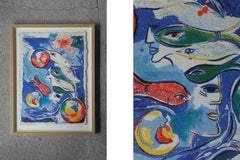
Dagmar Glemme, Composition with fish and faces, Color Lithograph, Framed

Dagmar Glemme, Composition with fish and faces, Color Lithograph, Framed

Located in Warszawa, Mazowieckie

dimensions 50/38 Framed work Dagmar Glemme was born in 1942 in Poland. After the war, her family settled in

Category

Vintage 1980s Swedish Scandinavian Modern Decorative Art

Materials

Paper

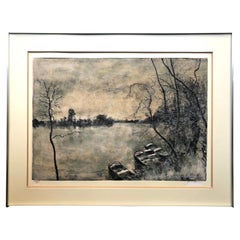
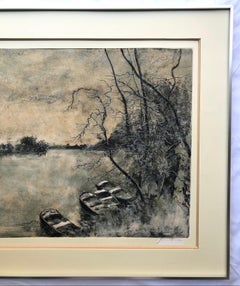
Framed Lithograph Landscape with View of the Lake and Boats Signed

Framed Lithograph Landscape with View of the Lake and Boats Signed

By Henri Martin

Located in Miami, FL

A very colorful lithograph professionally framed, signed. This interesting work of art is

Category

20th Century French Prints

Materials

Paper

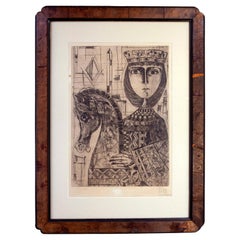
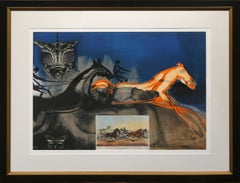
Framed Fine Art Lithograph of Knight with Horse by Pec Quetglas Ferrer

Framed Fine Art Lithograph of Knight with Horse by Pec Quetglas Ferrer

By FERRER

Located in Malibu, CA

Mid century lithograph titled "Knight and Horse" by Pedro Quetglas Ferrer; 1915-2001. A Spanish

Category

20th Century Spanish Expressionist Prints

Materials

Glass, Walnut, Paper

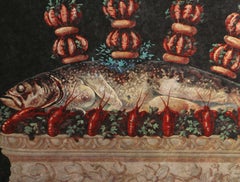
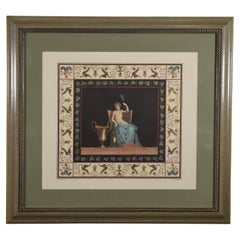
Framed lithograph, fresco from Nero's Domus Aurea (Rome)...

Framed lithograph, fresco from Nero's Domus Aurea (Rome)...

Located in Madrid, ES

Framed lithograph, fresco from Nero's Domus Aurea (Rome). Engraved by Carlo Romano, after design by

Category

20th Century European Other Decorative Art

Materials

Other

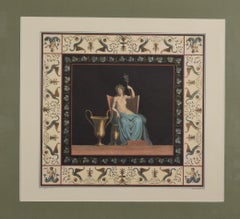
Framed lithograph, fresco from Nero's Domus Aurea (Rome)...

Framed lithograph, fresco from Nero's Domus Aurea (Rome)...

Located in Madrid, ES

Framed lithograph, fresco from Nero's Domus Aurea (Rome). Engraved by Carlo Romano, following

Category

20th Century European Other Decorative Art

Materials

Other

  • 1
  • ...
Get Updated with New Arrivals
Save "Lithograph With Frame", and we’ll notify you when there are new listings in this category.

Lithograph With Frame For Sale on 1stDibs

With a vast inventory of beautiful furniture at 1stDibs, we’ve got just the lithograph with frame you’re looking for. Each lithograph with frame for sale was constructed with extraordinary care, often using paper, wood and glass. Your living room may not be complete without a lithograph with frame — find older editions for sale from the 18th Century and newer versions made as recently as the 21st Century. A lithograph with frame is a generally popular piece of furniture, but those created in Mid-Century Modern, Art Deco and Louis XVI styles are sought with frequency. A well-made lithograph with frame has long been a part of the offerings for many furniture designers and manufacturers, but those produced by Barbara A. Wood, Francesco Beda and Salvador Dalí are consistently popular.

How Much is a Lithograph With Frame?

The average selling price for a lithograph with frame at 1stDibs is $415, while they’re typically $350 on the low end and $30,000 for the highest priced.
Questions About Lithograph With Frame
  • 1stDibs ExpertApril 5, 2022
    A lithograph is a piece of artwork created using oil and water. An after lithograph is a copy of an existing painting done after the original painting’s creation. Pablo Picasso would have after lithographs created of his famous works, usually by another approved artist. On 1stDibs, find a collection of lithographs from some of the world’s top sellers.
    1stDibs ExpertApril 5, 2022
    An “after” lithograph, or after print, refers to a print that is made by an artist based on an original painting or a work by a different artist. For example, a lithographer could make an engraving based on a painting by Picasso, and the resulting print would be “after” Picasso. Shop a collection of after lithography from some of the world’s top art dealers on 1stDibs.
  • 1stDibs ExpertNovember 20, 2024
    The difference between a lithograph and a lithograph print depends on the context. By the strictest definition, the terms are actually synonyms. A lithograph is the term for a print produced through a specific process. It begins with an artist drawing or painting on a stone surface with an oil-based substance, such as a greasy crayon or tusche. The stone is then covered with water, which is repelled by the oily areas. Oil-based ink is then applied to the wet stone, adhering only to the oily image. The stone is then covered with a sheet of paper and run through a press. You can call a print produced with this printmaking method a lithograph, a lithograph print or a lithographic print. However, some people may use the term lithograph to describe a traditional lithograph and lithograph print to denote an offset lithograph. Offset lithography is a method of mass-producing prints where the image from the stone gets transferred to a rubber blanket, which is then pressed against the paper to produce a final image. Find a wide variety of lithographs on 1stDibs.
  • 1stDibs ExpertOctober 7, 2024
    The difference between an offset lithograph and an original lithograph is that the former is made using the other. To produce an original lithograph, a printmaker begins by drawing on or painting on a stone surface with an oil-based substance. The stone is then covered with water, which is repelled by the oily areas. Oil-based ink is then applied to the wet stone, adhering only to the oily image. The stone is then covered with a sheet of paper and run through a press. An offset lithograph is a copy of an original lithograph produced with mechanical processes, usually without the artist's involvement. On 1stDibs, explore a collection of lithographs and other art prints.
  • 1stDibs ExpertApril 16, 2024
    A signed lithograph is an art print produced with a particular method that bears the artist's real signature, signed in ink. The term lithograph refers to a print made by drawing an image onto a stone, etching the stone with chemicals and then applying ink. The term signed lithograph is different from a plate-signed lithograph, where the artist adds their signature to the stone to transfer it onto finished prints rather than signing their works by hand. Explore a large collection of lithographs on 1stDibs.
  • 1stDibs ExpertMay 3, 2024
    A color lithograph is a print produced through the process of chromolithography. Unlike traditional lithography, which uses a single stone and one color of ink, chromolithography involves multiple printing stones, each of which corresponds to a single color. Artists etch the stones with only the elements of the image that will show up in that color, then transfer the image, part by part and color by color, onto paper. Find a range of color lithographs on 1stDibs.
  • 1stDibs ExpertApril 16, 2024
    No, a lithograph is not an original. Lithographs are prints, which are authorized reproductions of works produced by artists. To produce a lithograph, an artist applies an image to a stone. Then, they treat the stone with chemicals to impart the image into it. Finally, they apply ink and transfer the image onto paper or another medium. Shop a large selection of lithographs on 1stDibs.
  • Lilac Gallery Ltd.March 17, 2021
    When a lithograph is numbered by the artist, it means that this particular artwork is from a 'limited edition' series. As when the lithographs are not numbered, they would be from an open edition and the total number similar of artworks is unknown. When a lithograph is numbered it usually also comes hand-signed by the artist.
  • 1stDibs ExpertOctober 19, 2021
    An original lithograph is a print made by way of a specific printing method (one of the most commonly used methods in the 20th and 21st centuries). With respect to lithography, the process begins by drawing on or painting on a stone surface with an oil-based substance, such as a greasy crayon or tusche (an oily wash). The stone is then covered with water, which is repelled by the oily areas. Oil-based ink is then applied to the wet stone, adhering only to the oily image. The stone is then covered with a sheet of paper and run through a press.
  • It's a print using an offset lithograph press. Although still used today it has been primarily replaced with digital printing.
  • 1stDibs ExpertJanuary 27, 2025
    There are many famous lithographers. One was Alois Senefelder. Sometimes called the “Father of Lithography,” he accidentally discovered the printmaking technique in 1796 when trying to find a new way to make copies of his plays. His discovery eventually led to the use of lithography to produce artwork. During the 18th century, artists who experimented with the technique included Honoré Daumier and Henri de Toulouse-Lautrec.

    Lithography became an even more popular art form during the 20th century when it was used by artists like Alphonse Mucha, Marc Chagall, Edvard Munch, Pablo Picasso, Joan Miró, Diego Rivera and Käthe Kollwitz.

    Find a wide range of lithographs on 1stDibs.
  • 1stDibs ExpertFebruary 22, 2021
    The most valuable lithographs are ones made by the artist, rather than someone mimicking a famous work of art. Original lithographs can be worth tens of thousands of dollars.
  • 1stDibs ExpertApril 5, 2022
    A genuine lithograph is when an artist creates a piece of art on a stone or metal plate that is re-inked every time the image is pressed to paper. To ensure you purchase authentic, high-quality lithographs, look for a reputable seller. Shop a selection of expertly vetted lithograph art on 1stDibs.
  • 1stDibs ExpertJune 6, 2024
    Lithographs are so expensive largely because of their properties. Compared to other types of prints, they tend to be more painterly, meaning they are better at capturing the qualities of color, stroke and texture featured in an original image. Since they bring paintings and other images to life in rich detail, artists and dealers can sell them for higher prices. Lithographs may also be expensive due to their rarity or creation by a famous artist. Shop a large selection of lithographs on 1stDibs.
  • 1stDibs ExpertFebruary 13, 2023
    Yes, there is a market for lithographs. However, demand for this type of artwork varies based on the artist, subject, age, condition and other factors. Fine art prints are created in strictly limited editions — of 20 or 30 or maybe 50 — and are always based on an image created specifically to be made into an edition. Because an artist’s editions tend to be more affordable and available than his or her unique works, new collectors are often directed toward prints as a starting point. Experts suggest that as collecting prints online has become more common, the market for lithographs and other kinds of prints is poised to flourish in the years to come. On 1stDibs, find a variety of lithographs and other prints from some of the world’s top galleries.
  • 1stDibs ExpertSeptember 25, 2019

    In a hand-pulled lithograph, the image is painted or drawn by hand on the plate, which is then inked and used to make an impression on the print medium; in an offset lithograph, the inked image is transferred to a rubber blanket or roller, which is then used to mass-produce the prints.

  • 1stDibs ExpertAugust 26, 2024
    The difference between a canvas and a lithograph is format. A canvas is a piece of art that displays a painting or a print. It can be outfitted with hardware and hung directly on a wall. A lithograph is a type of print produced by applying ink to a stone and then transferring an image onto paper. Usually, you need to frame a lithograph prior to mounting it on a wall. On 1stDibs, find a large selection of wall art.
  • 1stDibs ExpertSeptember 25, 2019

    Like a lithograph, a serigraph (or screen print) is a print, but in this case, the image to be printed is stenciled onto fabric, instead of being painted onto a stone or metal plate, as in a lithograph.

  • 1stDibs ExpertMarch 22, 2022
    The difference between a lithograph and a serigraph is the materials used to make the print. To make a lithograph, a printmaker uses ink, stone or metal plates and paper. Serigraph prints require a stencil, ink and fabric. Shop a variety of art prints on 1stDibs.
  • 1stDibs ExpertApril 3, 2024
    The difference between a lithograph and an etching is that while both are types of prints, they are made using different techniques. With respect to lithography, the image to be printed is drawn or painted on a stone or metal plate with an oil-based substance, such as a greasy crayon or tusche (an oily wash). The stone is then covered with water, which is repelled by the oily areas. Oil-based ink is then applied to the wet stone, adhering only to the oily image. Afterward, the stone is covered with a sheet of paper and run through a press.
    Etching is a way of incising lines in a metal plate by first drawing on an acid-resistant coating, or ground, to reveal the metal beneath. The plate is then submerged in acid, which “bites” the lines into the metal plate. The ground is then removed and the plate is inked for pressing.
    Find a collection of lithographs for sale on 1stDibs.
  • 1stDibs ExpertMarch 31, 2023
    To tell a lithograph from an original, look for the signature. On originals, the signature will usually be on the back, while a lithograph will showcase the artist's mark on the front. On 1stDibs, shop a variety of lithographs from some of the world's top dealers.