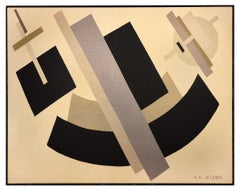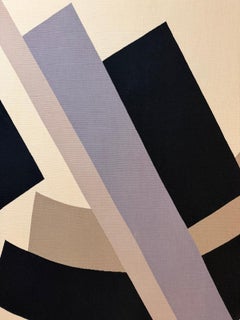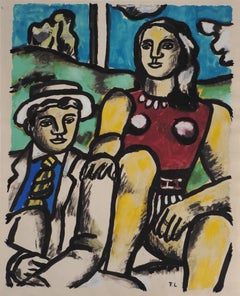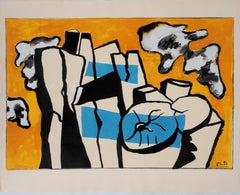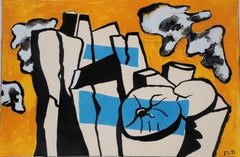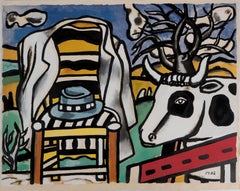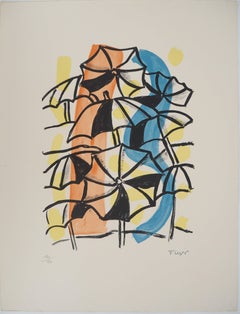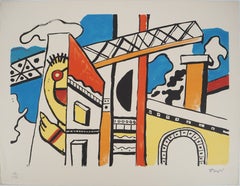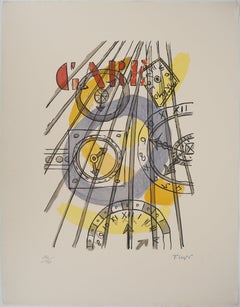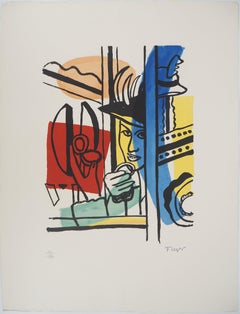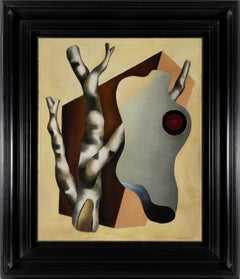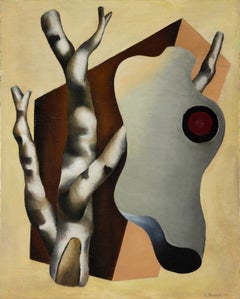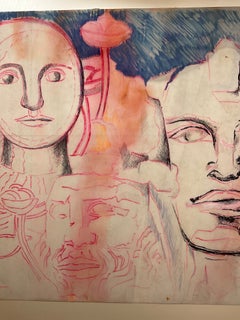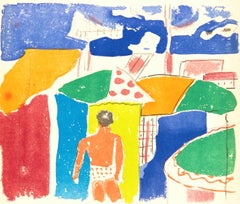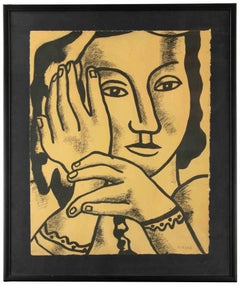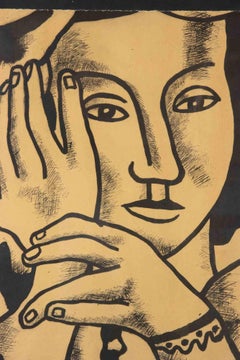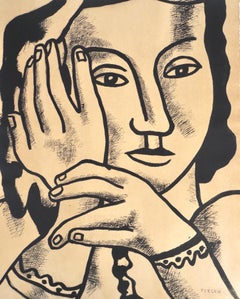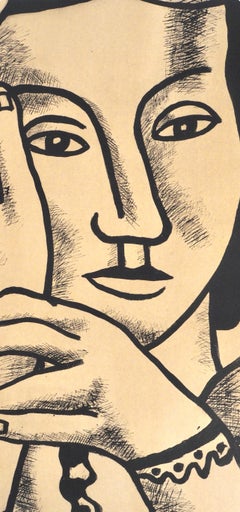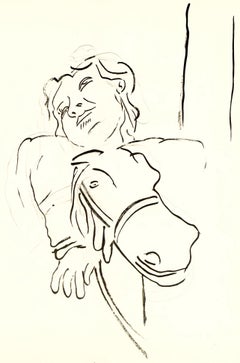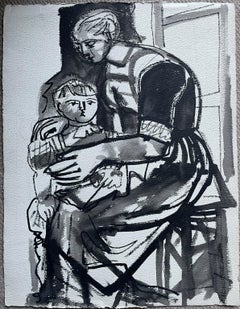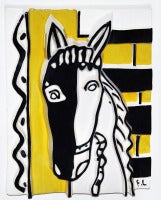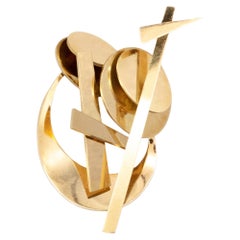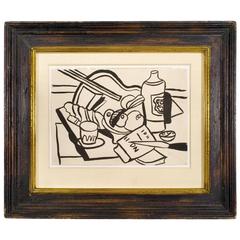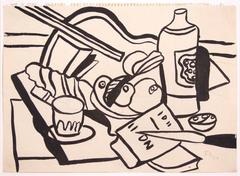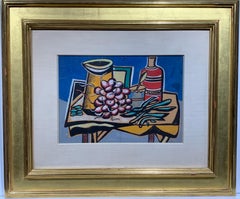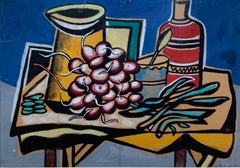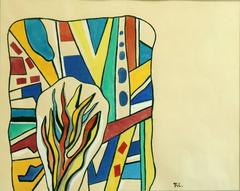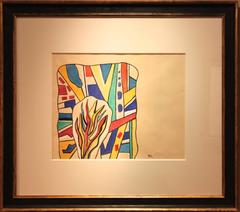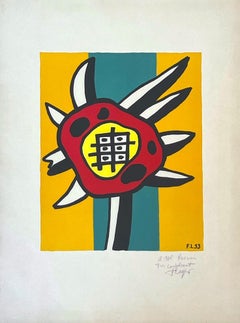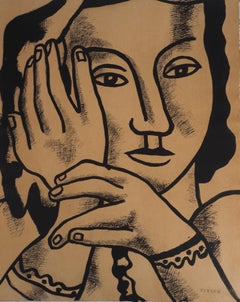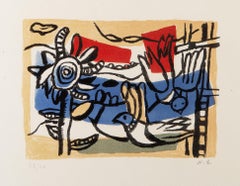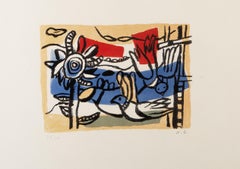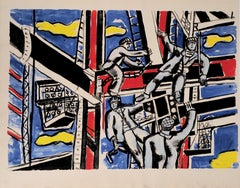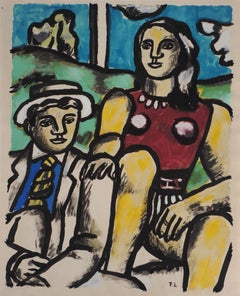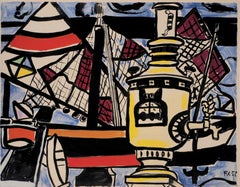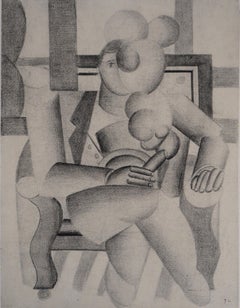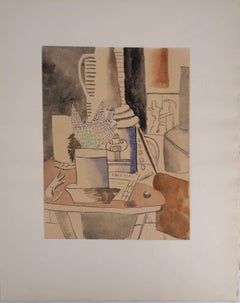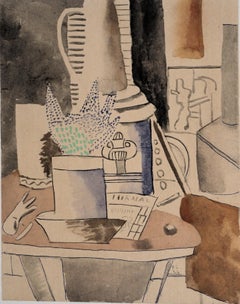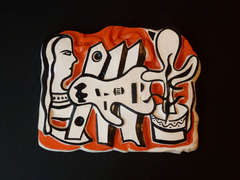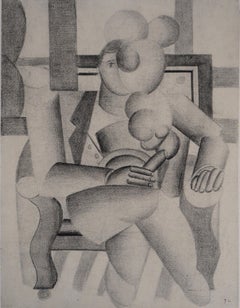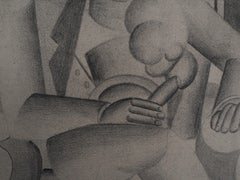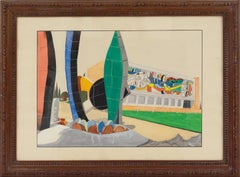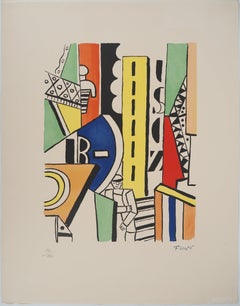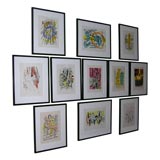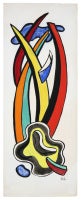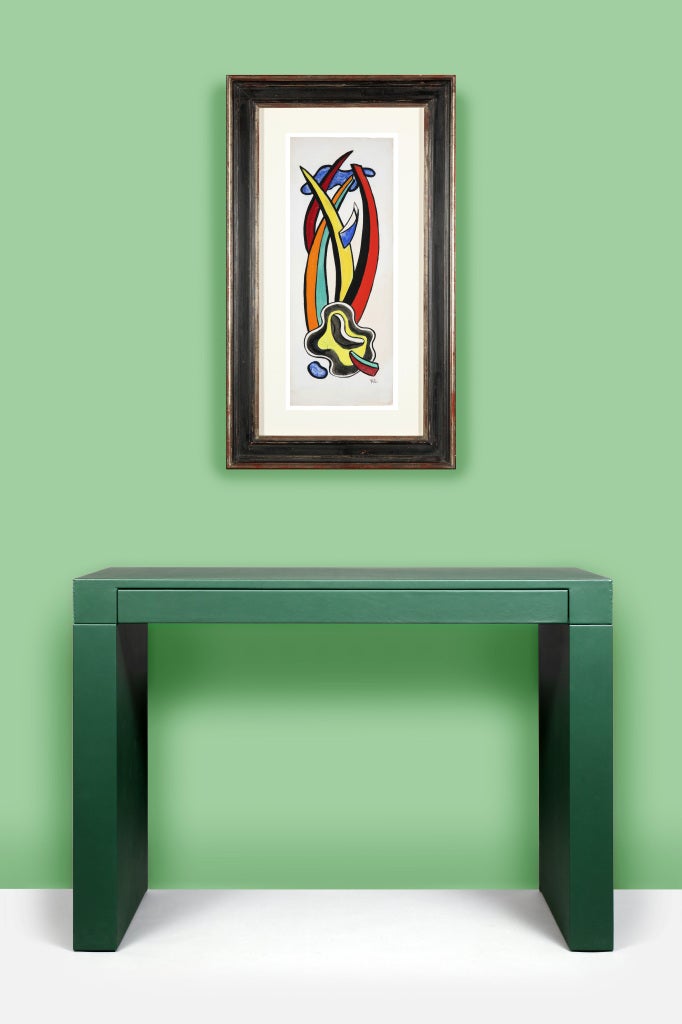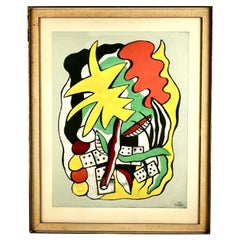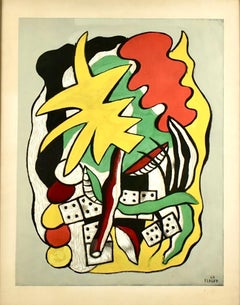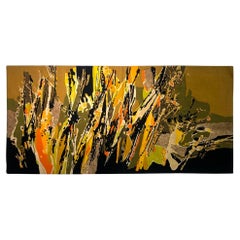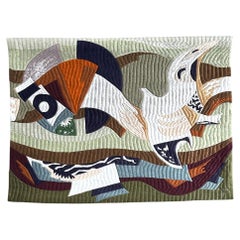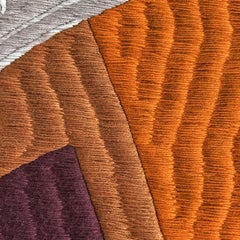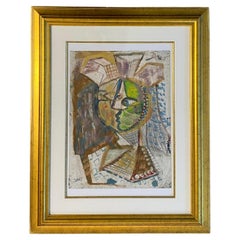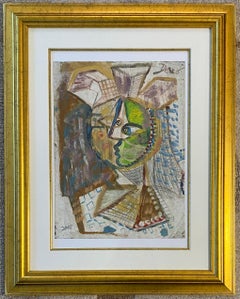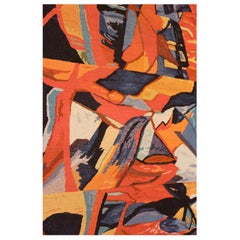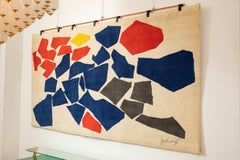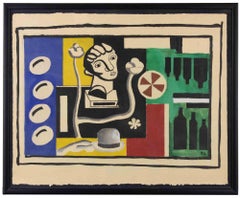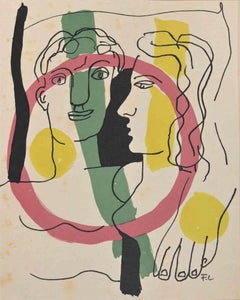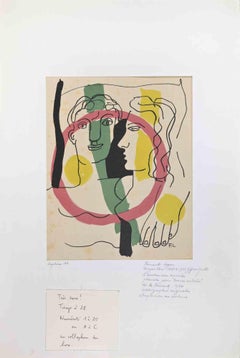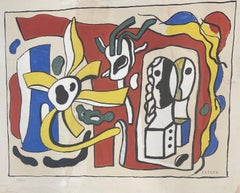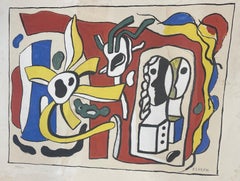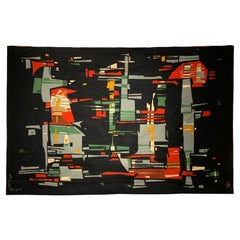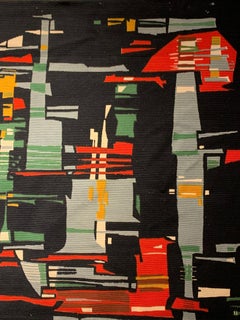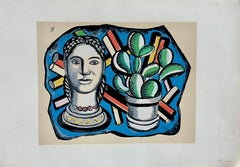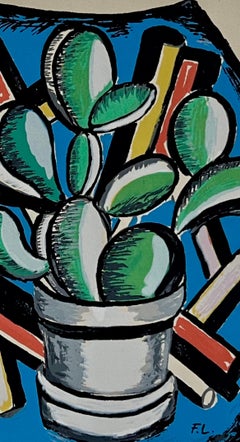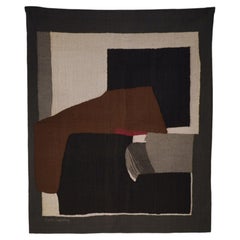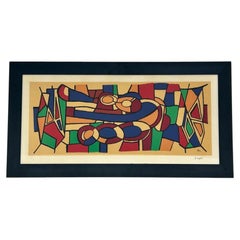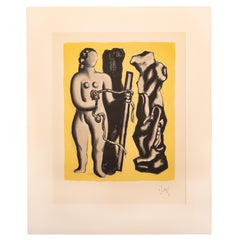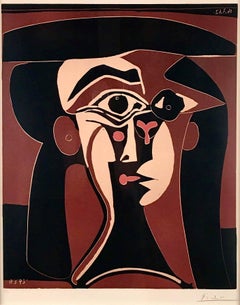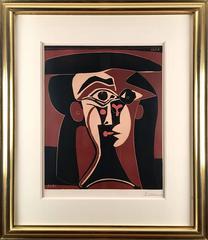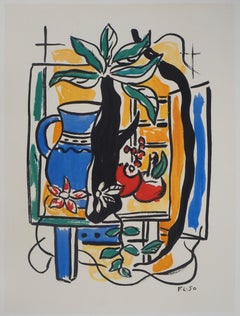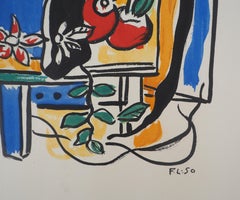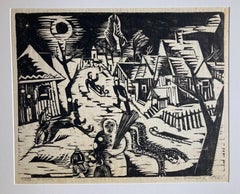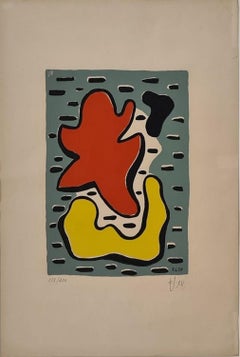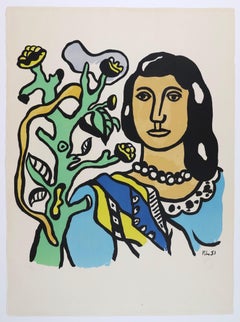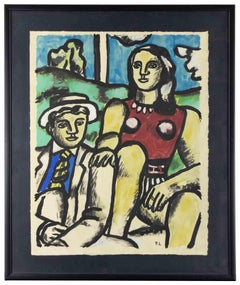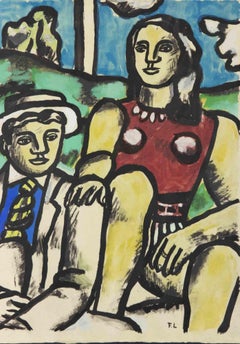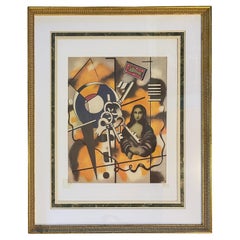

Surely you’ll find the exact nadia leger you’re seeking on 1stDibs — we’ve got a vast assortment for sale. In our selection of items, you can find
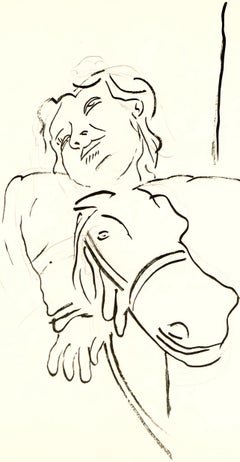
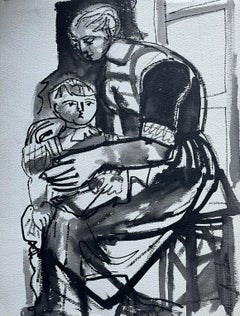
abstract examples as well as a
modern version. You’re likely to find the perfect nadia leger among the distinctive items we have available, which includes versions made as long ago as the 20th Century as well as those made as recently as the 20th Century. If you’re looking to add a nadia leger to create new energy in an otherwise neutral space in your home, you can find a work on 1stDibs that features elements of
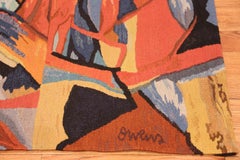
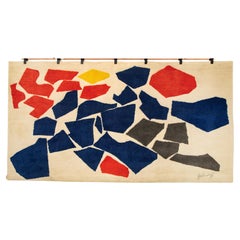
gray,
beige,
black,
pink and more. Finding an appealing nadia leger — no matter the origin — is easy, but
Carlos Carnero,
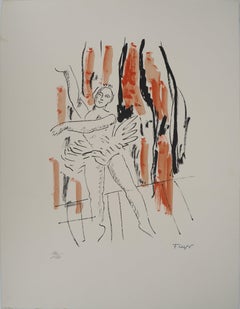
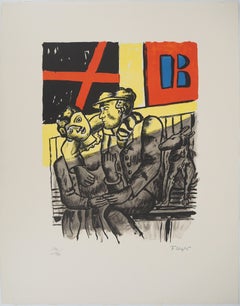
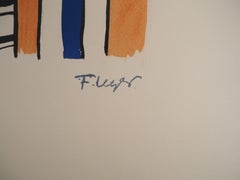
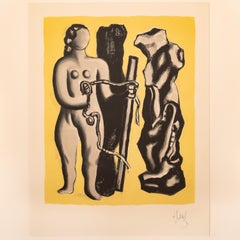
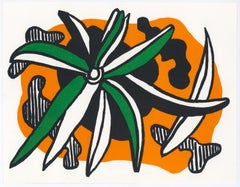
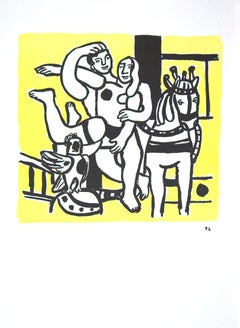
Fernand Léger and
(after) Fernand Léger each produced popular versions that are worth a look. These artworks were handmade with extraordinary care, with artists most often working in
lithograph,
stencil and
pencil.
The price for an artwork of this kind can differ depending upon size, time period and other attributes — a nadia leger in our inventory may begin at $186 and can go as high as $14,985, while the average can fetch as much as $876.
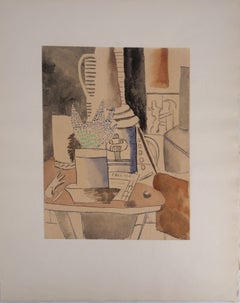
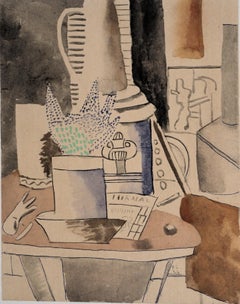
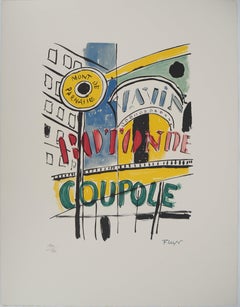
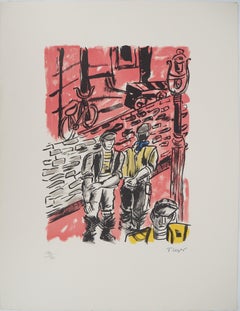
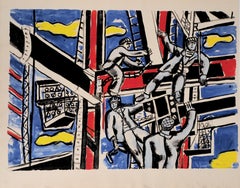
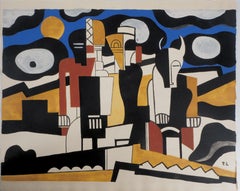
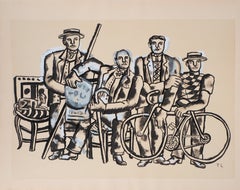
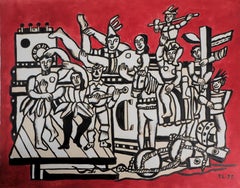
A painter as well as a filmmaker, illustrator, stage-set designer, ceramicist and printmaker, Fernand Léger was one of the most prolific artists of the first half of the 20th century. His early mature work as a Cubist was marked by the use of bold colors and contrasts and a visual vocabulary inspired by industrial technology. In his later career, Léger turned to idiomatic, almost naïve depictions of human figures, in a belief that his work should be accessible to ordinary people and relevant to their lives.
Born in Normandy, the son of a cattle trader, Léger worked as an architectural draftsman in Paris while studying art. By 1908 he was a member of an artistic circle that included Marc Chagall, Robert Delaunay, sculptor Jacques Lipchitz, and the poet Guillaume Appolinaire, and through them he became connected to the Cubists. As opposed to the flat planes and neutral hues seen in the paintings of Pablo Picasso and Georges Braque, Léger’s Cubist abstractions were devised with vivid colors and forms that had dimensionality. Soon after his army service in World War I — he was gassed at the Battle of Verdun — Léger entered his “mechanical” period. Convinced that technology would improve the human condition, he painted compositions of tubular shapes and cylinders that are reminiscent of machine parts. In other work, Léger sought to capture the bustle and brio of modern life with references to railroad stations, factories, street signs and billboards.
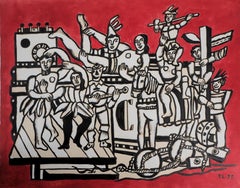
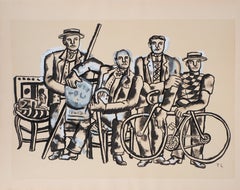
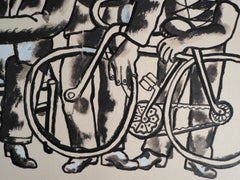
Léger had also emerged from the trenches with a deep concern to make his art engage the sorts of men and women he had met during the war. He sought to bring his work to a wider audience through film, theater sets and book illustrations. In the 1920s, influenced by Purism — a variant on Cubism that promoted a simpler and more direct approach to forms and compositions — Léger produced a series of paintings depicting everyday objects: a soda siphon, an accordion, a guitar and vase. The human figure returned to his work. By 1930, pure abstraction disappeared almost completely from Léger’s art in favor of simple studies of people. Their boldly outlined forms, placed against a bright background, can be regarded as an assemblage of parts — yet in these representations of dancers, acrobats and folks on bicycles, Léger seems to be articulating a kind of kinship and affection. You will see from the works on offer why Fernand Léger is often regarded as the warmest and most humane of the great modern artists.
Find a collection of original Fernand Léger art today on 1stDibs.