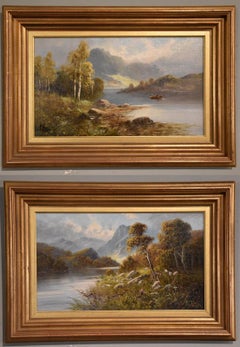
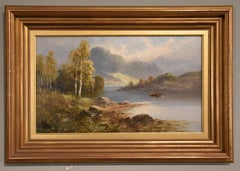
Oil Painting Pair by Frank Hider
By Frank Hider
Located in Mere, GB
Oil Painting Pair by Frank Hider "A Summer evening in the Highlands" and "The Margin of the Lake
Category
Early 1900s Landscape Paintings
Materials
Oil
Oil Painting Pair by Frank Hider
By Frank Hider
Located in Mere, GB
Oil Painting Pair by Frank Hider "A Summer evening in the Highlands" and "The Margin of the Lake
Oil
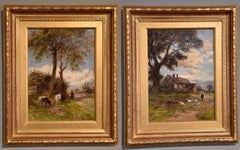
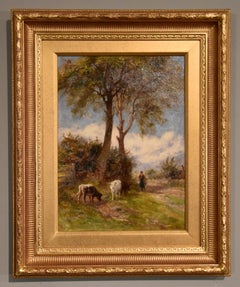
Oil Painting Pair by Frederick James Knowles
Located in Mere, GB
Oil Painting Pair by Frederick James Knowles "Feeding the Geese" and "Herding the Cattle" 1874
Oil
$6,789Sale Price|35% Off
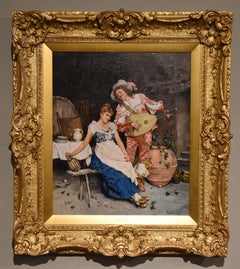
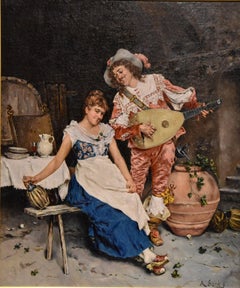
Oil Painting Pair by Alessandro Sani "Flirtation"
Located in Mere, GB
Oil Painting Pair by Alessandro Sani "Flirtation" 1856 - 1927. Italian painter of domestic and
Oil
$5,363Sale Price|24% Off
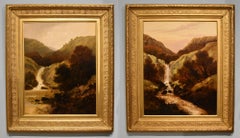
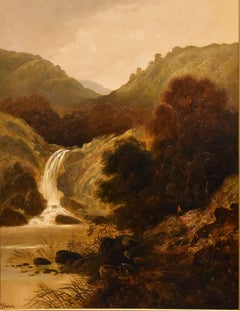
Oil Painting Pair by J Howard "Highland Waterfalls"
Located in Mere, GB
Oil Painting Pair by J Howard "Highland Waterfalls" flourished 1880s. London painter of atmospheric
Oil
$600Sale Price|20% Off
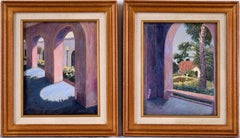
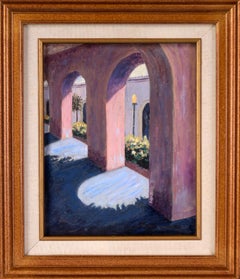
Balboa Park Diptych - Original Vintage Oil Painting Pair
Located in Soquel, CA
Balboa Park Diptych - Original Vintage Oil Painting Pair Two artworks painted en plein air feature
Canvas, Oil
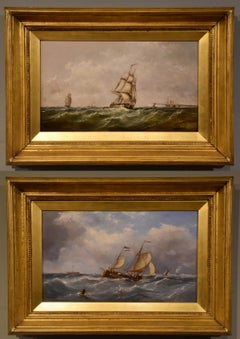
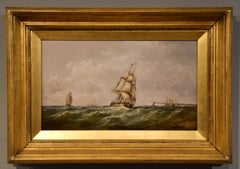
Oil Painting Pair by Ebeneezer Colls "Pounding the Channel"
Located in Mere, GB
Oil Painting Pair by Ebeneezer Colls "Pounding the channel" 1812 -1897 Colls was born in Horstead
Oil
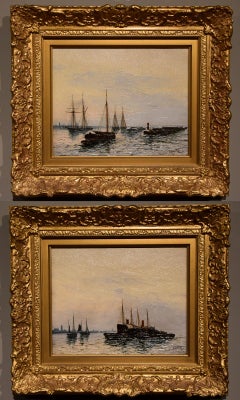
Oil Painting Pair by Edward Fletcher "The Pool of London"
Located in Mere, GB
Oil Painting Pair by Edward Fletcher "The Pool of London" 1857 - 1945 Edward Fletcher was a painter
Oil
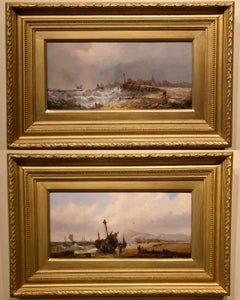
Oil Painting Pair by William Anslow Thornley "A Morning Calm"
By William Anslow Thornley
Located in Mere, GB
Oil Painting Pair by William Anslow Thornley "A Morning Calm", "A Stormy Evening" flourished 1832
Oil
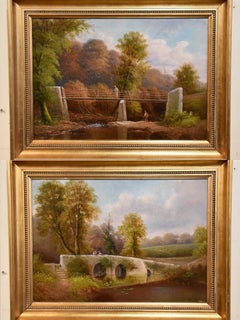
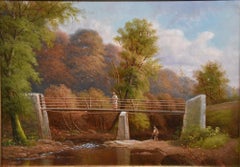
Oil Painting Pair by George Harris "The Old Miners Bridge"
By George Harris
Located in Mere, GB
Oil Painting Pair by George Harris "The old Miners Bridge" Born in Collumpton 1855 younger brother
Oil
$1,765Sale Price|25% Off
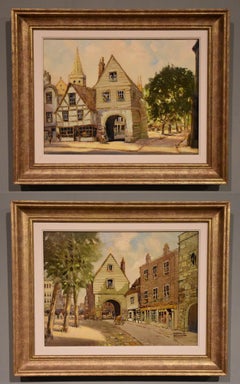
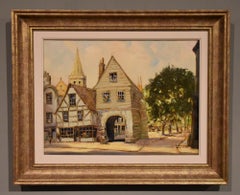
Oil Painting Pair by Godwin Bennett "The College Gate, Rochester"
By Godwin Bennett
Located in Mere, GB
Oil Painting Pair by Godwin Bennett "The College Gate, Rochester" 1888 - 1950 Brighton born painter
Oil
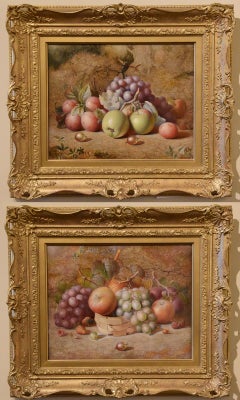
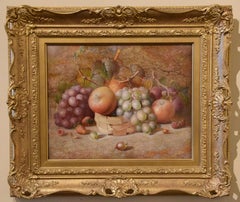
Oil Painting Pair by Charles Archer "Still life of Fruit"
By Charles Archer
Located in Mere, GB
Oil Painting Pair by Charles Archer "Still life of Fruit" A Derby painter of still life who
Oil
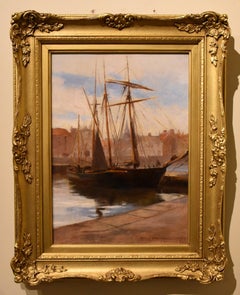
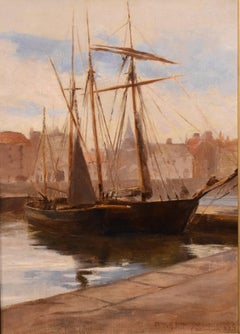
Oil Painting Pair by Frank Hillyard Swinstead "Stonehaven North Britain"
Located in Mere, GB
Oil Painting Pair by Frank Hillyard Swinstead "Stonehaven North Britain" RBA 1862 - 1937. Studied
Oil
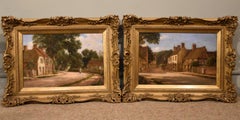
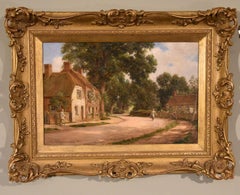
$3,394Sale Price|24% Off
Oil painting Pair by Alfred Kedington Morgan “Village High Street”
Located in Mere, GB
Oil painting Pair by Alfred Kedington Morgan “Village High Street”. Alfred Kedington Morgan A.R.E
Oil
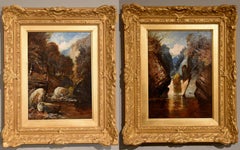
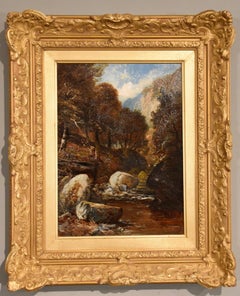
Oil Painting Pair by Clarence Henry Roe "Wooded Glens, North Wales"
Located in Mere, GB
Oil Painting Pair by Clarence Henry Roe "Wooded Glens, North Wales" 1850 - 1909 Yorkshire painter
Oil
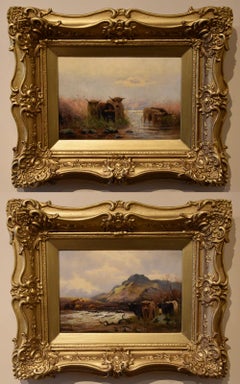
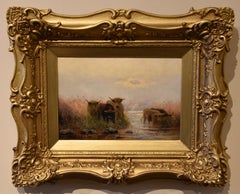
Oil Painting Pair by Sidney Pike "Eventide" and "In the Highlands"
By Sidney Pike
Located in Mere, GB
Oil Painting Pair by Sidney Pike "Eventide" and "In the Highlands" 1858 - 1923 London landscape
Oil
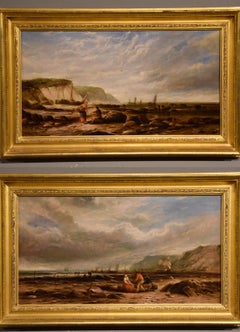
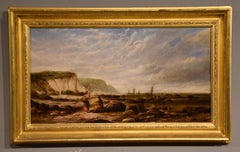
Oil Painting Pair by George Dodgson Callow "On the Isle of Wight"
Located in Mere, GB
Oil Paintings Pair by George Dodgson Callow "On the Isle of Wight" 1829 - 1875 Liverpool painter of
Oil
$6,110
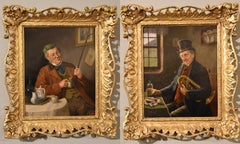
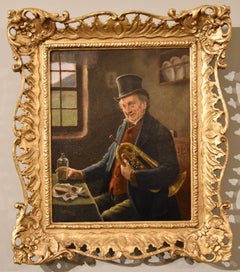
Oil Painting pair by Hermann Armin Kern "The trumpeter and the Smoker"
Located in Mere, GB
Oil Painting pair by Hermann Armin Kern "The trumpeter and the Smoker" 1838 - 1912 Popular
Oil
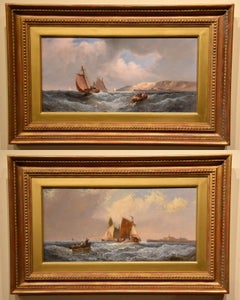
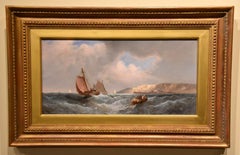
Oil Painting Pair by William Anslow Thornley "Morning and Evening off the Coast"
By William Anslow Thornley
Located in Mere, GB
Oil Painting Pair by William Anslow Thornley "Morning and Evening off the Coast" flourished 1832
Oil
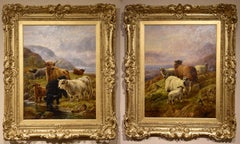
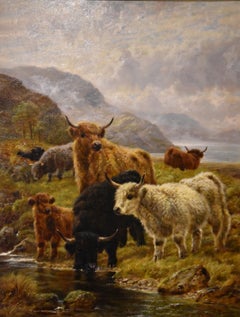
$27,157
Oil Painting Pair by Robert Watson "Highland cattle and Sheep in the Glen"
By Robert Watson
Located in Mere, GB
Oil Painting Pair by Robert Watson "Highland cattle and Sheep in the Glen" A Cheshire painter of
Oil
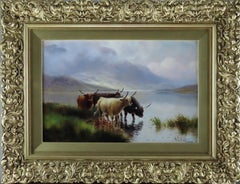
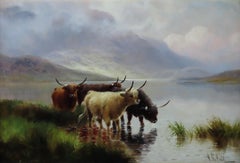
Oil Painting Pair by Henry Robinson Hall, "Highland Cattle"
Located in Mere, GB
Pair, "Highland Cattle, near Luss, Loch Lomond" and "Highland Cattle. Loch Lubnaig" Henry Robinson
Oil
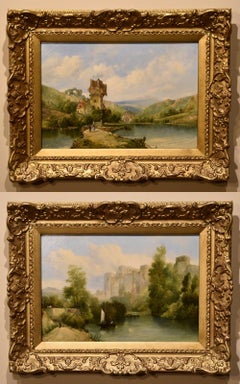
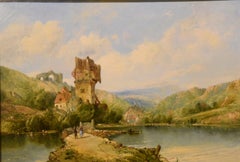
Oil Painting Pair by Alfred Henry Vickers "Continental Views"
Located in Mere, GB
"Continental River Views" Pair by Alfred Henry Vickers 1836-1919. He was a popular painter of
Oil
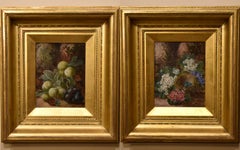
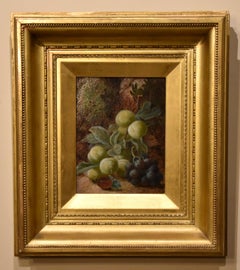
Oil paintings pair by Oliver Clare "Fruit" and "Flowers"
By George Clare
Located in Mere, GB
Pair of oil paintings on canvas by Oliver Clare "Fruit" and "Flowers" , with has son Oliver and
Oil
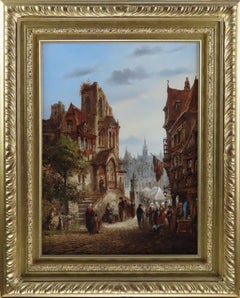
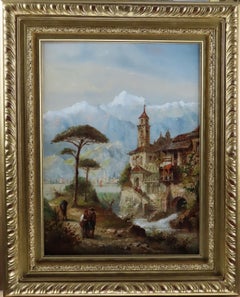
Oil Painting Pair by Felice Auguste Rezia, "Continental Town Views"
Located in Mere, GB
, exhibited at the Royal Society and British Institution, Both Oil on canvas 16 x 12 inches Frame size 21.5 x
Oil
$8,079
Oil Painting Pair by William Anslow Thornley, "Fishing Boats off the Coast"
By William Anslow Thornley
Located in Mere, GB
British Artists in London, and also in Birmingham and Dublin. Both Oil on Canvas 8 x 16 inches Frame size
Oil
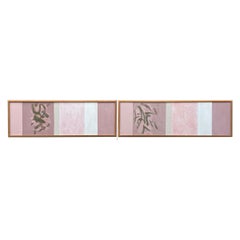

Mid-Century Oil Paintings, Pair, Harris Strong, 13x42 Inches
Located in West Palm Beach, FL
Pair of original mid-century oil paintings from Harris Strong.
Canvas
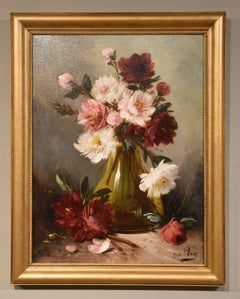
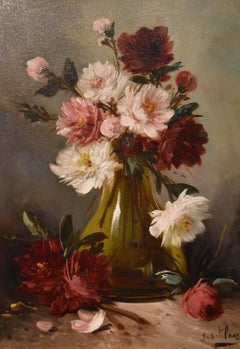
Oil Painting by Henry Schouten "A Vase of Flowers"
By Henry Schouten
Located in Mere, GB
Oil Painting Pair by Henry Schouten "A Vase of Flowers" 1857 -1927 Using his psuedonym 'Jos Klaus
Oil
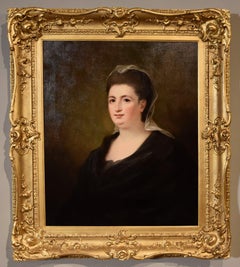
$6,721Sale Price|28% Off
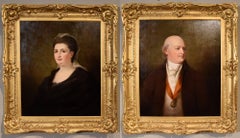
Oil Painting by George Romney "Portraits of a Lady and Gentleman"
By George Romney
Located in Mere, GB
Oil Painting Pair circle of by George Romney "Portraits of a Lady and Gentleman" 1734 - 1802 Romney
Oil
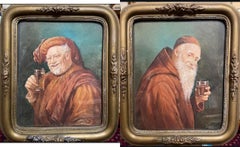
$2,956
Pair of Artworks "Genre Painting Jovial Monk with a Drink"
By Eduard von Grützner
Located in Edinburgh, GB
Antique Oil Painting (pair) Jovial Monk with a Drink Attributed to Eduard VON GRÜTZNER (XIX - XX
Oil, Panel
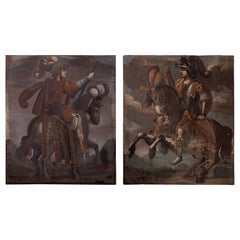
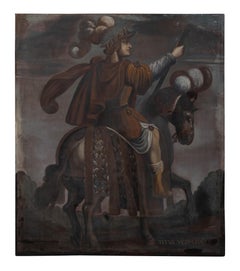
Remarkable Pair of 16th C. Italian Oil Paintings
Located in Los Angeles, CA
Two, large, stunningly painted, left and right, oil-on canvas, Italian paintings of the Emperor's
Canvas, Oil
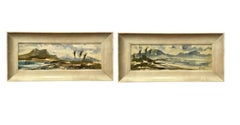
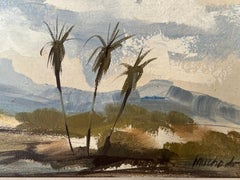
Pair of Waikiki Bay Landscape Oil Paintings
Located in Pasadena, CA
southern coast of Oahu, this pair of landscape-format oil paintings features the iconic trio of palm trees
Oil
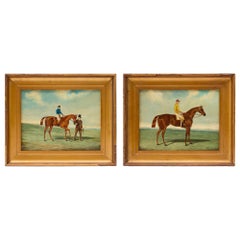
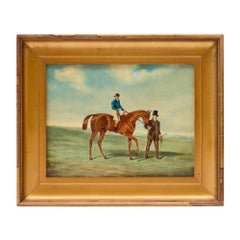
Pair of 19th Century British Equestrian Oil Paintings
Located in London, GB
Pair of 19th century British equestrian oil paintings British, 19th Century Boards: Height 25cm
Oil, Board
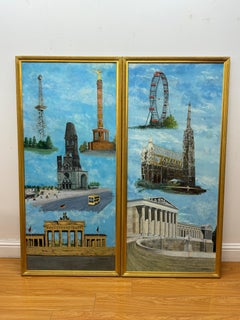
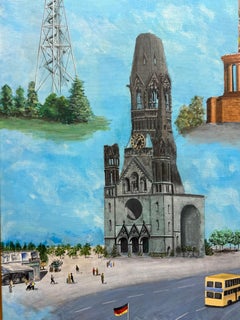
Pair of Berlin & Vienna Landmarks Oil Paintings, 1988
Located in San Francisco, CA
Pair of Berlin & Vienna Landmarks Oil Paintings, 1988 Painted one year before the end of the
Canvas, Oil
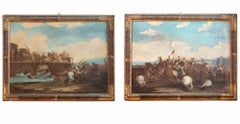
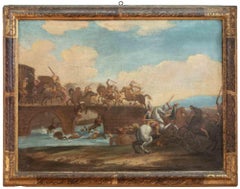
Pair of Battle Scenes - Oil Painting - 18th Century
Located in Roma, IT
Pair of Battle Scenes is an oil painting realized by an italian artist in 18th century. 110x85 cm
Canvas, Oil
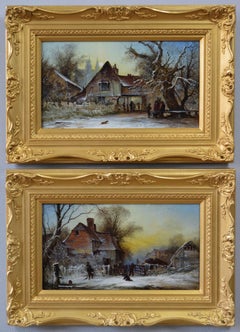
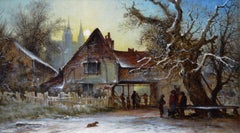
19th Century pair of winter landscape oil paintings
By George Augustus Williams
Located in Nr Broadway, Worcestershire
Augustus Williams British, (1814-1901) Winter in the Village & The Snowball Fight Oil on canvas, pair, both
Canvas, Oil
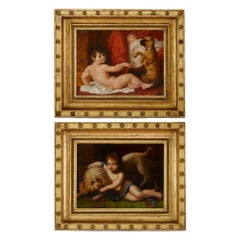
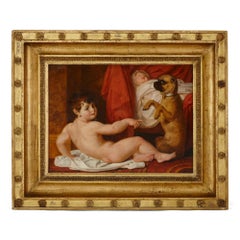
Pair of French Neoclassical oil paintings by Dubost
By Antoine Dubost
Located in London, GB
Pair of French Neoclassical oil paintings by Dubost French, 1809/11 Frame: Height 70.5cm, width
Oil, Panel
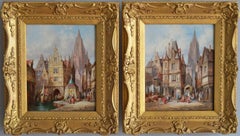
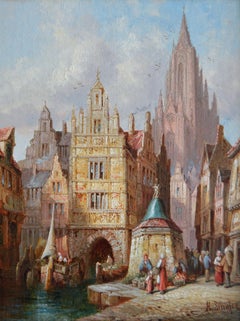
19th Century pair of French townscape oil paintings
By Henry Schafer
Located in Nr Broadway, Worcestershire
German/British, (1841-c.1914) Chartres, France & Metz, Lorraine Oil on canvas, pair, both signed Image
Canvas, Oil
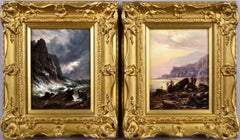
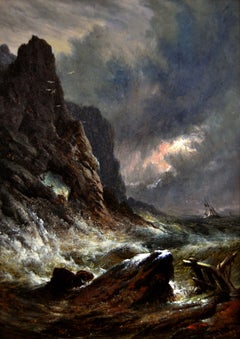
Pair of 19th Century coastal seascape oil paintings
By Walter Williams
Located in Nr Broadway, Worcestershire
Williams British, (1834-1906) Stormy Seas & By the Shore Oil on canvas, pair, both signed with monogram
Canvas, Oil
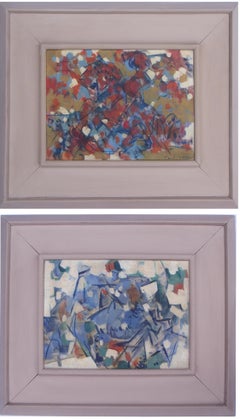
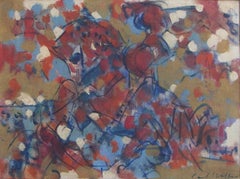
Abstracted pair of oil paintings by Carl Holty
By Carl Holty
Located in Hudson, NY
These artworks by Carl Holty are only sold as a pair. Each painting measures 9" x 11" and framed 18
Canvas, Oil
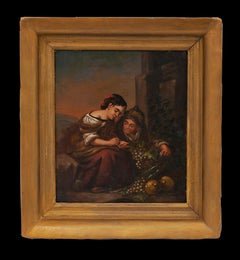
$1,850
Pair of 19th C Continental Oil Paintings on Copper
By (After) Bartolomé Esteban Murillo
Located in San Francisco, CA
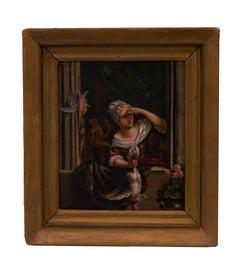
Pair of 19th C Continental Oil Paintings on Copper After Bartolome Esteban Murillo "The Little
Copper
$3,310Sale Price|20% Off
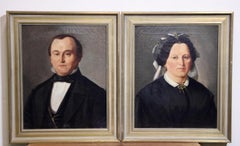
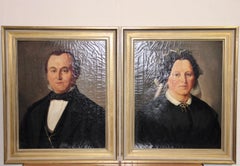
Pair of decorative antique oil paintings, Portraits. 19th century.
Located in Berlin, DE
Pair of decorative antique oil paintings, portraits. 19th century. Signed and dated. Dimensions
Canvas, Oil
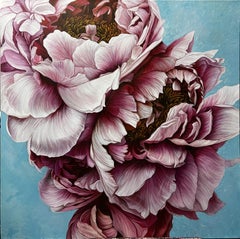
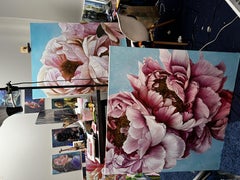
A pair of peonies on an airy background, Painting, Oil on Canvas
Located in Yardley, PA
Canvas of gallery stretch, premium class paints. Background : acrylic and oil :: Painting
Oil
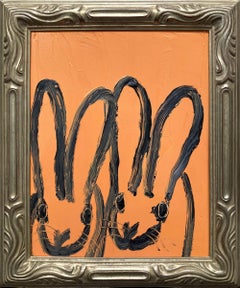
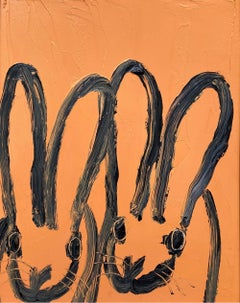
"Orange Pair" Double Bunnies on Orange Background Oil Painting Framed
By Hunt Slonem
Located in New York, NY
and a genuine love for animals, Slonem's paintings encompass unique inspirations drawn from the world
Canvas, Oil
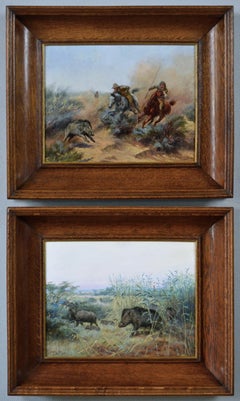
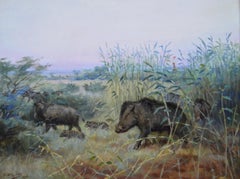
Pair of hunting oil painting scenes with wild boar
Located in Nr Broadway, Worcestershire
. Condition: As with all of our original antique oil paintings, these works are offered in ready to hang
Oil, Panel
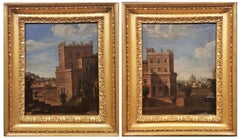
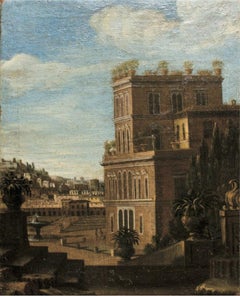
Pair of Views of Villa Medici Vascello - Pair of Oil Paintings - 17th Century
Located in Roma, IT
Century. Mixed colored oil painting on canvas. The View of Villa Medici Vascello towards Pincio hill and
Oil, Canvas
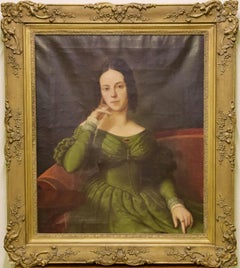
$3,547Sale Price|21% Off
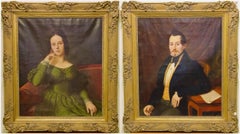
Pair of Antique Paintings, Oil on Canvas, Portraits. Around 1850.
Located in Berlin, DE
Pair of antique paintings, oil on canvas, portraits. Around 1850. Portrait of a well-known artist
Canvas, Oil
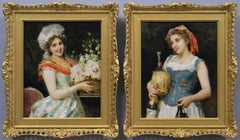
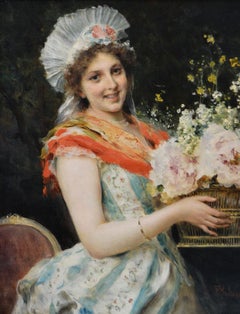
Pair of 19th Century portrait oil paintings of Italian women
By Federico Andreotti
Located in Nr Broadway, Worcestershire
Andreotti Italian, (1847-1930) A Bouquet of Flowers & A Fine Vintage Oil on canvas, pair, both signed Image
Canvas, Oil
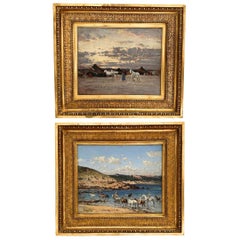
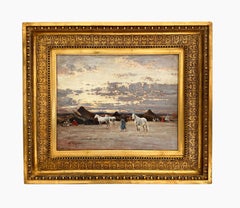
Pair of 19th Century Orientalist Realist Oil Paintings on Board
Located in Jacksonville, FL
Orientalist art movement, crafted a captivating pair of paintings that beckon viewers into the enchanting
Oil, Board
$22,500 / set
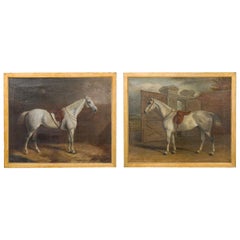
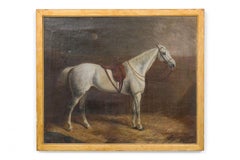
Pair of English Victorian Horse Oil Paintings
Located in Queens, NY
PAIR of English Victorian gilt framed oil paintings of white horse with saddle by wall (signed J
Paint
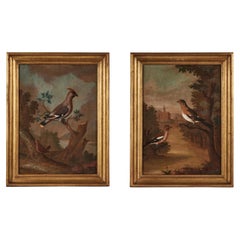
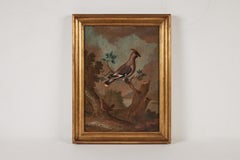
Pair Antique Avian Paintings
Located in Los Angeles, CA
A moody pair of oil on canvas paintings of birds in lush landscapes. Frames later.
Oil, Canvas
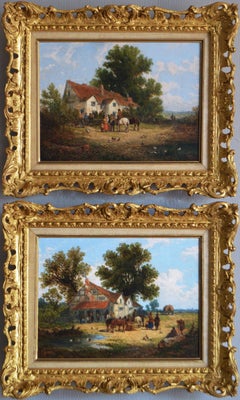
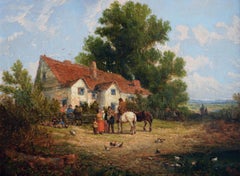
Pair of 19th century landscape oil paintings of a village
By John Holland Senior
Located in Nr Broadway, Worcestershire
Holland Snr British, (1830-1886) Village Life Oil on canvas, pair, both signed Image size: 8.5 inches x
Canvas, Oil

$4,850 / set
Pair of 19th Century Oil Paintings
Located in Los Angeles, CA
In excellent condition with original Giltwood frames... you can tell from the back. One painting
Canvas, Giltwood, Paint

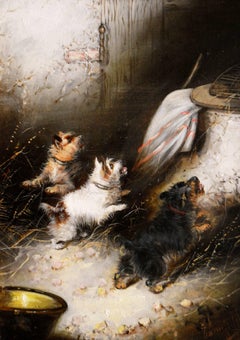
Pair of 19th Century sporting oil paintings of terrier dogs
By Edward Armfield
Located in Nr Broadway, Worcestershire
pair of sporting oil paintings of terriers ratting by Edward Armfield. The first painting depicts three
Canvas, Oil
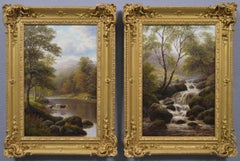
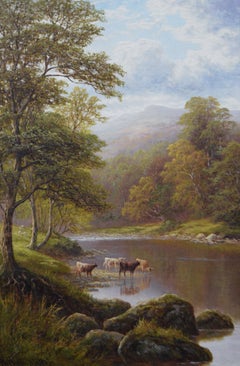
Pair of 19th Century landscape oil paintings of the river Wharfe
By William Mellor
Located in Nr Broadway, Worcestershire
, Yorkshire Oil on canvas, pair, both signed & inscribed verso Image size: 17.25 inches x 11.5 inches (each
Canvas, Oil
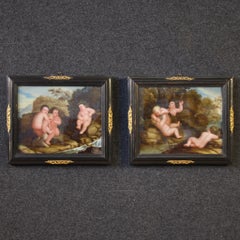
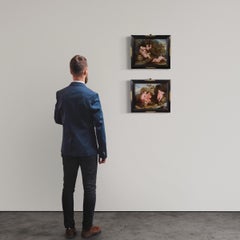
Pair of 17th Century Oil on Glass Italian Antique Paintings Bacchanal, 1680
Located in Vicoforte, IT
A rare pair of 17th-century Italian paintings. Oil on glass artworks depicting a mythological
Glass, Oil
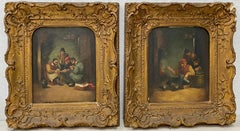
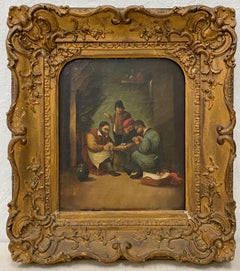
Pair of 19th Century "Gambling" Oil Paintings After Adriaen van Ostade
Located in San Francisco, CA
Pair of 19th Century "Gambling" Oil Paintings After Adriaen van Ostade Each painting shows men
Canvas, Oil
$1,097Sale Price|20% Off
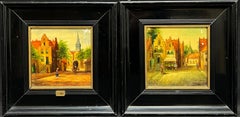
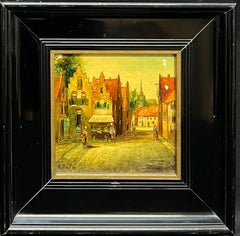
PAIR 19th Century Dutch Signed Oil Paintings Figures in Old Streets
Located in Cirencester, Gloucestershire
Figures in Old Street Scenes Dutch School, 19th century signed oil paintings on board ( x 2) framed
Oil
$1,629Sale Price|20% Off
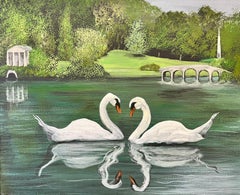
Pair Swans Stately Home Country House Lake Large British Oil Painting
Located in Cirencester, Gloucestershire
"Love Birds" Contemporary British artist, 21st century oil on canvas , unframed size: 24 x 30
Oil
On 1stdibs, oil paintings cost between $60 and $6,200,000.
Varnishing an oil is not necessary, but it is recommended because it protects the painting and corrects surface irregularities.