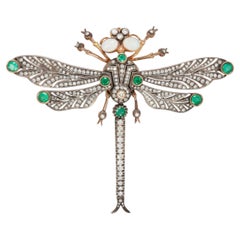
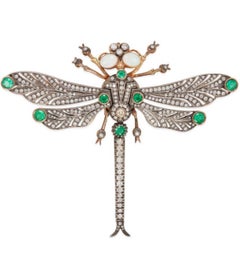
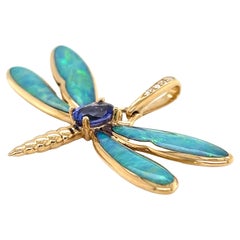
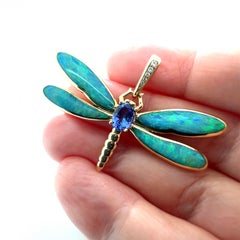
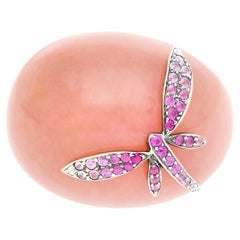
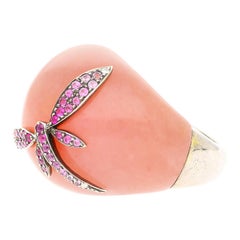
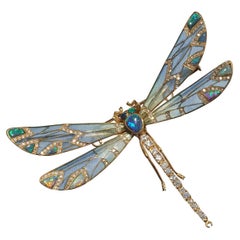
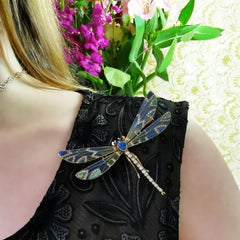
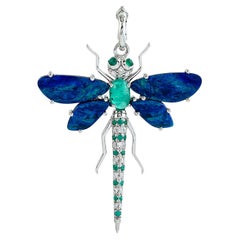
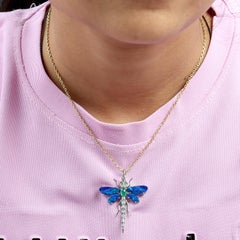
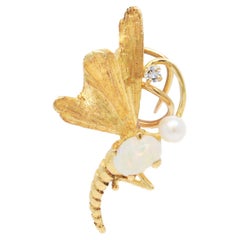
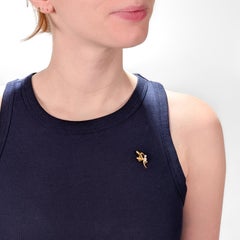
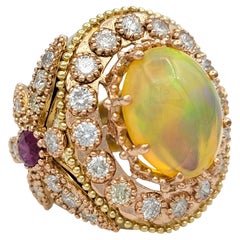
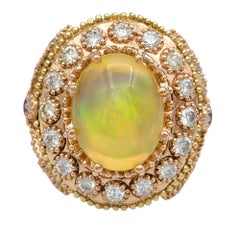
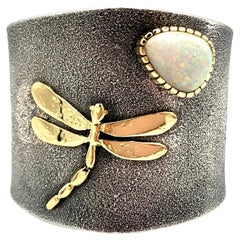
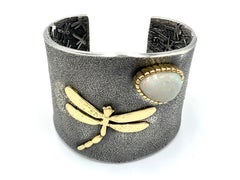
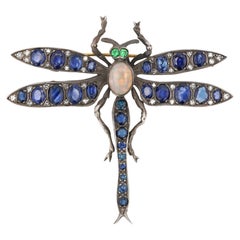
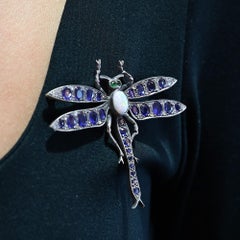
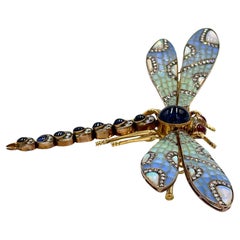
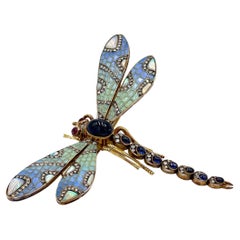
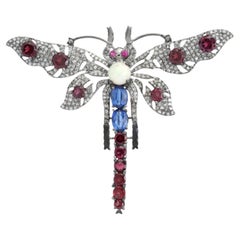
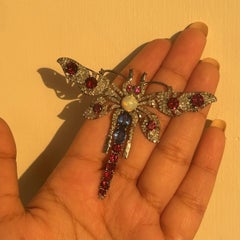
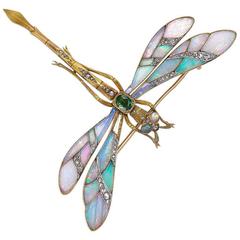
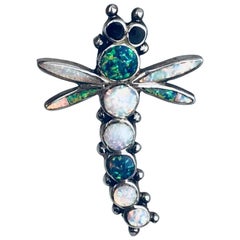
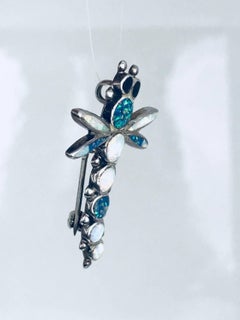
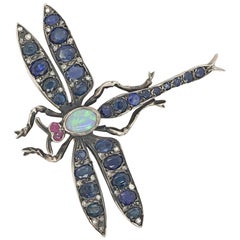
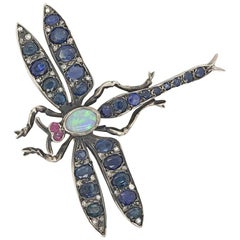
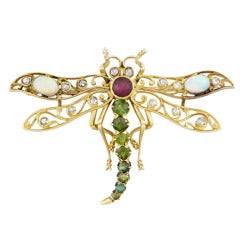
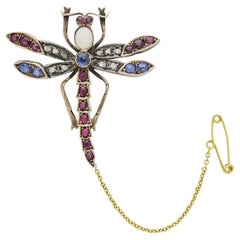
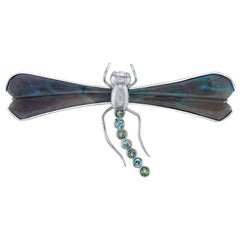
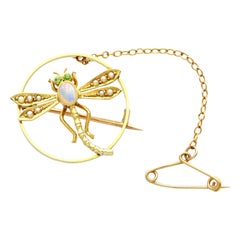
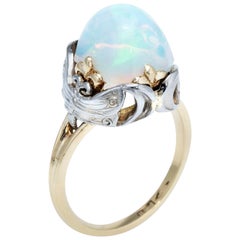
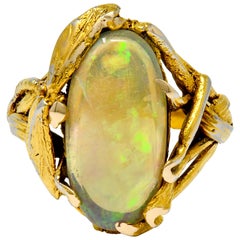
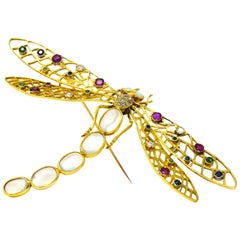
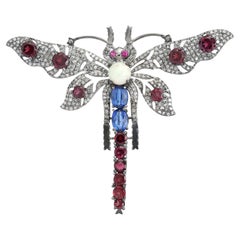
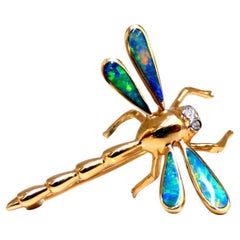
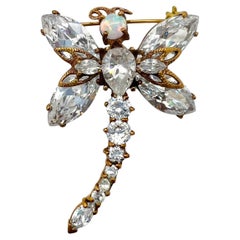
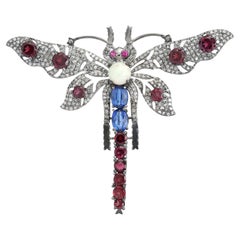
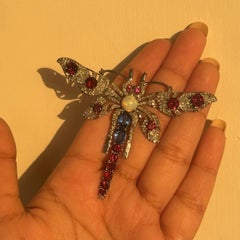
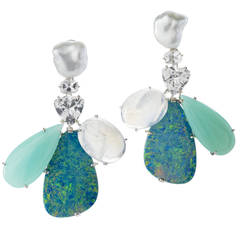
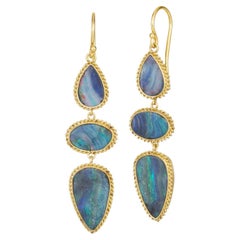
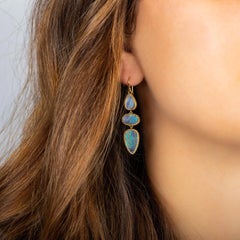
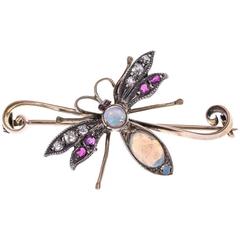
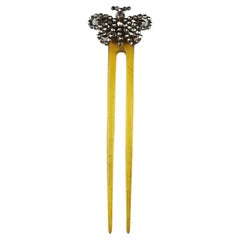
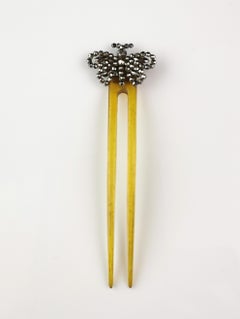
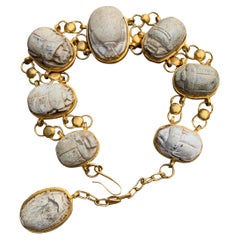
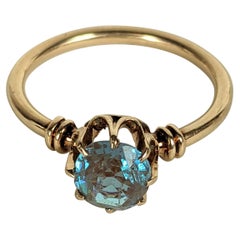
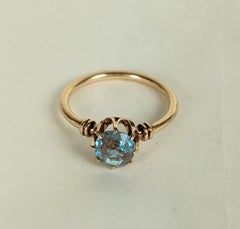
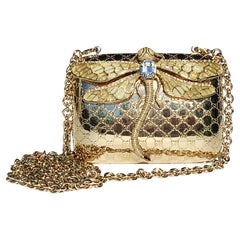
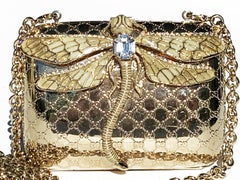
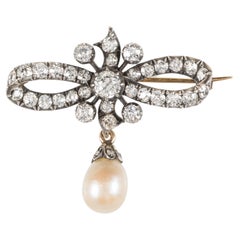
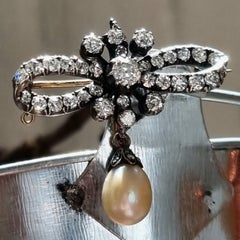
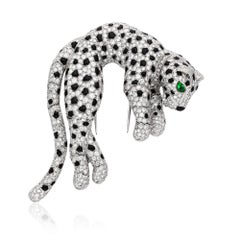
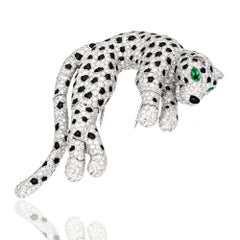
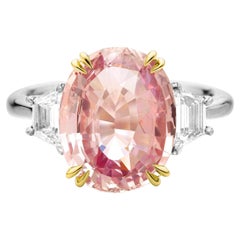
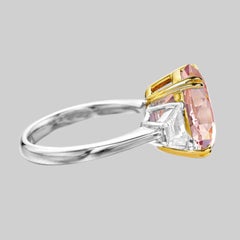
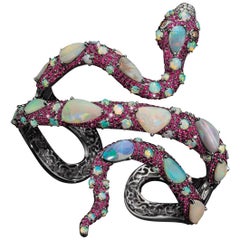
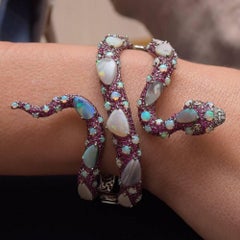
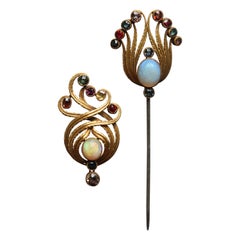
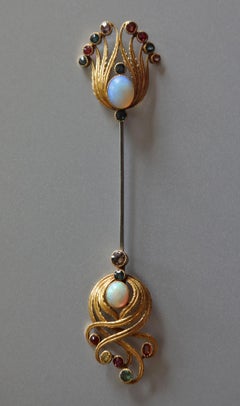
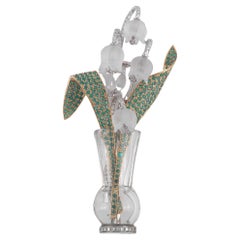
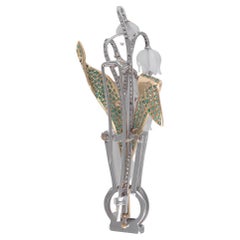
Surely you’ll find the exact opal dragonfly you’re seeking on 1stDibs — we’ve got a vast assortment for sale. Every item for sale was constructed with extraordinary care, often using
gold,
18k gold and
yellow gold. In our selection of items, you can find a vintage example as well as a contemporary version. If you’re looking for an opal dragonfly from a specific time period, our collection is diverse and broad-ranging, and you’ll find at least one that dates back to the 19th Century while another version may have been produced as recently as the 21st Century. Creating an opal dragonfly has been a part of the legacy of many jewelers, but those produced by
Jose Marin and
SCALA GIOIELLI are consistently popular. An opal dragonfly can make for a versatile accessory, but a selection from our variety of 6
opal versions can add an especially stylish touch. See these pages for a
cabochon iteration of this accessory, while there are also
brilliant cut cut and
cushion cut cut versions available here, too. There aren’t many items for
men if you’re seeking an opal dragonfly, as most of the options available are for
women and unisex.
Opals were discovered in 400 BC, and since then five types have been found throughout the world. Before you start shopping for mysteriously beautiful vintage opal rings and other opal jewelry, learn about the different varieties of the gem — and find out which historical figure was reportedly willing to trade his kingdom for a single stone.
Here is a little riddle for you: the month of October has two birthstones, but only one of them encompasses the colors of other birthstones. If you guessed opal, you’re right! (The other gemstone associated with the month of October is tourmaline.)
Opals are such unusual gemstones that there are too many old-wives tales associated with them, like if you’re a blond, wearing an opal necklace will protect your locks from losing color. Opals were also very fashionable in the early 19th century, up until the publication of Sir Walter Scott’s novel Anne of Geierstein in 1829. The title heroine wears an opal and succumbs to an untimely death. However, the British monarchy, and in particular Queen Victoria, did not let this story get in their way, and they frequently gifted opals to friends and family members. October babies should disregard the noise and proudly wear their opals!
There are five types of precious opals: boulder opal, fire opal, crystal/water opal, black opal, and white/light opal. Each variety is distinguished by its color.
So, where does the name come from? The word opal is thought to originate from the Roman opalus or from the Sanskrit úpala (“precious stone”) or from the Greek opallios (“to see a color change”). So while there have been many names for the stones, opals were first discovered in 400 BC in Ethiopia. But the early reference that comes up most often in history books is from the Roman philosopher Pliny the Elder, who wrote about it in 75 AD. In his text he refers to it as opali. The Romans were big fans of opal, Mark Antony was so enamored by it that, as the story goes, he was willing to trade a portion of his kingdom for a single opal.
There's a wide variety of antique and vintage opal jewelry on 1stDibs (and you won't have to trade your kingdom for it).