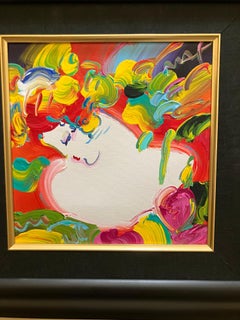
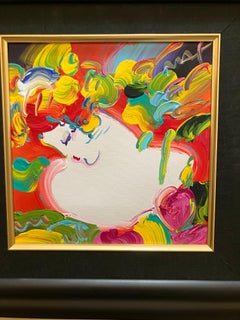
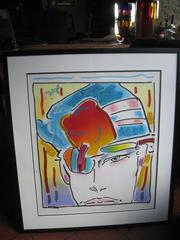
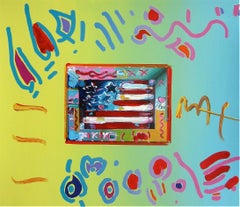
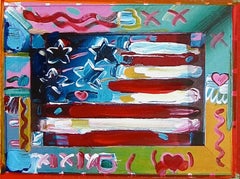
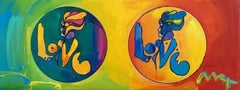
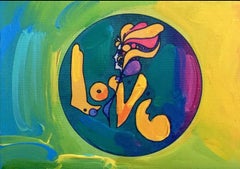
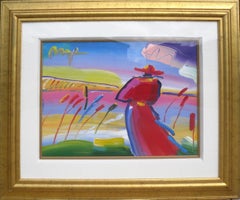
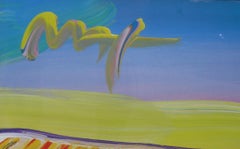
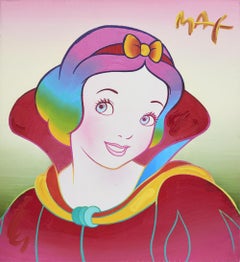
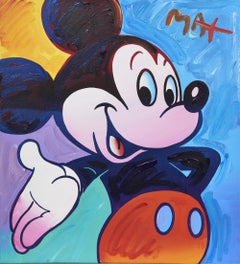
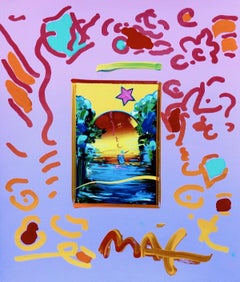
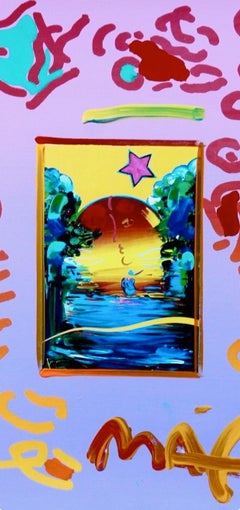
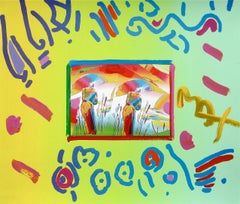
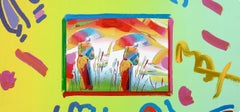
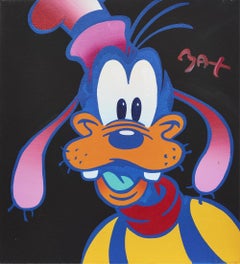
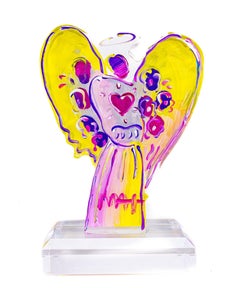
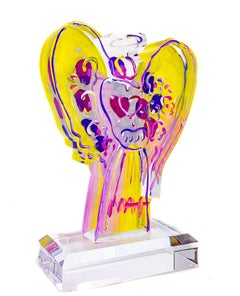
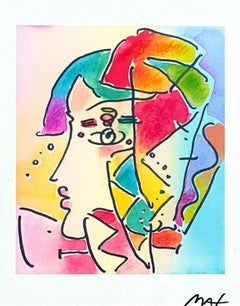
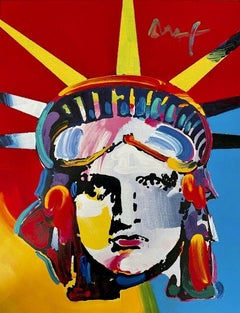
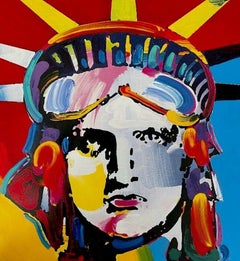
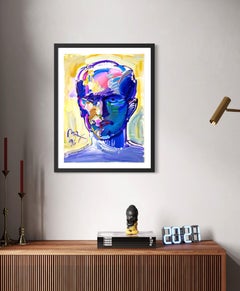
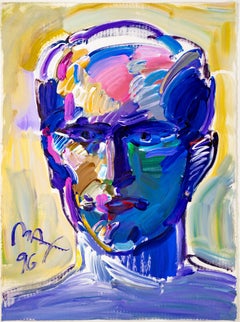
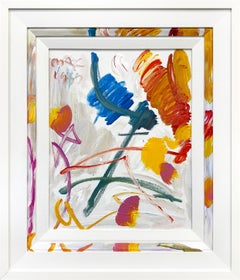
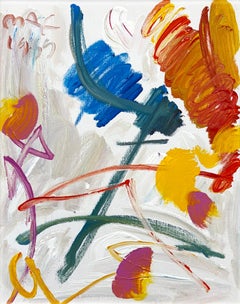
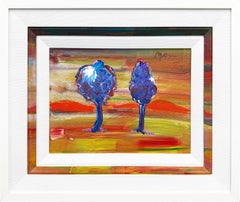
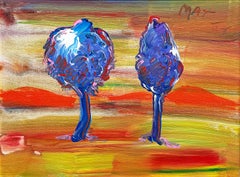
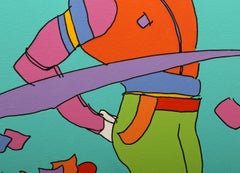
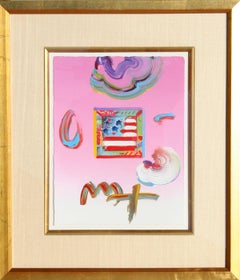
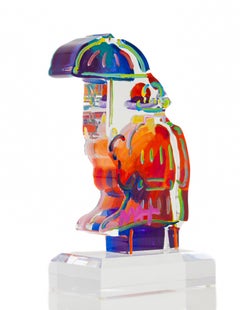
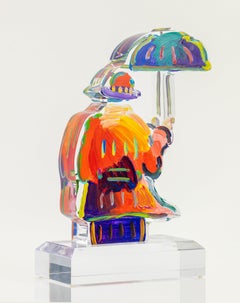
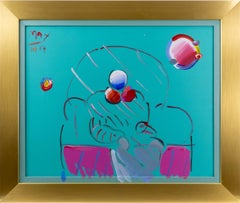
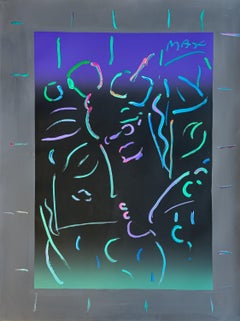
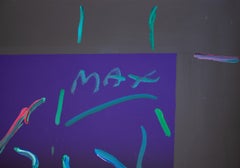
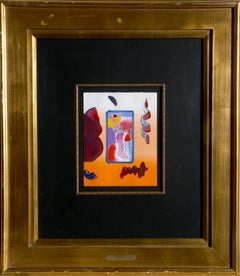
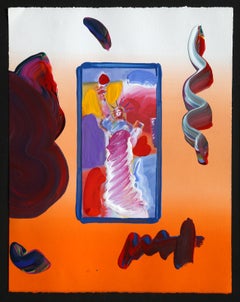
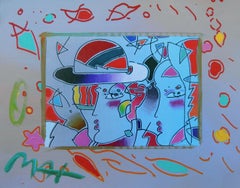
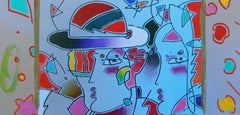
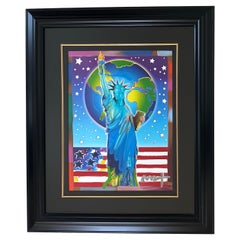
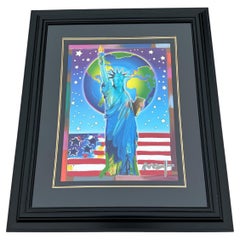
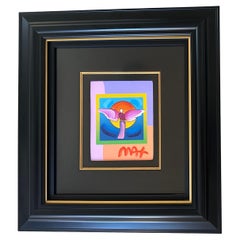
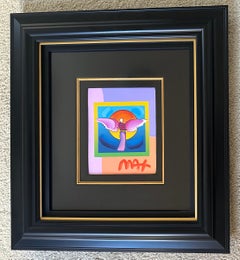
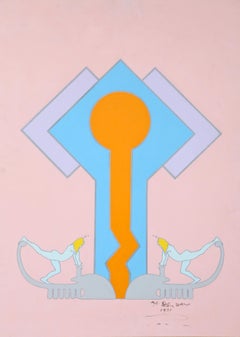
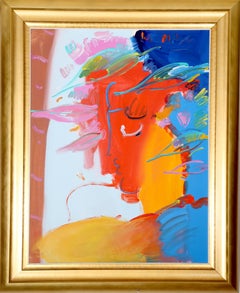
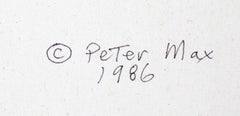
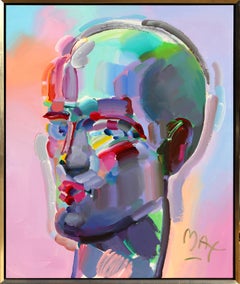
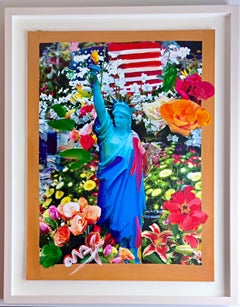
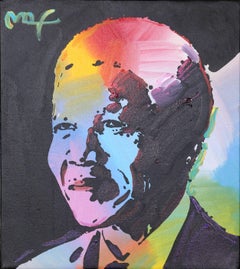
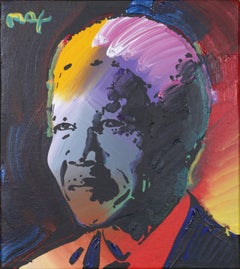
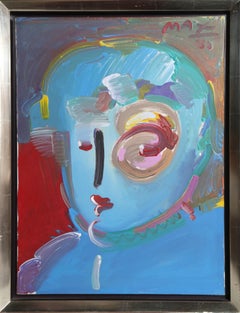
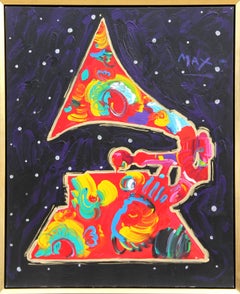
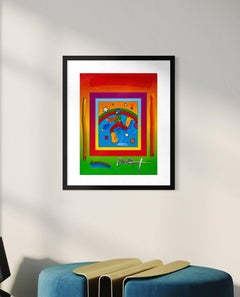
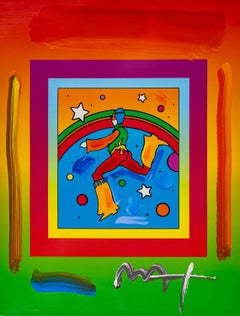
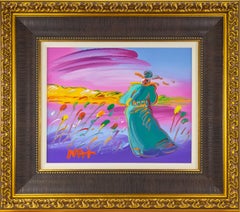
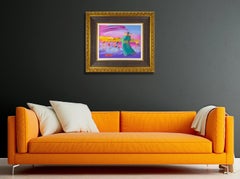
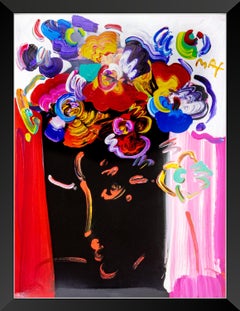
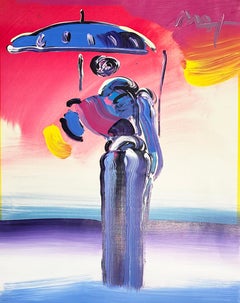
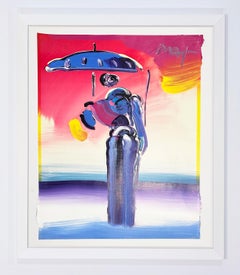
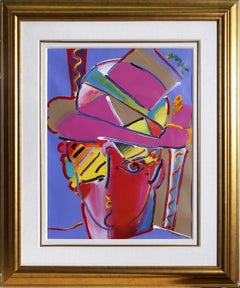
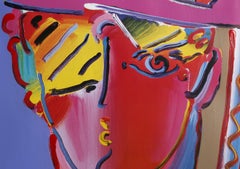
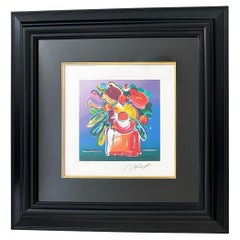
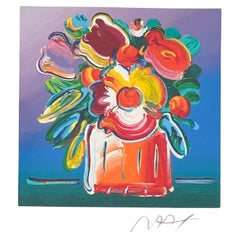
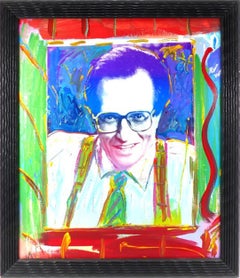
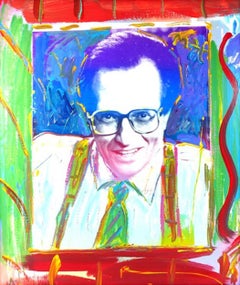
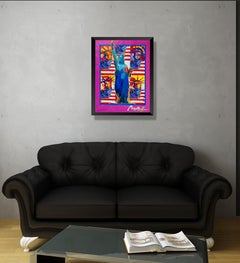
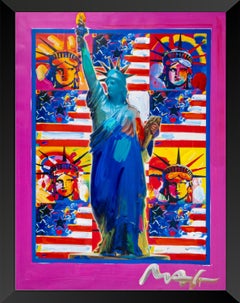
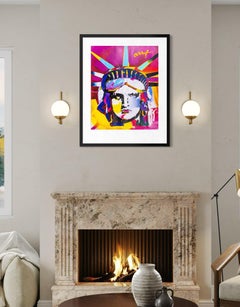
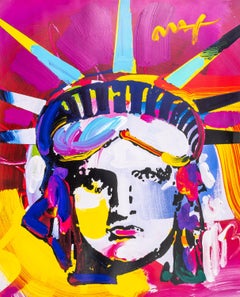
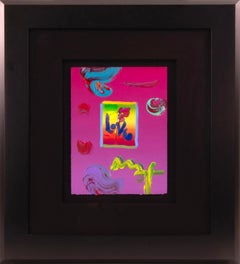
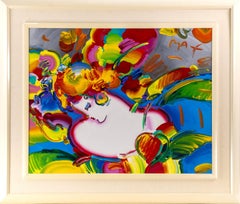
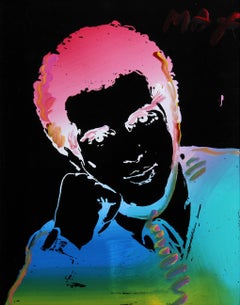
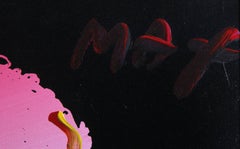
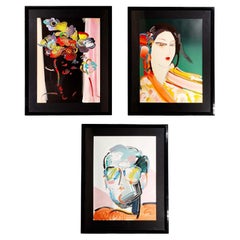
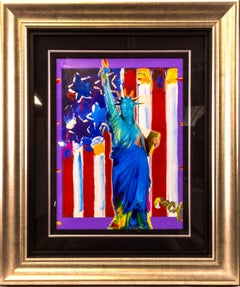
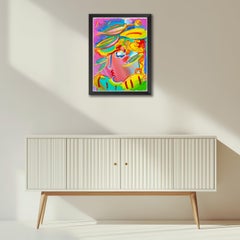
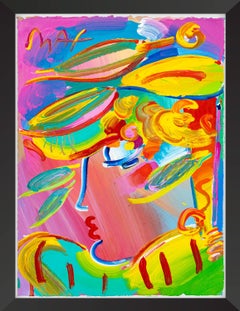
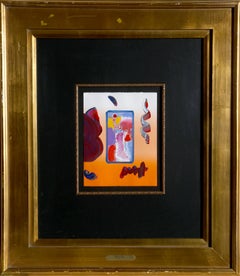
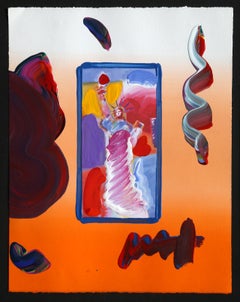
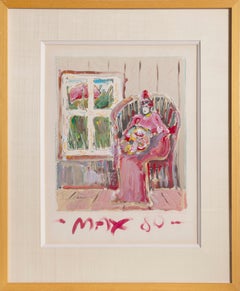
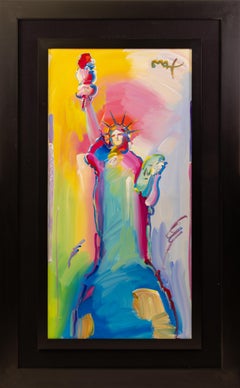
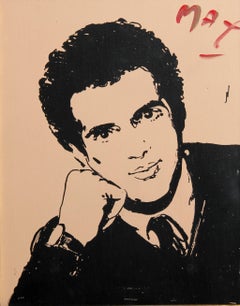
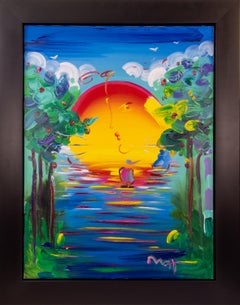
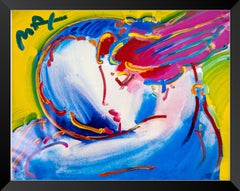
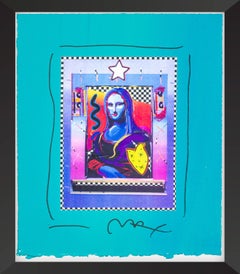
On 1stDibs, you can find the most appropriate peter max acrylic for your needs in our varied inventory. In our selection of items, you can find
Pop Art examples as well as a
Contemporary version. You’re likely to find the perfect peter max acrylic among the distinctive items we have available, which includes versions made as long ago as the 20th Century as well as those made as recently as the 21st Century. When looking for the right peter max acrylic for your space, you can search on 1stDibs by color — popular works were created in bold and neutral palettes with elements of
black,
beige,
gray and
blue. These artworks were handmade with extraordinary care, with artists most often working in
paint,
acrylic paint and
synthetic resin paint.
Born Peter Max Finkelstein in Berlin in 1937, psychedelic Pop art icon Peter Max spent the first part of his childhood in Shanghai after his parents emigrated from Germany to flee the Nazis. While there, Max developed his deep interest in American pop culture — namely comic books, jazz and cinema. Max’s paintings, graphic design, prints and illustrations, which were inspired by these interests, were also informed by his experience with synesthesia, a sensory condition that causes him to see music and hear color.
After relocating to Haifa, Israel, then Paris, where he spent a significant amount of time in sketching classes at the Louvre, a teenage Max and his family finally moved to the United States, settling in Brooklyn. Max enrolled in the Art Students League of New York in 1956, training under Frank J. Reilly, and then the School of Visual Arts. Throughout art school, Max focused on photorealism, but he found the style too restrictive. When he graduated and opened his graphic design studio with friends in 1962, he began experimenting with abstraction and color — just in time for the psychedelic era.
The technicolor works for which Max would become known are characterized by big and bold graphic qualities — not dissimilar to what you’d find in his beloved comic books. Some deeper themes emerged across his work too: Max spent a good portion of the 1960s and 1970s creating his signature cosmic style, inspired by his fascination with astronomy and Eastern philosophies.
For Max and his partners, the graphic design business was highly successful, with commissions rolling in from advertising agencies, magazines and even Hollywood in the form of movie posters. The artist was featured on the cover of Life in 1969, and by the 1970s, he was practically a household name.
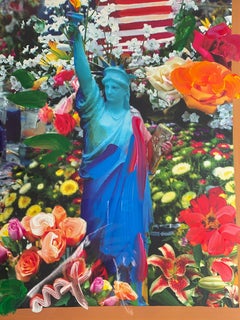
Max's body of work extended into product design, including a line of clocks for General Electric, while his domination of the commercial art scene continued for decades. He was commissioned to paint a postage stamp honoring the World’s Fair of 1974 (Expo ‘74); a Statue of Liberty series in which some proceeds went on to fund the statue’s restoration; posters and other advertising materials for major events like the Super Bowl, the U.S. Open and the Grammys; a Dale Earnhardt race car; and even the hull of the Norwegian Breakaway cruise ship.
Commercial activities aside, Max has long been the subject of many museum exhibitions, from his first solo show in 1970, “The World of Peter Max,” at the M.H. de Young Memorial Museum in San Francisco to 2016's “Peter Max: 50 Years of Cosmic Dreaming” at the Tampa Museum of Art in Florida. Today, his work belongs to the collections of the Museum of Modern Art in New York, the Philadelphia Museum of Art and other institutions.
Find original Peter Max lithographs, paintings, signed art and other works for sale on 1stDibs.
Painting is an art form that has spanned innumerable cultures, with artists using the medium to tell stories, explore and communicate ideas and express themselves. To bring abstract paintings, landscape paintings, still-life paintings and other original paintings into your home is to celebrate and share in the long tradition of this discipline.
When we look at paintings, particularly those that originated in the past, we learn about history, other cultures and countries of the world. Like every other work of art, paintings — whether they are contemporary creations or works that were made during the 19th century — can often help us clearly see and understand the world around us in a meaningful and interesting way.
Cave walls were the canvases for what were arguably the world’s first landscape paintings, which depict natural scenery through art. Portrait paintings and drawings, which, along with sculpture, were how someone’s appearance was recorded prior to the advent of photography, are at least as old as Ancient Egypt. In the Netherlands, landscapes were a major theme for painters as early as the 1500s. Later, artists in Greece, Rome and elsewhere created vast wall paintings to decorate stately homes, churches and tombs.
Today, creating a wall of art is a wonderful way to enhance your space, showcase beautiful pieces and tie an interior design together.
No matter your preference, whether you favor Post-Impressionist paintings, animal paintings, Surrealism, Pop art or another movement or specific period, arranging art on a blank wall allows you to evoke emotions in a room while also showing off your tastes and interests. A symmetrical wall arrangement may comprise a grid of four to six pieces or, for an odd number of works, a horizontal row. Asymmetrical arrangements, which may be small clusters of art or large, salon-style gallery walls, have a more collected and eclectic feel.
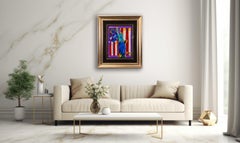
Download the 1stDibs app, which includes a handy “View on Wall” feature that allows you to see how a particular artwork will look on a particular wall, and read about how to arrange wall art. And if you’re searching for the perfect palette for your interior design project, what better place to turn than to the art world’s masters of color?
On 1stDibs, you’ll find an expansive collection of paintings and other fine art for your home or office. Browse abstract paintings, portrait paintings, paintings by emerging artists and more today.