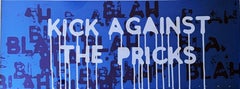
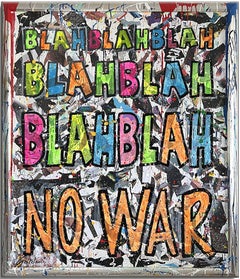
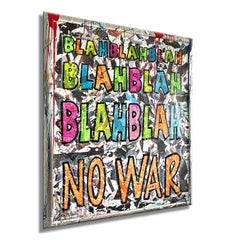
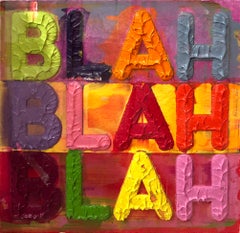
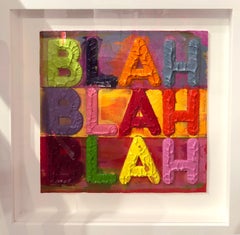
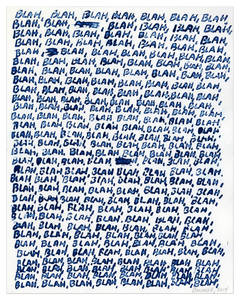
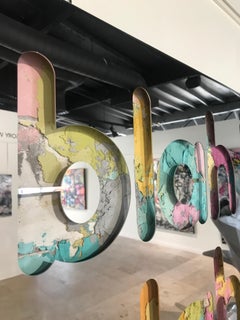
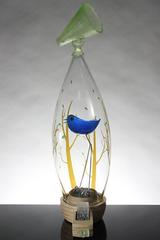
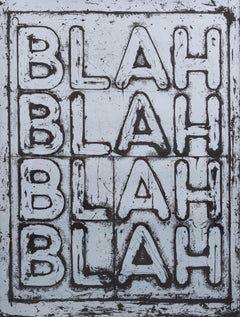
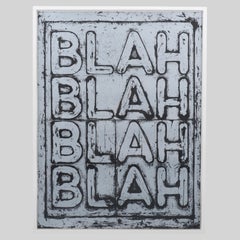
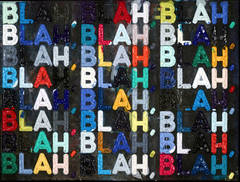
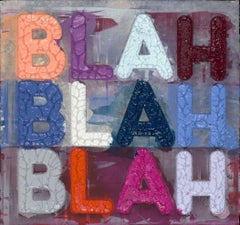
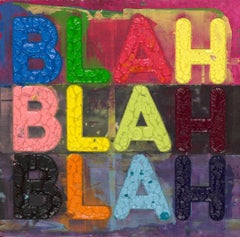
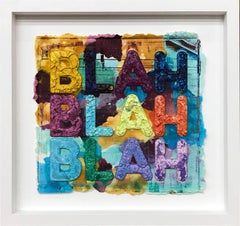
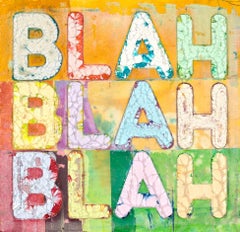
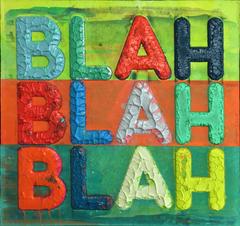
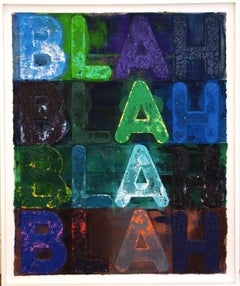
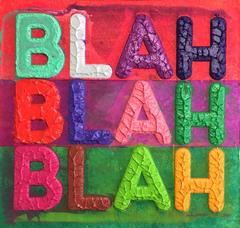
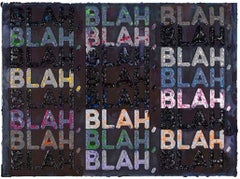
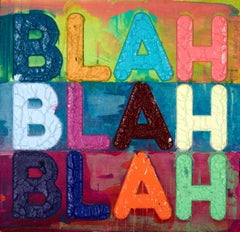
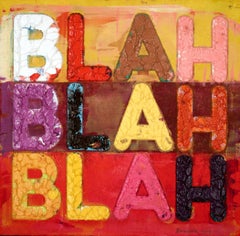
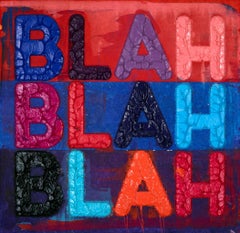
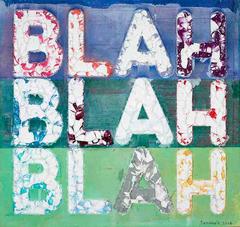
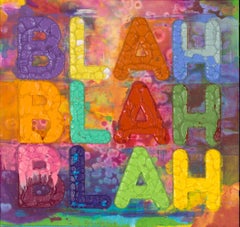
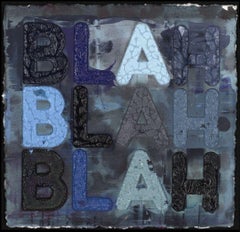
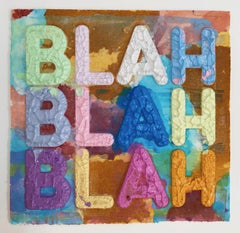
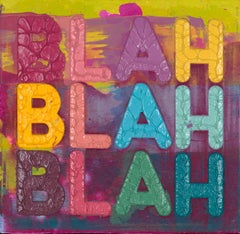
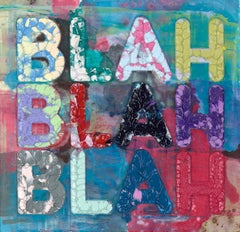
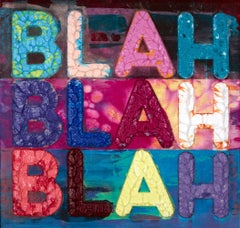
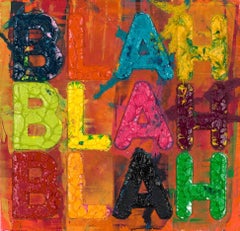
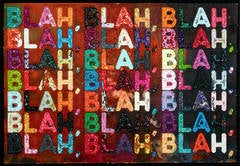
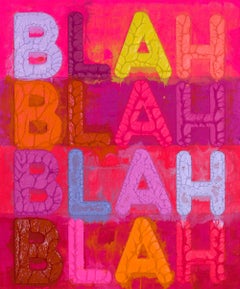
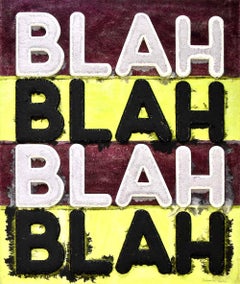
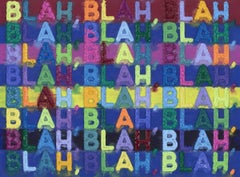
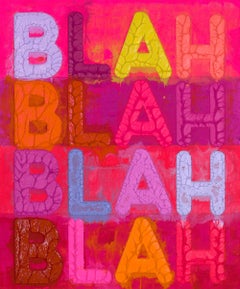
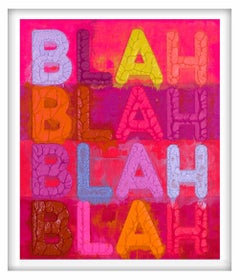
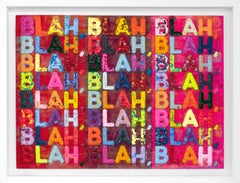
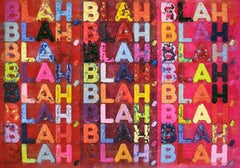
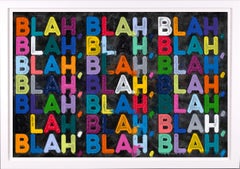
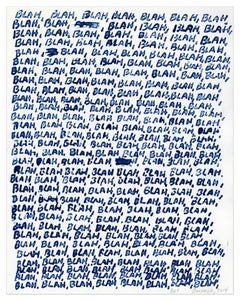
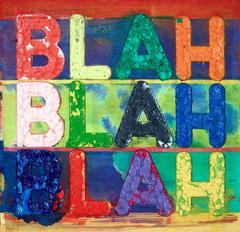
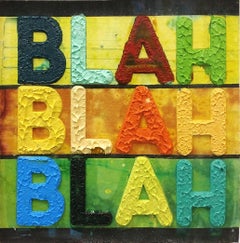
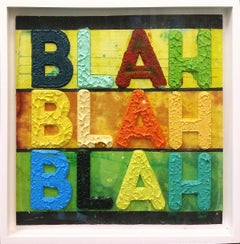
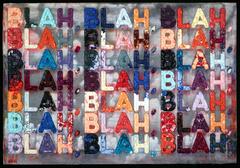
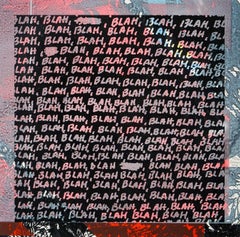
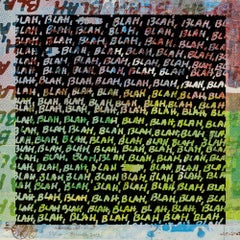
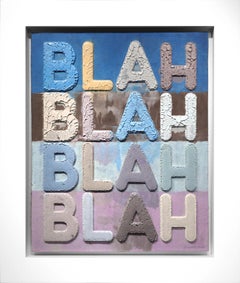
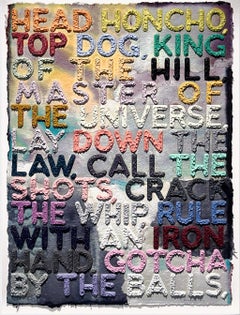
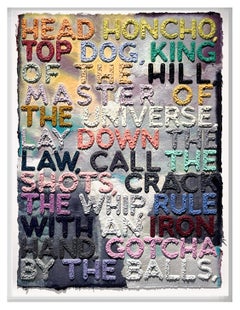
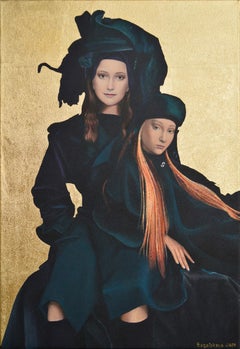
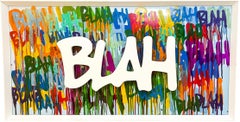
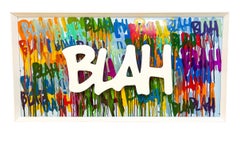
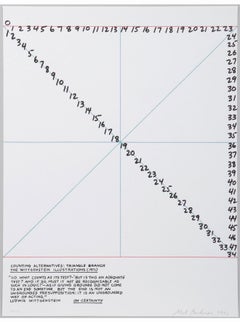
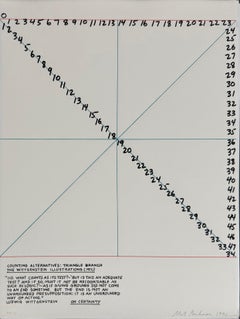
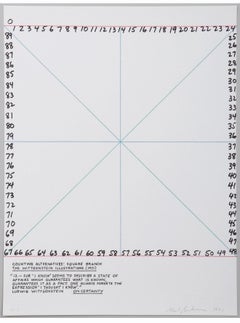
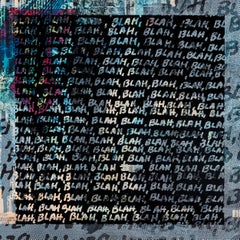
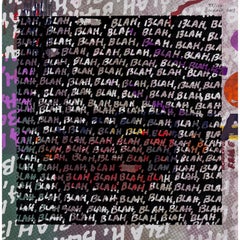
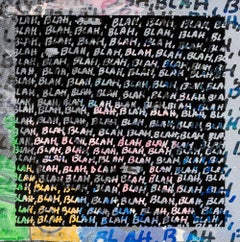
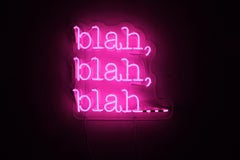
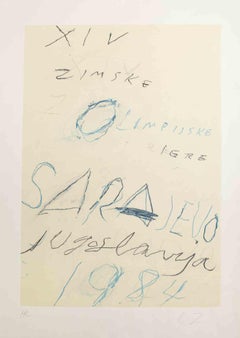
You are likely to find exactly the blah blah blah you’re looking for on 1stDibs, as there is a broad range for sale. In our selection of items, you can find
Contemporary examples as well as a
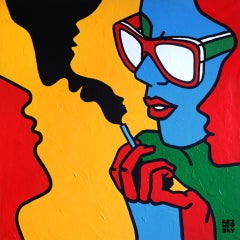
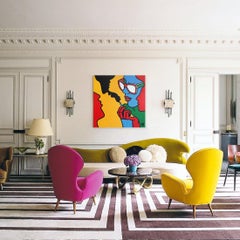
Pop Art version. Adding a blah blah blah to a room that is mostly decorated in warm neutral tones can yield a welcome change — find a piece on 1stDibs that incorporates elements of
black,
gray,
brown,
purple and more. Finding an appealing blah blah blah — no matter the origin — is easy, but
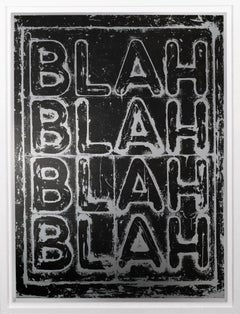
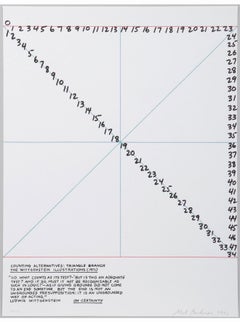
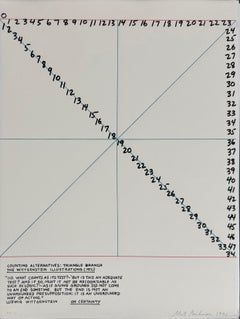
Mel Bochner,
Mary Jo McGonagle,
Metis Atash,
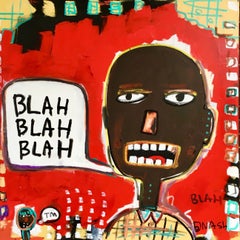
Brian Nash and
Roman Reznitsky each produced popular versions that are worth a look. These artworks were handmade with extraordinary care, with artists most often working in
monoprint,
paint and
screen print. A large blah blah blah can be an attractive addition to some spaces, while smaller examples are available — approximately spanning 11 high and 7.5 wide — and may be better suited to a more modest living area.
Mel Bochner experimented with a range of styles before finding his eventual success as a pioneer in Conceptual art. An audacious 1966 show at School of Visual Arts (SVA) in Manhattan that he presented, “Working Drawings and Other Visible Things on Paper Not Necessarily Meant to Be Viewed as Art,” remains a seminal touchstone for Conceptualism.
Bochner was born to a Pittsburgh sign painter in 1940. While attending the Carnegie Institute of Technology (now Carnegie Mellon) in the late 1950s, he studied color theory and modernist movements as well as classical drawing, a balance that was formative in his career. After graduation, he moved to San Francisco, creating paintings influenced by Clyfford Still and Jean Dubuffet.
It wasn’t until Bochner “found his way out of the labyrinth of late Abstract Expressionism,” as he put it to The Brooklyn Rail, that he began to create his most meaningful work. Following a stint auditing philosophy classes after a friend introduced him to the work of Heidegger, Bochner relocated to New York, finding work as a guard at the Jewish Museum. In Manhattan, he ran in the same circles as Dan Flavin, Brice Marden and Donald Judd.
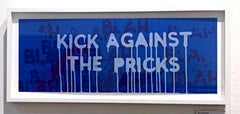
“One of the conversations going on in New York in the late ’60s was about the relationship of the object to the art experience,” Bochner said. “...Younger artists like myself were talking about what it would mean to eliminate the object altogether.” This idea would become the foundation of the Conceptual movement, in which Bochner was instrumental. The artist is probably best known for his text-focused paintings, including a series that plays with the phrase “Blah Blah Blah.” He produces work that regards art as an experience, rather than an object, centering on the process of creation and viewership as opposed to the finished product.
Bochner’s “Working Drawings and Other Visible Things on Paper Not Necessarily Meant to Be Viewed as Art” featured drawings, notes and outlines from the likes of Milton Glaser, Carl Andre, Sol LeWitt and others as well as pages from Scientific American. Bochner, then an art history professor at SVA, photocopied the assemblage of works, added them to binders and positioned them on pedestals for the exhibition because the show’s organizers lacked the funds to frame the pieces.
Bochner’s works can be found in the collections of many major museums, including the Museum of Modern Art, the Metropolitan Museum of Art and the Whitney Museum of American Art.
Find original Mel Bochner prints and other art on 1stDibs.