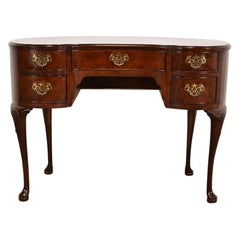
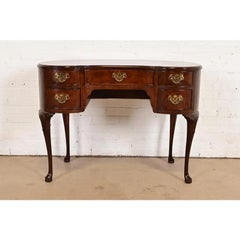
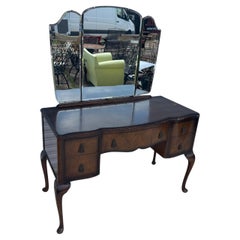
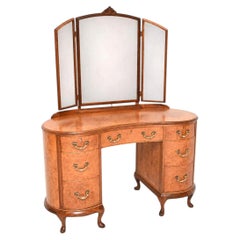
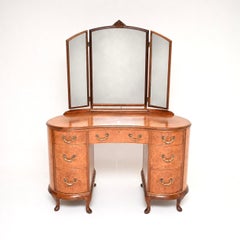
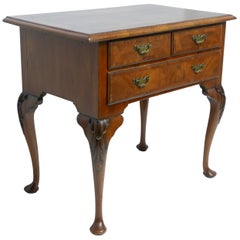
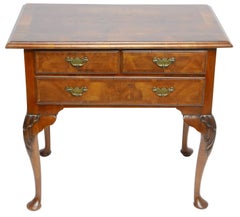
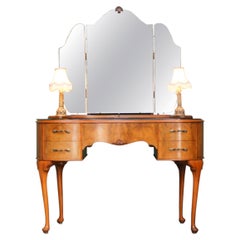
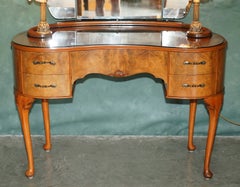
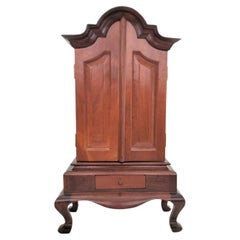
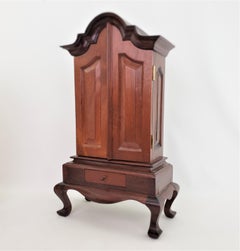
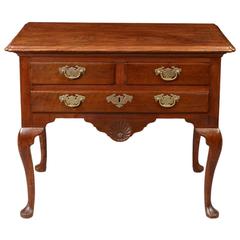
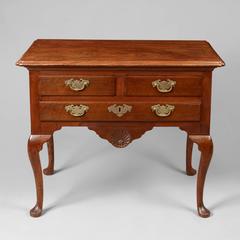
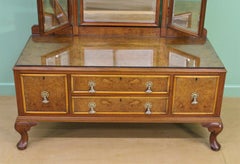
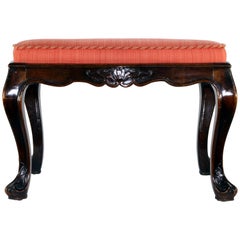
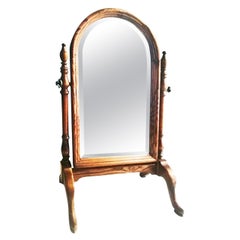
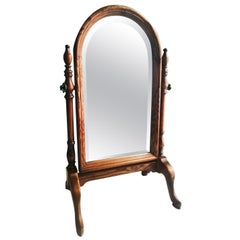
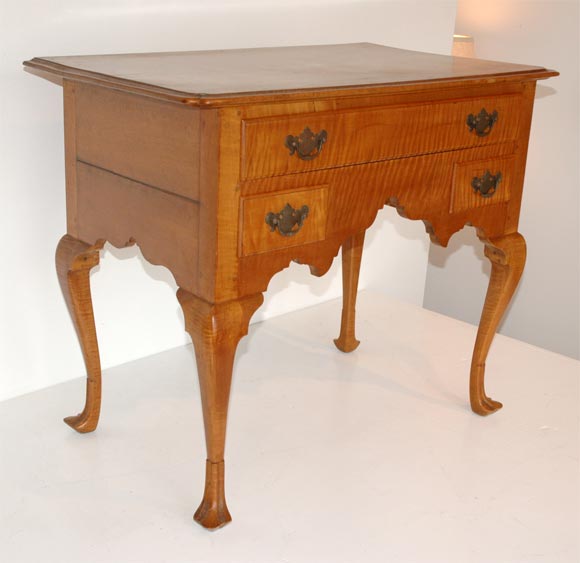
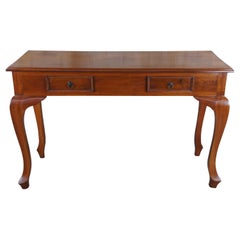
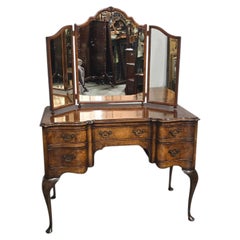
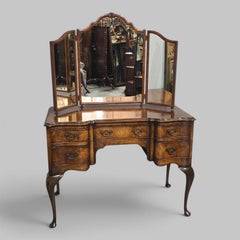
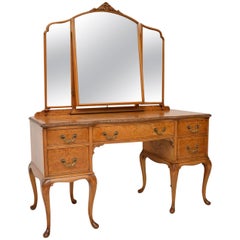
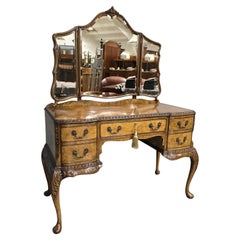
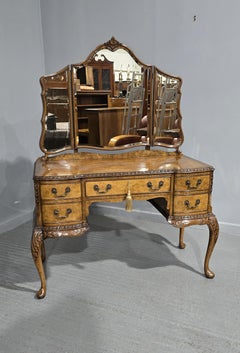
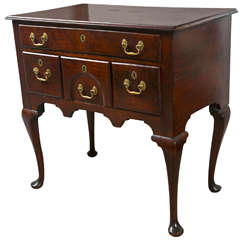
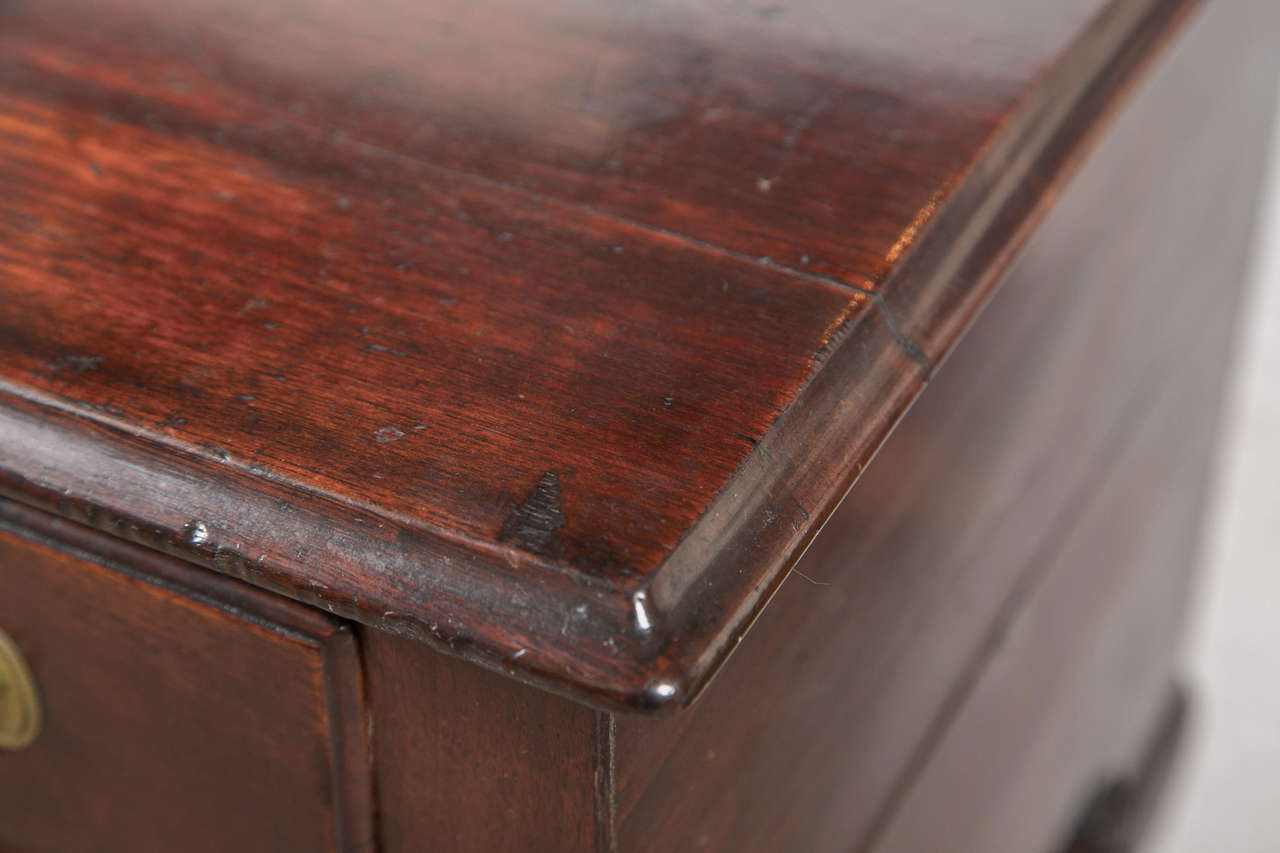
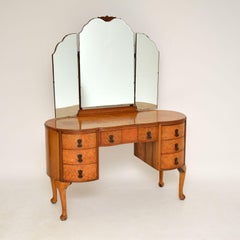
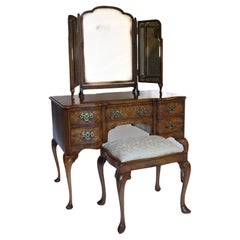
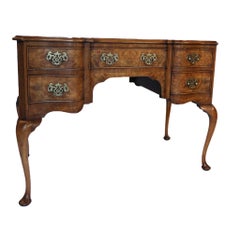
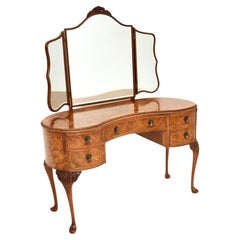
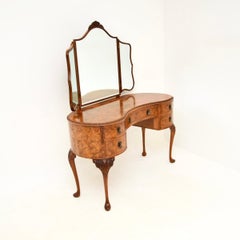
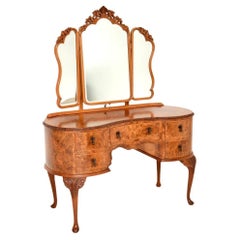
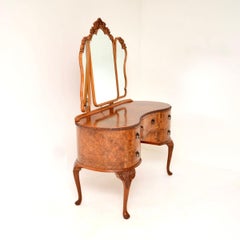
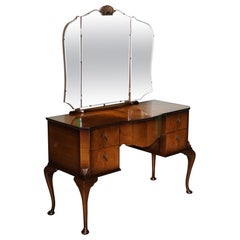
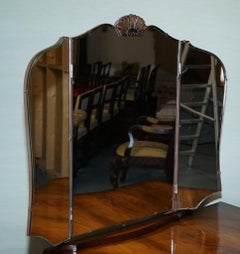
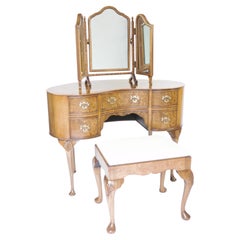
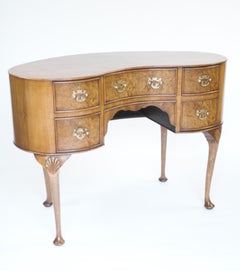
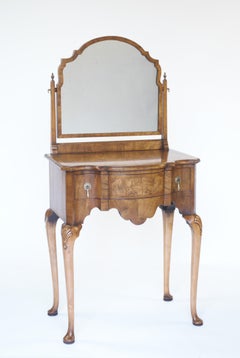
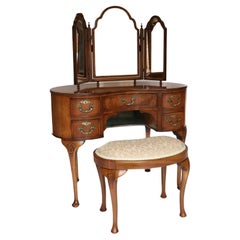
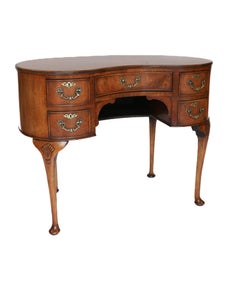
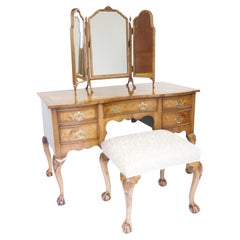
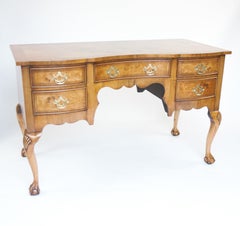
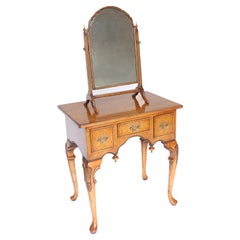
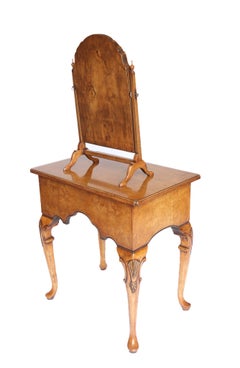
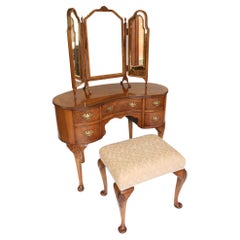
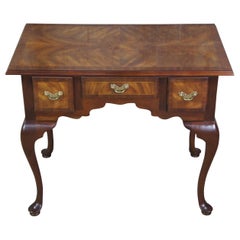
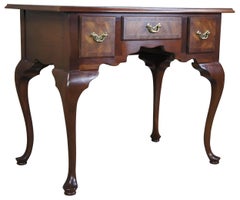
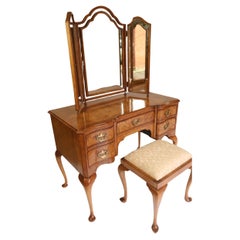
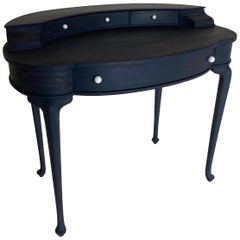
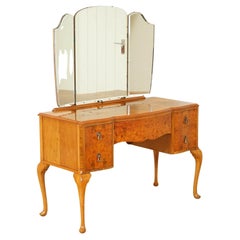
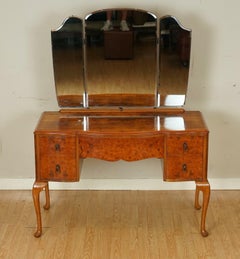
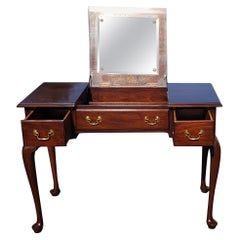
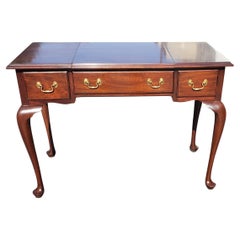
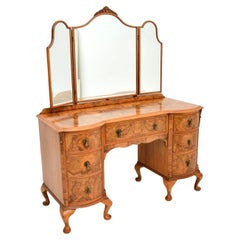
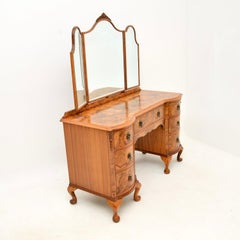
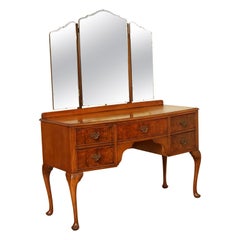
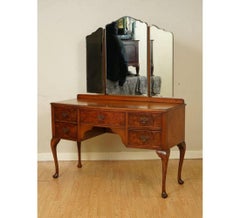
Choose from an assortment of styles, material and more with respect to the queen anne vanity you’re looking for at 1stDibs. A queen anne vanity — often made from
wood,
walnut and
mahogany — can elevate any home. Whether you’re looking for an older or newer queen anne vanity, there are earlier versions available from the 18th Century and newer variations made as recently as the 20th Century. A queen anne vanity is a generally popular piece of furniture, but those created in
louis xv styles are sought with frequency. A well-made queen anne vanity has long been a part of the offerings for many furniture designers and manufacturers, but those produced by
Adie Brothers,
Ethan Allen and
Lord Snowdon are consistently popular.
Prices for a queen anne vanity can differ depending upon size, time period and other attributes — at 1stDibs, they begin at $706 and can go as high as $54,151, while the average can fetch as much as $1,656.
Although named for the last Stuart monarch of England, antique Queen Anne furniture, with its curvy cabriole legs and pad feet, has its origins in the earlier reign of King William III, which began in 1689 and ended with his death in 1702. Later evolving during Anne’s rule from 1702–14, the style would continue to influence design in the decades after her death.
Sometimes called late Baroque or early Georgian, Queen Anne chairs, bedroom furniture and tables are subdued yet ornate and characterized by a graceful blend of influences ranging from Asian design to classical motifs. Furnishings of this era — with their curvilinear supports and novel emphasis on comfort and versatility — are marked by a shift away from the more opulent and angular William and Mary style.
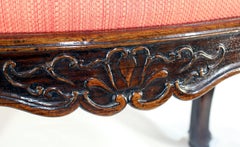
Chairs designed in the Queen Anne style are more functional and lightweight than their predecessors. They often feature a vase or fiddle-shaped splat, which refers to the central vertical back element, in order to support the spine and plush cushions. Craftsmen of the era predominantly worked in walnut, maple and pine. Any embellishments they introduced in their furnishings were frequently minimal and refined and expressed by way of modest flourishes such as shells or scrolls. Some pieces were more lavish with “japanned” finishes, or varnished interpretations of East Asian lacquer art. Almost every piece of furniture, whether a tea table or desk, included S-shaped, animalistic cabriole legs that end in a paw or claw-and-ball form.
These qualities made Queen Anne furniture popular throughout Europe and North America. Boston and Philadelphia became hubs for the production of this style of furniture, spurred by the arrival of British artisans who fostered a market for well-heeled colonists. While the showier Chippendale style later surpassed it in popularity, Queen Anne’s simple elegance still draws an enduring appreciation.
Find a collection of antique Queen Anne dining tables, seating, cabinets and other authentic period furniture on 1stDibs.
Vintage vanities trace back to the dressing tables of 18th-century France, where the poudreuse held powders and mirrors for a lady's toilette. The look later split in two: the gilded flourish of Art Deco and Louis XV, and the pared-back simplicity of the mid-century makeup vanity.
Styles to Know
Mid-century makeup vanities with slim tapered legs are seeing strong search interest, though Art Deco vanities with mirrored or lacquered finishes remain a popular choice for more formal bedrooms. A vintage mirror completes the piece if it doesn't already include one, and a vintage table lamp adds flattering light.
How to Choose the Right Vintage Vanity
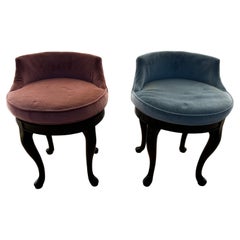
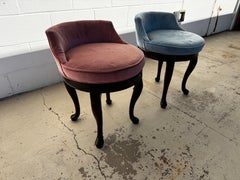
A vanity works best near a window or another source of natural light, worth keeping in mind when planning where it will sit, and the knee-clearance height is worth checking against the stool you intend to pair with it. Each piece comes from a vetted 1stDibs seller, with era, designer and condition detailed. Backed by the 1stDibs Promise on every order.