Surely you’ll find the exact h paterson you’re seeking on 1stDibs — we’ve got a vast assortment for sale. There are many
Abstract,
Contemporary and
Photorealist versions of these works for sale. You’re likely to find the perfect h paterson among the distinctive items we have available, which includes versions made as long ago as the 18th Century as well as those made as recently as the 21st Century. On 1stDibs, the right h paterson is waiting for you and the choices span a range of colors that includes
gray,
black,
brown and
blue. A h paterson from
Alison Britton-Paterson,
George Tice,
Susannah Paterson,
James Paterson and
Jane Rosen — each of whom created distinctive versions of this kind of work — is worth considering. Frequently made by artists working in
paint,
canvas and
fabric, these artworks are unique and have attracted attention over the years.
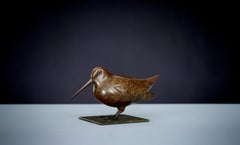
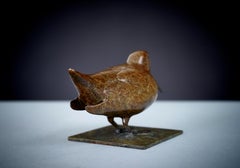
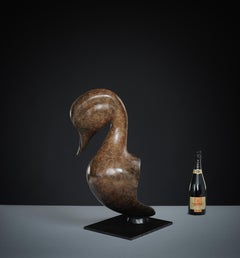
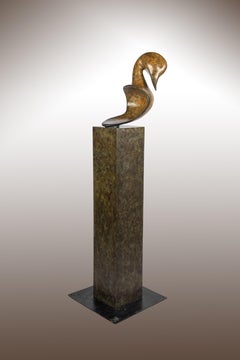
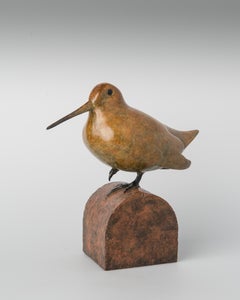
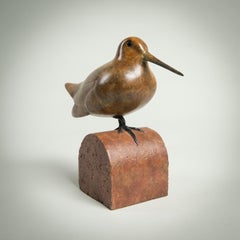
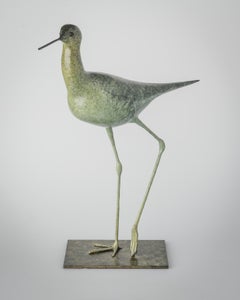
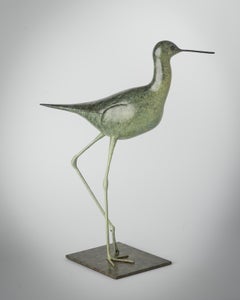
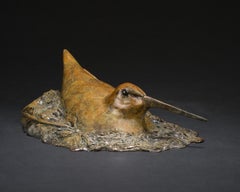
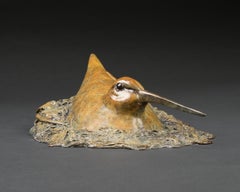
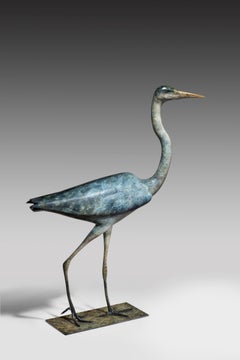
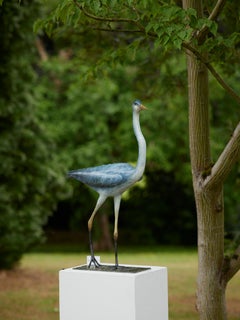
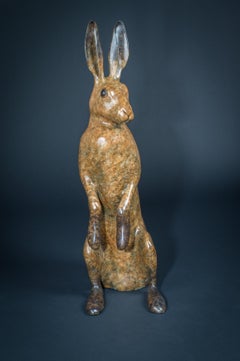
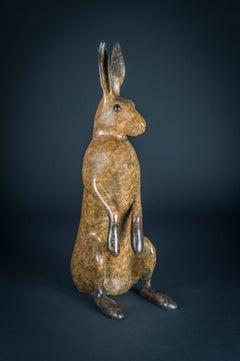
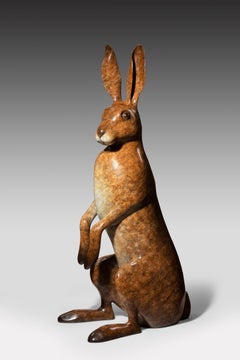
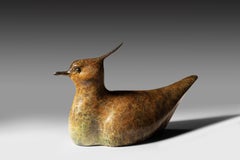
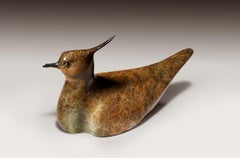
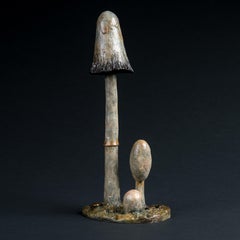
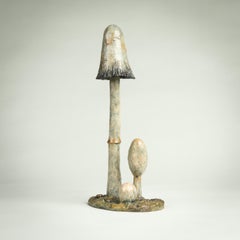
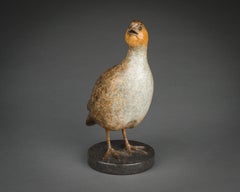
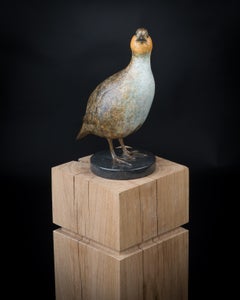
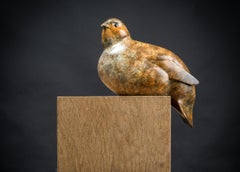
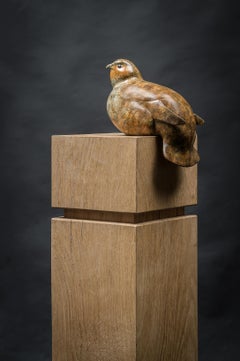
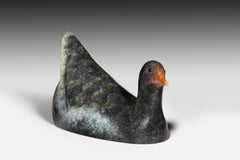
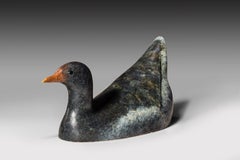
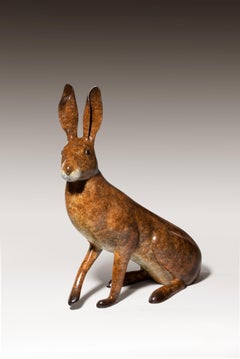
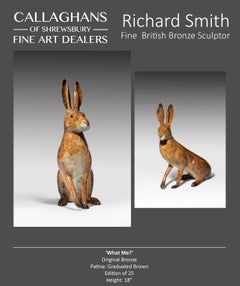
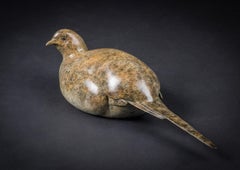
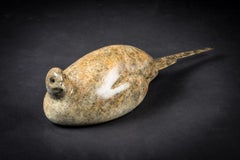
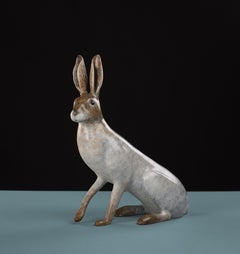
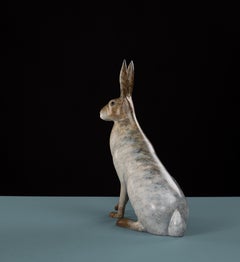
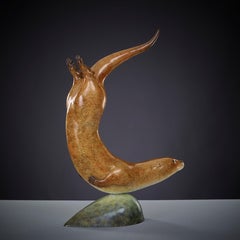
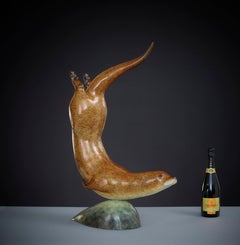
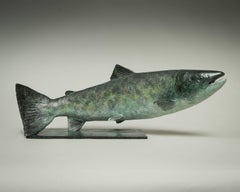
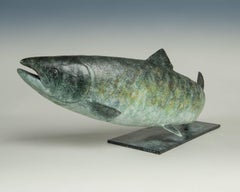
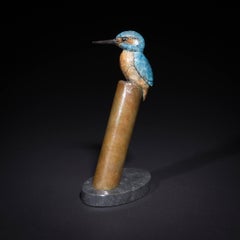
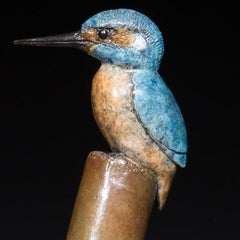
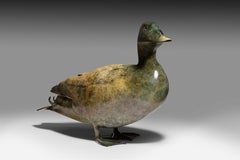
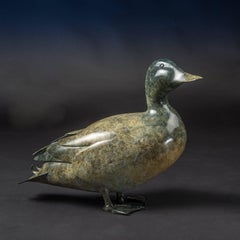
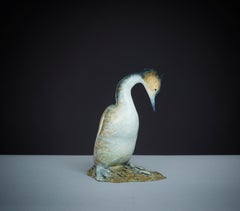
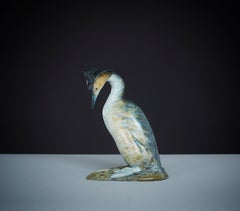
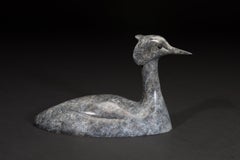
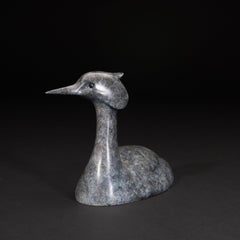
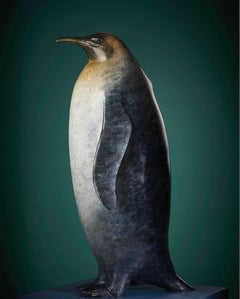
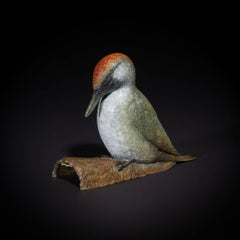
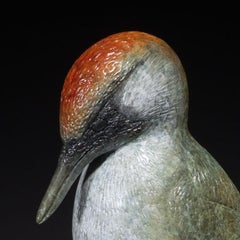
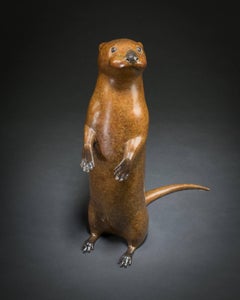
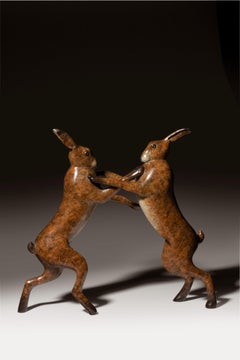
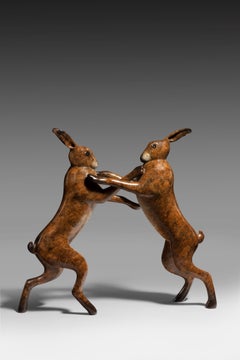
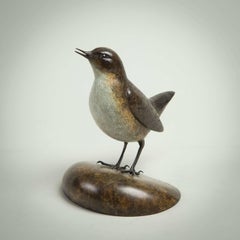
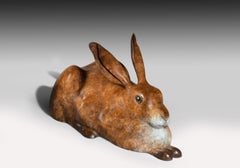
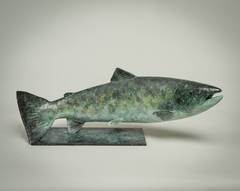
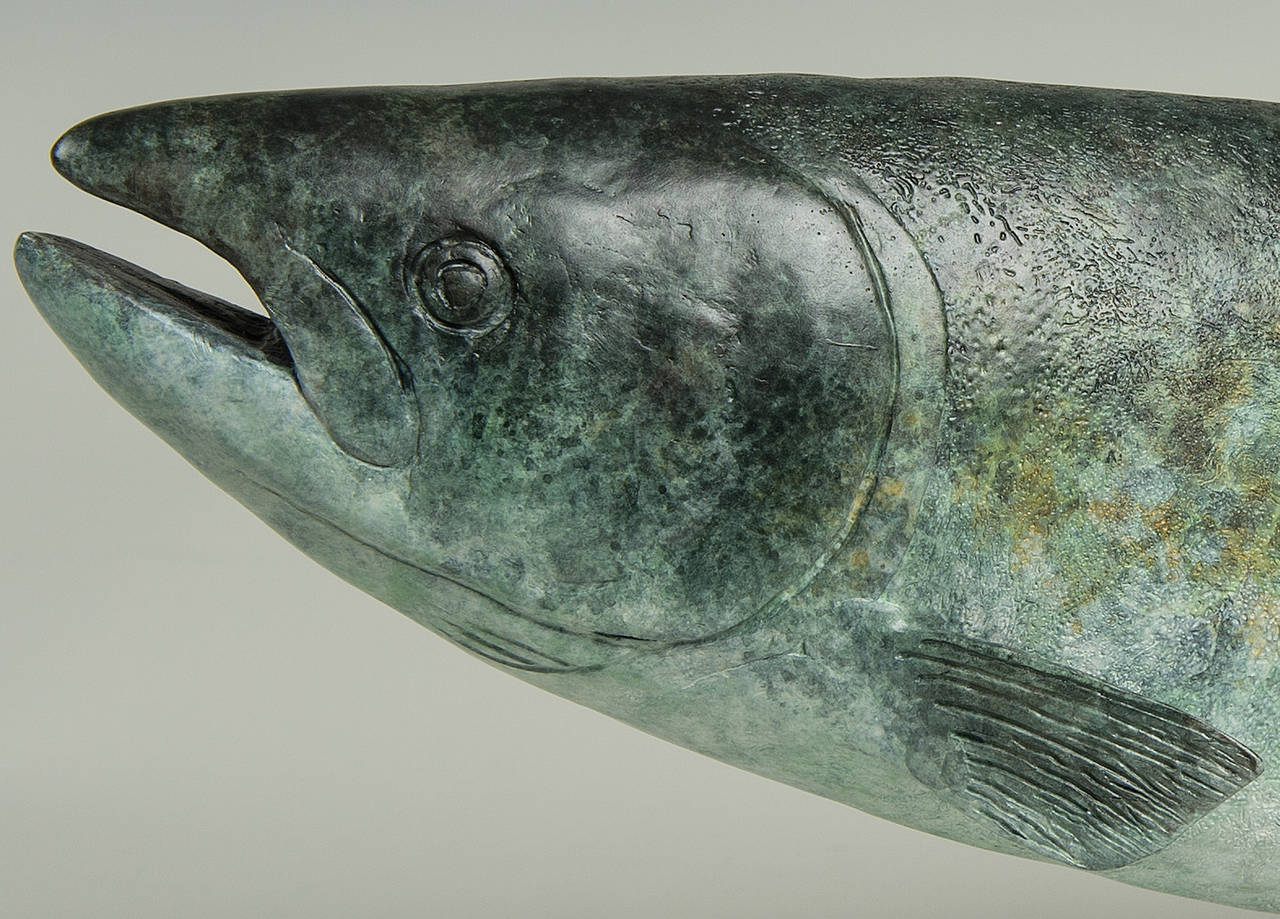
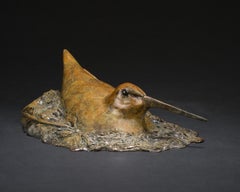
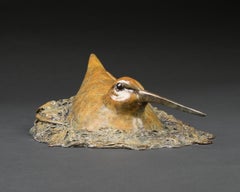
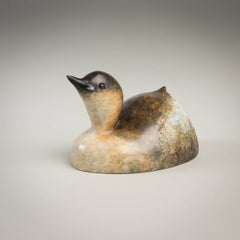
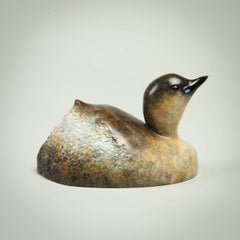
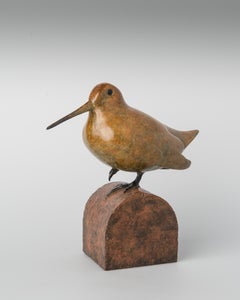
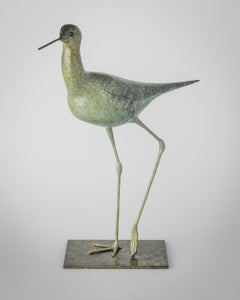
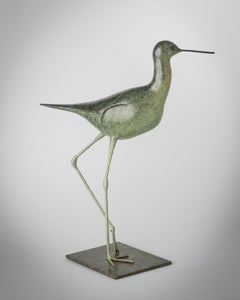
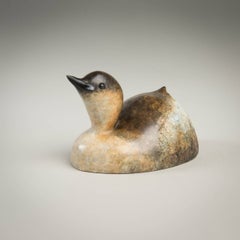
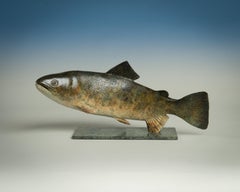
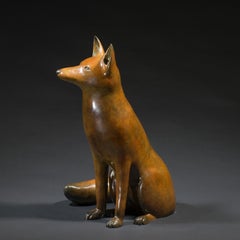
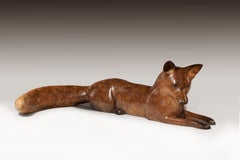
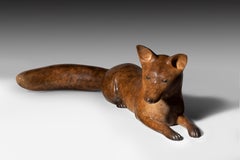
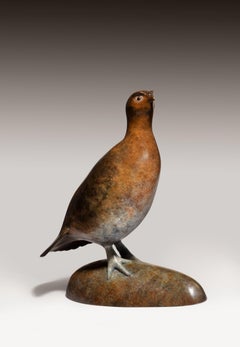
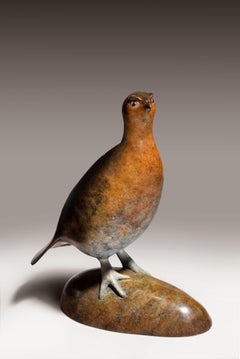
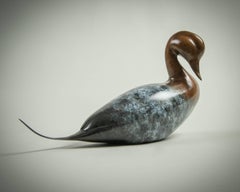
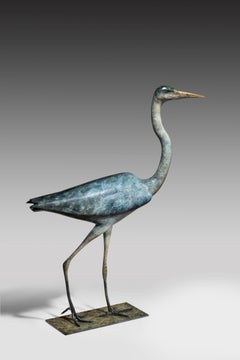
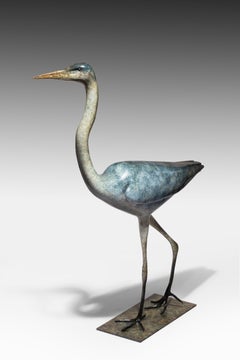
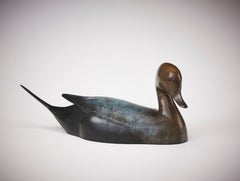
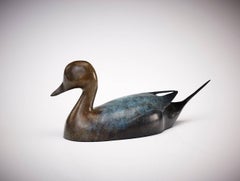
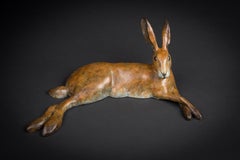
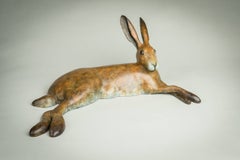
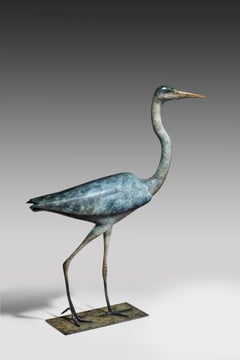
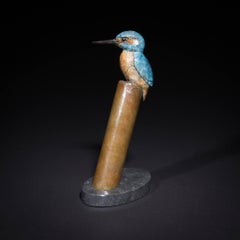
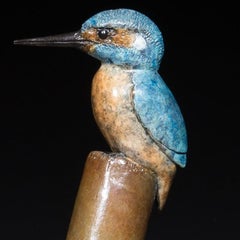
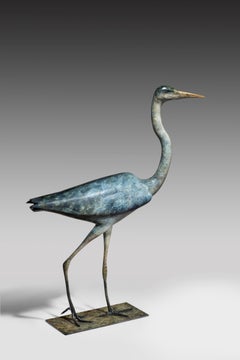
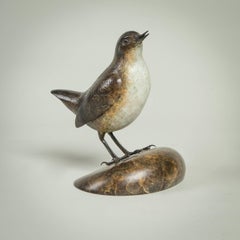
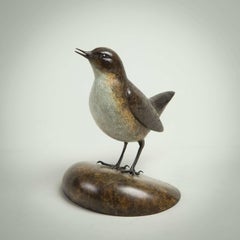
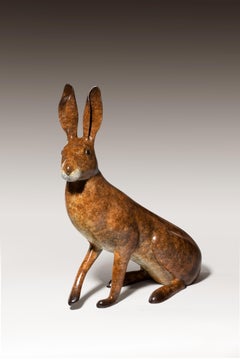
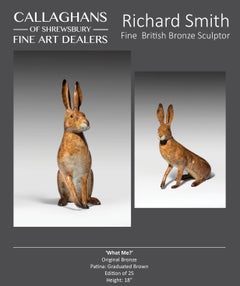
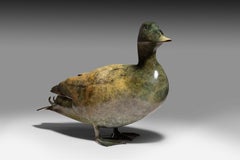
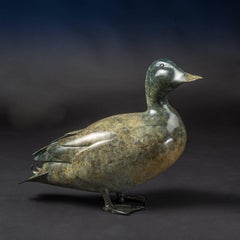
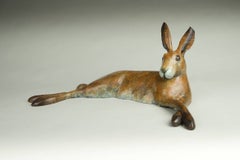
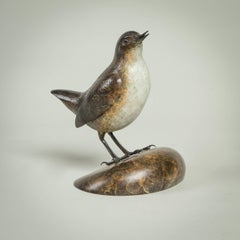
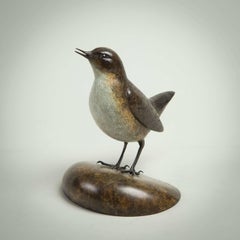
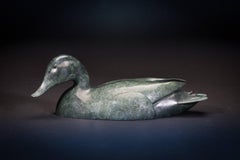
In his studio in his Gamekeepers cottage on a sprawling Hertfordshire estate, Richard Smith works undisturbed except for the occasional call of a pheasant. Whilst he daydreams of stalking deer and salmon fishing in the Scottish Highlands, his hands and eyes are busy at work on his latest masterpiece. From his 40 years as a successful painter of wildlife, painting for galleries such as Tyron gallery, London, Gladwell and Pattersons, London, Frost and Reed, London and Everard Reed Gallery, Johannesburg, coupled with his life surrounded by, and working with, game birds, it seemed a natural progression, with the support of Callaghan’s, to translate his passion and talent to the medium of bronze.
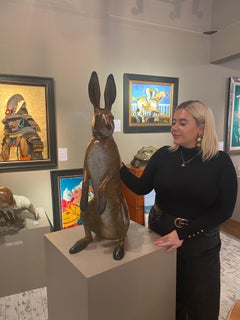
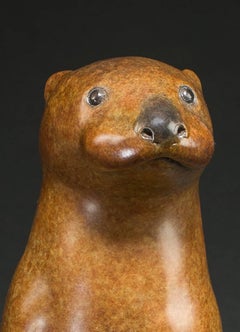
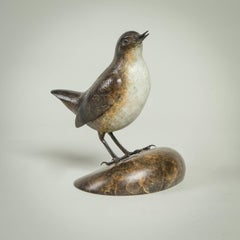
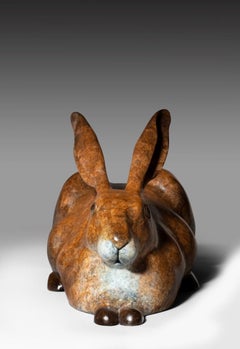
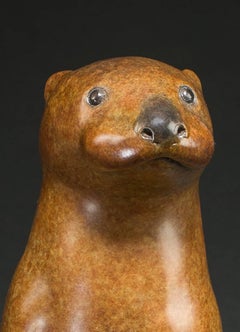
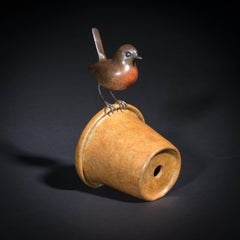
From the elusive Snipe to the tentative Hare, the inquisitive Otter Pup to the majestic Macaw, his portfolio leaves no doubt as to the understanding of his subjects. From the beginning, when the delicate Robin perched upon a terracotta pot was born of his hands, Richards work has wowed wildlife enthusiasts and sportsmen alike. His bronze sculptures have been exhibited at the LAPADA Art & Antiques Fair, the Olympia Art & Antiques Fair and across the State of Florida at the Naples and West Palm Beach Shows, and with his incredible attention to detail, Richard has breathed fresh, Hertfordshire, air into the medium winning him worldwide acclaim
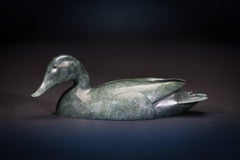
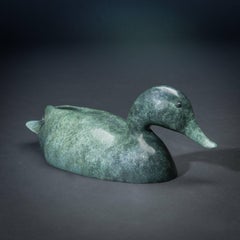
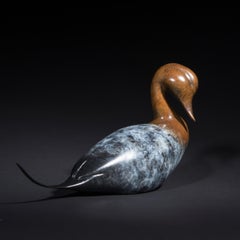
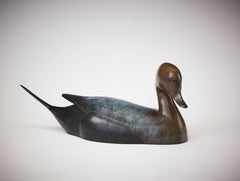
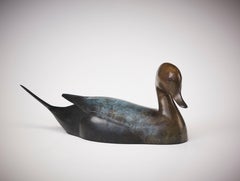
In 2013 Richard was invited to exhibit his Pintail Duck at the Society of Wildlife Artists, previously unassuming of his sculpting prowess, this accolade spurred him to create many further pieces in every shape and size and for every budget culminating in Richard being invited by the CLA to produce a perpetual trophy to present to the Best Shot of the Year at the annual game fair. His wish to keep the pieces in small editions and to personally oversee the sympathetic patination of every piece has been adhered to, as he remains as passionate about his work since his first exhibition in 1978.
The history of sculpture as we know it is believed to have origins in Ancient Greece, while small sculptural carvings are among the most common examples of prehistoric art. In short, sculpture as a fine art has been with us forever. A powerful three-dimensional means of creative expression, sculpture has long been most frequently associated with religion — consider the limestone Great Sphinx in Giza, Egypt — while the tradition of collecting sculpture, which has also been traced back to Greece as well as to China, far precedes the emergence of museums.
Technique and materials in sculpture have changed over time. Stone sculpture, which essentially began as images carved into cave walls, is as old as human civilization itself. The majority of surviving sculpted works from ancient cultures are stone. Traditionally, this material and pottery as well as metal — bronze in particular — were among the most common materials associated with this field of visual art. Artists have long sought new ways and materials in order to make sculptures and express their ideas. Material, after all, is the vehicle through which artists express themselves, or at least work out the problems knocking around in their heads. It also allows them to push the boundaries of form, subverting our expectations and upending convention. As an influential sculptor as much as he was a revolutionary painter and printmaker, Pablo Picasso worked with everything from wire to wood to bicycle seats.
If you are a lover of art and antiques or are thinking of bringing a work of sculpture into your home for the first time, there are several details to keep in mind. As with all other works of art, think about what you like. What speaks to you? Visit local galleries and museums. Take in works of public art and art fairs when you can and find out what kind of sculpture you like. When you’ve come to a decision about a specific work, try to find out all you can about the piece, and if you’re not buying from a sculptor directly, work with an art expert to confirm the work’s authenticity.
And when you bring your sculpture home, remember: No matter how big or small your new addition is, it will make a statement in your space. Large- and even medium-sized sculptures can be heavy, so hire some professional art handlers as necessary and find a good place in your home for your piece. Whether you’re installing a towering new figurative sculpture — a colorful character by KAWS or hyperreal work by Carole A. Feuerman, perhaps — or an abstract work by Won Lee, you’ll want the sculpture to be safe from being knocked over. (You’ll find that most sculptures should be displayed at eye level, while some large busts look best from below.)
On 1stDibs, find a broad range of exceptional sculptures for sale. Browse works by your favorite creator, style, period or other attribute.