The pearl has been synonymous with ladylike elegance since the Tudor period — learn what to look for when shopping for vintage and antique pearl jewelry as well as how to tell the origin of a pearl with our handy primer.
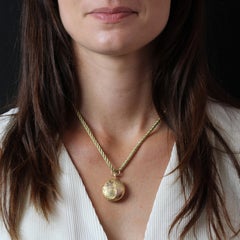
Every woman at some point in her life desires a simple strand of pearls. They are elegant, timeless, versatile — just ask Coco Chanel or Jacqueline Kennedy — and valuable. In 1917, Pierre Cartier famously traded a double-strand of natural pearls for a Fifth Avenue mansion, the Cartier brand’s flagship store ever since. And if you were born in the beginning of summer, pearl is the June birthstone.
It is possible to tell where a pearl originated from its appearance. Akoyas are usually round and white — the classic pearl, if you will. South Sea pearls are normally larger and vary in color; orangey yellow ones are not uncommon. Tahitian pearls are mostly black but can also be gray or brown, and between the Akoya and the South Sea varieties in size. Freshwater pearls, or Orientals, run the gamut in terms of color and size, but in shape, they tend to resemble Rice Krispies. Another important distinction is a round pearl versus a baroque pearl. A round pearl is self-explanatory, but there are two types of baroque pearls: symmetrical and asymmetrical. In general, the symmetrical variation commands a higher valuation. Within a strand of pearls, uniformity is prized — the more the individual pearls resemble one another, the more valuable the strand.
According to the Gemological Institute of America (GIA), the earliest recorded mention of a pearl was in 2206 BC by a Chinese historian. Centuries later, Christopher Columbus made it a point to visit pearl fisheries during his 15th-century exploration of the Caribbean. Since the late-19th century, the Japanese have been at the forefront of cultivating pearls, when jeweler Kokichi Mikimoto successfully cultured the world’s first pearl in 1893.
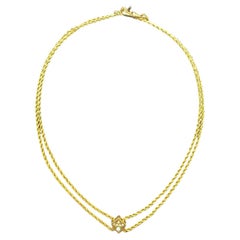
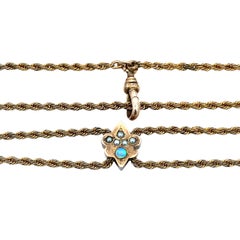
On 1stDibs, find vintage and antique pearl necklaces, pearl earrings and other accessories.
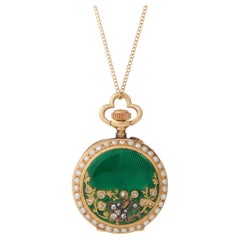
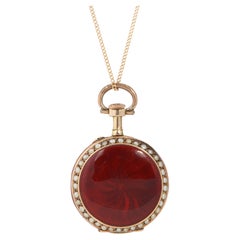
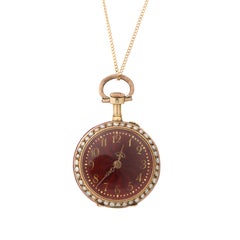
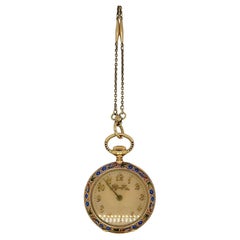
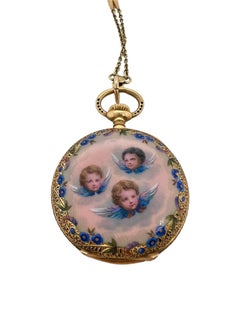
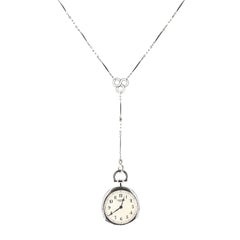
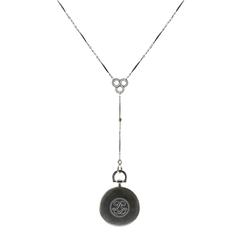
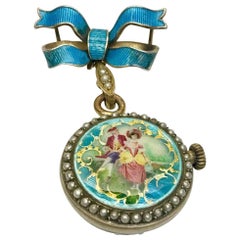
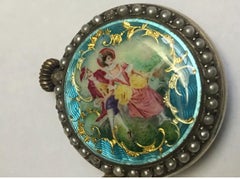
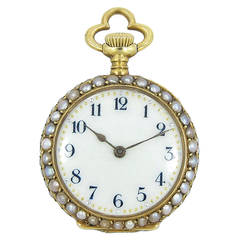
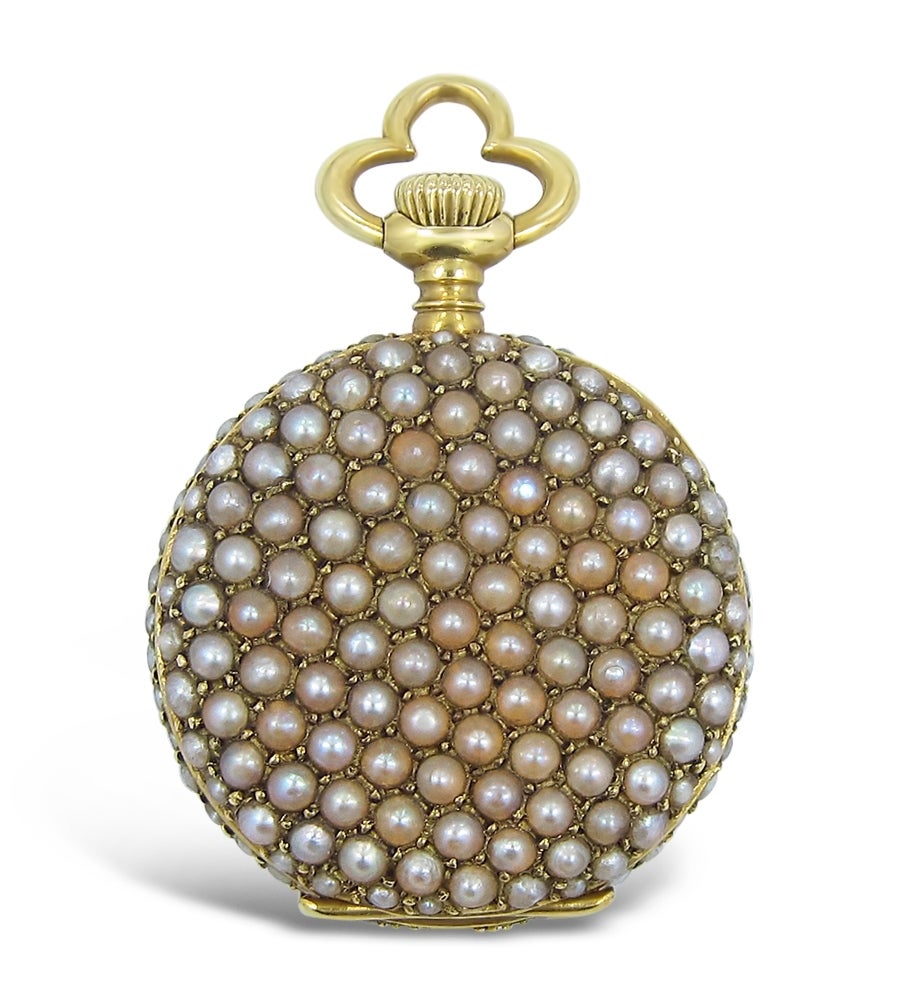
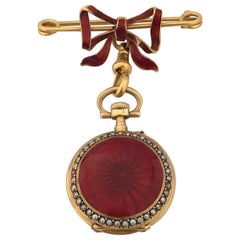
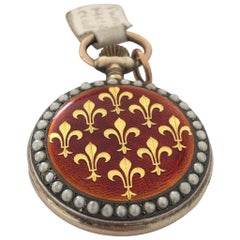
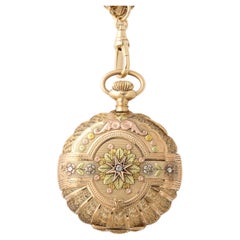
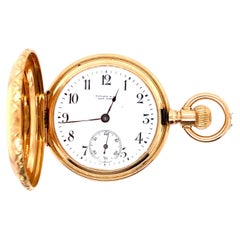
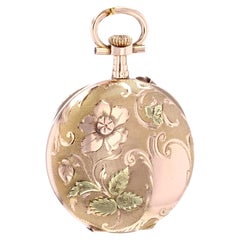
Can you pull off a vintage pocket watch? Of course you can. With a suit and a waistcoat, a pocket watch can be a refreshing alternative to a wristwatch.
The earliest pocket watches were luxury items, and, owing to cost, they weren’t commonplace until the 19th century. Artfully crafted pocket watches were a symbol of wealth, and manufacturers such as Vacheron Constantin and Patek Philippe became known for theirs. (Today, they’re among the most sought after by collectors and enthusiasts.)
At the onset, pocket watches resembled small round table clocks, and pulling your small round table clock — perhaps of the silver variety — out of your breast pocket in front of someone else demonstrated unequivocally that you cared about punctuality. For collectors, pocket watches are big, and that means a larger canvas provided for functions without crowding the dial. For example, the Marius Lecoultre pocket watch — made circa 1890 — does everything but uncork your wine.
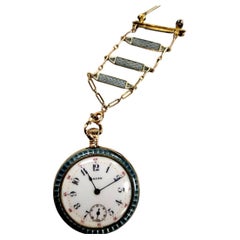
In the late 1800s, the open-face pocket watch became a staple on the American railroad. It was a requirement for railway workers to wear a pocket watch, as the timepieces were responsible for keeping conductors on schedule. This was a boon to the watchmaking industry, with companies like Hamilton, the Elgin National Watch Company and the Waltham Watch Company producing high-grade and workingman’s watches.
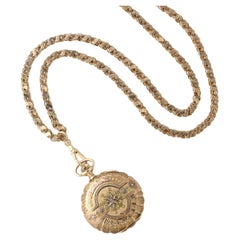
By the 1930s, wristwatches comprised the bulk of watch manufacturing in America, superseding the pocket watch. Suddenly, if you wanted to know the time, you merely glanced at your wrist. But given their vintage charm and our general appetite for good design, pocket watches are a piece of statement-making jewelry and today can prove complementary to your formal attire in a manner that is stylish and unconventional.
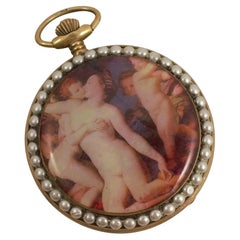
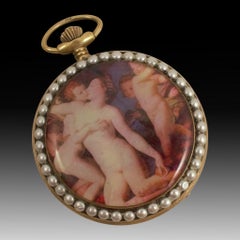
Let time take its course — browse a vast selection of antique and vintage pocket watches available on 1stDibs designed by legendary brands such as IWC, Cartier and more.