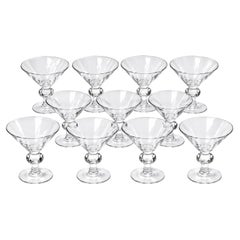
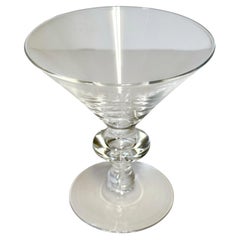
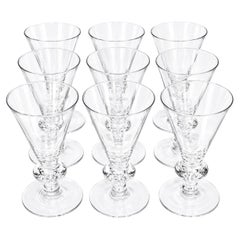
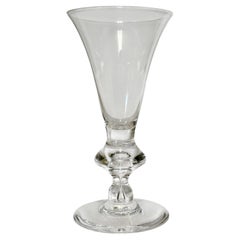
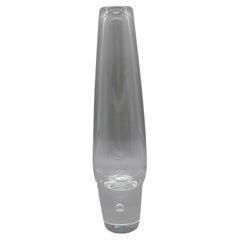
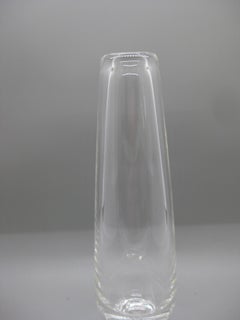
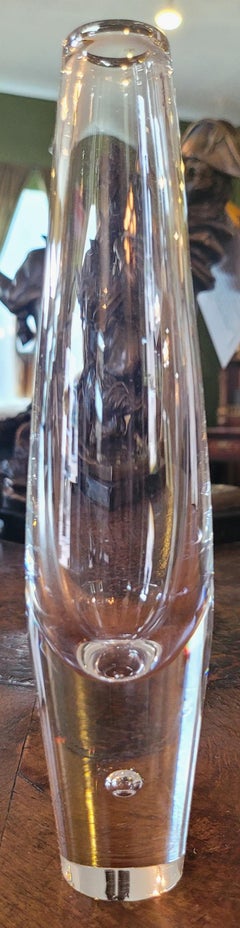
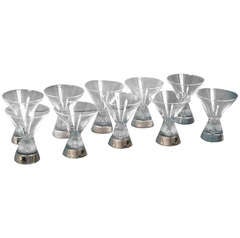
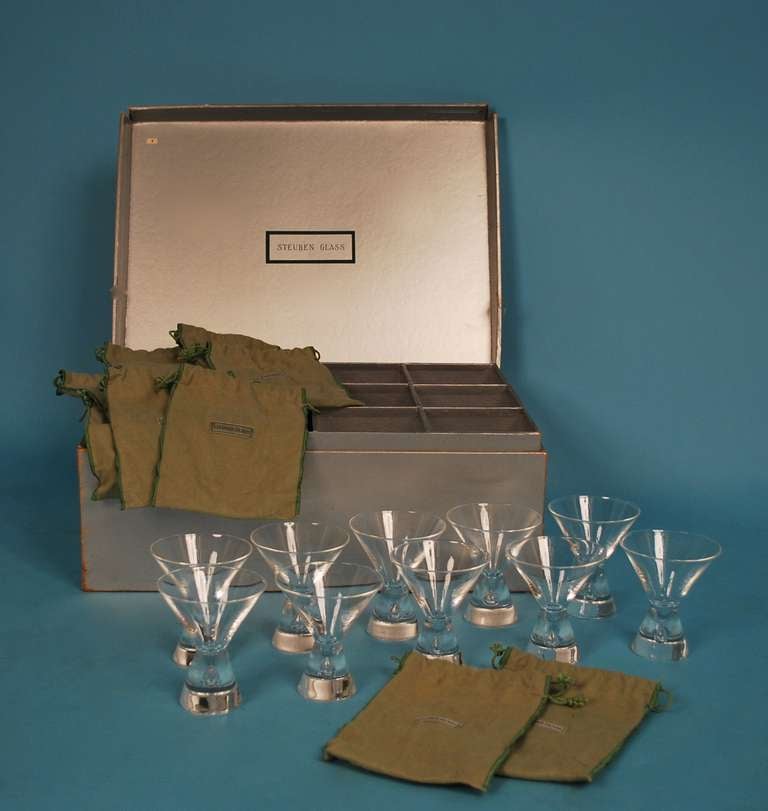
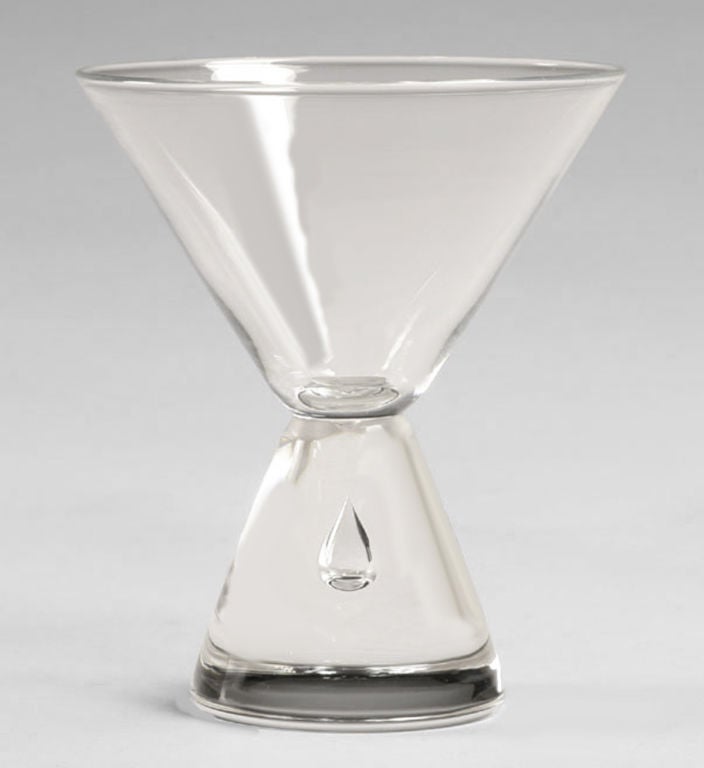
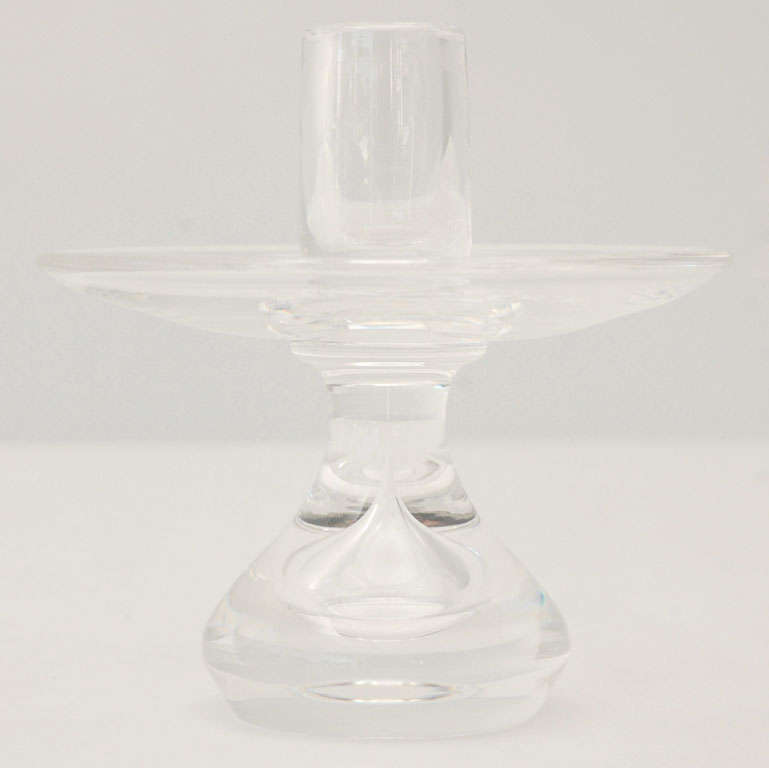
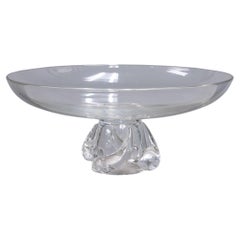
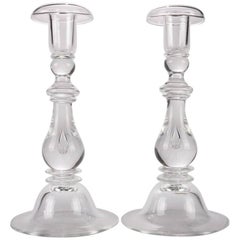
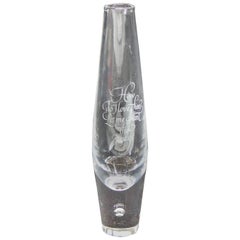
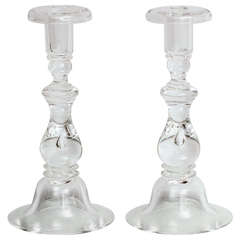
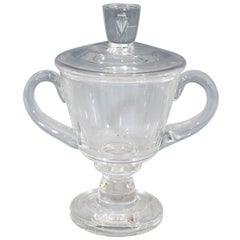
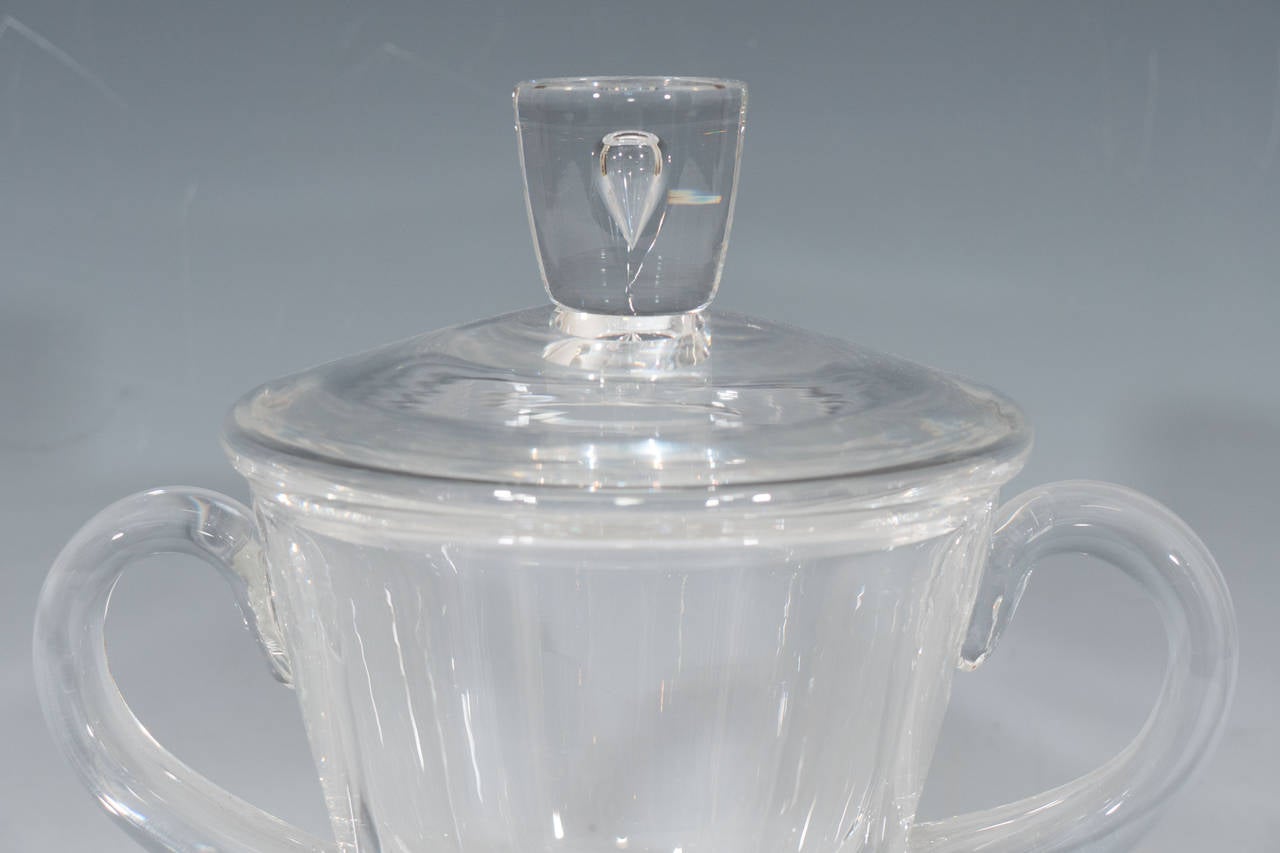
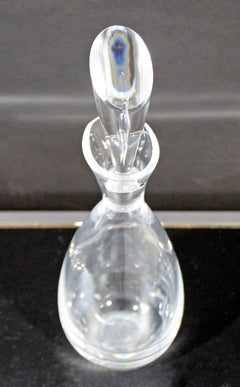
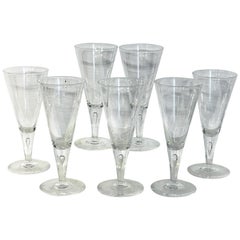
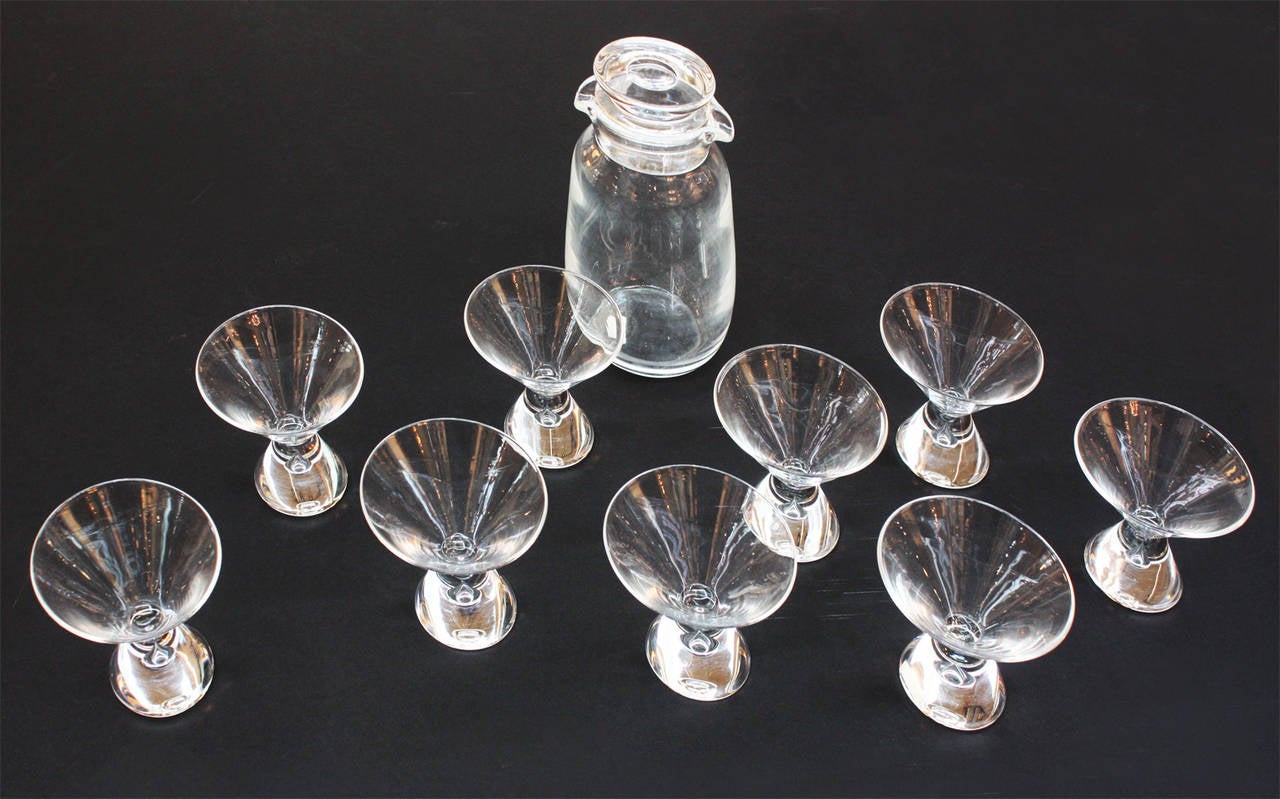
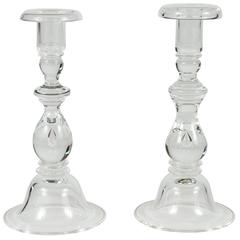
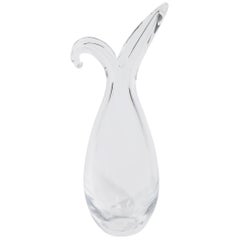
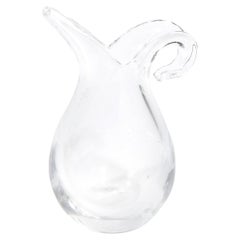
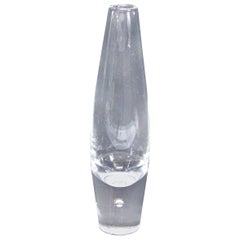
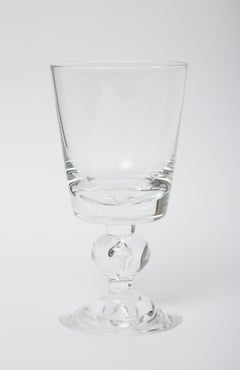
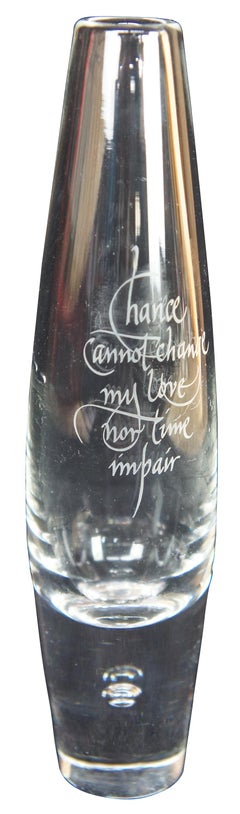
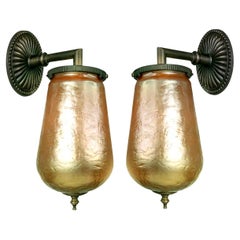
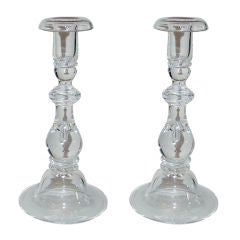
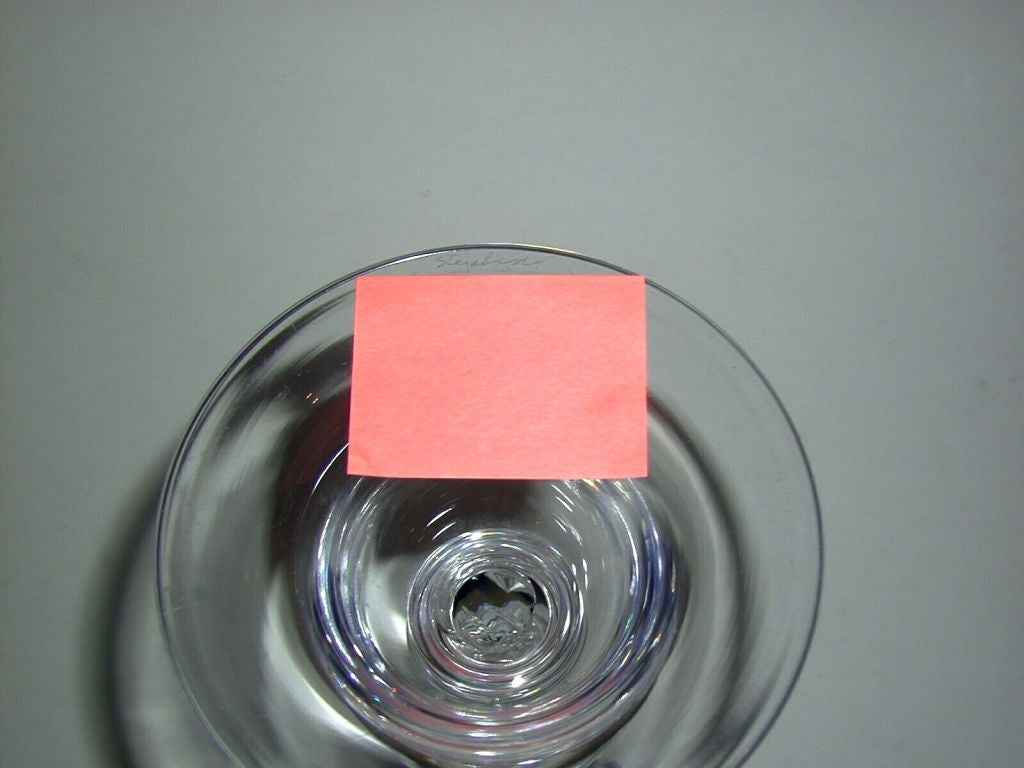
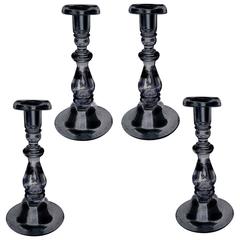
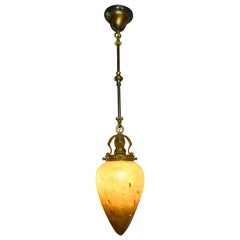
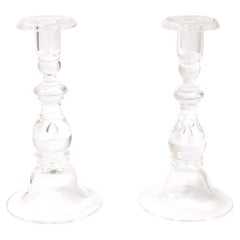
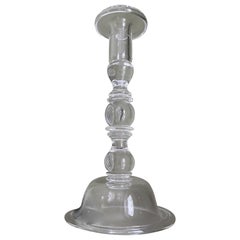
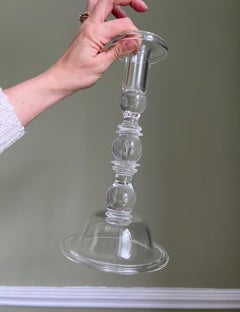
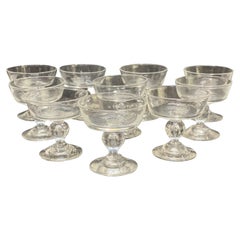
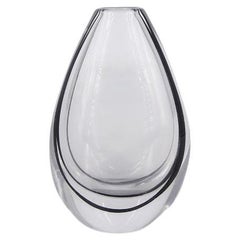
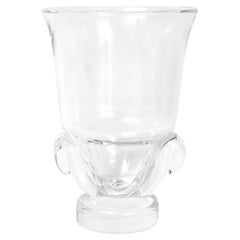
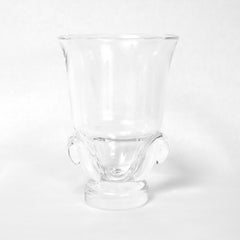
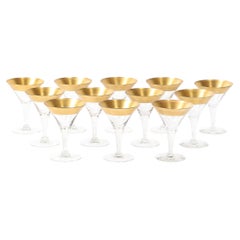
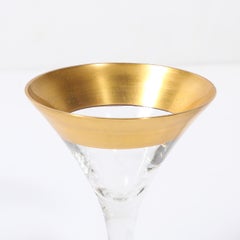
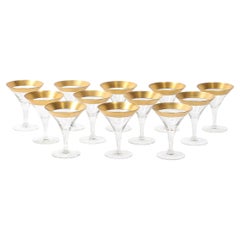
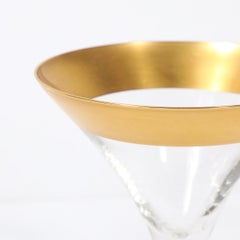
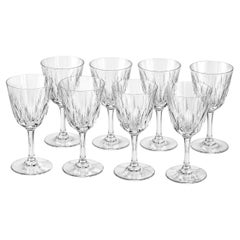
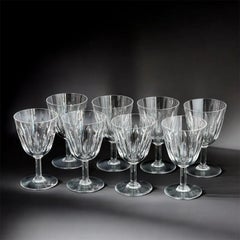
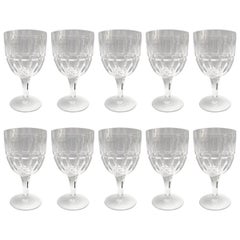
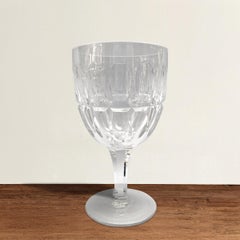
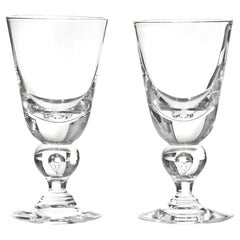
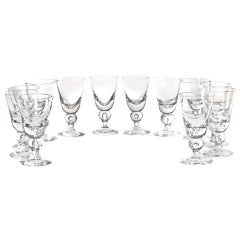
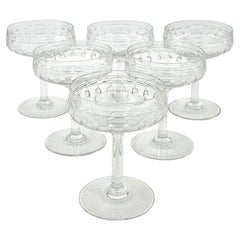
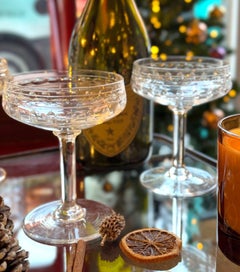
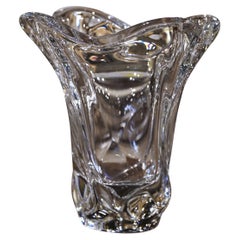
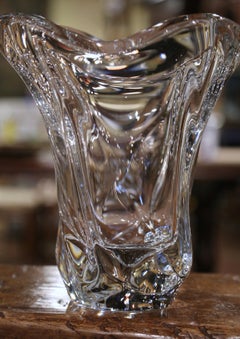
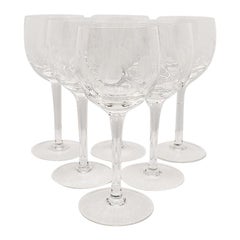
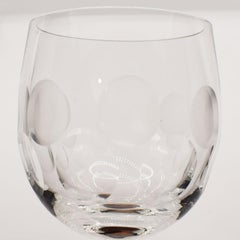
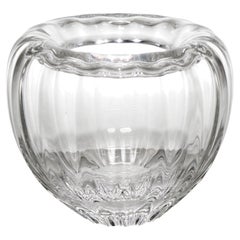
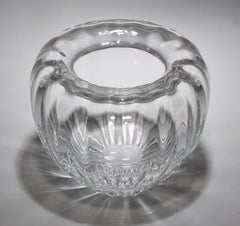
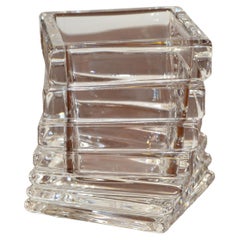
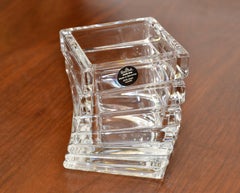
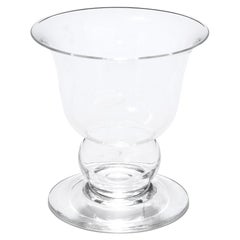
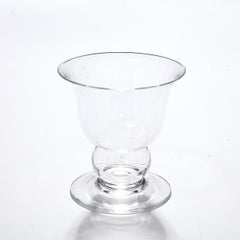
Choose from an assortment of styles, material and more with respect to the steuben teardrop you’re looking for at 1stDibs. A steuben teardrop — often made from
glass,
crystal and
stone — can elevate any home. Whether you’re looking for an older or newer steuben teardrop, there are earlier versions available from the 20th Century and newer variations made as recently as the 20th Century. Each steuben teardrop bearing
Mid-Century Modern or
Modern hallmarks is very popular. You’ll likely find more than one steuben teardrop that is appealing in its simplicity, but
Steuben Glass and
F.B. Sellew produced versions that are worth a look.
A steuben teardrop can differ in price owing to various characteristics — the average selling price 1stDibs is $800, while the lowest priced sells for $245 and the highest can go for as much as $5,300.
Steuben Glass Works is the most illustrious name in American art glass. Its vividly colored Art Nouveau and Asian-style wares produced in the early 20th century as well as later modernist works rendered in flawlessly clear crystal are objects of striking beauty and delicacy.
The Steuben Glass Works was cofounded in 1903 in the town of Corning, New York, by Frederick Carder, an alum of celebrated British glassmaker Stevens & Williams and a self-taught English chemist and glassmaker. Carder was a restless experimenter, constantly creating new color formulas that resulted in a wide array of hues, from milky jades to his iridescent Aurene shades. A favorite Carder technique was to acid-etch decorative patterns into pieces made of glass layered in different colors. The forms of his vessels were relatively conservative. Most are based on classic Chinese pottery; many display the flowing, naturalistic lines of the Art Nouveau period.
The larger local firm Corning Glass acquired Steuben in 1918. The company’s approach to art glass changed radically in the early 1930s, when Corning chemists devised a new type of crystal known as 10M, with perfect clarity and brilliant refractive powers. Corning decided that, henceforth, all Steuben decorative objects, vases, sculptures and other wares would be made from the crystal.
Art glass was made in two formats: molded and polished abstract sculptures and figurines, or pieces for which artists used Steuben crystal as a sort of canvas. The first such artwork was sculptor Stanley Waugh’s 1935 Gazelle Bowl, a vessel etched with brawny Art Deco animal forms. In later years, Steuben would invite artists that included Henri Matisse, Georgia O’Keeffe and Isamu Noguchi to “paint” in the firm’s crystal.
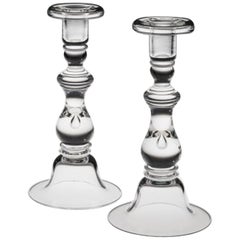
Steuben glass comes in myriad forms and is available in a broad range of price points. Jewel-toned glasses and tableware from the Carder era include candlesticks marked at $300 and full dinner services for more than $10,000. Small crystal figurines bring around $1,000, while larger sculptures are priced in the neighborhood of $7,000.
Steuben glass, with its impeccable artistry and timeless grace, deserves a place in any collection.
Find antique Steuben glass and other furniture on 1stDibs.