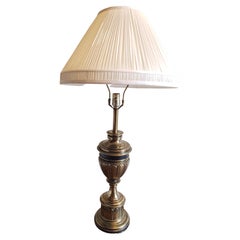
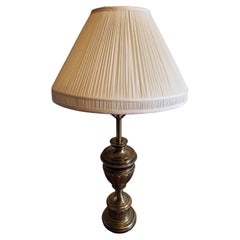
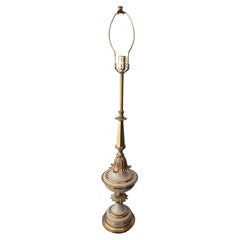
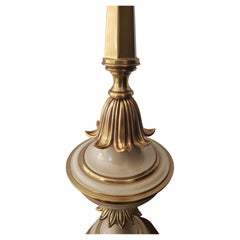
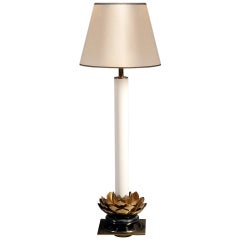
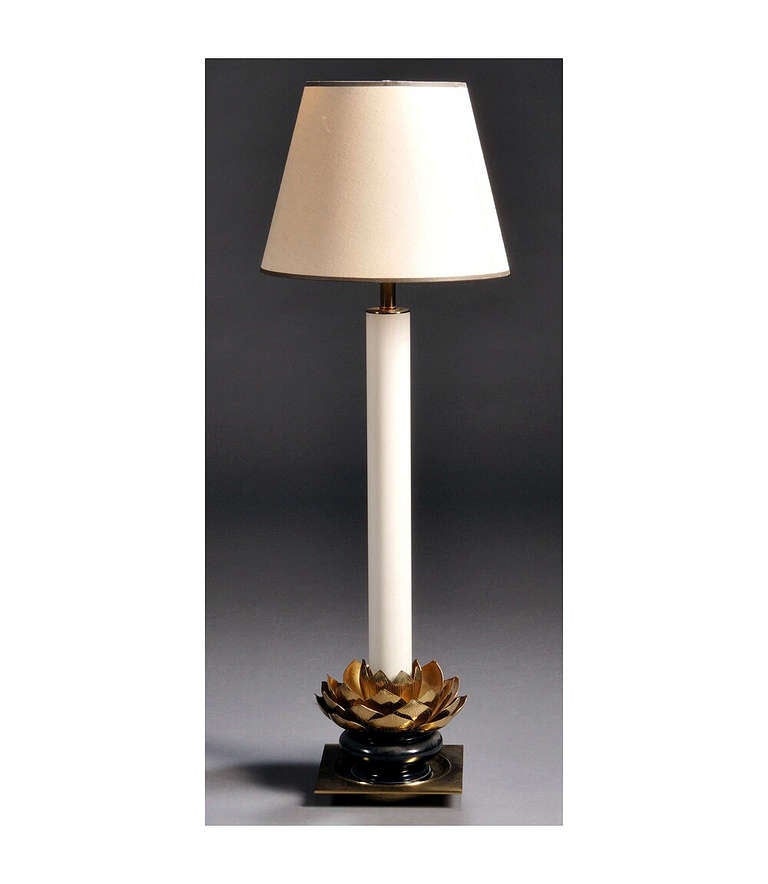
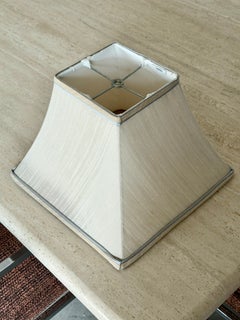
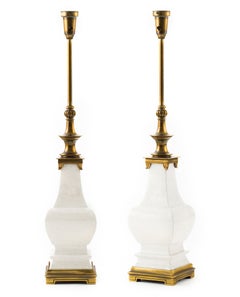
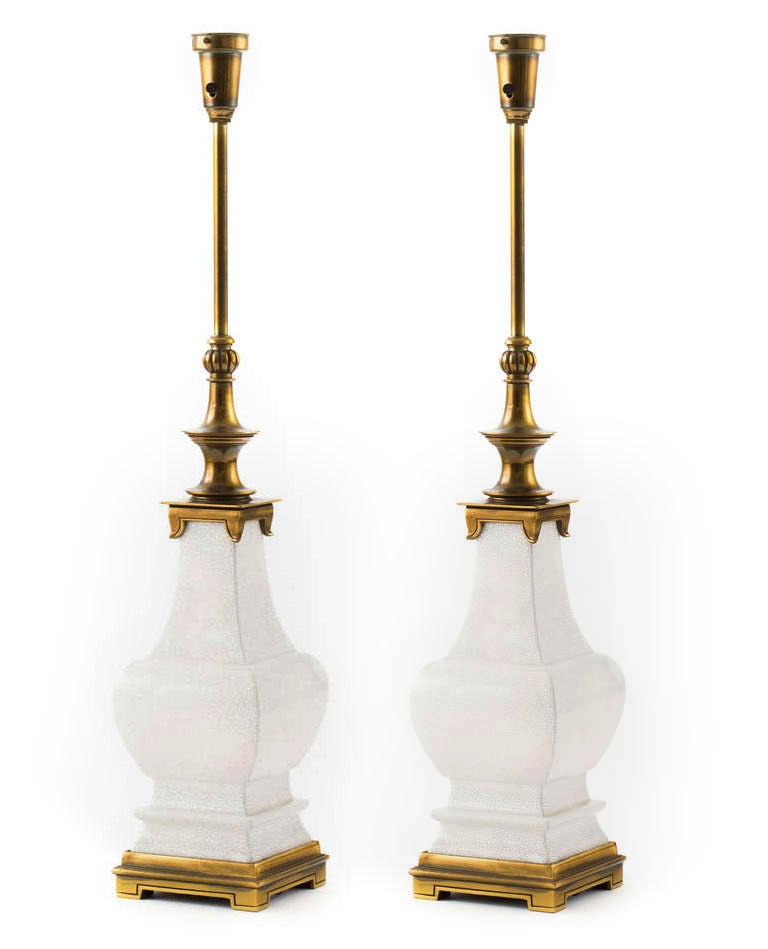
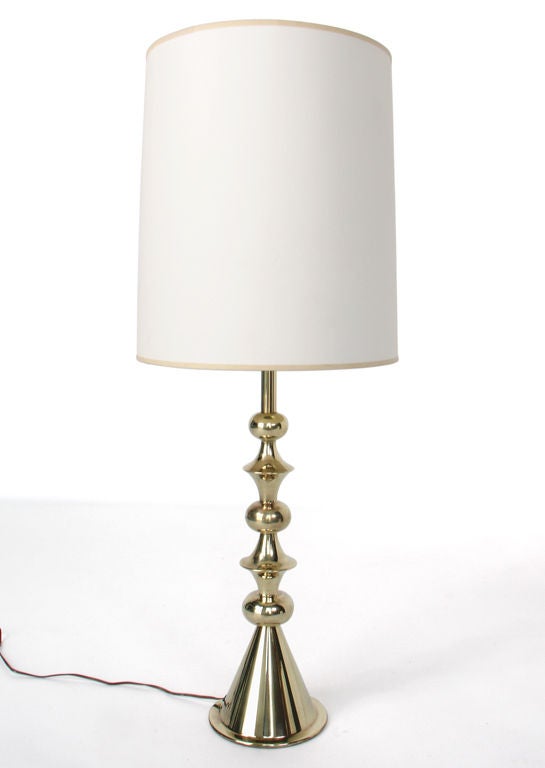
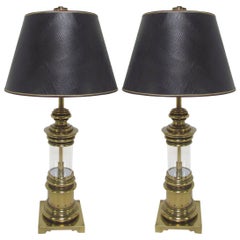
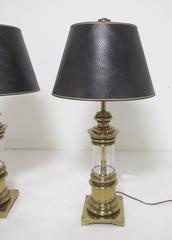
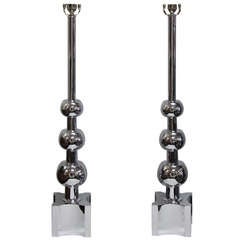
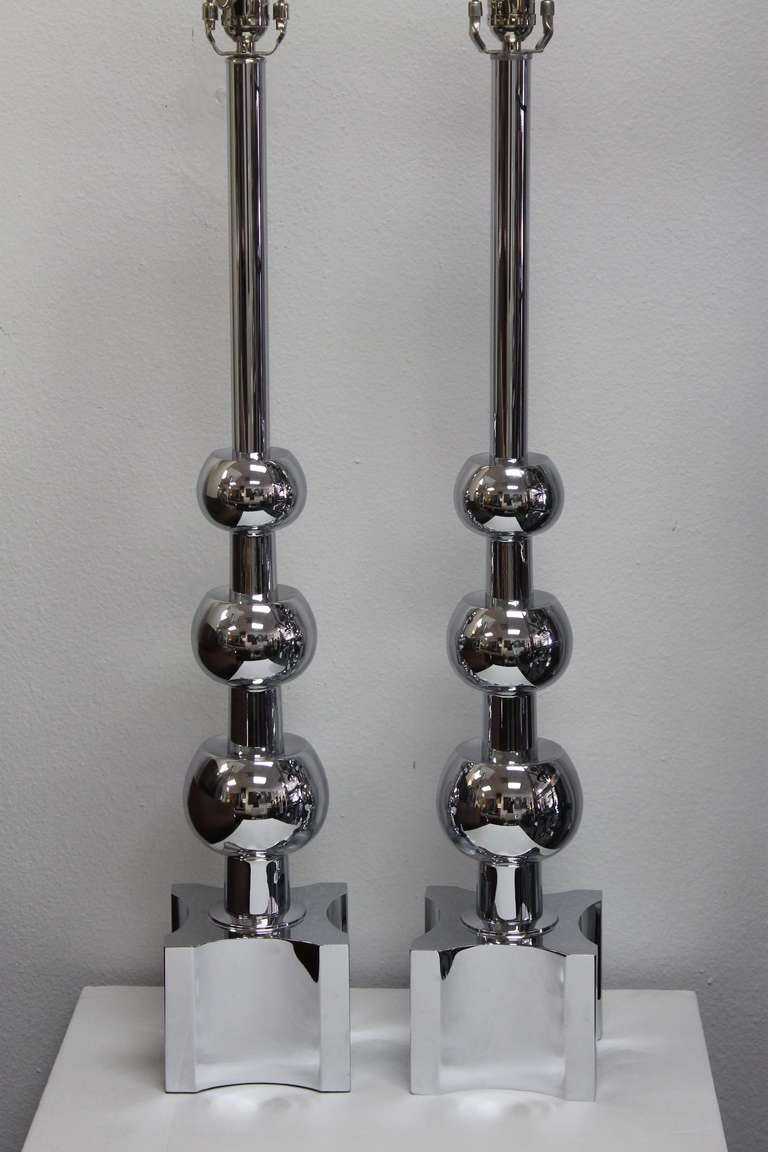
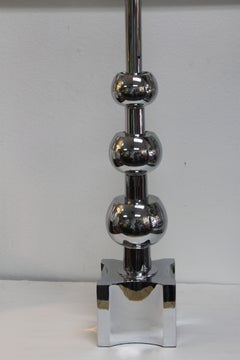
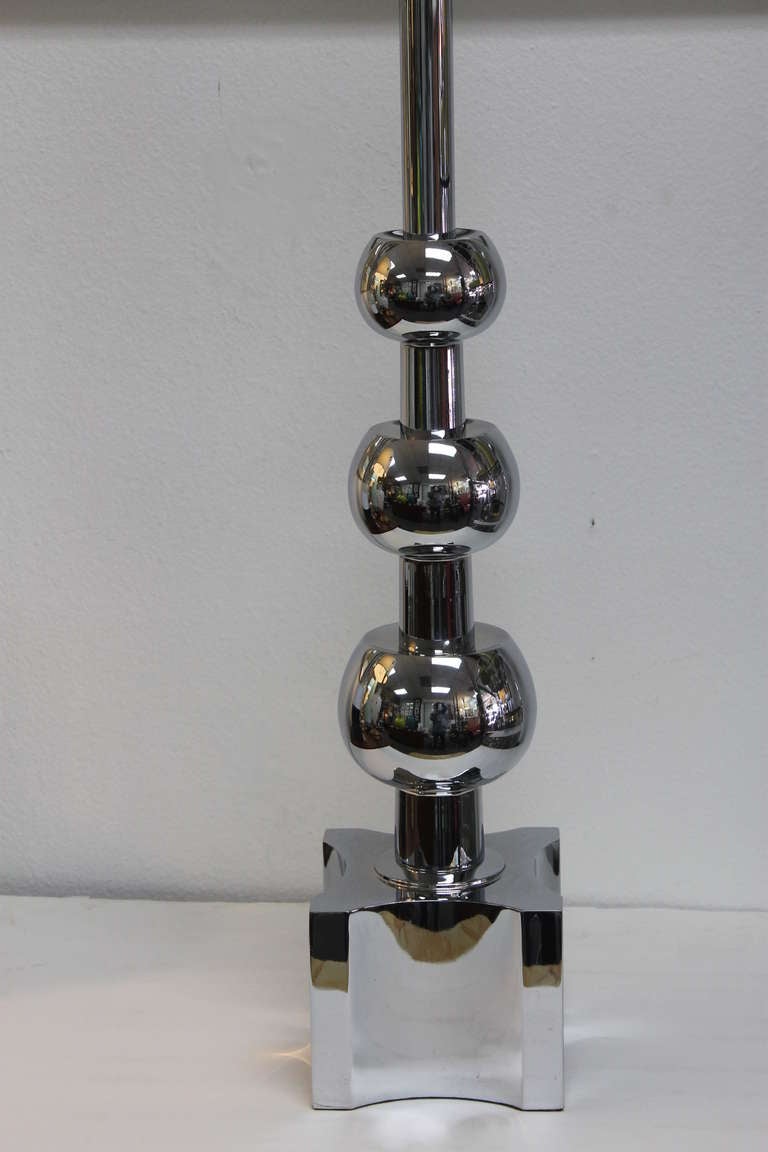
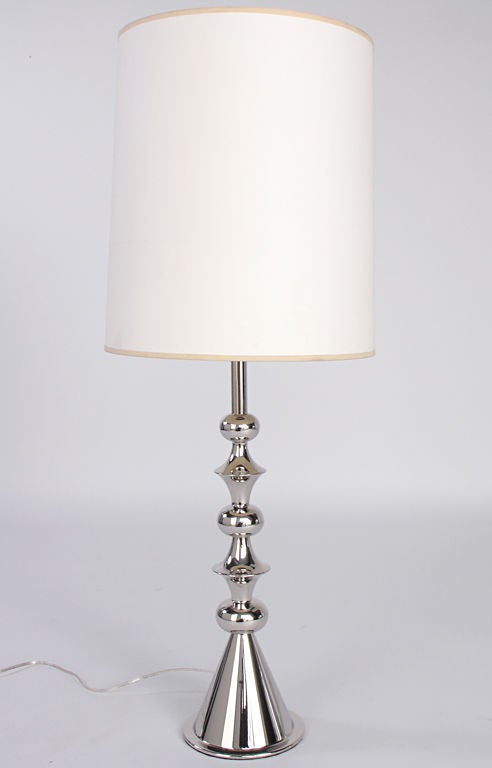
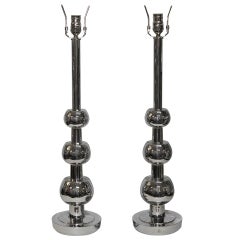
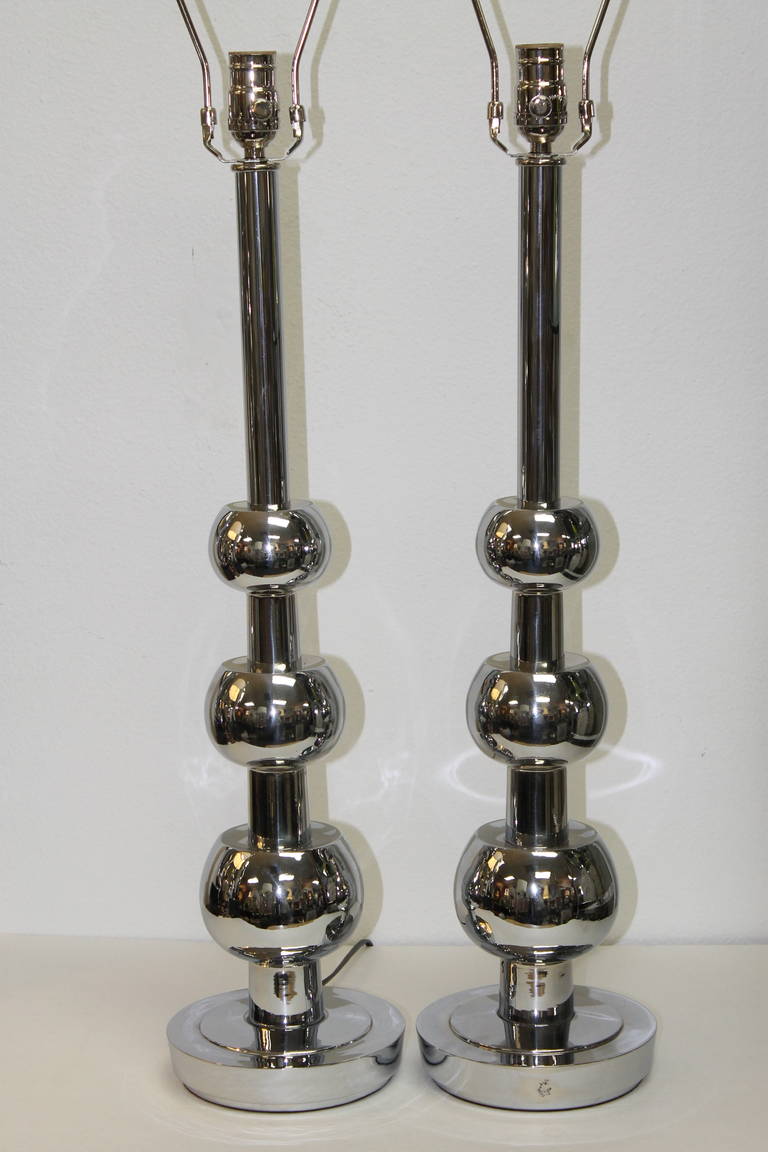
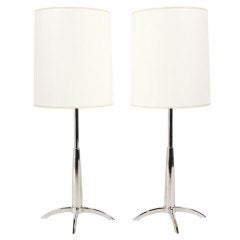
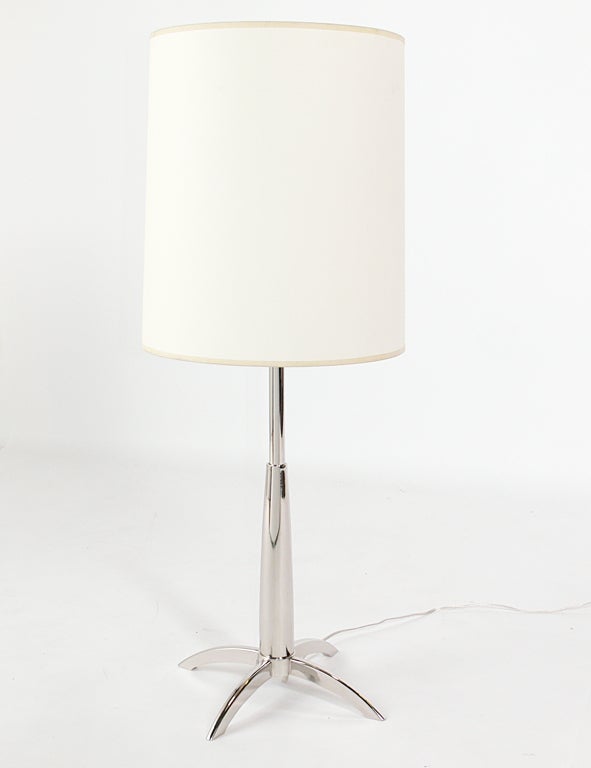
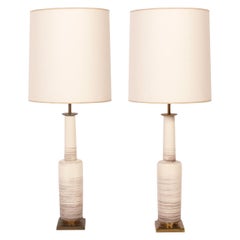
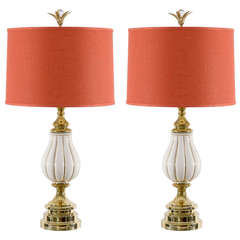
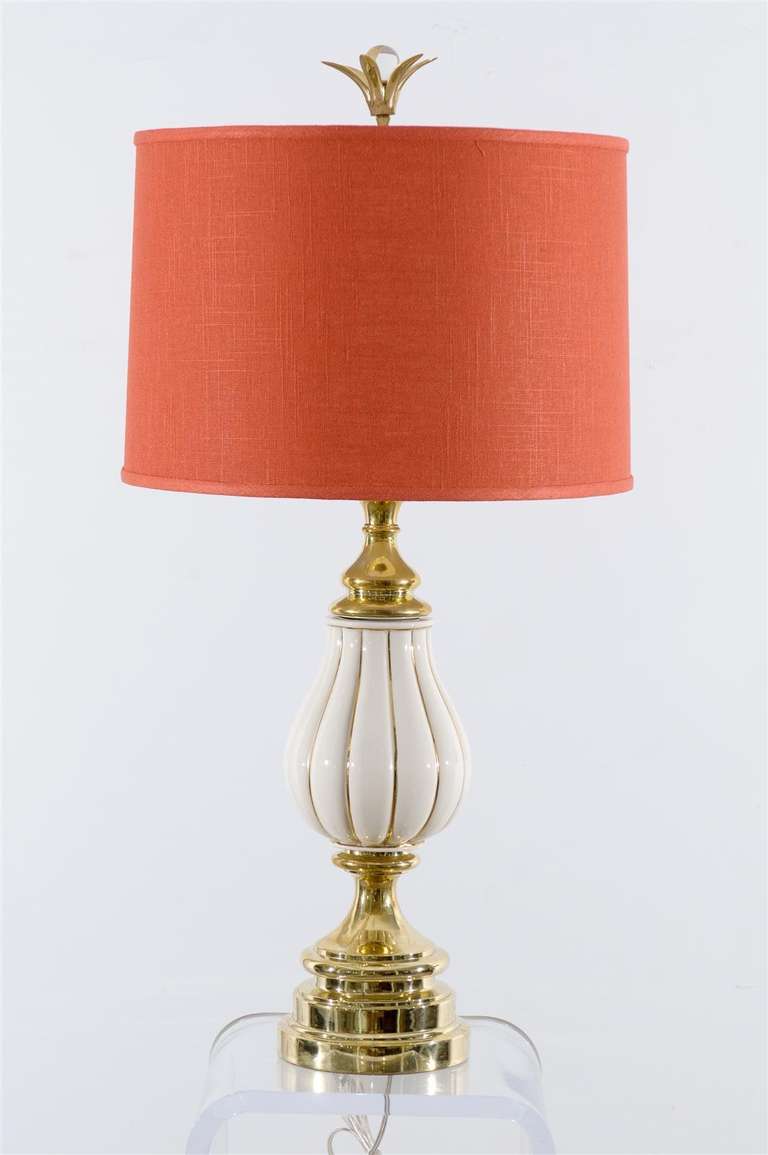
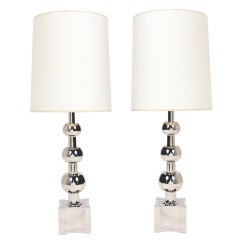
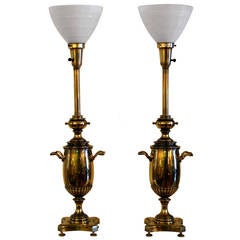
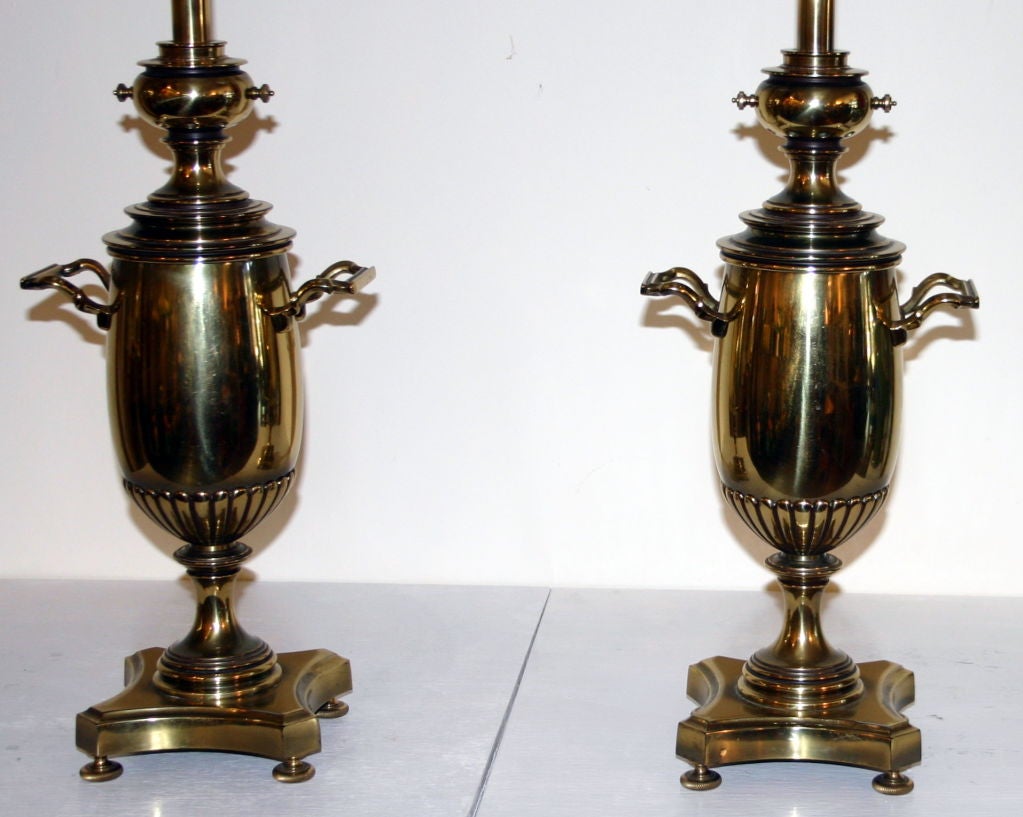
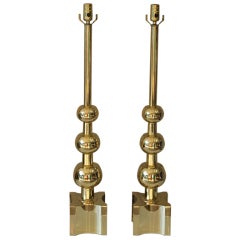
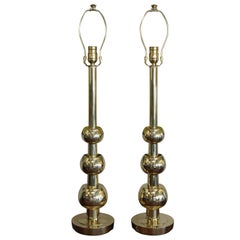
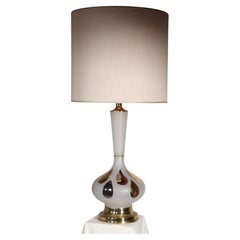
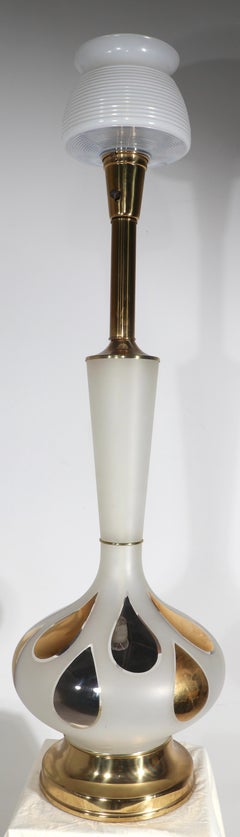
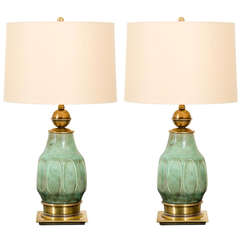
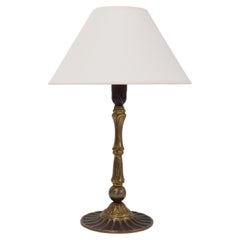
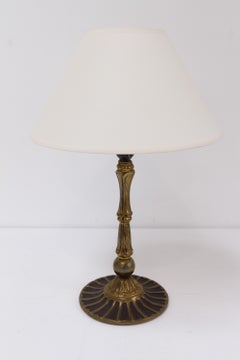
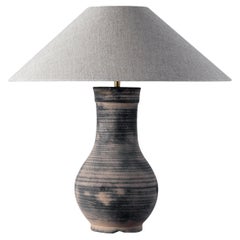
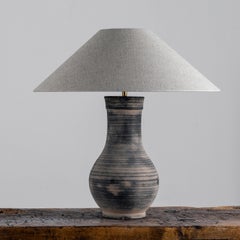
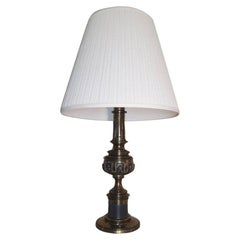
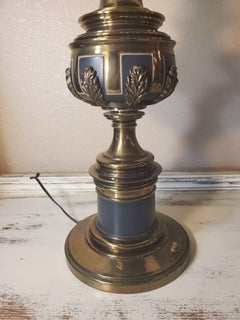
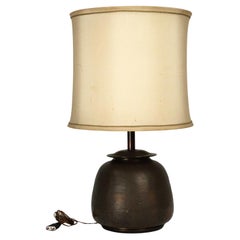
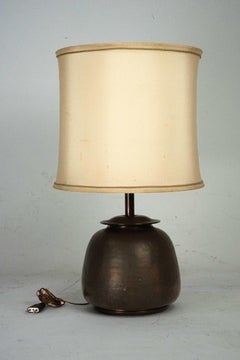
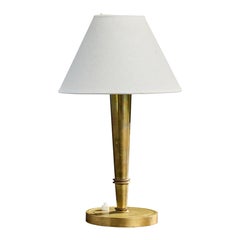
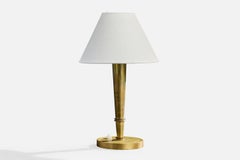
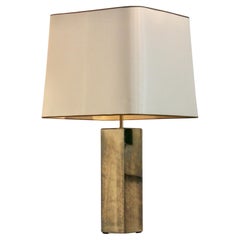
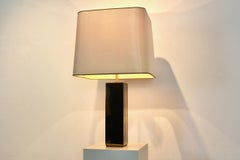
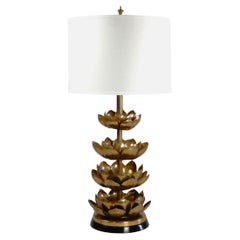
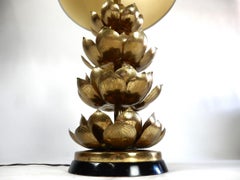
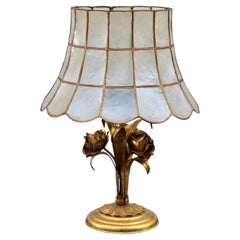
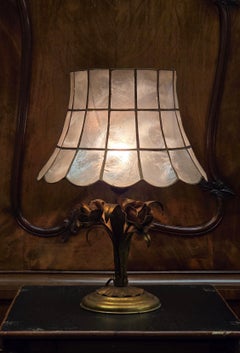
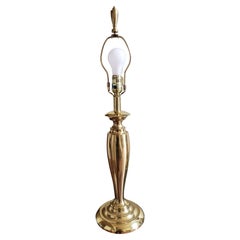
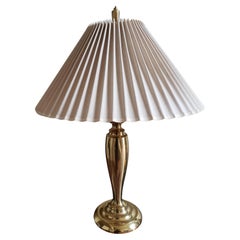
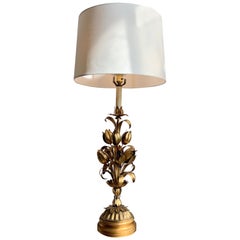
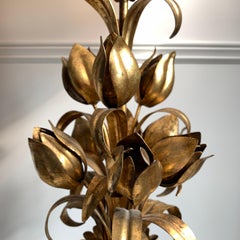
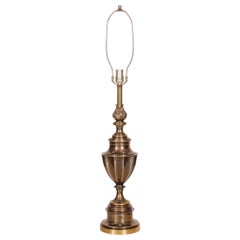
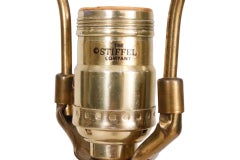
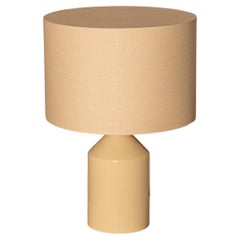
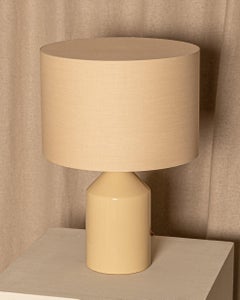
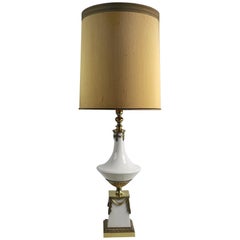
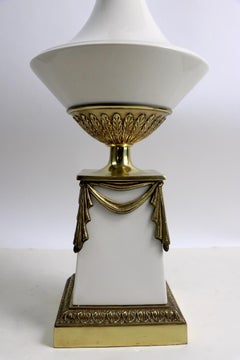
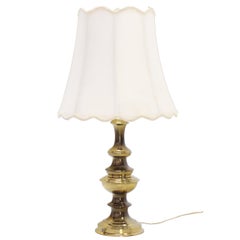
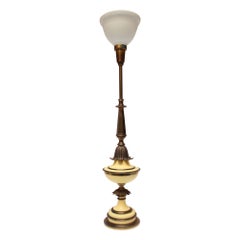
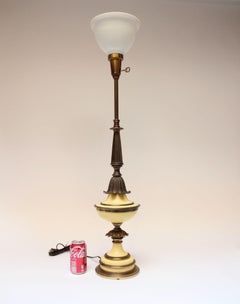
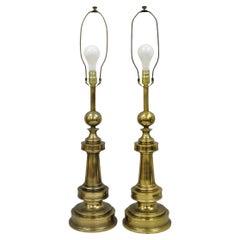
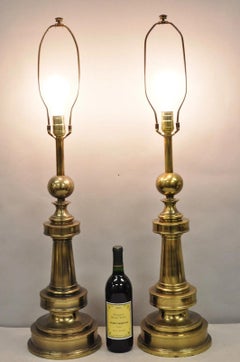
At 1stDibs, there are several options of stiffel lamps circa 1960s available for sale. Frequently made of
metal,
brass and
ceramic, all stiffel lamps circa 1960s available were constructed with great care. Stiffel lamps circa 1960s have been made for many years, and versions that date back to the 20th Century alongside those produced as recently as the 20th Century. Stiffel lamps circa 1960s are generally popular furniture pieces, but
mid-century modern,
Hollywood Regency and
Art Deco styles are often sought at 1stDibs. Many stiffel lamps circa 1960s are appealing in their simplicity, but
Stiffel produced popular stiffel lamps circa 1960s that are worth a look.
Stiffel lamps circa 1960s can differ in price owing to various characteristics — the average selling price at 1stDibs is $1,900, while the lowest priced sells for $300 and the highest can go for as much as $3,850.
When Ted Stiffel (1899–1971) founded Stiffel in 1932 in Chicago, he wanted to make functional, thoughtfully designed table lamps, floor lamps and other fixtures that were available at an accessible price. Born in Memphis, Stiffel first pursued a career in music before serving in World War I. After his discharge, he worked with the Western Electric Company in Chicago and then the Nellie J. Kaplan Company, a lighting firm also in the Windy City.
After he started his own lamp business, Stiffel began supplying area department stores and by the 1940s had opened a large factory that was producing lamps for nationwide sale, eventually competing with the likes of the Frederick Cooper Lamp Company, also based in Chicago.
In 1948, designer Edwin J. Cole joined the company and created some of the firm’s most striking table lamps. Today, Cole’s vintage mid-century modern lighting fixtures for Stiffel, frequently with distinctively tall and shapely ceramic bodies and finished with decorative brass chinoiserie details, are highly prized by collectors.
One of Stiffel’s innovations was his patented switch, which simplified turning lights on and off: All someone had to do was grasp a lamp’s pole and gently pull down. He also designed a pole lamp with a vertical tube that held a series of fixtures on the outside. The upright pole lamp was so innovative that Sears, Roebuck and Company copied it. Stiffel sued, and the case ended up in the Supreme Court in 1964. The ruling against Stiffel was influential in whether states can give a patent to objects that do not have the invention required of federal patents.
After declaring bankruptcy in 2000, the brand was revived in 2013 in Linden, New Jersey, where newly produced high-quality lamps carry the Stiffel name.
Find a collection of vintage Stiffel lamps and other lighting for sale on 1stDibs.
Antique table lamps became a category of their own once electricity moved light off the wall and onto furniture. The form split quickly: task-driven designs like the Anglepoise on one side, decorative ceramic and glass on the other.
Styles to Know
Base material shapes the light as much as the shade does: ceramic and glass diffuse a softer glow, while brass and metal read more directional. Layer the look with a mid-century modern floor lamp for ambient light, or set a pair on a mid-century modern nightstand for a bedroom.
How to Choose the Right Vintage Table Lamp
Buying individually rather than as a pair allows more flexibility when mixing eras across a room. For those shopping by name rather than by shape, the history of the Anglepoise lamp is worth a read. Each piece comes from a vetted 1stDibs seller, with era, designer and condition detailed, and the 1stDibs Promise stands behind every purchase.