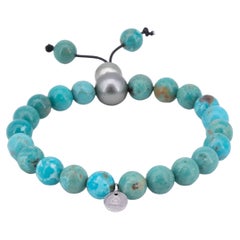
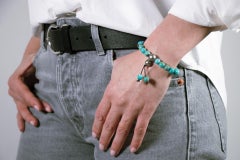
Bracelet with natural turquoise and Tahiti pearls
By 15DEGREESLONDON
Located in Boostedt, SH
This bracelet is made of 6mm untreated turquoise beads and 2 grey Tahiti pearls, beaded on a high
Category
2010s Beaded Bracelets
Materials
Pearl, Turquoise
Bracelet with natural turquoise and Tahiti pearls
By 15DEGREESLONDON
Located in Boostedt, SH
This bracelet is made of 6mm untreated turquoise beads and 2 grey Tahiti pearls, beaded on a high
Pearl, Turquoise
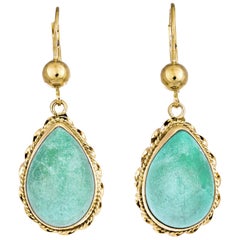
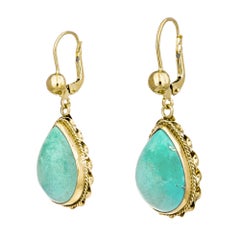
6.50 Carat Natural Pear Turquoise Yellow Gold Dangle Earrings
Located in Stamford, CT
Pear shaped Turquoise 14k yellow gold dangle earrings. Handmade circa 1940s with natural untreated
Turquoise, 14k Gold, Gold, Yellow Gold
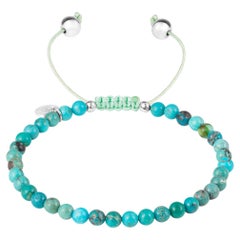

Bracelet with mini natural turquoise beads
By 15DEGREESLONDON
Located in Boostedt, SH
This bracelet is made of natural, untreated turquoise beads with a 4mm diameter. It has a
Turquoise
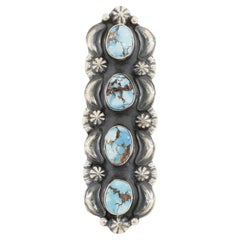
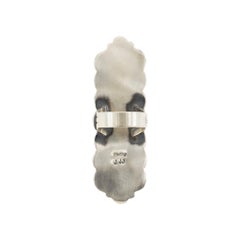
Navajo Golden Hill Turquoise Ring
By Navajo
Located in Coeur d Alene, ID
quality natural, untreated turquoise stones in elongated shadow box surrounded by hand stamped palmette
Turquoise, Sterling Silver
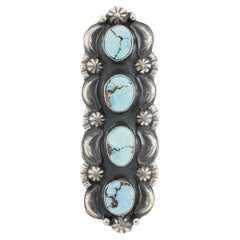
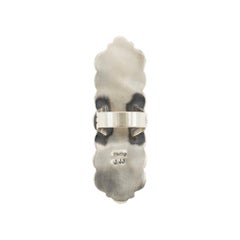
Navajo Golden Hill Turquoise Ring
By Navajo
Located in Coeur d Alene, ID
natural, untreated turquoise stones in elongated shadow box surrounded by hand stamped palmette sterling
Turquoise, Sterling Silver
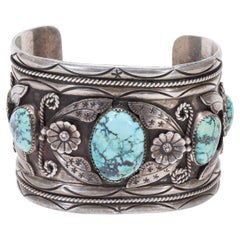
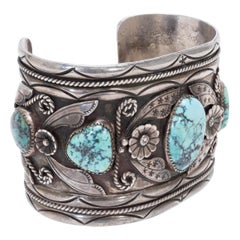
Native Turquoise Cuff Bracelet
Located in Coeur d Alene, ID
, natural, untreated turquoise nuggets atop a sterling silver hand stamped cuff decorated with floral, leaf
Turquoise, Sterling Silver
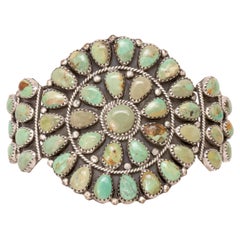
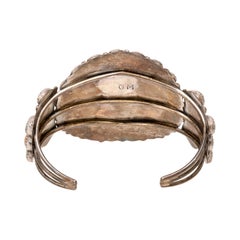
Navajo Manassa Turquoise Bracelet
By Navajo
Located in Coeur d Alene, ID
". Natural untreated turquoise stones set in classic petit point sunburst design. Turquoise is a stunning
Turquoise, Sterling Silver


Eze Jewelry 18K Gold Sleeping Beauty Turquoise Ring with Diamonds
Located in Bucharest, Romania
finest Sleeping Beauty turquoise. Finding natural, untreated turquoise of this quality has become
Diamond, Sapphire, Turquoise, 18k Gold
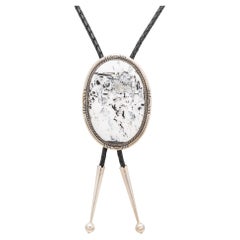
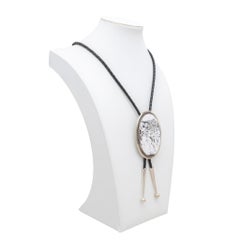
Navajo White Buffalo Turquoise Bolo
By Navajo
Located in Coeur d Alene, ID
maker's mark and "Sterling" on back. Grade A quality, natural and untreated turquoise stone in smooth
Turquoise, Sterling Silver
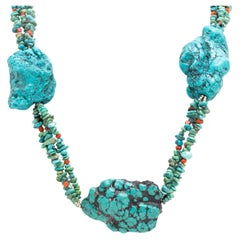
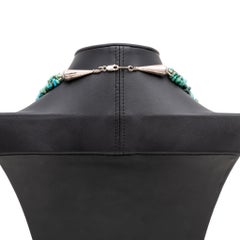
Turquoise and Coral Beaded Necklace
Located in Coeur d Alene, ID
silver accent bead work and three large natural, untreated turquoise nuggets in center. Stones vary from
Coral, Turquoise, Sterling Silver
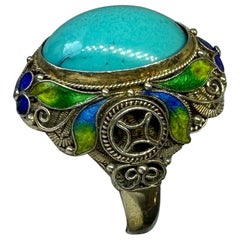
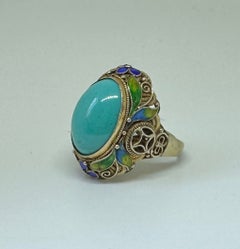
Art Deco Chinese Export Ring Natural Turquoise Enamel Silver Gilt Flower Motif
Located in New York, NY
THIS IS AN ANTIQUE ART DECO - ART NOUVEAU CHINESE EXPORT RING WITH A GORGEOUS NATURAL UNTREATED
Turquoise, Silver, Enamel, Gilt Metal
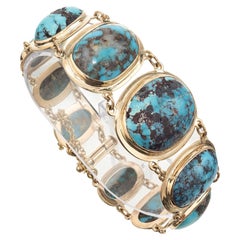
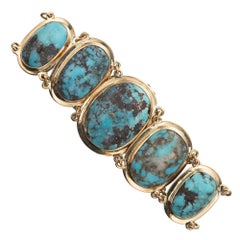
GIA Certified 125.00 Carat Turquoise Yellow Gold Stone Bracelet
Located in Stamford, CT
Vintage 1930's graduated 10 stone natural untreated turquoise solid 14k gold bracelet. Each
Turquoise, Gold, 14k Gold, Yellow Gold
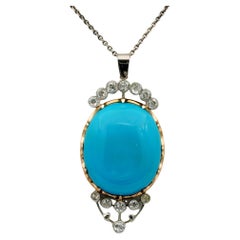
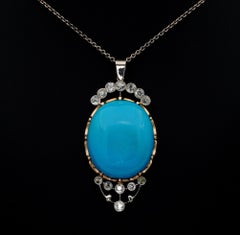
Art Deco 50.00 Ct Natural Turquoise Diamond Large Pendant
Located in Napoli, IT
/worn Gems: 1 oval cabochon cut natural untreated turquoise of approx 50.0 Ct (28 x 23 x 10 mm.) – 13
Diamond, Turquoise, 18k Gold
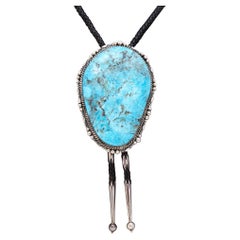
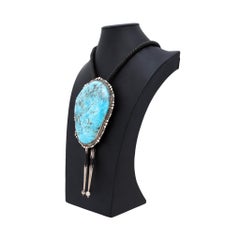
Large and Exceptional Navajo Kingman Turquoise Bolo
Located in Coeur d Alene, ID
carat stone. Premium grade A natural, untreated turquoise slab surrounded by classic Navajo twisted rope
Turquoise, Sterling Silver
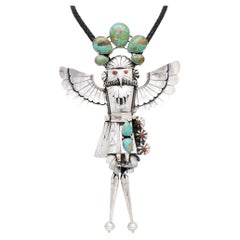
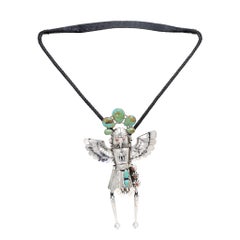
Large Navajo Kachina Bolo
By Navajo
Located in Coeur d Alene, ID
six exceptional quality, natural and untreated turquoise stones, two coral beads for eyes, three coral
Turquoise, Sterling Silver
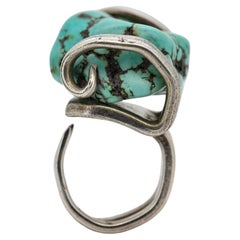
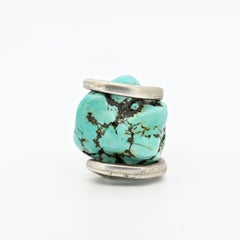
Exceptional Old-Stock Nevada Turquoise Nugget Ring with Handmade Silver Setting
Located in Northampton, MA
boulder of old-stock, untreated turquoise hand-cut in the mid-20th century as a bead, and later repurposed
Turquoise, Silver
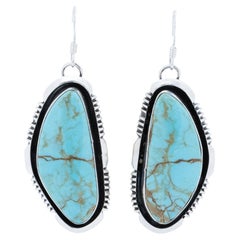
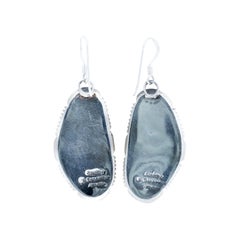
Navajo Turquoise Earrings
By Navajo
Located in Coeur d Alene, ID
Navajo sterling silver and Kingman turquoise earrings. Natural, untreated stones atop a classic
Turquoise, Sterling Silver
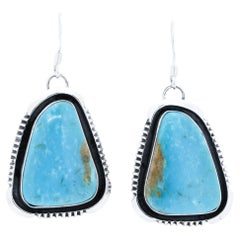
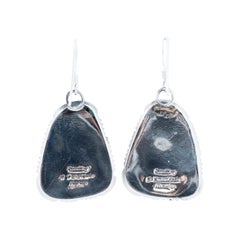
Navajo Turquoise Earrings
By Navajo
Located in Coeur d Alene, ID
Navajo sterling silver and Kingman turquoise earrings. Natural, untreated stones atop a classic
Turquoise, Sterling Silver
$1,035
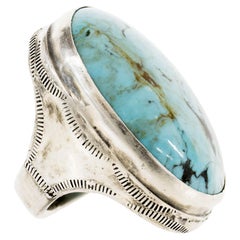
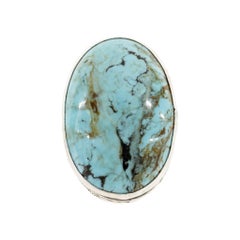
Large Turquoise Ring
Located in Coeur d Alene, ID
Very large sterling silver and Kingman turquoise ring. Natural untreated 1 3/4" x 1 1/4" stone set
Turquoise, Sterling Silver
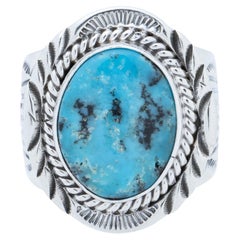
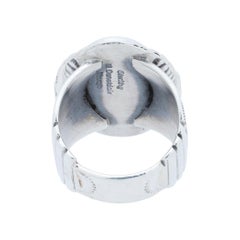
Navajo Turquoise Ring
By Navajo
Located in Coeur d Alene, ID
Navajo sterling silver and Kingman turquoise ring. Natural, untreated stone atop a classic twisted
Turquoise, Sterling Silver
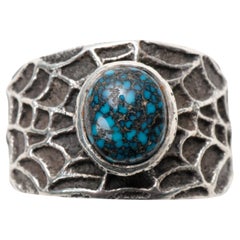
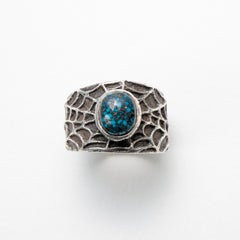
Turquoise Ring Lander Blue Rarest Turquoise on Earth, Certified Authentic
Located in Northampton, MA
sterling silver ring features a stunning cabochon of natural, untreated Lander Blue turquoise. The stone
Turquoise, Sterling Silver
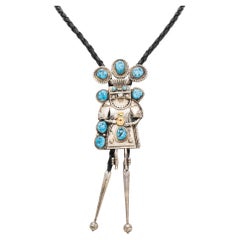
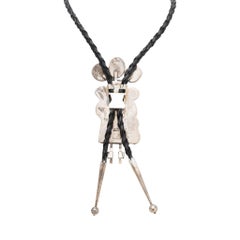
Navajo Turquoise Kachina Bolo
By Navajo
Located in Coeur d Alene, ID
untreated Kingman turquoise cabochons resting in sawtooth silver bezels. At the center, a gold figure with
Turquoise, Sterling Silver
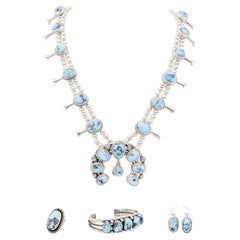
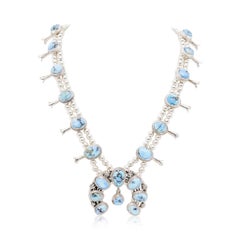
Navajo Golden Hill Turquoise Set
By Navajo
Located in Coeur d Alene, ID
. Natural Grade A, untreated Golden Hill turquoise set in classic sterling silver designs. Golden Hill’s
Turquoise, Sterling Silver
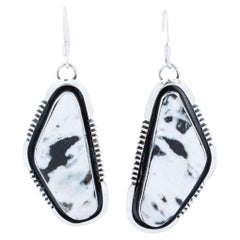
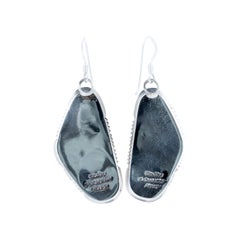
Navajo White Buffalo Turquoise Earrings
By Navajo
Located in Coeur d Alene, ID
Navajo sterling silver and White Buffalo turquoise earrings. Natural, untreated grade A quality
Turquoise, Sterling Silver
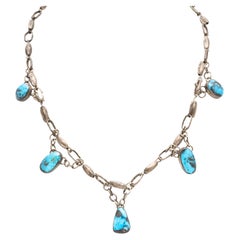
Bisbee Turquoise and Sterling Silver Necklace
Located in Coeur d Alene, ID
five natural and untreated Bisbee turquoise stones each attached to small link chain. No maker's mark
Turquoise, Sterling Silver
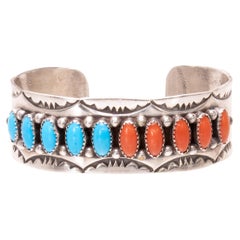
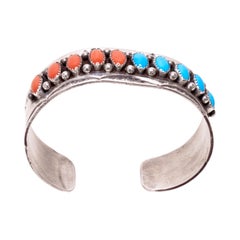
Navajo Turquoise and Coral Cuff Bracelet
By Navajo
Located in Coeur d Alene, ID
Navajo turquoise and coral sterling silver cuff bracelet. Five natural, untreated Sleeping Beauty
Coral, Turquoise, Sterling Silver
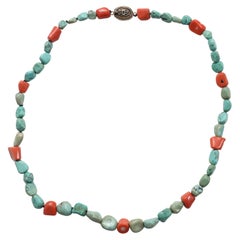
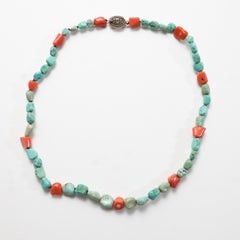
Turquoise, Coral Necklace, Chinese, Circa 1920-1930
Located in Northampton, MA
very high quality and is relatively hard, so it is often left untreated. Most turquoise is very soft
Coral, Turquoise, Silver
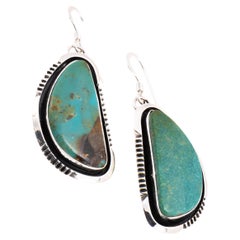
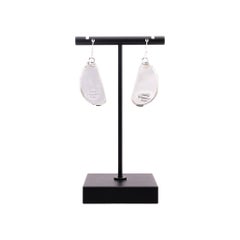
Navajo Single-Stone Dangle Turquoise Earrings
By Navajo
Located in Coeur d Alene, ID
Navajo sterling silver and Kingman turquoise earrings. Natural, untreated stone atop a small shadow
Turquoise, Sterling Silver
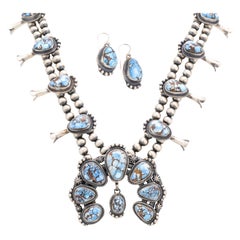
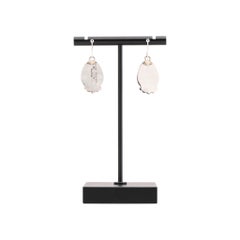
Navajo Golden Hill Turquoise Squash Blossom Set
By Navajo
Located in Coeur d Alene, ID
untreated Golden Hill turquoise by Navajo silversmith Thomas Francisco. Grade A quality stones set in
Turquoise, Sterling Silver
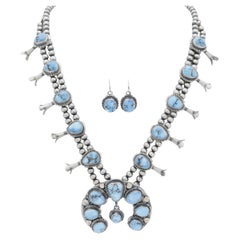
Navajo Golden Hill Turquoise Squash Blossom Set
By Navajo
Located in Coeur d Alene, ID
Navajo handmade sterling silver squash blossom and earrings set with natural untreated Golden Hill
Turquoise, Sterling Silver
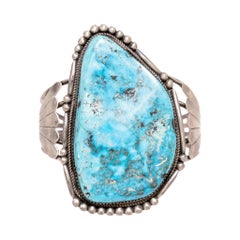
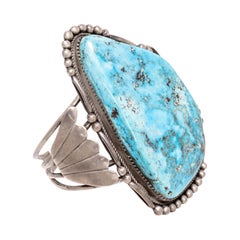
Navajo Kingman Turquoise and Sterling Bracelet
Located in Coeur d Alene, ID
, it is a 100% untreated natural turquoise stone. It was first mined by the Native Americans many years
Turquoise, Sterling Silver
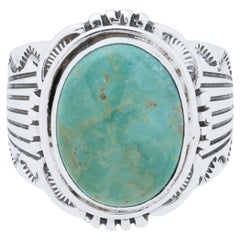
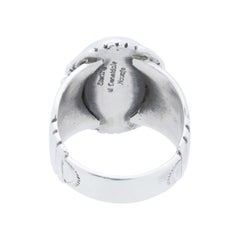
Navajo Sonoran Turquoise and Sterling Silver Ring
By Navajo
Located in Coeur d Alene, ID
Navajo sterling silver and Sonoran turquoise ring. Natural, untreated stone atop a classic twisted
Turquoise, Sterling Silver
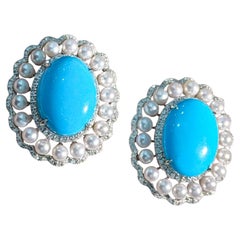
【Crown Radiance】Arizona Turquoise Diamond and Pearl Halo Earrings
Located in New York, NY
Details Gemstone: Natural Arizona Turquoise Treatment: Untreated / No enhancement Total Turquoise Weight
Diamond, Pearl, Turquoise, 18k Gold
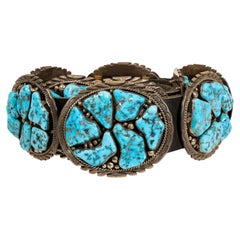
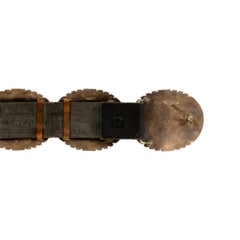
Navajo Turquoise and Sterling Silver Concho Belt
By Navajo
Located in Coeur d Alene, ID
, untreated Morenci turquoise, expertly cut to organically fit in each concho. Stones are in smooth bezel
Turquoise, Sterling Silver
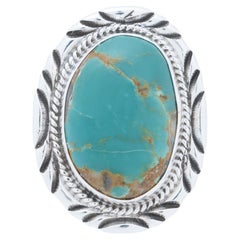
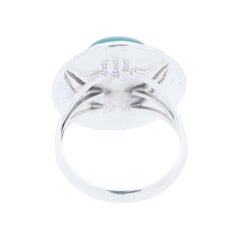
Navajo Kingman Turquoise and Sterling Silver Ring
By Navajo
Located in Coeur d Alene, ID
Navajo sterling silver and Kingman turquoise ring. Natural, untreated stone atop a classic twisted
Turquoise, Sterling Silver
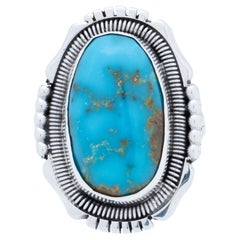
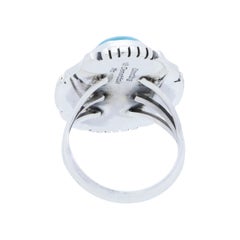
Navajo Kingman Turquoise and Sterling Silver Ring
By Navajo
Located in Coeur d Alene, ID
Navajo sterling silver and Kingman turquoise ring. Natural, untreated stone atop a classic twisted
Turquoise, Sterling Silver
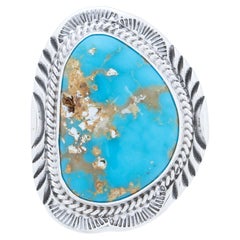
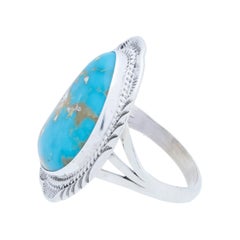
Navajo Kingman Turquoise and Sterling Silver Ring
By Navajo
Located in Coeur d Alene, ID
Navajo sterling silver and Kingman turquoise ring. Natural, untreated stone atop a classic twisted
Turquoise, Sterling Silver
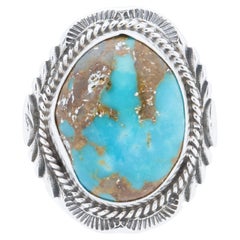
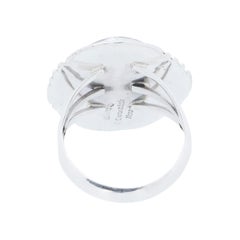
Navajo Kingman Turquoise and Sterling Silver Ring
By Navajo
Located in Coeur d Alene, ID
Navajo sterling silver and Kingman turquoise ring. Natural, untreated stone atop a classic twisted
Turquoise, Sterling Silver
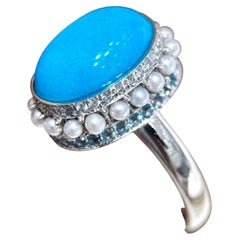

【Caelmare】Natural Turquoise Mini Pearl Diamond Halo Ring
Located in New York, NY
Like a drop of ocean sky captured in a jewel, this ring centers a 6.15ct natural turquoise
Diamond, Pearl, Turquoise, Blue Topaz, Platinum
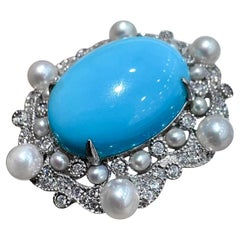

【Caelmare】Azure Bloom Turquoise and Akoya Pearl Diamond Ring
Located in New York, NY
exquisite 6.85ct untreated high-grade turquoise cabochon — a stone of striking cerulean blue and natural
Diamond, Pearl, Turquoise, Platinum
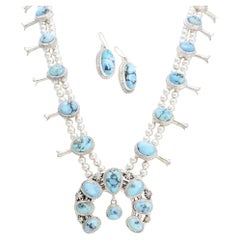
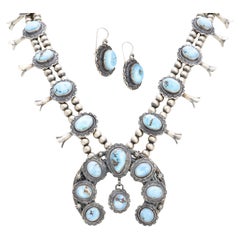
Navajo Golden Hill Turquoise Squash Blossom and Earrings
By Navajo
Located in Coeur d Alene, ID
Navajo handmade sterling silver squash blossom and earrings set with natural untreated Golden Hill
Turquoise, Sterling Silver
Navajo Golden Hill Turquoise Squash Blossom and Earrings
By Navajo
Located in Coeur d Alene, ID
Navajo handmade sterling silver squash blossom and earrings set with natural untreated Golden Hill
Turquoise, Sterling Silver
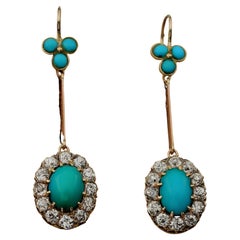
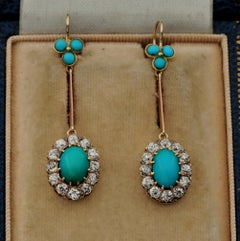
Victorian Natural Turquoise 2.40 Ct Diamond Rare Drop earrings
Located in Napoli, IT
crafted of solid 18 KT gold, tested Set with two cabochons of untreated Natural Turquoise of 8x 6 mm
Diamond, Turquoise, 18k Gold
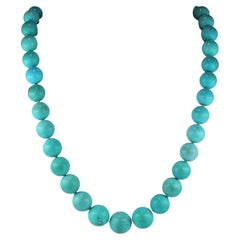
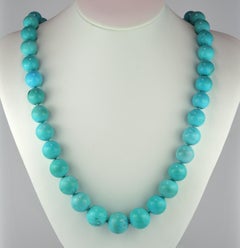
Mid Century Natural Turquoise Necklace 18 KT Diamond Clasp
Located in Napoli, IT
This outstanding mi-century Turquoise necklace is totally untreated, 1950 ca. Majority of Turquoise
Diamond, Turquoise, 18k Gold
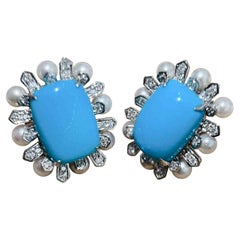

$6,950
W 0.79 in L 0.91 in
【Caelmare】8.3ct Natural Turquoise, Diamond & Baby Akoya Pearl Halo Earrings
Located in New York, NY
. Each earring centers on an untreated 8.3ct turquoise cabochon, surrounded by a halo of baby Akoya
Diamond, Pearl, Turquoise, White Gold
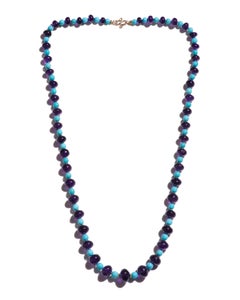
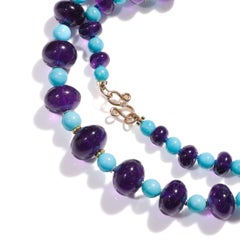
Giant Opera Length Sleeping Beauty Turquoise Amethyst Diamond Necklace
Located in GOES, NL
A regal estate giant 26 inch long handcrafted necklace with extremely rare and pure untreated
Diamond, Turquoise, Amethyst, 14k Gold
$1,595
H 3.25 in W 2.25 in L 14 in
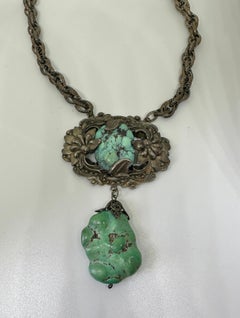
Art Deco Chinese Export Natural Turquoise Silver Necklace Chrysanthemum Flower
Located in New York, NY
UNTREATED SPIDER WEB TURQUOISE IN A DRAMATIC AND WONDERFUL CHRYSANTHEMUM FLOWER DESIGN IN SILVER. A VERY
Turquoise, Silver
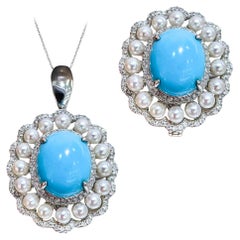

【Caelmare】Regal Halo Convertible Turquoise & Baby Akoya Pearl Ring Pendant
Located in New York, NY
as both a ring and a pendant. Featuring a captivating centerpiece of untreated natural turquoise
Diamond, Pearl, Turquoise, White Gold
$1,995
H 2.25 in W 1.5 in L 28 in
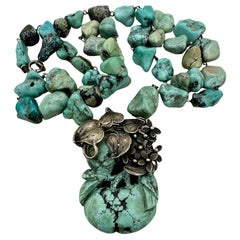
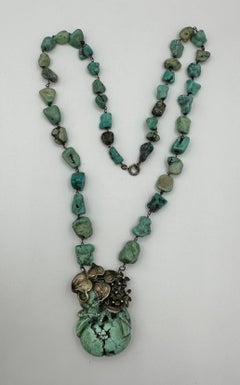
Art Deco Chinese Export Natural Turquoise Silver Necklace Flower Lily Pad
Located in New York, NY
UNTREATED SPIDER WEB TURQUOISE IN A DRAMATIC AND WONDERFUL FLOWER AND LILY PAD DESIGN IN SILVER. THE
Turquoise, Silver
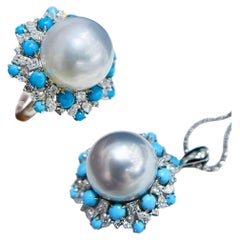

【Caelmare】Empress Convertible South Sea Pearl & Turquoise Diamond Ring-Pendant
Located in New York, NY
radiant luster and flawless surface. The pearl is complemented by a halo of untreated natural turquoise
Diamond, South Sea Pearl, Turquoise, White Gold
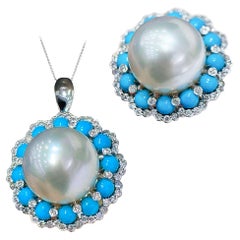

【Caelmare】Halo Bloom Convertible South Sea Pearl & Turquoise Ring-Pendand
Located in New York, NY
radiant luster and flawless surface. The pearl is complemented by a halo of untreated natural turquoise
Diamond, South Sea Pearl, Turquoise, White Gold
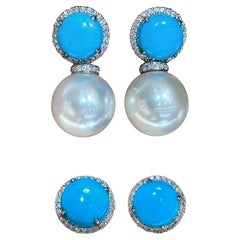

【Caelmare】Convertible 2-in-1 South Sea Pearl & Turquoise Diamond Earrings
Located in New York, NY
pearls paired with natural, untreated round turquoise studs. The vibrant turquoise stones, framed by a
Diamond, South Sea Pearl, Turquoise, White Gold
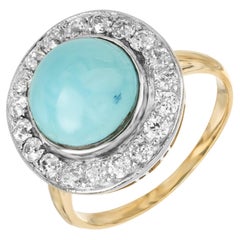
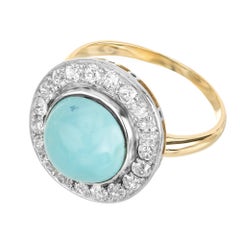
GIA Certified Round Turquoise Diamond Halo Platinum Gold Cocktail Ring
Located in Stamford, CT
Natural, untreated Persian blue GIA certified Turquoise round cabochon ring circa 1930's. Bright
Diamond, Turquoise, 14k Gold, Yellow Gold, Platinum, Gold
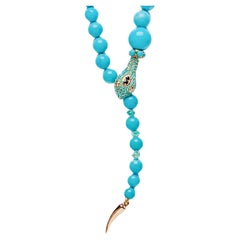
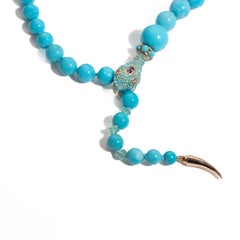
Regal Sleeping Beauty Turquoise Snake Sapphire & Diamonds Yellow Gold Necklace
Located in GOES, NL
A regal giant 21 inch long handcrafted necklace with extremely rare and pure untreated Sleeping
Diamond, Turquoise, Emerald, Blue Sapphire, Sapphire, 14k Gold, Yellow Gold
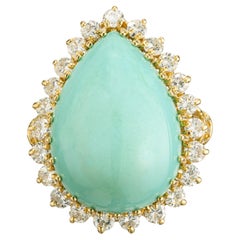
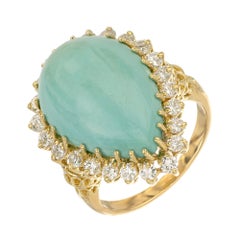
GIA Certified Natural Pear Turquoise Diamond Halo Gold Cocktail Ring
Located in Stamford, CT
Elevate your elegance with this 1960's stunning GIA certified natural untreated cabochon Turquoise
Diamond, Turquoise, Gold, 18k Gold, Yellow Gold
Unavailable
H 18 in W 1 in D 0.5 in Dm 0.5 in L 18 in
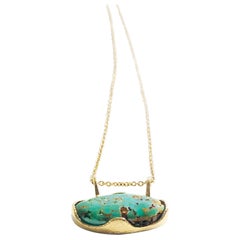
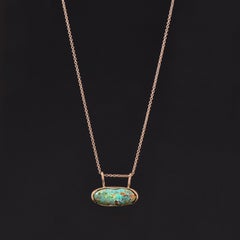
Susan Crow Studio Yellow Gold and Untreated Turquoise Wave Pendant
By Susan Crow Studio
Located in US
This Turquoise and 18kt yellow gold pendant is like a piece of blue sky wrapped up in a yellow gold
Turquoise, 18k Gold, Yellow Gold
Unavailable
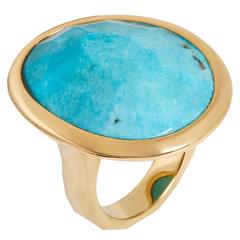
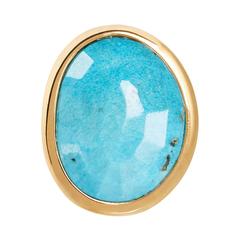
Hand Faceted Turquoise Gold Cocktail Ring
By Tayma Fine Jewellery
Located in Hong Kong, HK
available. Gemstone information: 1 untreated turquoise: 23.44ct Ring size: US 6.5 Stamp: TAYMA 750
Turquoise, 18k Gold, Yellow Gold
Unavailable
L 23.63 in
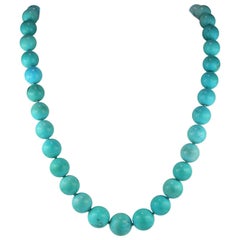
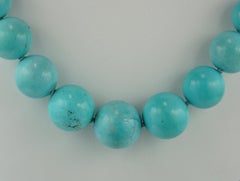
Spectacular 100% Natural Untreated Persian Turquoise Necklace Diamond Clasp 1950
Located in Napoli, IT
Persian Turquoise Gemstone from Heaven! Magnificent totally untreated 100% NATURAL as mined from
Diamond, Turquoise, 18k Gold
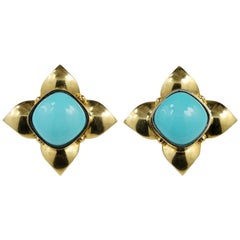
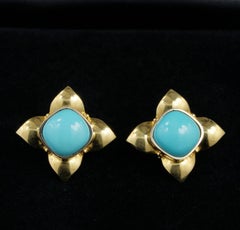
Outstanding Natural Persian Turquoise Solitaire Earrings
Located in Napoli, IT
Cabochon are 100% natural untreated Turquoise Persian origin, deep cut, beautifully polished, stunning
Turquoise, 18k Gold
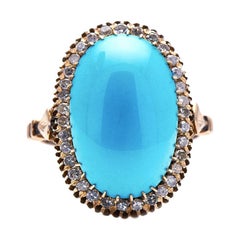
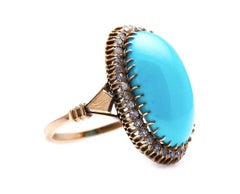
Antique, Edwardian, 18ct Gold, Natural Turquoise and Diamond Ring
Located in Rochford, Essex
Extraordinary Untreated Turquoise and Diamond Ring. Turquoise is a bright blue to greenish stone
Diamond, Turquoise, Gold
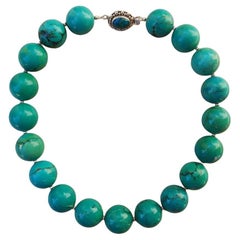
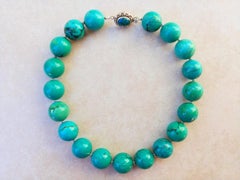
Tibetan Turquoise Necklace
Located in Chesterland, OH
hold this gem in such high regard that the turquoise is untreated. But our turquoise has been
Turquoise, Sterling Silver
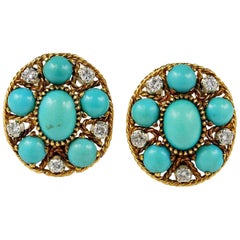
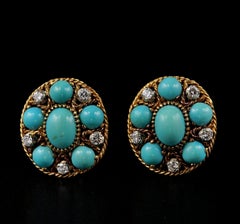
Natural Turquoise Diamond Estate Earrings
Located in Napoli, IT
untreated, antique, all natural Turquoise selection, make these earrings so special and unique Large oval
Diamond, Turquoise, 18k Gold
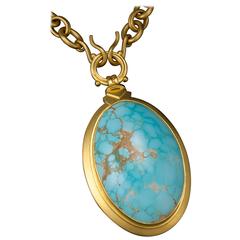

Large Turquoise Gold Drop with Handmade Chain
By Holly Hamilton
Located in Portland, ME
chain. Natural (untreated, not dyed) Turquoise of this size and quality is extremely rare. * Each
Turquoise, 22k Gold
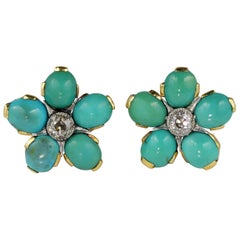
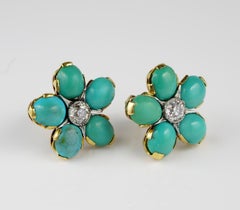
Genuine Persian Turquoise .80 Carat Diamond Rare Floret Stud Earrings
Located in Napoli, IT
solid 18 KT gold centre portion of PLATINUM Boasting multi petals of Natural Untreated Persian Turquoise
Diamond, Turquoise, 18k Gold, Platinum
Unavailable
H 1.74 in W 0.4 in
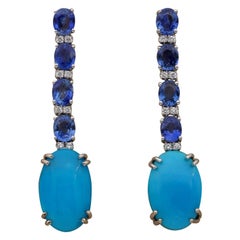
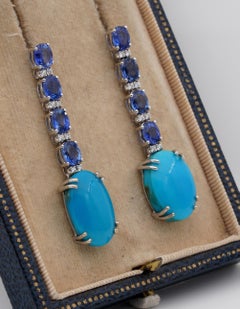
Persian Turquoise 4.0 Carat Natural Ceylon Sapphire Diamond Drop Earrings
Located in Napoli, IT
Robin Egg intense Blue Natural untreated Persian Turquoise set as main drop Approx 4.0 Ct of Natural
Diamond, Sapphire, Turquoise, 18k Gold
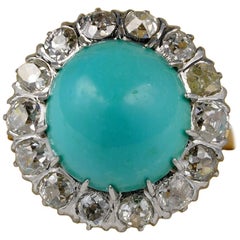
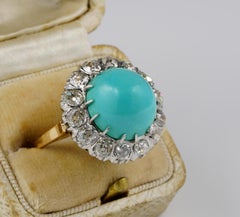
Rare Turquoise 2.80 Carat Old Diamond Platinum Gold Ring
Located in Napoli, IT
Untreated Persian origin Turquoise – gorgeous light medium Robins egg colour totally flawless and highly
Diamond, Turquoise, 18k Gold, Platinum, Gold
Sold
H 29 in W 0.75 in D 0.75 in
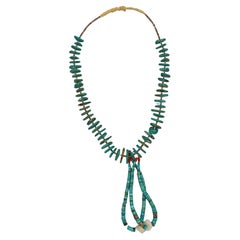
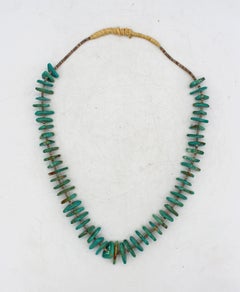
Vintage 55 Stone Untreated Turquoise Nugget Necklace from the Kingman Mine
Located in Chapel Hill, NC
Vintage 55 stone untreated turquoise nugget necklace from the Kingman mine. Acquired on June 7
Mother-of-Pearl
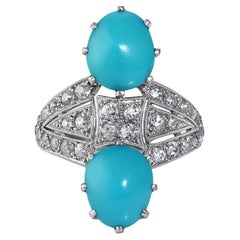
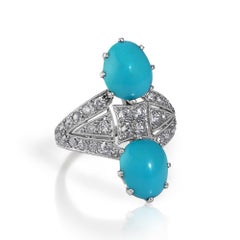
Art Deco GIA 6.64ctw Natural Untreated Turquoise Diamond Antique Vintage Plat
Located in New York, NY
turquoise is one of the rarest gemstones in the world. But totally natural and untreated turquoise is even
Diamond, Turquoise, Platinum
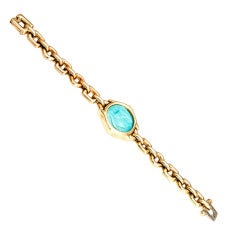
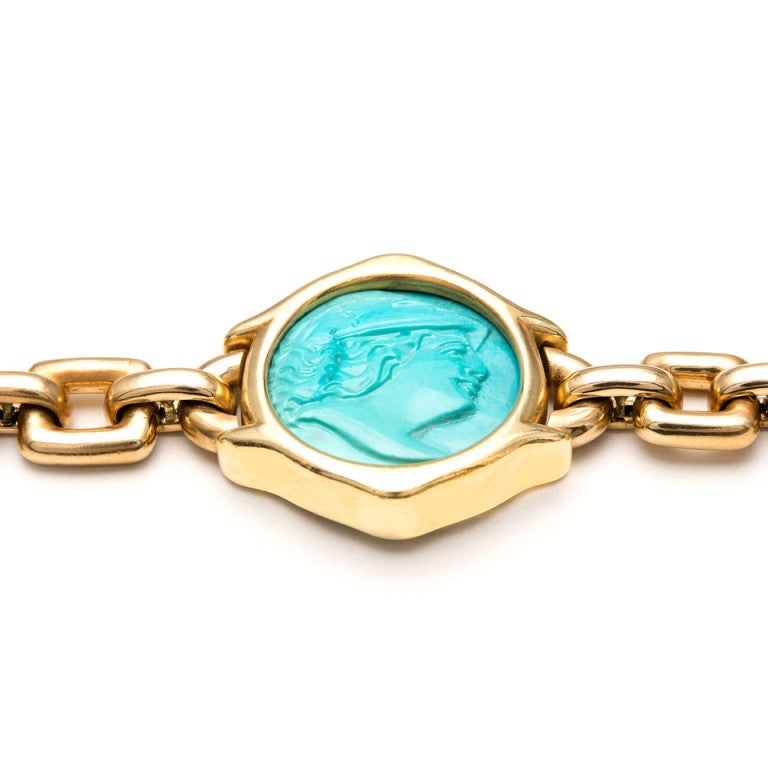
Natural Persian Turquoise Cameo Gold Link Bracelet
Located in Stamford, CT
Natural color untreated Turquoise double sided Cameo. The bracelet is handmade in heavy solid 18k
Turquoise, 18k Gold, Gold, Yellow Gold
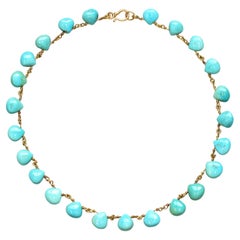

Natural Turquoise Beaded Necklace Set in 18K Yellow Gold
Located in Miami, FL
A handmade wired necklace featuring natural untreated turquoise beads. The turquoise beads are
Turquoise, 14k Gold, Yellow Gold
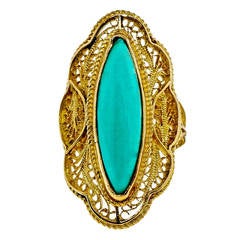
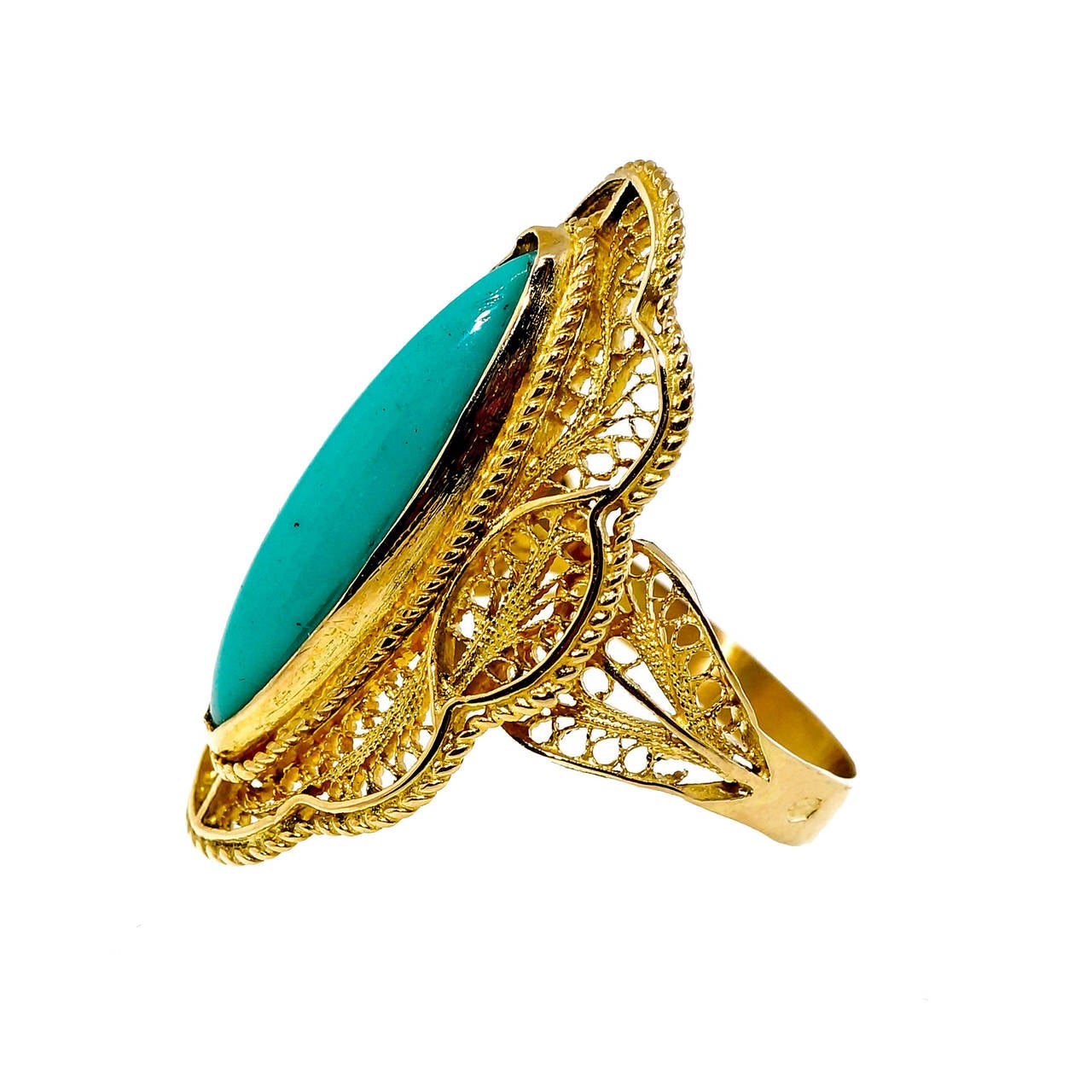
Marquise Persian Turquoise Gold Filigree Ring
Located in Stamford, CT
-polished Persian untreated Turquoise. Circa 1940 to 1950. 1 Marquise blue Persian Turquoise, 12 x 7mm
Turquoise, 18k Gold, Yellow Gold
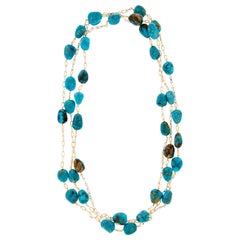

Natural Turquoise by The Yard 18 Karat Gold Necklace
By William Rosenberg
Located in Troy, MI
Turquoise is a perennial favorite and these will not disappoint! Beautiful, natural untreated
Turquoise, 18k Gold

Sold
W 0.56 in L 0.95 in
【Caelmare】Convertible 2-in-1 Geo Turquoise Halo Aurora South Sea Pearl Earrings
Located in New York, NY
. Featuring detachable, 11-12mm high-luster South Sea pearls, these earrings pair effortlessly with untreated
South Sea Pearl, Turquoise, 18k Gold
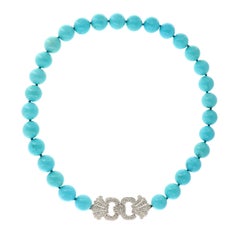
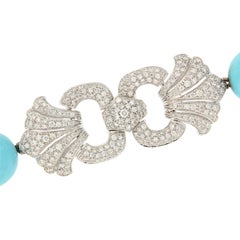
Natural Untreated Sleeping Beauty Turquoise Bead Diamond Necklace
Located in Troy, MI
The beauty of this necklace will not disappoint. The Necklace showcases 30, 15mm full round beads with an 18 karat white gold and Diamond Art Deco styled clasp. Weighs 135.5 grams. ...
Diamond, Turquoise, 18k Gold
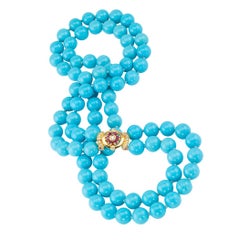

Untreated Sleeping Beauty Turquoise Bead Ruby Diamond Gold Necklace
Located in South Pasadena, CA
Untreated Sleeping Beauty turquoise bead necklace with ruby diamond and gold clasp. Comprising two
Diamond, Ruby, Turquoise, 18k Gold
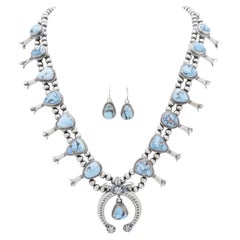
Golden Hill Turquoise Squash Blossom Set
Located in Coeur d Alene, ID
Navajo handmade sterling silver squash blossom and earrings set with natural untreated Golden Hill
Turquoise, Sterling Silver
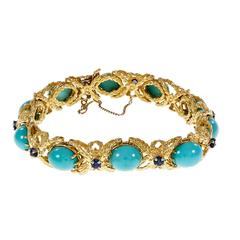

Natural Persian Turquoise Sapphire Gold Bracelet
Located in Stamford, CT
Handmade highly detailed 18k yellow gold bracelet circa 1950 with bright natural untreated Persian
Blue Sapphire, Turquoise, 18k Gold, Yellow Gold
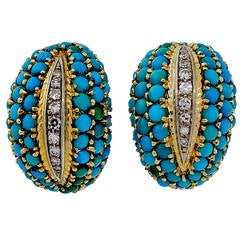
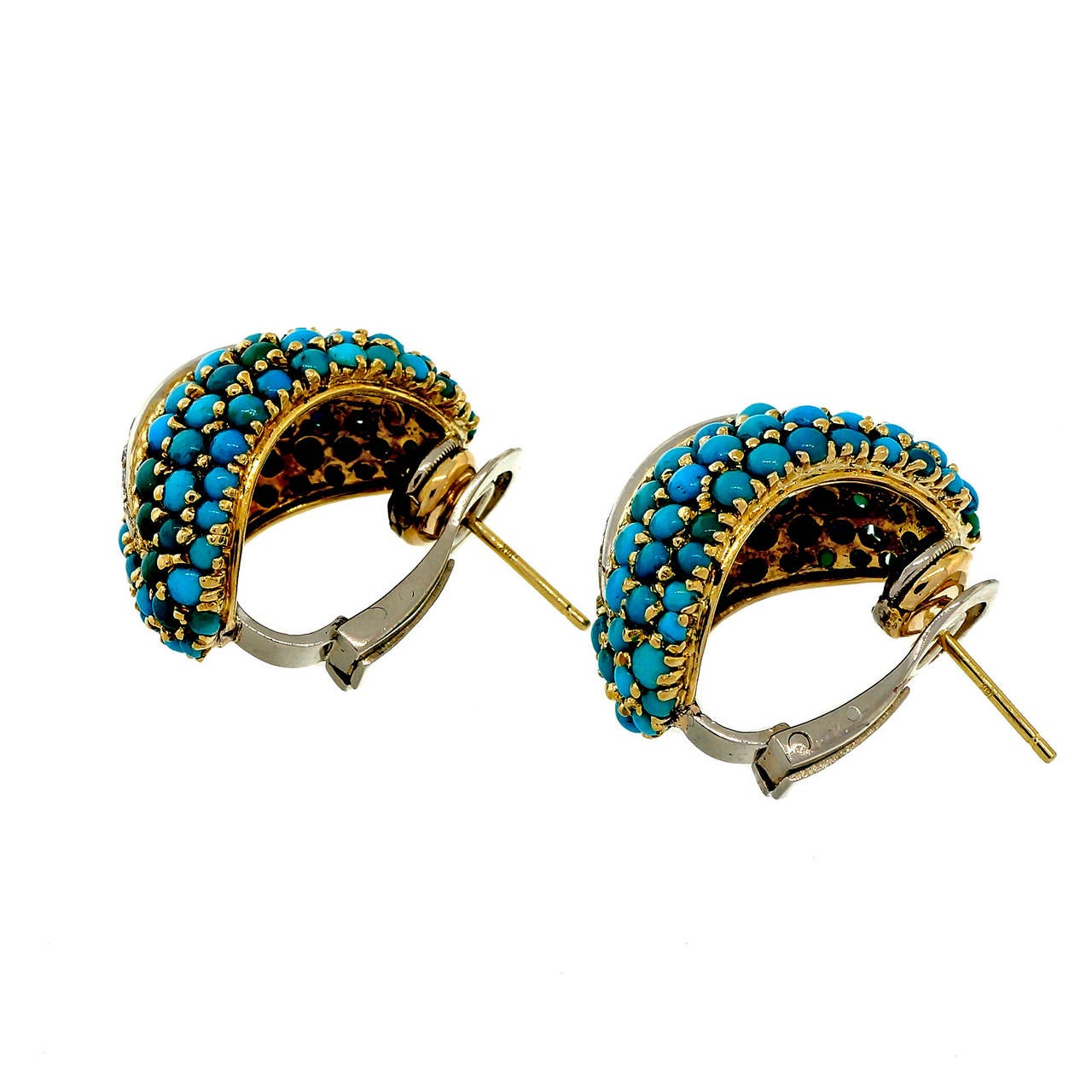
Persian Turquoise Diamond Gold Clip Post Earrings
Located in Stamford, CT
Natural untreated Persian Turquoise 18k yellow gold clip post earrings with white gold under the
Diamond, Turquoise, 18k Gold, Yellow Gold
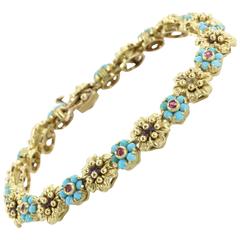

Italian Persian Turquoise Ruby Gold Floral Motif Bracelet
Located in Cape May, NJ
in looks but never in quality -71 genuine untreated Persian turquoise approximately 1.85 mm -12
Ruby, Turquoise, 18k Gold
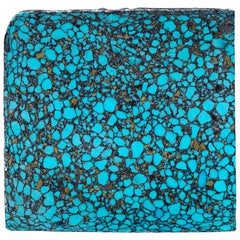

Turquoise Specimen – 245g
Located in New York, NY
: Natural Turquoise Condition: Untreated, polished surface Special Characteristics: Unique matrix pattern
Rock Crystal
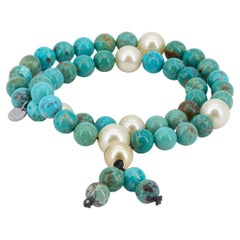

Prayer bracelet/ necklace with natural turquoises and Golden South Sea pearls
By 15DEGREESLONDON
Located in Boostedt, SH
This bond is reminiscent of the Rising Sun over the sparkling sea with its turquoise stones and
South Sea Pearl, Turquoise
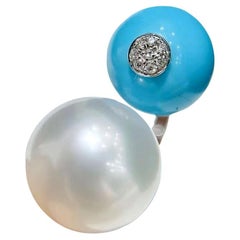

【Caelmare】Twin Aurora South Sea Pearls & Turquoise Dome Statement Ring
Located in New York, NY
with an untreated, pure, natural turquoise gemstone. The South Sea pearl boasts an extraordinary luster
Diamond, South Sea Pearl, Turquoise, White Gold
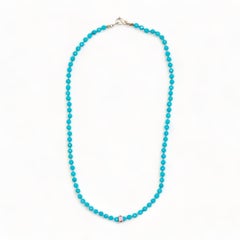

40 Carat Diamond and Sleeping Beauty Turquoise Necklace in 14K Solid Yellow Gold
Located in GOES, NL
silk • untreated and natural sleeping beauty turquoise This beauty comes in a luxurious velvet gift
Diamond, Turquoise, 14k Gold
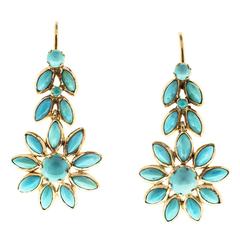

Natural Persian Turquoise Gold Dangle Earrings
Located in Stamford, CT
Victorian 1860s 14k rose gold Persian natural untreated Turquoise dangle earrings. GIA certified
Turquoise, 14k Gold, Rose Gold
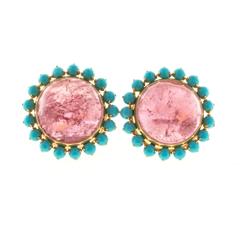

Pink Tourmaline Persian Turquoise Gold Earrings
Located in Stamford, CT
1950’s clip post 15mm pink Tourmaline Persian untreated Turquoise earrings. Moderately included
Tourmaline, Turquoise, 18k Gold, Yellow Gold
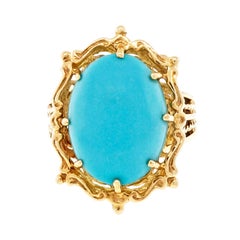

Large Oval Natural Turquoise Gold Cocktail Ring
Located in Stamford, CT
Large oval Turquoise 14k yellow gold open work cocktail ring. Circa 1970s with natural untreated
Turquoise, 14k Gold, Yellow Gold, Gold
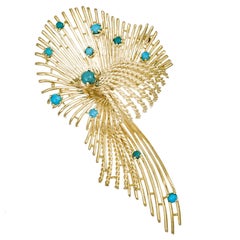

Cartier Midcentury Turquoise Yellow Gold Flower Brooch
Located in Stamford, CT
Cartier mid-century 1950’s natural untreated turquoise brooch. 11 turquoise set in 14k yellow gold
Turquoise, Gold, 14k Gold, Yellow Gold
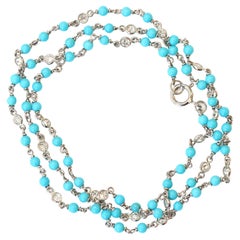
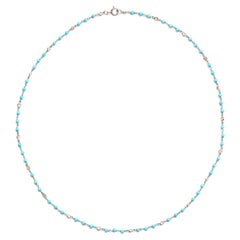
Signed Rosaria Varra Turquoise and Diamond Necklace Set in Platinum
By Rosaria Varra
Located in Miami, FL
beads and bezel-set round diamonds. The natural untreated turquoise beads are 2 millimeter in diameter
Diamond, Turquoise, Platinum


Natural Turquoise and Diamond Pendant Clip-On Earrings in 18K
Located in Miami, FL
A pair of natural untreated turquoise and diamond pendant clip-on earrings, Circa 1950. This
Diamond, White Diamond, Turquoise, Gold, 18k Gold, White Gold
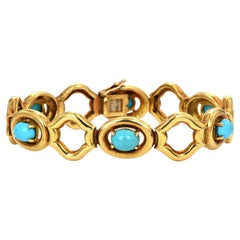

Tiffany & Co. Vintage Turquoise 18k Yellow Gold Open Link Bracelet
By Tiffany & Co.
Located in Miami, FL
genuine fine natural untreated turquoise, prong set, measuring 8 mm x 6 mm, approximately each. It
Turquoise, Yellow Gold
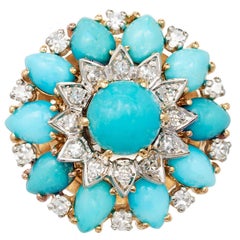

GIA Certified 9.81 Carat Persian Turquoise Diamond Gold Cocktail Cluster Ring
Located in Stamford, CT
Persian natural untreated turquoise and diamond cluster cocktail ring. Handmade in France Circa
Diamond, Turquoise, 18k Gold, White Gold, Yellow Gold, Gold
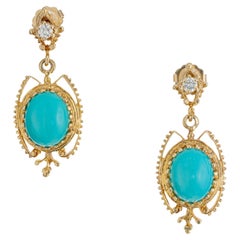

Persian Oval Turquoise Round Diamond Gold Late Art Deco Dangle Earrings
Located in Stamford, CT
Vintage 1940's late Art Deco Turquoise Diamond dangle earrings. 2 oval cabochon natural, untreated
Diamond, Turquoise, 14k Gold, Yellow Gold, Gold
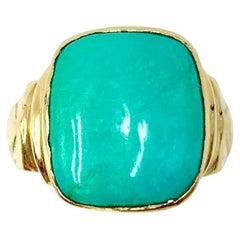

Large Art Deco Natural Turquoise 14K Yellow Gold Signet Ring
Located in New York, NY
, attractive blue-green vibrant color, natural inclusions, untreated- turquoise enhancement began in 1980, this
Turquoise, 14k Gold, Yellow Gold
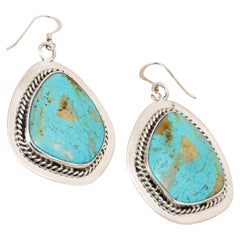
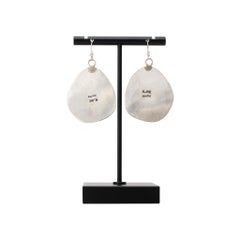
Navajo Turquoise Dangle Earrings
By Navajo
Located in Coeur d Alene, ID
. Natural, untreated Turquoise Mountain turquoise set in sterling silver with classic twisted rope border
Turquoise, Sterling Silver
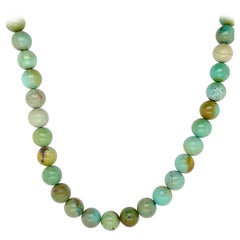

Green Turquoise Bead Necklace, Bead Vintage Turquoise Necklace
By Five Star Jewelry
Located in Austin, TX
Vintage 12 millimeter genuine natural (untreated) beaded necklace. The turquoise is a green
Turquoise, Sterling Silver
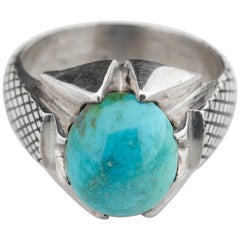
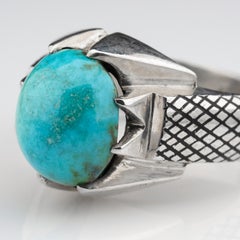
Persian Turquoise Ring
Located in Northampton, MA
holds an off-round cabochon of natural, untreated Persian turquoise measuring 13.23 mm x 11.14 mm and
Turquoise, Silver
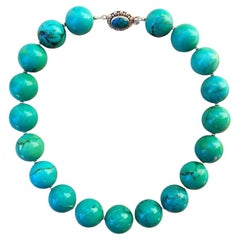
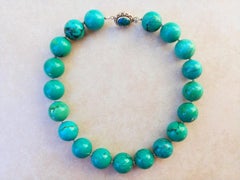
Natural Tibetan Turquoise Necklace
Located in Chesterland, OH
people who hold this gem in such high regard that the turquoise is untreated. But our turquoise has been
Turquoise, Sterling Silver
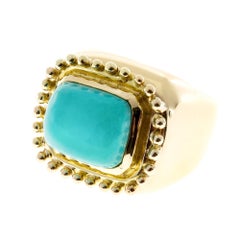
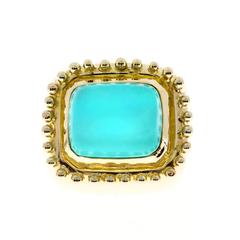
Natural Turquoise Gold Ring
Located in Stamford, CT
1960s heavy 14k yellow gold ring with a GIA certified natural untreated bright greenish blue
Turquoise, 14k Gold, Yellow Gold
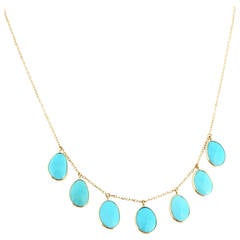

Natural Blue Turquoise Gold Necklace
Located in Stamford, CT
necklace with handmade bezels. 7 Robin Egg Blue natural untreated sleeping beauty Turquoise, approx
Turquoise, 14k Gold, Yellow Gold
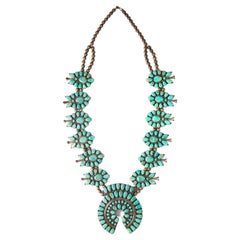
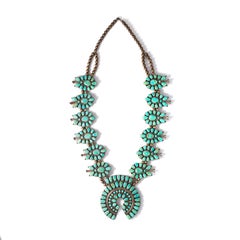
Necklace Squash Blossom, Vintage, Turquoise, Lone Mountain, 1950S
Located in Geneva, CH
blossom necklace. Made up of over two-hundred untreated Lone Mountain turquoise stones, each set in hand
Turquoise, Silver
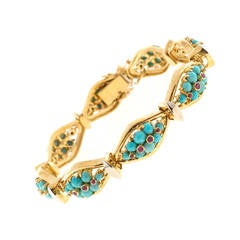

Persian Turquoise Ruby Gold Hinged Link Bracelet
Located in Stamford, CT
genuine untreated Persian Turquoise 2.50 to 4.25mm 32 genuine untreated Rubies, 1.5 to 2mmWidth: 11.71mm
Ruby, Turquoise, 18k Gold, Yellow Gold, Gold
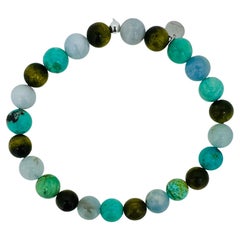

Aquamarine, Turquoise & Phoebe Cat Wood Beads Men's Bracelet
By 15DEGREESLONDON
Located in Boostedt, SH
, untreated Peruvian turquoise in rich green-blue tones (8mm), and olive-green Phoebe Cat Eye wood. The olive
Aquamarine, Turquoise, Sterling Silver
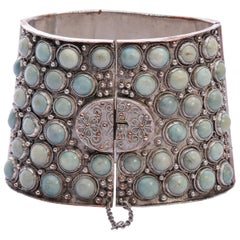
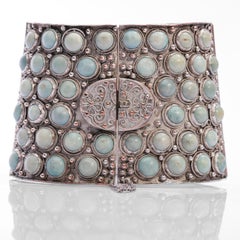
Qing Dynasty Turquoise Cuff Silver Over Copper
Located in Northampton, MA
natural and untreated round turquoise cabochons measuring an average of 6.5mm in diameter. The turquoise
Turquoise, Silver, Copper
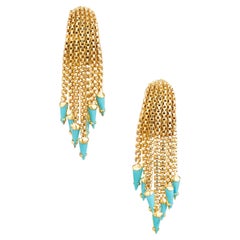

Persian Turquoise Yellow Gold Cascade Tassel Dangle Earrings
Located in Stamford, CT
Mid-century Vintage cascade dangle turquoise gold earrings. Unique and beautiful, these earrings
Turquoise, Gold, 18k Gold, Yellow Gold
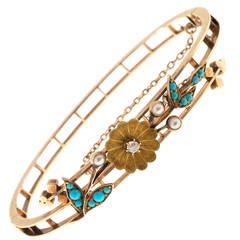
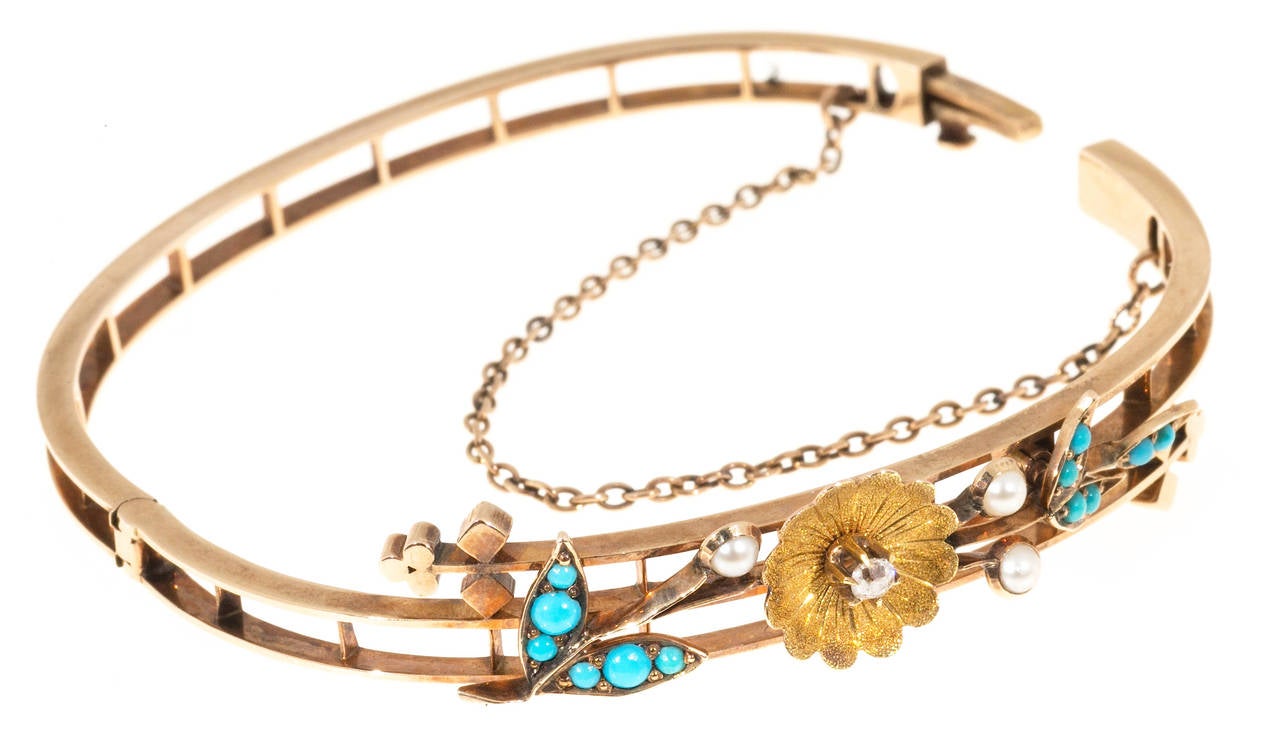
Victorian Persian Turquoise Natural Pearl Rose Gold Bangle Bracelet
Located in Stamford, CT
14k rose gold hinged bangle bracelet with natural pearls. Untreated Persian Turquoise and old mine
Diamond, Pearl, Turquoise, 14k Gold, Rose Gold

Estate Serpent Sleeping Beauty Turquoise & Diamonds Gold Ruby Necklace
Located in GOES, NL
A regal giant 17 inch long handcrafted necklace with extremely rare and pure untreated Sleeping
Diamond, Turquoise, Ruby, 14k Gold
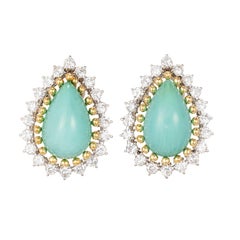

GIA Certified Natural Pear Turquoise Diamond Halo Gold Earrings
Located in Stamford, CT
Mid-Century 1950s GIA certified natural Turquoise and diamond clip post earrings. Natural untreated
Diamond, Turquoise, Gold, 14k Gold, 18k Gold, White Gold, Yellow Gold
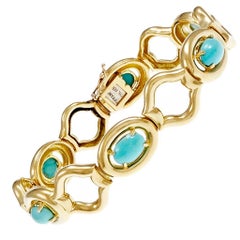

Tiffany & Co. GIA Certified Natural Turquoise Gold Link Bracelet, Circa 1960's
By Tiffany & Co.
Located in Stamford, CT
1960's Tiffany & Co 18k yellow gold hinged link bracelet. GIA certified natural untreated 6 oval
Turquoise, 18k Gold, Yellow Gold, Gold
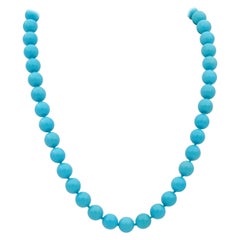
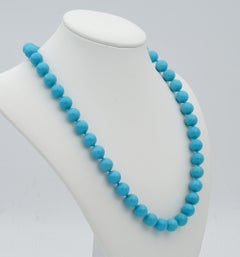
Vintage Natural Untreated Persian Turquoise Necklace
Located in Napoli, IT
Understated beauty One of most recognizable and consistently fashionable gemstones, turquoise has
Turquoise, 18k Gold
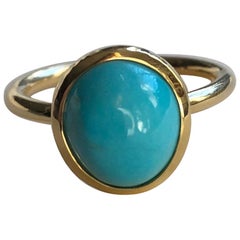

Untreated Turquoise and 18 Karat Gold Cocktail Ring
By Thesis Gems and Jewelry
Located in Berkeley, CA
It is exquisitely rare to find 100% untreated turquoise of this color and quality. From the Morenci
Turquoise, 18k Gold
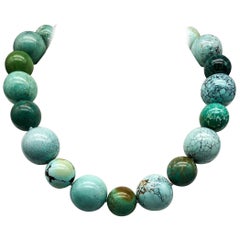

A.Jeschel Highly Unusual Natural Turquoise Necklace
By A.Jeschel One-of-a-kind
Located in Miami, FL
is particularly remarkable is that all the stones are natural, untreated turquoise and yet no two are
Turquoise, Sterling Silver
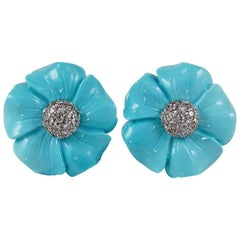

Vintage Flower Head Turquoise Diamond Earrings
Located in Napoli, IT
flower shape expertly hand carved and polished from Natural untreated Turquoise rough gemstone – each
Diamond, Turquoise, 18k Gold
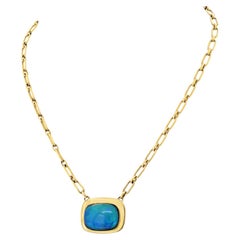
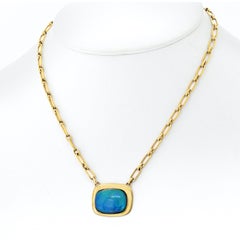
Cartier 18K Yellow Gold 1970's Fire Opal Bezel Set Necklace
By Cartier
Located in New York, NY
Step back in time with this exquisite vintage Cartier pendant, a true gem from the 1970s. Crafted in 18K yellow gold, this pendant features a captivating fire opal, bezel set to perf...
Fire Opal, 18k Gold, Yellow Gold
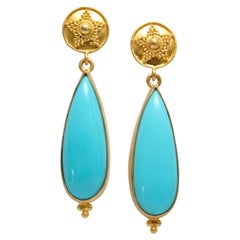
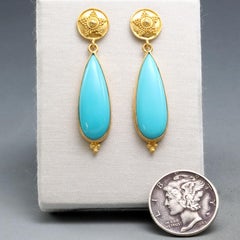
Steven Battelle 12.4 Carats Sleeping Beauty Turquoise 18K Gold Post Earrings
By Steven Battelle
Located in Soquel, CA
Two flawless 8 x 23 mm pear shaped cabochons of bright Arizona Sleeping Beauty Mine turquoise are set in 18K gold bezels suspended below geometrically granulated artisanally crafted ...
Turquoise, 18k Gold
$528Sale Price / item|20% Off
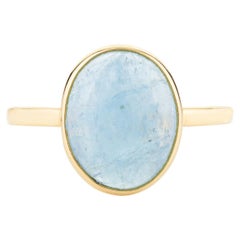
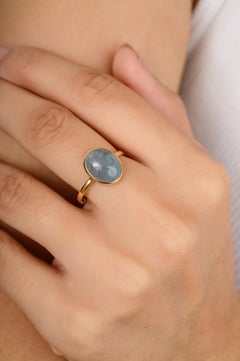
3.8 CTW Certified Aquamarine Cabochon Single Stone Ring in 18k Solid Yellow Gold
By VR Jewels
Located in New York, NY
3.8 CTW Certified Aquamarine Cabochon Single Stone Ring in 18K Gold featuring natural aquamarine of 3.8 carats. The gorgeous handcrafted ring goes with every style. Aquamarine is use...
Aquamarine, Gold, 18k Gold, Yellow Gold


Ebony beads bracelet with Tahiti pearl and silver bead
By 15DEGREESLONDON
Located in Boostedt, SH
This bracelet is made of black Ebony sandalwood beads combined with a Tahitian pearl and silver beads. Black cotton coated elastic band. Meaning: Tahitian pearls are true skin-flat...
Pearl, Silver
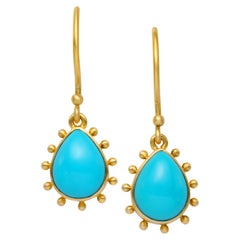
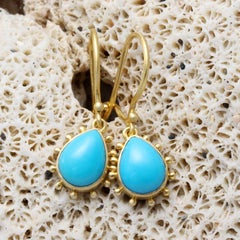
3.3 Carats Sleeping Beauty Turquoise 18k Gold Wire Earrings
By Steven Battelle
Located in Soquel, CA
Two 7 x 9 mm flawless Arizona Sleeping Beauty mine turquoise pear shaped cabochons are set in simple matte-finish bezels and surrounded by spaced "jawan" granulation accents in this ...
Turquoise, 18k Gold
$372Sale Price / item|50% Off
W 0.21 in D 0.18 in L 6.75 in
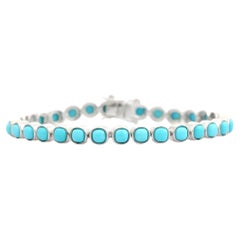
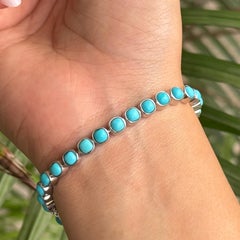
Elegant Cushion Cut Turquoise Bezel Set Tennis Bracelet in 925 Silver For Women
Located in New York, NY
This Cushion Cut Turquoise Cabochons Unisex Tennis Bracelet exquisite 925 sterling silver tennis bracelet, showcasing a seamless row of vibrant turquoise cabochons in a smooth bezel ...
Turquoise, Silver, Sterling Silver
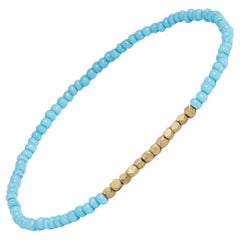
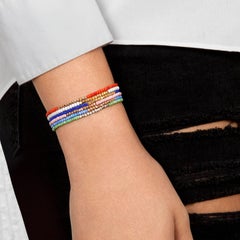
14 Karat Gold and Vintage Turquoise Beaded Bracelet
By Allison Bryan
Located in London, GB
This women's bracelet features antique turquoise-coloured Venetian glass trade beads, accented with one inch of solid cast 14-carat yellow gold beads. Strung on strong, stretchy ela...
14k Gold, Yellow Gold, Gold
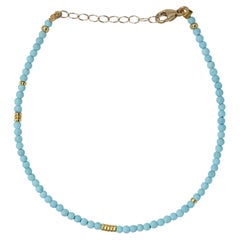

Tiny Turquoise Bracelet 14K Gold - by Bombyx House
Located in Westport, CT
Embrace the spirit of protection and positivity with this delicate turquoise and 14K gold bracelet from Bombyx House, a subtle yet powerful talisman for everyday adventures. • 6" T...
Turquoise, 14k Gold
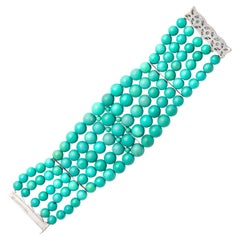
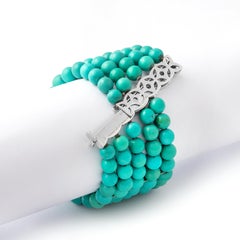
$11,050
Natural Turquoise Bracelet
Located in Geneva, CH
Natural Turquoise Bracelet. Elevate your style with our Natural Turquoise Bracelet. Crafted with genuine turquoise stones, it exudes calming energy and timeless elegance. Whether wor...
Turquoise
The thought of vintage and antique turquoise jewelry often conjures up images of striking Navajo bracelets and necklaces worn with a denim shirt and cowboy boots. This all-American look has been celebrated by fashion designers like Ralph Lauren and Tommy Hilfiger on their runways and in ad campaigns. In the October 2016 issue of Vogue magazine, Tom Ford said he only wears turquoise jewelry at his Santa Fe ranch. So what is it about this gorgeous blue-green stone that makes us wish that we were born in December?
It’s not surprising that turquoise is abundant in New Mexico and Arizona because, according to the Gemological Institute of America (GIA), it needs to be in “dry and barren regions where acidic, copper-rich groundwater seeps downward and reacts with minerals that contain phosphorus and aluminum.
Turquoise is not found in a single crystal but is a combination of microcrystals. Its appearance, waxy and opaque, is attributed to its structure and composition. “It’s an aggregate of microscopic crystals that form a solid mass. If the crystals are packed closely together, the material is less porous, so it has a finer texture. Fine-textured turquoise has an attractive, waxy luster when it’s polished. Turquoise with a less-dense crystal structure has higher porosity and coarser texture, resulting in a dull luster when it’s polished,” notes the GIA. Since no one wants to set a dull piece of turquoise, porous turquoise is often treated to make the stone more attractive.
In the United States, there have been discoveries of turquoise from 200 B.C. It is not just loose turquoise stones that have been found, but entire suites of jewelry from prehistoric times. In the late 19th-century, the Navajo Indians, who learned silversmithing from the Spanish, started to make beads out of turquoise and eventually combined it with silver around the 1880s. Initially this jewelry was for ceremonial purposes, but it became fashionable once the tourism in the Southwest picked up in the beginning of the 20th century.
Find antique and vintage turquoise rings, necklaces, bracelets and other accessories on 1stDibs.