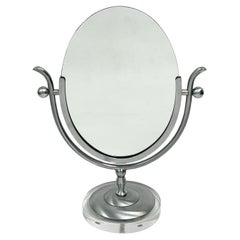
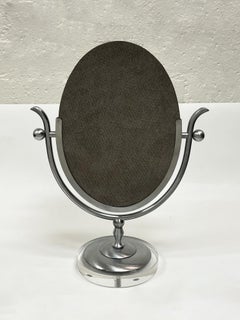
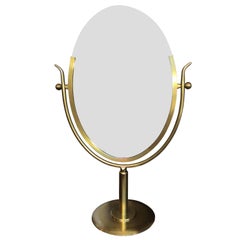
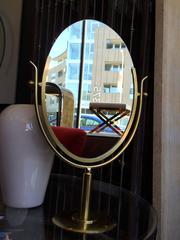
The now omnipresent design use of acrylic and Lucite owes much of its enduring popularity to seasoned creative Charles Hollis Jones. Nicknamed “Mr. Lucite,” the California-based furniture designer and artist made his reputation — and contributed to a lasting legacy for a material one might not immediately consider highbrow — with chairs, tables and other furnishings in the substance scientifically known as polymethyl methacrylate. But while the connecting thread through Jones’s body of work is the presence of translucent materials, his designs are anything but one-note.
The son of an Indiana carpenter, Jones has always been fascinated with structure and reinventing expected ones in new ways. He began working with furniture manufacturers while still a teenager and came to prominence in the 1960s and ’70s, researching and experimenting with techniques to shape acrylic into unconventional forms. “If I design a T-A-B-L-E without thinking of the name, then I can pretend I’ve never seen one,” he told PIN-UP magazine. His design combinations run the gamut from Lucite, brass and glass on elegant dining tables to more unusual applications of Lucite as legs for upholstered sofas and frames for Tibetan fur chairs.
Jones’s work is as varied as his client list, which has included Frank Sinatra, Sylvester Stallone and the Kardashians. For Tennessee Williams, he created a writing chair called the Wisteria chair. Jones also collaborated several times with modernist architect John Lautner, designing furniture that seemed to disappear into its surroundings.
He resides in Los Angeles, where he still designs today.
Find a range of new and vintage Charles Hollis Jones furniture on 1stdibs.
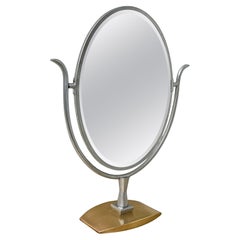
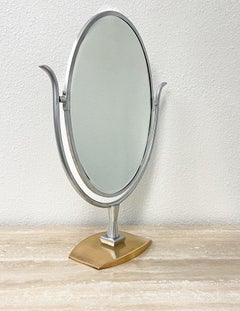
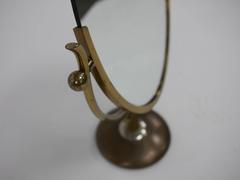
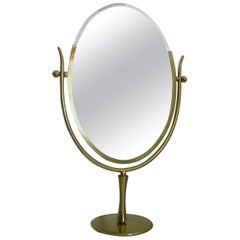
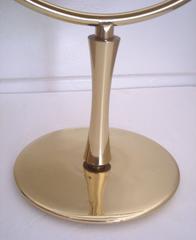
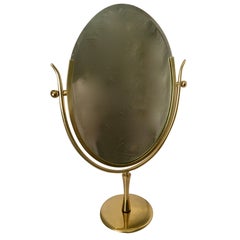
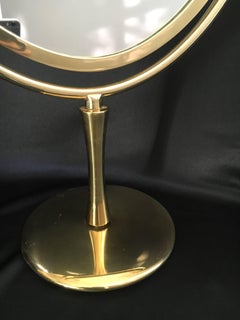
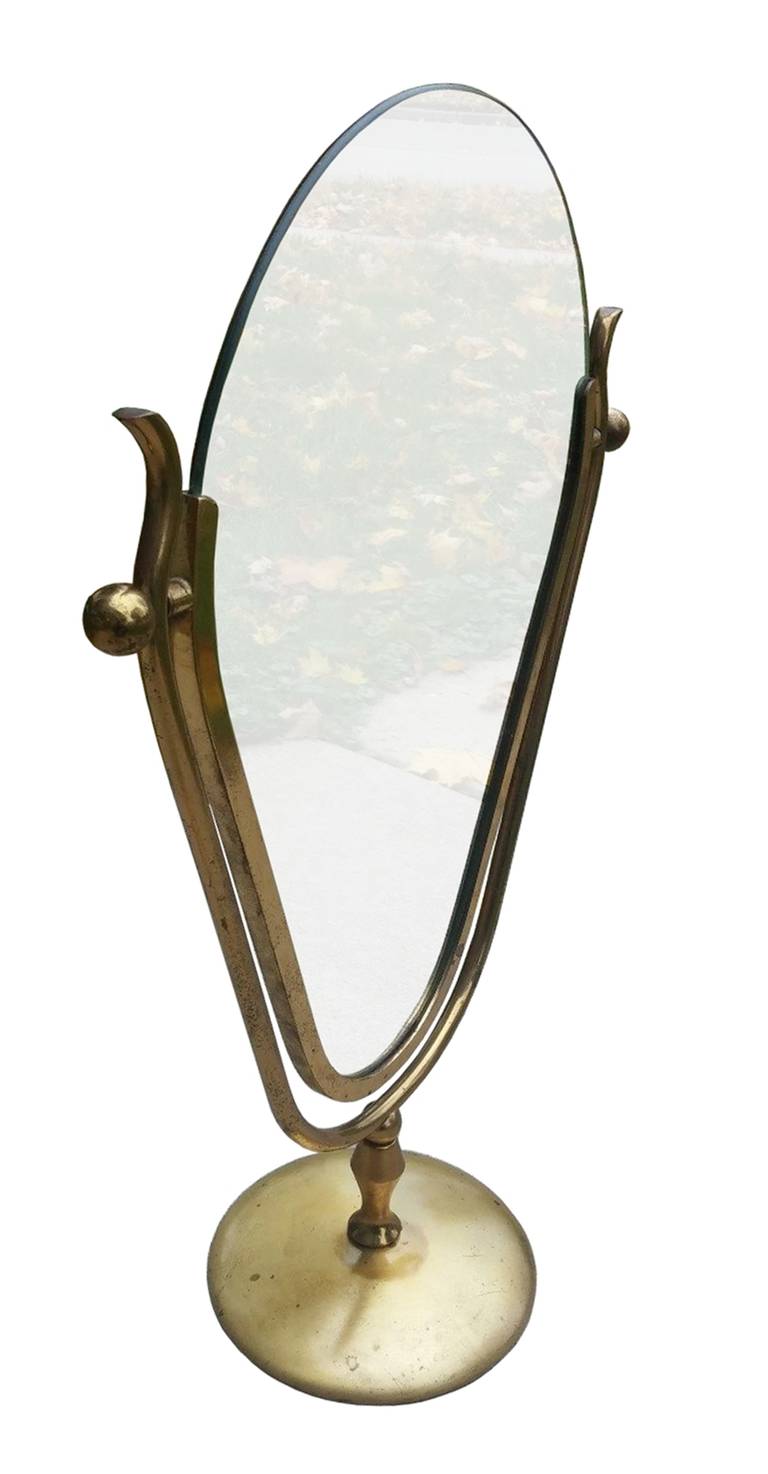
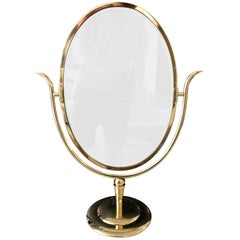
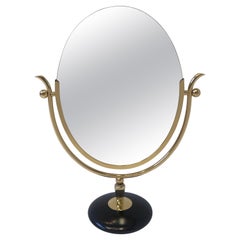
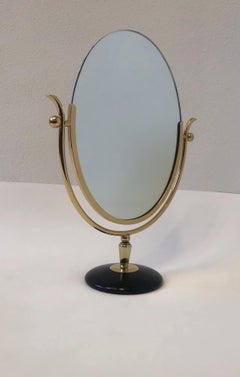
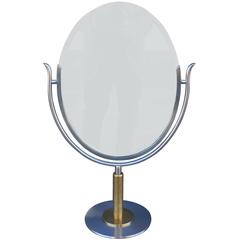
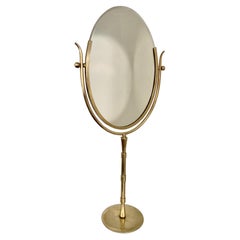
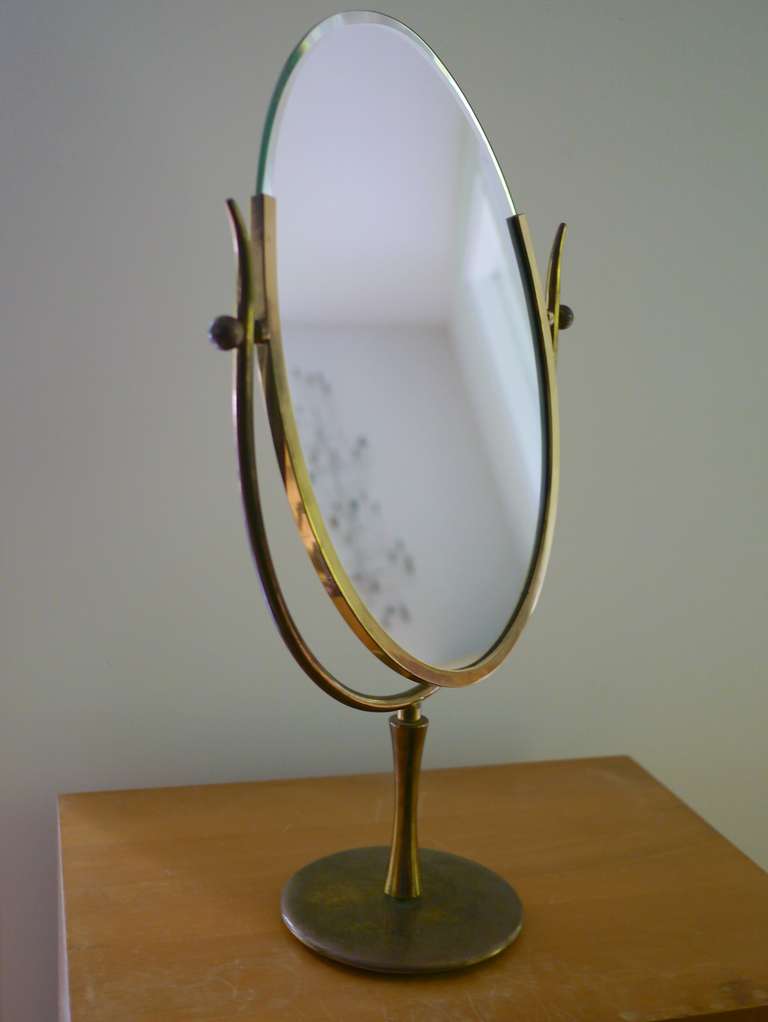
The rise of table mirrors reflects changes in culture, attitudes toward leisure and standards of beauty. As the centerpiece of a vanity, an antique or vintage table mirror tells the story of how an emphasis on beauty and wearing makeup became more fashionable in the 17th century in Europe. Table mirrors were also often positioned on lowboys as part of a dressing table.
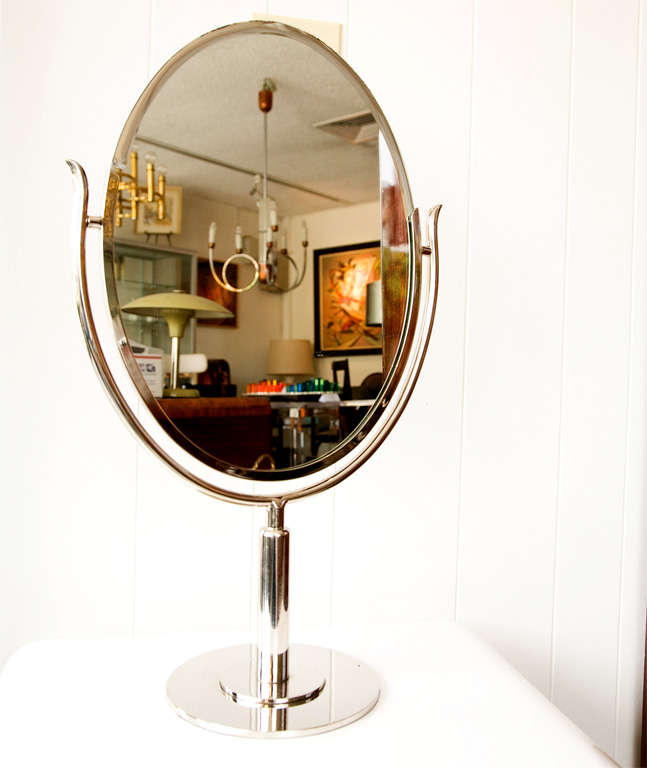
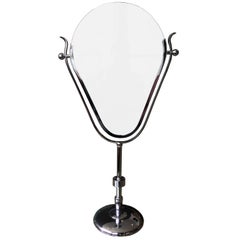
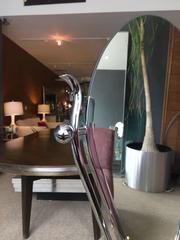
In the early 20th century, vanities were designed in the glamorous Art Deco style, with the mirrors that adorned them being a central element. Table mirrors began to be manufactured in materials aside from metal and wood, namely enamel and the newly available chrome-plated steel to match the dressing tables on which they would sit.
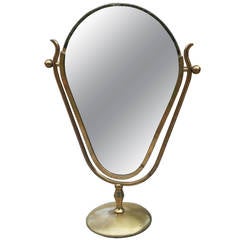
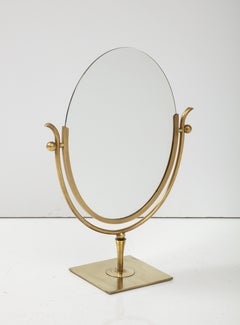
Today, mirrors can add drama to any space, and table mirrors range from ornately carved and gilded framed mirrors to simple modern glass and metal mirrors. Table mirrors are at home on a vanity in a bedroom and are attractive pieces in a study, library or even a bathroom or dressing room.
Find a wide collection of table mirrors for any design aesthetic and every collector on 1stDibs.