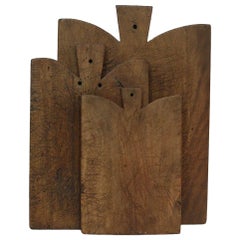
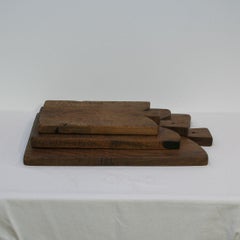
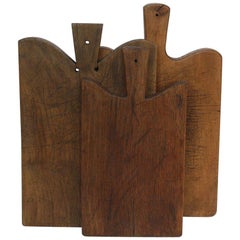
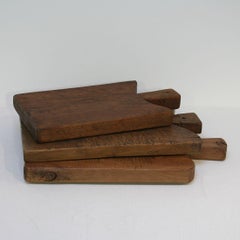
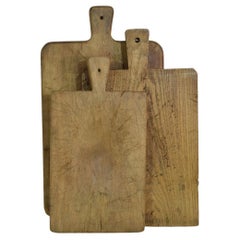
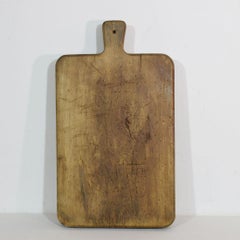
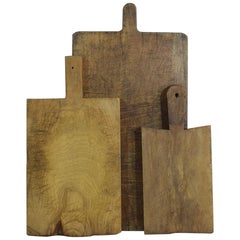
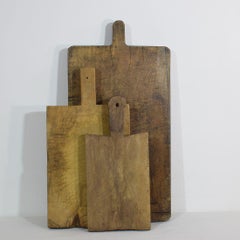
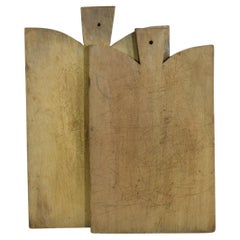
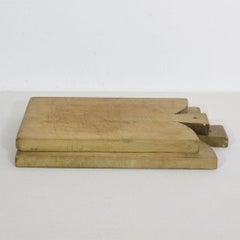
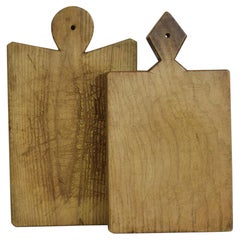
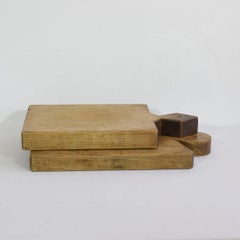
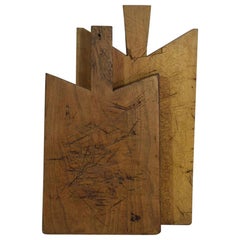
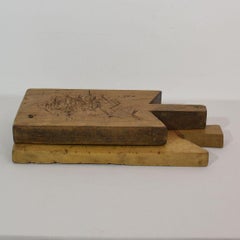
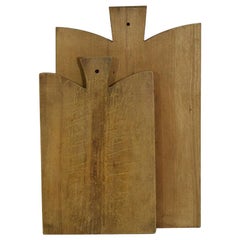
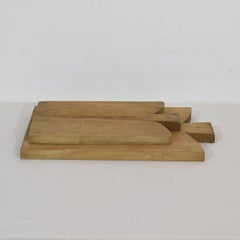
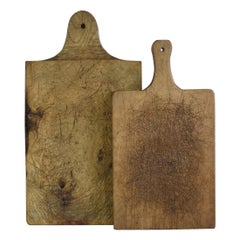
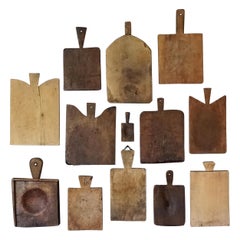
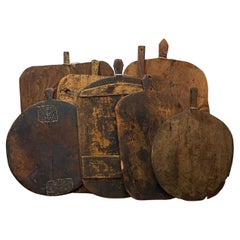
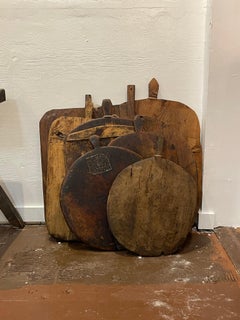
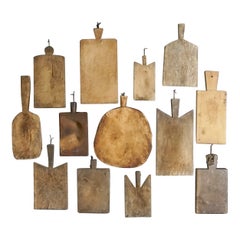
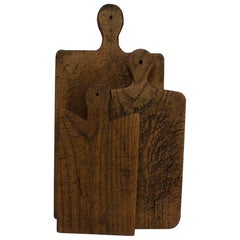
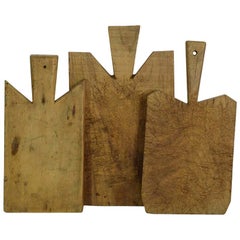
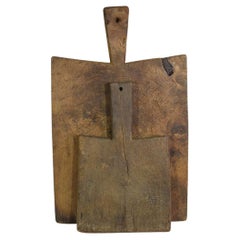
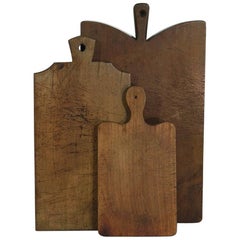
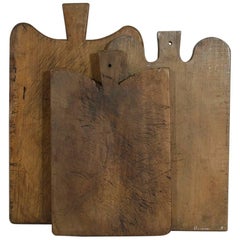
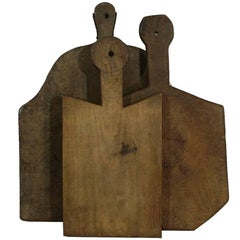
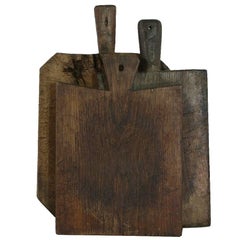
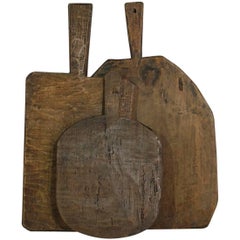
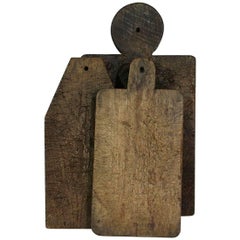
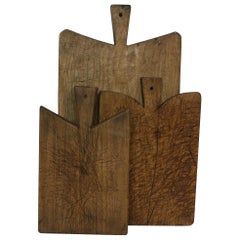
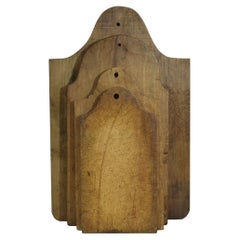
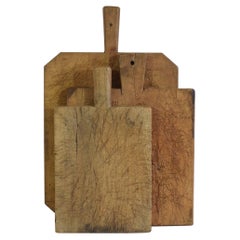
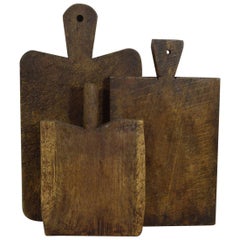
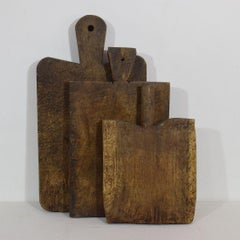
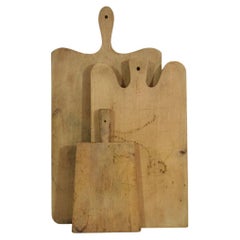
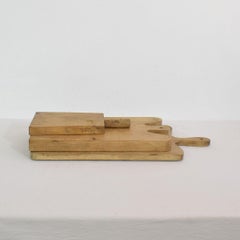
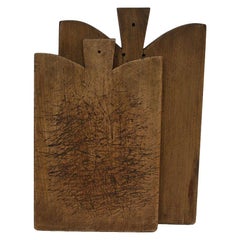
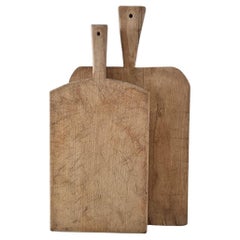
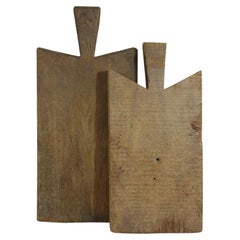
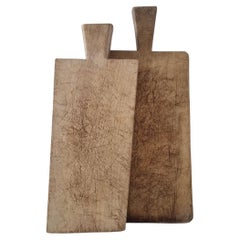
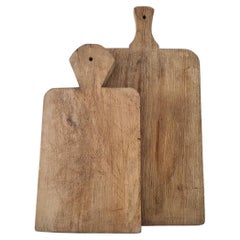
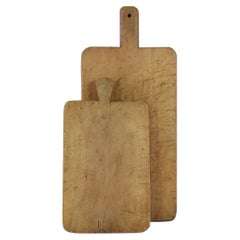
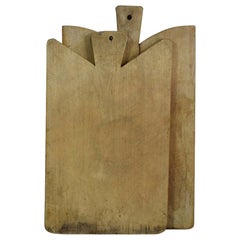
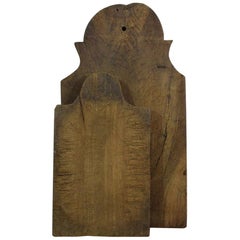
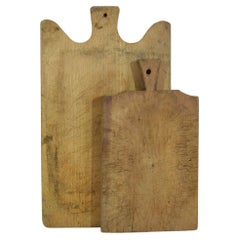
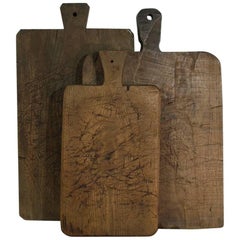
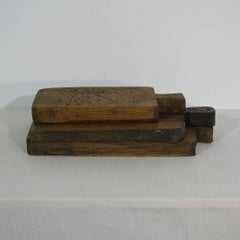
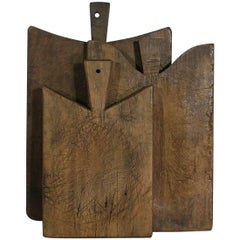
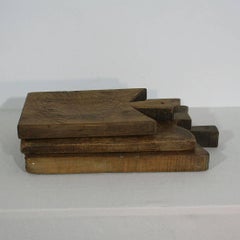
At 1stDibs, there are several options of wood cutting boards available for sale. Frequently made of
wood,
walnut and
hardwood, all wood cutting boards available were constructed with great care. Find 21 antique and vintage wood cutting boards at 1stDibs now, or shop our selection of 15 modern versions for a more contemporary example of this long-cherished furniture. Wood cutting boards have long been popular, with older editions for sale from the 19th Century and newer versions made as recently as the 21st Century. Wood cutting boards made by
Modern designers — are very popular at 1stDibs. There have been many well-made wood cutting boards over the years, but those made by
Bowen Liu are often thought to be among the most beautiful.
Removed from the fashions of the court, French Provincial style developed in the provinces of the country, such as Provence, Normandy, the Loire Valley and Bordeaux. Dating to the 17th and 18th centuries, French Provincial furniture was not as ostentatious as the designs being produced for the royal palaces, but elegant S-shape cabriole legs and ornate carvings elevated the sturdy chairs, sofas, tables and bedroom furniture intended for everyday use.
Although it varies by region, antique French Provincial furniture is unified by solid construction and an artisanal attention to design. While this furniture often followed the metropolitan trends — including the Rococo or neoclassical aesthetics of Louis XIV, Louis XV and Louis XVI — since it was produced in the French countryside it was more subdued with nods to its rustic settings.
Local materials like fruitwoods, oak, beech and walnut were used to construct large French Provincial armoires for storage and comfortable armchairs with rush-woven seats. Wrought-iron elements and carvings like floral details and scallop patterns were common as ornamentation. Furniture was frequently painted white or other muted colors that coordinated with gilt and would acquire a patina of age over time. Other wood was just stained with vibrant fabric such as toile de Jouy, which sometimes depicted pastoral scenes, adding color as upholstery.
The style arrived in the United States after World War I, with soldiers returning home wanting furniture like what they had seen in the rural homes and castles of France. In Grand Rapids, Michigan, designer John Widdicomb split from his family business, the Widdicomb Furniture Company, and had been focusing on Louis XV– and French Provincial–style furnishings since the early 1900s. Other American manufacturers such as Baker, Drexel, Henredon and Thomasville also responded to demand. Today antique French Provincial pieces and reproductions continue to be popular.
Find a collection of antique French Provincial dining tables, seating, decorative objects and other furniture on 1stDibs.
For the culinary star in your home, an antique or vintage butcher block is an indispensable accessory. Whether it’s a stand-alone table or island, a feature atop your rolling kitchen cart or a countertop application, this is a specific type of assembled wood surface for important food prep needs.
A butcher block is a designated work surface in a kitchen. Specifically, a butcher block affords you a strong and sturdy surface on which you can butcher meat as well as slice and dice vegetables. Having a designated area for this kind of work will help keep the kitchen sanitary and prevent potential damage to countertops.
Because wood is difficult to clean, stains easily and is an ideal surface for bacteria to flourish, counters were traditionally capped with metal. Butcher block — which, as a descriptor, refers to a specific material that is biodegradable and eco-friendly — was initially used in a commercial capacity but began to materialize in the early 20th century as countertops.
Butcher block is made from straight slats of wood that are glued together into thick slabs. The varieties include cherry, walnut, maple and oak. (The latter should be varnished or lacquered.) Construction types vary for butcher block countertops: There is edge grain (parallel boards that show their “edges”), end grain (small square pieces aligned vertically so that the “ends” are visible) and blended (with no specific pattern).
And there is a difference between a butcher block and a cutting board: A board in your kitchen that is used every day for slicing fruits and vegetables is generally called a cutting board. A more robust board — specifically, those that are constructed in the manner mentioned here — is a butcher block, which will be more appropriate for chopping meat as well as deboning.
The extensive collection of butcher blocks on 1stDibs includes French Provincial butcher blocks, rustic butcher blocks and more.