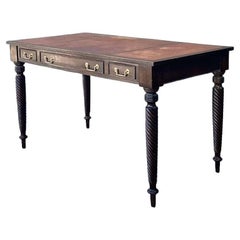
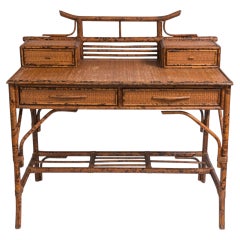
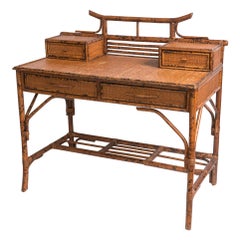
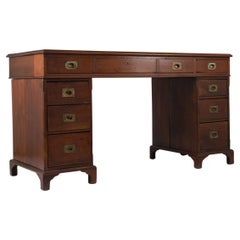
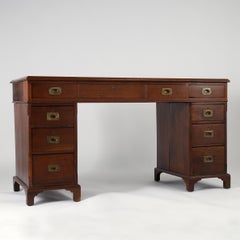
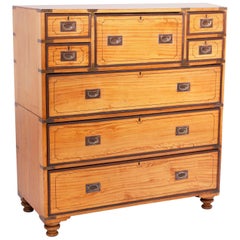
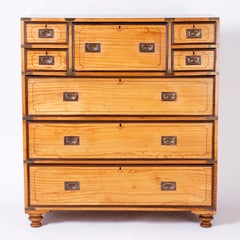
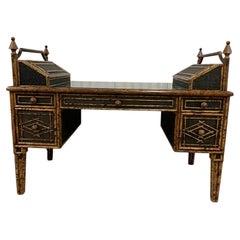
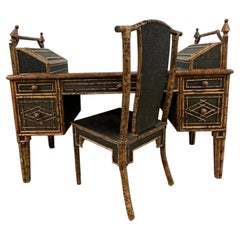
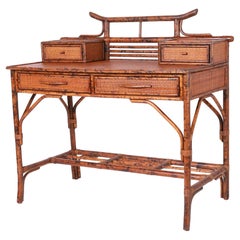
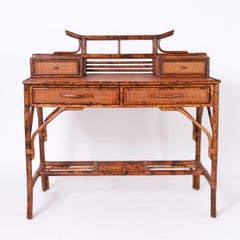
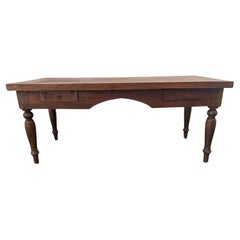
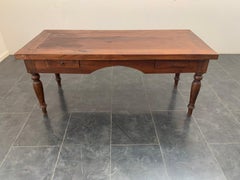
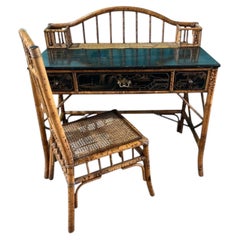
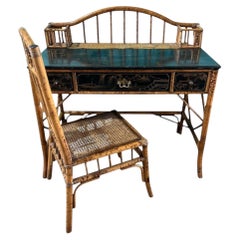
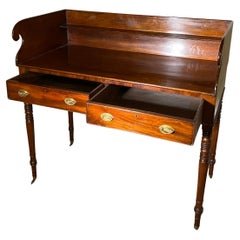
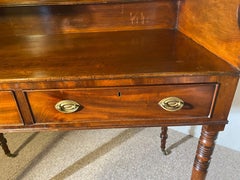
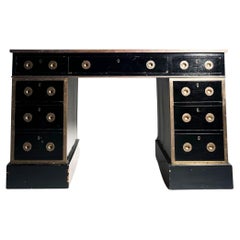
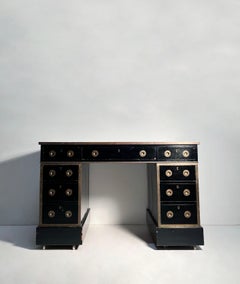
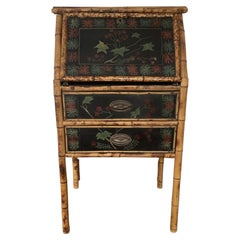
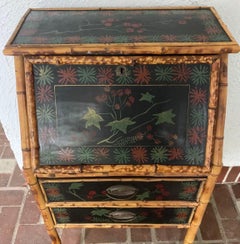
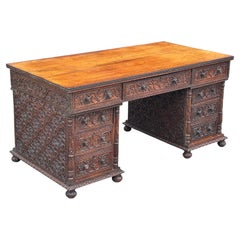
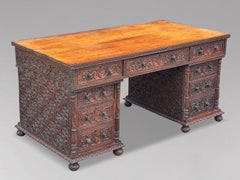
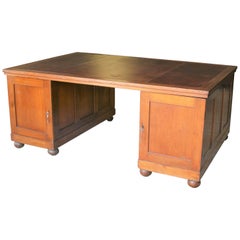
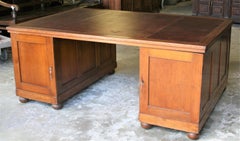
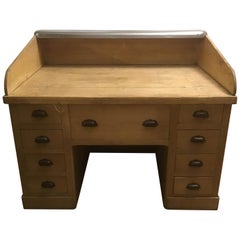
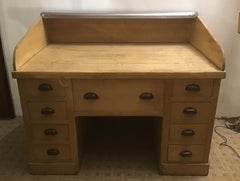
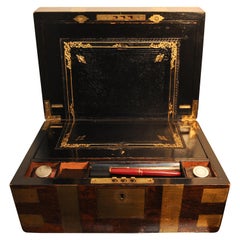
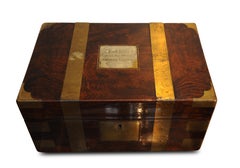
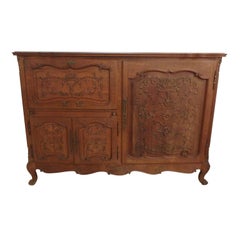
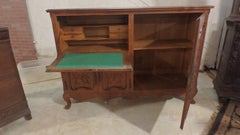
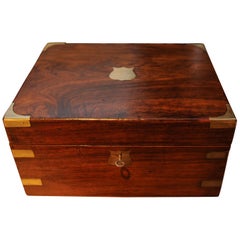
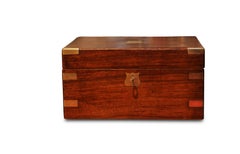
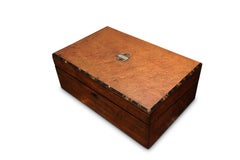
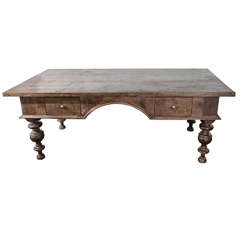
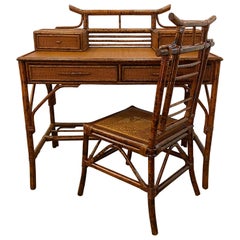
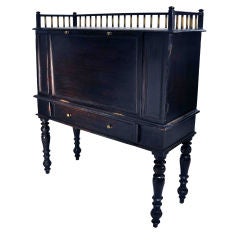
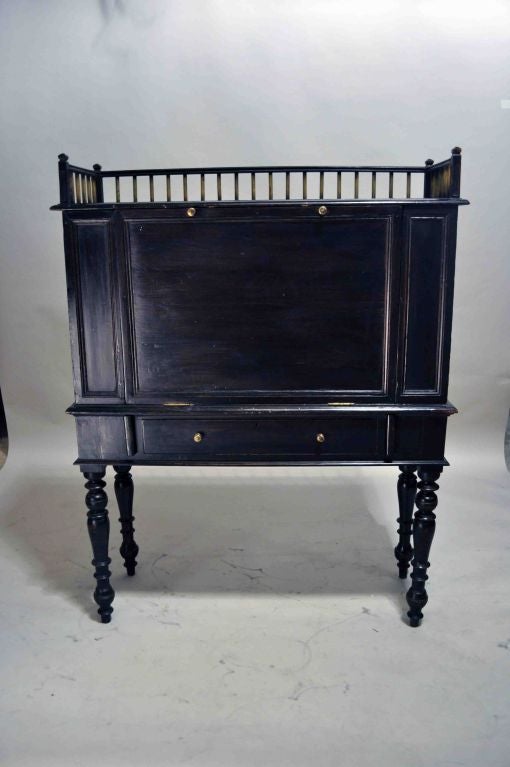
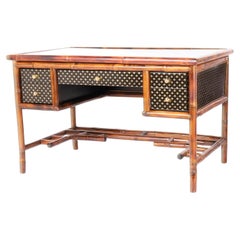
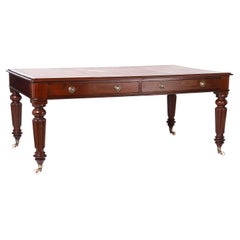
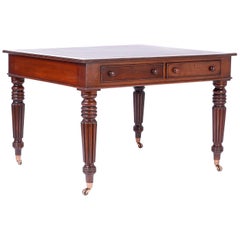
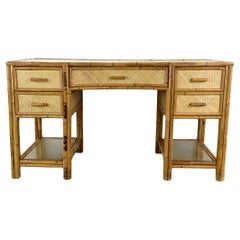
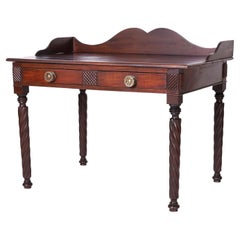
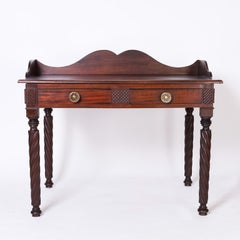
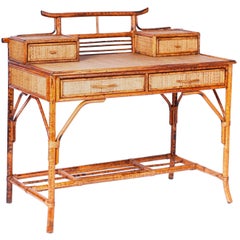
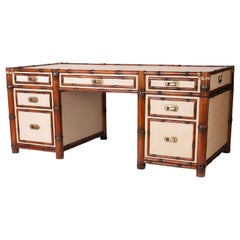
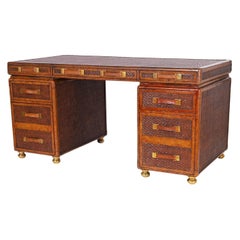
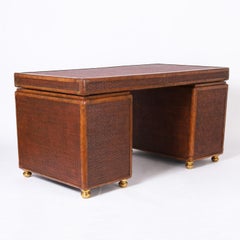
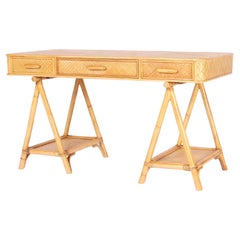
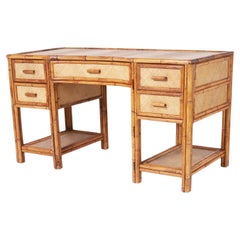
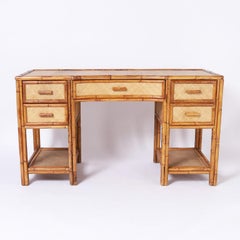
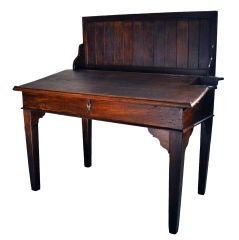
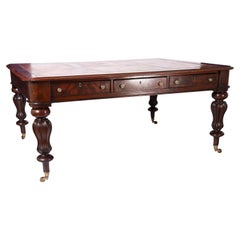
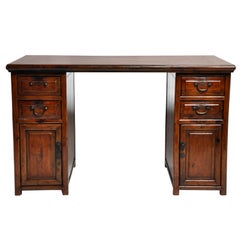
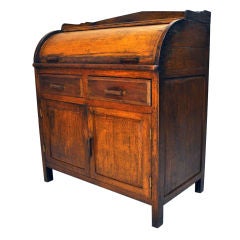
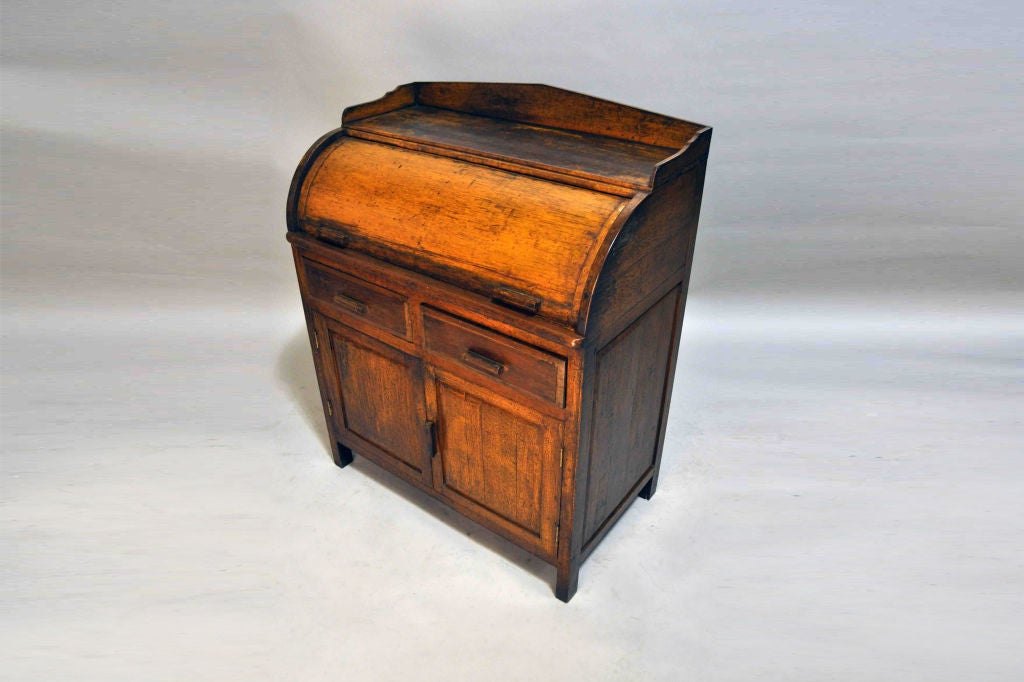
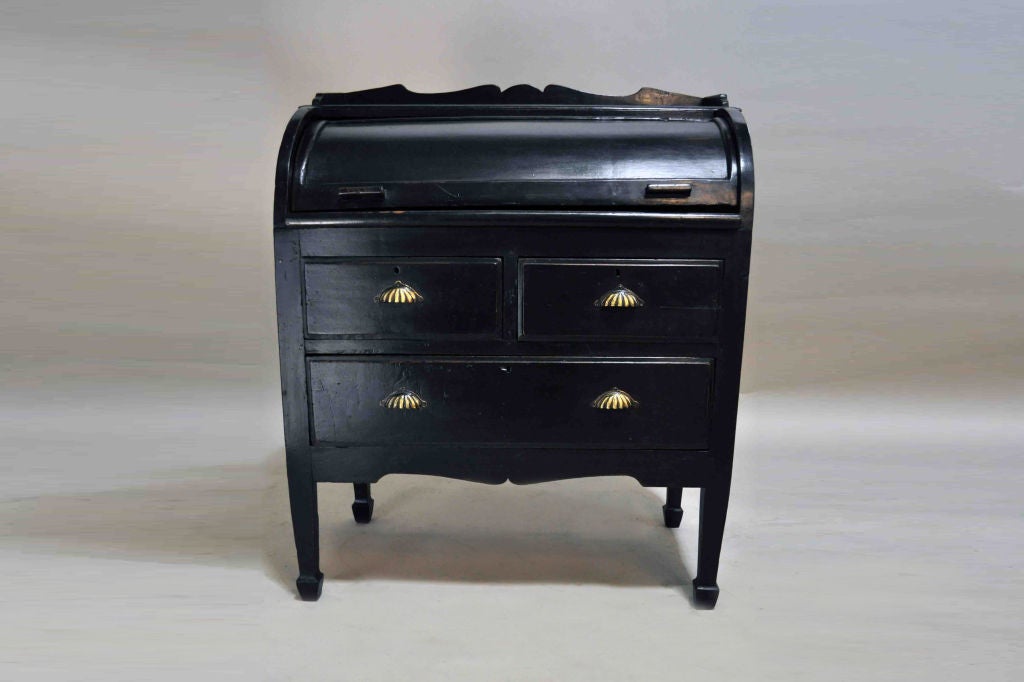
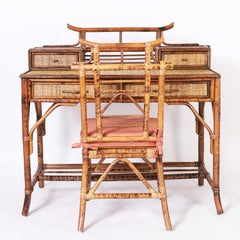
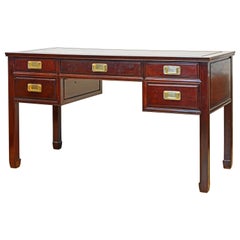
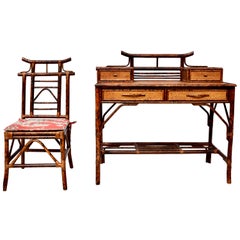
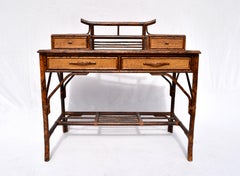
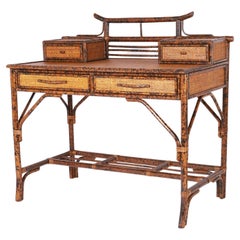
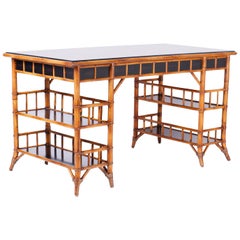
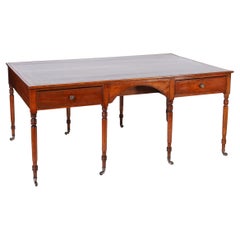
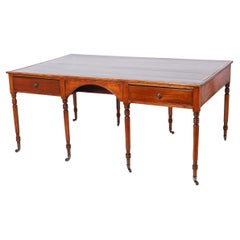
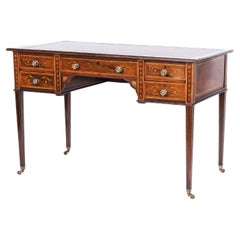
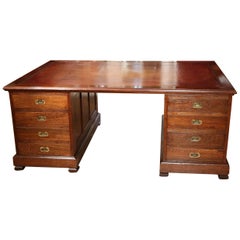
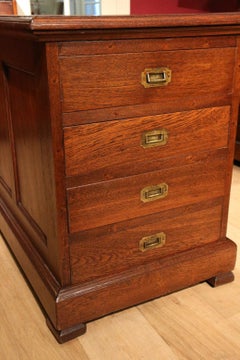
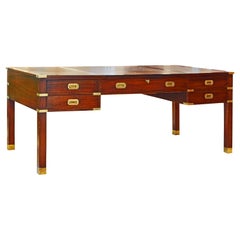
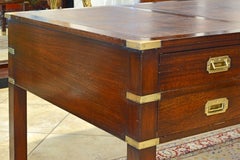
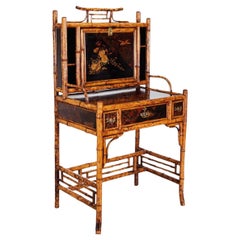
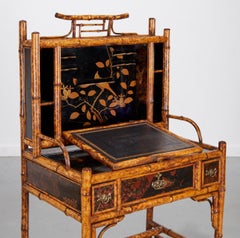
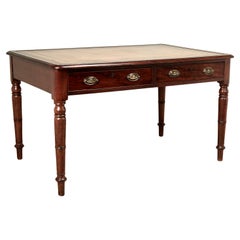
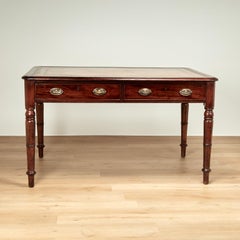
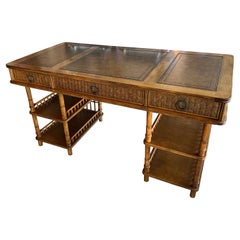
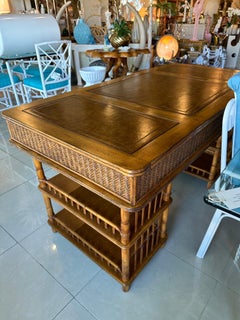
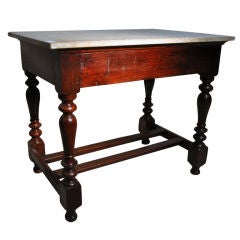
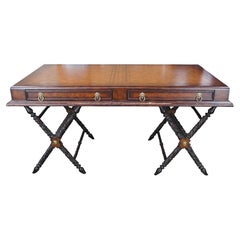
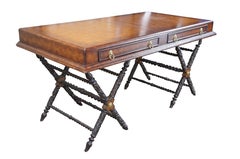
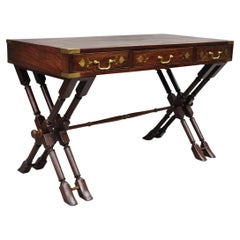
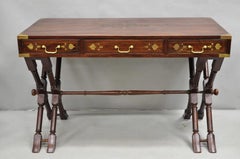
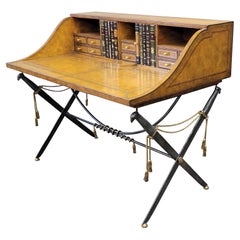
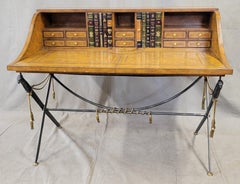
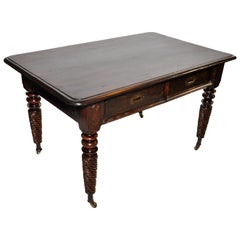
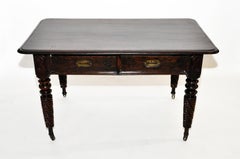
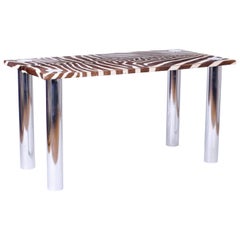
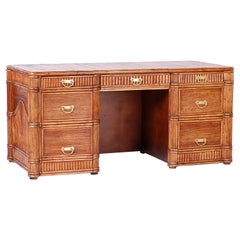
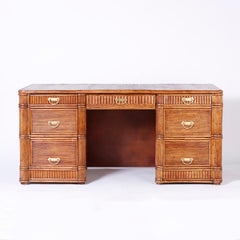
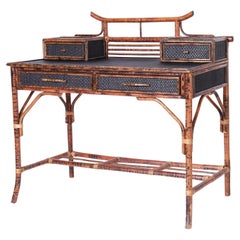
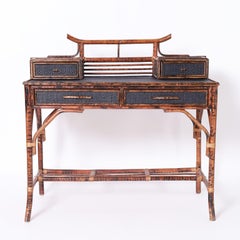
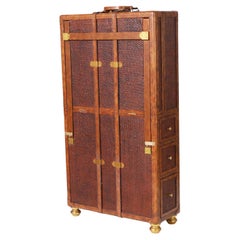
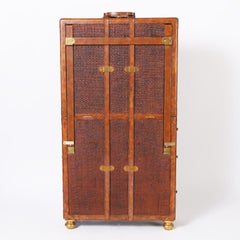
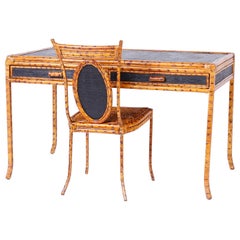
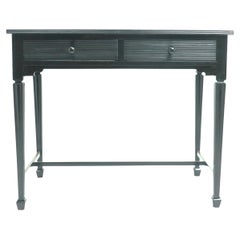
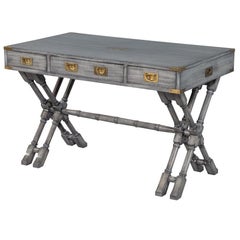
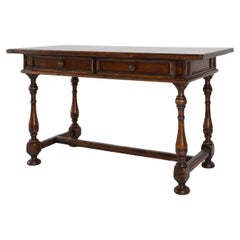
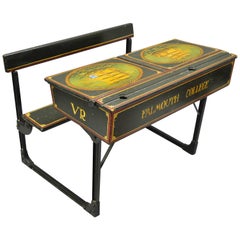
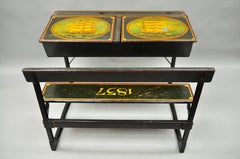
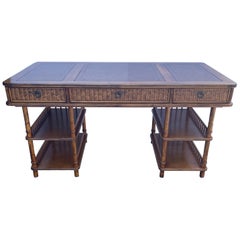
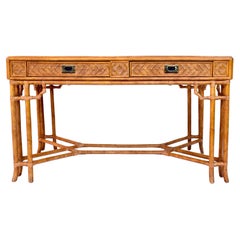
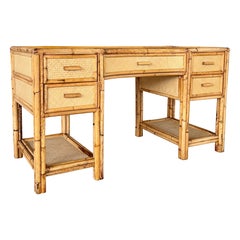
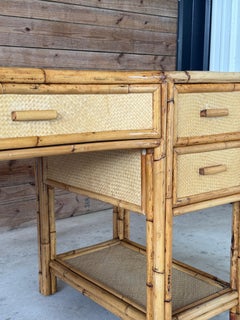
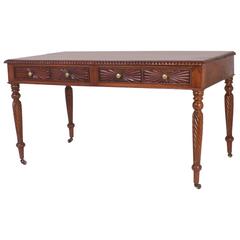
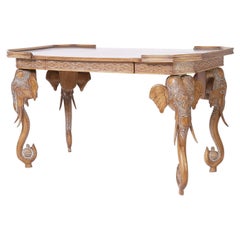
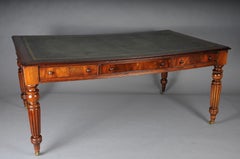
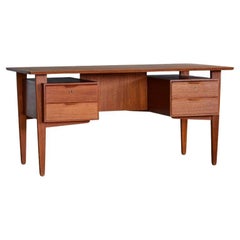
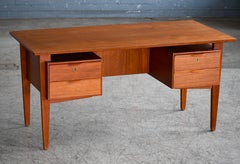
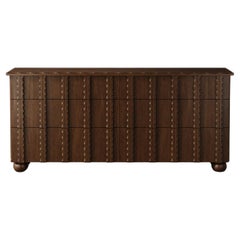
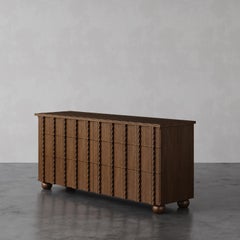
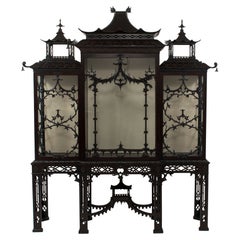
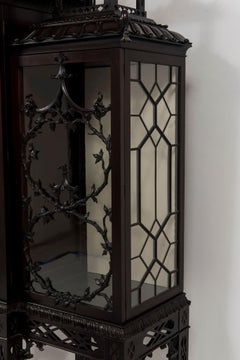
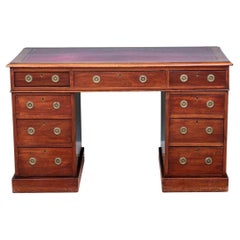
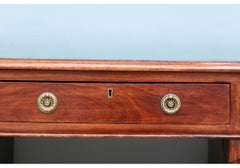
At 1stDibs, there are many versions of the ideal British colonial writing desk for your home. A British colonial writing desk — often made from
wood,
hardwood and
teak — can elevate any home. If you’re shopping for a British colonial writing desk, we have 41 options in-stock, while there are 1 modern editions to choose from as well. Whether you’re looking for an older or newer British colonial writing desk, there are earlier versions available from the 18th Century and newer variations made as recently as the 21st Century. Each British colonial writing desk bearing hallmarks is very popular.
Baker Furniture Company,
Dos Gallos Studio and
Kittinger each produced at least one beautiful British colonial writing desk that is worth considering.
Typically made of mahogany, teak or bamboo and featuring a range of fabrics and prints with botanical patterns, antique British Colonial furniture and decor varies as it involved local materials and techniques and spanned centuries of design styles.
As the British Empire expanded from the 16th to the 20th century, its conquest and control of colonies around the world bolstered its wealth through the extraction of resources. Including colonies in the Americas, Africa, Asia and Australasia, this spread of often violent subjugation imposed British culture, language and faith on Indigenous peoples. The design of homes was included in this expression of imperial power, with government officials, merchants and military officers creating homes mimicking the luxuries they were used to in England.
Local artisans were commissioned to replicate British designs, resulting in versions of Regency, Chippendale, Sheraton and other styles of furniture being crafted from mahogany, rosewood, ebony and teakwood as opposed to beech and oak, which were more common in Europe. Whereas the colonial furniture for the Portuguese and Dutch regularly had motifs of indigenous flora and fauna, the British tended to want more exact reproductions of their home country’s designs.
To escape the summer heat in places such as India and the Caribbean, British colonizers relocated to airy houses in the hills or plantations, leading to foldable chairs and collapsible desks in the style of military campaign furniture. Rather than upholstery as they might have in Europe, chairs and sofas in the British Colonial style had rattan and cane seating for these higher temperature climates. The contrast between the light textiles and the dark colors of the sturdy furniture became a defining aesthetic of British Colonial interiors.
Find a collection of antique British Colonial outdoor furniture, seating, bedroom furniture, decorative objects and other items on 1stDibs.
Choosing the perfect writing desk or writing table is a profoundly personal journey, one that people have been embarking upon for centuries.
Queen Atossa of Persia, from her writing table circa 500 B.C., is said to have been the originator of the art of handwritten letters. Hers was reportedly the first in a long and colorful history of penned correspondence that grew in popularity alongside literacy. The demand for suitable writing desks, which would serve the composer of the letters as well as ensure the comfort of the recipient naturally followed, and the design of these necessary furnishings has evolved throughout history.
Once people began to seek freedom from the outwardly ornate styles of the walnut and rosewood writing desks and drafting tables introduced in the name of Queen Victoria and King Louis XV, radical shifts occurred, such as those that materialized during the Art Nouveau period, when designers longed to produce furniture inspired by the natural world’s beauty. A prime example is the work of the famous late-19th-century Spanish architect Antoni Gaudí — his rolltop desk featured deep side drawers and was adorned with carved motifs that paid tribute to nature. Gaudí regularly combined structural precision with decorative elements, creating beautiful pieces of furniture in wood and metal.
Soon afterward, preferences for sleek, geometric, stylized forms in furniture that saw an emphasis on natural wood grains and traditional craftsmanship took hold. Today, Art Deco desks are still favored by designers who seek to infuse interiors with an air of luxury. One of the most prominent figures of the Art Deco movement was French decorator and furniture designer Émile-Jacques Ruhlmann. With his use of neoclassical motifs as well as expensive and exotic materials such as imported dark woods and inlays of precious metals for his writing desks, Ruhlmann came to symbolize good taste and modernity.
The rise in appreciation for Scandinavian modernism continues to influence the design of contemporary writing desks. It employs the “no fuss” or “less is more” approach to creating a tasteful, sophisticated space. Sweden’s master cabinetmaker Bruno Mathsson created gallery-worthy designs that are as functional as they are beautiful. Finnish architect Alvar Aalto never viewed himself as an artist, but, like Mathsson, his furniture designs reflected a fondness for organic materials and a humanistic approach. Danish designers such as Hans Wegner introduced elegant shapes and lines to mid-century desks and writing tables, often working in oak and solid teak.
From vintage desks to contemporary styles, 1stDibs offers a broad spectrum of choices for conducting all personal and business writing and reading activities.