By Corita Kent
Located in New York, NY
Sister Mary Corita Kent (1918 - 1986)
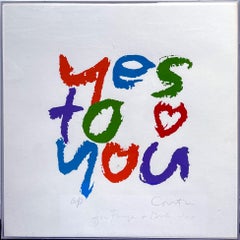
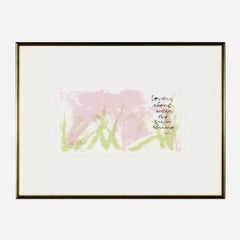
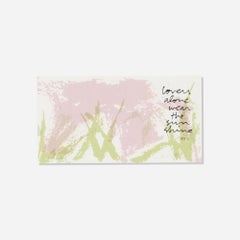
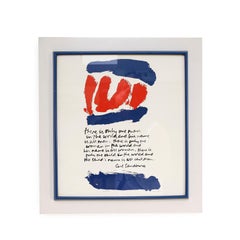
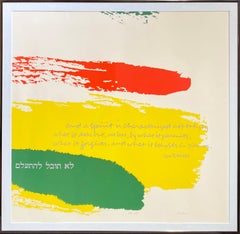
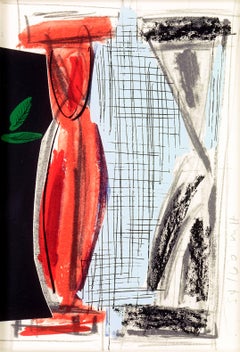
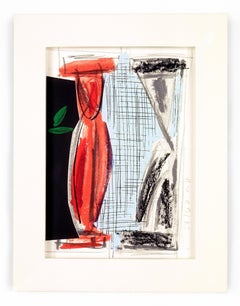
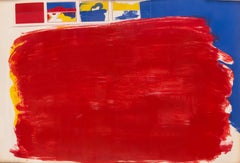
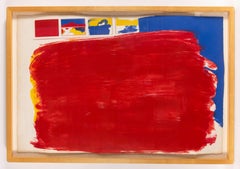
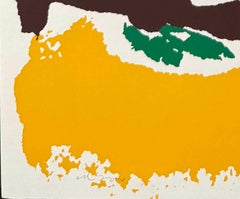
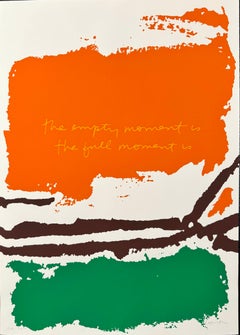
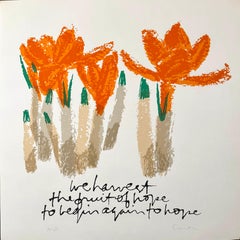
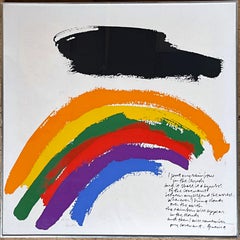
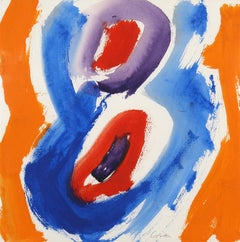
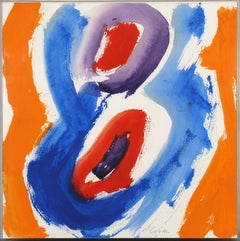
Abstract Red, Purple
Watercolor on paper
Image 12 1/4 x 12 1/4 inches
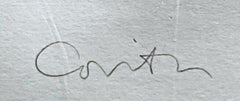
Signed lower right
Provenance:
Larry Linksey, Los Angeles, California
Private Collection, Santa Fe, New Mexico
Matthews Gallery, Santa Fe
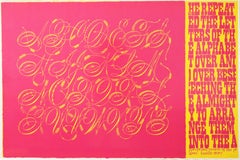
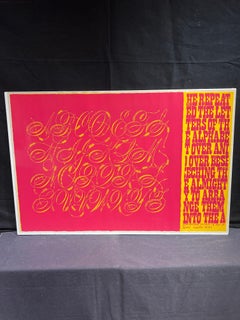
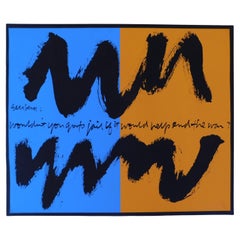
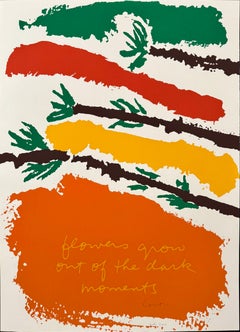
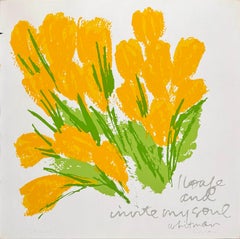
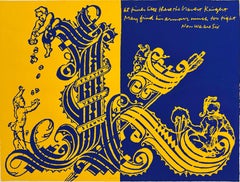
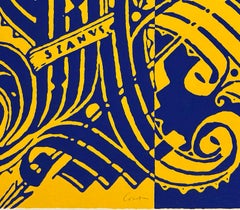
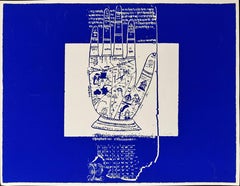
Sister Mary Corita Kent, once the nation's best-known nun, won fame as a serigraph artist. Her bright, colorful silk-screen prints were the rage of the 1960s. She designed the United States' first "Love" postage stamp. Mary Corita Kent was born in Fort Dodge, Iowa in 1918, then moved with her family to Vancouver, British Columbia, in 1920. Two years later they moved to Los Angeles, where she grew up. She joined the Sisters of the Immaculate Heart of Mary there in 1938. She received her bachelor's degree from Immaculate Heart College in 1941, followed by a master's in art history 10 years later from the University of Southern California.
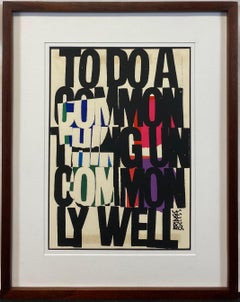
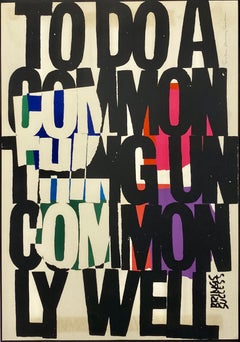
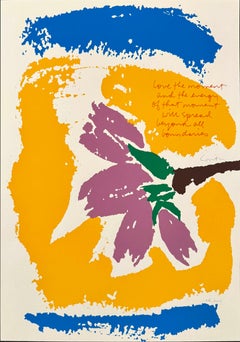
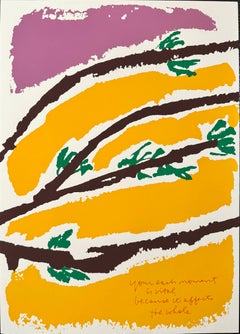
Popularly known as "Sister Mary Corita," she turned to the silk-screen process in 1950. Her large compositions combine quotations, often from the Bible or modern poetry, with religious or secular images. During her career as an artist and teacher, Kent also designed greeting cards and book covers. She achieved fame in the early 1960s with her brightly colored silkscreen posters. Some of her work includes excerpts from the writings of Carl Jung, e.e. cummings and Rainer Maria Rilke. She began adding words to her designs because, she said, "I have been nuts about words and their shape since I was very young."
Sister Mary Corita became one of our country's most celebrated artists and gained international fame through her creative, magical use of color and words. As a muralist, her critically acclaimed 40-foot mural for the Vatican Pavilion at the 1964 New York World's Fair also brought her worldwide attention.
She taught at Immaculate Heart College in Los Angeles, the art department of which, under her creative direction, established itself as a center for the art of learning as well as the learning of art. Buckminster Fuller described his visit to the department as "among the most fundamentally inspiring experiences of my life."
As a teacher, she was known as a challenger, a free-thinker, a celebrator, an encourager. She taught her students that one of the most important rules, when looking at art or watching films, was never to allow yourself to blink. One might miss something extremely valuable. And what the students cherished most about her competence as a teacher was that she always made eye-contact with each individual, giving herself to each charge entirely.
Perhaps becoming a celebrity came too soon for the nun. It was something she never asked to be, but she carried the burdens of stardom with grace, kindness, and loving warmth. She never was arrogant, and accepted the status because she believed it would help the College of the Immaculate Heart where she was teaching, and she thought it would be good for her community of Sisters of the Immaculate Heart of Mary.
Sister Corita became a symbol of the modern nun and was often the target of conservative Catholics, particularly when she turned to regular street dress...
Category
Late 20th Century Feminist Corita Kent Art
MaterialsPaper, Watercolor