By Fernand Léger
Located in Southampton, NY
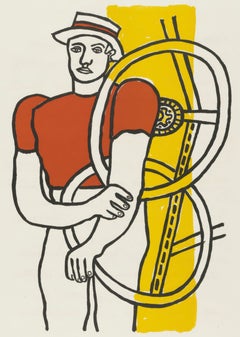
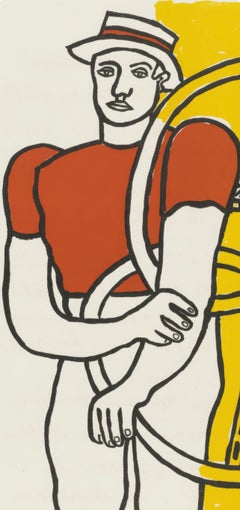
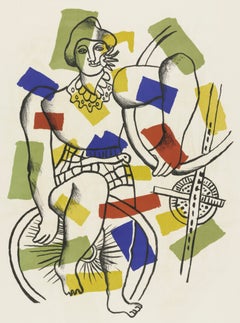
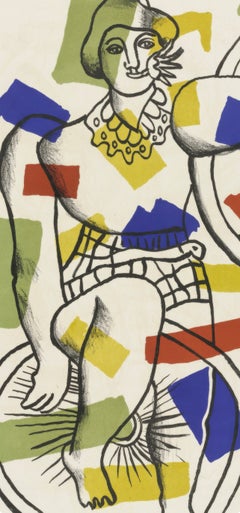
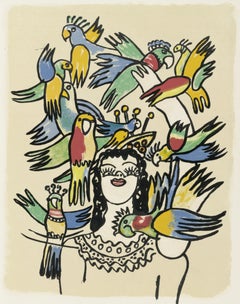
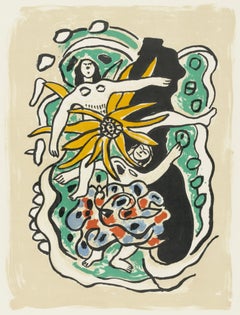
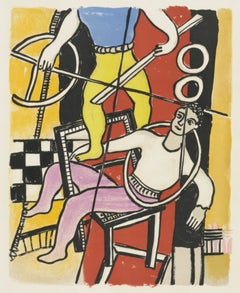
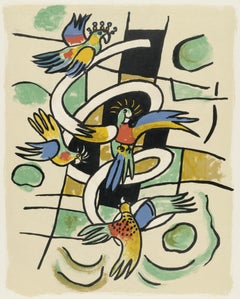
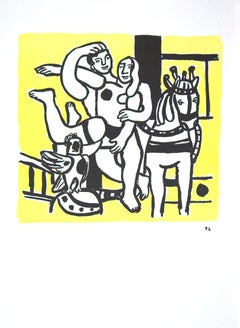
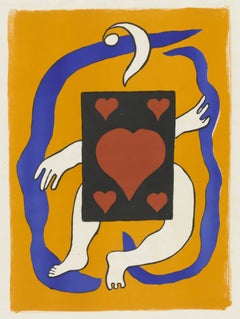
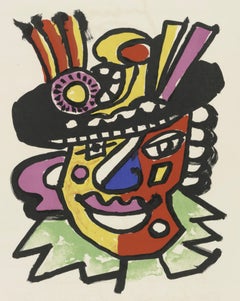
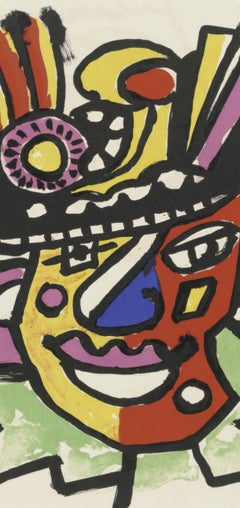
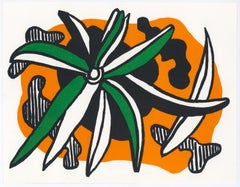
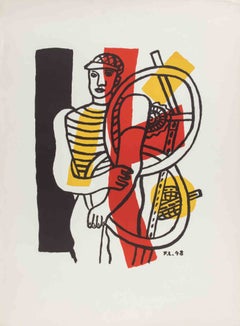
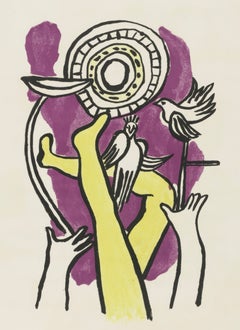
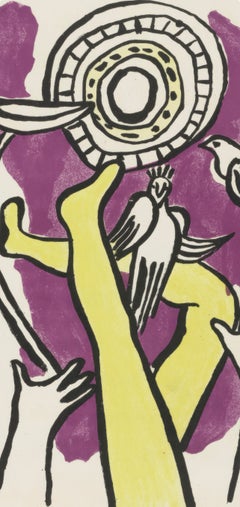
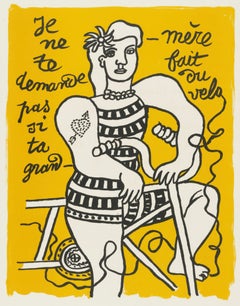
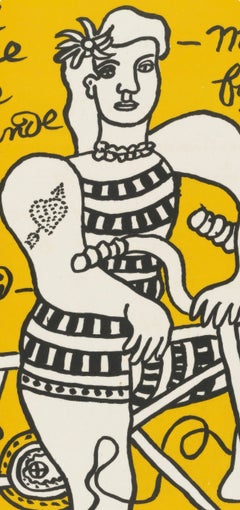
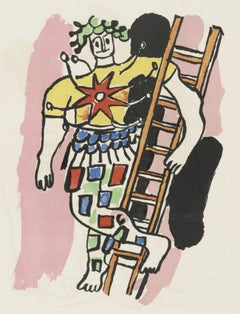
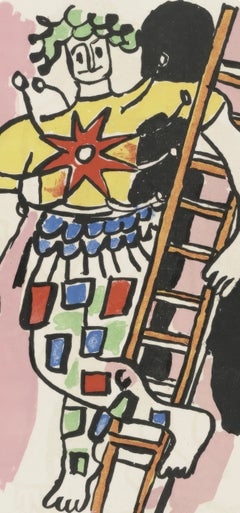
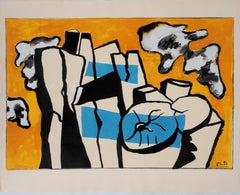
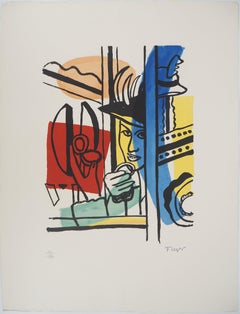
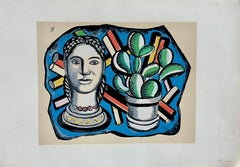
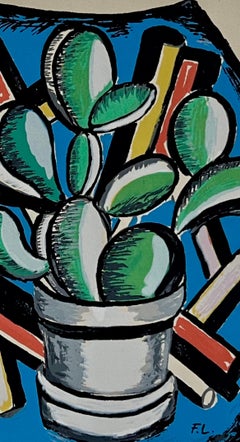
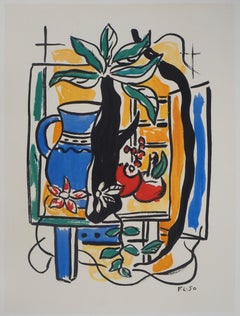
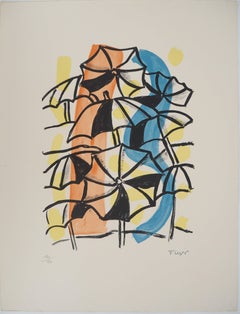
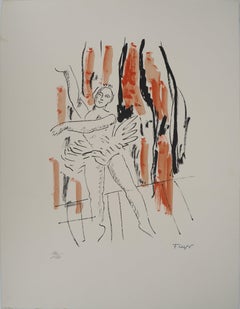
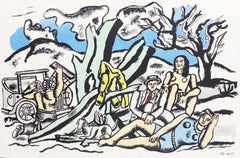
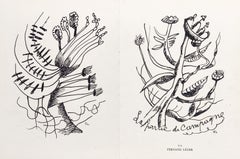
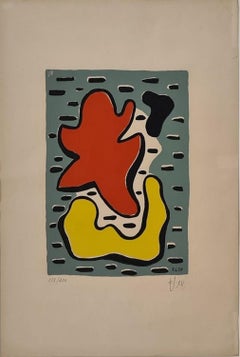
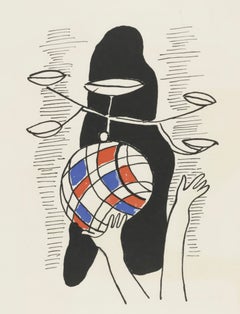
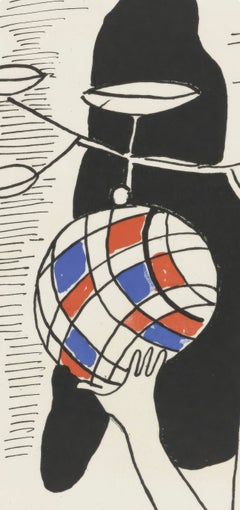
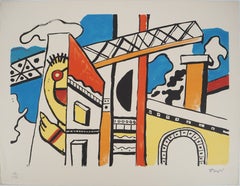
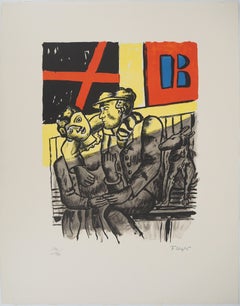
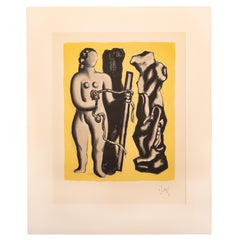
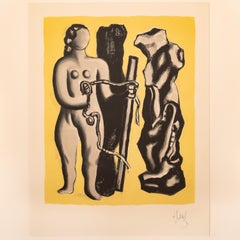
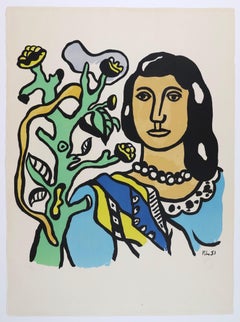
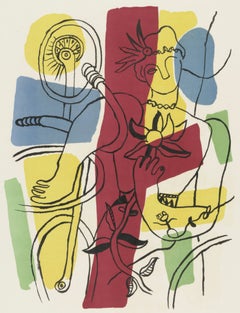
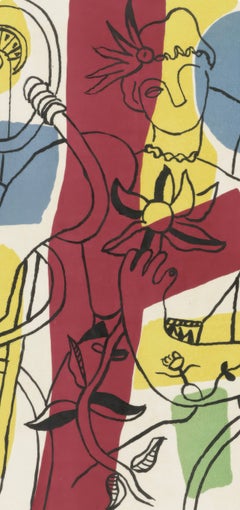
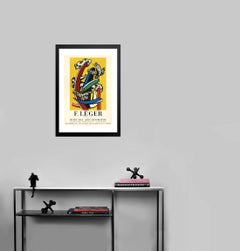
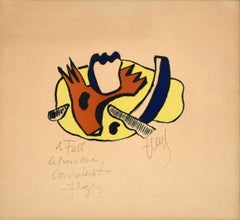
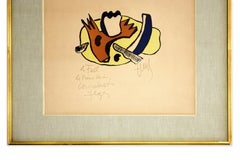
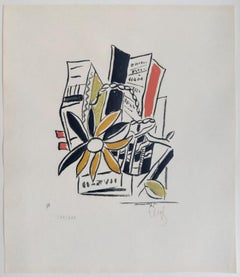
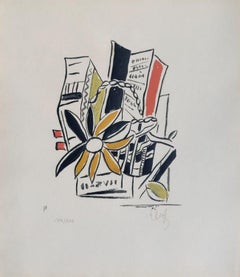
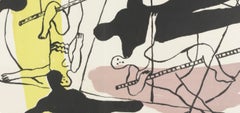
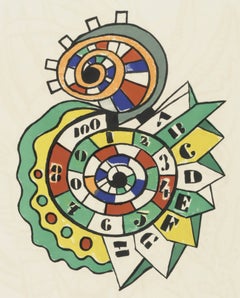
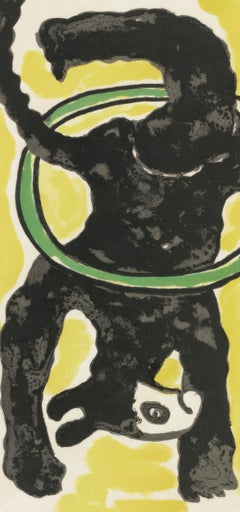
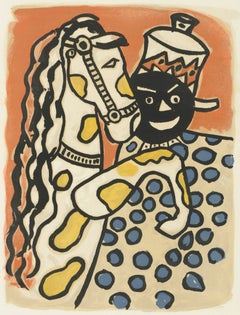
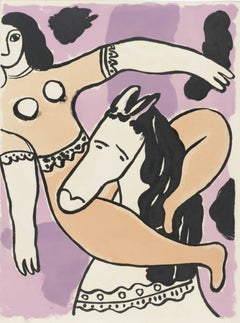
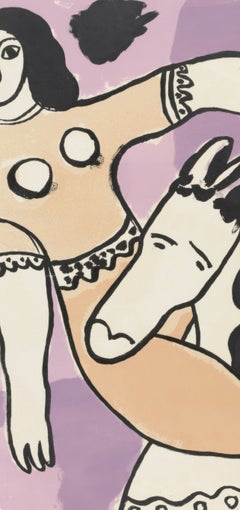
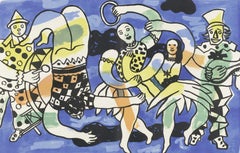
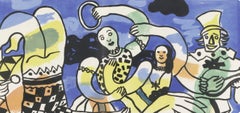
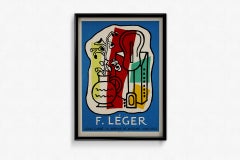
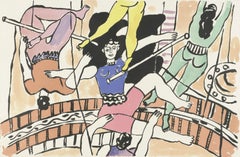
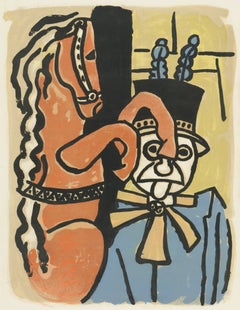
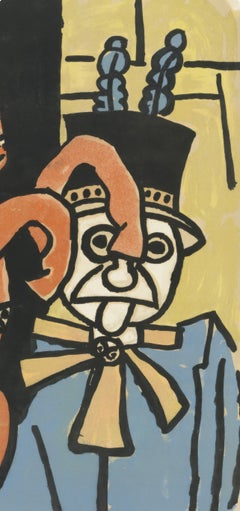
This exquisite lithograph by Fernand Leger (1881–1955), titled Tete et Feuille (Head and Leaf), from Verve, Revue Artistique et Litteraire, Vol. II, No. 5–6, originates from the 1939 issue published by Editions de la revue Verve, Paris, under the direction of Teriade, Editeur, Paris, and printed by Mourlot Freres, Paris, 1939. This striking composition epitomizes Leger’s distinct synthesis of mechanical precision and organic vitality. Tete et Feuille demonstrates his fascination with the interplay between geometry and the human figure—translating natural forms into bold, dynamic arrangements of line and color. The juxtaposition of the stylized head and leaf form reveals Leger’s mastery in uniting abstraction with humanism, a hallmark of his mature modernist vision. Through rhythmic design and rich tonal contrast, the work captures the harmony between nature and the machine age that defined much of Leger’s career.
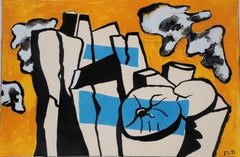
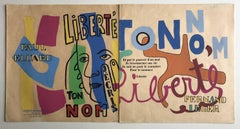
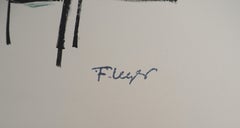
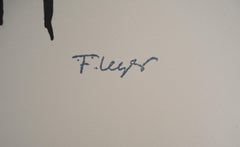
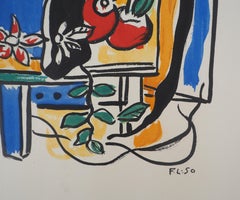
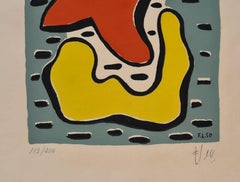
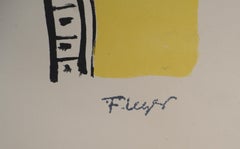
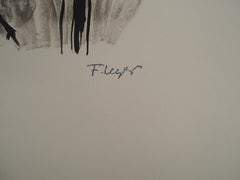
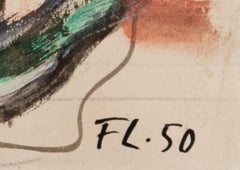
Executed as a lithograph on velin du Marais paper, this work measures 14 x 10.5 inches (35.56 x 26.67 cm). Signed in the plate and unnumbered as issued. The edition reflects the exceptional quality of the Mourlot Freres atelier, renowned for its collaborations with the foremost modern masters of the 20th century.
Artwork Details:
Artist: Fernand Leger (1881–1955)
Title: Tete et Feuille (Head and Leaf), from Verve, Revue Artistique et Litteraire, Vol. II, No. 5–6, 1939
Medium: Lithograph on velin du Marais paper
Dimensions: 14 x 10.5 inches (35.56 x 26.67 cm)
Inscription: Signed in the plate and unnumbered as issued
Date: 1939
Publisher: Editions de la revue Verve, Paris, under the direction of Teriade, Editeur, Paris
Printer: Mourlot Freres, Paris
Condition: Well preserved, consistent with age and medium
Provenance: From Verve, Revue Artistique et Litteraire, Vol. II, No. 5–6, published by Editions de la revue Verve, Paris, 1939
About the Publication:
Verve, Revue Artistique et Litteraire was one of the most influential art periodicals of the 20th century, founded in Paris in 1937 by the visionary Greek-born publisher Teriade (Stratis Eleftheriades). Conceived as a union of art and literature, Verve featured original lithographs and writings by the foremost artists and thinkers of its time, including Henri Matisse, Pablo Picasso, Marc Chagall, Georges Braque, Joan Miro, and Fernand Leger. Each issue represented a collaboration between artists, poets, and master printers, notably Mourlot Freres, whose exceptional craftsmanship brought color lithography to new aesthetic heights. The 1939 double issue, Vol. II, No. 5–6, is among the most distinguished editions, reflecting both the intellectual vigor and artistic experimentation that defined the pre-war Parisian avant-garde.
About the Artist:
Fernand Leger (1881–1955) was a visionary French painter, sculptor, designer, and filmmaker whose groundbreaking fusion of modern industry, vivid color, and geometric form transformed the course of 20th-century art. Born in Argentan, Normandy, Leger began as an architectural draftsman before studying at the Academie Julian and the Ecole des Beaux-Arts in Paris, where he absorbed the lessons of Paul Cezanne’s structural rigor and the revolutionary ideas of Cubism. Alongside Pablo Picasso and Georges Braque, he became one of the leading innovators of the avant-garde, yet his work stood apart through its embrace of mechanical rhythm, bold contrasts, and industrial modernity—earning him the title “the painter of the machine age.” His art celebrated the beauty of technology, urban life, and the human form rendered in dynamic, interlocking cylinders and planes, evoking the pulse of the modern world. Immersed in the vibrant Parisian art scene, Leger worked in dialogue with peers and contemporaries such as Alexander Calder, Alberto Giacometti, Salvador Dali, Joan Miro, Wassily Kandinsky, Marcel Duchamp, and Man Ray, all of whom shared his commitment to innovation and the reimagining of artistic expression. Beyond painting, Leger’s creative reach extended into film, design, and monumental public art—his 1924 collaboration on Ballet Mecanique with Dudley Murphy and Man Ray remains a landmark of avant-garde cinema. His later works evolved toward greater clarity and monumentality, celebrating the unity of form, color, and humanity through large-scale murals and mosaics that bridged fine art and architecture. Leger’s synthesis of Cubism, Futurism, and abstraction paved the way for movements such as Pop Art and influenced generations of artists including Roy Lichtenstein, Ellsworth Kelly, Robert Indiana, and Alexander Calder, who admired his fusion of structure, energy, and optimism. Today, his works are prized by major museums and collectors worldwide for their bold visual power and enduring modernity. His highest auction record was achieved by La femme en rouge et vert (1914), which sold for $39,241,000 at Sotheby’s, New York, on May 7, 2008.
Fernand Leger Tete et Feuille, Leger Verve, Leger Mourlot...
Category
1930s Fauvist Fernand Léger Art