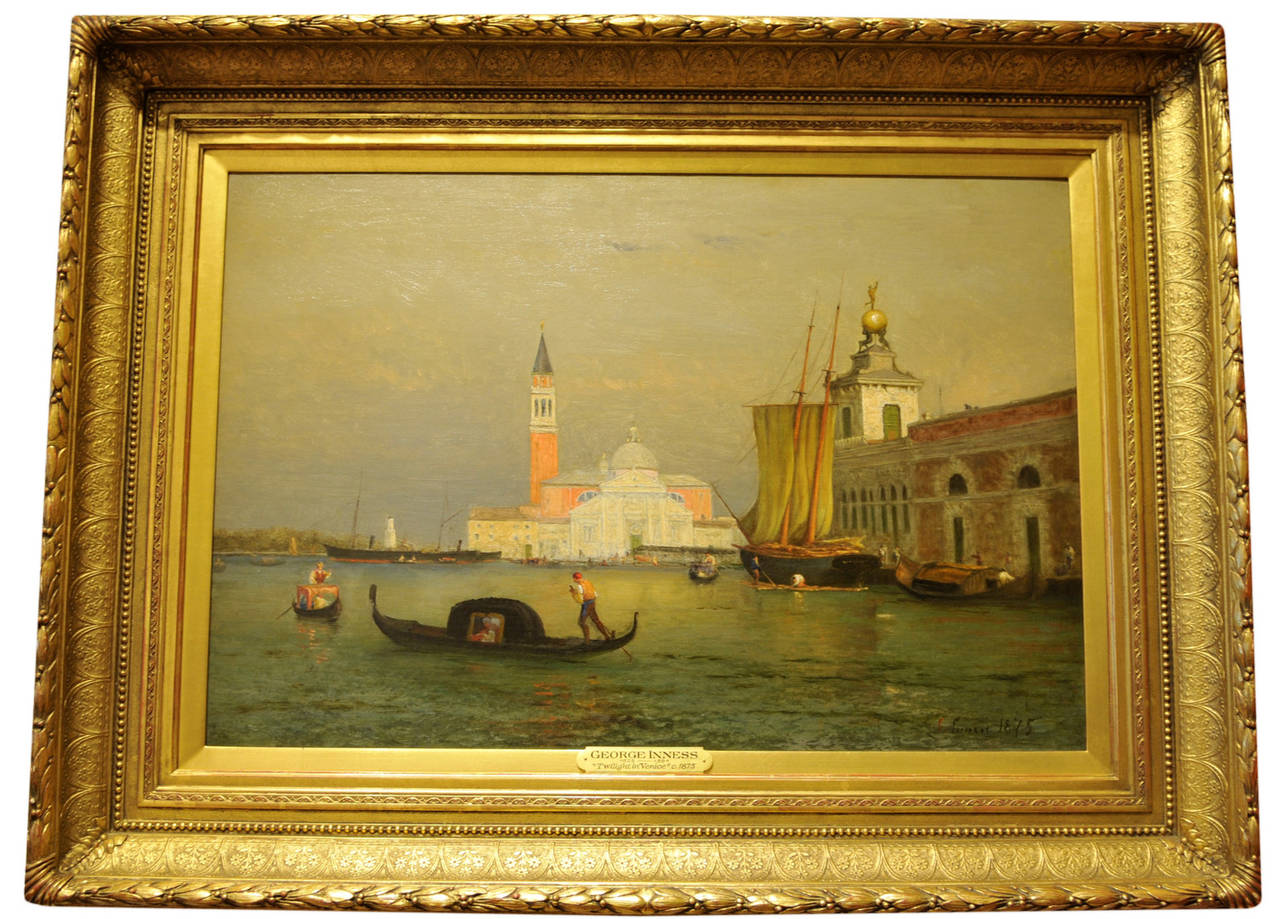
By George Inness
Located in New York, NY
George Inness (1825 - 1894)
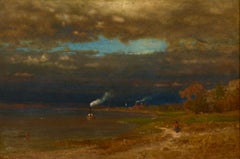
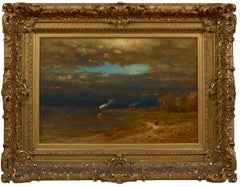
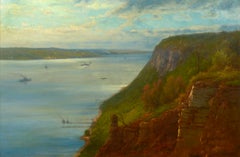
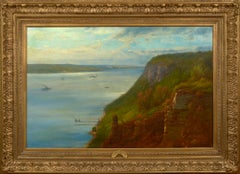
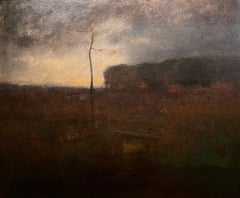
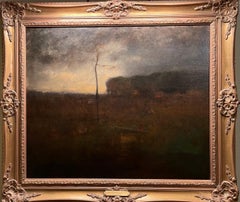
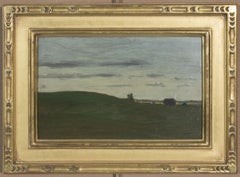
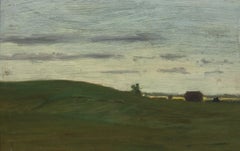
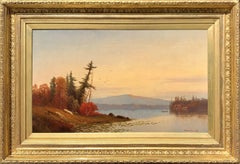
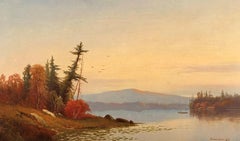
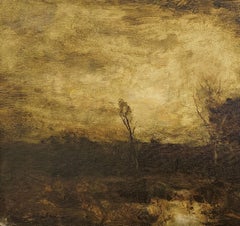
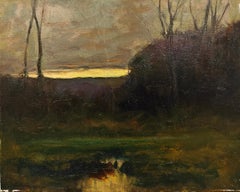
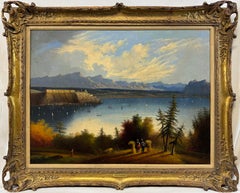
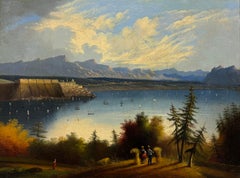
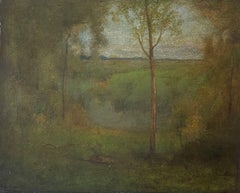
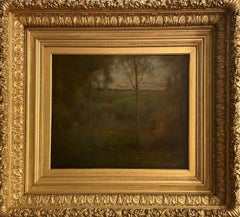
A Cloudy Day, 1886
Oil on canvas
25 x 30 inches
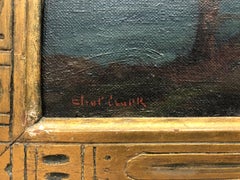
Signed and dated lower center
Provenance:
The artist
Estate of the above
Fifth Avenue Galleries, New York, Executor's Sale of Paintings by the Late George Inness, N.A., February 12 - 14, 1895, Lot 132
Joseph H. Spafford, acquired from the above
Mrs. Spafford, by bequest from the above
Leroy Ireland, New York, 1951
Ernest Closuit, Fort Worth, Texas
Meredith Long & Company, Houston, Texas, circa 1960
Private Collection
Shannon's Fine Art, American and European Fine Art Auction, October 27, 2016, Lot 42
Exhibited:
New York, American Fine Arts Society, Exhibition of the Paintings Left by the Late George Inness, December 27, 1894, no. 90.
Literature:
LeRoy Ireland, The Works of George Inness: An Illustrated Catalogue Raisonne, Austin, Texas, 1965, p. 336, no. 1324, illustrated.
Michael Quick, "George Inness: A Catalogue Raisonne," Vol. II, New Brunswick, New Jersey, 2007, pp. 282-83, 311, no. 966, illustrated.
George Inness, one of America's foremost landscape painters of the late nineteenth century, was born in 1825 near Newburgh, New York. He spent most of his childhood in Newark, New Jersey. He was apprenticed to an engraving firm until 1843, when he studied art in New York with Regis Gignoux, a landscape painter from whom he learned the classical styles and techniques of the Old Masters. In 1851, sponsored by a patron, Inness made a fifteen-month trip to Italy. In 1853 he traveled to France, where he discovered Barbizon landscape painting, leading him to adopt a style that used looser, sketchier brushwork and more open compositions, emphasizing the expressive qualities of nature.
After working in New York from 1854 to 1859, he moved to Medfield, Massachusetts, and four years later to New Jersey, where through a fellow painter he began to experiment with using glazes that would allow him to fill his compositions with subtle effects of light. Duncan Phillips remarked on Inness’s mellow light as a unifying force, saying, “…he was equipped to modernize the grand manner of Claude and to apply the methods of Barbizon to American subjects."
At this time also, Inness developed an interest in the religious theories of Emanuel Swedenborg...
Category
1880s Hudson River School George Inness Art
MaterialsCanvas, Paint, Oil