Henri Matisse More Art

French, 1869-1954

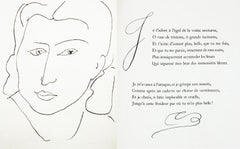
Whether working as a draftsman, a sculptor, a printmaker or a painter, Henri Matisse was a master of color. Although classically trained at the Académie Julian, in Paris, he quickly abandoned traditional techniques and genres to pioneer a style all his own, marked by quick, gestural strokes and fluid contours.

Along with fellow painter André Derain, Matisse was the leading proponent of Fauvism, a movement whose name is derived from the French word for "wild beast.” Marked by vibrant hues, Fauvist paintings like Matisse’s famous 1906 composition Le Bonheur de vivre use wild, active brushstrokes and a palette unconstrained by nature, resulting in women with purple skin and trees with orange leaves. Often, these compositions unite pure color with the white of exposed canvas to create a sense of transparency and light.

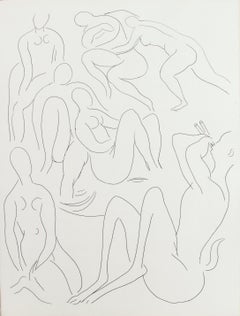
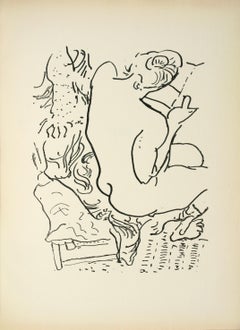
In addition to masterful landscapes and still lifes, Matisse loved to paint erotic subjects, particularly the female nude. Rejecting strict realism, he distilled the form into its essential parts and then translated these into voluptuous, rounded contours. With its striking colors and sculptural modeling of the figure, Odalisque couchée aux magnolias is among Matisse’s most famous works — and the most expensive work of his ever sold — depicting Henriette Darricarrère, his muse and favorite model for around seven years, lounging luxuriously in his Nice studio. In pictures like the lithograph Nu Bleu, he explored the expressive power of a body in motion by placing his figures in twisted or contorted poses, transforming their limbs into tangles of color and shape that push figure painting toward abstraction.

Find original Henri Matisse prints, sculptures and other art on 1stDibs.

to
3
3
1
20
1
Overall Width
to
Overall Height
to
24
1
3
20
1
22
2
24
1
23
2
1
1
1
238
319
229
121
117
24
Artist: Henri Matisse
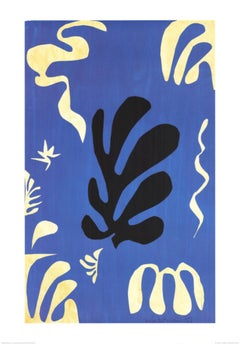
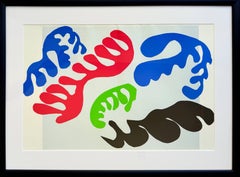
Composition Fond Bleu By Henri Matisse
By Henri Matisse
Located in Dubai, Dubai
Composition Fond Bleu By Henri Matisse 1996 Medium: Offset Lithograph Paper Size: 39.25 x 27.5 inches ( 100 x 70 cm ) Image Size: 34.5 x 21.75 inches ( 88 x 55 cm ) Edition Si...
Category

1990s Contemporary Henri Matisse More Art

Materials

Lithograph, Offset

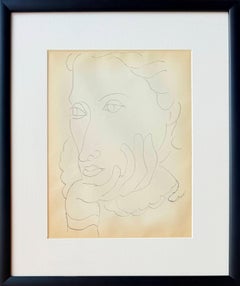
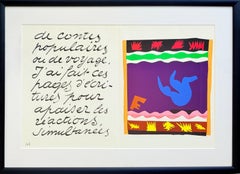
Divagations
By Henri Matisse
Located in OPOLE, PL
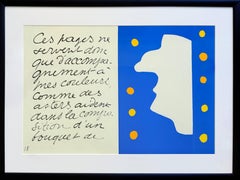
Henri Matisse (1869-1954) - Divagations Photogravure from 1937. Dimensions of work: 35.5 x 26.4 cm Publisher: Tériade, Paris. Text on the verso. The work is in Excellent conditi...
Category

1930s Surrealist Henri Matisse More Art

Materials

Photogravure

Divagations
Divagations
$671 Sale Price
20% Off
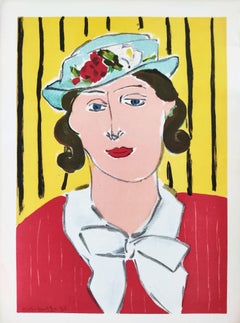
La Femme
By Henri Matisse
Located in OPOLE, PL
Henri Matisse (1869-1954) - La Femme Lithograph from 1939. Dimensions of work: 35.5 x 26.4 cm Publisher: Tériade, Paris. The work is in Excellent condition. Fast and secure ship...
Category

1930s Surrealist Henri Matisse More Art

Materials

Lithograph

La Femme
La Femme
$671 Sale Price
20% Off
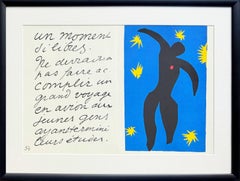
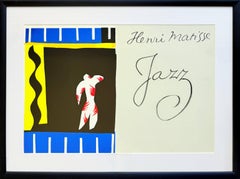
Jazz (Jazz)
By Henri Matisse
Located in OPOLE, PL
Henri Matisse (1869-1954) - Jazz (Jazz) Lithograph from 1983. Dimensions of sheet: 61 x 39 cm Dimensions in frame: 73 x 53 cm Publisher: George Brazilier, New York. Printer: Ern...
Category

1950s Surrealist Henri Matisse More Art

Materials

Lithograph

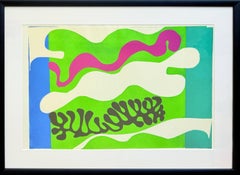
Le Lagon II (The Lagoon II)
By Henri Matisse
Located in OPOLE, PL
Henri Matisse (1869-1954) - Le Lagon II (The Lagoon II) Lithograph from 1983. Dimensions of sheet: 61 x 39 cm Dimensions in frame: 73 x 53 cm Publisher: George Brazilier, New Yor...
Category

1950s Surrealist Henri Matisse More Art

Materials

Lithograph

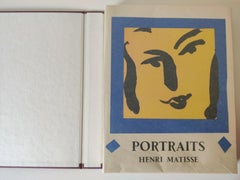
Henri Matisse -- Portraits
By Henri Matisse
Located in BRUCE, ACT
Henri Matisse Portraits, 1954 Reproduction of 93 portraits by the artist, including 60 black plates of drawings, lithographs and paintings and 33 plates of paintings in colour. Edit...
Category

1950s Henri Matisse More Art

Materials

Paper

La Tristesse du Roi (The Sorrow of the King)
By Henri Matisse
Located in OPOLE, PL
Henri Matisse (1869-1954) - La Tristesse du Roi (The Sorrow of the King) Lithograph from 1983. Dimensions of sheet: 61 x 39 cm Dimensions in frame: 73 x 53 cm Publisher: George B...
Category

1950s Surrealist Henri Matisse More Art

Materials

Lithograph

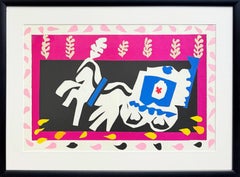
L'Enterrement de Pierrot (The Burial of Pierrot)
By Henri Matisse
Located in OPOLE, PL
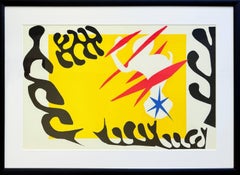
Henri Matisse (1869-1954) - L'Enterrement de Pierrot (The Burial of Pierrot) Lithograph from 1983. Dimensions of sheet: 61 x 39 cm Dimensions in frame: 73 x 53 cm Publisher: Geor...
Category

1950s Surrealist Henri Matisse More Art

Materials

Lithograph

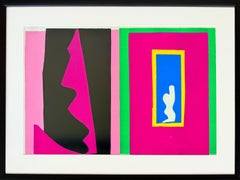
Le Destin (Destiny)
By Henri Matisse
Located in OPOLE, PL
Henri Matisse (1869-1954) - Le Destin (Destiny) Lithograph from 1983. Dimensions of sheet: 61 x 39 cm Dimensions in frame: 73 x 53 cm Publisher: George Brazilier, New York. Prin...
Category

1950s Surrealist Henri Matisse More Art

Materials

Lithograph

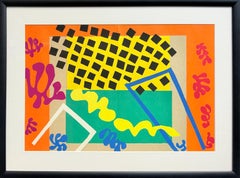
Le Codomas (The Codomas / The Acrobat on the Trapeze)
By Henri Matisse
Located in OPOLE, PL
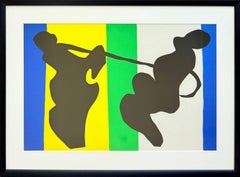
Henri Matisse (1869-1954) - Le Codomas (The Codomas / The Acrobat on the Trapeze) Lithograph from 1983. Dimensions of sheet: 61 x 39 cm Dimensions in frame: 73 x 53 cm Publisher:...
Category

1950s Surrealist Henri Matisse More Art

Materials

Lithograph

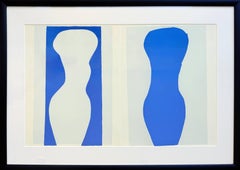
Formes (Forms)
By Henri Matisse
Located in OPOLE, PL
Henri Matisse (1869-1954) - Formes (Forms) Lithograph from 1983. Dimensions of sheet: 61 x 39 cm Dimensions in frame: 73 x 53 cm Publisher: George Brazilier, New York. Printer: ...
Category

1950s Surrealist Henri Matisse More Art

Materials

Lithograph

Le Lagon (The Lagoon)
By Henri Matisse
Located in OPOLE, PL
Henri Matisse (1869-1954) - Le Lagon (The Lagoon) Lithograph from 1983. Dimensions of sheet: 61 x 39 cm Dimensions in frame: 73 x 53 cm Publisher: George Brazilier, New York. Pr...
Category

1950s Surrealist Henri Matisse More Art

Materials

Lithograph

Le cheval, l'écuyère et le clown (The Horse, the Equestrienne, and the Clown)
By Henri Matisse
Located in OPOLE, PL
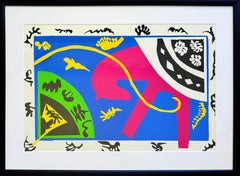
Henri Matisse (1869-1954) - Le cheval, l'écuyère et le clown (The Horse, the Equestrienne, and the Clown) Lithograph from 1983. Dimensions of sheet: 61 x 39 cm Dimensions in frame...
Category

1950s Surrealist Henri Matisse More Art

Materials

Lithograph

Ivy in Flower By Henri Matisse
By Henri Matisse
Located in Dubai, Dubai
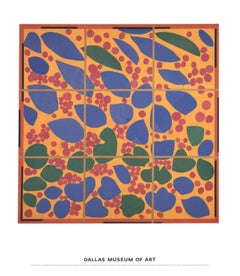
Ivy in Flower By Henri Matisse 2006 Medium: Offset Lithograph Paper Size: 27.5 x 24 inches ( 70 x 61 cm ) Image Size: 19.75 x 20 inches ( 50 x 51 cm ) Edition Size: Unknown
Category

Early 2000s Contemporary Henri Matisse More Art

Materials

Lithograph, Offset

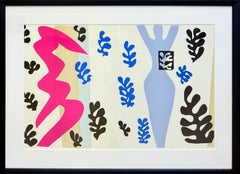
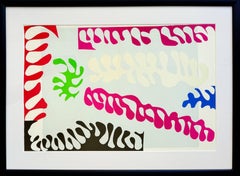
Le Loup (The Wolf)
By Henri Matisse
Located in OPOLE, PL
Henri Matisse (1869-1954) - Le Loup (The Wolf) Lithograph from 1983. Dimensions of sheet: 61 x 39 cm Dimensions in frame: 73 x 53 cm Publisher: George Brazilier, New York. Print...
Category

1950s Surrealist Henri Matisse More Art

Materials

Lithograph

Le Cirque (The Circus)
By Henri Matisse
Located in OPOLE, PL
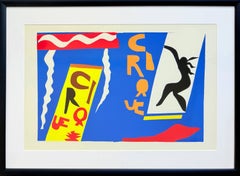
Henri Matisse (1869-1954) - Le Cirque (The Circus) Lithograph from 1983. Dimensions of sheet: 61 x 39 cm Dimensions in frame: 73 x 53 cm Publisher: George Brazilier, New York. P...
Category

1950s Surrealist Henri Matisse More Art

Materials

Lithograph

Le Toboggan (The Slide)
By Henri Matisse
Located in OPOLE, PL
Henri Matisse (1869-1954) - Le Toboggan (The Slide) Lithograph from 1983. Dimensions of sheet: 61 x 39 cm Dimensions in frame: 73 x 53 cm Publisher: George Brazilier, New York. ...
Category

1950s Surrealist Henri Matisse More Art

Materials

Lithograph

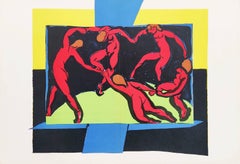
Dance
By Henri Matisse
Located in OPOLE, PL
Henri Matisse (1869-1954) - Dance Lithograph from 1939. Dimensions of work: 52 x 35 cm Publisher: Tériade, Paris. On the back there are two lithographs signed in plate. The prin...
Category

1930s Surrealist Henri Matisse More Art

Materials

Lithograph

Dance
Dance
$1,624 Sale Price
20% Off
Le Lagon III (The Lagoon III)
By Henri Matisse
Located in OPOLE, PL
Henri Matisse (1869-1954) - Le Lagon III (The Lagoon III) Lithograph from 1983. Dimensions of sheet: 61 x 39 cm Dimensions in frame: 73 x 53 cm Publisher: George Brazilier, New Y...
Category

1950s Surrealist Henri Matisse More Art

Materials

Lithograph

L'Océanide des sables (The Oceanid of the Sands)
By Henri Matisse
Located in OPOLE, PL
Henri Matisse (1869-1954) - L'Océanide des sables (The Oceanid of the Sands) Lithograph from 1983. Dimensions of sheet: 61 x 39 cm Dimensions in frame: 73 x 53 cm Publisher: Geor...
Category

1950s Surrealist Henri Matisse More Art

Materials

Lithograph

Le Cow-boy (The Cowboy)
By Henri Matisse
Located in OPOLE, PL
Henri Matisse (1869-1954) - Le Cow-boy (The Cowboy) Lithograph from 1983. Dimensions of sheet: 61 x 39 cm Dimensions in frame: 73 x 53 cm Publisher: George Brazilier, New York. ...
Category

1950s Surrealist Henri Matisse More Art

Materials

Lithograph

La nageuse dans l’aquarium (The Swimmer in the Aquarium)
By Henri Matisse
Located in OPOLE, PL
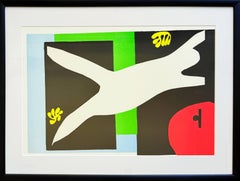
Henri Matisse (1869-1954) - La nageuse dans l’aquarium (The Swimmer in the Aquarium) Lithograph from 1983. Dimensions of sheet: 61 x 39 cm Dimensions in frame: 73 x 53 cm Publish...
Category

1950s Surrealist Henri Matisse More Art

Materials

Lithograph

Le Cavalier au cheval blanc (The Rider on the White Horse)
By Henri Matisse
Located in OPOLE, PL
Henri Matisse (1869-1954) - Le Cavalier au cheval blanc (The Rider on the White Horse) Lithograph from 1983. Dimensions of sheet: 61 x 39 cm Dimensions in frame: 73 x 53 cm Publi...
Category

1950s Surrealist Henri Matisse More Art

Materials

Lithograph

Monsieur Loyal (The Ringmaster)
By Henri Matisse
Located in OPOLE, PL
Henri Matisse (1869-1954) - Monsieur Loyal (The Ringmaster) Lithograph from 1983. Dimensions of sheet: 61 x 39 cm Dimensions in frame: 73 x 53 cm Publisher: George Brazilier, New...
Category

1950s Surrealist Henri Matisse More Art

Materials

Lithograph

Le Clown (The Clown)
By Henri Matisse
Located in OPOLE, PL
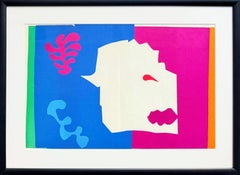
Henri Matisse (1869-1954) - Le Clown (The Clown) Lithograph from 1983. Dimensions of sheet: 61 x 39 cm Dimensions in frame: 73 x 53 cm Publisher: George Brazilier, New York. Pri...
Category

1950s Surrealist Henri Matisse More Art

Materials

Lithograph

Related Items
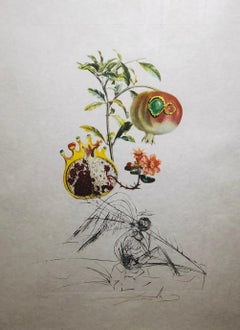
Salvador Dali, "Grenade et l'ange from FlorDali - Les Fruits"
By Salvador Dalí­
Located in Chatsworth, CA
This piece was created in 1969 by Salvador Dali, it is a photolithograph of an original gouache painted on printed illustrations with original engraving was created in 1969 by Salvad...
Category

1960s Surrealist Henri Matisse More Art

Materials

Lithograph

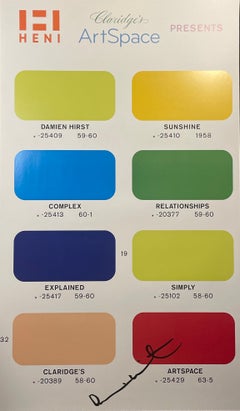
Damien Hirst Signed Lithograph "The Currency" Contemporary Modern Street Art
By Damien Hirst
Located in Draper, UT
These hand signed lithograph prints were only made available to "HOLDERS" of the Currency prints. Less than 1000 were hand signed by Damien Hirst a...
Category

2010s Contemporary Henri Matisse More Art

Materials

Lithograph

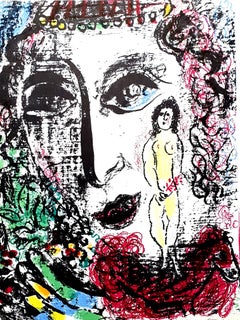
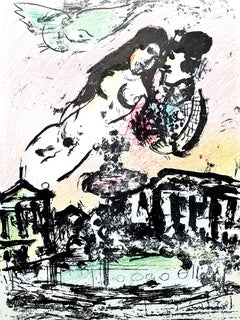
Marc Chagall - Original Lithograph
By Marc Chagall
Located in Collonge Bellerive, Geneve, CH
Marc Chagall Original Lithograph 1963 Dimensions: 32 x 24 cm Reference: Chagall Lithographe 1957-1962. VOLUME II. Condition : Excellent Marc Chagall (born in 1887) Marc Chagall was born in Belarus in 1887 and developed an early interest in art. After studying painting, in 1907 he left Russia for Paris, where he lived in an artist colony on the city’s outskirts. Fusing his own personal, dreamlike imagery with hints of the fauvism and cubism popular in France at the time, Chagall created his most lasting work—including I and the Village (1911)—some of which would be featured in the Salon des Indépendants exhibitions. After returning to Vitebsk for a visit in 1914, the outbreak of WWI trapped Chagall in Russia. He returned to France in 1923 but was forced to flee the country and Nazi persecution during WWII. Finding asylum in the U.S., Chagall became involved in set and costume design before returning to France in 1948. In his later years, he experimented with new art forms and was commissioned to produce numerous large-scale works. Chagall died in St.-Paul-de-Vence in 1985. The Village Marc Chagall was born in a small Hassidic community on the outskirts of Vitebsk, Belarus, on July 7, 1887. His father was a fishmonger, and his mother ran a small sundries shop in the village. As a child, Chagall attended the Jewish elementary school, where he studied Hebrew and the Bible, before later attending the Russian public school. He began to learn the fundamentals of drawing during this time, but perhaps more importantly, he absorbed the world around him, storing away the imagery and themes that would feature largely in most of his later work. At age 19 Chagall enrolled at a private, all-Jewish art school and began his formal education in painting, studying briefly with portrait artist Yehuda Pen. However, he left the school after several months, moving to St. Petersburg in 1907 to study at the Imperial Society for the Protection of Fine Arts. The following year, he enrolled at the Svanseva School, studying with set designer Léon Bakst, whose work had been featured in Sergei Diaghilev's Ballets Russes. This early experience would prove important to Chagall’s later career as well. Despite this formal instruction, and the widespread popularity of realism in Russia at the time, Chagall was already establishing his own personal style, which featured a more dreamlike unreality and the people, places and imagery that were close to his heart. Some examples from this period are his Window Vitebsk (1908) and My Fianceé with Black Gloves (1909), which pictured Bella Rosenfeld, to whom he had recently become engaged. The Beehive Despite his romance with Bella, in 1911 an allowance from Russian parliament member and art patron Maxim Binaver enabled Chagall to move to Paris, France. After settling briefly in the Montparnasse neighborhood, Chagall moved further afield to an artist colony known as La Ruche (“The Beehive”), where he began to work side by side with abstract painters such as Amedeo Modigliani and Fernand Léger as well as the avant-garde poet Guillaume Apollinaire. At their urging, and under the influence of the wildly popular fauvism and cubism, Chagall lightened his palette and pushed his style ever further from reality. I and the Village (1911) and Homage to Apollinaire (1912) are among his early Parisian works, widely considered to be his most successful and representative period. Though his work stood stylistically apart from his cubist contemporaries, from 1912 to 1914 Chagall exhibited several paintings at the annual Salon des Indépendants exhibition, where works by the likes of Juan Gris, Marcel Duchamp and Robert Delaunay were causing a stir in the Paris art world. Chagall’s popularity began to spread beyond La Ruche, and in May 1914 he traveled to Berlin to help organize his first solo exhibition, at Der Sturm Gallery. Chagall remained in the city until the highly acclaimed show opened that June. He then returned to Vitebsk, unaware of the fateful events to come. War, Peace and Revolution In August 1914 the outbreak of World War I precluded Chagall’s plans to return to Paris. The conflict did little to stem the flow of his creative output, however, instead merely giving him direct access to the childhood scenes so essential to his work, as seen in paintings such as Jew in Green (1914) and Over Vitebsk (1914). His paintings from this period also occasionally featured images of the war’s impact on the region, as with Wounded Soldier (1914) and Marching (1915). But despite the hardships of life during wartime, this would also prove to be a joyful period for Chagall. In July 1915 he married Bella, and she gave birth to a daughter, Ida, the following year. Their appearance in works such as Birthday (1915), Bella and Ida by the Window (1917) and several of his “Lovers” paintings give a glimpse of the island of domestic bliss that was Chagall’s amidst the chaos. To avoid military service and stay with his new family, Chagall took a position as a clerk in the Ministry of War Economy in St. Petersburg. While there he began work on his autobiography and also immersed himself in the local art scene, befriending novelist Boris Pasternak, among others. He also exhibited his work in the city and soon gained considerable recognition. That notoriety would prove important in the aftermath of the 1917 Russian Revolution when he was appointed as the Commissar of Fine Arts in Vitebsk. In his new post, Chagall undertook various projects in the region, including the 1919 founding of the Academy of the Arts. Despite these endeavors, differences among his colleagues eventually disillusioned Chagall. In 1920 he relinquished his position and moved his family to Moscow, the post-revolution capital of Russia. In Moscow, Chagall was soon commissioned to create sets and costumes for various productions at the Moscow State Yiddish Theater...
Category

1960s Surrealist Henri Matisse More Art

Materials

Lithograph

Marc Chagall - Original Lithograph
$1,520
H 9.45 in W 12.6 in D 0.04 in
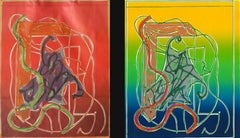
The Dayton's Bag: Two original abstract lithographs plate signed double sided
By Frank Stella
Located in New York, NY
Frank Stella The Dayton's Bag, 1984 Two (2) separate offset lithographs: one on each side of a mixed media paper shopping bag 18 1/2 × 16 × 4 inches Plate signed "Frank Stella '84" twice: once on each side of the bag (see photos) This paper shopping bag with two different color offset lithographs (one on each side) was created by Frank Stella along with his longtime publisher Tyler Graphics. The work is plate signed Frank Stella on the top of each side, and each side bears the printed text, "Dayton's Salutes the Opening of Walker Art Center's New Galleries. Premiere Exhibition Selections from Tyler Graphics, 23 September '84 to 17 May '85." This elegant work, produced with the highest quality lithography by Frank Stella at Tyler Graphics, was created in a limited quantity solely for VIP collectors at that one day's event as it was a true one-off creation. Not too many of them have survived a quarter century on, and rarely in such good condition. Not too many people you know can boast that they possess a Frank Stella shopping bag. Note that this listing is for one two sided shopping bag, each side with a different color lithograph - so it's actually two Frank Stella lithographs...
Category

1980s Abstract Expressionist Henri Matisse More Art

Materials

Mixed Media, Lithograph, Offset

Marc Chagall - Original Lithograph
By Marc Chagall
Located in Collonge Bellerive, Geneve, CH
Marc Chagall Original Lithograph 1963 Dimensions: 32 x 24 cm Reference: Chagall Lithographe 1957-1962. VOLUME II. Condition : Excellent Marc Chagall (born in 1887) Marc Chagall was born in Belarus in 1887 and developed an early interest in art. After studying painting, in 1907 he left Russia for Paris, where he lived in an artist colony on the city’s outskirts. Fusing his own personal, dreamlike imagery with hints of the fauvism and cubism popular in France at the time, Chagall created his most lasting work—including I and the Village (1911)—some of which would be featured in the Salon des Indépendants exhibitions. After returning to Vitebsk for a visit in 1914, the outbreak of WWI trapped Chagall in Russia. He returned to France in 1923 but was forced to flee the country and Nazi persecution during WWII. Finding asylum in the U.S., Chagall became involved in set and costume design before returning to France in 1948. In his later years, he experimented with new art forms and was commissioned to produce numerous large-scale works. Chagall died in St.-Paul-de-Vence in 1985. The Village Marc Chagall was born in a small Hassidic community on the outskirts of Vitebsk, Belarus, on July 7, 1887. His father was a fishmonger, and his mother ran a small sundries shop in the village. As a child, Chagall attended the Jewish elementary school, where he studied Hebrew and the Bible, before later attending the Russian public school. He began to learn the fundamentals of drawing during this time, but perhaps more importantly, he absorbed the world around him, storing away the imagery and themes that would feature largely in most of his later work. At age 19 Chagall enrolled at a private, all-Jewish art school and began his formal education in painting, studying briefly with portrait artist Yehuda Pen. However, he left the school after several months, moving to St. Petersburg in 1907 to study at the Imperial Society for the Protection of Fine Arts. The following year, he enrolled at the Svanseva School, studying with set designer Léon Bakst, whose work had been featured in Sergei Diaghilev's Ballets Russes. This early experience would prove important to Chagall’s later career as well. Despite this formal instruction, and the widespread popularity of realism in Russia at the time, Chagall was already establishing his own personal style, which featured a more dreamlike unreality and the people, places and imagery that were close to his heart. Some examples from this period are his Window Vitebsk (1908) and My Fianceé with Black Gloves (1909), which pictured Bella Rosenfeld, to whom he had recently become engaged. The Beehive Despite his romance with Bella, in 1911 an allowance from Russian parliament member and art patron Maxim Binaver enabled Chagall to move to Paris, France. After settling briefly in the Montparnasse neighborhood, Chagall moved further afield to an artist colony known as La Ruche (“The Beehive”), where he began to work side by side with abstract painters such as Amedeo Modigliani and Fernand Léger as well as the avant-garde poet Guillaume Apollinaire. At their urging, and under the influence of the wildly popular fauvism and cubism, Chagall lightened his palette and pushed his style ever further from reality. I and the Village (1911) and Homage to Apollinaire (1912) are among his early Parisian works, widely considered to be his most successful and representative period. Though his work stood stylistically apart from his cubist contemporaries, from 1912 to 1914 Chagall exhibited several paintings at the annual Salon des Indépendants exhibition, where works by the likes of Juan Gris, Marcel Duchamp and Robert Delaunay were causing a stir in the Paris art world. Chagall’s popularity began to spread beyond La Ruche, and in May 1914 he traveled to Berlin to help organize his first solo exhibition, at Der Sturm Gallery. Chagall remained in the city until the highly acclaimed show opened that June. He then returned to Vitebsk, unaware of the fateful events to come. War, Peace and Revolution In August 1914 the outbreak of World War I precluded Chagall’s plans to return to Paris. The conflict did little to stem the flow of his creative output, however, instead merely giving him direct access to the childhood scenes so essential to his work, as seen in paintings such as Jew in Green (1914) and Over Vitebsk (1914). His paintings from this period also occasionally featured images of the war’s impact on the region, as with Wounded Soldier (1914) and Marching (1915). But despite the hardships of life during wartime, this would also prove to be a joyful period for Chagall. In July 1915 he married Bella, and she gave birth to a daughter, Ida, the following year. Their appearance in works such as Birthday (1915), Bella and Ida by the Window (1917) and several of his “Lovers” paintings give a glimpse of the island of domestic bliss that was Chagall’s amidst the chaos. To avoid military service and stay with his new family, Chagall took a position as a clerk in the Ministry of War Economy in St. Petersburg. While there he began work on his autobiography and also immersed himself in the local art scene, befriending novelist Boris Pasternak, among others. He also exhibited his work in the city and soon gained considerable recognition. That notoriety would prove important in the aftermath of the 1917 Russian Revolution when he was appointed as the Commissar of Fine Arts in Vitebsk. In his new post, Chagall undertook various projects in the region, including the 1919 founding of the Academy of the Arts. Despite these endeavors, differences among his colleagues eventually disillusioned Chagall. In 1920 he relinquished his position and moved his family to Moscow, the post-revolution capital of Russia. In Moscow, Chagall was soon commissioned to create sets and costumes for various productions at the Moscow State Yiddish Theater...
Category

1960s Surrealist Henri Matisse More Art

Materials

Lithograph

Marc Chagall - Original Lithograph
$1,520
H 9.45 in W 12.6 in D 0.04 in
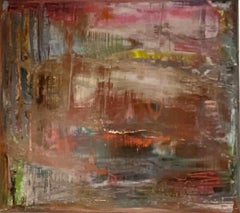
Abstract Picture (Limited edition print; authorized promotional reproduction)
By Gerhard Richter
Located in New York, NY
Gerhard Richter Untitled Abstract Picture, 2002 Offset lithograph on GardaMatt Art 250 GSM paper Not signed, edition of 3433 12 1/2 × 16 3.5 inches Unframed Printed on GardaMatt Art 250 GSM paper, this beautiful and colorful piece was part of a portfolio of loose plate reproductions for Gerhard Richter's Abstraktes works. Released during his exhibitions at the San Francisco Museum of Art (Abstract Pictures) and the Museum of Modern Art (Gerhard Richter, 40 Years of Painting). It depicts Richters 1999 Oil on Aluminum abstract picture) More about Gerhard Richter: Gerhard Richter was born in 1932 in Dresden, Germany. Throughout his career, Richter has negotiated the frontier between photography and painting, captivated by the way in which these two seemingly opposing practices speak to and challenge one another. From exuberant canvases rendered with a squeegee and acerbic color charts to paintings of photographic detail and close-ups of a single brushstroke, Richter moves effortlessly between the two mediums, reveling in the complexity of their relationship, while never asserting one above the other. Richter’s life traces the defining moments of twentieth-century history and his work reverberates with the trauma of National Socialism and the Holocaust. In the wake of the Second World War, Richter trained in a Socialist Realist style sanctioned by East Germany’s Communist government. When he defected to West Germany in 1961, a month before the Berlin Wall was erected, Richter left his entire artistic oeuvre up to that point behind. From 1961 to 1964—alongside Blinky Palermo and Sigmar Polke—Richter studied at the Staatliche Kunstakademie Düsseldorf, where he began to explore the material, conceptual, and historical implications of painting without ideological restraint. Richter’s earliest paintings in Düsseldorf, stimulated by a fascination with current affairs and popular culture, responded to images from magazines and newspaper cuttings. Through the 1960s, Richter continued to address found and media images of subjects such as military jets, portraits, and aerial photographs. Notably, he reimagined family pictures he had smuggled from East Germany that included his smiling uncle Rudi, dressed in a Nazi uniform...
Category

Early 2000s Abstract Expressionist Henri Matisse More Art

Materials

Lithograph, Offset

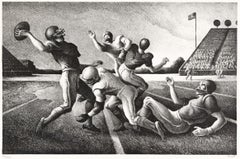
Forward Pass
By Thomas Hart Benton
Located in New York, NY
Lithograph on wove paper, 1972. Signed by the artist in pencil, lower right. Inscribed "Ed. 250" in pencil, lower left. Published by Associated American Artists, New York. Catalog...
Category

1970s American Realist Henri Matisse More Art

Materials

Lithograph

Forward Pass
Forward Pass
$8,000
H 12.75 in W 19.75 in
Poema visual
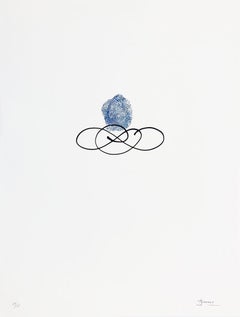
By Joan Brossa
Located in New York, NY
Lithograph on paper (Edition of 25) Signed in pencil, l.r. Numbered in pencil, l.l. This print is offered by ClampArt, located in New York City. Joan Brossa (1919-1998) was a Cata...
Category

1980s Post-Minimalist Henri Matisse More Art

Materials

Lithograph

Poema visual
$975
H 19.75 in W 15 in
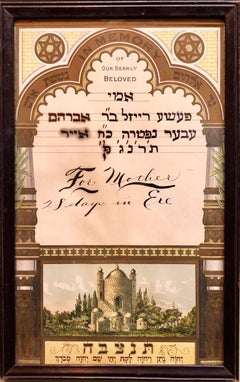
Rare Judaica 1893 Jewish Yizkor Memorial Plaque Hebrew English Chromolithograph
Located in Surfside, FL
A rare Judaic memorial piece for mother.
Category

Late 19th Century Aesthetic Movement Henri Matisse More Art

Materials

Lithograph

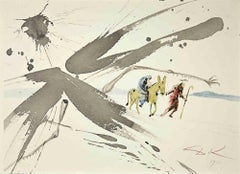
Ex Aegypto Vocavi Filium Meum - Lithograph - 1964
By Salvador Dalí­
Located in Roma, IT
Ex Aegypto Vocavi Filium Meum is a Color lithograph on heavy rag paper realized in 1964. It is part of Biblia Sacra vulgatæ edition is published by Rizzoli-Mediolani between 1967 and...
Category

1960s Surrealist Henri Matisse More Art

Materials

Lithograph

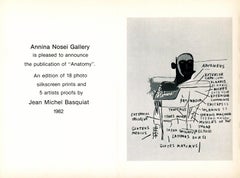
Basquiat Annina Nosei Gallery 1982 (Basquiat anatomy announcement)
By Jean-Michel Basquiat
Located in NEW YORK, NY
Jean-Michel Basquiat, Annina Nosei Gallery, New York, 1982: Rare Basquiat announcement card published by Annina Nosei Gallery to advertise the release of ‘Basquiat Anatomy’ (a suite ...
Category

1980s Abstract Henri Matisse More Art

Materials

Paper, Lithograph, Offset

End of the USA
By Jenny Holzer
Located in Toronto, Ontario
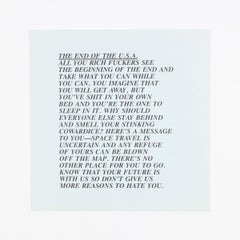
Jenny Holzer is one of the most important and original artists of the 20th century. Her body of work, with an emphasis on text, is consistently provocative and occasionally frightening, manipulating the language of both pop culture and government slogan to produce commentary on global issues notably power structures and warfare. Holzer's iconic "Inflammatory Essays", produced between 1979 and 1982, were first pasted on walls throughout heavily populated metro areas including New York and other cities. Composed of anonymous statements, printed on friendly or calm colored papers, the statements were influenced by writings of major political figures such as Emma Goldman...
Category

1980s Conceptual Henri Matisse More Art

Materials

Offset

End of the USA
End of the USA
$660
H 17 in W 17 in
Previously Available Items
Femme Nu
By Henri Matisse
Located in OPOLE, PL
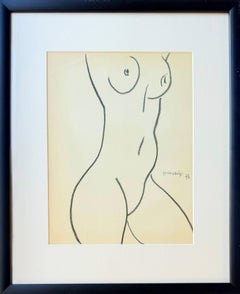
Henri Matisse (1869-1954) - Femme Nu Photogravure from 1952. Dimensions of work: 35.5 x 26.4 cm Publisher: Tériade, Paris. The work is in Excellent condition. Fast and secure sh...
Category

1950s Surrealist Henri Matisse More Art

Materials

Photogravure

Femme Nu
Femme Nu
H 13.98 in W 10.4 in D 0.04 in
Le Cœur (The Heart)
By Henri Matisse
Located in OPOLE, PL
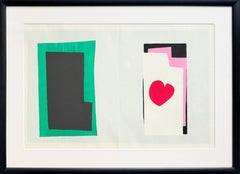
Henri Matisse (1869-1954) - Le Cœur (The Heart) Lithograph from 1983. Dimensions of sheet: 61 x 39 cm Dimensions in frame: 73 x 53 cm Publisher: George Brazilier, New York. Prin...
Category

1950s Surrealist Henri Matisse More Art

Materials

Lithograph

Le Cœur (The Heart)
Le Cœur (The Heart)
H 24.02 in W 15.36 in D 0.04 in
Jeune fille
By Henri Matisse
Located in OPOLE, PL
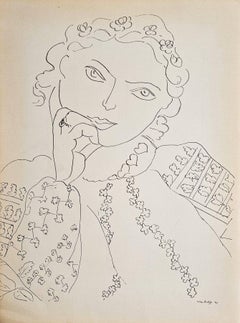
Henri Matisse (1869-1954) - Jeune fille Photogravure from 1937. Dimensions of work: 35.5 x 26.4 cm Publisher: Tériade, Paris. The work is in Excellent condition. Fast and secure...
Category

1930s Surrealist Henri Matisse More Art

Materials

Photogravure

Jeune fille
Jeune fille
H 13.98 in W 10.4 in D 0.04 in
Jeune fille
By Henri Matisse
Located in OPOLE, PL
Henri Matisse (1869-1954) - Jeune fille Photogravure from 1937. Dimensions of work: 35.5 x 26.4 cm Publisher: Tériade, Paris. The work is in Excellent condition. Fast and secure...
Category

1930s Surrealist Henri Matisse More Art

Materials

Photogravure

Jeune fille
Jeune fille
H 13.98 in W 10.4 in D 0.04 in
Les Fleurs Du Mal. By Charles Baudelaire.
By Henri Matisse
Located in New York, NY
MATISSE, Henri. Les Fleurs Du Mal. By Charles Baudelaire. Illustrated with an original etching on Chine, 33 original photo-lithographs, 69 original woodcuts (including initials, c...
Category

1940s Modern Henri Matisse More Art

Materials

Paper

Poésies de Stéphane Mallarmé.
By Henri Matisse
Located in New York, NY
MATISSE, Henri. Poésies de Stéphane Mallarmé. [2], 153, [8] pp. Illustrated by Henri Matisse with 29 etchings printed in black. Small folio, bound in original printed wrappers, and housed in the original calf-backed chemise and slipcase. Lausanne: Albert Skira & Cie., 1932. A superb copy of this masterpiece of twentieth century book illustration. The Matisse etchings...
Category

1930s Henri Matisse More Art

Materials

Paper

Les Jockeys Camouflés.
By Henri Matisse
Located in New York, NY
MATISSE, Henri. Les Jockeys Camouflés. By Pierre Reverdy. Illustrated with reproductions of 5 drawings by Matisse. 4to., bound in original printed wrappers, Paris: The Author, 19...
Category

1910s Henri Matisse More Art

Materials

Paper

Henri Matisse more art for sale on 1stDibs.

Find a wide variety of authentic Henri Matisse more art available for sale on 1stDibs. You can also browse by medium to find art by Henri Matisse in paper and more. Not every interior allows for large Henri Matisse more art, so small editions measuring 9 inches across are available. Customers who are interested in this artist might also find the work of Jean Cocteau, René Lalique, and Mr. Brainwash. Henri Matisse more art prices can differ depending upon medium, time period and other attributes. On 1stDibs, the price for these items starts at $5,000 and tops out at $5,000, while the average work can sell for $5,000.
Questions About Henri Matisse More Art
  • 1stDibs ExpertApril 22, 2024
    Henri Matisse was famous for his work as a draftsman, sculptor, printmaker and painter. He is especially well known for his use of color. Although classically trained at the Académie Julian in Paris, he quickly abandoned traditional techniques and genres to pioneer a style all his own, marked by quick gestural strokes and fluid contours. Along with fellow painter André Derain, Matisse was the leading proponent of Fauvism, a movement whose name is derived from the French word for "wild beast." Marked by vibrant hues, Fauvist paintings like Matisse's famous 1906 composition Le bonheur de vivre use wild, active brushstrokes and a palette unconstrained by nature. Shop an assortment of Henri Matisse art on 1stDibs.
  • 1stDibs ExpertFebruary 7, 2024
    Some of Henri Matisse's most famous paintings include Le Bonheur de Vivre, Blue Nude (Souvenir de Biskra), Woman with a Hat, Music, The Green Stripe and L'Atelier Rouge. Matisse also worked as a draftsman, printmaker and sculptor. Regardless of what medium he was working in, the French artist was a master of color. Although classically trained at the Académie Julian in Paris, he abandoned traditional techniques and genres to pioneer a style all his own, marked by quick gestural strokes and fluid contours. Find an assortment of Henri Matisse art on 1stDibs.
  • 1stDibs ExpertFebruary 27, 2024
    Henri Matisse stopped painting due to health concerns. In 1941, the French artist required surgery for cancer and used a wheelchair afterward. The physical limitations of his disability made it difficult for the artist to continue to produce both paintings and sculptures. However, he adapted by cutting shapes from colored paper for creative new works. On 1stDibs, find a selection of Henri Matisse art from some of the world's top dealers and galleries.
  • 1stDibs ExpertApril 5, 2022
    Henri Matisse created Icarus in 1947. It was printed using a stencil technique and was later included among 20 other pieces in his book Jazz. Shop a selection of Matisse’s pieces from some of the world’s top art dealers on 1stDibs.
  • 1stDibs ExpertFebruary 7, 2024
    Henri Matisse's art style is associated with several movements, including Postimpressionism and Fauvism. He was also the leading proponent of Fauvism, a movement with a name derived from the French word for "wild beast." Marked by vibrant hues, Fauvist paintings like Matisse's famous 1906 composition Le Bonheur de Vivre use wild, active brushstrokes and a palette unconstrained by nature, resulting in women with purple skin and trees with orange leaves. Often, these compositions unite pure color with the white of the exposed canvas to create a sense of transparency and light. Shop a variety of Henri Matisse art on 1stDibs.
  • 1stDibs ExpertApril 5, 2022
    Henri Matisse, throughout his decades-long career, had a number of different impacts upon the art world. However, his seminal works in so-called Fauvism (French for ‘wild beast’) set him apart from the start. With strident use of color and seemingly wild brushwork, works from Matisse’s formative periods are among the most highly sought after by collectors. You’ll find a collection of expertly-vetted Matisse pieces from some of the world’s top dealers on 1stDibs.
  • 1stDibs ExpertApril 5, 2022
    Henri Matisse's artistic style is largely classified as Fauvism. His colorful, expressive paintings also helped to influence Expressionist art. Some of the French artist's most famous paintings include Blue Nudes, La Danse and Le Bonheur de Vivre. Find a collection of Henri Matisse on 1stDibs.
  • 1stDibs ExpertApril 5, 2022
    Henri Matisse's last painting was completed in 1951, and was titled Woman in Yellow Blouse. He also created a piece called The Swimming Pool, in 1952, which featured cutouts of divers and sea creatures in hues of blue. Shop a selection of Henri Matisse pieces from some of the world’s top art dealers on 1stDibs.