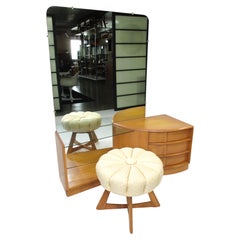
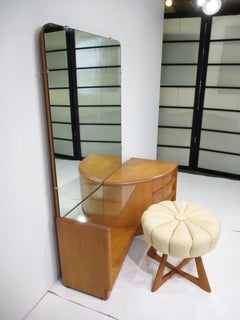
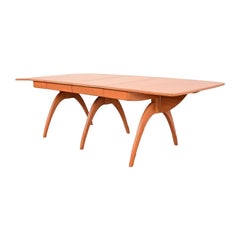
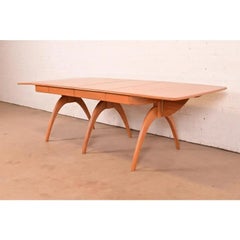
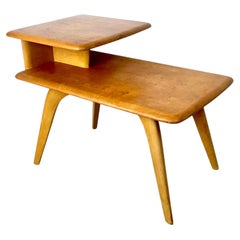
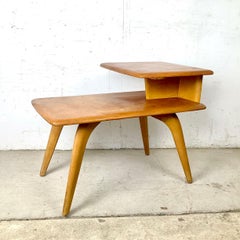
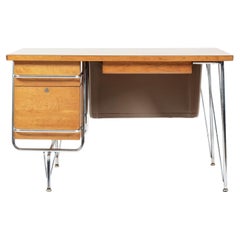
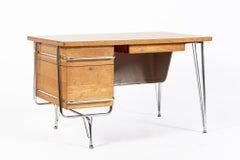
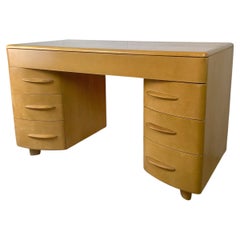
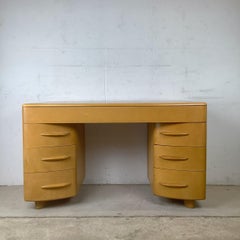
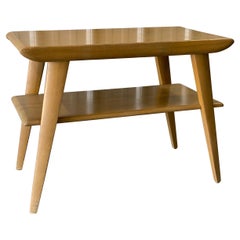
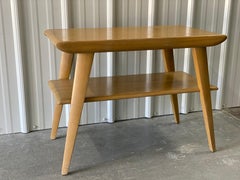
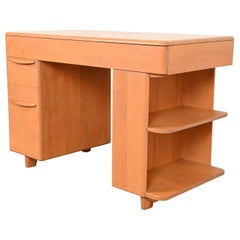
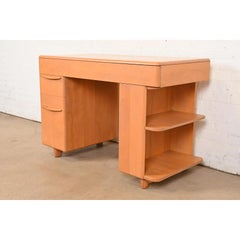
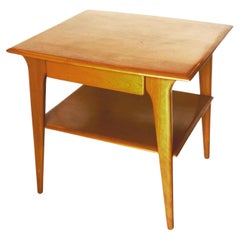
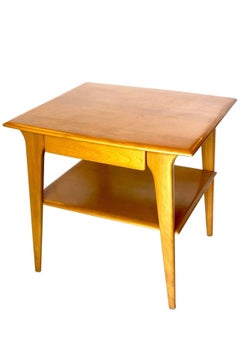
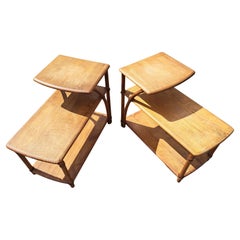
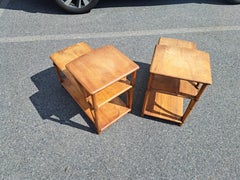
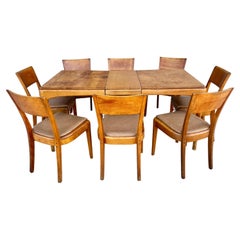
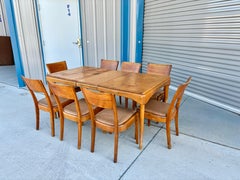
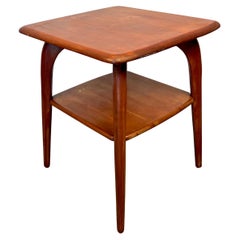
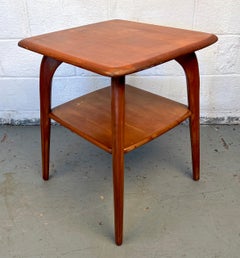
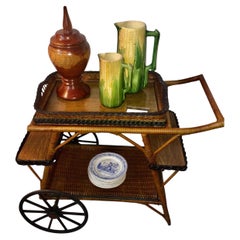
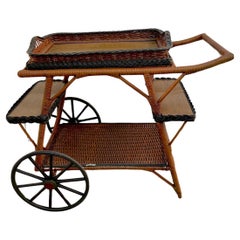
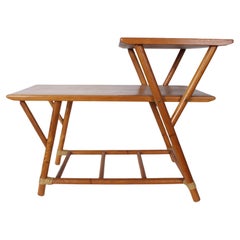
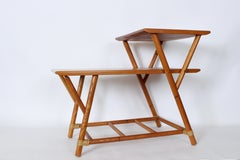
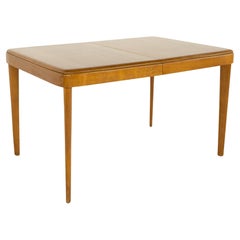
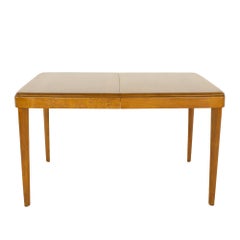
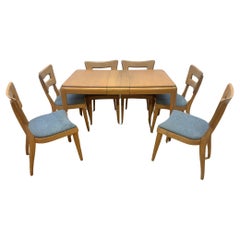
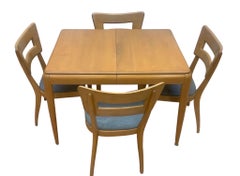
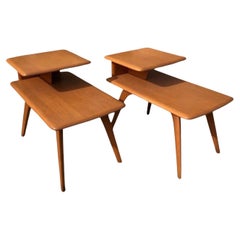
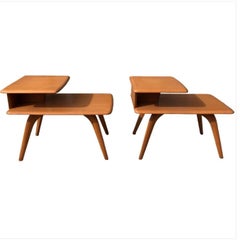
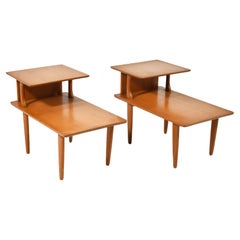
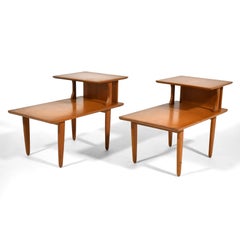
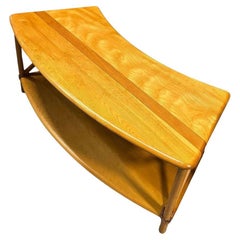
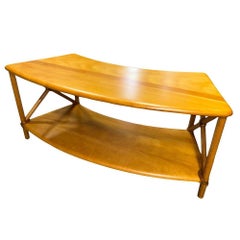
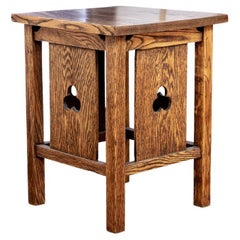
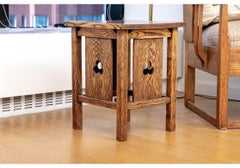
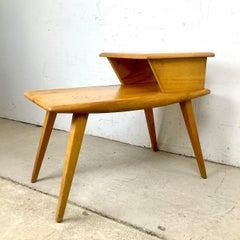
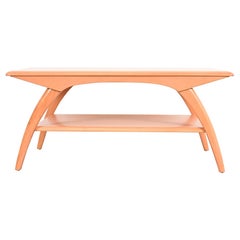
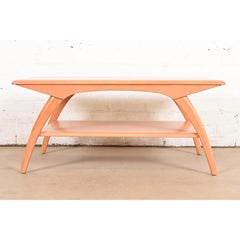
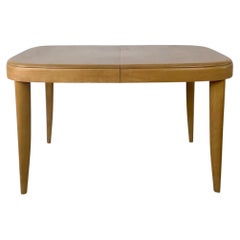
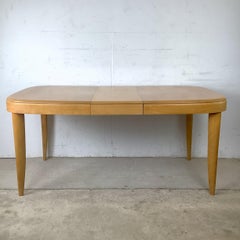
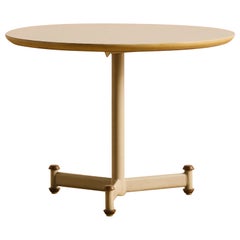
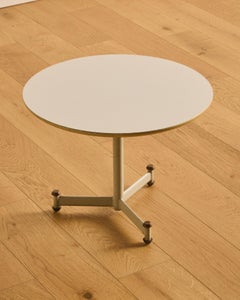
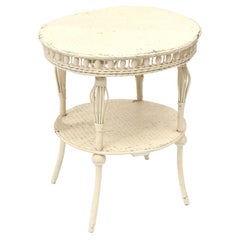
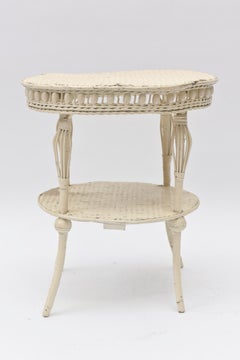
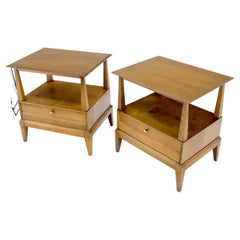
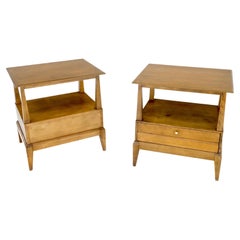
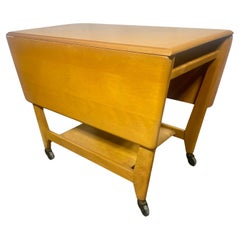
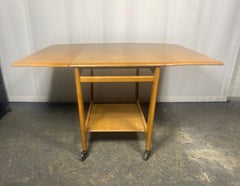
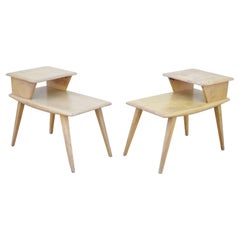
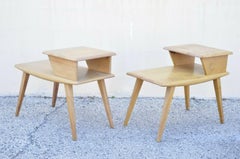
Mid-century modern furniture obsessives seeking vintage Heywood-Wakefield tables shouldn’t be fooled by the harmony that the company’s hyphenated name suggests. For much of the 19th century, Heywood Brothers and Wakefield Company were bitter rivals.
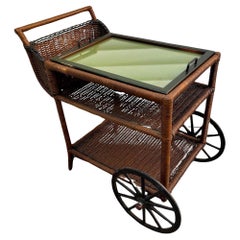
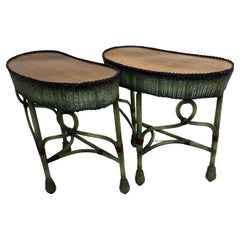
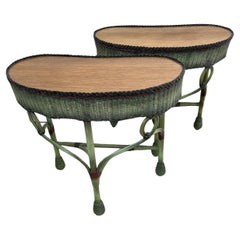
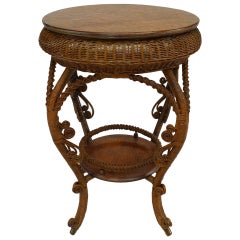
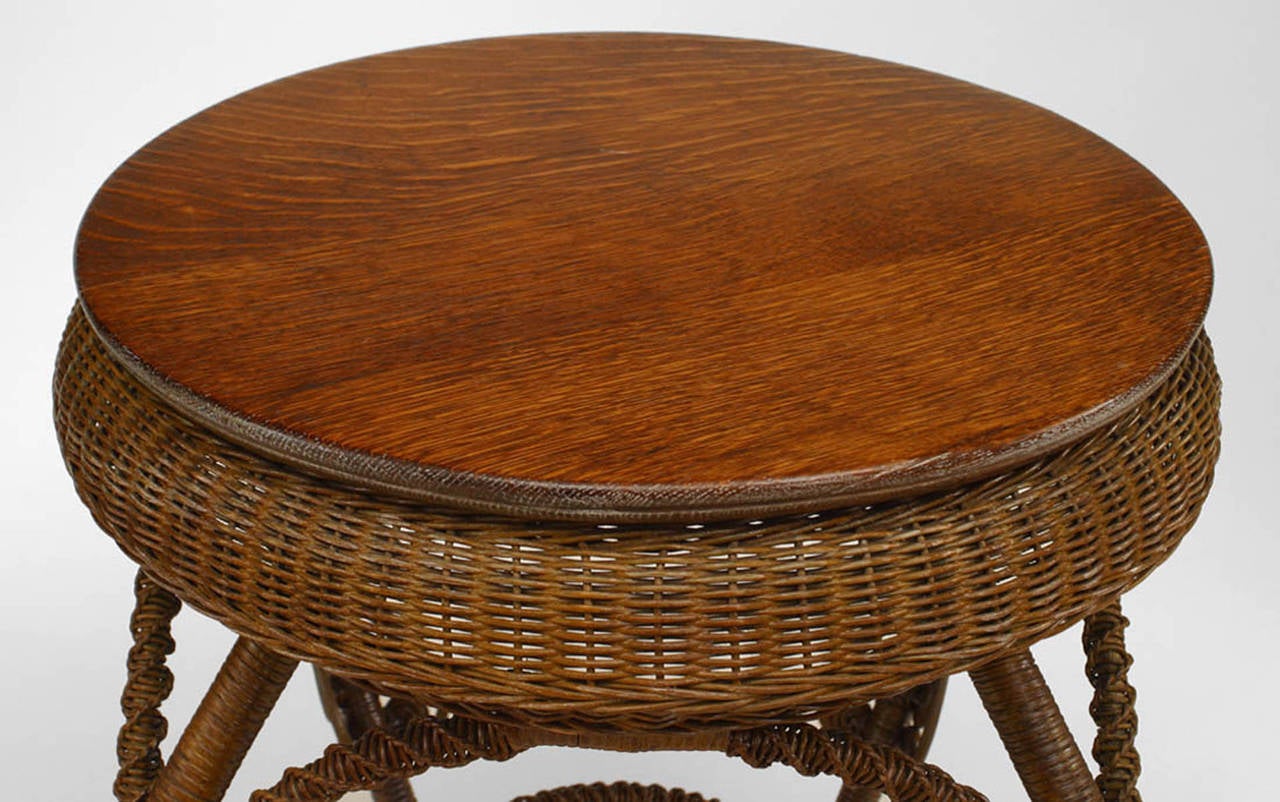
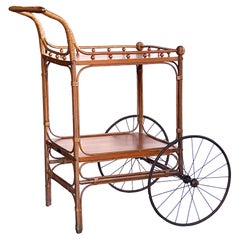
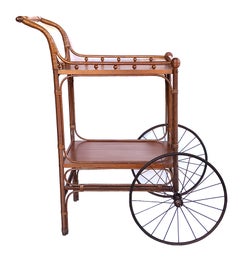
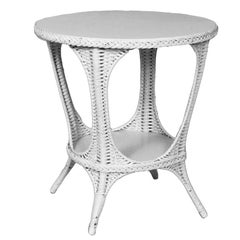
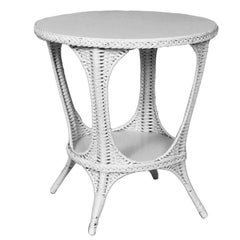
Founded in 1826 and 1855, respectively, both Heywood Brothers and Wakefield Company were Massachusetts manufacturers that produced American-made furniture, specializing initially in wicker and rattan. The five Heywood brothers started their furniture business in a backyard shed, making wooden tables and chairs with cane or wicker seats, while Wakefield founder Cyrus Wakefield began working with scrap rattan, which he bought at the Boston docks, where it was used as cushioning in the holds of cargo ships. In 1897, however, the two joined forces, merging to become Heywood Brothers & Wakefield Company, which was later simplified to Heywood-Wakefield Co.
The company would eventually purchase the Washburn-Heywood Chair Company, the Oregon Chair Company and Lloyd Manufacturing Company, creating a mini-empire of American furniture with manufacturing locations across the country.
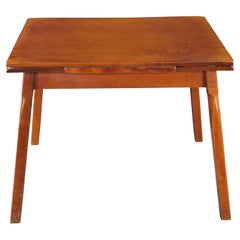
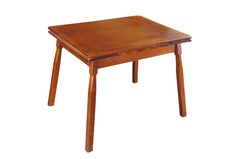
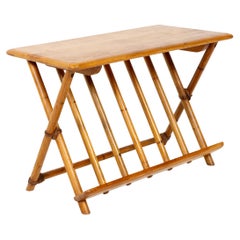
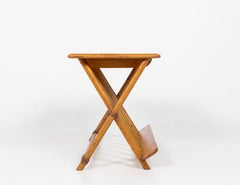
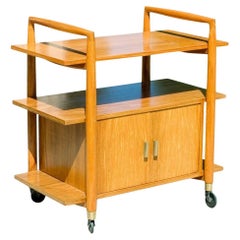
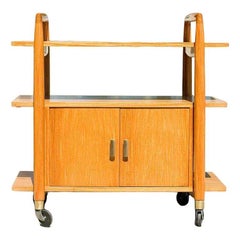
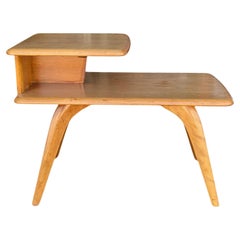
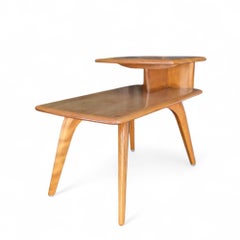
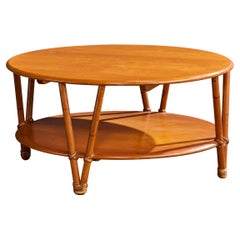
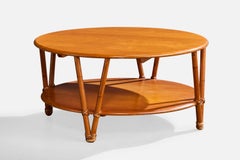
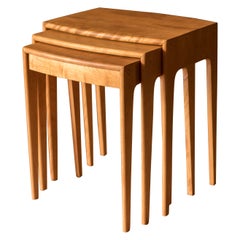
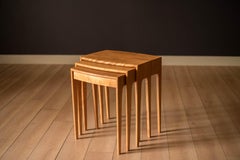
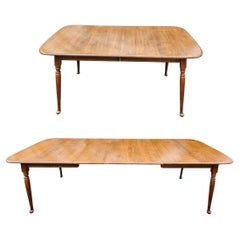
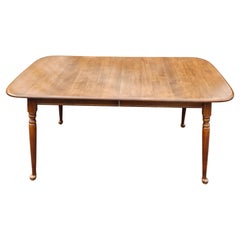
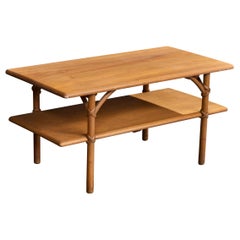
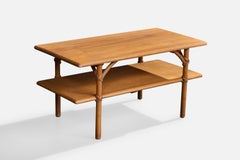
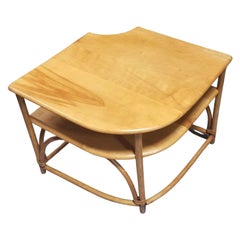
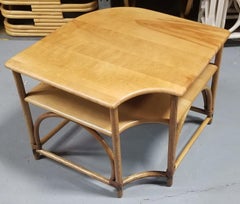
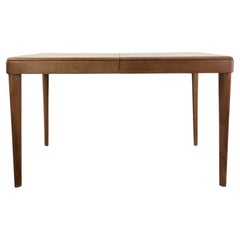
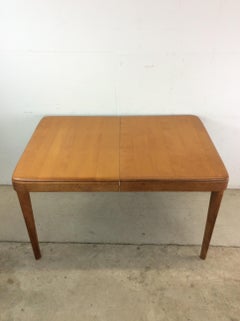
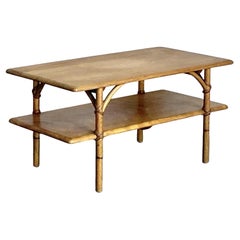
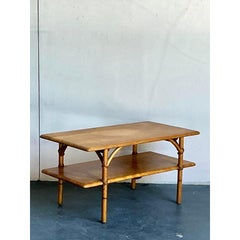
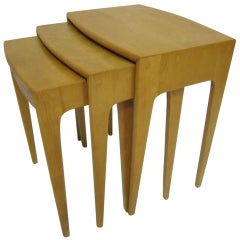
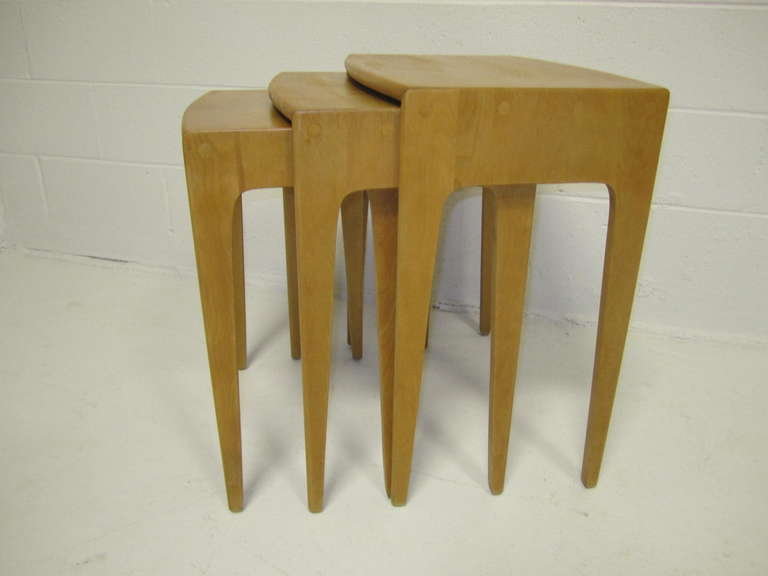
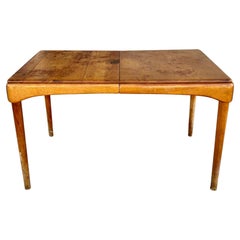
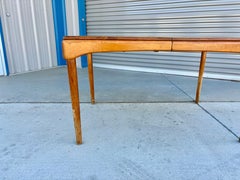
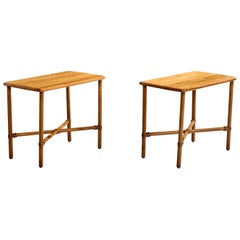
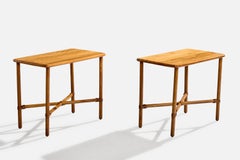
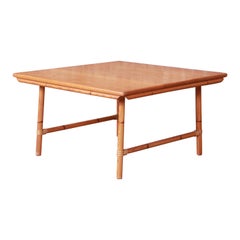
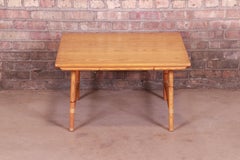
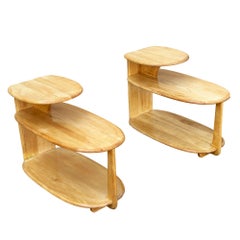
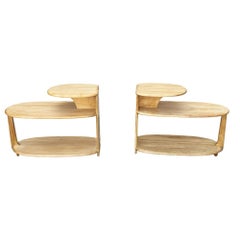
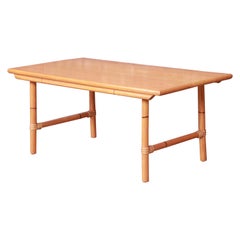
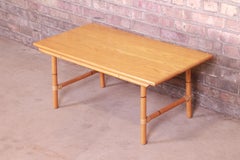
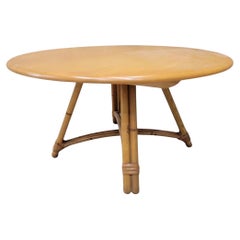
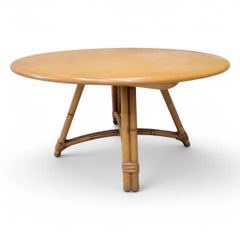
Heywood-Wakefield’s earliest solid-wood table designs reflect the decorative emphasis and Japanese influence that swept the United States at the turn of the century. In the ensuing years, the brand adopted principles of the Arts and Crafts movement, but by the 1920s, interest in wicker furniture was waning in America. To boost sales, the company enlisted guest designers like Paul Frankl, who crafted coffee tables with sturdy bamboo supports and other furnishings for the brand, and Donald Deskey, who brought his mastery of Art Deco design, with sculptural side tables boasting elegant maple tops supported by cylindrical flat-band steel bases. Gilbert Rohde introduced modern designs to Heywood-Wakefield (and also, in 1932, to Herman Miller), adding Art Deco pieces to the company’s portfolio such as sleek walnut dining tables. The company prized versatility: A set of Heywood-Wakefield’s elegant mid-century modern nesting tables are an elegant space saver in any living room, while a Rohde-designed solid-walnut console table, for example, would be fitted with hinges on its underside, so that you could position it against a wall with its top closed or, alternately, open it for serving a meal if your space was too modest to safely accommodate one of the manufacturer’s sophisticated dining tables.
No matter your needs, find an extraordinary range of vintage Heywood-Wakefield tables on 1stDibs.