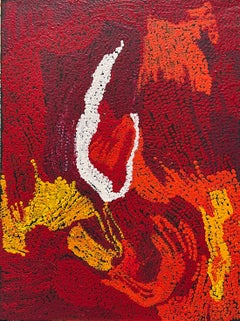
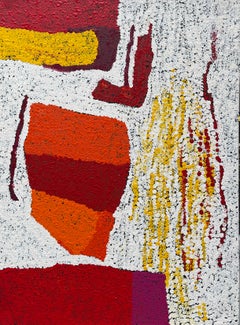
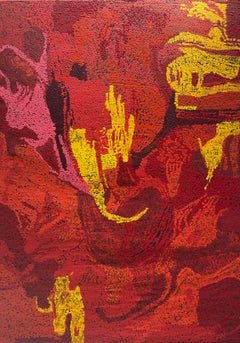
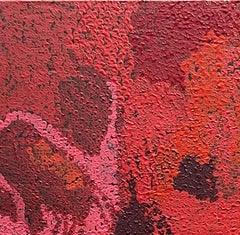
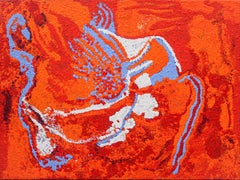
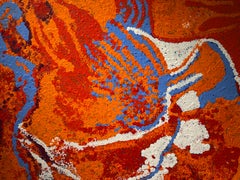
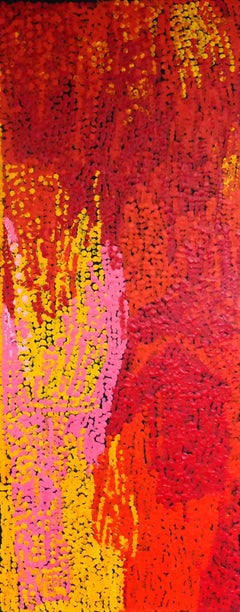
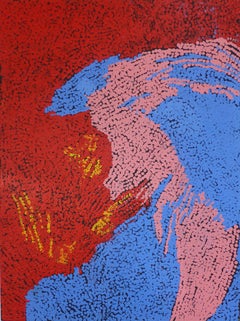
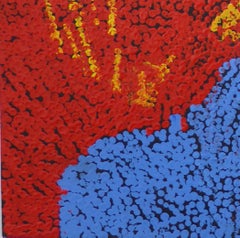
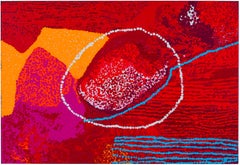
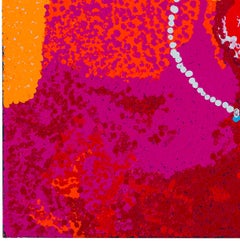
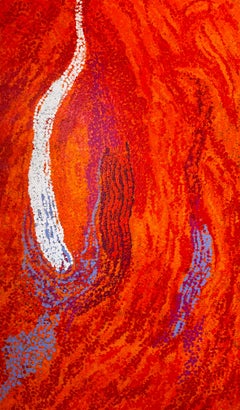
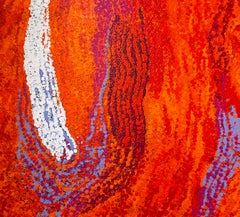
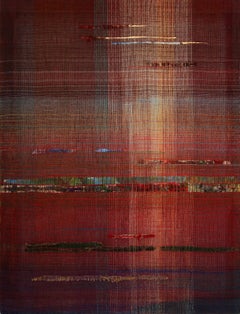
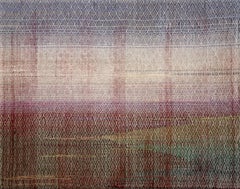
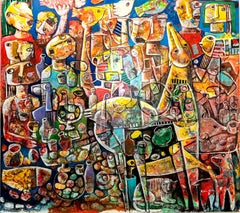
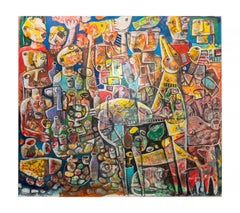
By Yannima Tommy Watson
Located in Miami, FL
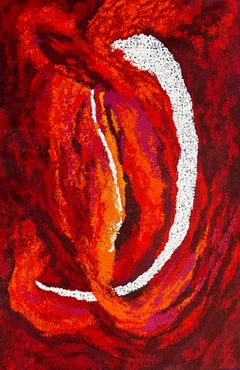
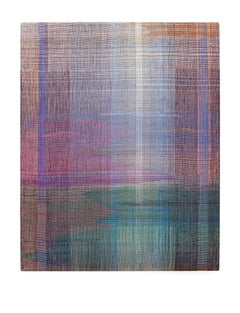
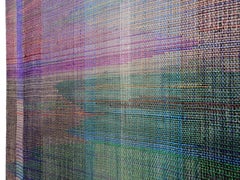
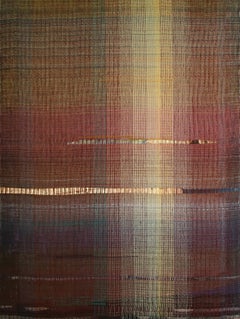
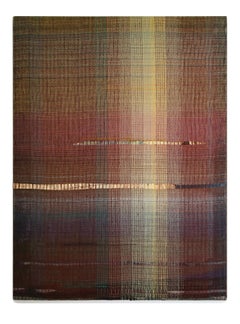
Yannima Tommy Watson is a Pitjantjatjara artist born around the 1930s, in the bush some 44km west of the small isolated community of Irrunytju. Not yet very well known to the French public, despite his participation in the architectural project of the Musée du Quai Branly, Tommy Watson is nevertheless often considered the greatest living Aboriginal artist.
Like many aborigines of his generation, he lived a traditional, nomadic or semi-nomadic life before his contact with Western civilization; then he will occupy the only jobs that the Aborigines find: herdsmen (until Yuendumu), laborers for the construction of infrastructures in the desert. Throughout this period he became familiar with his "country", a harsh region, and deepened his knowledge, both profane and sacred, relating to Dreams and Dreamtimes, to the connections between sacred sites and the Ancestors. He will even work in Papunya, where the artistic movement started. But the Pijantjarra are intransigent with tradition…no question at this time of revealing the motives and the secret stories.
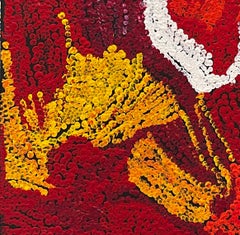
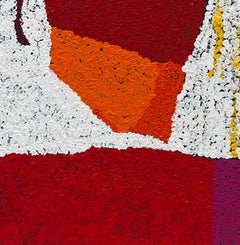
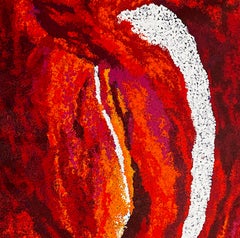
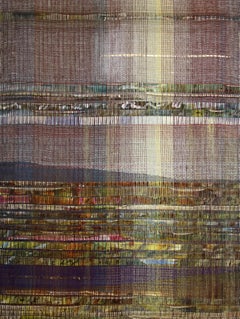
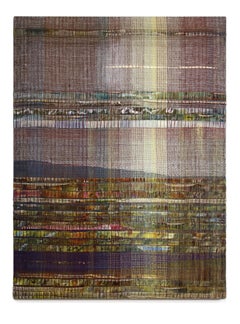
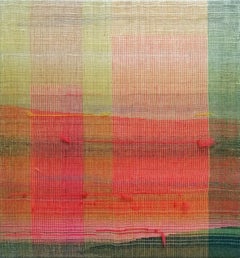
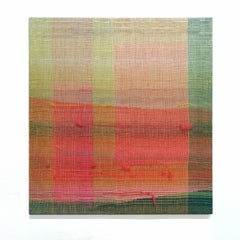
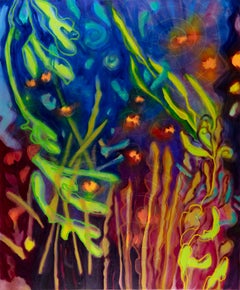
The North of South Australia, the region where he is from, was touched by the pictorial movement only at the very beginning of the 2000s. In 2001, Tommy began his career as an artist in Irrunytju (Wingellina). He is a young artist… He learns by observing other painters and draws on the experiences of a long life and on the exceptional knowledge he has stored up. But quickly he will find his way, a radically new style where color plays a major role. Very quickly, the iconography now well known by the artists of Yuendumu, or the Western Desert, Balgo or Lajamanu disappeared. The symbols are no longer there. As Rover Thomas, Emily Kame or Paddy Bedford had done before him, this is a real artistic revolution. For Tommy, it is not a question of describing his Dream (Caterpillar), the routes taken by the Ancestors. He concentrates on a site, a story, sometimes very profane, the memory of a meeting, of a hunting party, tries to condense his memories, the information of which he is the depositary, to add a poetic touch to it, sometimes melancholy, and this gives a painting with a very abstract aspect. It is a painting where the emotion is very present, undoubtedly less cerebral than the art of the neighbors of the north the Pintupi, like Ronnie Tjampitjinpa, George...
Category
2010s Contemporary Yannima Tommy Watson Art
MaterialsLinen, Cotton Canvas, Acrylic