By Arthur Beecher Carles
Located in Bryn Mawr, PA
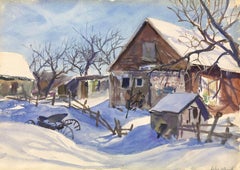
Initialed lower left
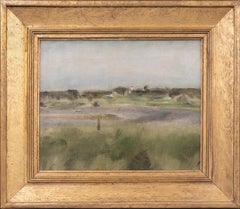
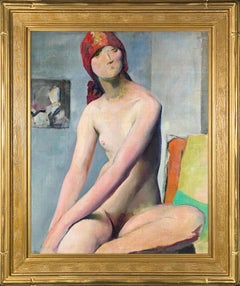
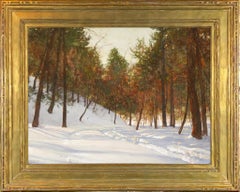
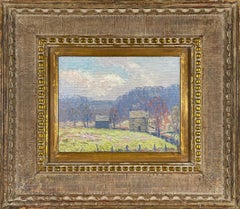
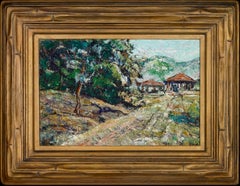
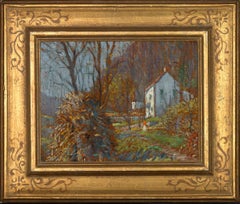
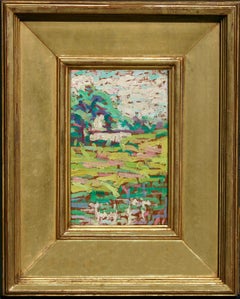
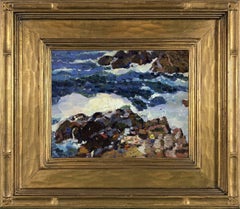
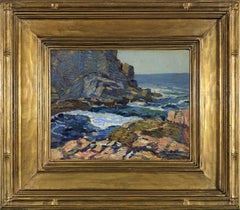
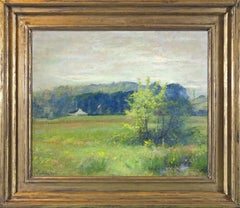
Framed dimensions: 16 x 18 7/8 inches
Provenance
The artist;
Collection of Henry Dubin, Philadelphia until 2018
Exhibitions
Avery Galleries, Bryn Mawr, Pennsylvania, Living Color Modern Life: Hugh Henry Breckenridge and Arthur B. Carles, October 5-November 2, 2018.
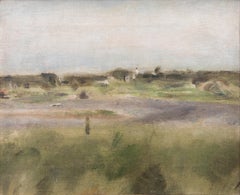
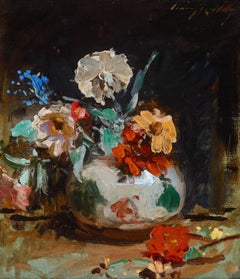
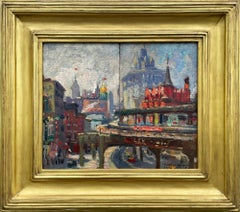
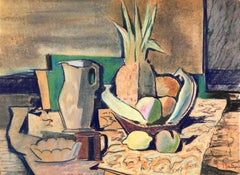
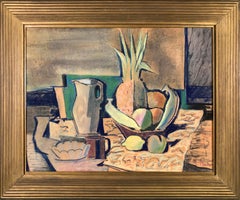
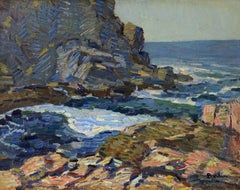
The Philadelphia modernist Arthur B. Carles was a brilliant colorist and an extraordinarily innovative painter. Though Carles trained initially at the Pennsylvania Academy of the Fine Arts, soaking up the more conservative teaching of William Merritt Chase and Thomas Anshutz, he was deeply influenced by the avant-garde art scene in Paris during his first trip there in 1905. In 1907, Carles won the prestigious Cresson Traveling Scholarship, which enabled him to return to Paris for several more years. This experience had a profound impact on Carles as an artist; he was extremely affected by modern French painting, especially the work of Cezanne and Matisse, and by the time Carles returned home to Philadelphia in 1912, he was a confirmed modernist.
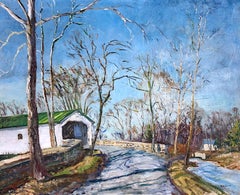
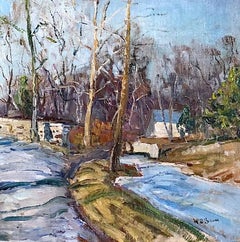
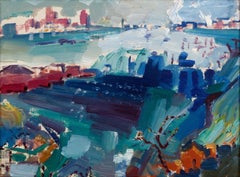
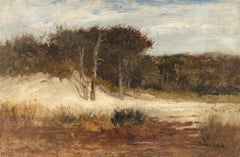
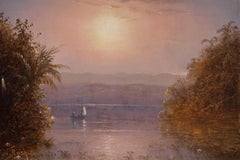
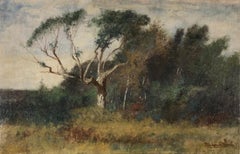
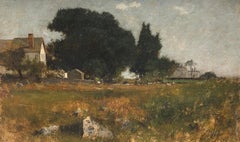
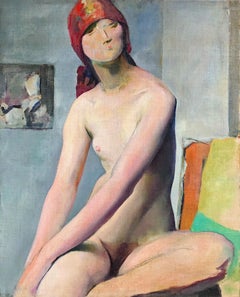
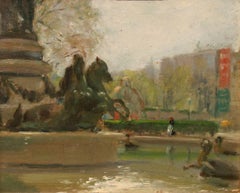
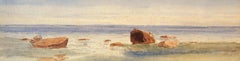
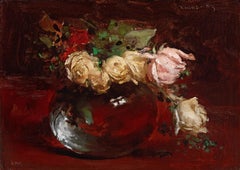
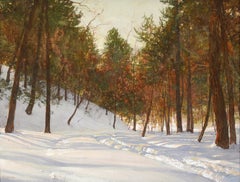
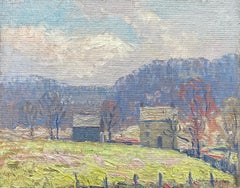
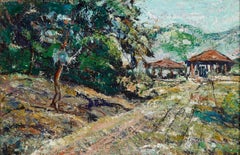
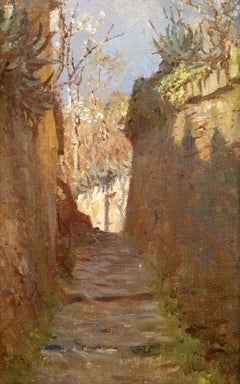
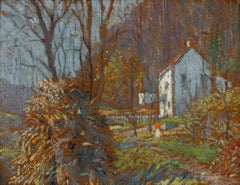
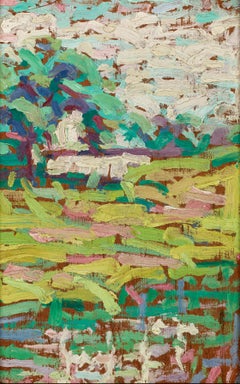
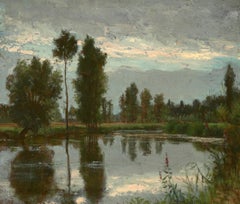
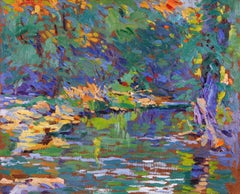
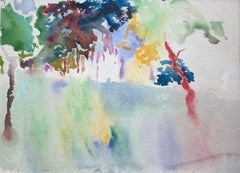
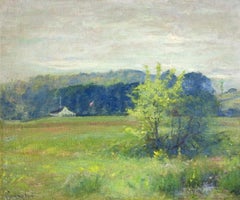
This small landscape sketch was probably painted early during Carles's career, and yet, it already reveals his strong interest in abstraction. Indeed, Landscape Abstraction demonstrates both his daring exploration of lyrical color harmonies as well as his interest in two-dimensional surface design. Painted loosely in the spontaneous medium of watercolor, Carles used thin washes and delicate pools of paint to suggest the foreground area and surrounding trees. His color palette is rich and expressive, ranging from pale greens and blues to deep red, yellow, and even purple.
In addition to his remarkable career as an artist, Carles was also an incredibly gifted teacher. He taught at PAFA from 1917 to 1925 and had a very deep impact on a number of his students such as Morris Blackburn, Quita Brodhead, and Jane Piper...
Category
20th Century Modern Abstract Drawings and Watercolors