By DUNLIN
Located in Paddington, NSW
DUNLIN - Curtain Hardware.
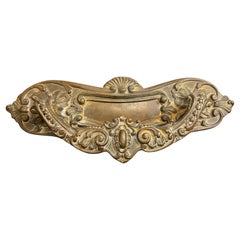
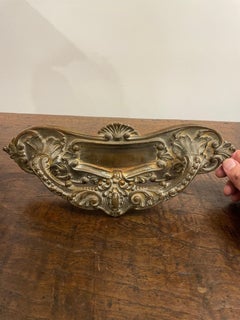
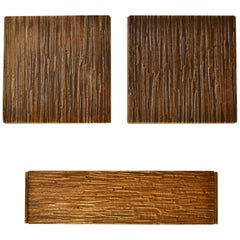
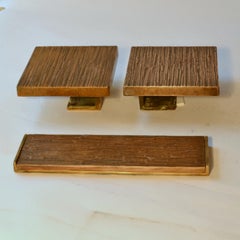
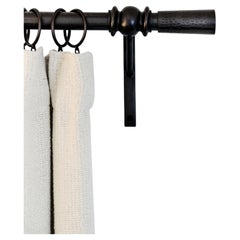
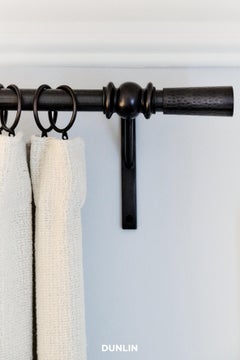
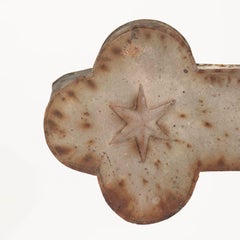
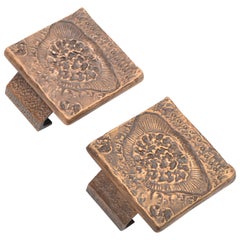
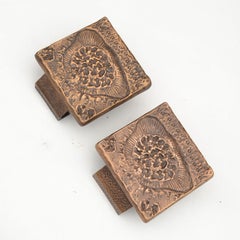
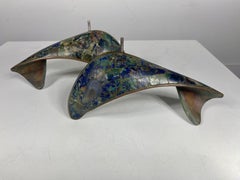
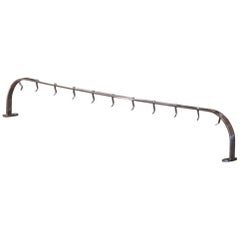
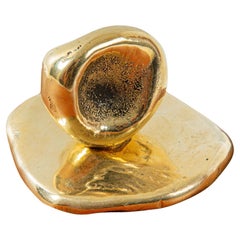
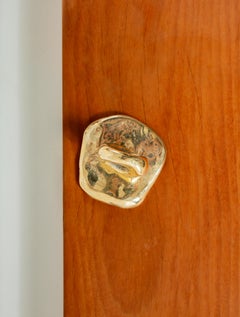
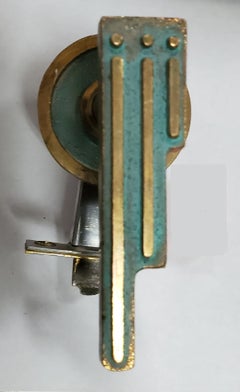
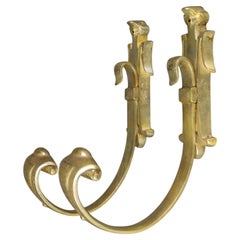
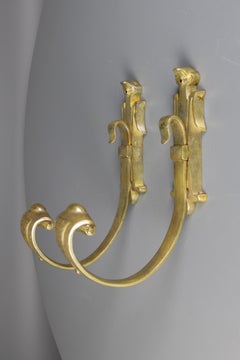
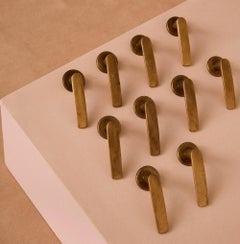
Handcrafted in solid brass, the Germaine Curtain Hardware is available in both single and double rod options. The brackets take their cue directly from the Dunlin Germaine light, translating its distinctive form into a functional detail. Each piece carries a hand-finished, timeworn patina that softens the richness of brass into something more lived-in and enduring. No two pieces will be exactly the same.
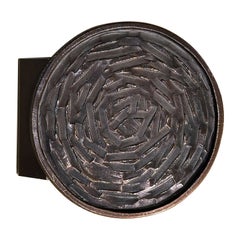
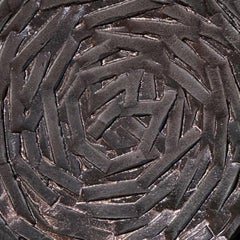
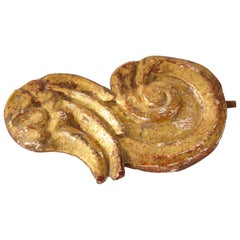
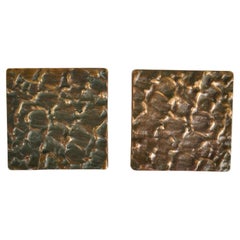
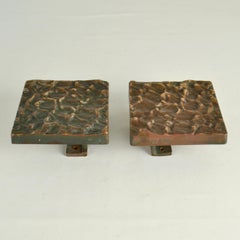
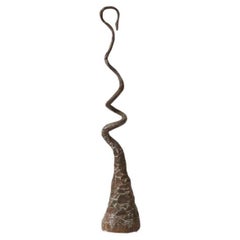
The hammered brass finals are the focal point, inspired by the sculptural detailing of our Claude and Callot light fittings. Subtly irregular, tactile, and full of depth, they catch the light with a quiet warmth, adding an artisanal layer of texture while remaining versatile enough to complement both classic and contemporary interiors. Matching end caps are available for our double rods.
Crafted for both beauty and performance, the hardware offers smooth operation and reliable support for a range of curtain weights...
Category
21st Century and Contemporary Australian Metal Architectural Elements